-
-
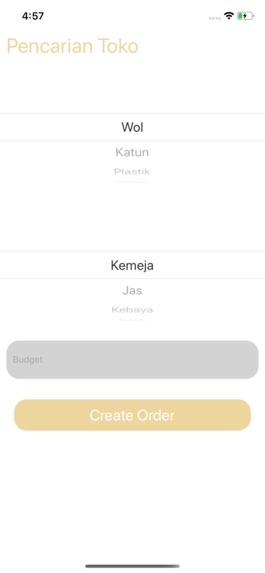
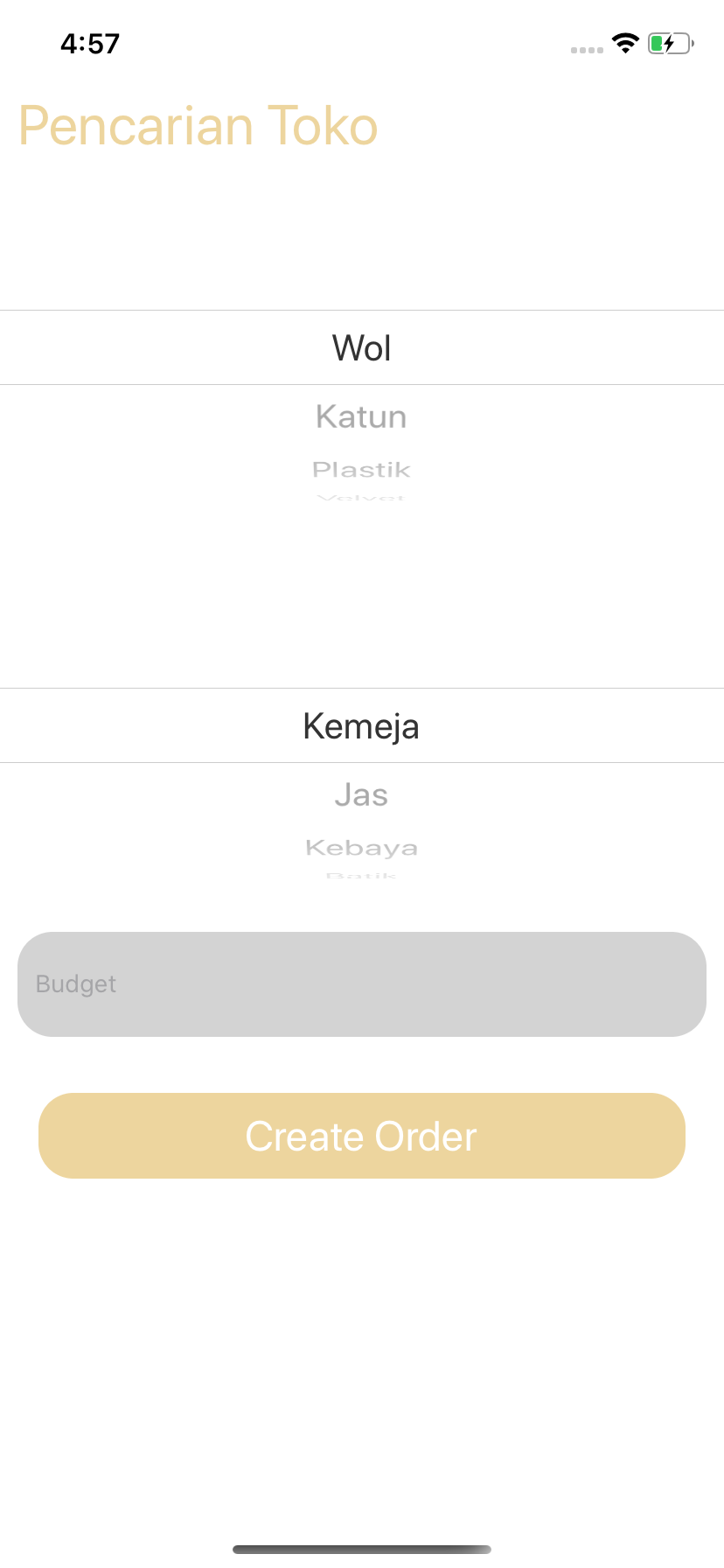
Pages on apps
-
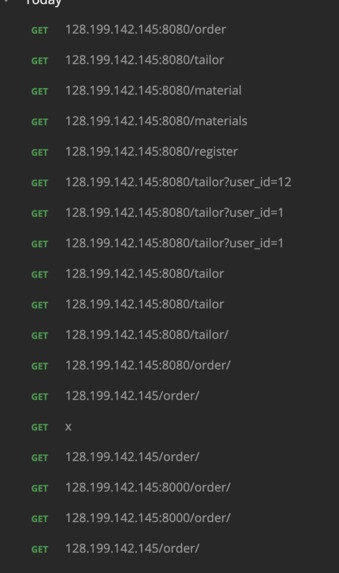
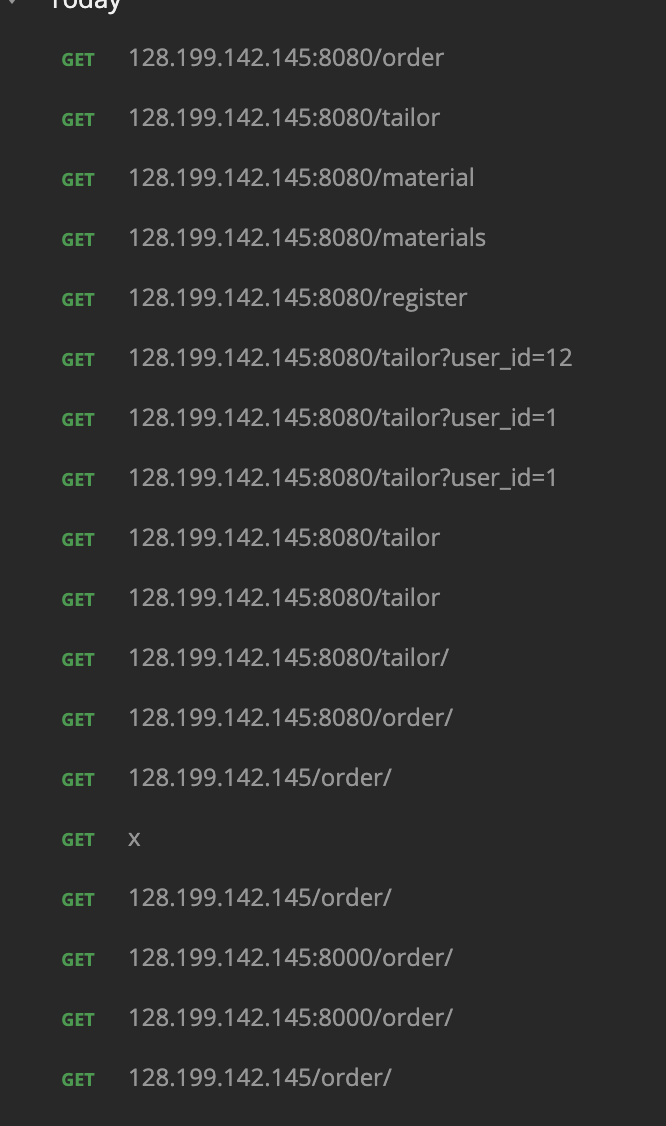
API
Inspiration
It was during the Pandemic that this happens. Tailors around me inside markets are having difficulties of gathering customer, including my grandma who is having a handicraft store. After researching the markets of electronic delivery of handicraft and clothes, I found out that there is no app in Indonesia to order and create clothes from nearby vendors (There is a web but it only has one vendor). I want to make tailors around me to get the effect.
The micro, small and medium enterprises (MSMEs) sector is an important contributor to gross domestic product (GDP). Throughout 2019, MSMEs contributed 60 percent of GDP and 14 percent of total national exports. One sector that has contributed is the fashion sector. According to the results of mapping from Bank Indonesia, the handicraft and fashion industry is a creative industry sector that has higher competitiveness than other sectors.
One of the challenges that MSMEs have in the Fashion sector is the absence of a digital ecosystem that helps MSMEs in the Fashion sector in fulfilling market demand or in finding suppliers of the fabric they need. This can make the businesses owned by MSMEs less developed and can result in some business actors closing their businesses, especially with the current pandemic. Therefore, there is a need for a digital solution that connects fabric sellers, tailors or fashion businesses, and people who buy custom final products.
What it does
Jahitin is a platform that brings together people who need fashion, SMEs in the fashion sector (tailors and wholesalers), and suppliers of fashion raw materials. The public can place an order for a fashion by entering the criteria for fashion materials and other required specifications in a form. The user can confirm this. From the data sent, a check will be carried out on the business that best matches the criteria entered, in the form of recommendation level, budget, type of fashion done, location, and length of work. From this check, the customer will be linked with the business actor. Business actors can also restock raw materials to suppliers. Before the work is carried out, customers can find out the cost of the work and can choose other business actors. If it is suitable, then the customer needs to send DP to the business actor. After the work is complete, the payment will be sent to the business actor.
How I built it
We built it in a team of four: Mahdiar Naufal as a Frontend Engineer, Edbert Ongko as a Backend Engineer, Faisal Aziz as Product Manager, and Rizki Duwinanto as a Frontend Engineer. Together we create a React Native Application with expo with Golang as a backend service.
Challenges I ran into
There are many challenges, such as getting requirements done, Integration and External Force. For the requirements, we have to prune it so that it can be done within the span of 36 hours, such feature that is pruned on MVP is like Camera Automatic Fitting and Supplier database.
Accomplishments that I'm proud of
Creating React Native less than 36 Hours and creating a backend service that deploys on Digital Ocean is our Accomplishments.
What I learned
- How to create apps within 36 Hours
- How to coordinate tactically with Teammates
- How to tackle problems
What's next for Jahitin
The future plan for product development after this Hackathon is to develop a custom system towards on-demand fashion, where users can order the latest models from fashion SMEs. In addition, users will also get suitable outfit recommendations based on their entered personal data.

Log in or sign up for Devpost to join the conversation.