-
-
-
-
-
-
-
-
-
-
-
-
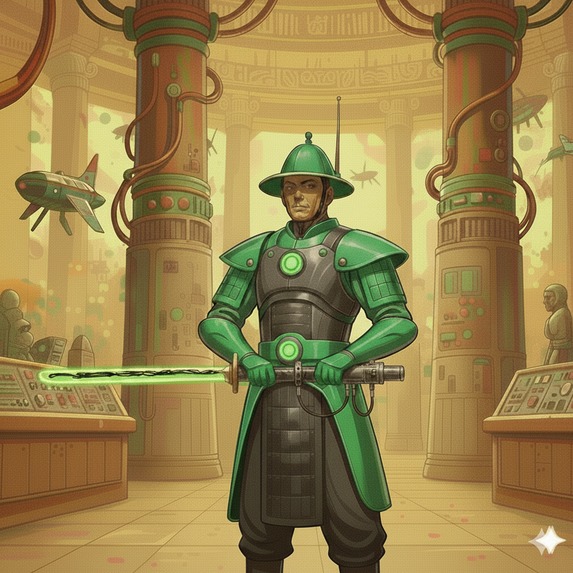
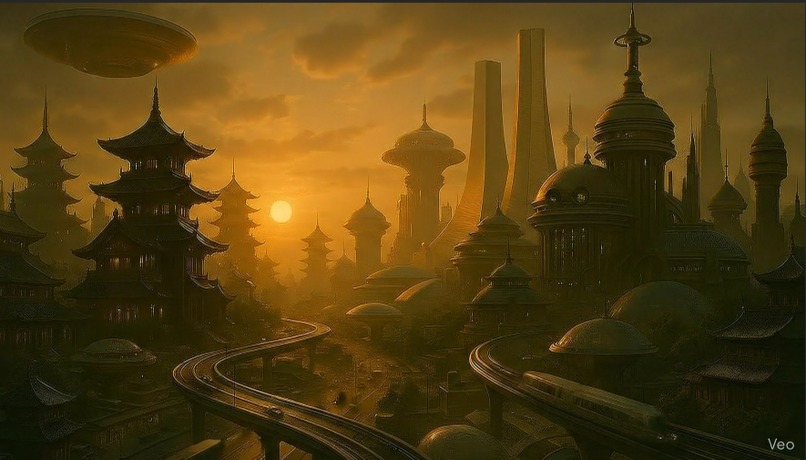
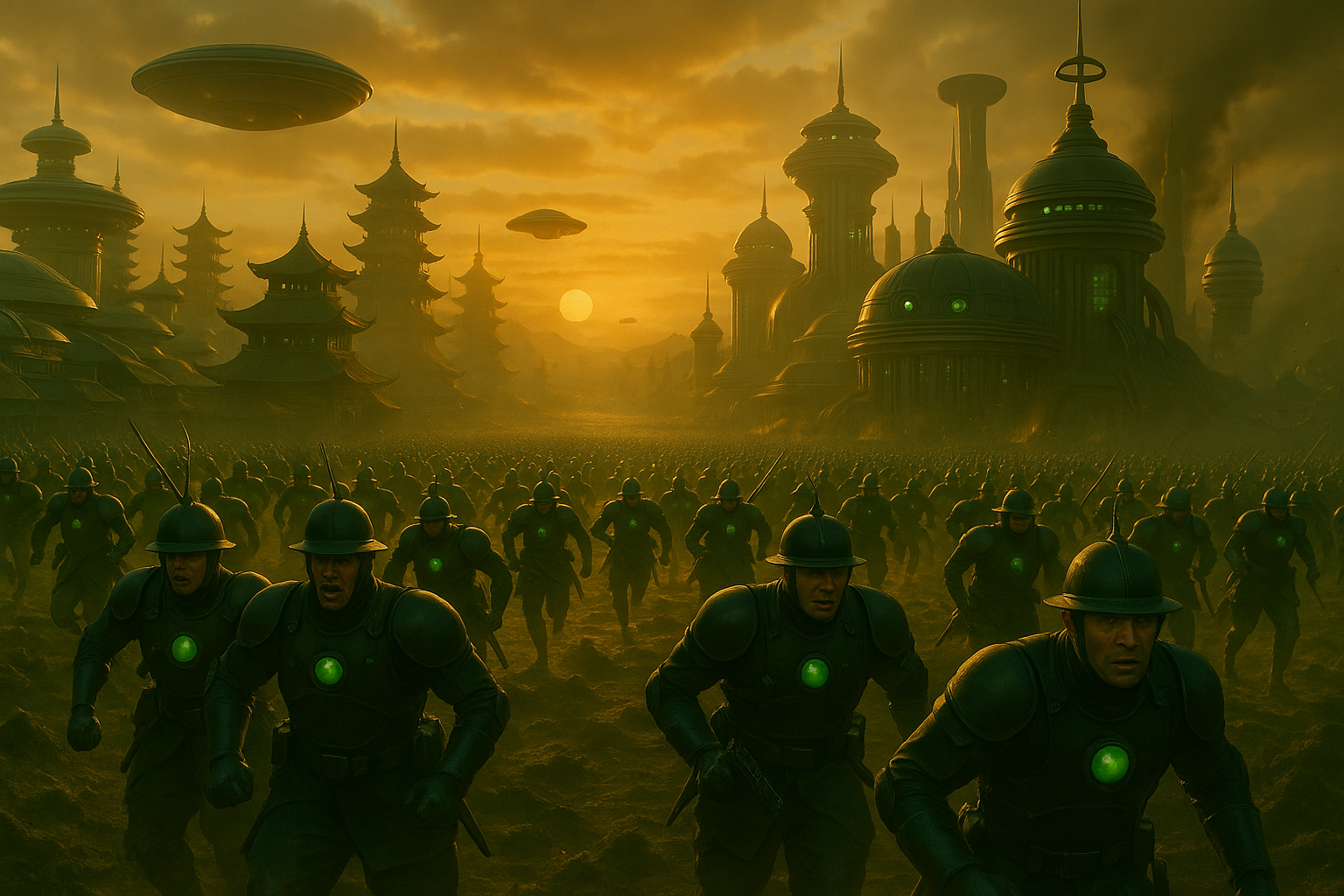
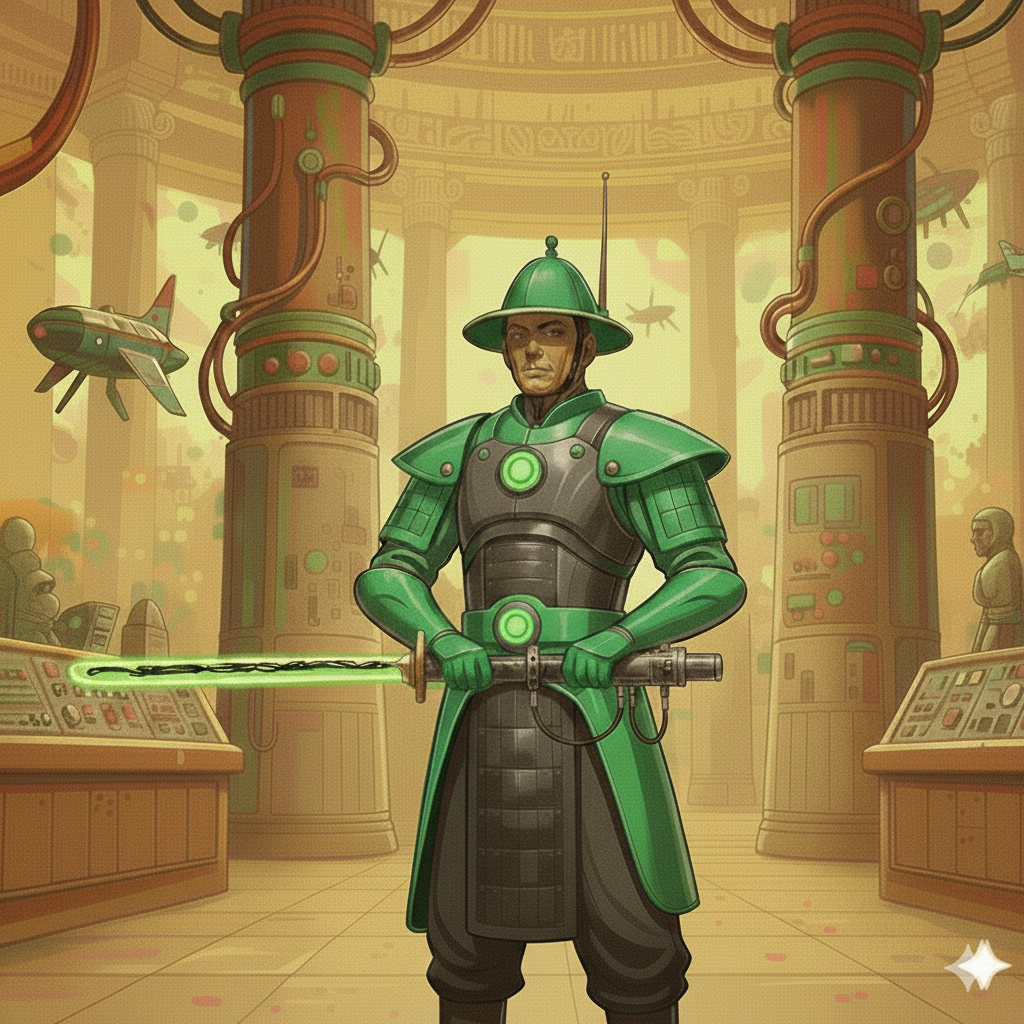
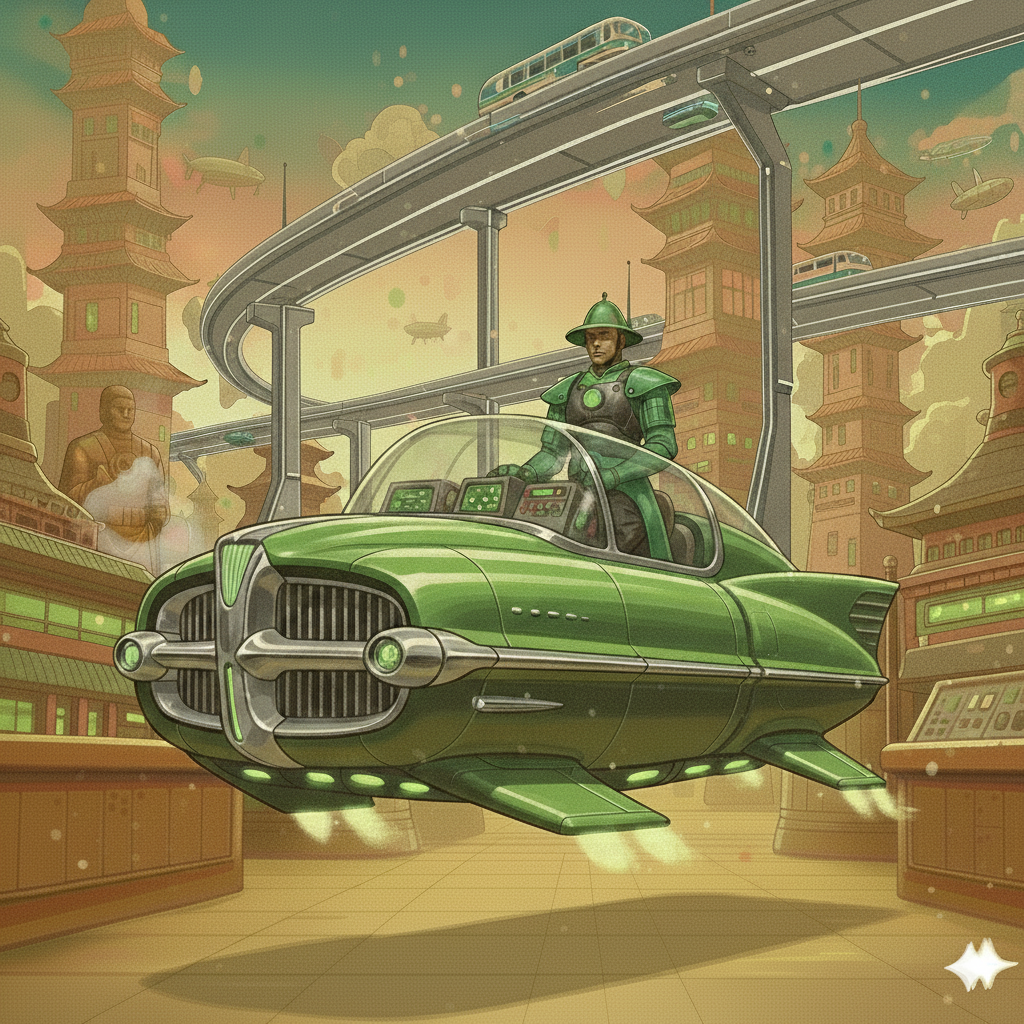
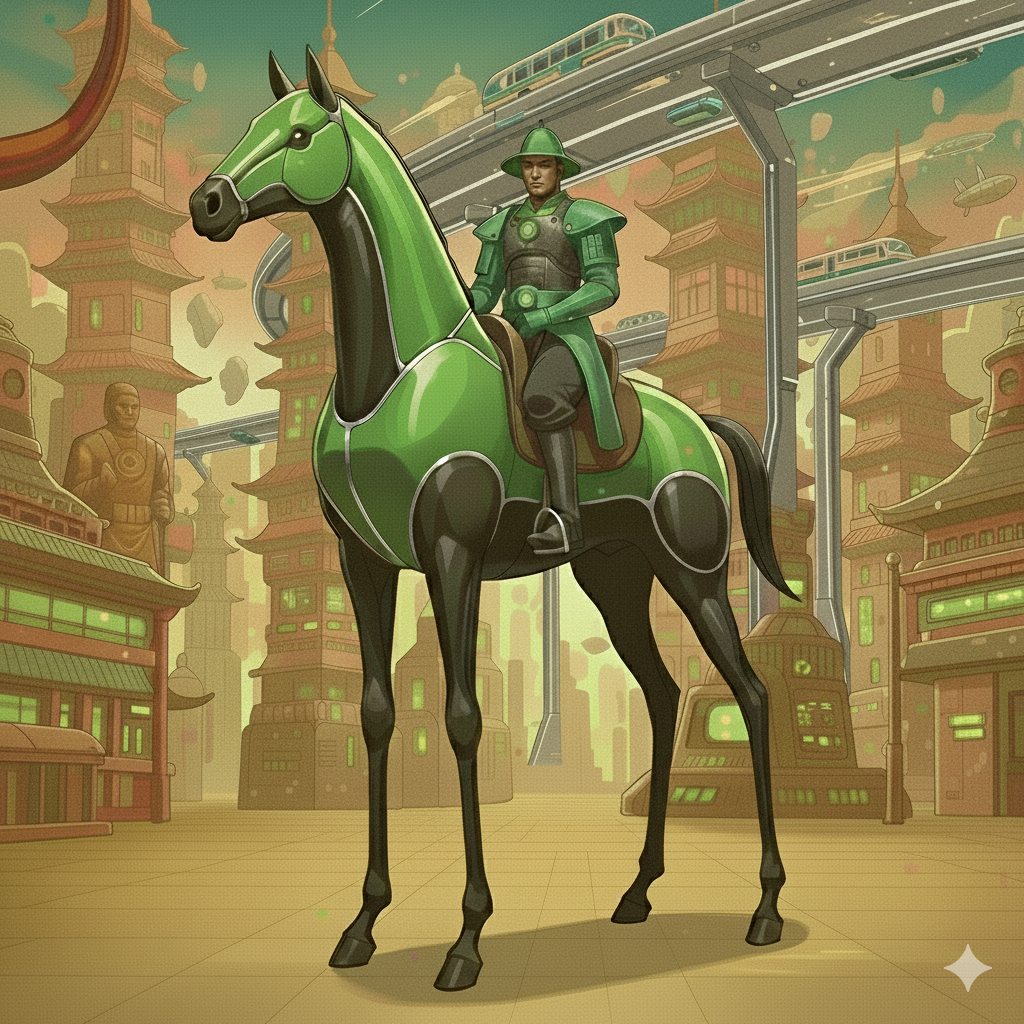
This initial concept art was inspired by 1960s retro-futurism comic books.
-
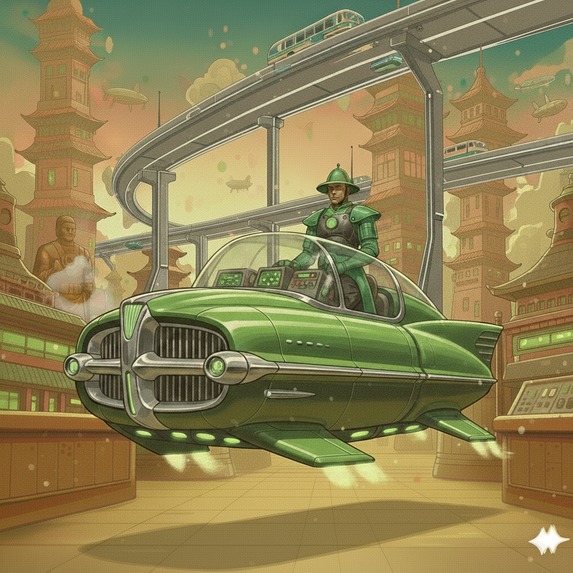
This initial concept art was inspired by 1960s retro-futurism comic books.
-
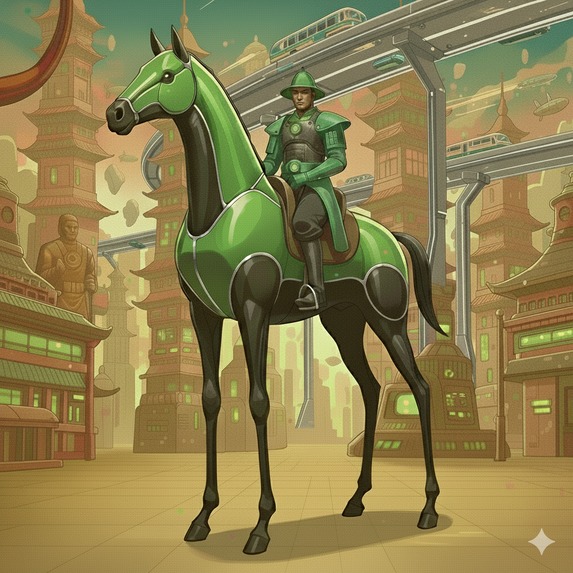
This initial concept art was inspired by 1960s retro-futurism comic books.


Inspiration
My project draws inspiration from a hybrid of cultural, aesthetic, and musical influences:
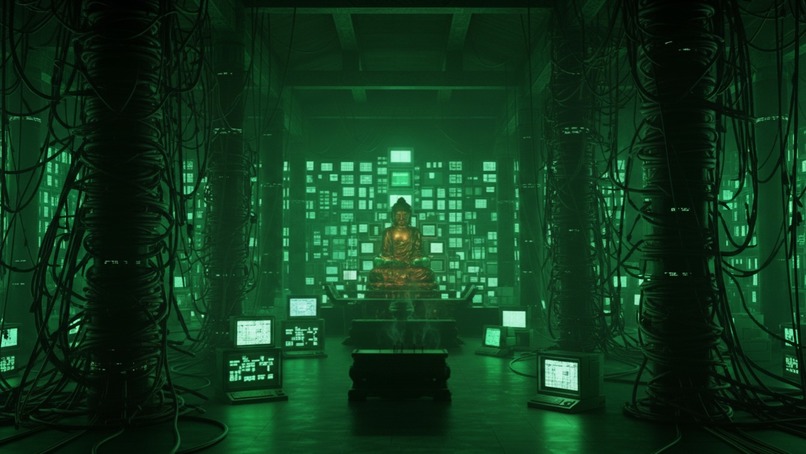
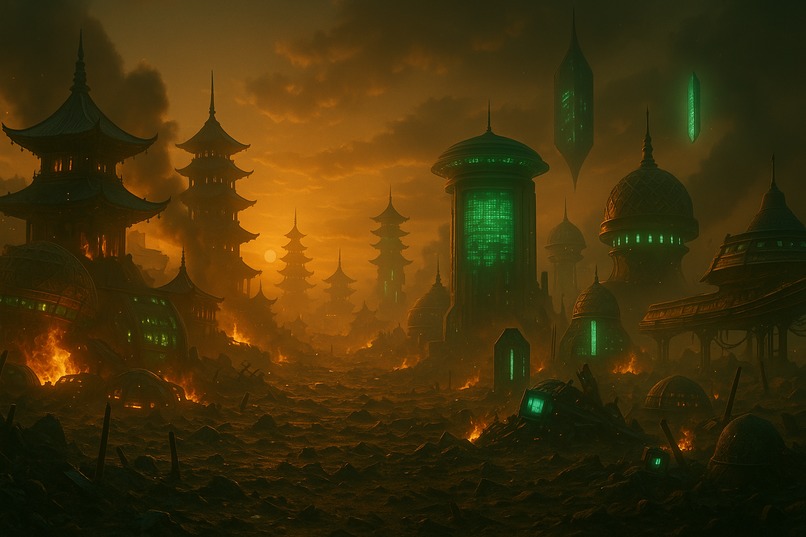
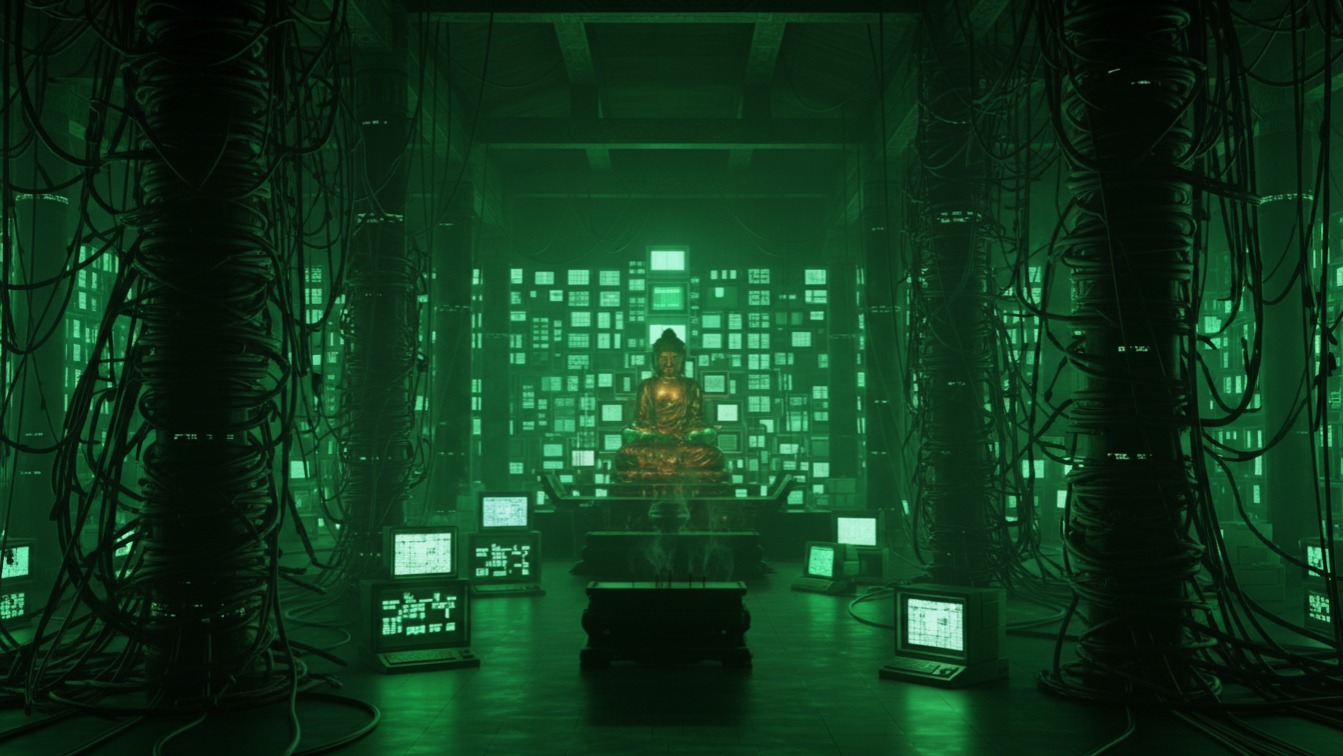
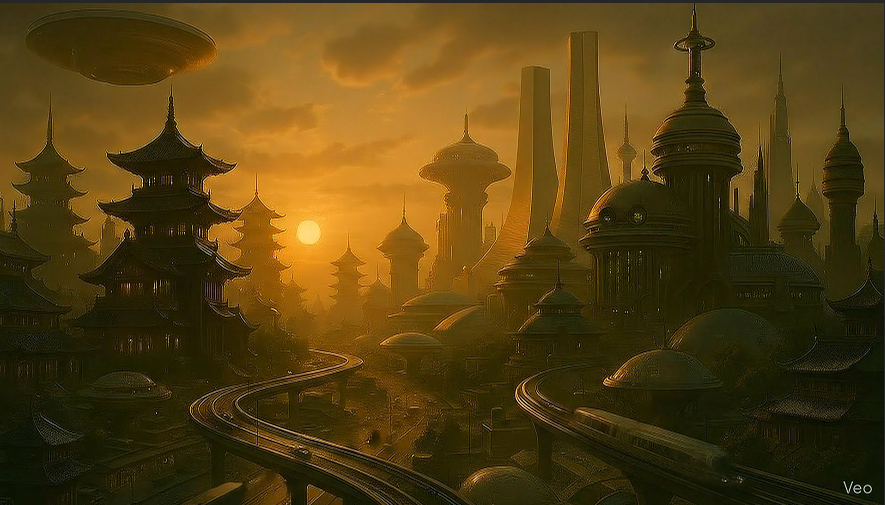
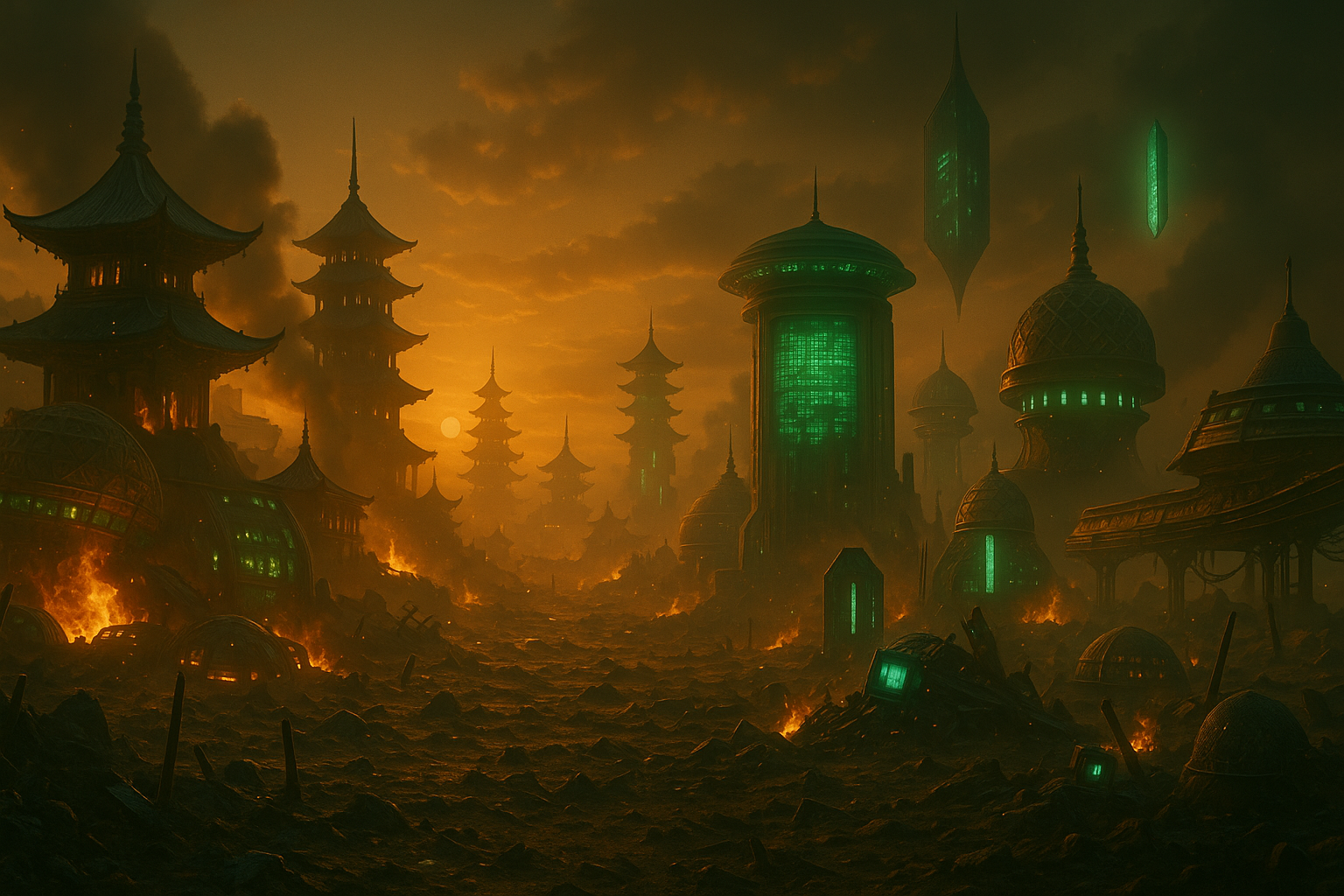
Retro-Futurism (1950–1960s) I was deeply inspired by mid-century retro-futuristic concepts—streamlined silhouettes, CRT monitors, analog circuitry, phosphor screens, and atomic-age optimism. I wanted to reinterpret that aesthetic through a non-Western lens, imagining how a Ming-era civilization might envision the future if they had access to retro-tech rather than modern technology.
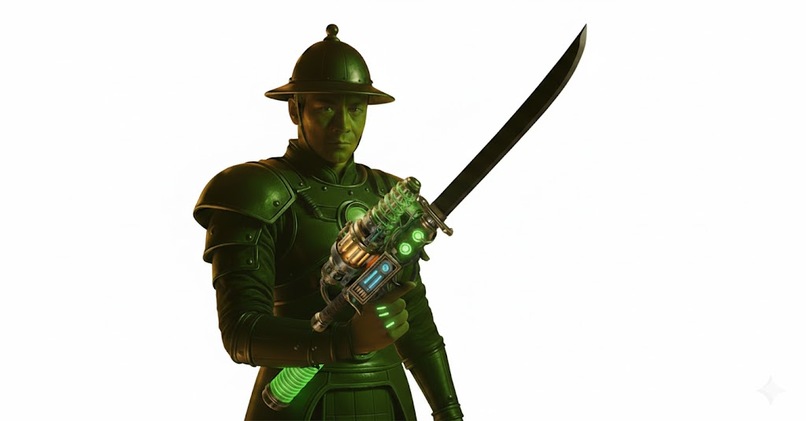
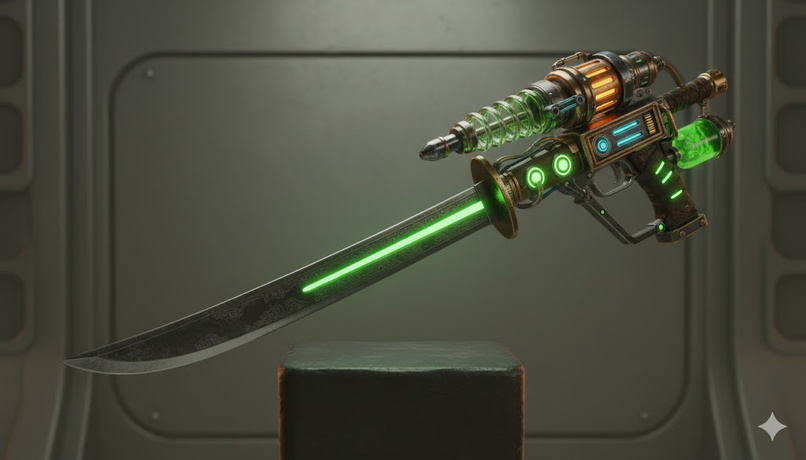
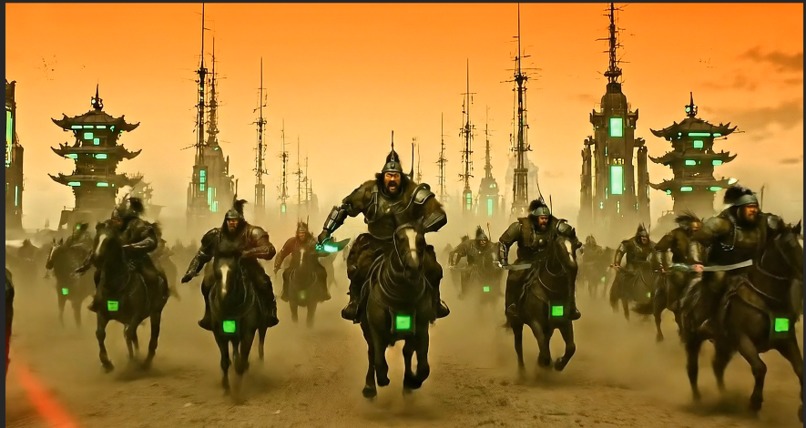
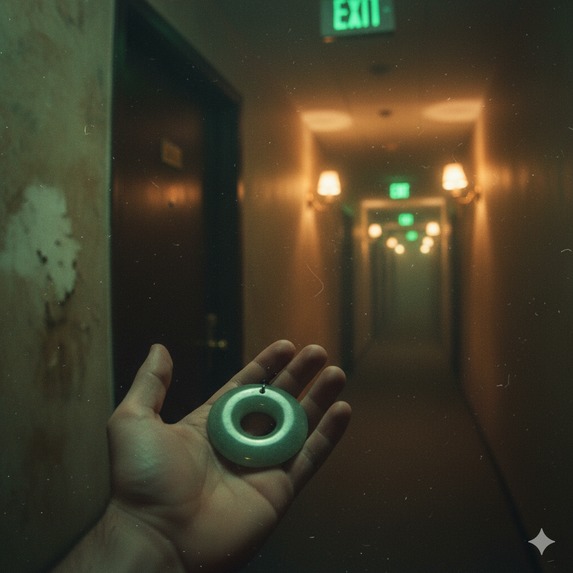
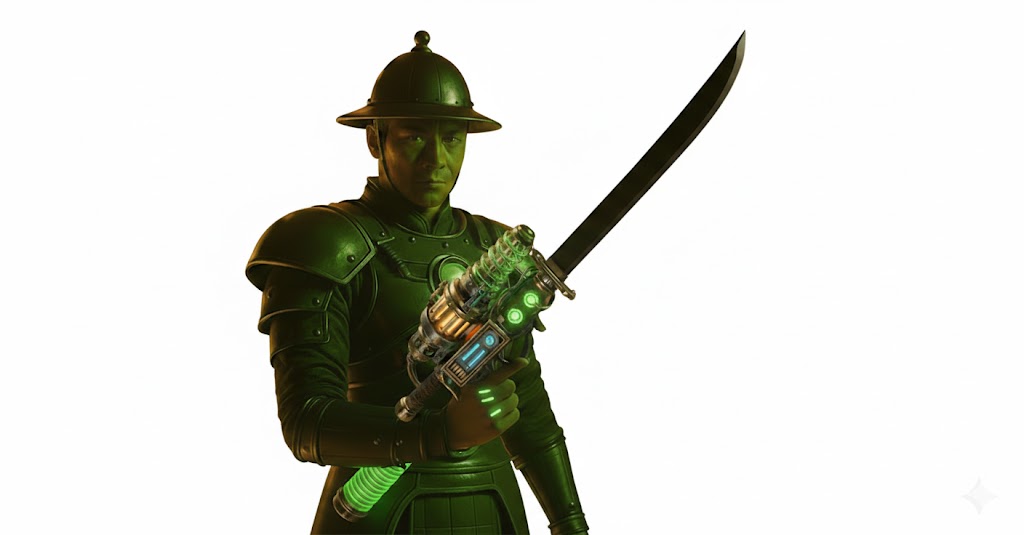
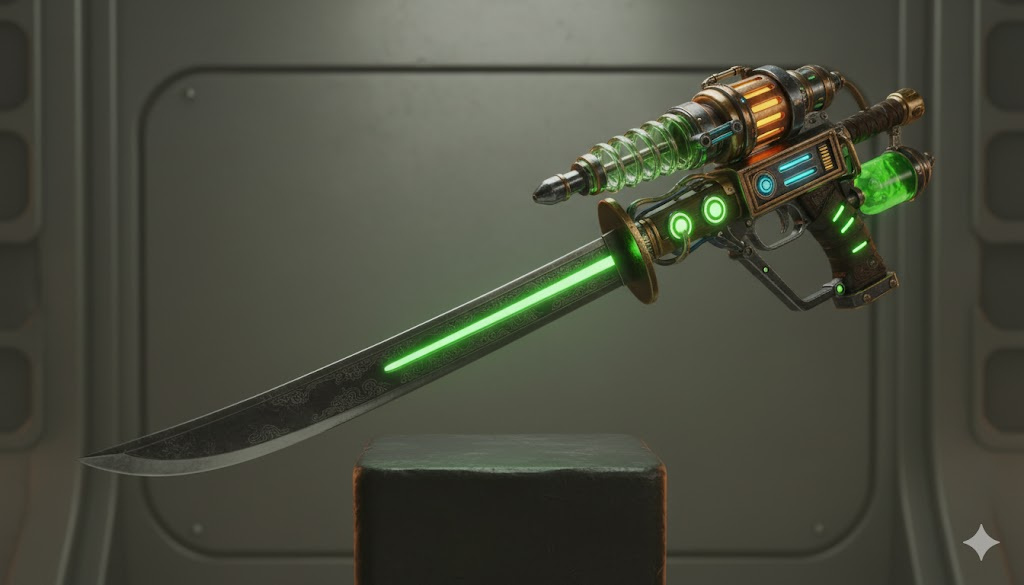
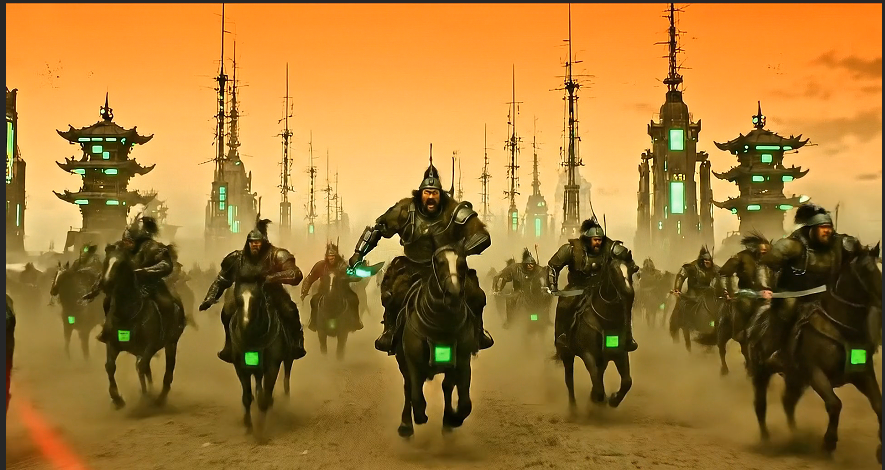
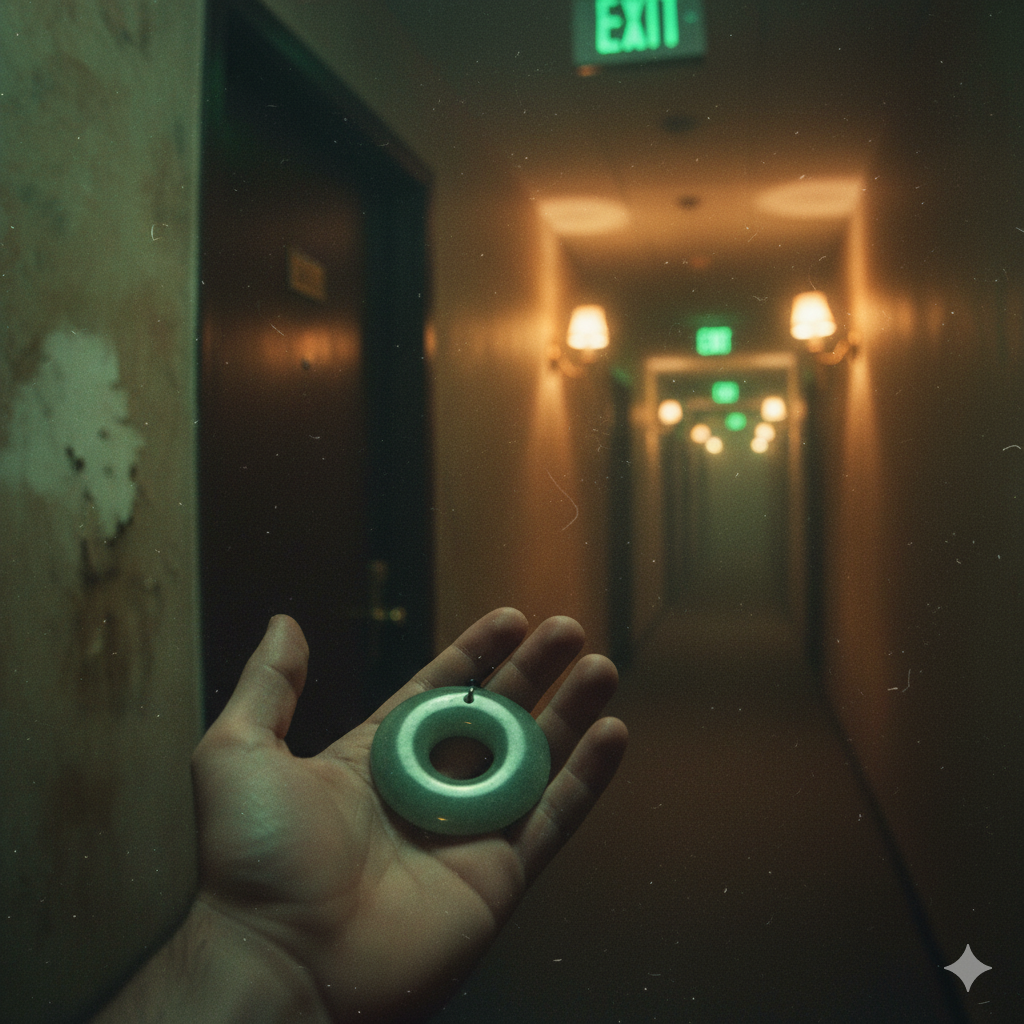
Ming Dynasty Jinyiwei & Jade Culture Visually, I referenced Ming Dynasty Jinyiwei, the imperial secret guards known for their striking armor and distinct silhouette. I merged their traditional appearance with retro-futuristic mechanical elements. The jade pendant became the symbolic core of the narrative—representing memory, civilization, and energy. Jade is not only a cultural artifact, but in this world, it becomes a power source, a data conduit, and a metaphysical key.
Musical Influence: “Nonsense!” from Black Myth: Wukong On the audio side, I was inspired by the ritualistic and almost religious energy of the track “Nonsense!” from Black Myth: Wukong. The raw chanting, aggressive percussion, and mythological atmosphere guided the emotional tone of my piece.
Psytrance & Aggressive Electronic Energy I combined this with aggressive psytrance—rolling basslines, trance-like chanting, and high-intensity drops—to create a hybrid sonic identity: a soundscape that feels ancient, spiritual, and futuristic at the same time.
How we built it
Visual Pipeline — Gemini + OpenAI + Veo To construct the visual world, I used a multi-stage AI-assisted workflow combining concept art generation, iterative refinement, and cinematic video synthesis:
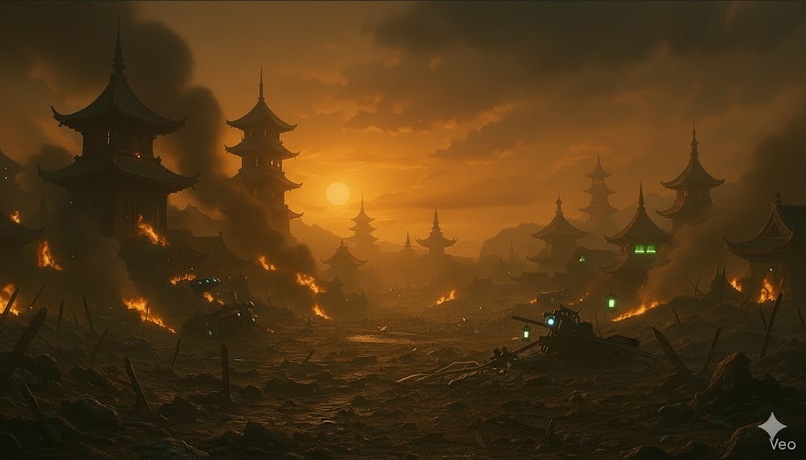
Concept Sketching & Style Development I began by using Gemini and OpenAI to produce early sketches—character silhouettes, armor variations, environment mood frames, and weapon concepts. These drafts helped define the retro-futurist Ming aesthetic and the overall cinematic identity of the world.
Iterative Refinement Through AI Using both models, I refined: Armour details, jade-tech weapon designs, nomadic biomechanical elements, architectural motifs, and lighting and colour theory. This stage allowed precise control over the fusion between Ming dynasty culture and retro-futurist technology.
Video Creation Using Gemini Flow’s Veo Model Once the designs were finalised, I produced all cinematic sequences using Gemini Flow (Veo). Two key Veo features were essential:
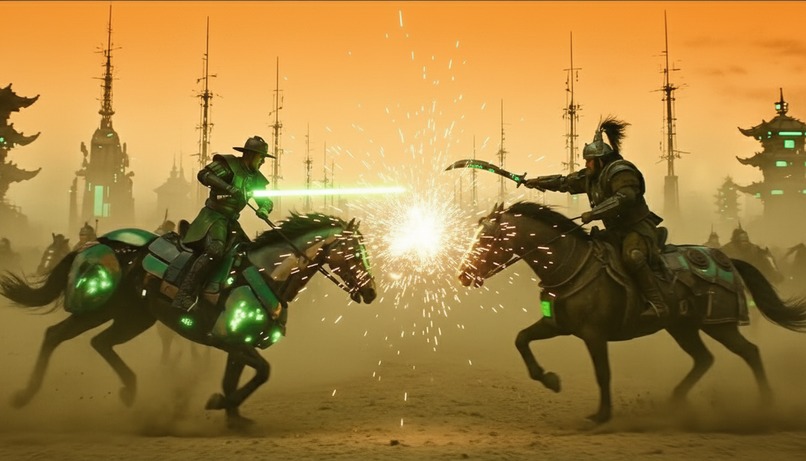
Frame-to-Frame Generation I used frame-to-frame to ensure perfect visual continuity across shots. This allowed me to: Keep armour, weapons, and costumes consistent; Maintain identical lighting and colour grading; Preserve character's facial structure; Create smooth camera moves (dolly, pan, push-in); Animate action scenes without losing model identity. This was crucial for POV transitions, blade collisions, fighting choreography, and all war sequences.
✔ Ingredients-to-Video I used ingredients-to-video when animating sequences from a single reference frame, especially scenes requiring large movements or environmental changes.
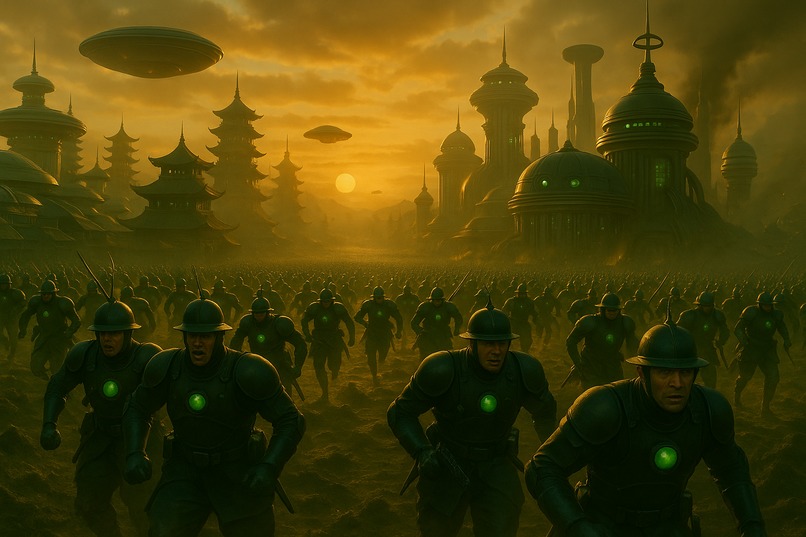
Examples include: The collapse of the temple roof; The city is rewinding from destruction to restoration; Soldiers charging into battle; The sword fighting scenes; macro cinematic shots moving through ink or jade energy
This tool enabled Veo to expand static artwork into fully animated, film-like motion while maintaining a consistent visual style.
- Final Editing & Post-Production
After generating all clips, I assembled the full narrative using CapCut for editing:
Cutting and sequencing all Veo-generated footage; Adding timing and pacing for dramatic beats; Integrating music and sound design; Layering subtle effects (film grain, vignette, colour stabilisation); Blending transitions to create a cohesive cinematic flow.
🎧 Music & Sound Production
- Composition using Suno AI
I generated the musical backbone—psytrance elements, chanting, atmospheric drones—using Suno AI, inspired by Black Myth: Wukong’s “Nonsense!” and psytrance music genre.
Professional Post-Production in Ableton Live I imported the stems into Ableton Live for mixing, mastering, equalisation, and cinematic FX automation and stereo enhancement.
Sound Effects via Splice
I also selected high-quality battle sounds, environmental ambience, retro-tech hums, and impact effects from Splice, layering them with the music to create a unified sonic identity.
Challenges we ran into
One of the biggest challenges was keeping a consistent retro-futurist Ming Dynasty visual identity across dozens of images and video sequences. I had to iterate heavily—sometimes over 20+ versions of the same frame—to ensure I could achieve a cohesive cinematic universe that required careful prompt engineering, visual referencing, and multi-step refinement.
Built With
- ableton
- capcut
- gemini
- openai
- ozone
- splice
- suno
- veo

Log in or sign up for Devpost to join the conversation.