-
-
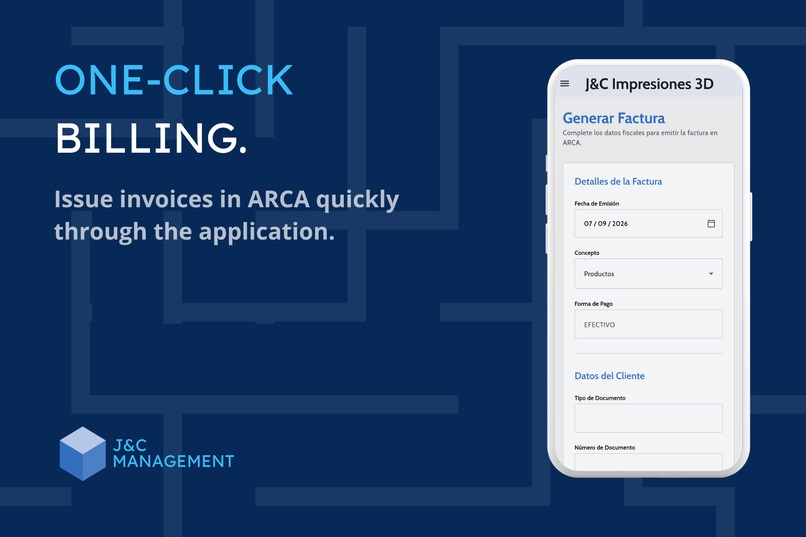
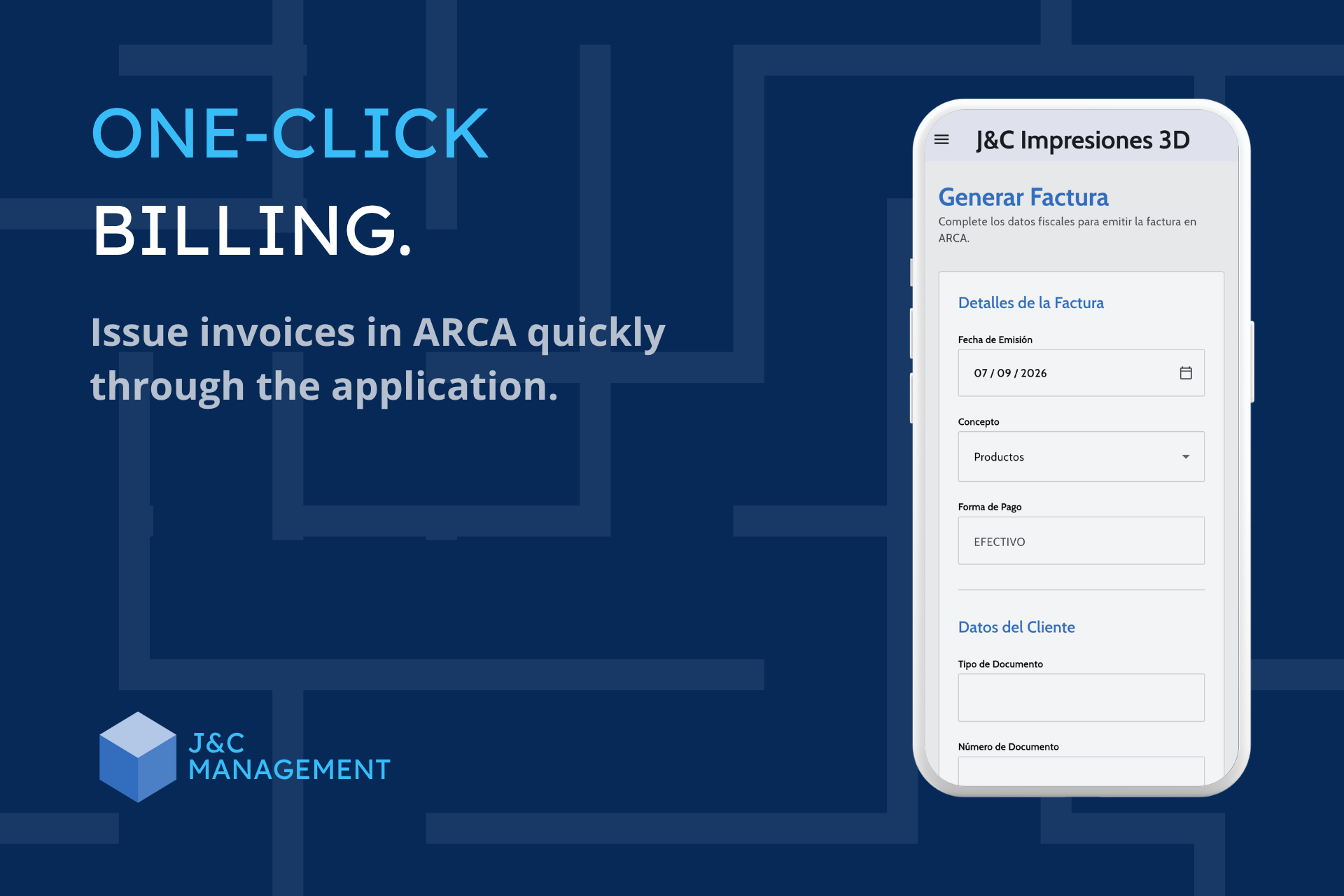
One-click billing. Issue invoices through ARCA (Argentina's tax collection agency), seamlessly.
-
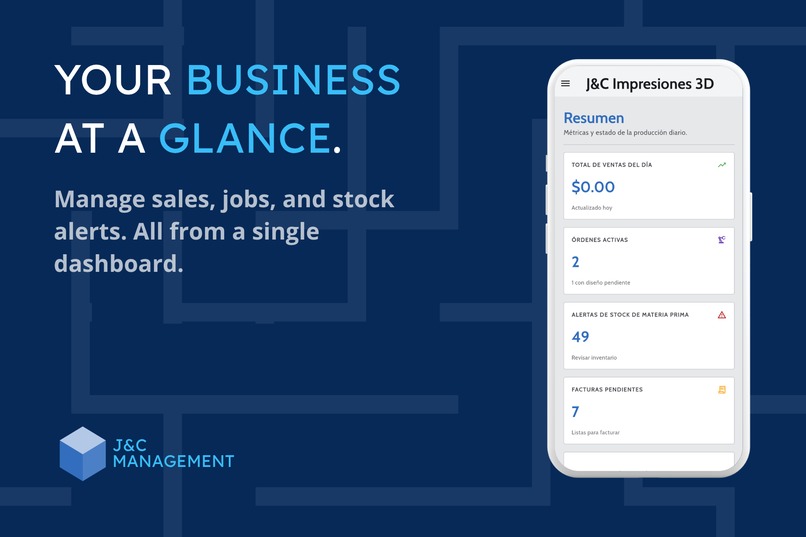
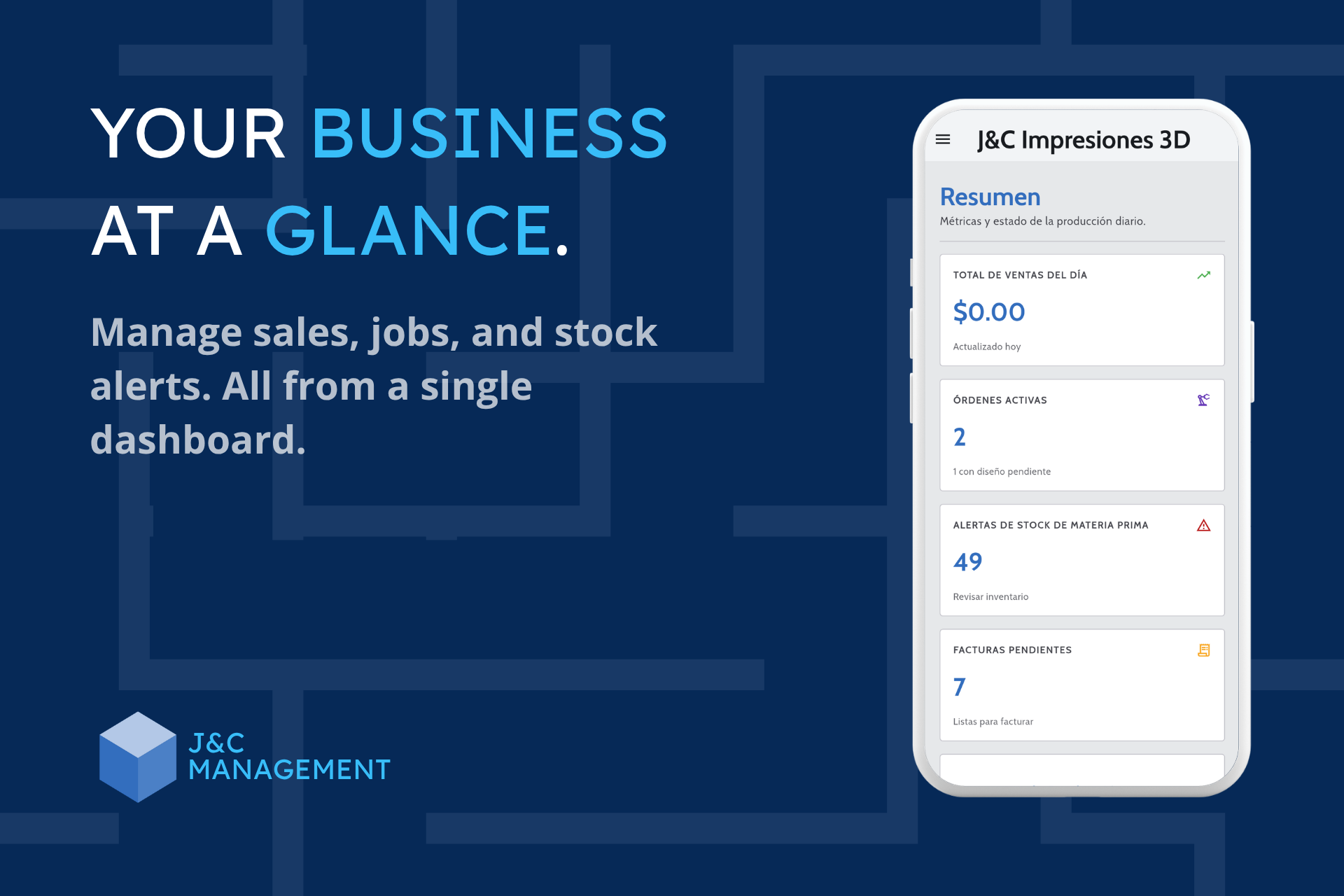
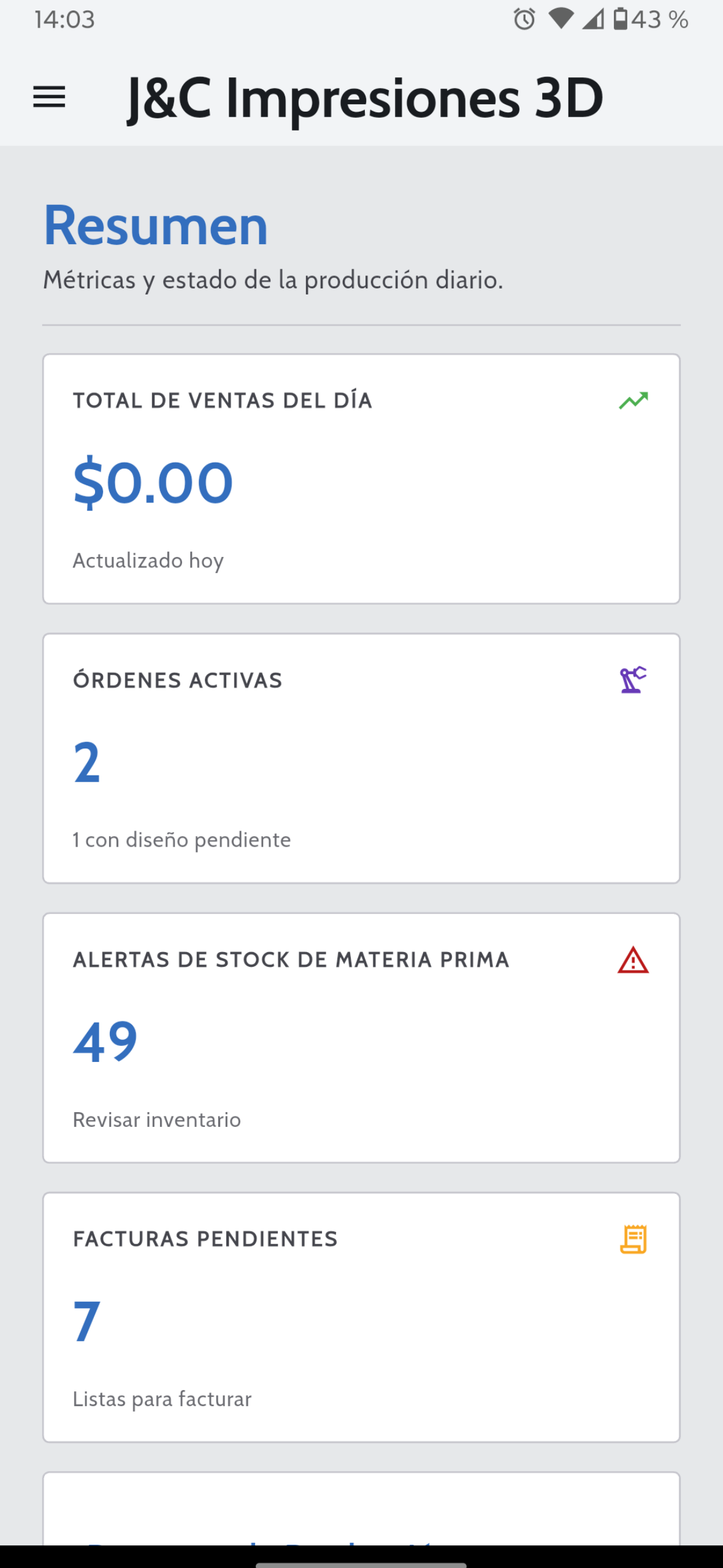
Your business at a glance. App dashboard.
-
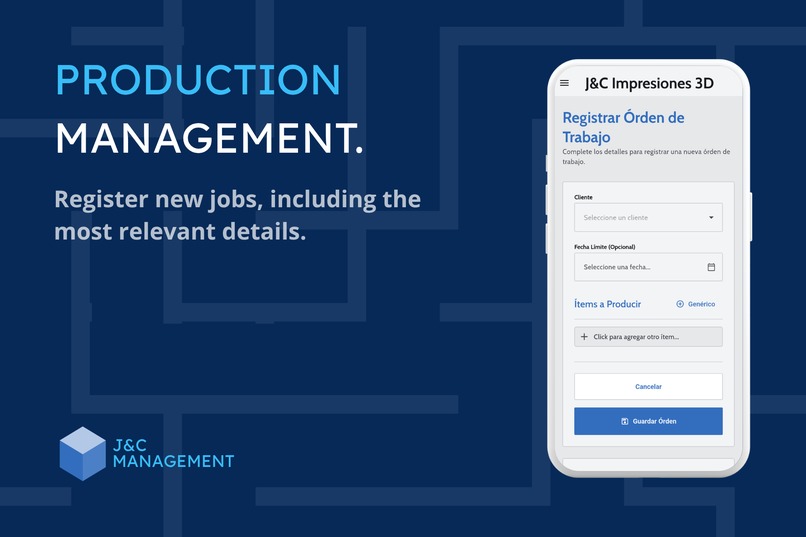
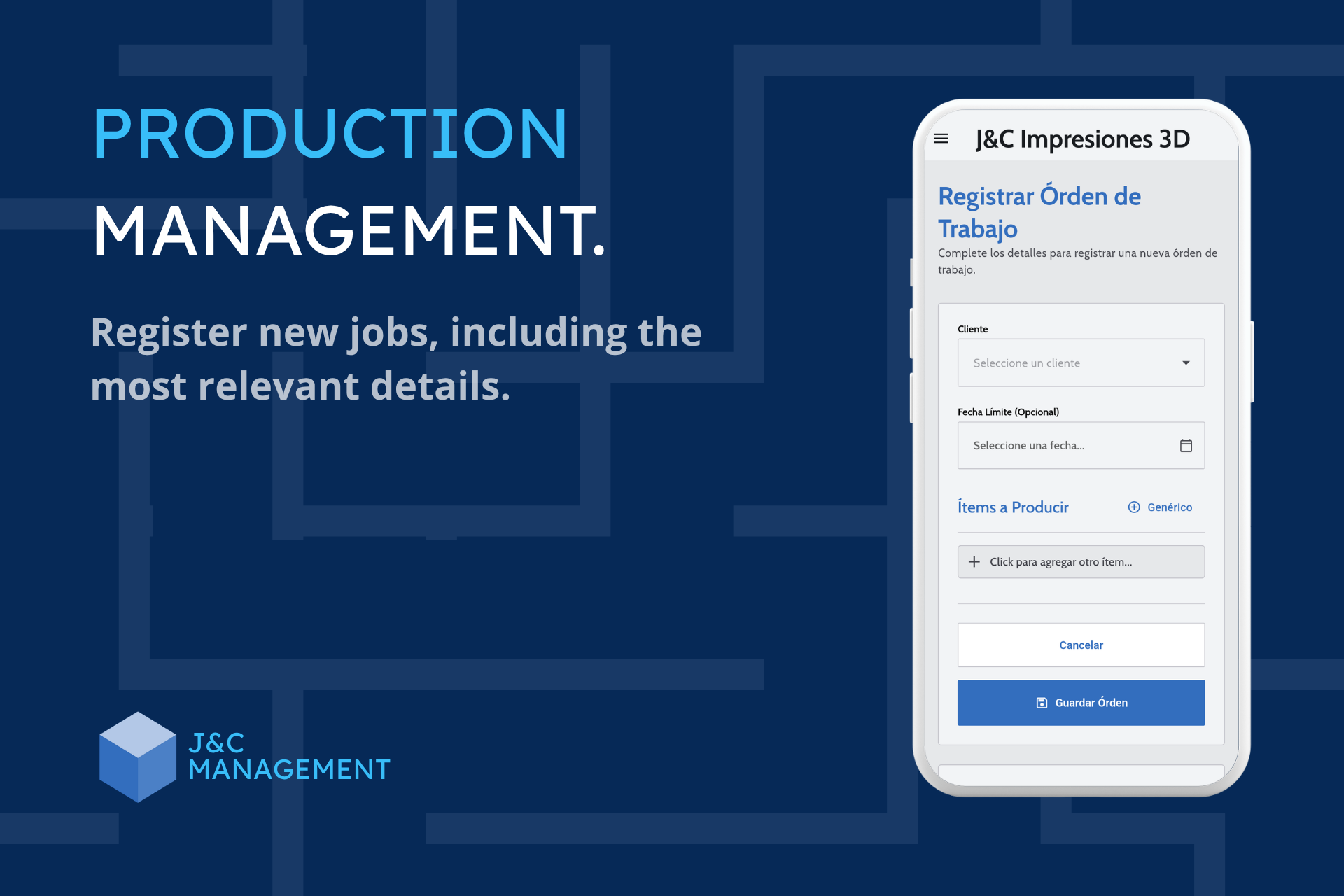
Production management. Register work orders.
-
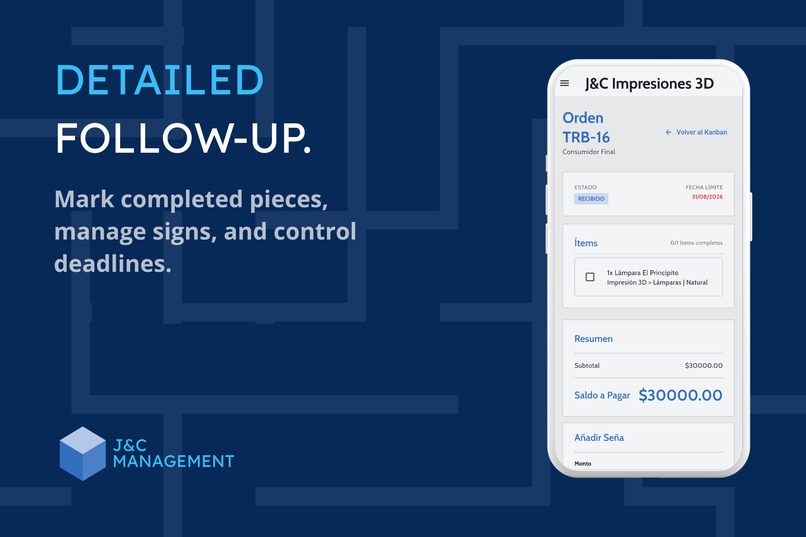
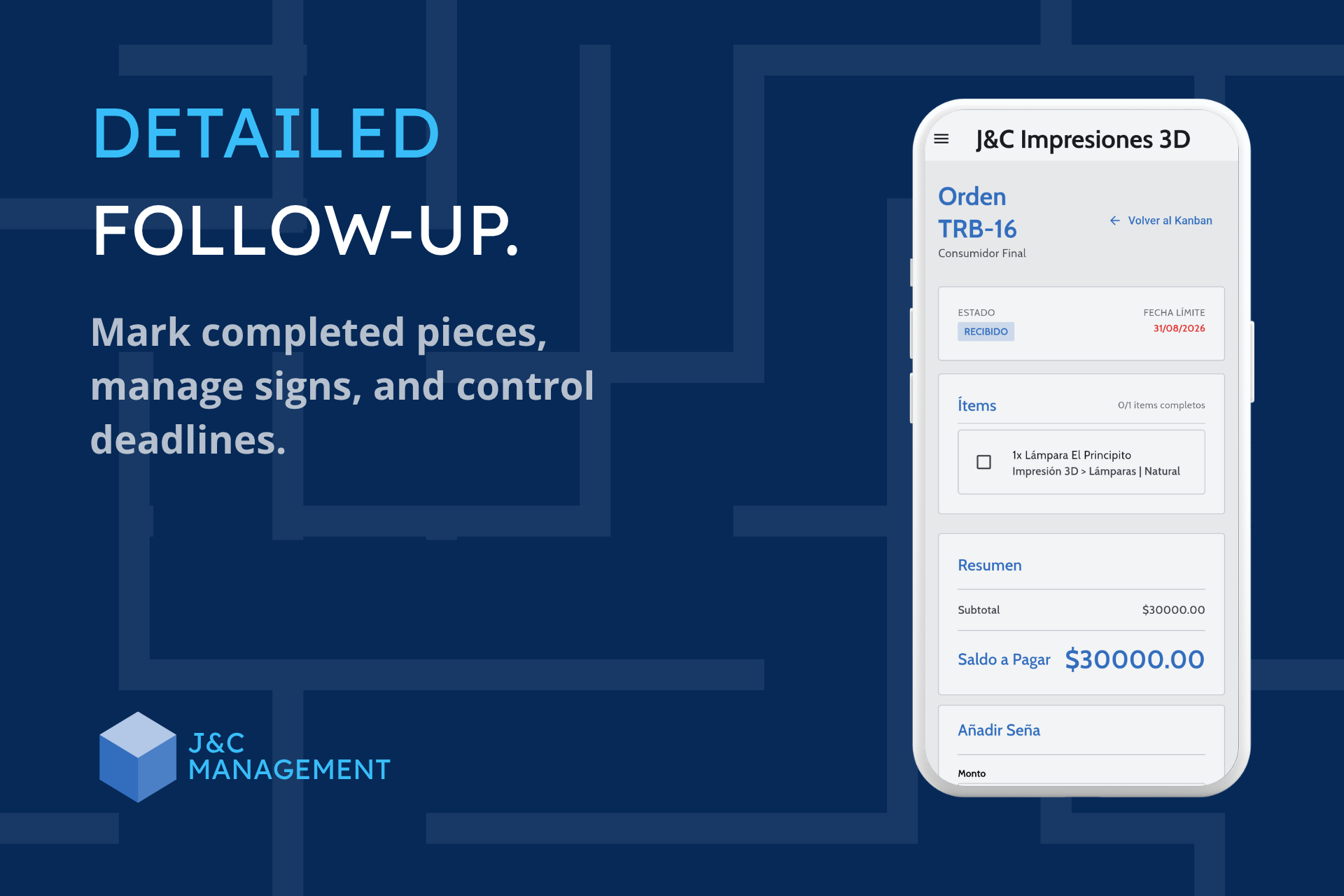
Detailed follow-up. View the work order's details, like limit date, products, and more.
-
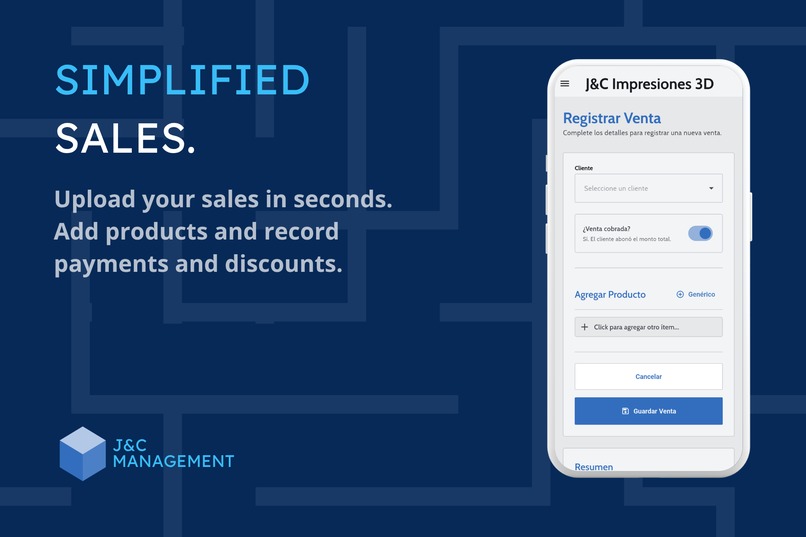
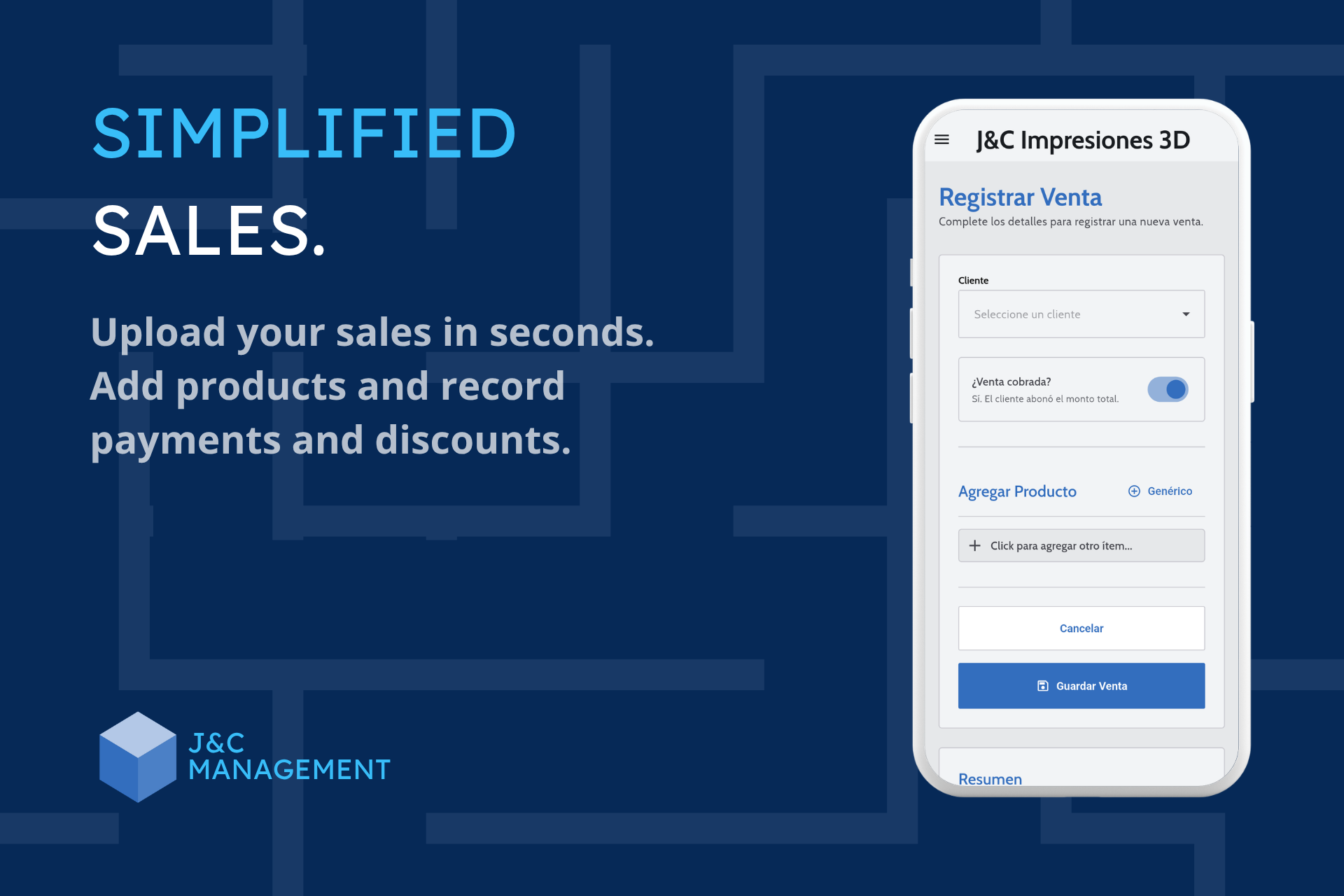
Simplified sales. Register sales.
-
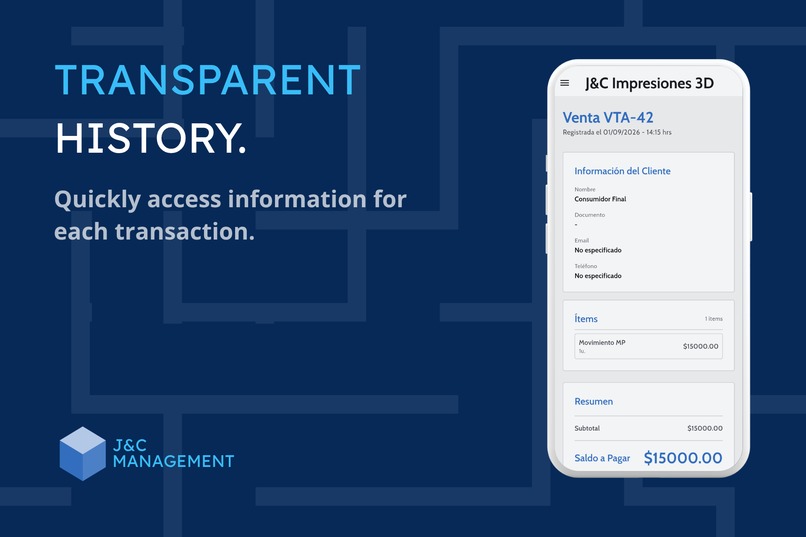
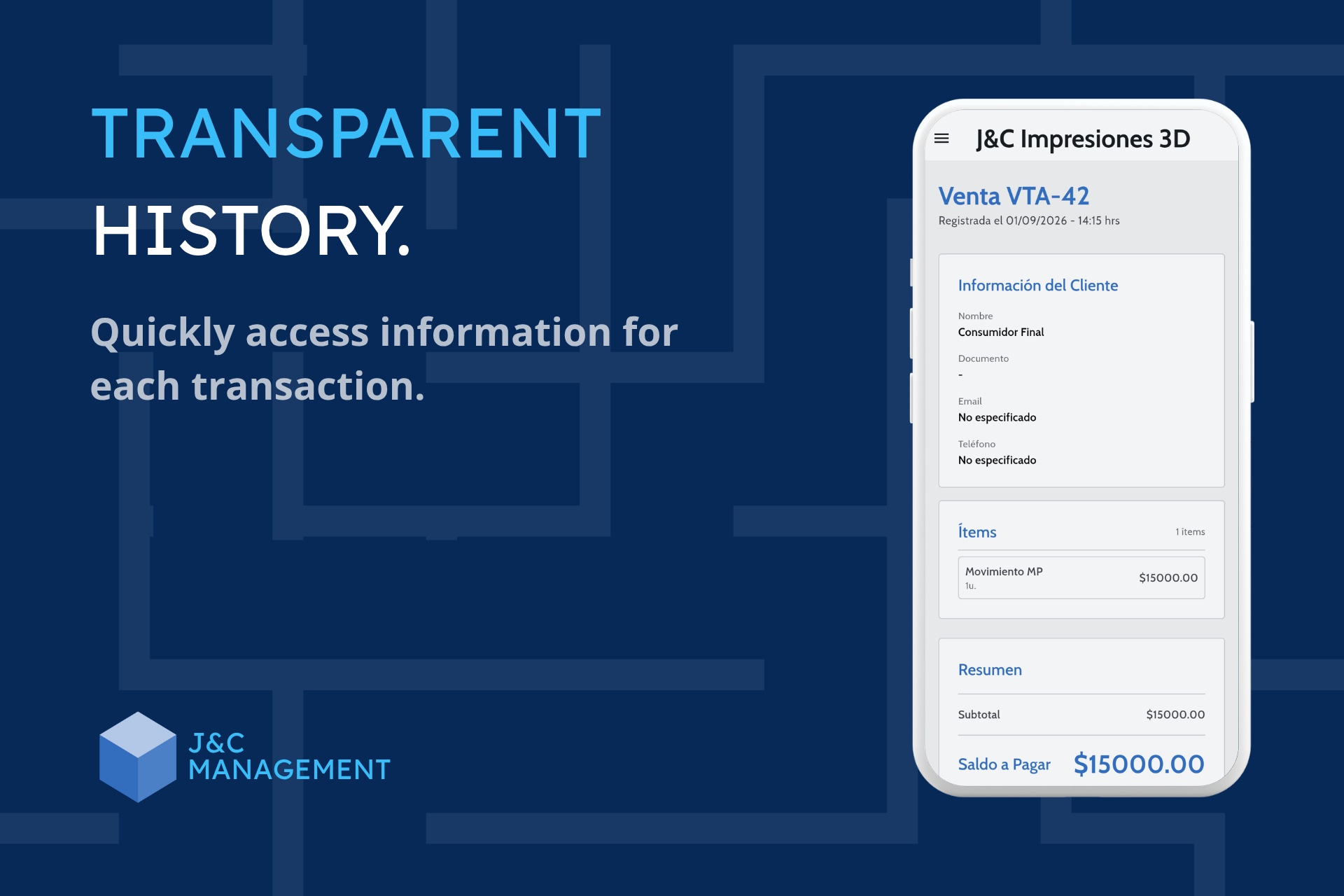
Transparent history. View sale amounts, discounts, and other details
-
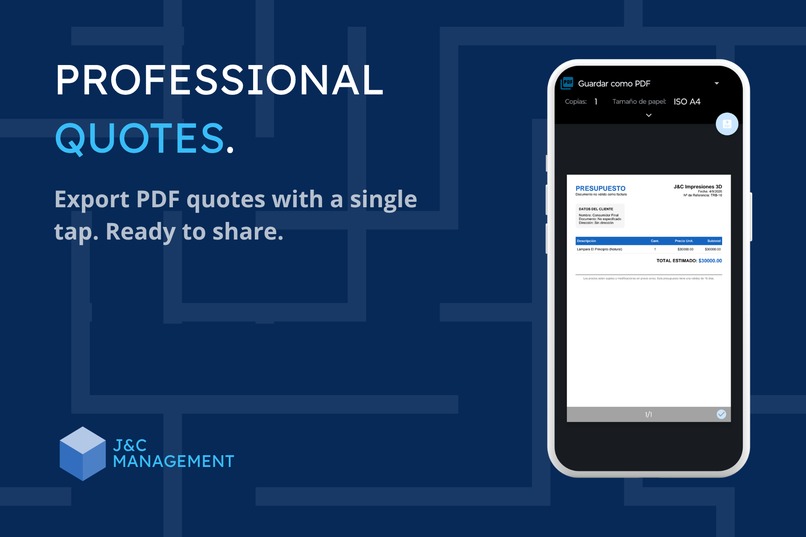
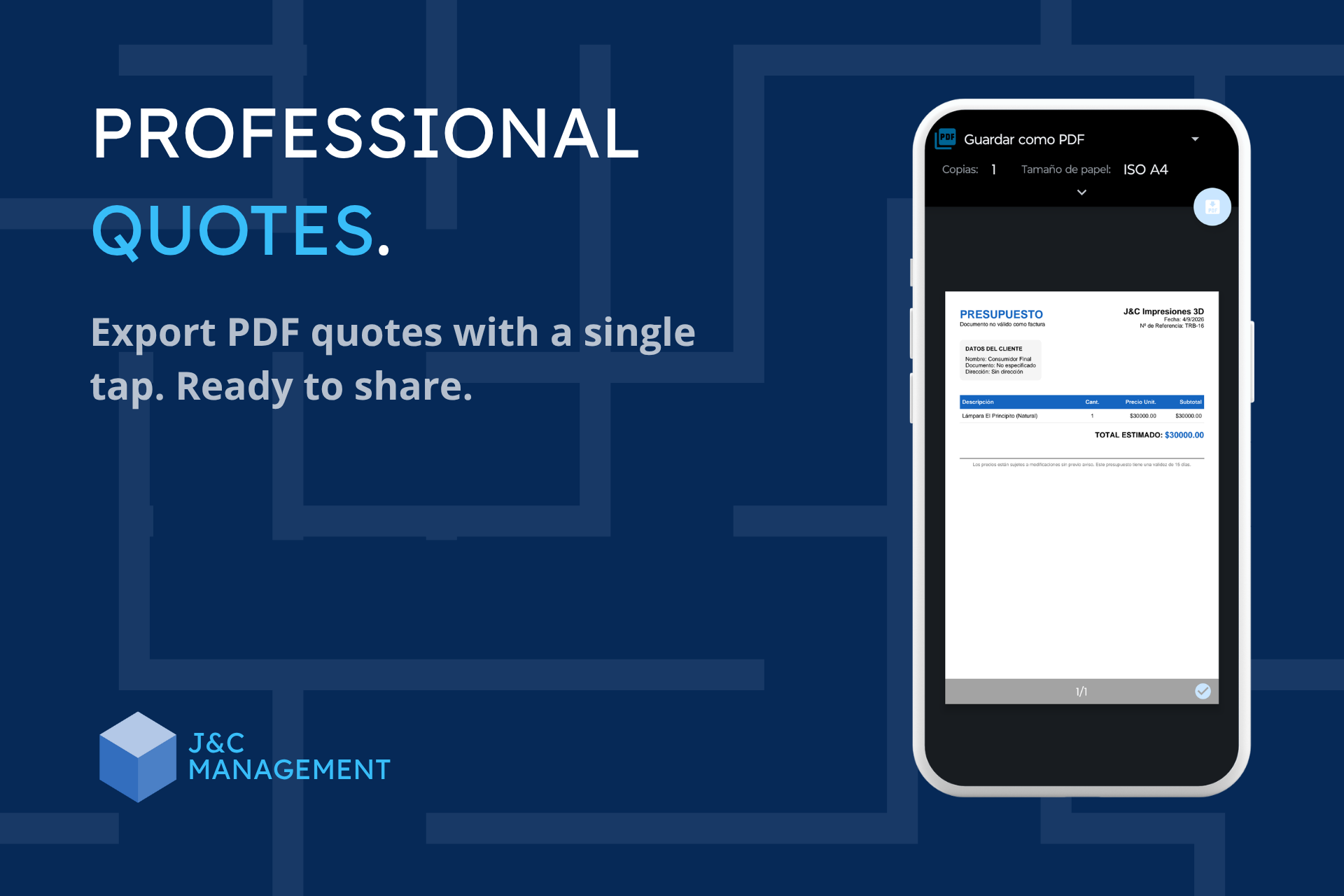
Professional quotes. Generate professional quotes to send to the client.
-

Logo 1024x1024px
-
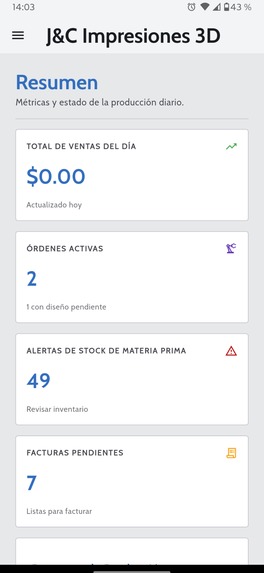
1179x2556px. Raw screenshot, without frames or decoration.

💡 What Inspired Me
My family runs J&C Impresiones 3D, a workshop specializing in 3D printing and laser cutting. Everything was running smoothly until I moved from Arribeños to Junín to pursue my degree in Computer Engineering. Suddenly, managing the business remotely became a logistical nightmare.
I was receiving the orders and preparing the designs, but I had to communicate all the technical instructions to my mom back at the workshop so she could execute them. She then had to report the progress back to me so I could update the clients. The workflow became chaotic. I needed a centralized system to bridge the physical distance, and that chaos inspired the creation of Gestión J&C.
⚙️ How I Built It
I wanted an application that was fast, reliable, and accessible from anywhere. I built the frontend using Flutter and Dart, ensuring a smooth, native-like experience on mobile devices. To keep the codebase maintainable and scalable as the business grew, I implemented Clean Architecture principles alongside robust State Management.
For the backend, I needed a database and authentication system capable of syncing in real-time, allowing my mom and me to see order updates instantaneously without refreshing. To achieve this, I used Supabase.
⚠️ Challenges I Faced
As the app became an integral part of our business—handling quotes, job tracking, and sales—I decided to tackle our biggest bottleneck: tax billing. Previously, issuing an invoice meant logging into the ARCA (Argentine tax authority) portal, manually entering client data, calculating amounts, generating the invoice, and downloading a PDF. It was incredibly tedious.
I integrated the ARCA API to reduce this process to a single click, but it became the most complex challenge of the project. I had to build a system to handle complex authentication mechanisms, specifically managing cryptographic certificates that expire every few hours, while also parsing and handling very specific and obscure API error codes to prevent billing failures.
🧠 What I Learned
Beyond the technical leaps in API integration and security certificate management, the biggest lesson was understanding how to map real-world physical workflows into a digital interface that is actually easier to use than pen and paper.
I learned that the best software doesn't just store data; it actively removes friction. The true measure of success for this project wasn't just the complex backend, but the user experience: the interface is so intuitive and accessible that my mom can seamlessly manage the workshop's daily production and customer updates without any technical headaches.
Built With
- afipts
- cleanarchitecture
- dart
- flutter
- postgresql
- revenuecat
- riverpod
- supabase

Log in or sign up for Devpost to join the conversation.