-
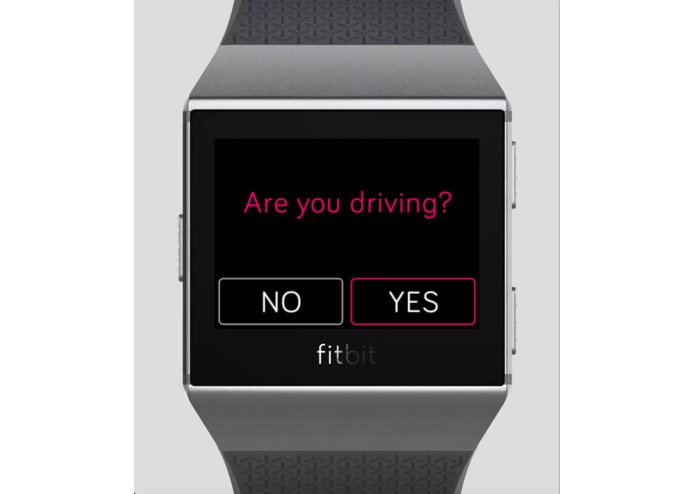
Prompt when user is traveling faster than 40mph
Inspiration
The CDC estimates that as many as 6,000 fatal car crashes occur as a result of driving while drowsy. Meanwhile, wearable fitness devices track vital health information such as heart rate, or hours of sleep logged the previous night. Moreover, wearables can track other important information like how fast the wearer is going. Considering this, we imagined an app that would wake the user when it detects a dangerous situation.
What it does
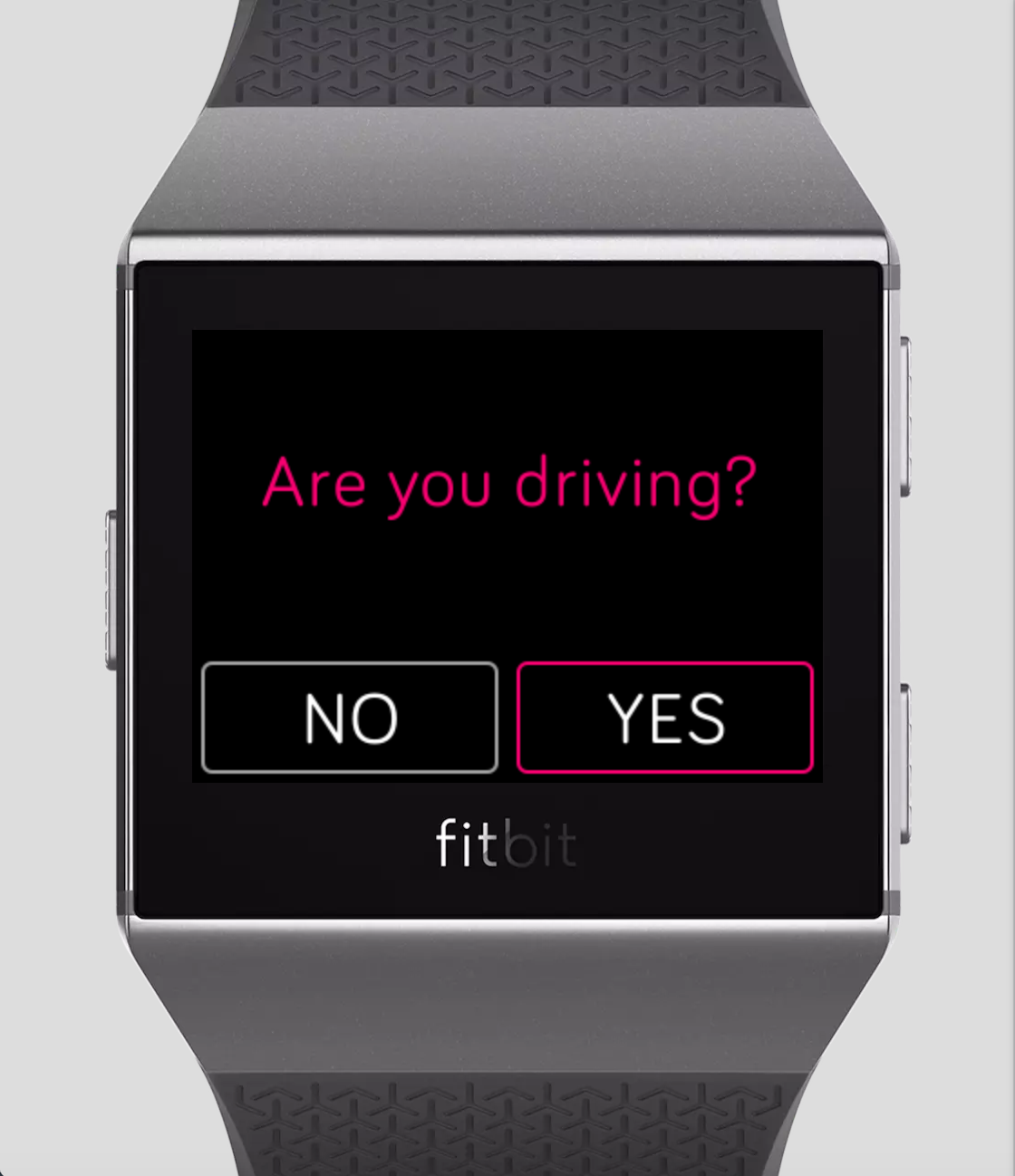
The app uses the Fitbit geolocation API to track where the user is and convert that information to a speed that is updated every one second. Once the user is traveling faster than 40 mph, the app will have a prompt that asks the user if they are driving. If they are, it starts monitoring heart rate, and relates it to sleepiness. A heart rate that drops too low will cause the device to start vibrating, and wake the user.
How we built it
Our entire project was created using a native Fitbit framework. We wrote code in Fitbit studio, and used a Fitbit simulator on our computers to test the code in early stages. We also used the Fitbit APIs to access user data such as heart rate and coordinate location. Basic arithmetic logic converted the coordinate location to speed, which was then monitored.
Challenges we ran into
Using the native Fitbit framework was difficult. There were very few StackOverflow threads regarding how to use it and the documentation was essentially limited to exactly what was provided by Fitbit. It was difficult to collaborate with the Fitbit platform because only one member could program at the time. Our team also had limited development experience, which coupled with learning JavaScript which was new for all of us.
Accomplishments that we're proud of
Getting the code to run on the Fitbit was difficult, and just adapting to the resources that Fitbit offered was a huge hurdle. Learning the Fitbit architecture was a big accomplishment for the team. A bigger accomplishment was just getting all of the team members to collaborate using a bunch of technologies that were foreign to us.
What we learned
We learned a lot about new technologies and APIs.
What's next for IZON: Fitbit awareness tracker for driving
Our measurement for drowsiness is currently based strictly on heart rate. Moving forward, we hope to develop an algorithm that combines heart rate with average heart rate, sleep logs, activity levels, and other metrics to determine whether or not the user is asleep.
Built With
- fitbit-api
- fitbit-ionic
- javascript
- react.jsx
- rollup.js
- svg
- tree-shaking
- typescript


Log in or sign up for Devpost to join the conversation.