-
-
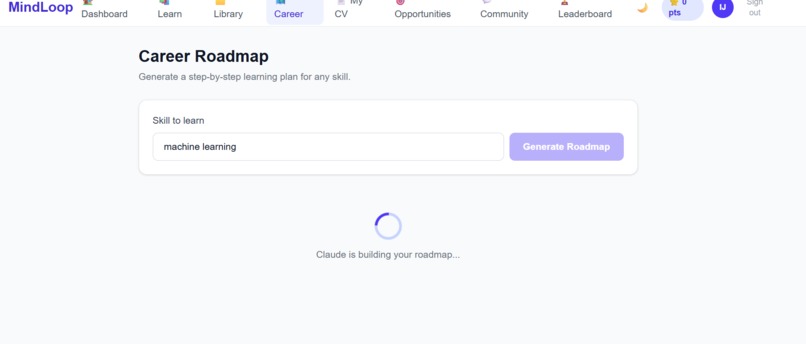
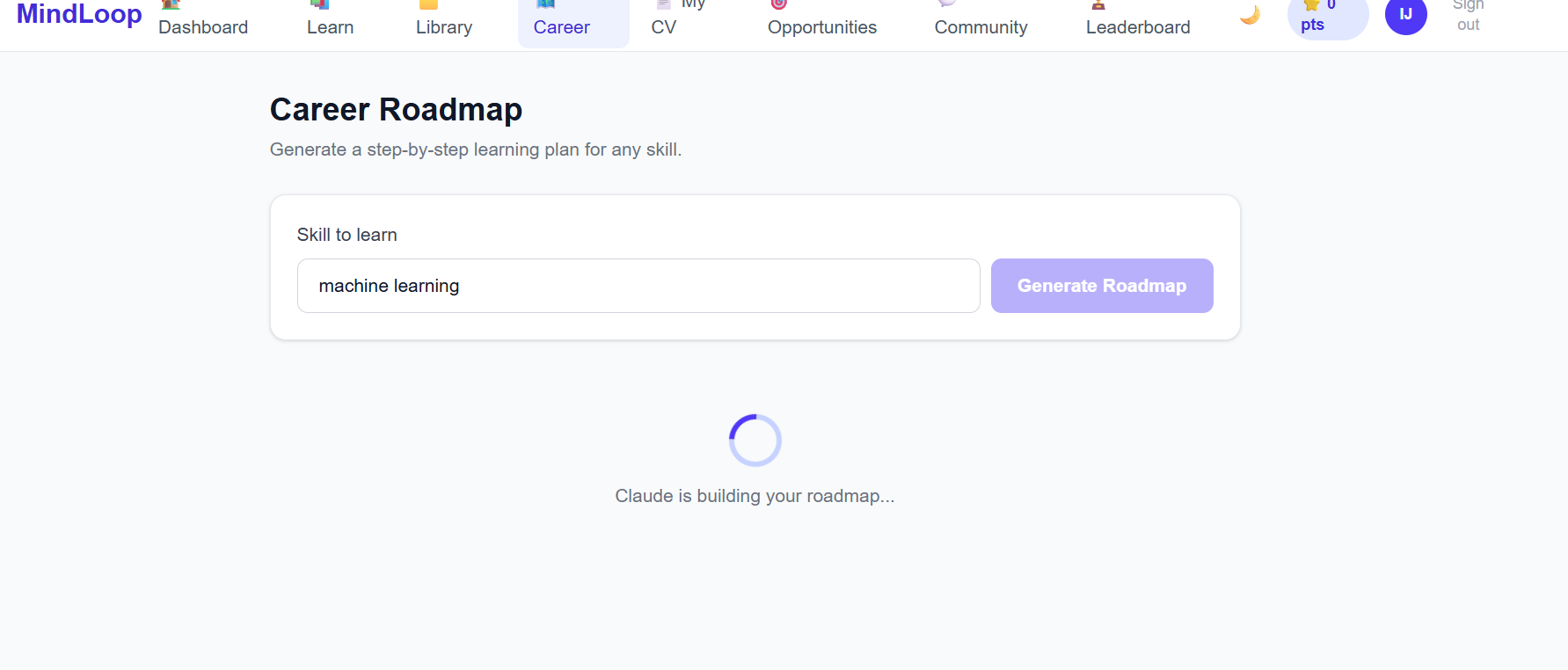
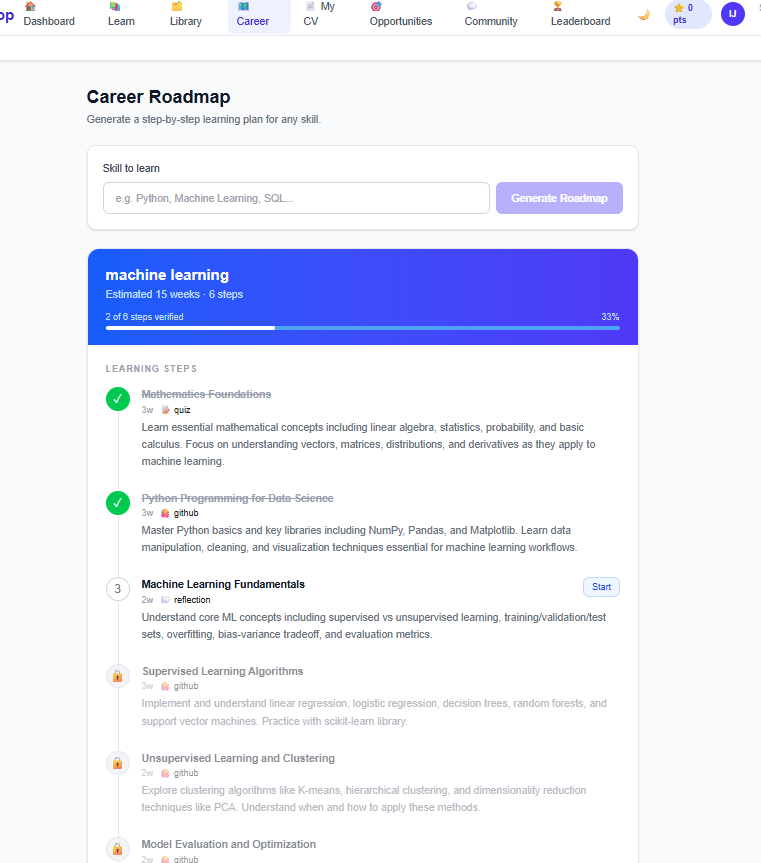
career roadmap
-
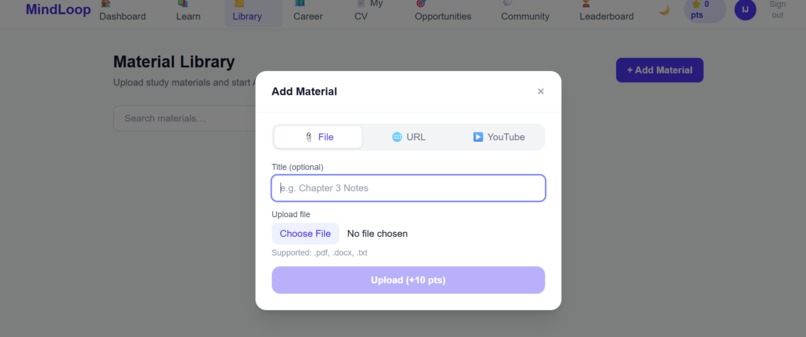
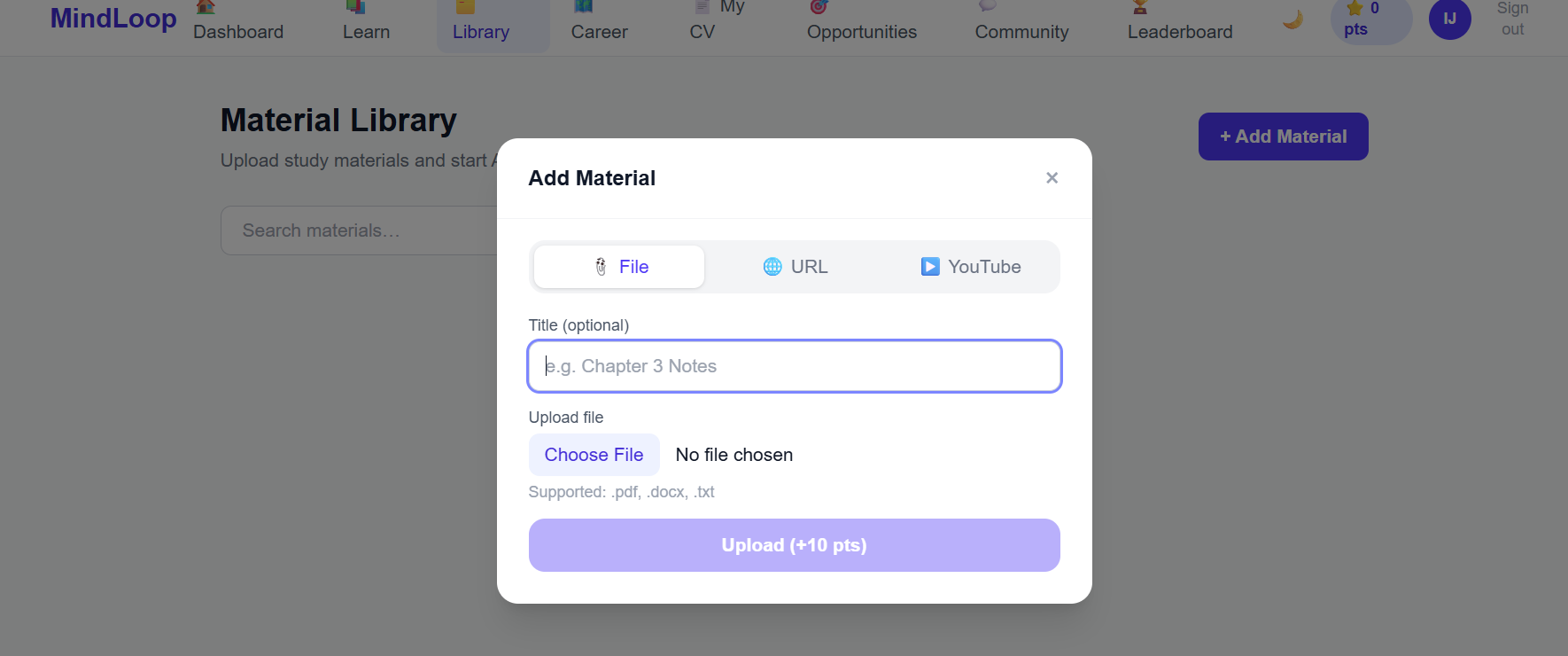
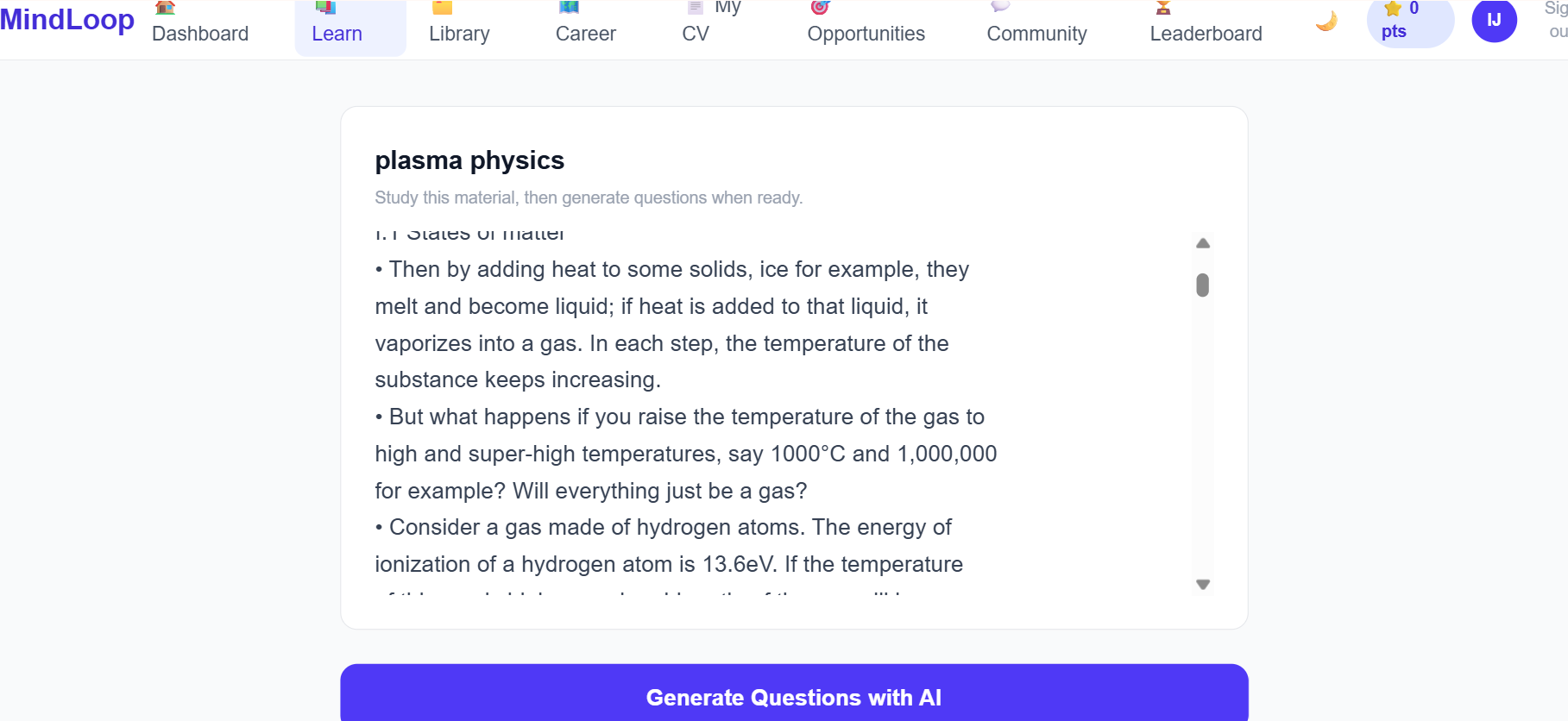
Adding learning material
-
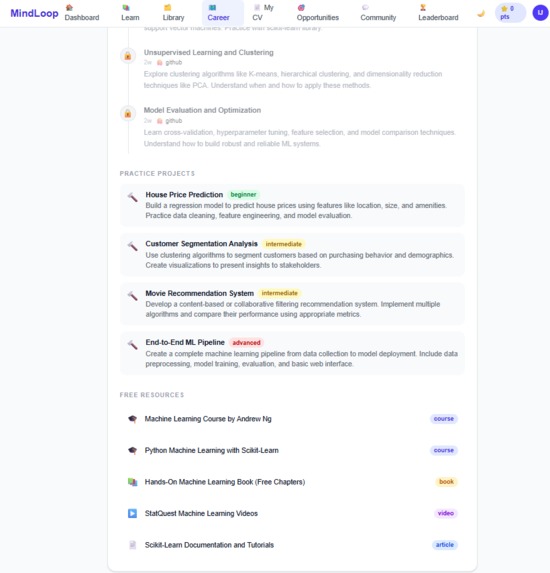
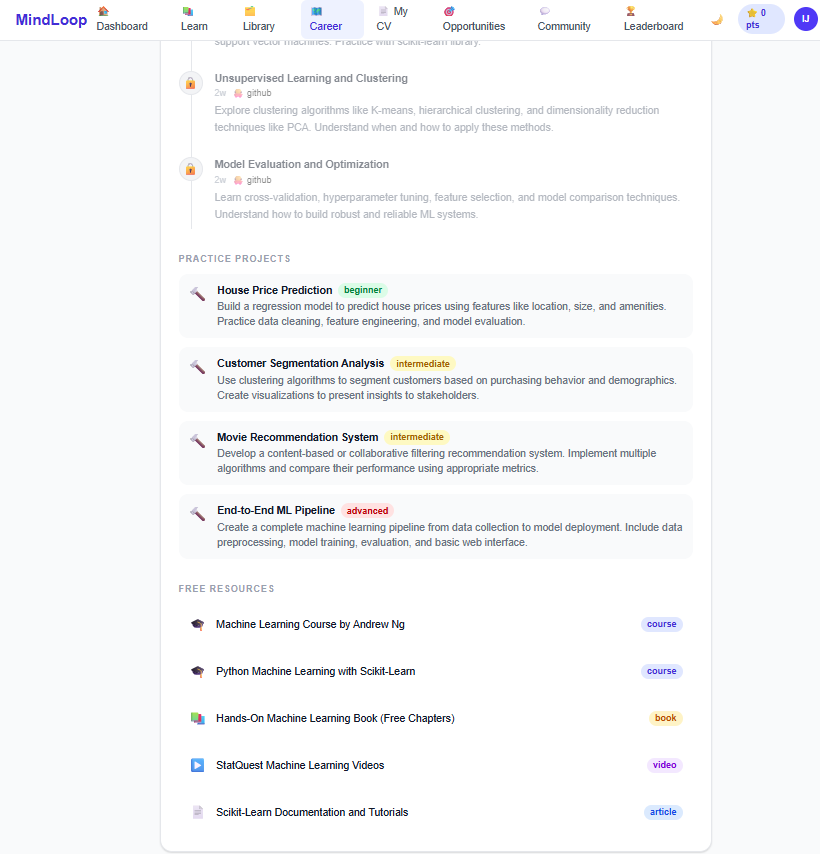
Roadmap link learning material
-
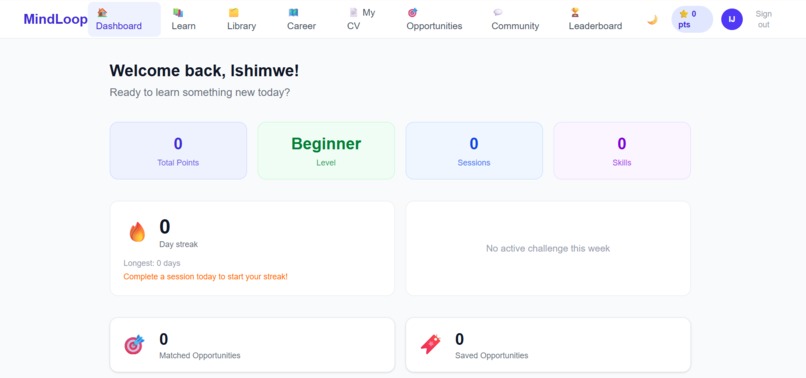
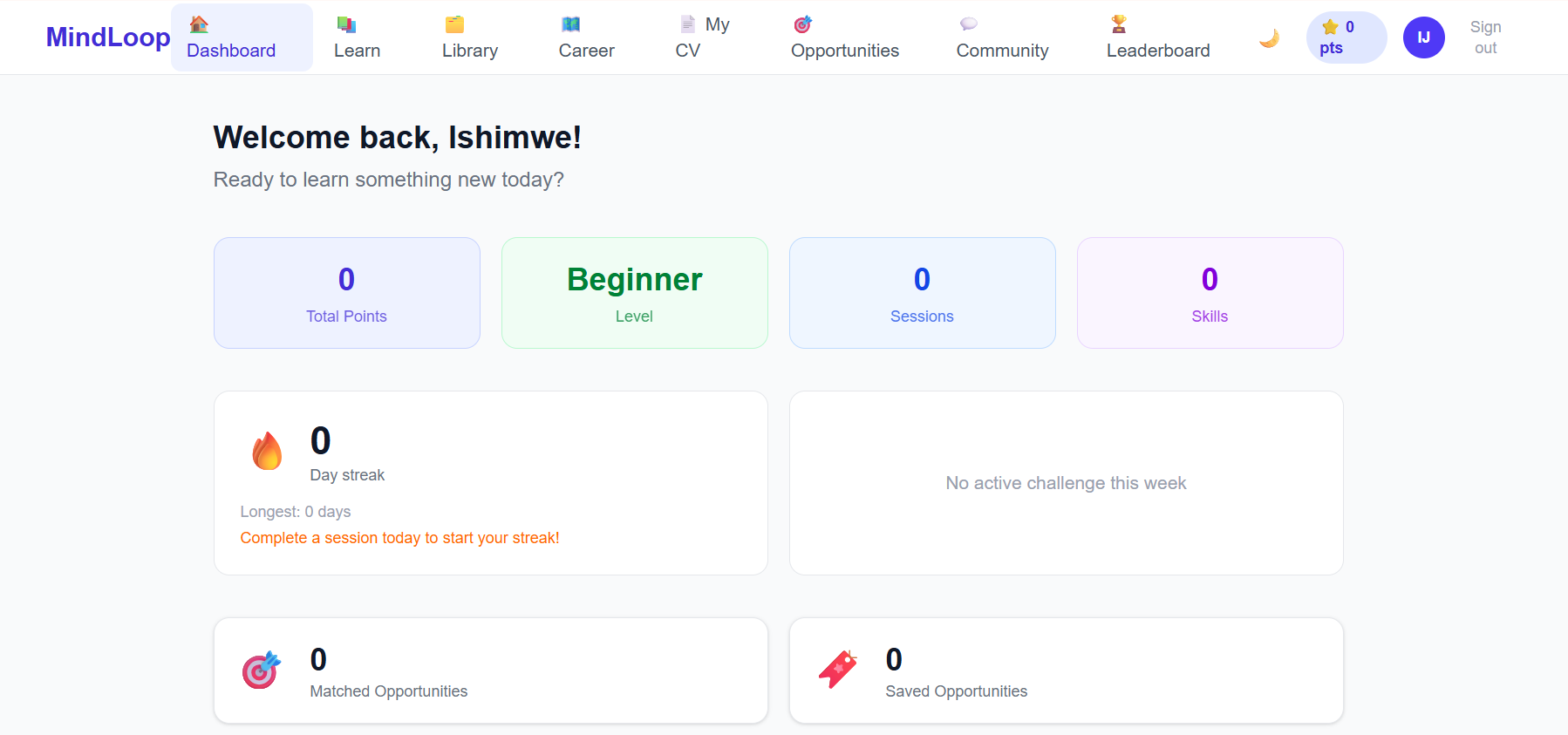
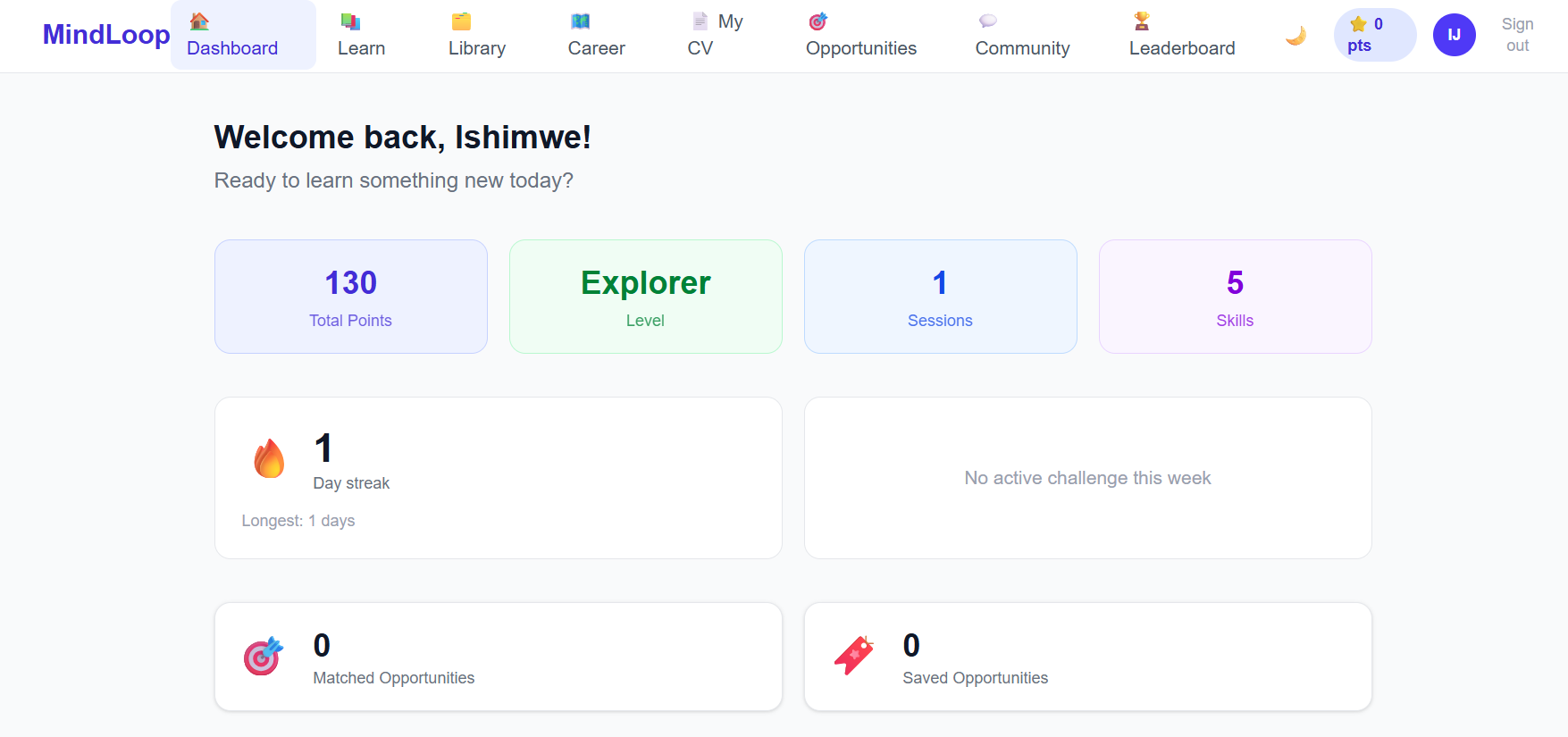
Dashboard
-
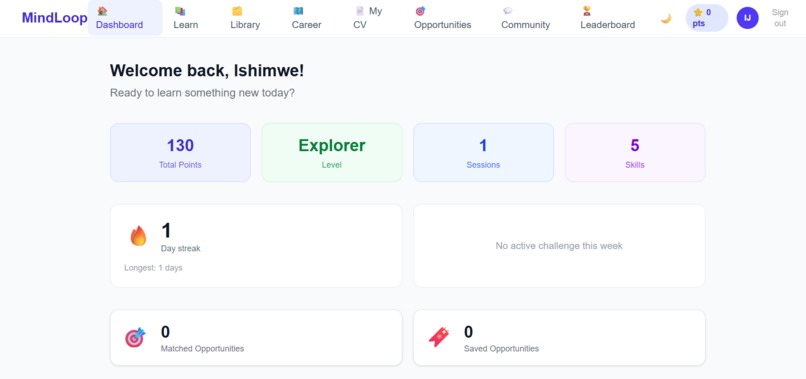
dashboard view
-
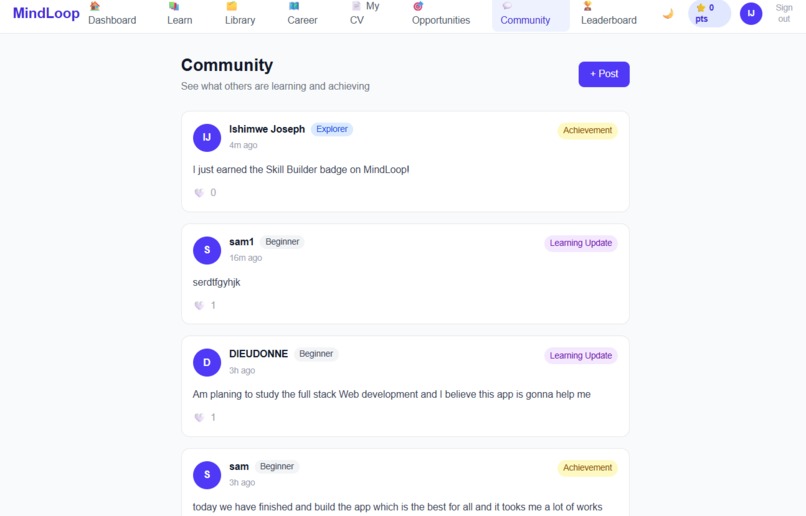
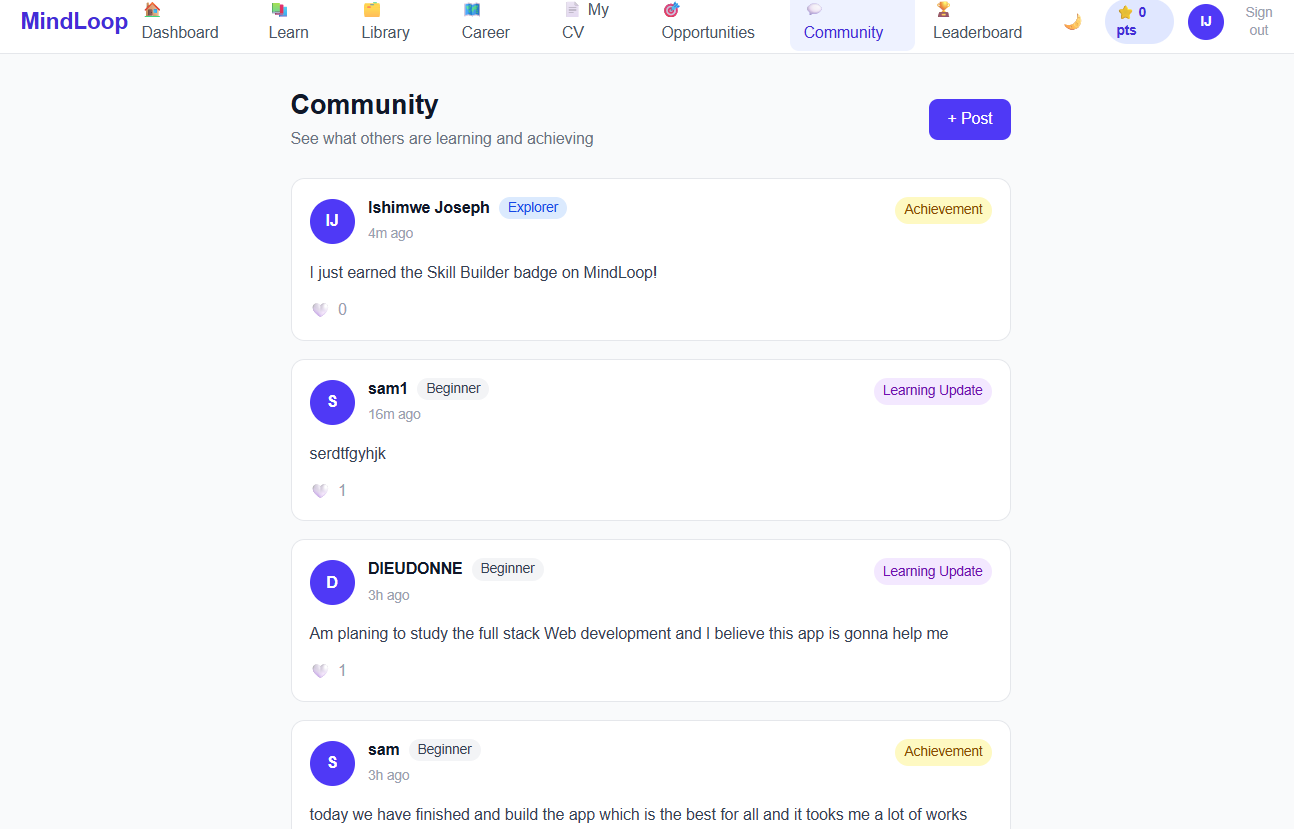
Community and user's posts
-
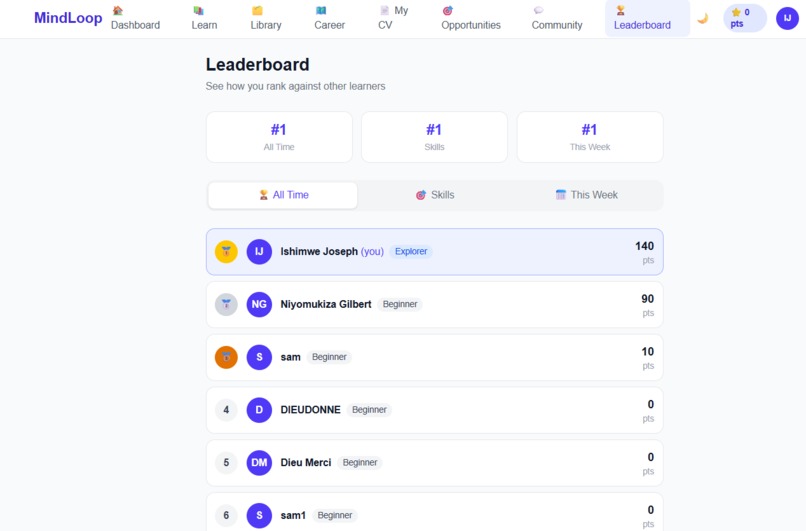
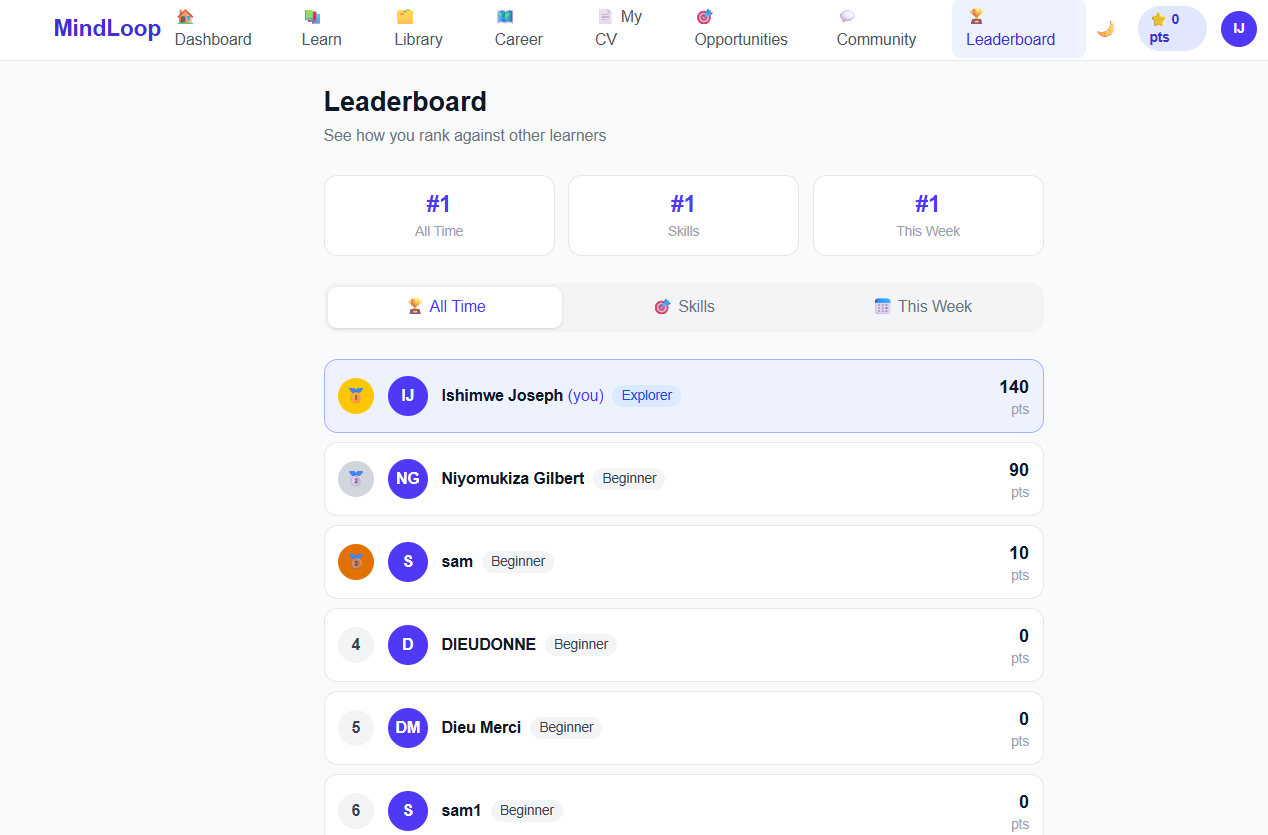
leaderboard ranking
-
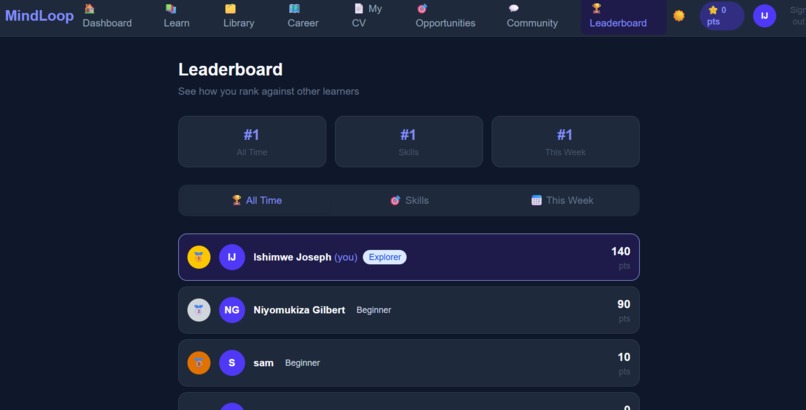
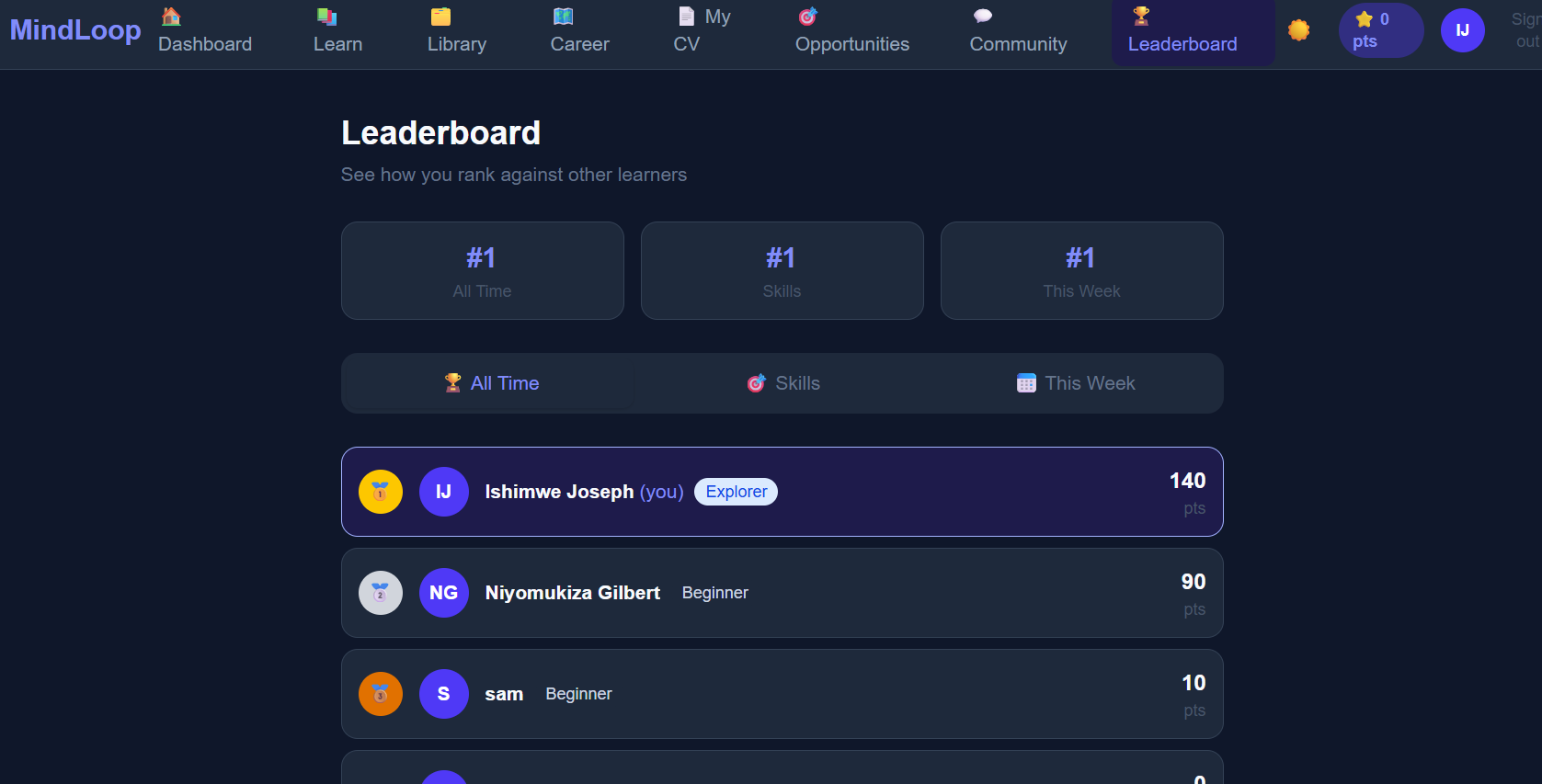
dark-mode leaderboard
-
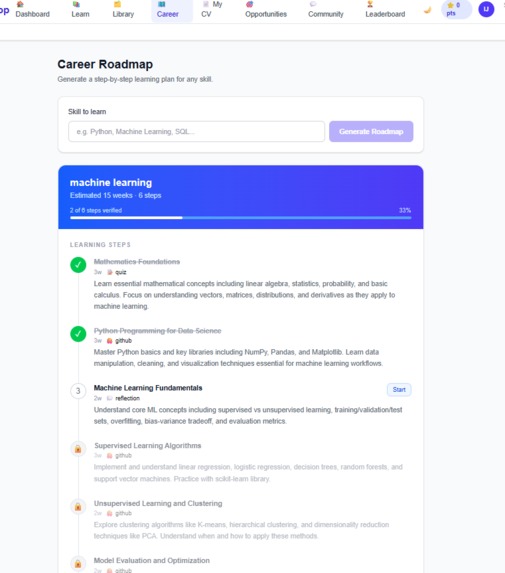
Roadmap given
-
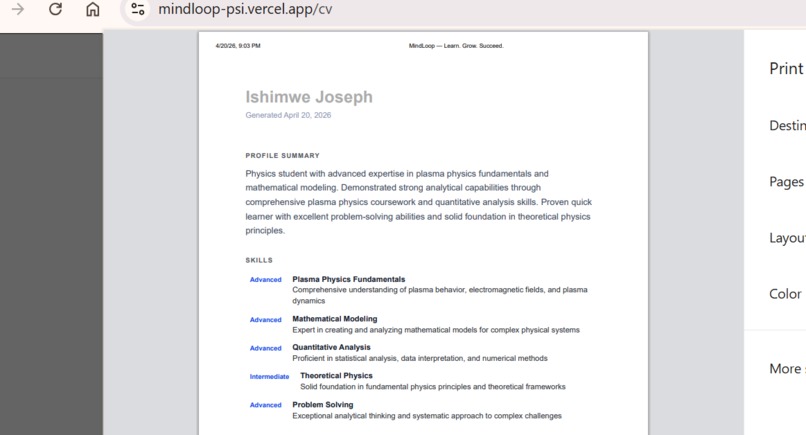
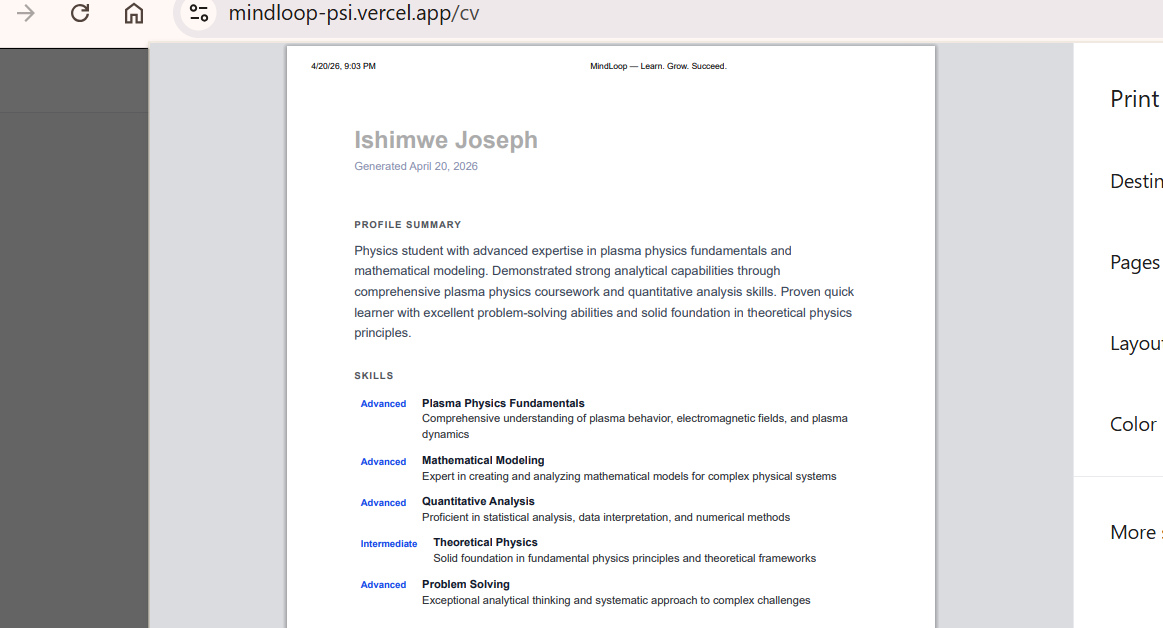
CV printing
-
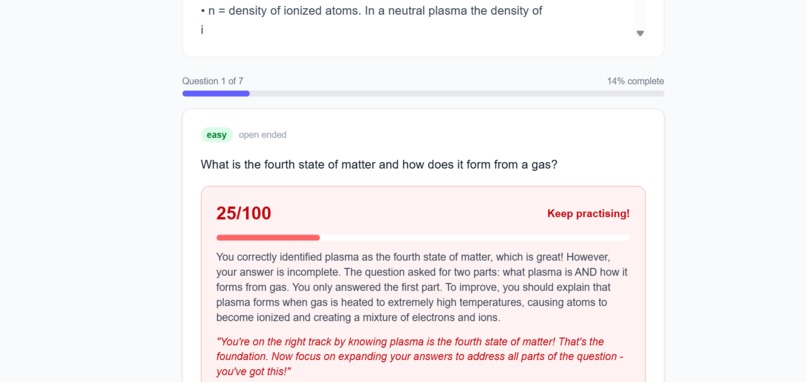
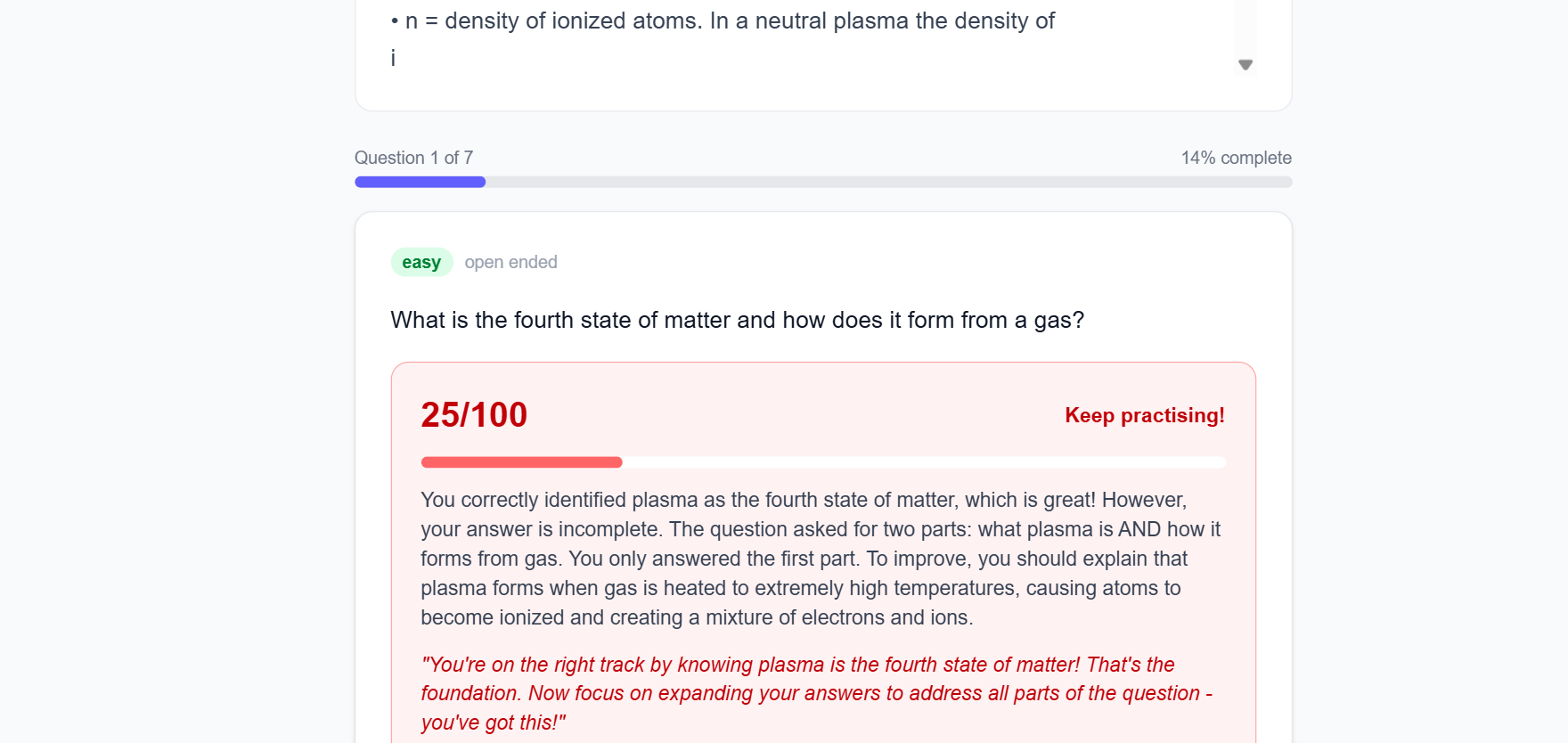
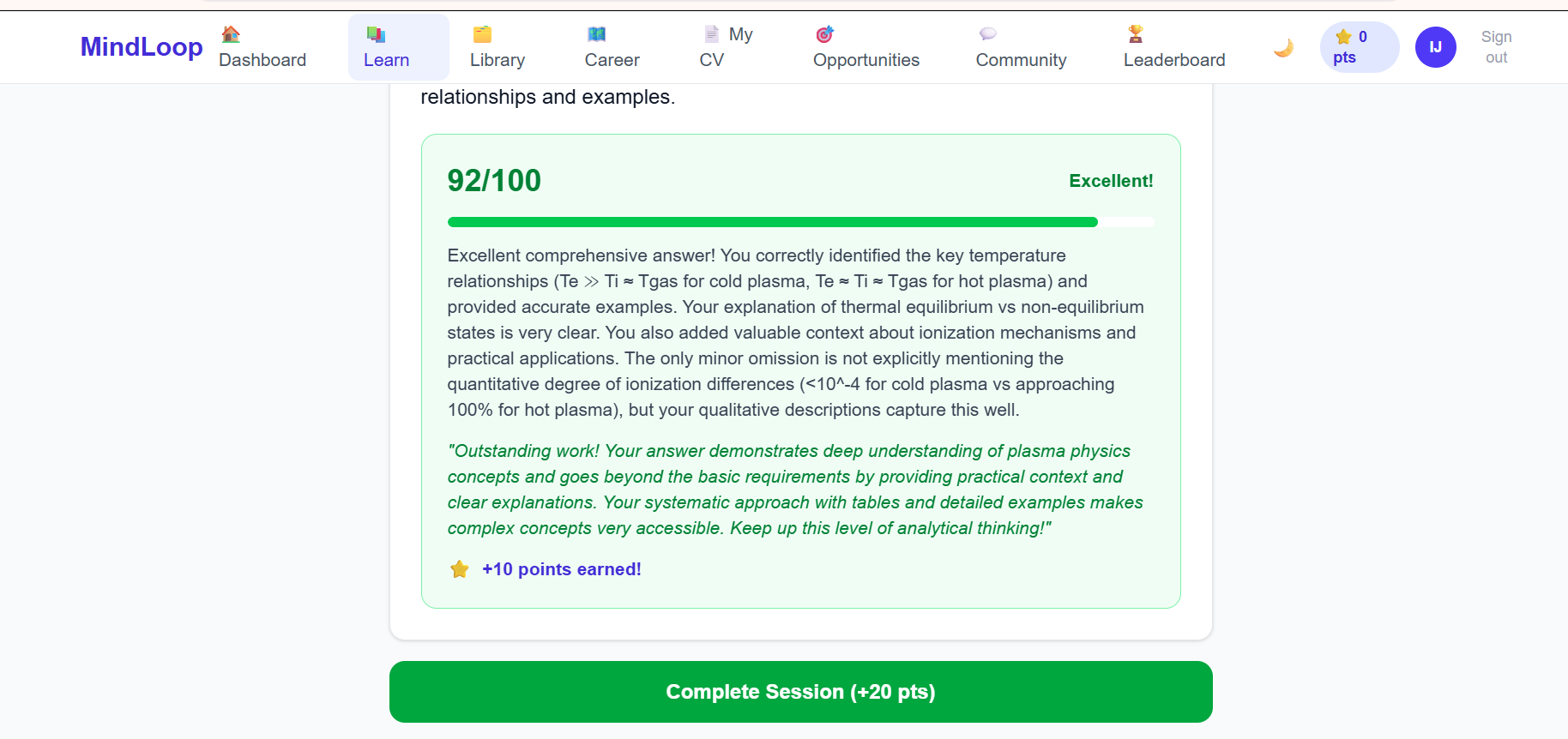
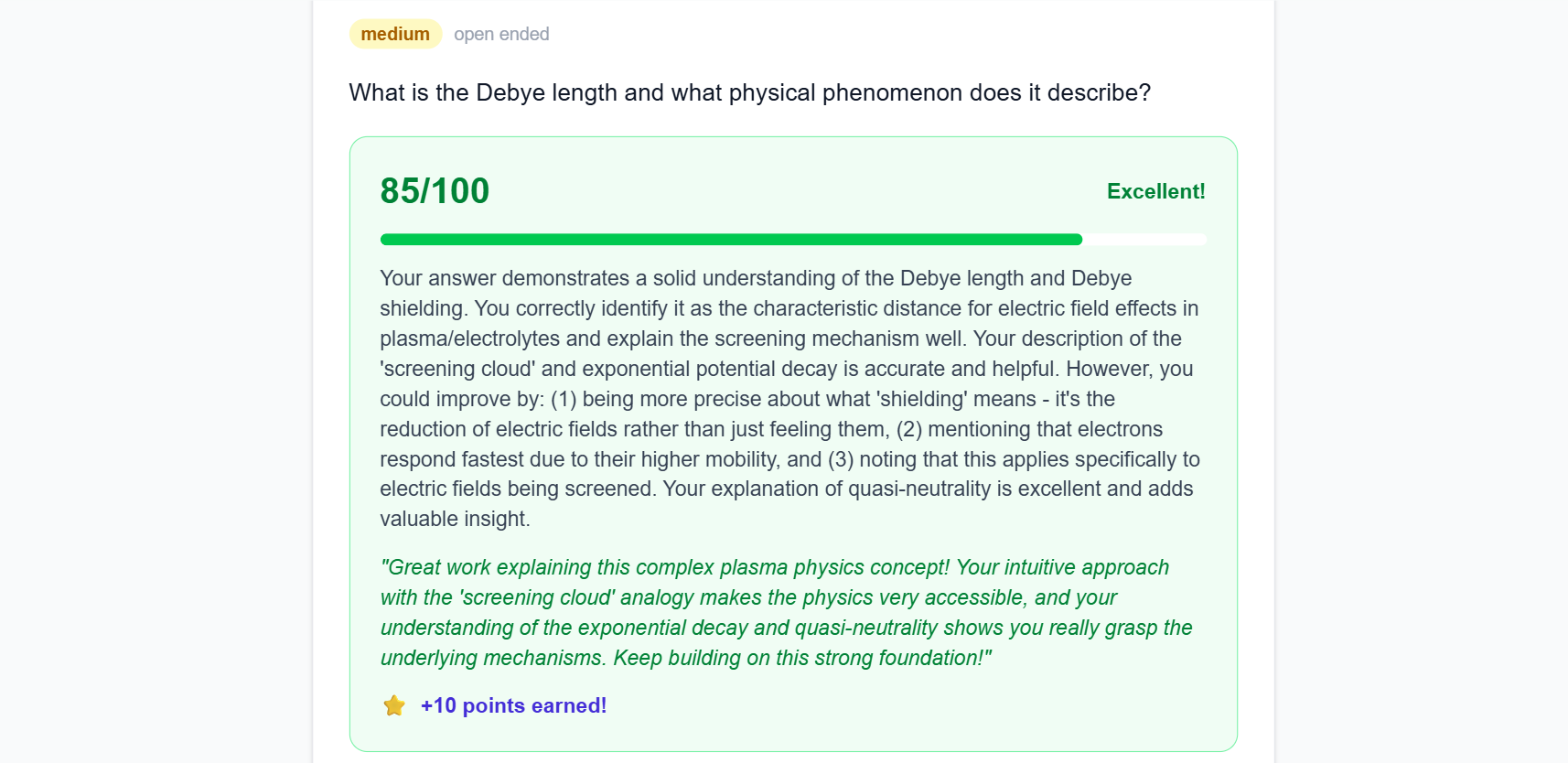
quizz atempting
-
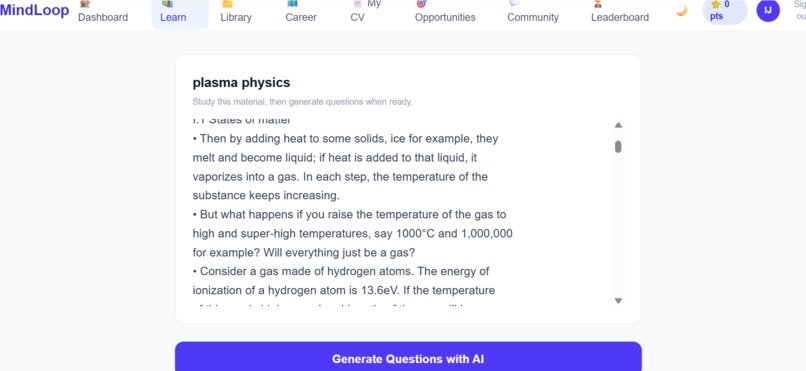
note reading
-
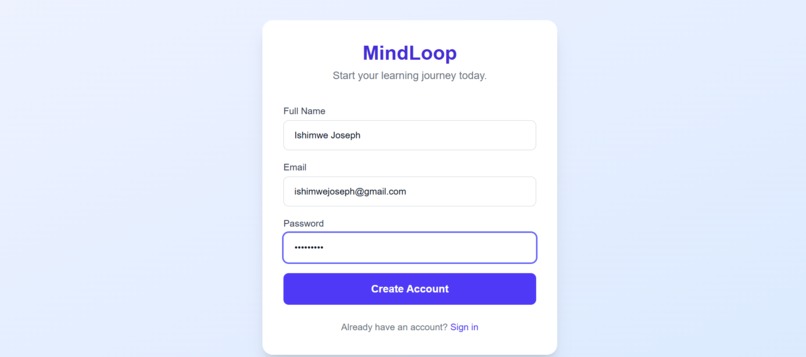
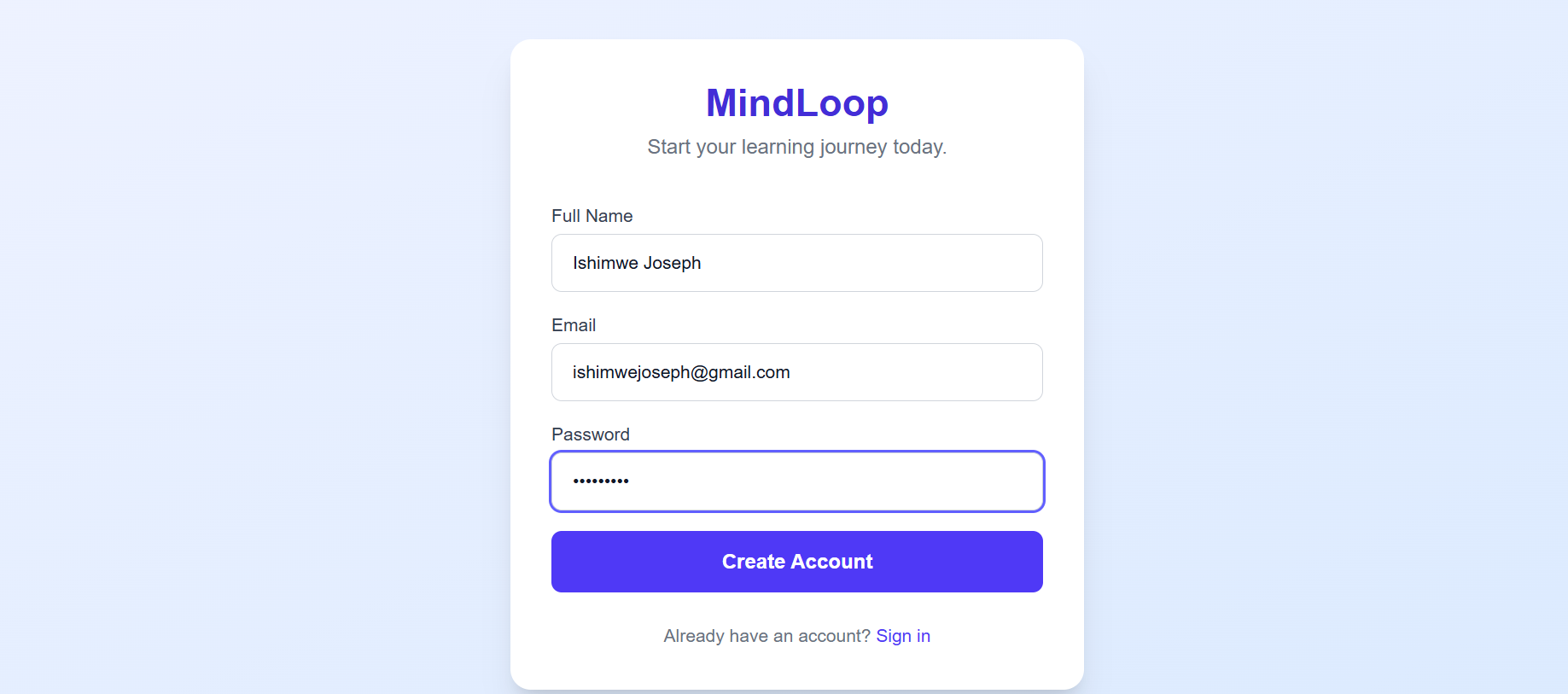
Registering
-
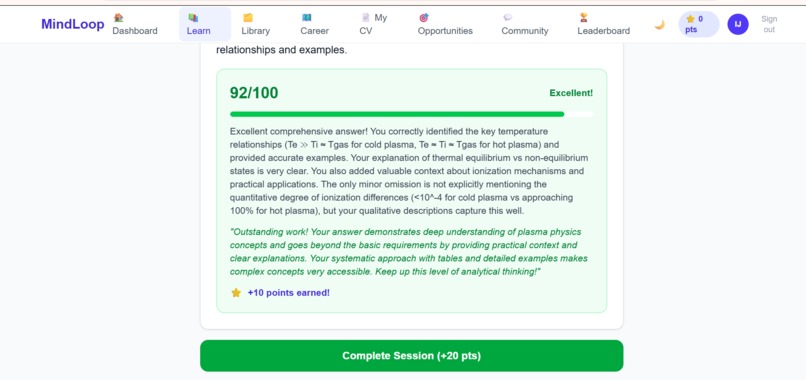
session completion
-
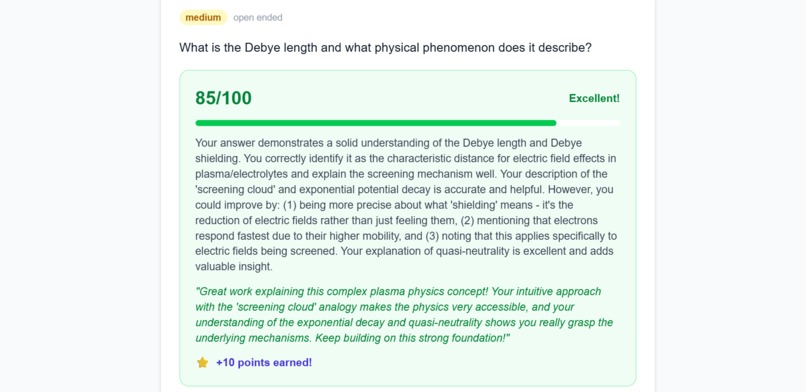
points scoring
-
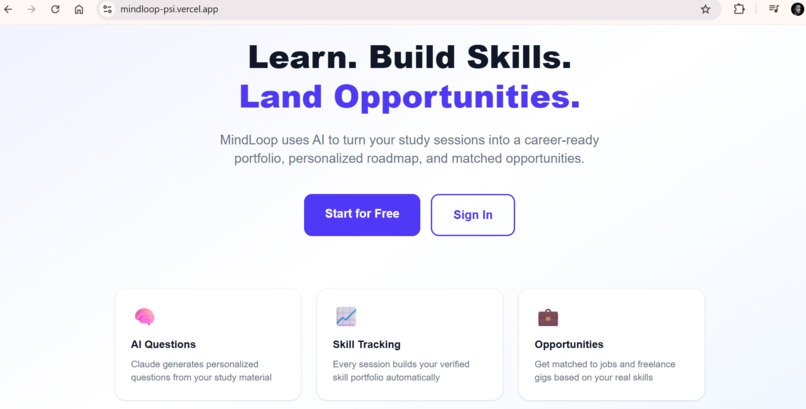
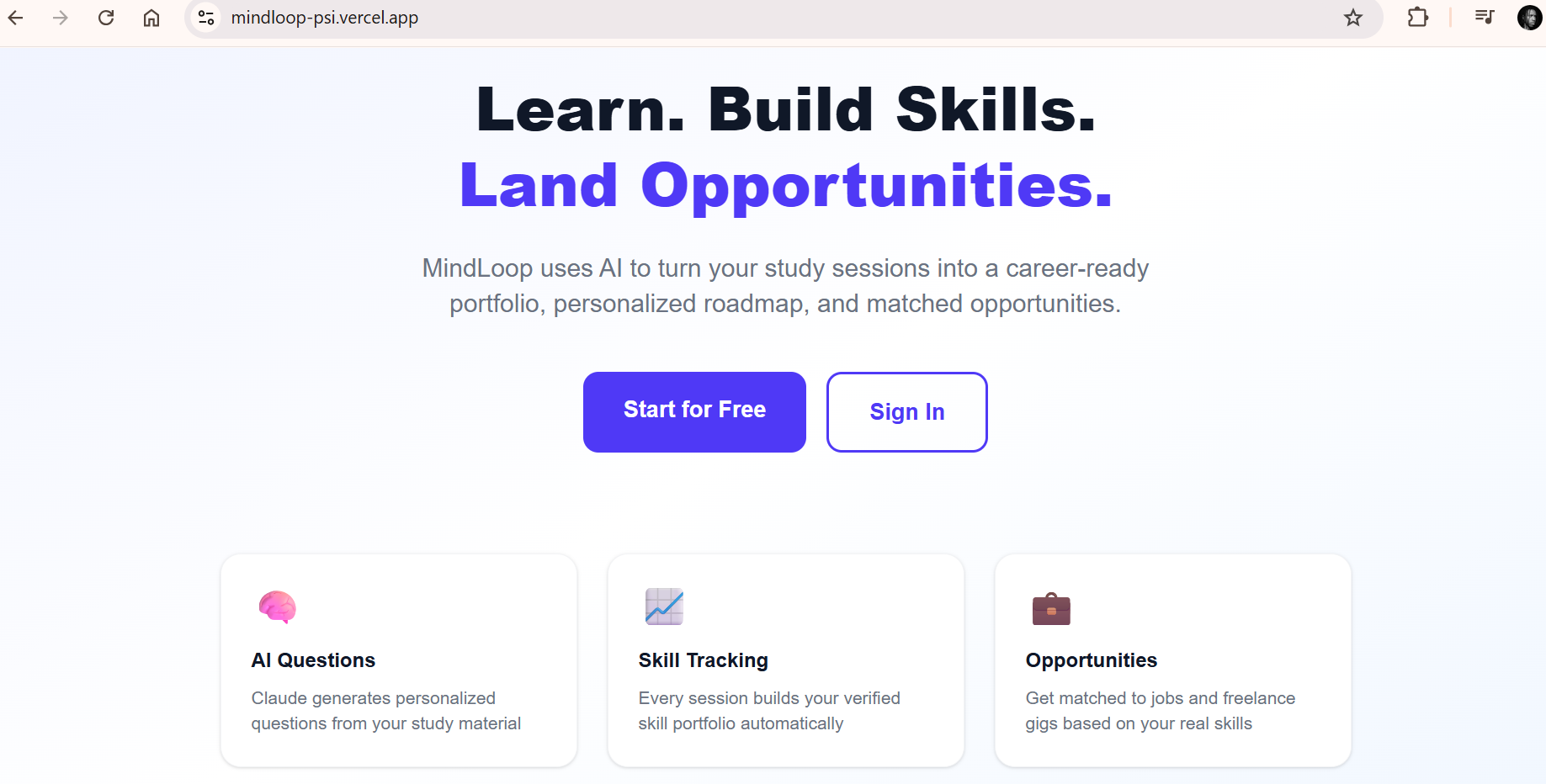
landing page
Inspiration Most students don't fail because they lack intelligence. They fail because studying is boring, lonely, and gives them nothing back. We watched students open their textbooks with good intentions for the last five minutes, and switch to Instagram. Not because they are lazy but because social media responds to them, rewards them, and makes them feel something. A textbook does none of that. At the same time, we saw talented graduates with good grades who had no idea what job to apply for, no portfolio to show, and no connection between what they studied and what employers actually wanted. The gap between learning and earning was enormous. We asked ourselves: what if studying felt as engaging as social media? What if every time you read something, something happened: a question, a score, a badge, a level up? What if your learning session ended with a real skill added to your CV and a real job opportunity matched to what you just learned? That question became MindLoop.
What it does MindLoop is an AI-powered platform that transforms passive students into career-ready professionals. It follows one powerful loop: LEARN → UNDERSTAND → SKILL BUILD → TRACK PROGRESS → BUILD CV → FIND OPPORTUNITY Here is what happens in a typical session:
The student picks a topic and uploads their study material (PDF, TXT, or typed text) Claude AI generates personalized questions at three levels: easy, medium, and critical thinking, based on the actual material The student answers each question and gets instant AI evaluation with a score, detailed feedback, and encouragement Points and badges are awarded in real time, keeping the student engaged and motivated When the session ends, Claude automatically extracts the skills the student demonstrated The student's living CV is updated automatically with new skills and achievements Claude generates a personalized career roadmap showing exactly what to learn next The platform matches their skills to real opportunities, freelance gigs, internships, and entry-level jobs, showing them what they can earn right now
Beyond the learning loop, MindLoop includes:
🔥 Daily streaks and leaderboards to build consistency and healthy competition 🏆 Badges and level system (Beginner → Explorer → Learner → Achiever → Expert → Master) 👥 Community feed where students share achievements and opportunities 📊 Progress analytics showing scores, sessions, and skill growth over time 💼 Skill gap analysis showing which skills to learn next to unlock more opportunities
How we built it We built MindLoop as a complete full-stack application from scratch. Backend: Django + Django REST Framework with PostgreSQL as the database. We created 10+ Django apps, each handling a specific domain: users, sessions, questions, answers, skills, CV, roadmap, opportunities, community, and analytics. Authentication is handled with Django Simple JWT. Frontend: Next.js with App Router, Tailwind CSS for mobile-first design, NextAuth for session management, and TypeScript throughout for type safety. AI Integration: Anthropic Claude API is the core intelligence powering 6 features:
Question generation from any study material Answer evaluation with personalized feedback Automatic skill extraction after sessions Professional CV generation Career roadmap generation Job opportunity matching by skill
Key technical decisions:
All Claude API calls go exclusively through the Django backend; the API key is never exposed to the frontend Every Claude response is validated as strict JSON before being saved or displayed Study material can be typed, pasted, or uploaded as a PDF (we use pdfplumber to extract text) JWT tokens auto-refresh silently, so users are never logged out unexpectedly Claude's opportunity matching results are cached for 24 hours to save API costs The entire UI is mobile-first because most of our target users are on phones
Challenges we ran into
- Making Claude's responses reliable enough to parse Our biggest challenge was getting Claude to return consistent JSON every single time. Early on, it would add explanations, markdown formatting, or extra text around the JSON. We solved this by refining every system prompt to say "Return ONLY a valid JSON object. No extra text. No markdown. No explanation." and wrapping every call in try/except with validation logic.
- JWT token management across two systems Managing authentication between NextAuth on the frontend and Django Simple JWT on the backend was complex. Tokens were expiring silently and crashing protected pages with 500 errors. We built an automatic refresh callback in NextAuth that silently refreshes expired tokens and gracefully redirects to login only when the refresh token itself expires.
- Content type mismatch The Django backend was rejecting frontend requests with "Unsupported media type text/plain". We traced it to the frontend not setting the Content-Type header and the backend missing parser configuration in Django REST Framework settings. Aligning both sides resolved it permanently.
- Keeping the platform fast on low bandwidth Our target users in Africa often have limited connectivity. We had to rethink every design decision, no heavy images, lazy loading everywhere, minimal bundle sizes, and caching AI responses where possible.
Accomplishments that we're proud of
Built a complete full-stack AI product from zero with a real working demo Integrated Claude AI into 6 distinct features that all work together as one coherent system Created a living CV that updates automatically as a student learns, with no manual input needed Built a system where studying directly produces real job opportunities, not someday, but in the same session Designed an experience that makes students want to come back every day through streaks, badges, leaderboards, and rewards Targeted an underserved market of students in Africa with a mobile-first, low-bandwidth design Shipped 5 complete phases of features: foundation, learning loop, career tools, opportunities, and community
What we learned
Prompt engineering is real engineering. The quality of Claude's output depends entirely on how precisely you instruct it. A small change in the system prompt produced dramatically different results. Engagement is a design problem, not a willpower problem. Students don't lack discipline; they lack a reason to stay focused. When you give them instant feedback, real rewards, and a visible path forward, they choose learning over scrolling. Full-stack AI products require strict discipline. It is tempting to call AI from everywhere. We learned to centralize all AI logic in a single folder (/backend/ai/) and treat Claude as any external service, with validation, error handling, and fallbacks. The problem matters more than the technology. MindLoop works not because of the tech stack but because we understood the real problem students face between learning and earning — and designed every single feature to solve it.
What's next for Mindloop
Mobile app a native iOS and Android app for students who learn entirely on their phones Institutional partnerships are bringing MindLoop into universities and schools across Africa as an official learning tool Employer dashboard letting companies post opportunities directly on MindLoop and discover students matched to their skill requirements Peer learning lets students form study groups, share materials, and quiz each other Certification system issuing verifiable digital certificates when students complete a full learning roadmap Offline mode allows students to download sessions and study without internet, then sync when back online Expansion beyond Africa, scaling to Southeast Asia, Latin America, and other emerging markets, where the same learning-to-earning gap exists
Built With
- anthropic-claude-api
- django
- django-cors-headers
- django-rest-framework
- django-simple-jwt
- next.js
- nextauth
- pdfplumber
- postgresql
- python
- react
- tailwind-css
- typescript
- vercel


Log in or sign up for Devpost to join the conversation.