-
-
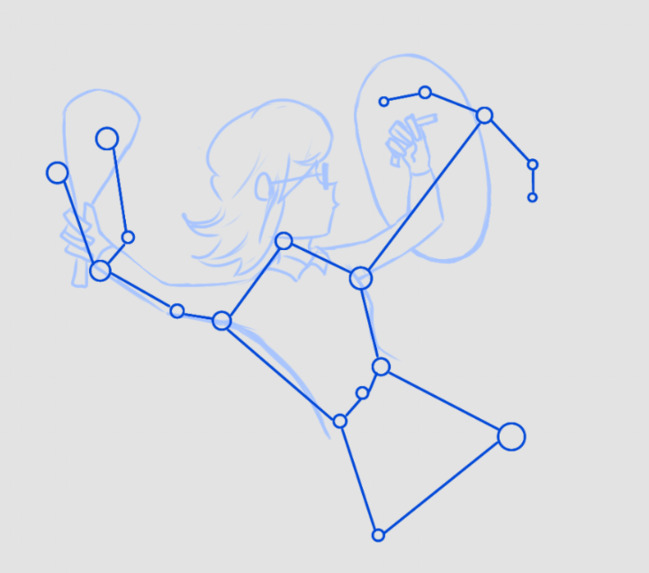
Stellar Logo
-
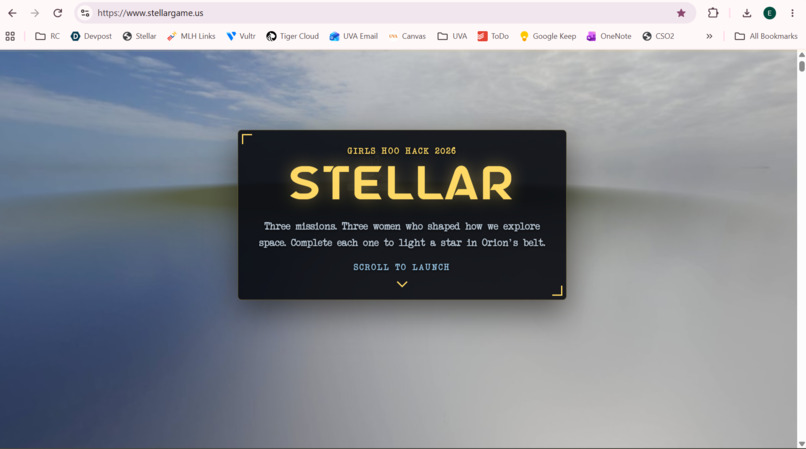
Welcome to Stellar
-
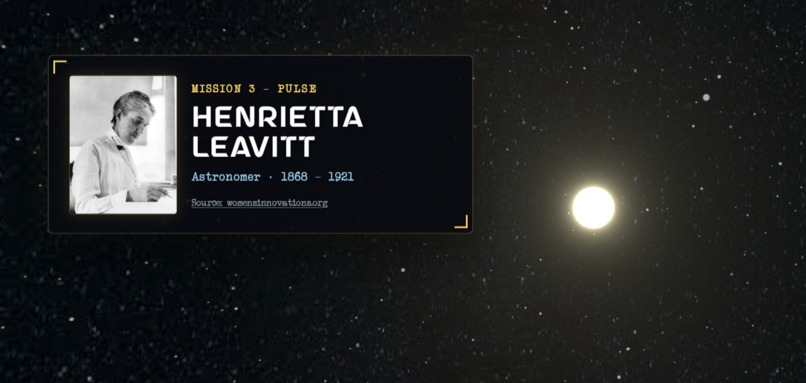
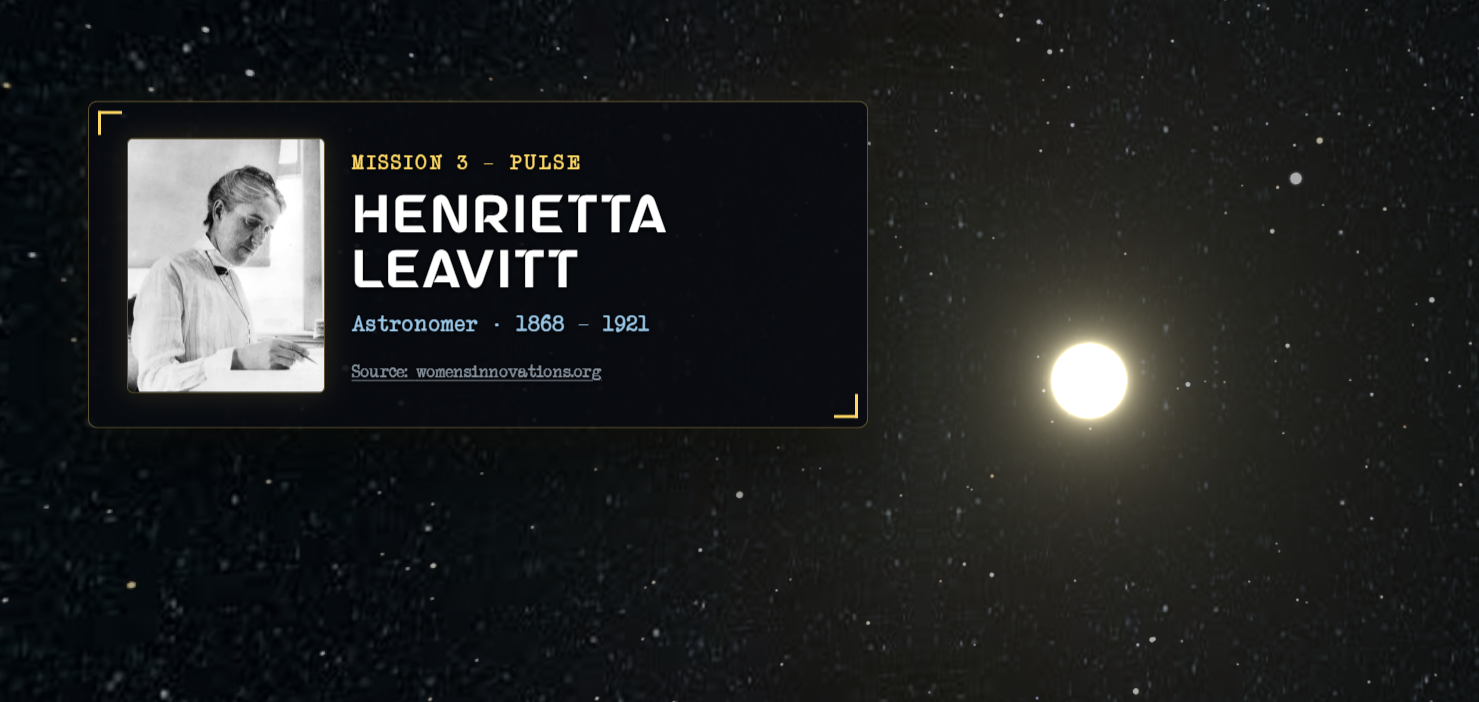
Henrietta Leavitt, Astronomer & Inventor of Leavitt's Law
-
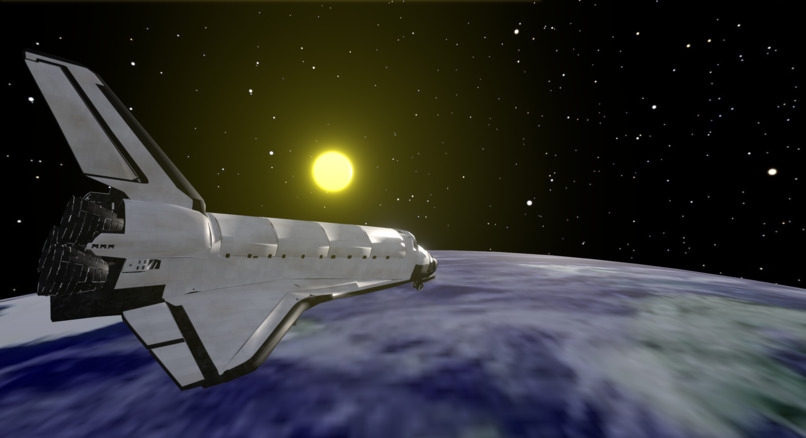
Launching into space
-
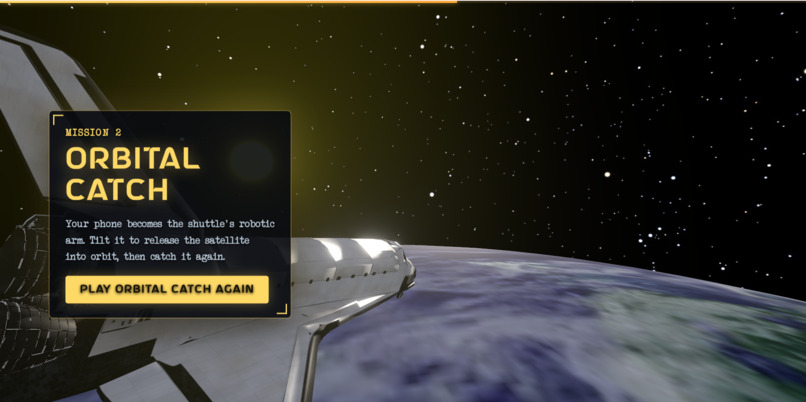
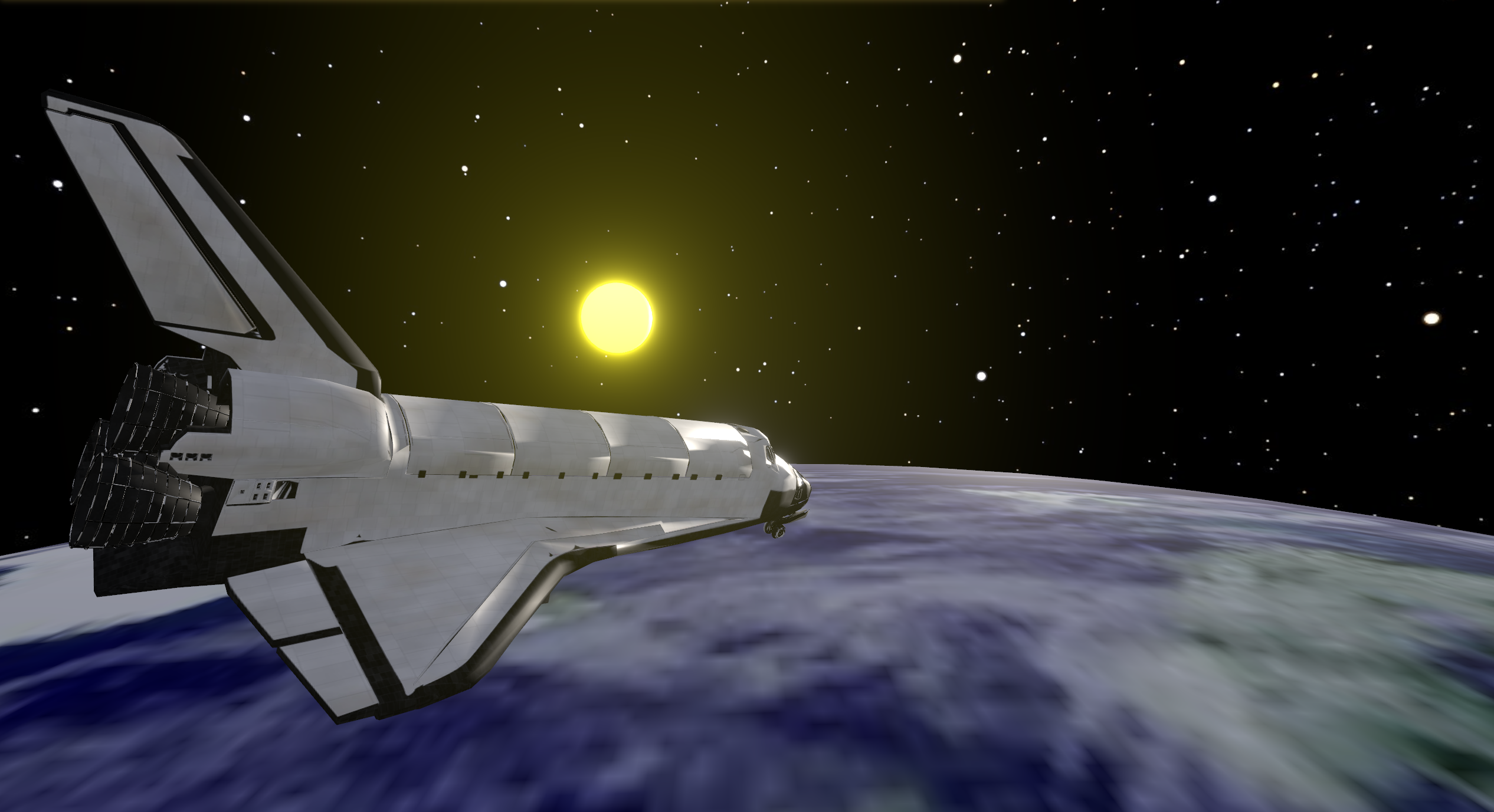
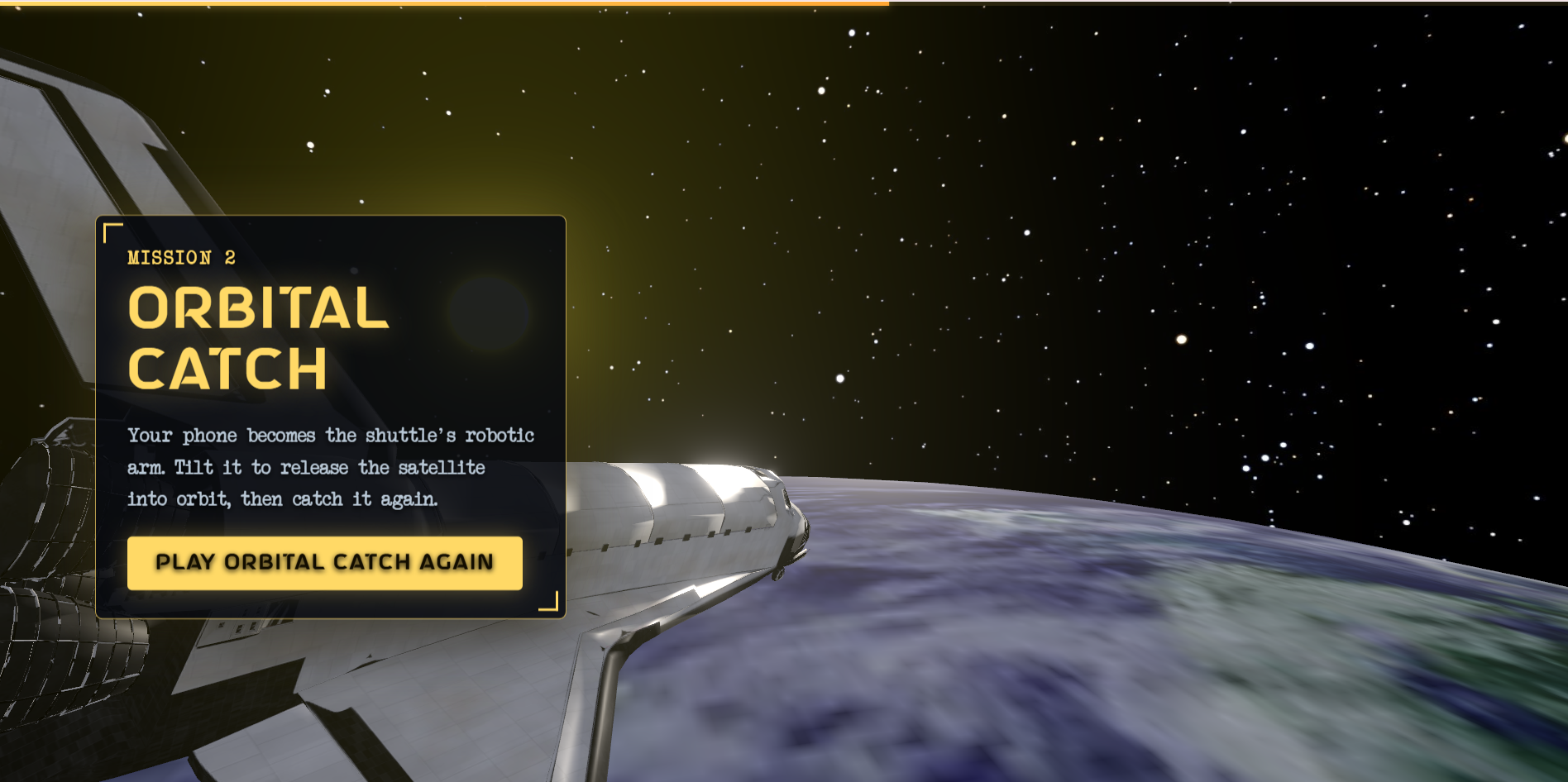
Test your robotic chops with the Canadarm model
-
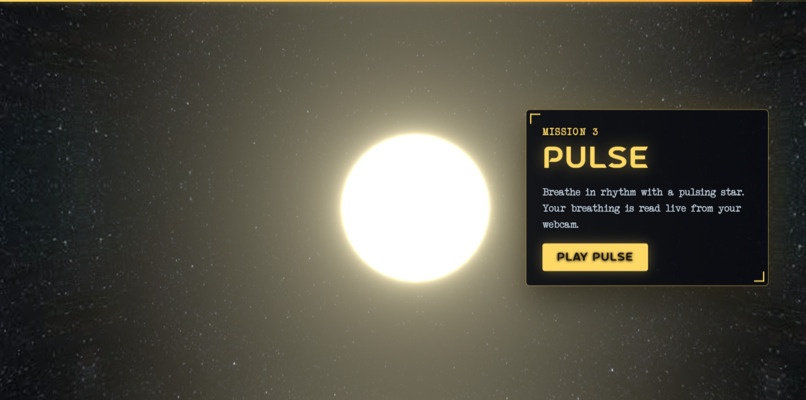
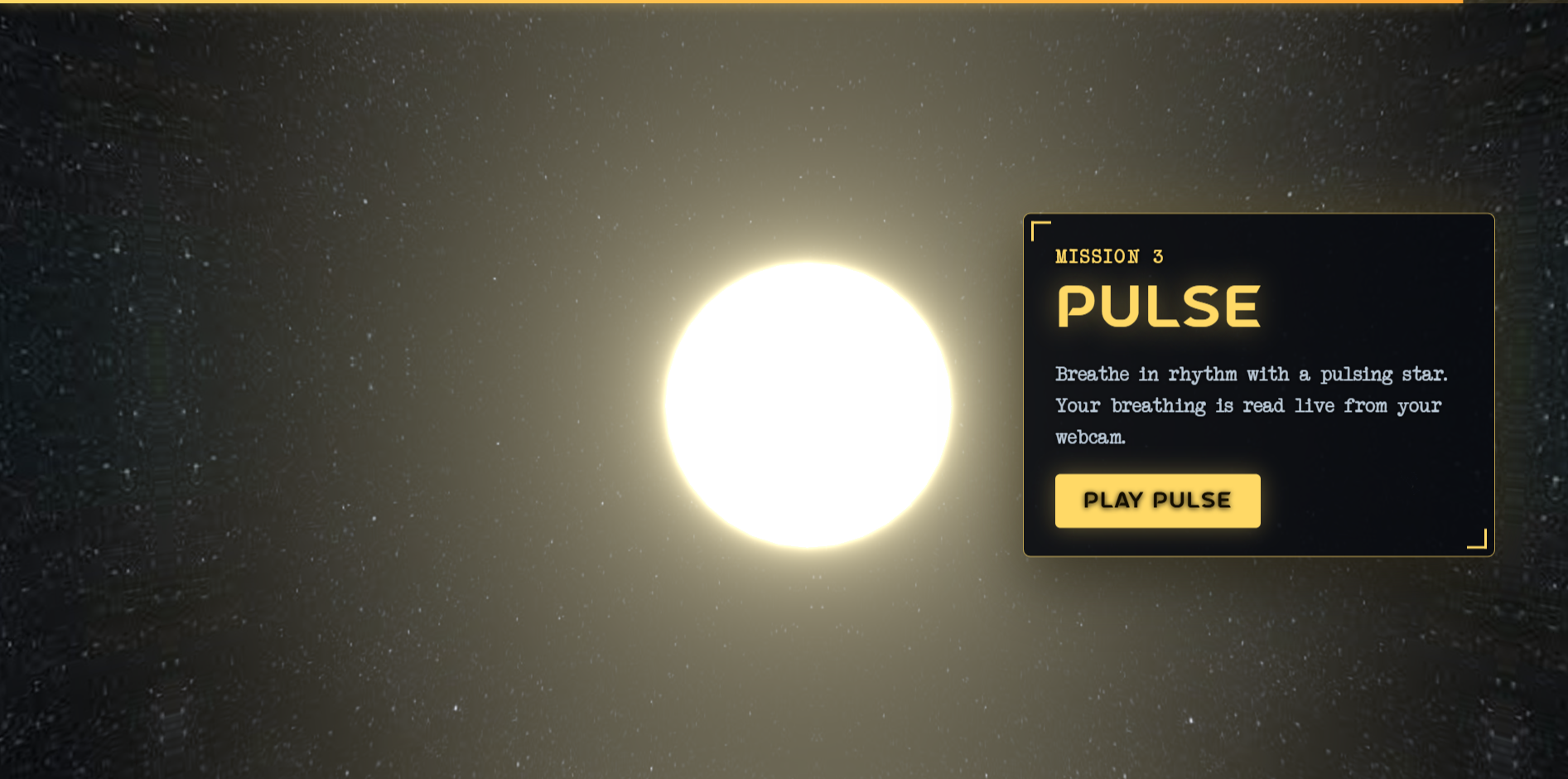
Try your breathing skills with Pulse using Presage SDK
-
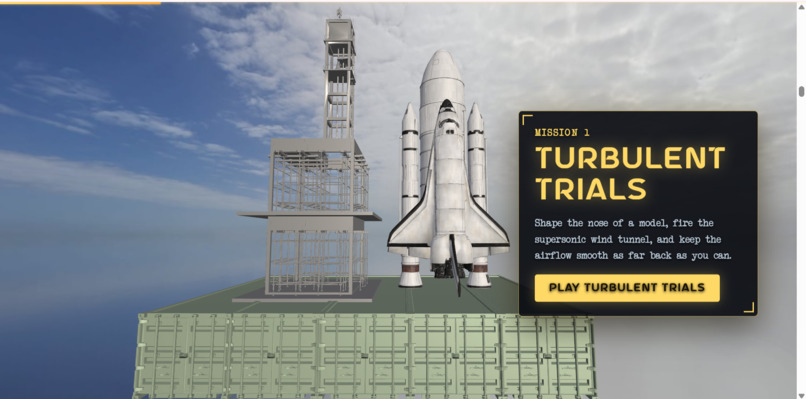
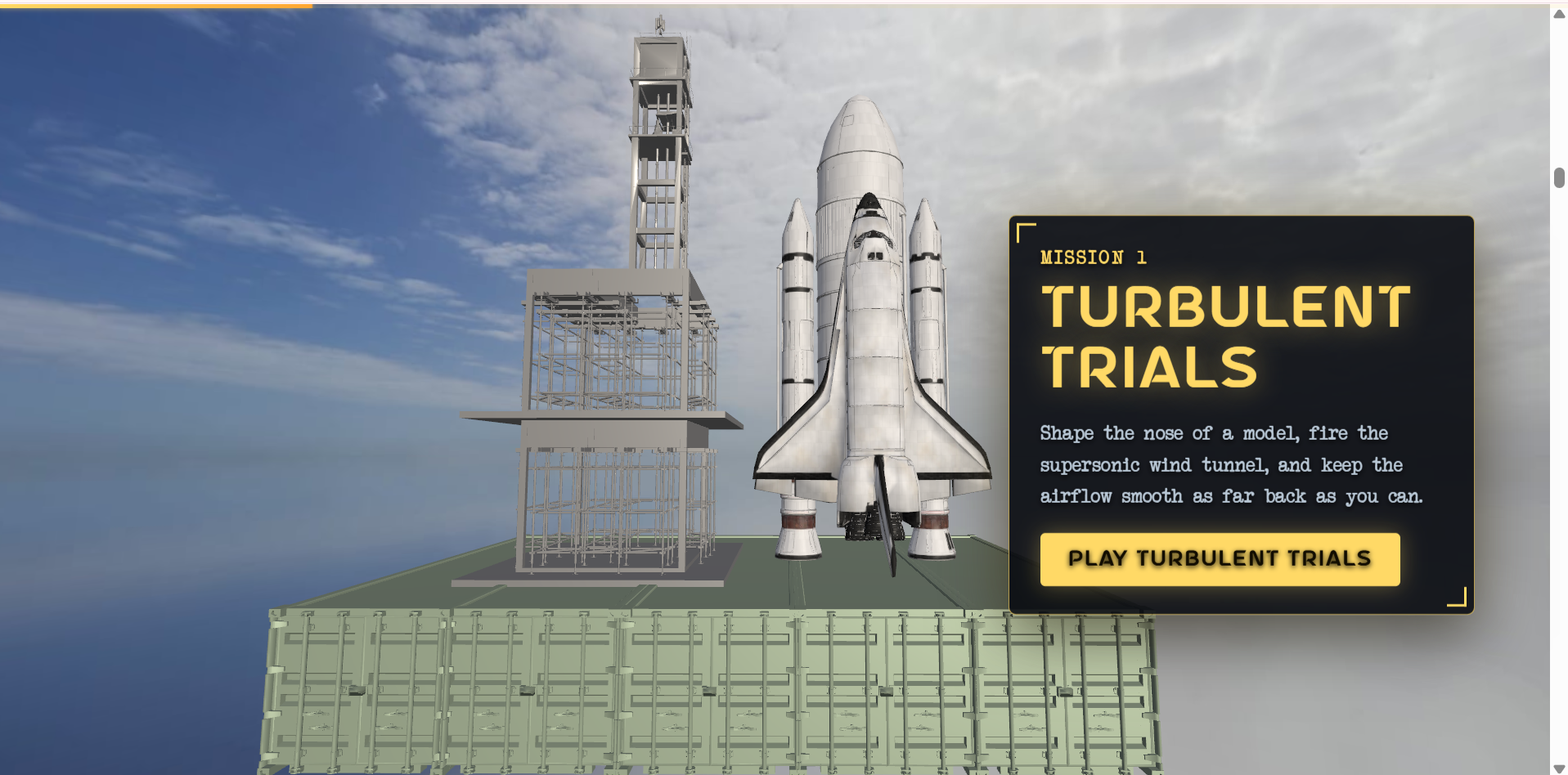
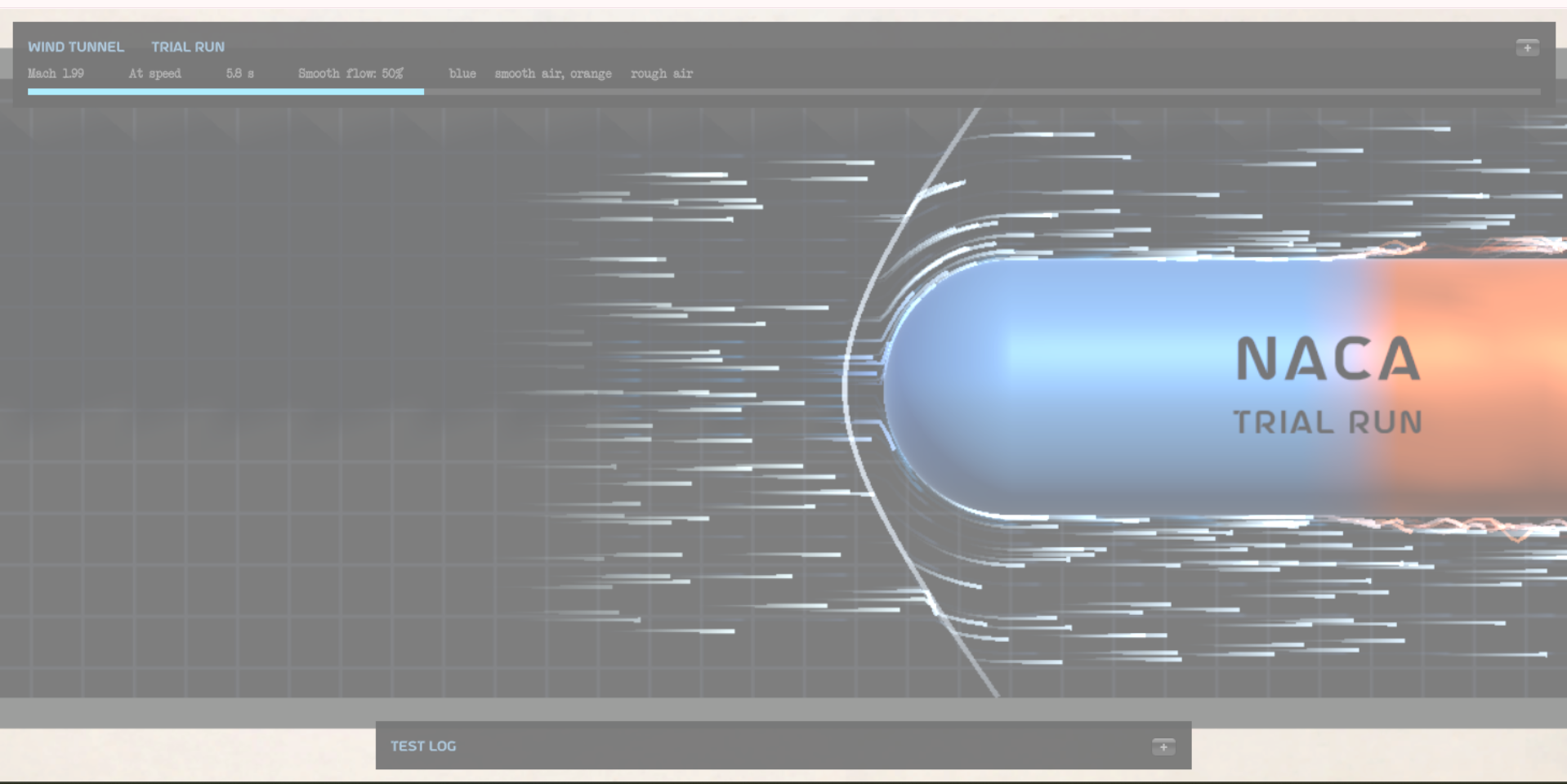
Test your engineering skills with a supersonic wind tunnel
-
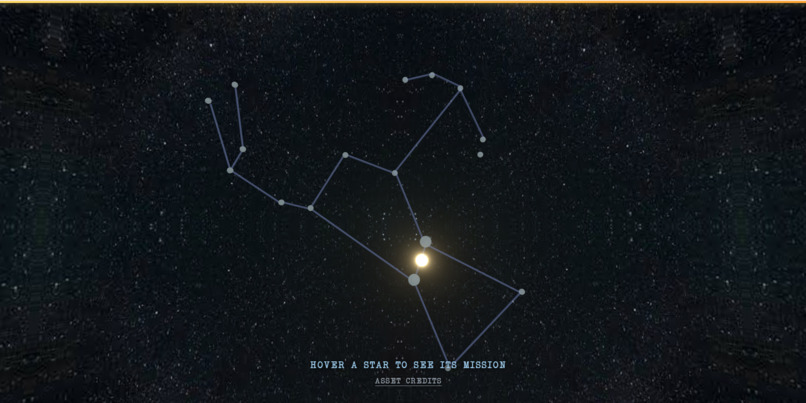
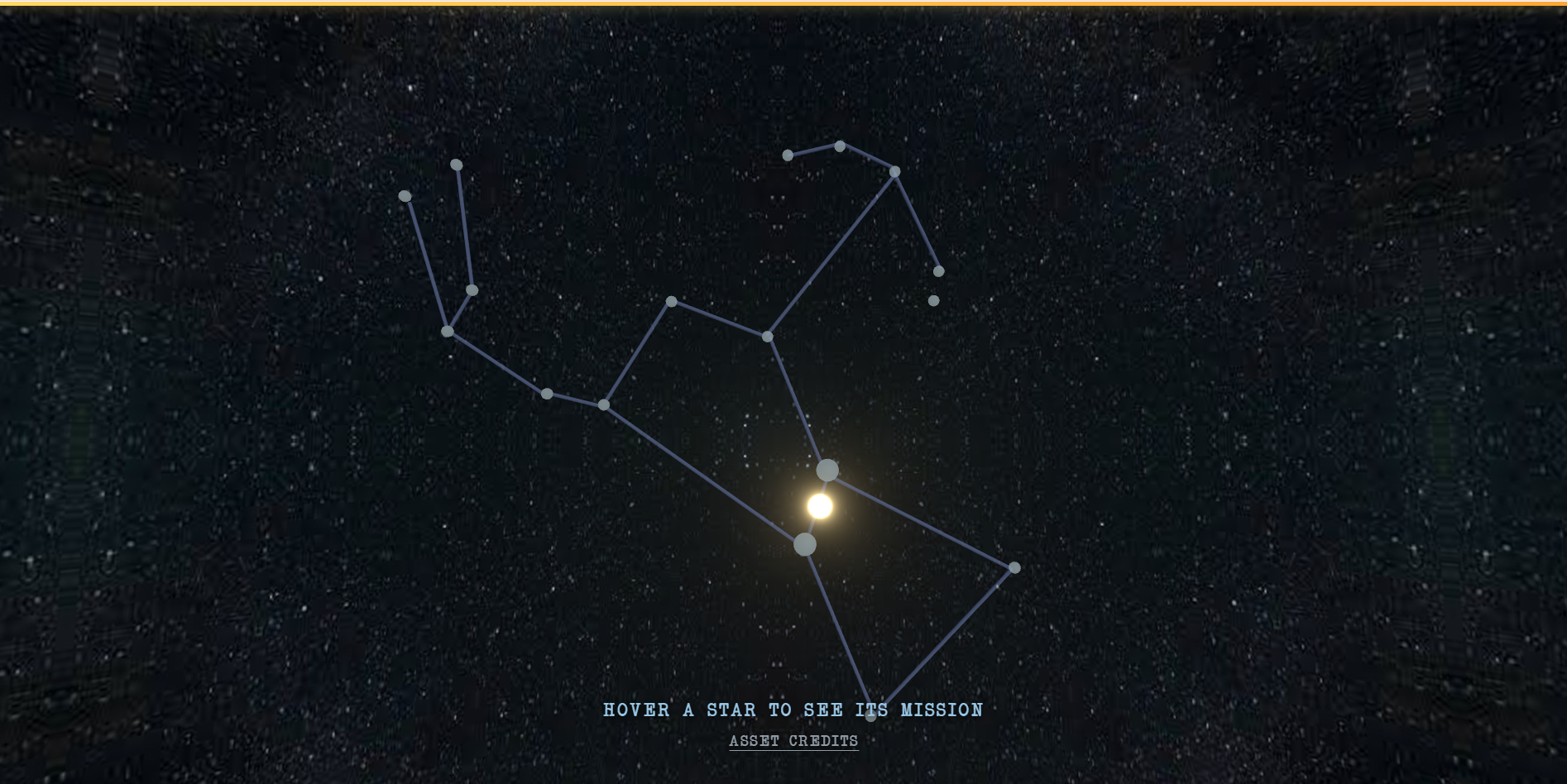
Light up Orion's Belt by completing all three missions
-
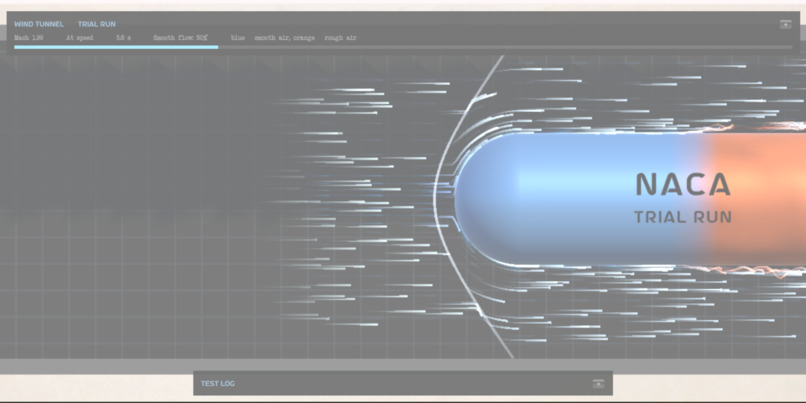
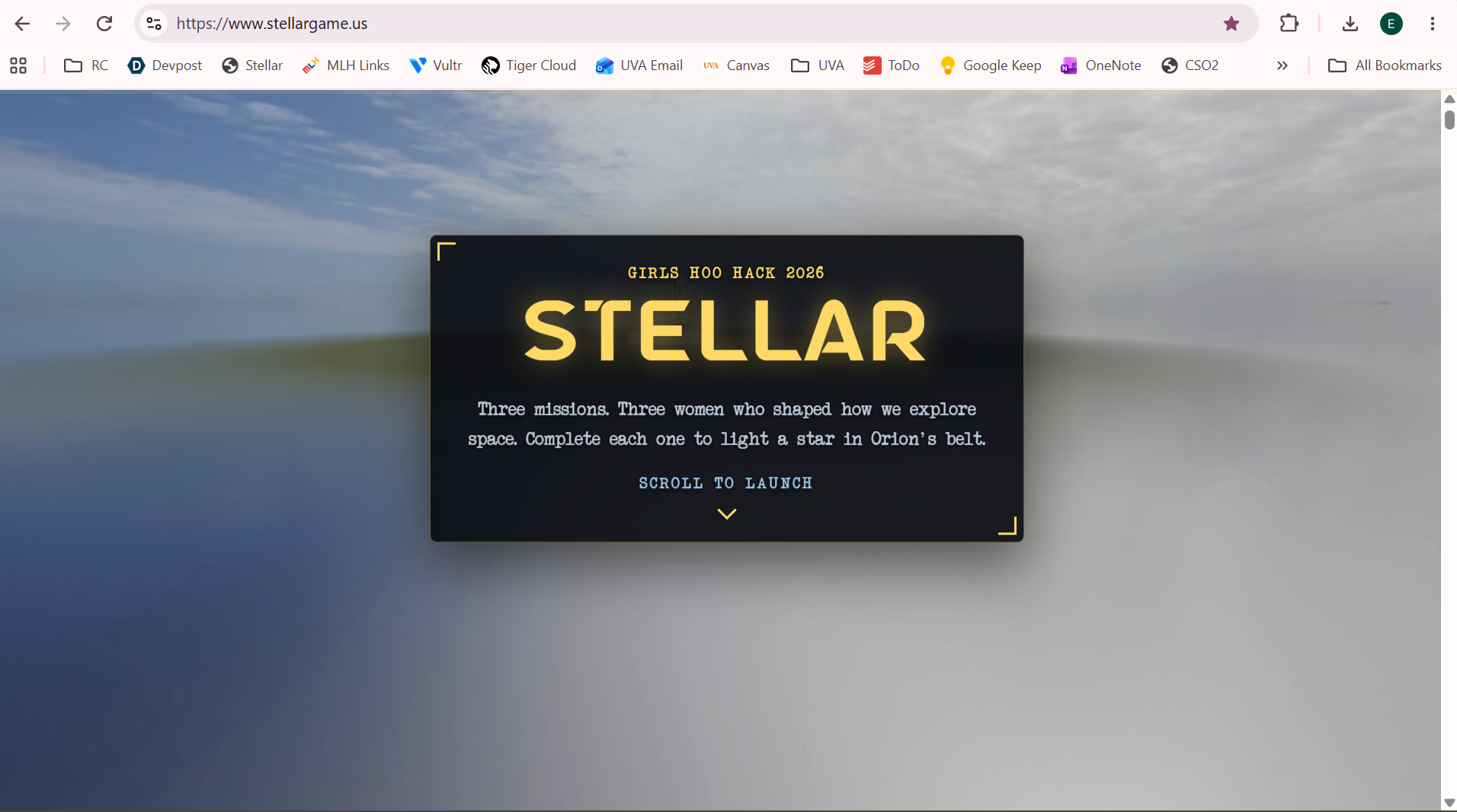
Supersonic speeds!
-
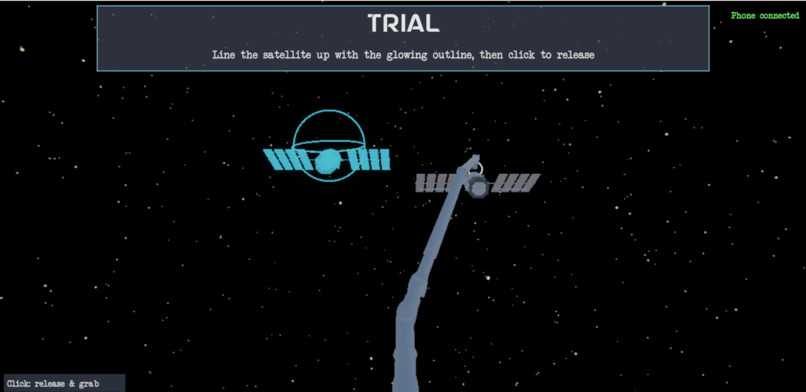
Release the satellite in the right position!
-
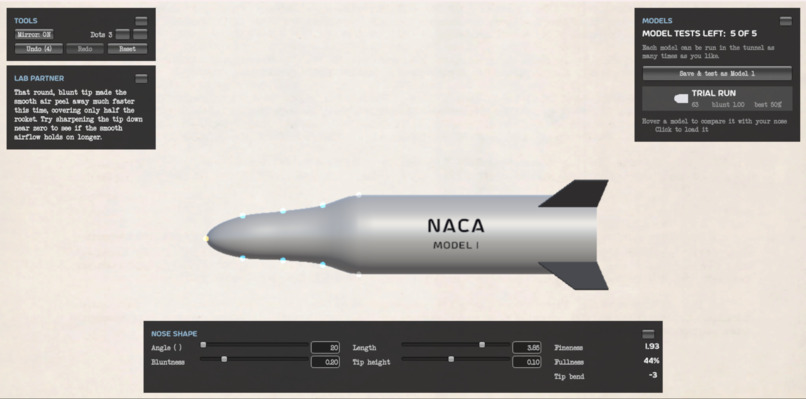
Engineer until your heart's content
Inspiration
We were inspired by pioneering women in astronomy & aerospace engineering. Specifically, the lives of Henrietta Leavitt, Sally Ride, and Mary Jackson. These women broke through immense gender barriers and made discoveries that have shaped our understanding of space.
We wanted to make a video game about their work to inspire girls and young women and encourage players to feel empowered to make an impact in STEM, as well. Both members of our developer team have experience motivating the next generation of women in STEM through experience in programs like Girls Scouts and have seen the impact of educational movies like “Hidden Figures,” which were also inspirations for our video game.
What it does
In this game, the user learns about the lives of three pioneering women through educational mini games. Users first read about the lives of trailblazing women before playing a mini game that’s based on the real work they did during their career.
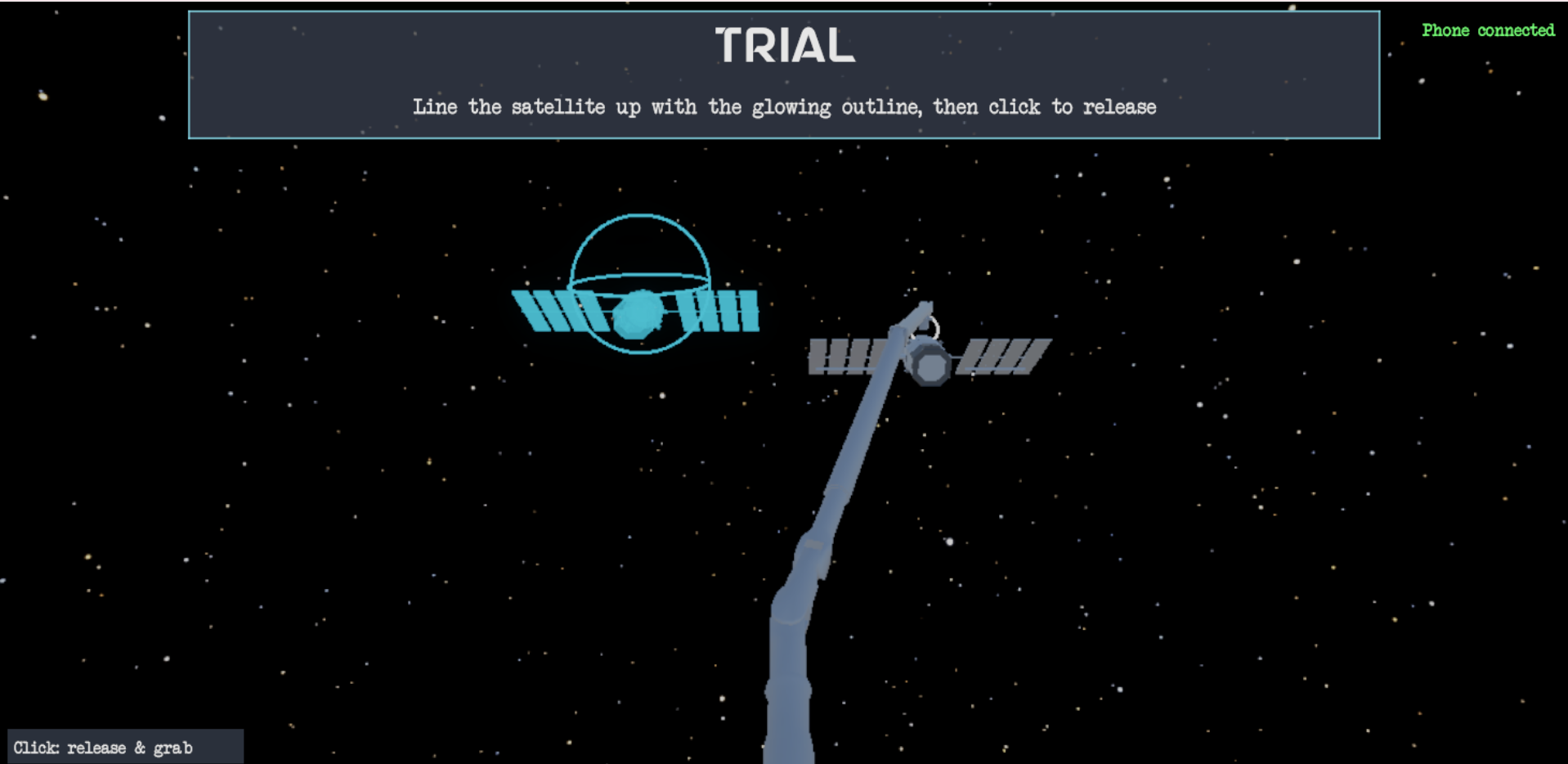
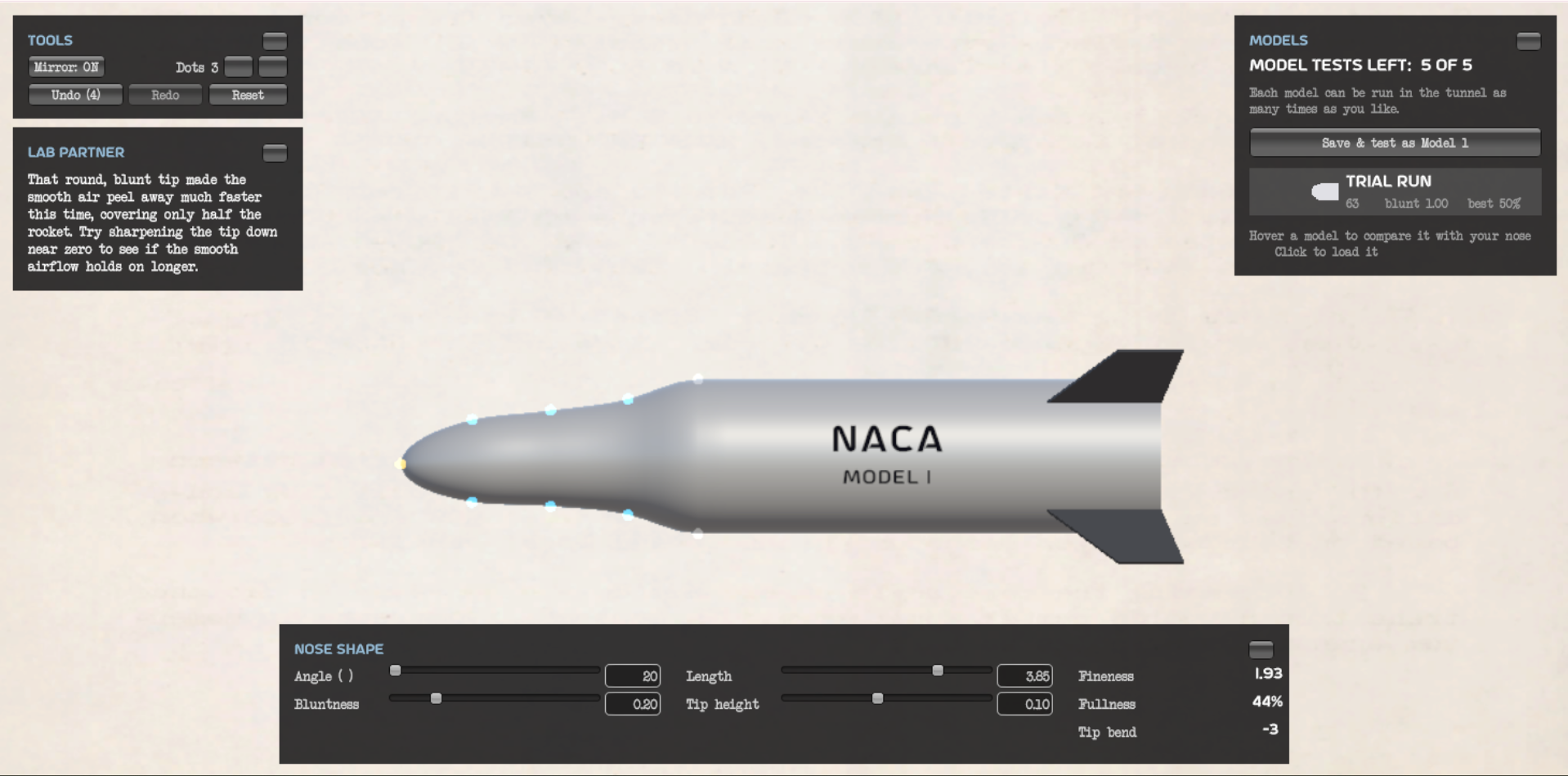
In the first mini game, the user adjusts the nose size of spacecraft models to learn about the discovery of drag by Mary Jackson. Then, in the second mini game, the player catches and releases satellites using a model of the Canada Arm, which is the work that Sally Ride did during her space missions. Finally, in the third mini game, the user breathes in and out to make a star pulse in sync with another, which relates to the research Henrietta Leavitt did on star brightness and pulsing.
After completing each mini game, the player lights up the three stars of Orion’s belt, also known as the Three Sisters.
How we built it
We built this game in Unity. Vultr has one cloud server that runs everything online with HTTPS (via Caddy).
It hosts the arm relay, which serves the phone controller page and forwards phone tilt to the “Orbital Catch” mini game over a websocket and the game API, which handles Gemini, Tiger Data and the leaderboards. The website and the web builds of the games are hosted on the same Vultr server.
In the mini game “Pulse,” Presage measures breathing about 30 times a second. Each game’s breathing samples are saved, and the database groups them into 5-second chunks to score how well the player kept rhythm and to compare with their earlier games. Tiger Data saves data from breathing tests and leaderboards for all three games: one game_scores table, best score per player. In “Pulse,” Gemini API is used to write a short “Leavitt’s notebook” entry about the player’s star from their breathing data.
After each wind-tunnel run in the mini game “Turbulent Trials,” Gemini API gives a 2-sentence plain-language tip about how to improve the nose tip design.
Coming together, the webpage hosts a main, single 3D scroll page (React Three Fiber + Theatre.js) built from a scene laid out in Unity. Additional web builds of the other games and controller are attached. We used several 3D assets from various sources to complete our game designs
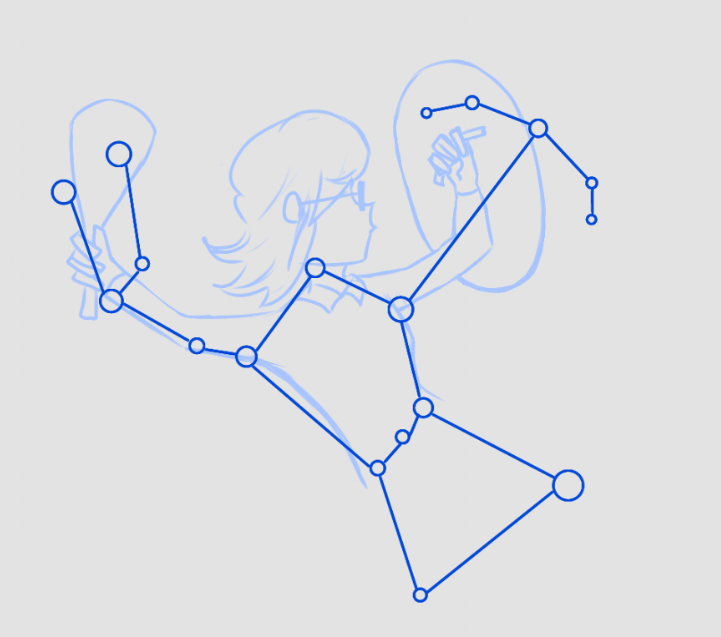
We also hand drew a logo for our game in ibis Paint X, with the logo being the Orion constellation but with a woman, representing women pioneering in aerospace.
Challenges we ran into
We ran into some difficulties with connecting external tools to our game. For example, for “Pulse”, we faced challenges setting up Presage and getting it to work with our camera. However, we were able to work together to debug and set up the pipeline we needed for the breathing sensors and user detection. Although “Pulse” cannot run in the web browser, we are satisfied that we were able to get a functional game loop with the SDK. We also found that keyframing the 3D flythrough scroll was difficult to manage timing, spacing, and storytelling.
Accomplishments that we're proud of
We are proud of how we learned so much new technology in a short amount of time, as we wanted to challenge ourselves by including many of the APIs and tools that were given to use during this hackathon.
What we learned
We learned a lot about setting up tools like web servers with Vultr and storing data with Tiger Data. We also learned a lot about 3D assets and programming unique interfaces, like the 3D scroll page. It was also interesting learning about connecting Presage to Unity and getting the camera to work with our application. Overall, we learned a lot about integrating various technologies into one application and balancing the scope of each game while utilizing these tools to our best ability
What's next for Stellar
We would love to expand the number of minigames that we have to include more stories, as there are many other inspiring women in aerospace that we could include in this game. We could also utilize Tiger Data to save game states between games.
Built With
- blender
- c#
- drei
- fiber
- gemini
- javascript
- presage
- react
- tigerdata
- vultr


Log in or sign up for Devpost to join the conversation.