-
-
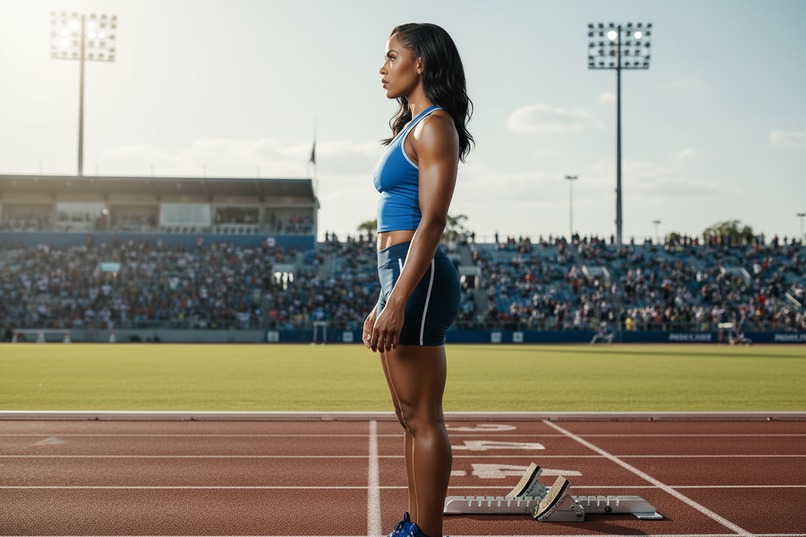
Star
-
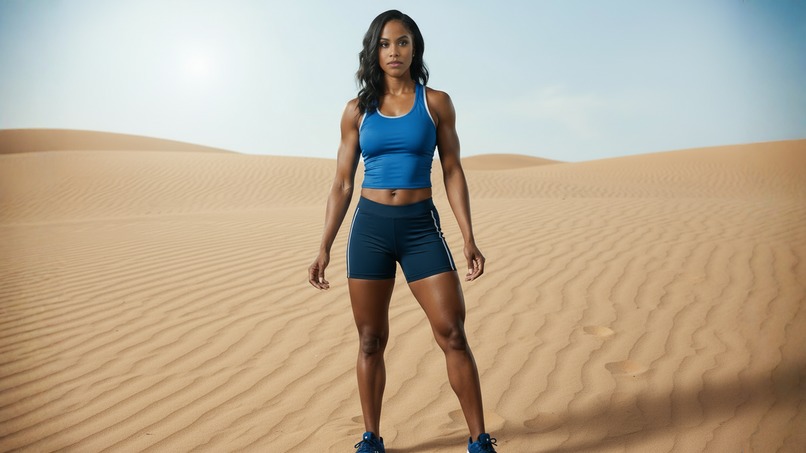
Alone
-
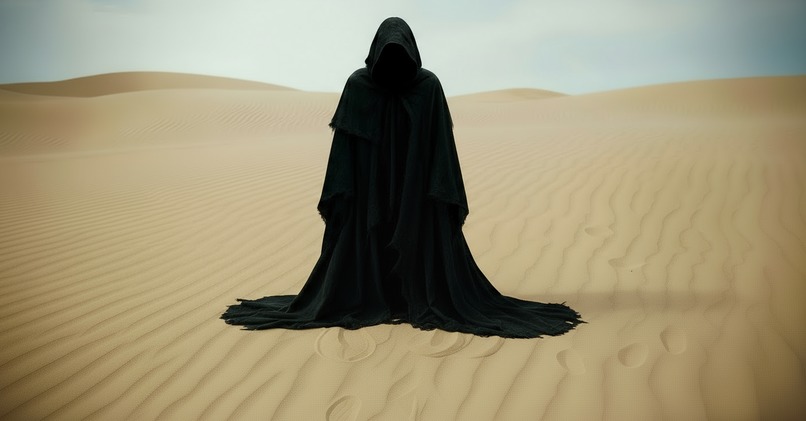
Circled
-
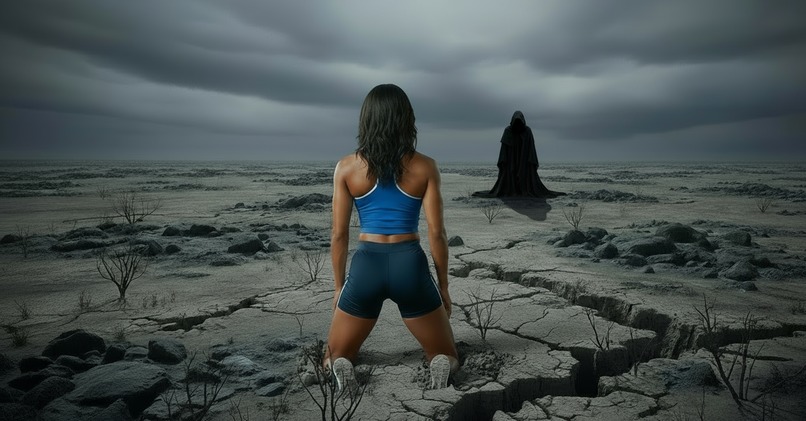
Isolated
Inspiration
This project is inspired by my original sci-fi novel 'The Elevator'.
What it does
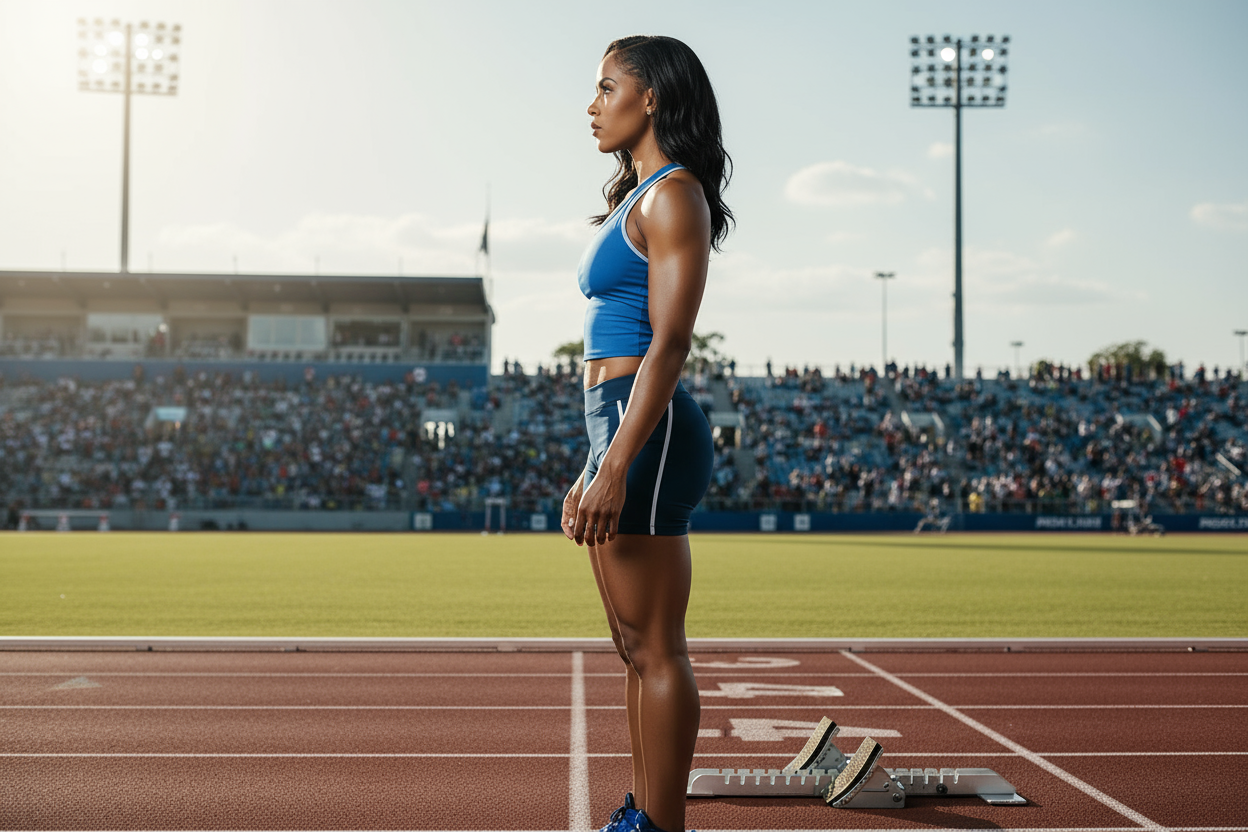
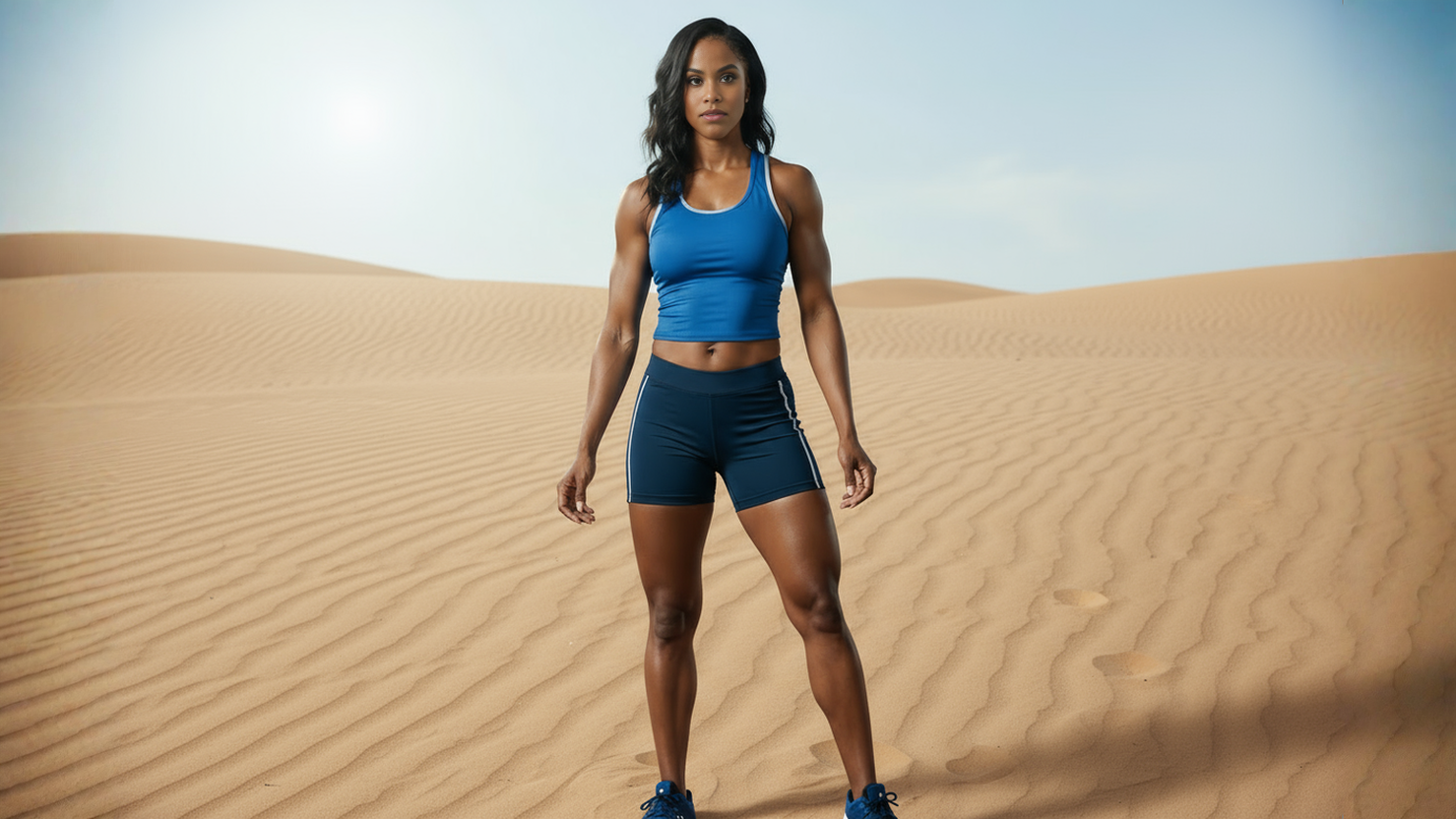
This is part of a series of cinematic, phantasmagoric vignettes exploring the subconscious lives of four women whose pasts, traumas, and destinies converge in the apocalyptic world of my novel series, 'The Elevator'.
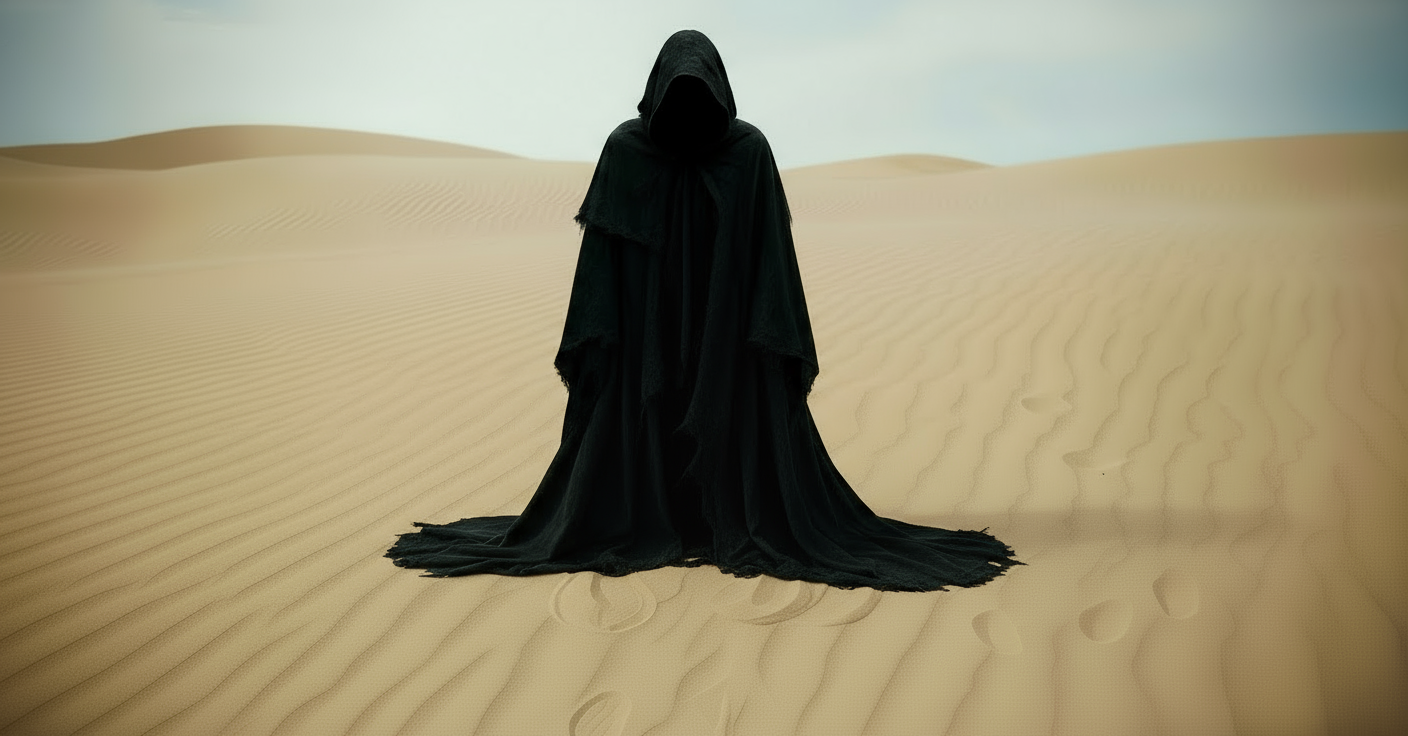
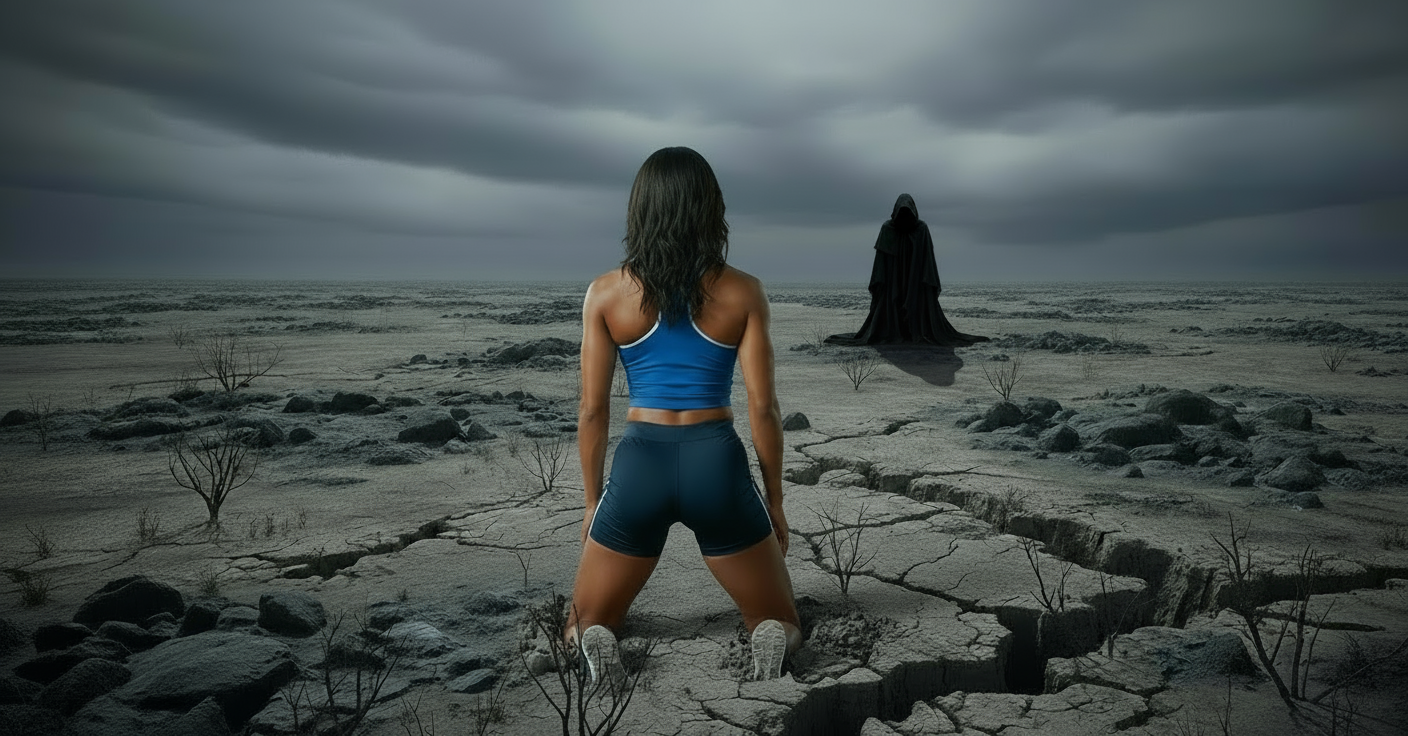
Set within a symbolic dreamworld, each short captures a woman’s private encounter with Death. In Jilisa’s, it isolates and taunts. In Monica’s world, it lurks and feeds. In Zoey’s, she welcomes it. And in Sheena’s… it tempts.
Each vignette is one part memory, one part nightmare, one part prophecy of what’s to come.
Each video was designed as a means to promote my book through captivating, cinematic storytelling. I approached this concept not just from a video creator's perspective but also as a writer. I tapped into the symbolic essence of what each character endures before the core plot of my novel series and then I created a visual nightmare. It was a great way to showcase something gripping about the character while also keeping audiences guessing — no spoilers. Jilisa isn't the one to play with. Not even by Death itself. So, this concept caught the essence of her character quite well.
How I built it
I used ChatGPT, LTX, Envato and FaceTool — using Envato's Nano Banana exclusively for new image, and video generations (they're have an unlimited generations promotion). Established characters were designed with PhotoLeap, LTX, and Pixelmator. Designed my scenes (start and end frames) with Nano Banana and Pixelmator — layering my characters onto backdrops and then uploading them to Envato to generate video. Once I'd collected all my clips. I took them to Final Cut Pro and completed the editing there. Other animated graphics were created in Apple Motion.
Challenges I ran into
It's difficult to maintain the same face for my characters. I did my best to maintain their facial features using Pixelmator and FaceTool. But really, the greatest difficulty was creating scenes images that model could convert to video in a way that encouraged the proper action while maintaining those key elements like facial features, body-type, costume, props. And, naturally, drafting the best prompt to get what I need is quite tedious and tricky. From avoiding trigger words to learning what the machine takes too literally or translates too loosely—what its struggles are. Then, brainstorming how to simply workaround the machine's limitations.
Accomplishments that I'm proud of
The videos themselves are a source of pride. The amount of hours and editing that's gone into the creating really cinematic and fairly realistic shots (some more than others), is very rewarding. Being able to tell the story I envisioned with greater knowledge and experience than when I started editing with AI.
What I learned
I learned that it's not always advantageous to include a start and end frame. Sometimes, it's more to my benefit to use on or the other, but not both. Other times, very effective in achieving the vision. Learning with each project how to better and more efficiently prompt, including when it's best to be very detailed and when it's to keep the prompt simple.
What's next for Isolation | The Vulture (Pt. II)
The next vignette, "Suffocation".
Built With
- chatgpt
- envato
- facetool
- finalcutpro
- ltx
- motion
- photoleap
- pixelmator

Log in or sign up for Devpost to join the conversation.