-
-
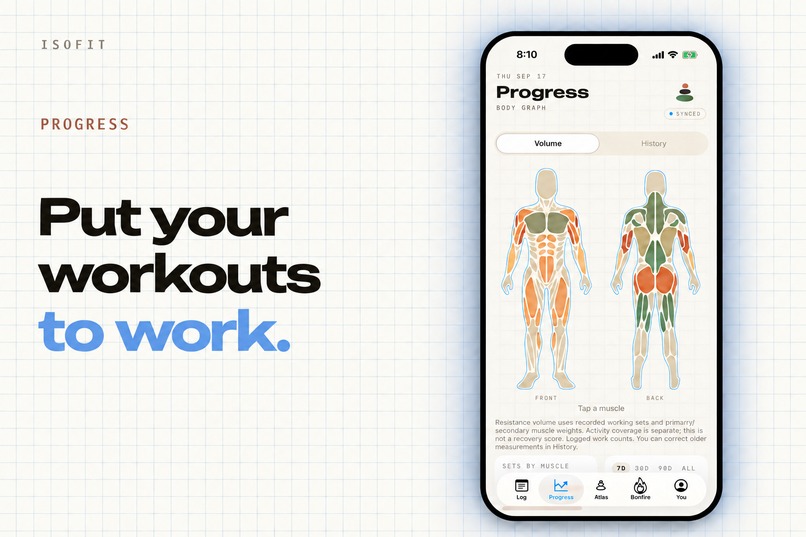
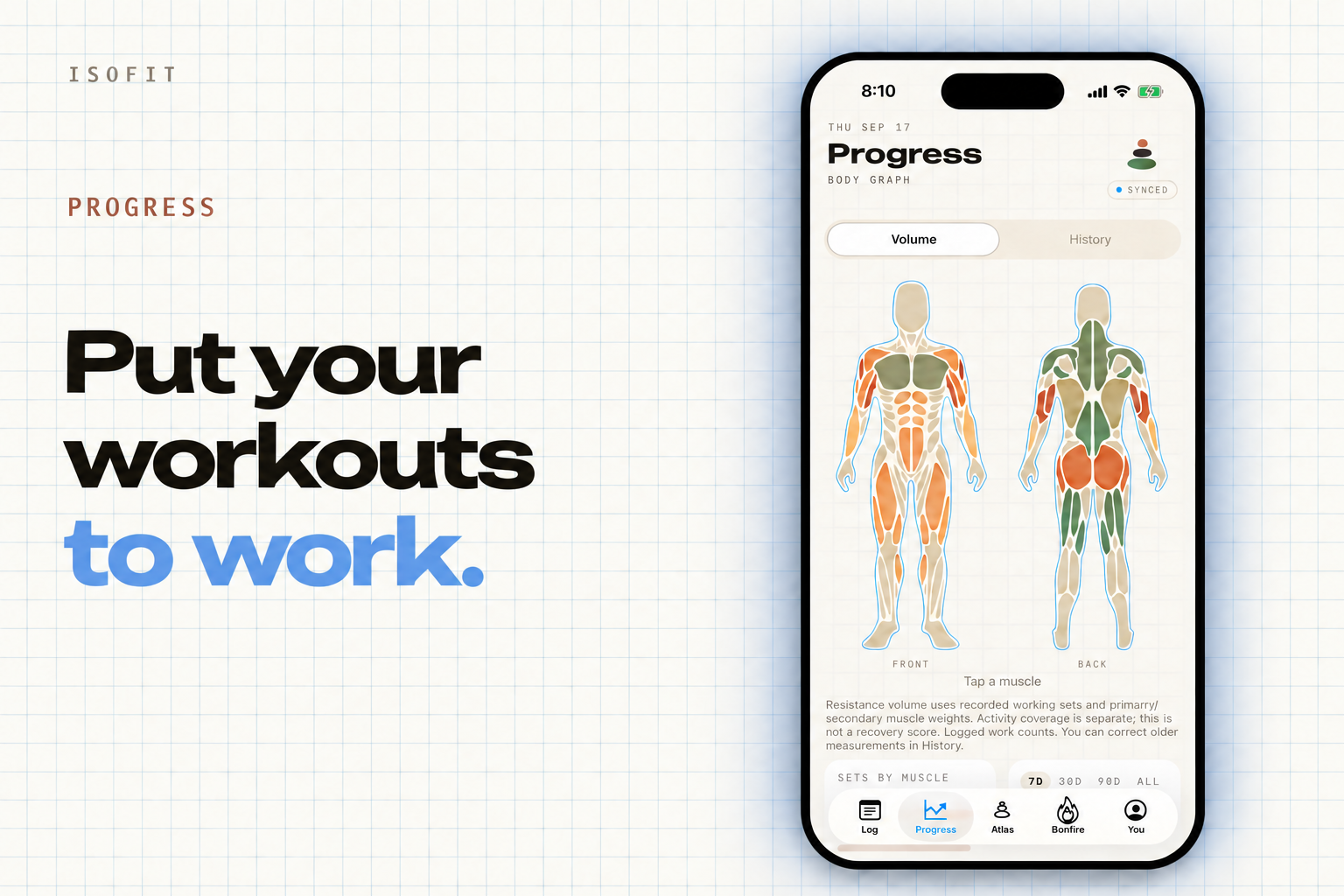
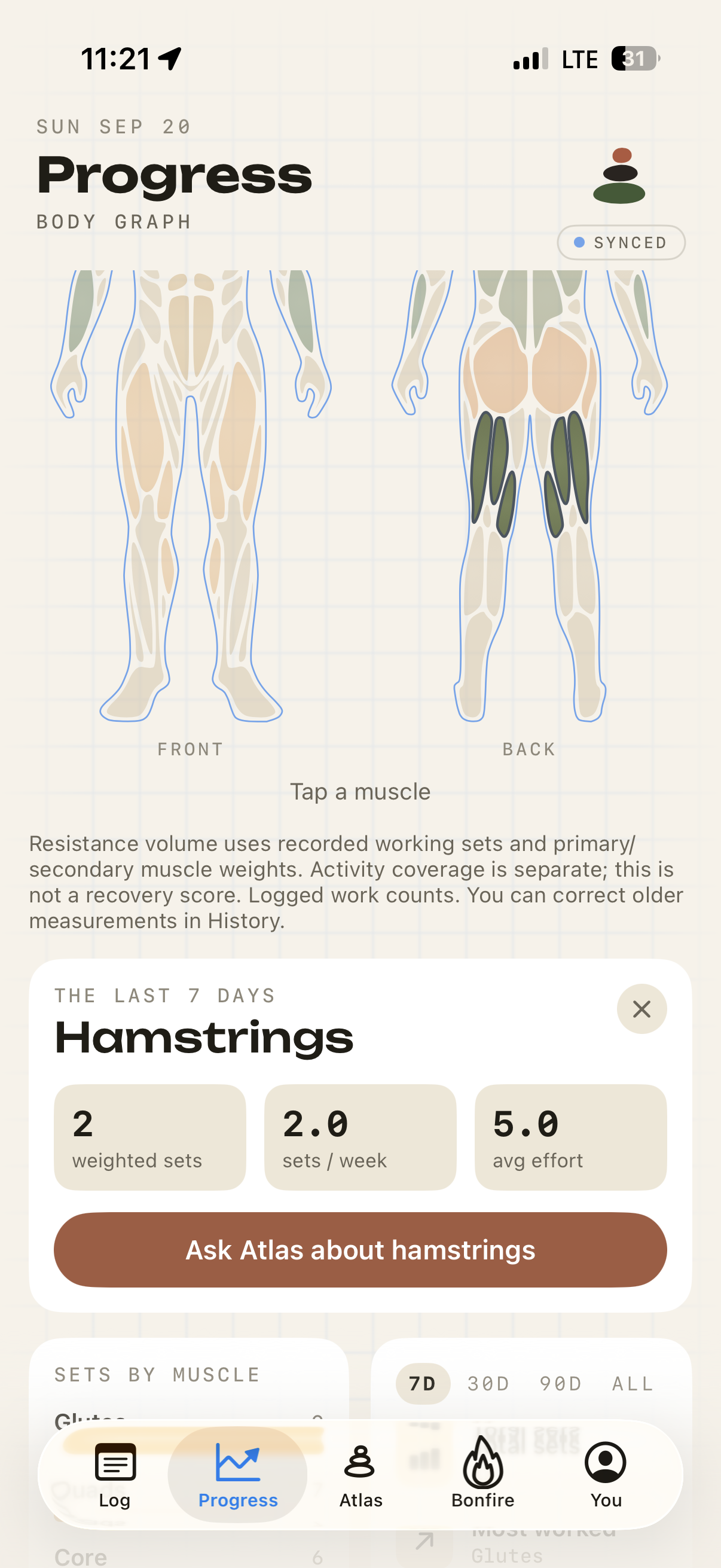
Progress: See where your effort goes with a muscle-by-muscle view of your training history.
-
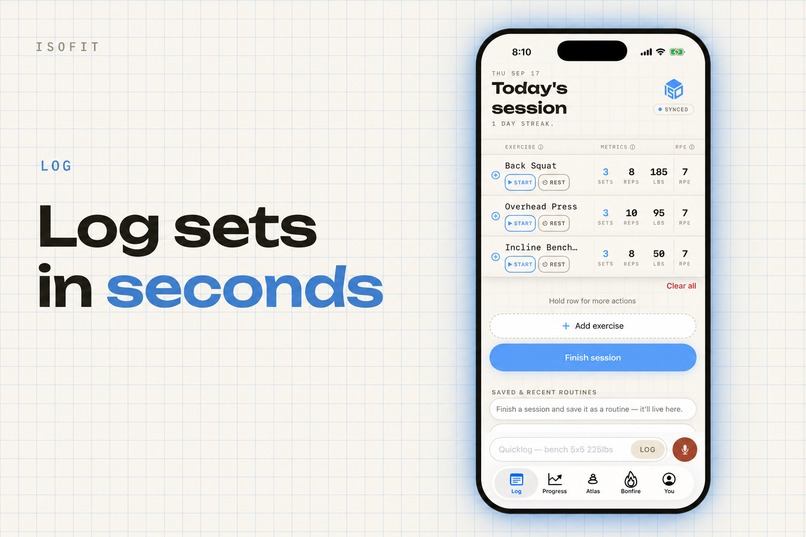
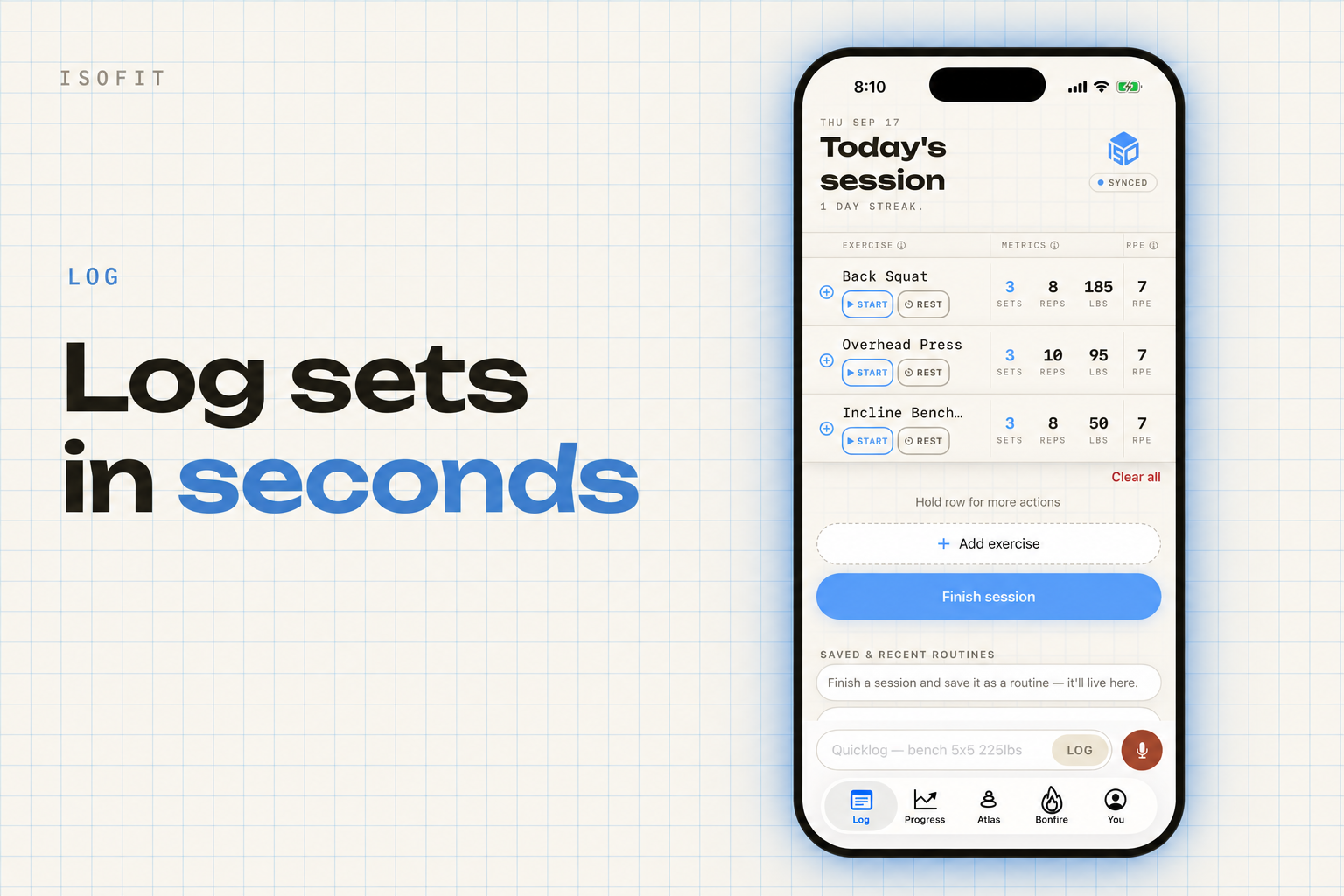
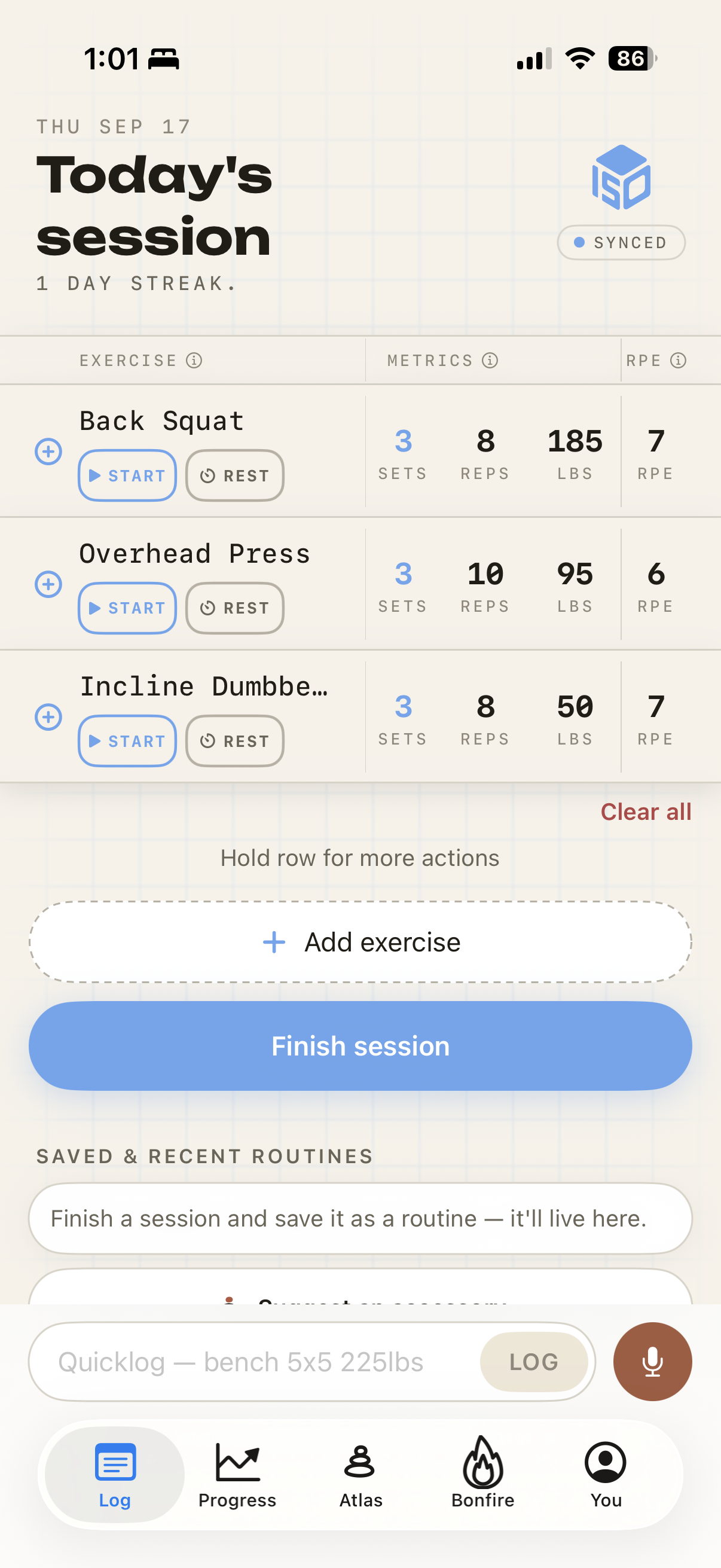
Log: Capture your workout by tap, text, or voice—then get back to training.
-
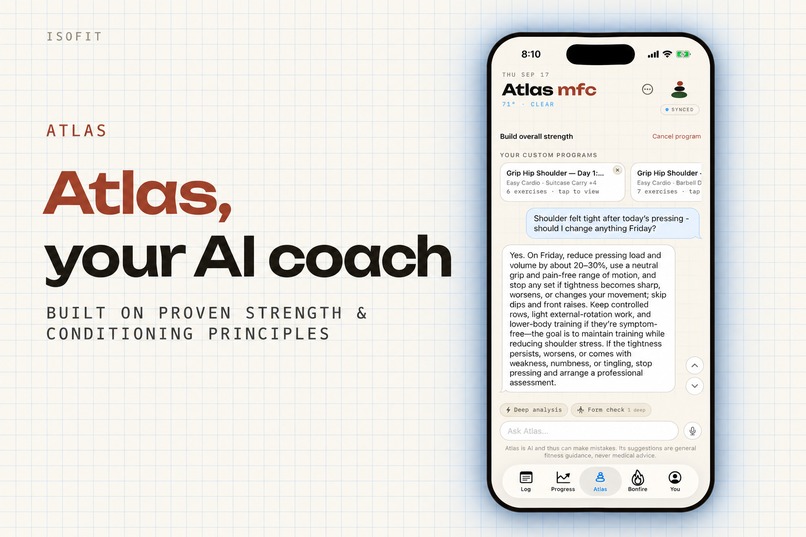
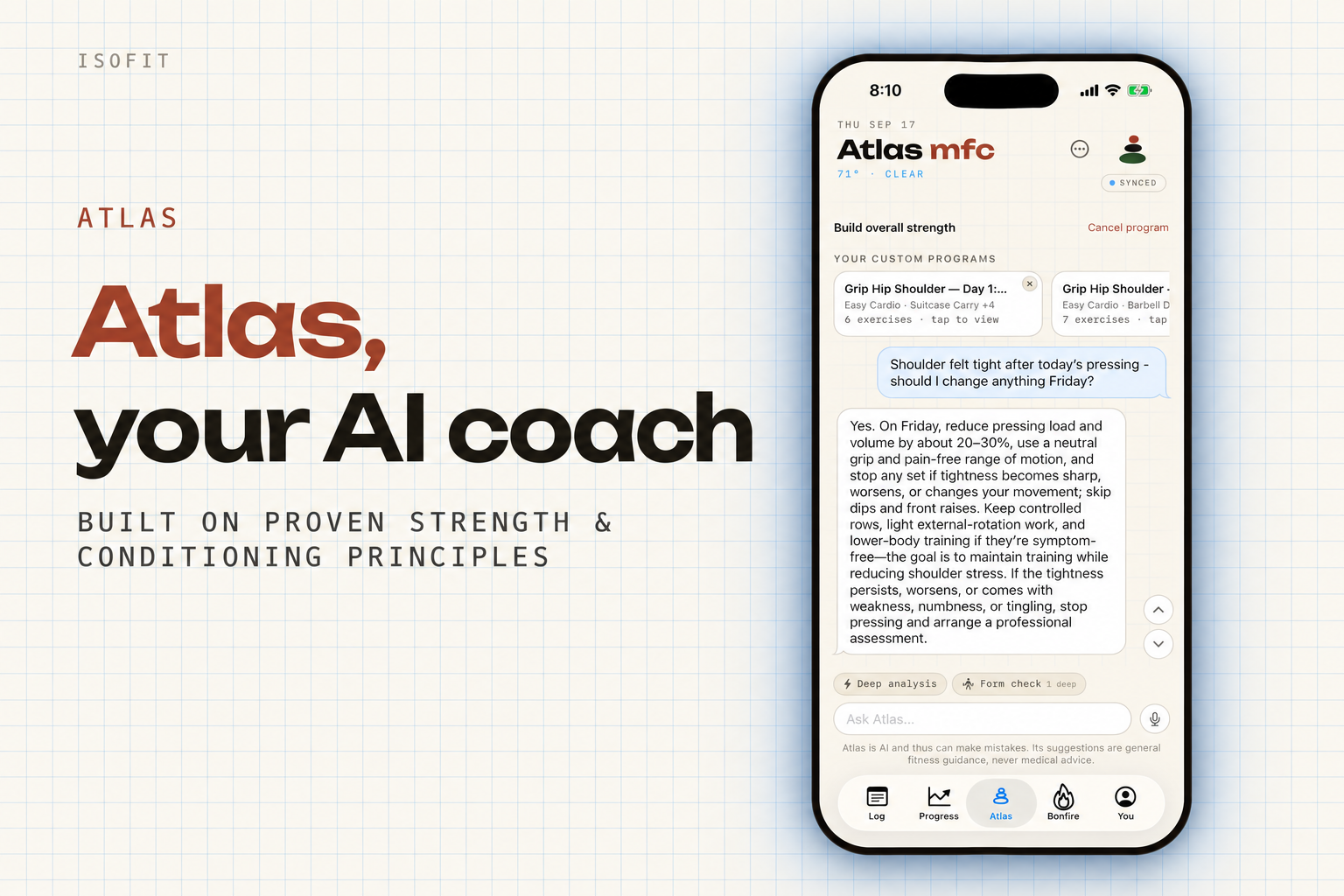
Atlas: Turn your training history into guidance for what comes next, with an AI coach that uses your data only with your permission.
-
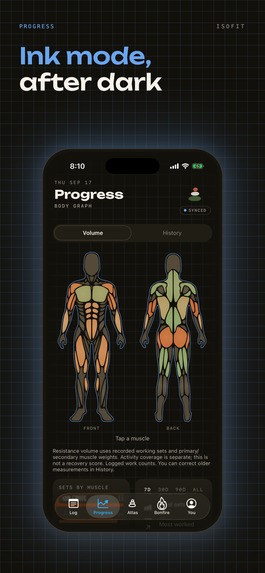
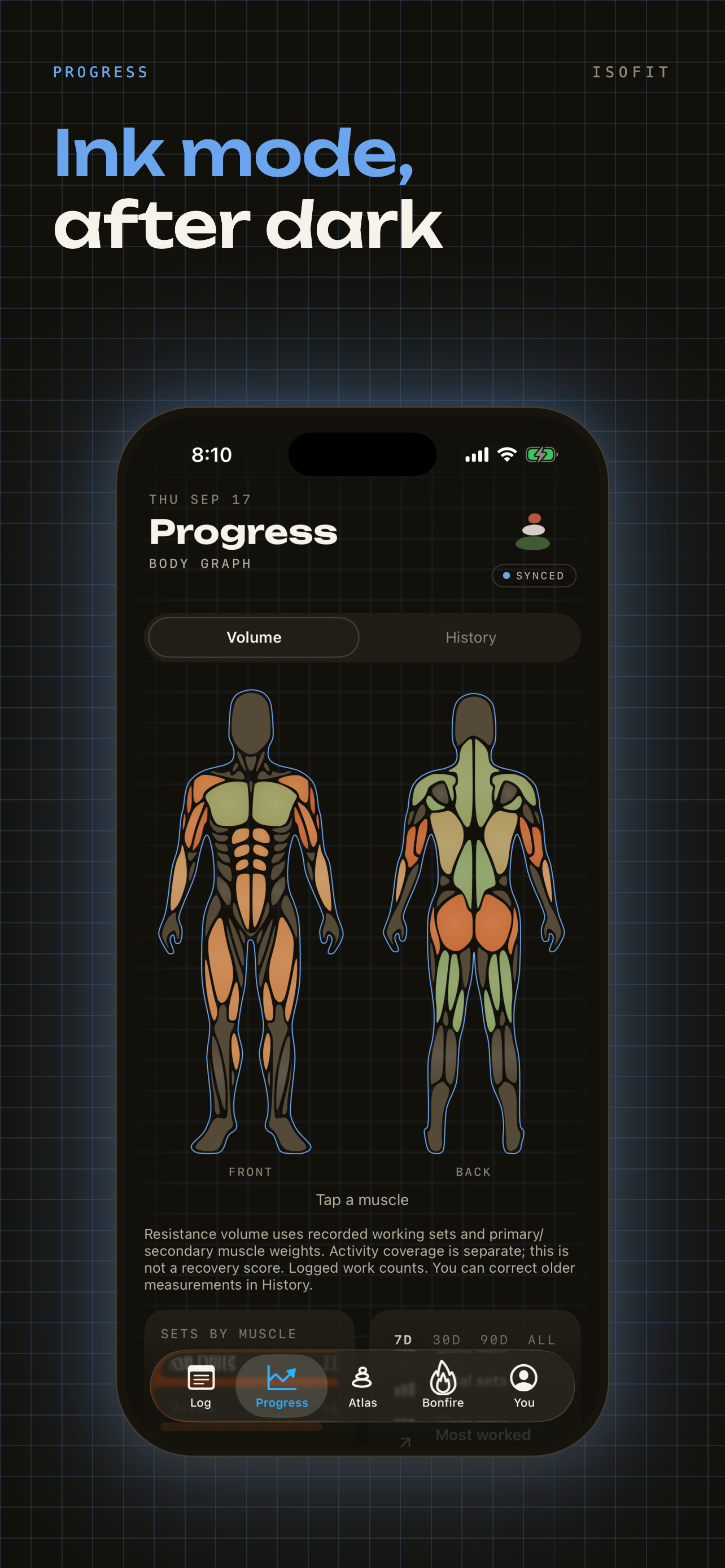
Dark mode available
-
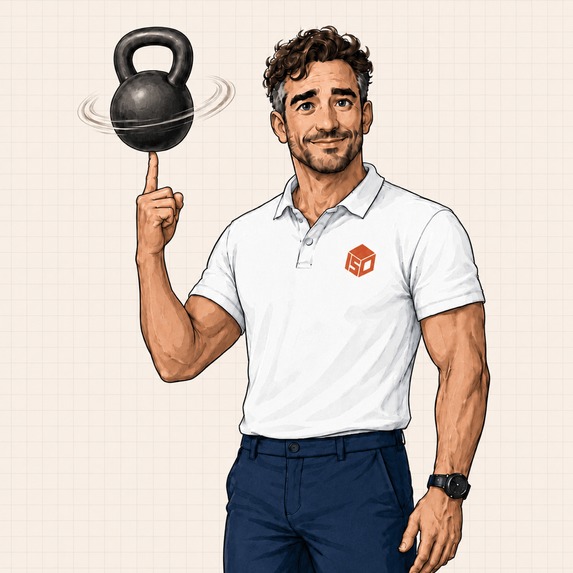
Atlas Fitness Coach
-
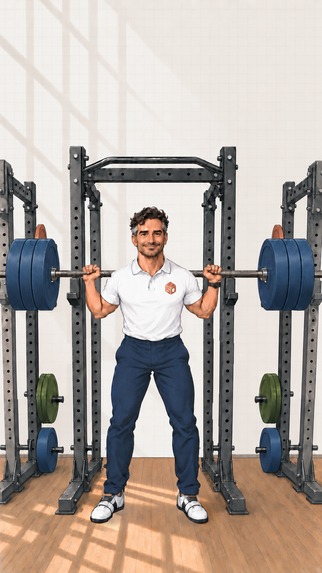
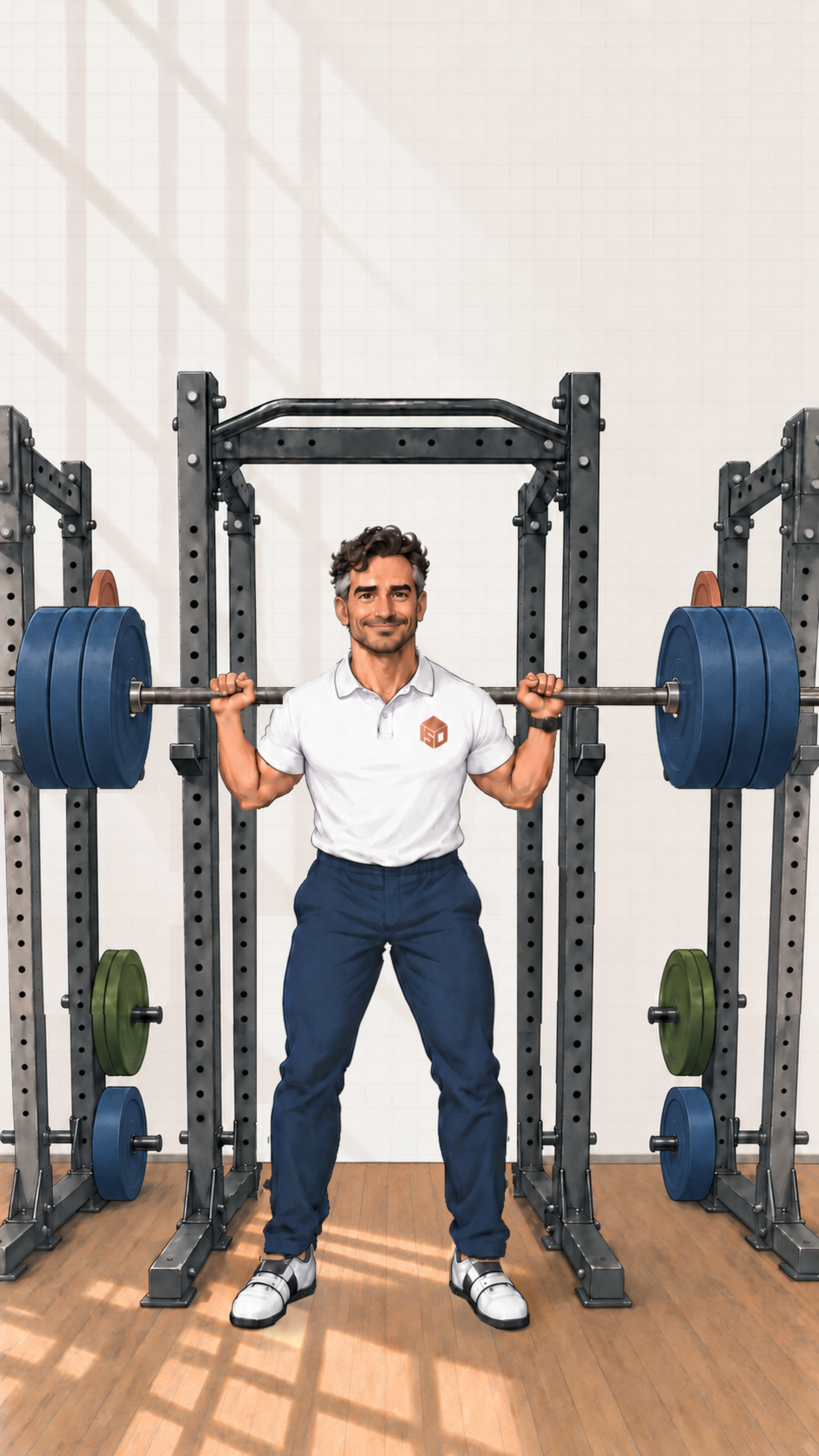
Atlas squating
-

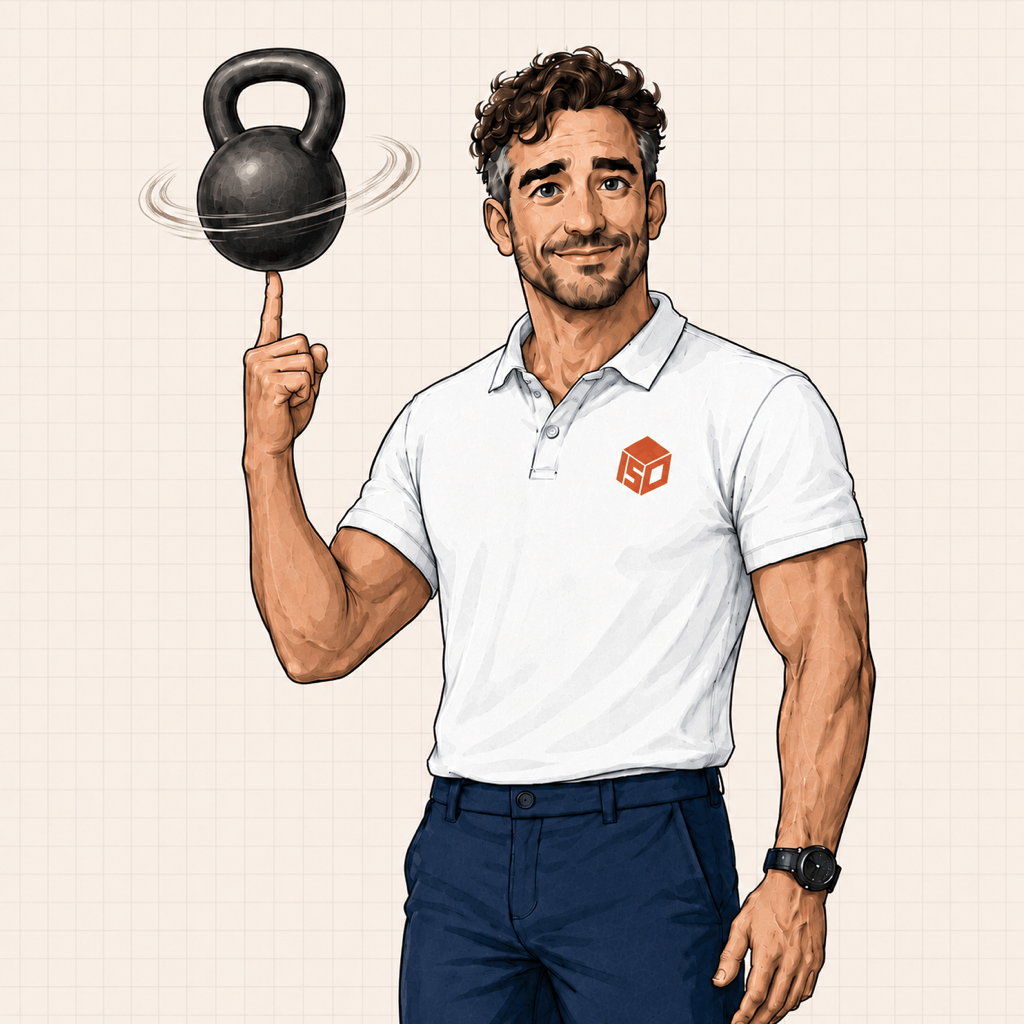
Isofit icon and logo
-
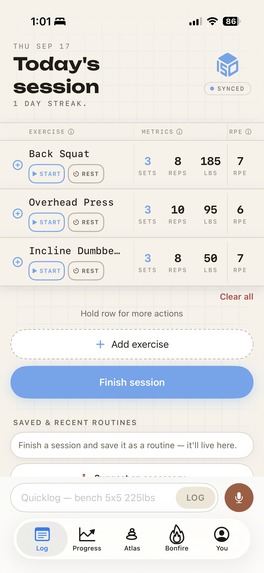
Live logger screenshot - no device frame
-
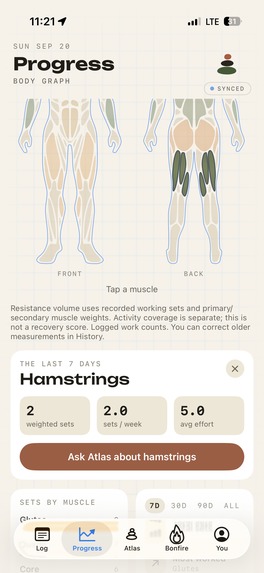
Live body graph screenshot - no device frame

Inspiration
I’ve been strength training for over 15 years. I spent a few of those researching training principles, writing my own programs, and recording my workouts in the Notes app. But I rarely reopened those notes. I had years of effort recorded without a useful way to see what it added up to.
I wanted to understand where my effort was going, which muscles I was overlooking, and whether my program was working.
In early 2026, I was scoping a gym membership software. The agreement fell through but I realized I could still build something useful for the people in it. That became Isofit.
I design and build it myself, working between New York City and Philadelphia. I’m also a new father. Most if not all of Isofit was built during nap times.
What it does
Isofit connects workout logging, visual feedback, and coaching in one app.
- Log by tap, text, or voice. Enter sets individually, type a line like “bench 5x5 225lbs,” or voice your session aloud and review the resulting draft. Manual entry and typed Quicklog work offline.
- See where your work goes. The body graph maps logged working sets onto a front-and-back muscle visualization. Compare the last 7, 30, or 90 days, or your full history, to understand your training distribution.
- Ask Atlas about your training. Atlas is an AI coach that can use your workout history with your permission. Ask it to review a session, explain a plateau, or build a program you can save to your routines. Conversations with Atlas are never used to train AI models.
- Share a session through Bonfire. The members-only community connects posts to workouts people actually logged. Earn kudos and climb the leaderboard to have your videos be the exercise's standard.
- Keep different activities together. The exercise library covers strength training, cardio, yoga, sports, and martial arts, with support for custom exercises and optional Apple Health imports.
The goal is to make a workout log easy, intuitive and useful both during a session and when deciding what to do next.
How I built it
The iPhone app is built in Swift and SwiftUI. Supabase provides authentication, PostgreSQL storage, and backend functions. OpenAI powers Atlas and the interpretation of voice workout entries. HealthKit supports optional Apple Health imports.
Typed Quicklog parses workout notation on the phone. Completed workouts are saved locally before synchronization, with stable submission identifiers so retries can be reconciled without creating duplicate sessions.
RevenueCat handles iOS subscription purchases, restores, and entitlements. I built a custom SwiftUI paywall around that integration, with monthly and annual plans, the actual billed amount clearly displayed, and a visible Free option. Subscription updates are synchronized to the backend so access stays consistent.
The companion website is built with Next.js, React, TypeScript, and Tailwind CSS.
Challenges I ran into
I’m a first-time tech founder, building Isofit entirely during my newborn’s naps. That meant making product decisions and learning how to build the product in the same limited windows of time.
I had to learn code, development terminology, and engineering best practices as I went. At the same time, I was navigating agentic engineering as its tools and workflows changed every few days. I was learning how to build software while the way I was building it kept changing.
What I learned
I discovered a newfound love of software development. The more I learned about the intricacies of building, the more interested I became in the work itself.
I also gained a huge respect for traditional software engineers and the depth of knowledge and finesse behind their work.
I started with a product I wanted to exist. Along the way, I found a love for the process of creating it.
What's next for Isofit
The next steps are a web PWA, a Muse connector, and an Android version.
Accomplishments that I'm proud of
I’m proud of connecting the whole experience: a workout becomes structured data, that data becomes a visible training history, and that history can inform a conversation with Atlas.
As a solo founder, bringing the design, native app, backend, subscriptions, and website together has meant learning how to build a product while learning how to be a parent. Every time I open Isofit, I’m still in awe that it exists—that I took an idea and, one nap at a time, learned how to bring it to life.
Built With
- claude
- healthkit
- next.js
- openai
- postgresql
- react
- revenuecat
- supabase
- swift
- swiftui
- tailwind
- typescript
- xcode


Log in or sign up for Devpost to join the conversation.