-
-
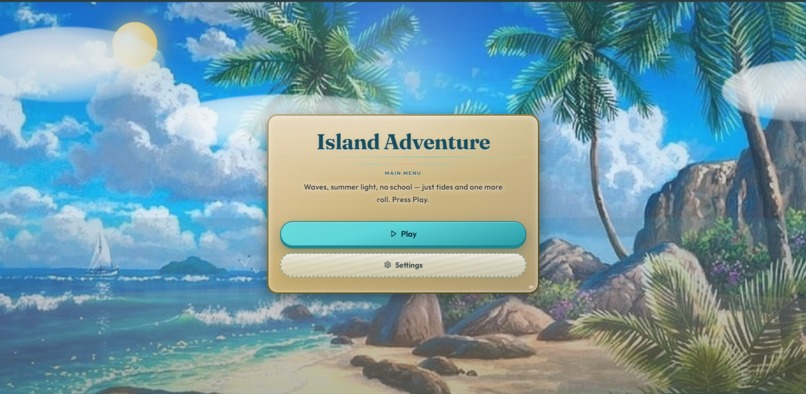
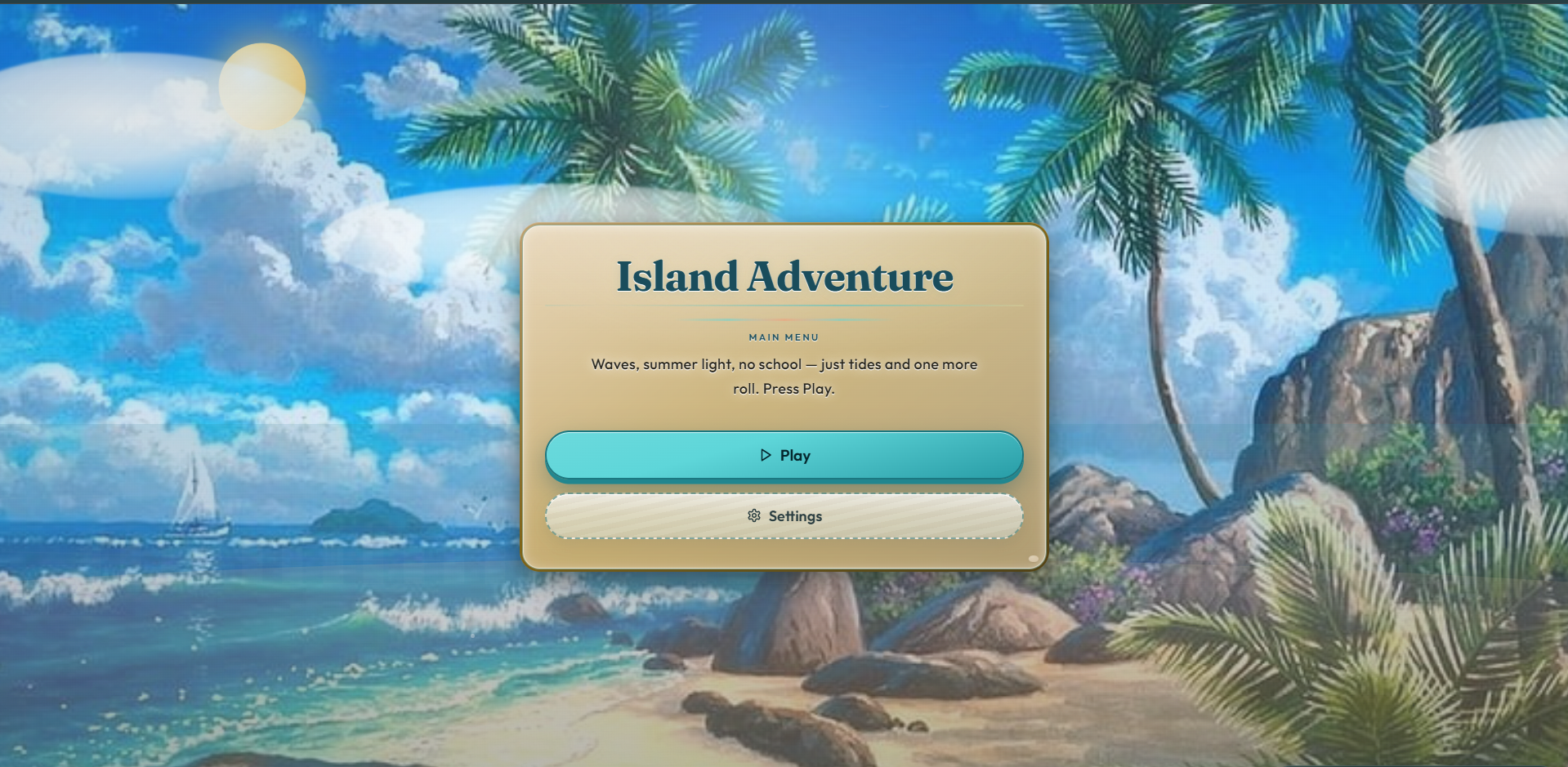
Landing Page
-
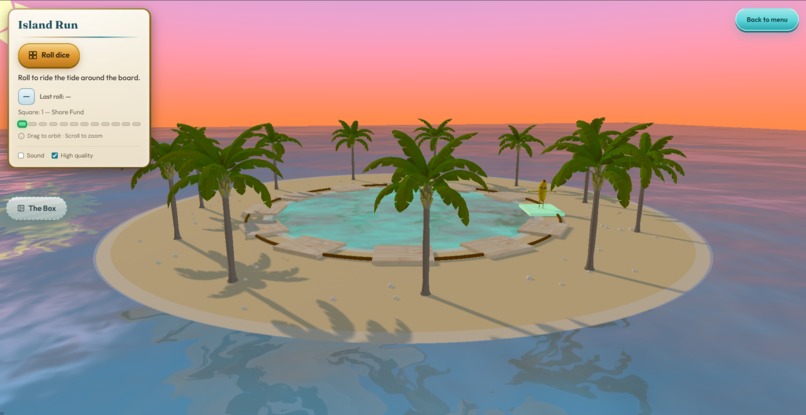
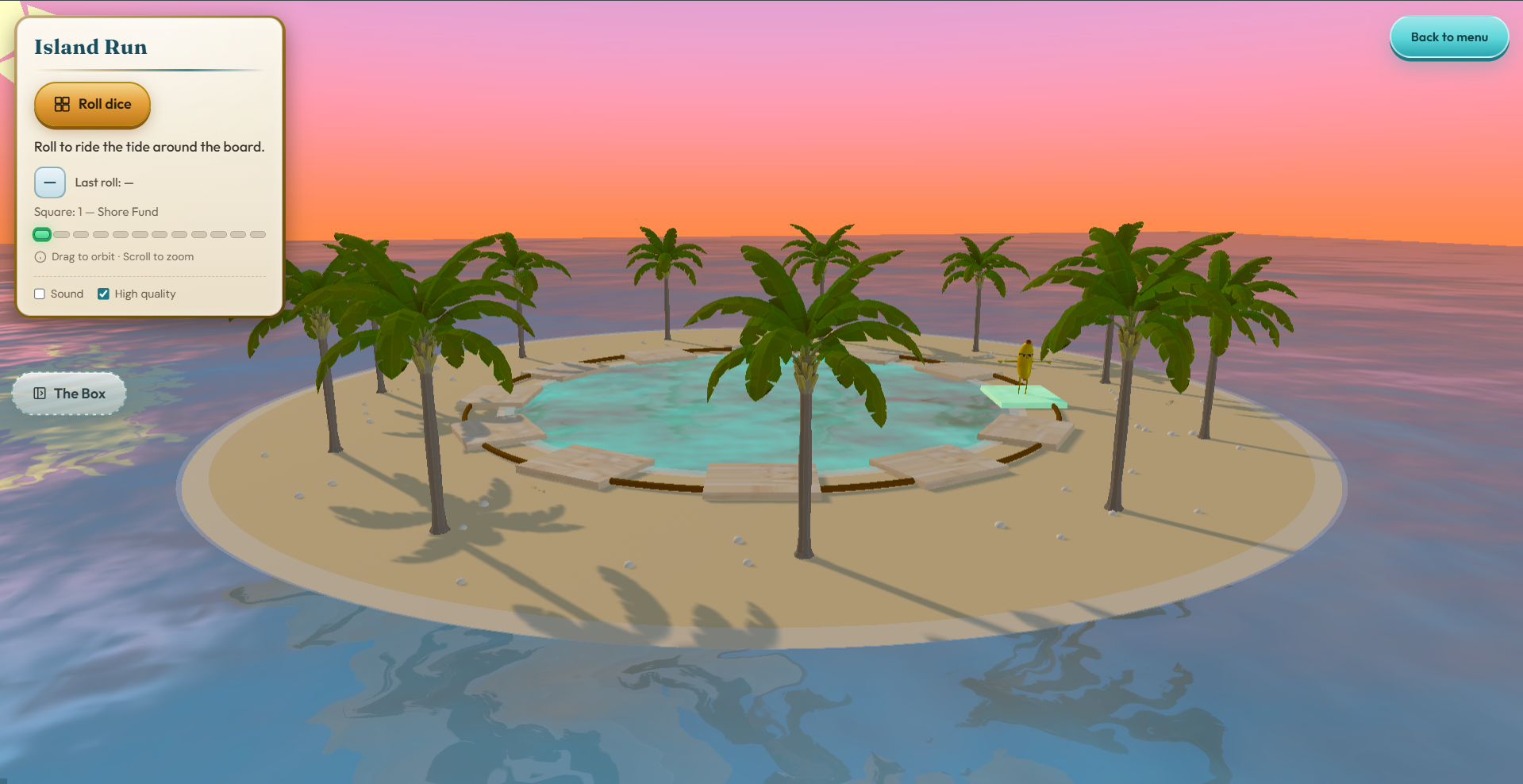
3D Game Map
-
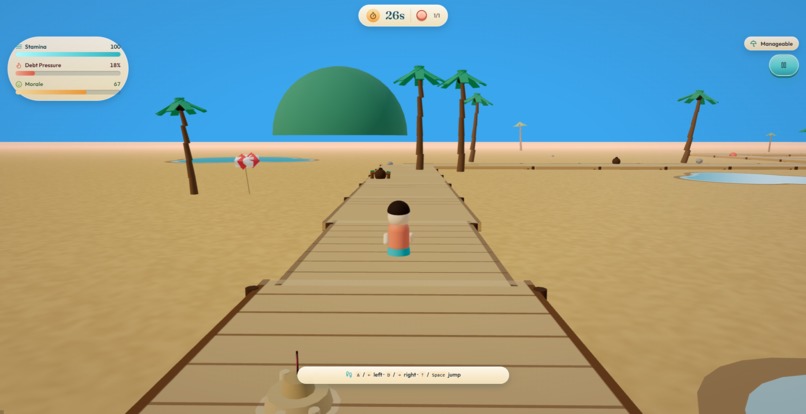
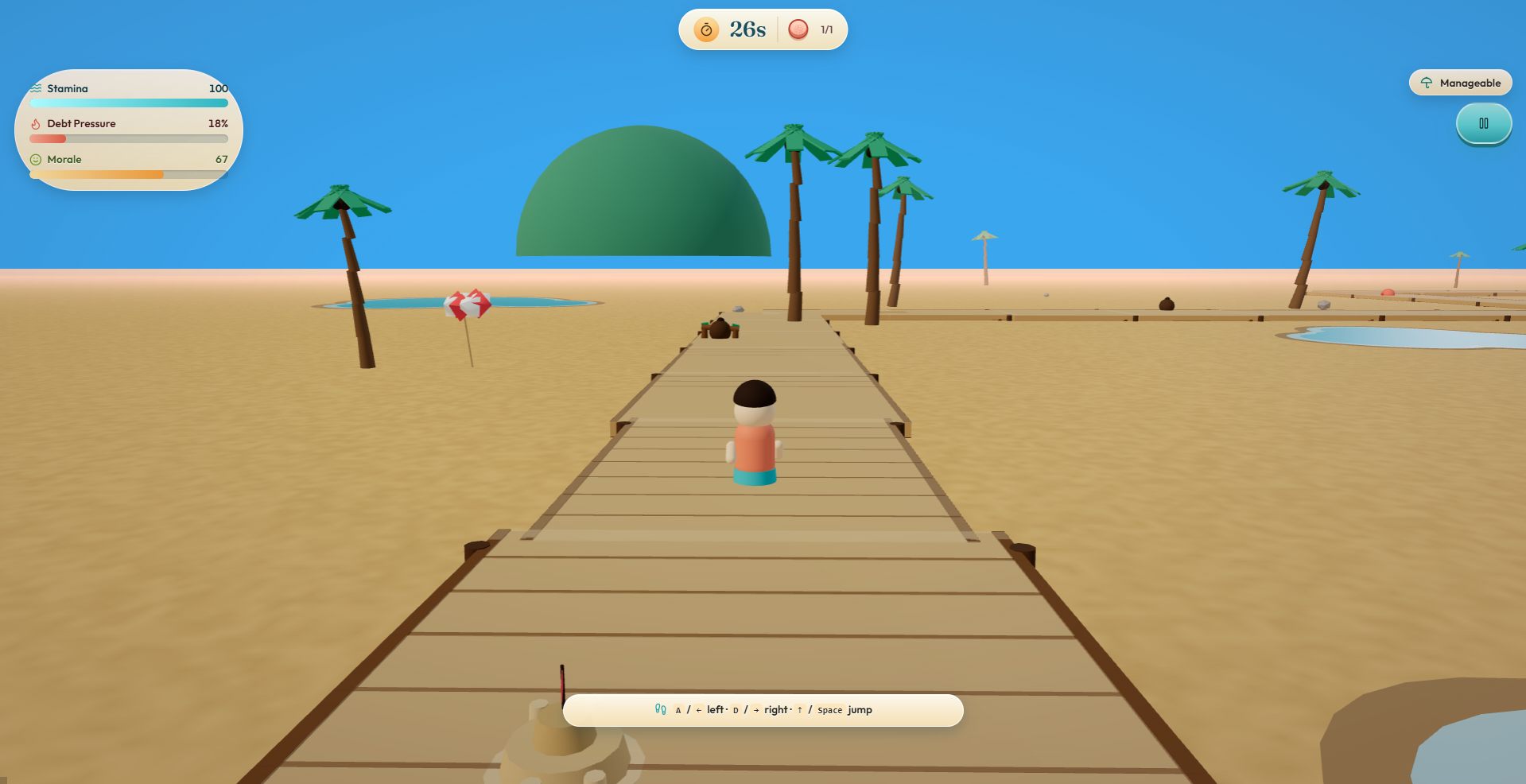
Minigame 1: Debt Runner
-
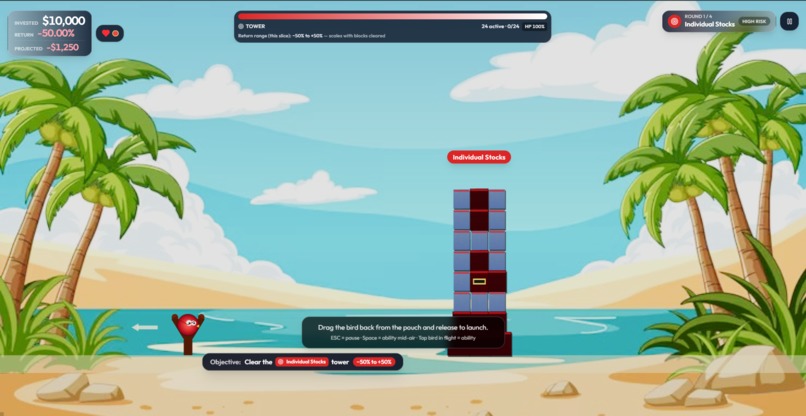
Minigame 2: Invest Birdie
-
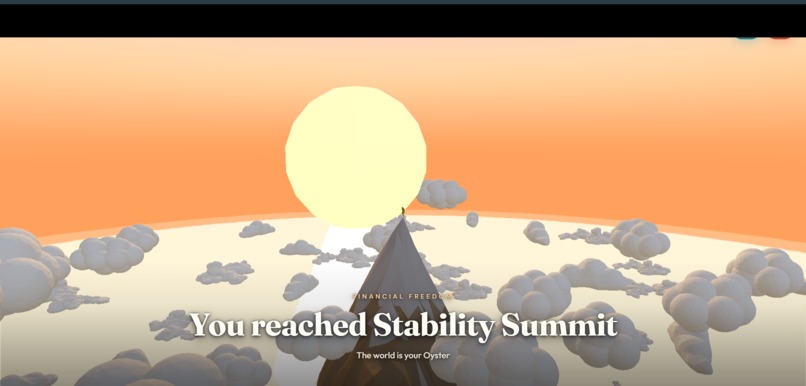
Cinematic Ending Scene
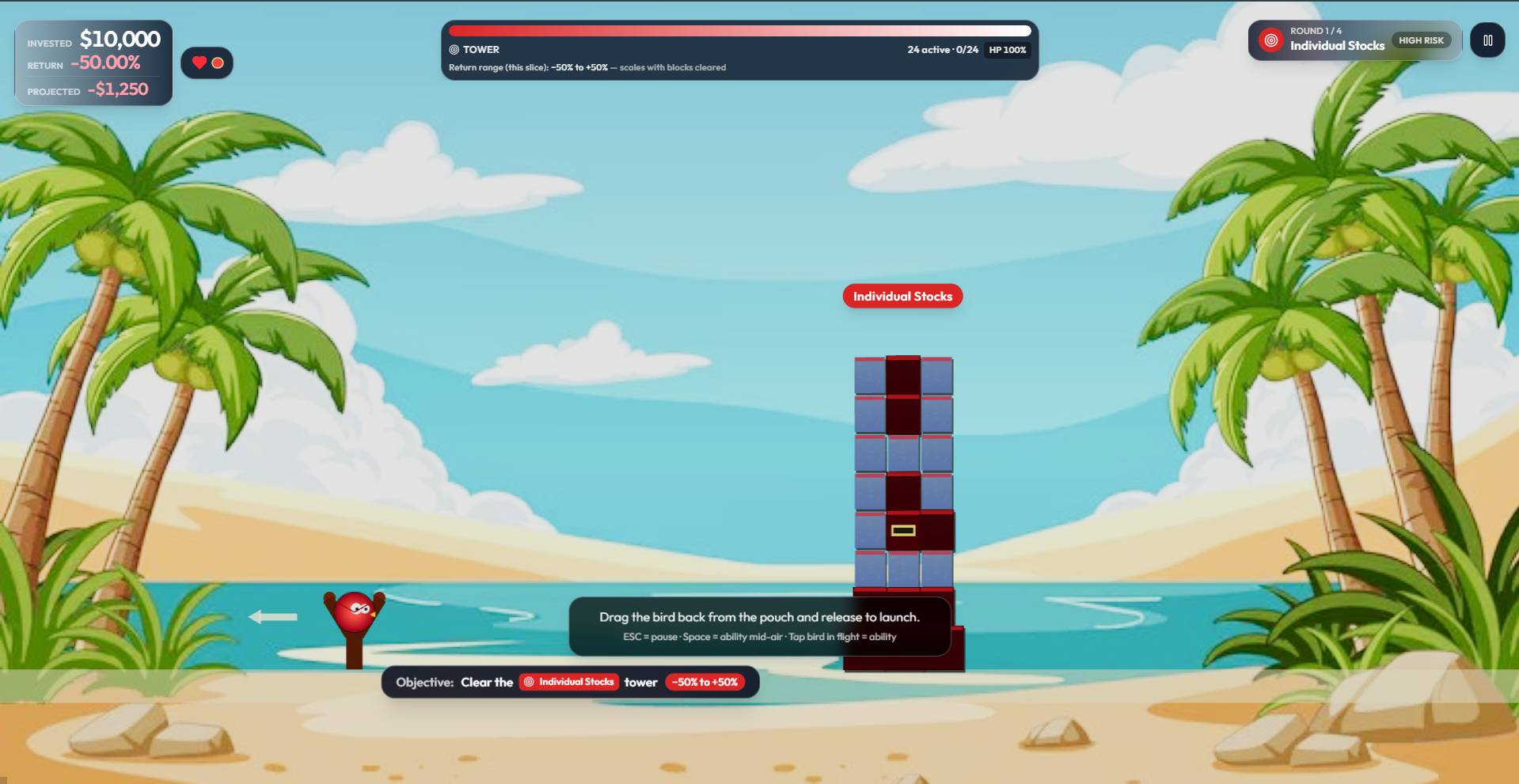
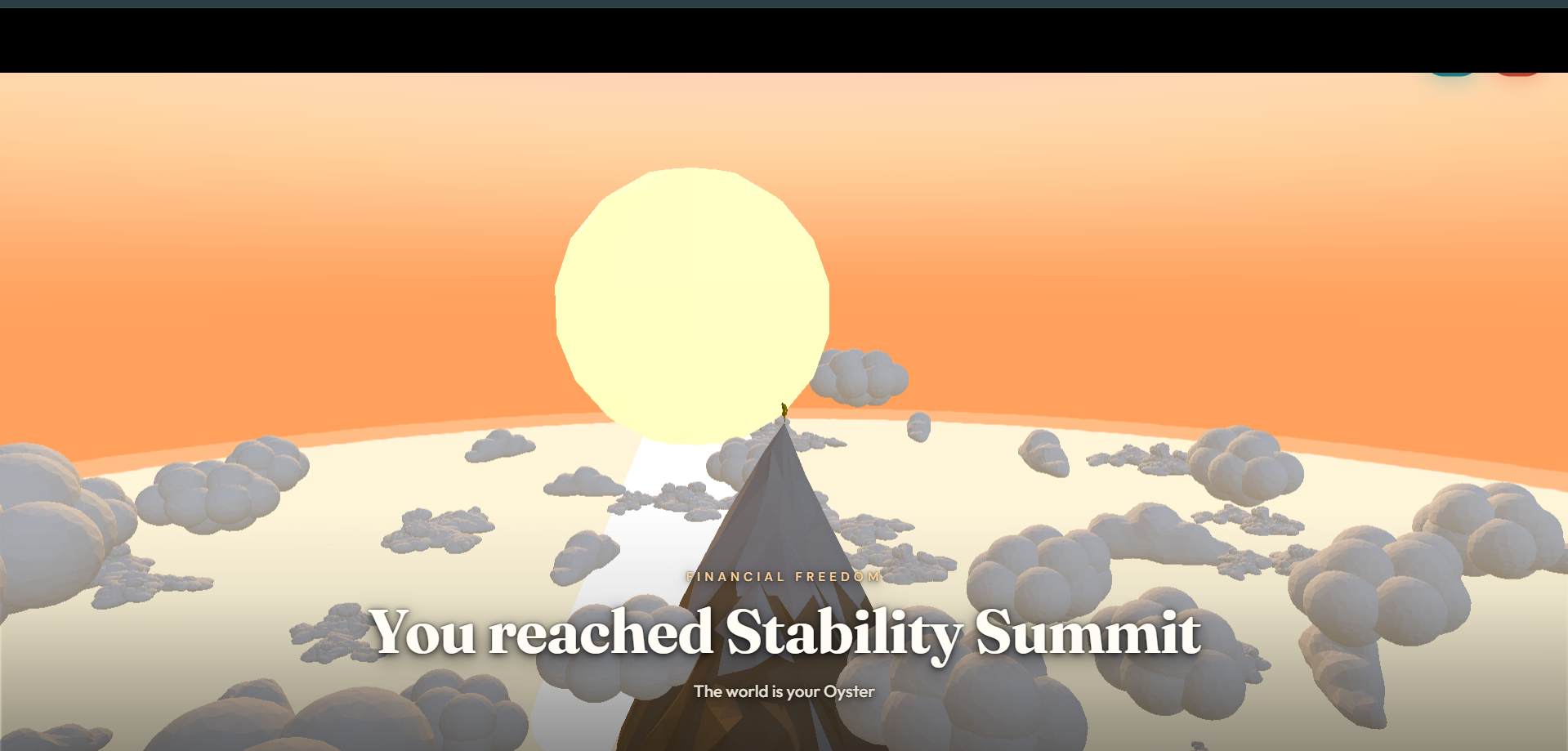
Inspiration We wanted to make financial literacy feel like a real game instead of a lecture, or a spreadsheet tutorial. A lot of people graduate into a world full of confusing money decisions like rent, debt, insurance, emergencies, lifestyle choices, and long-term savings, but most tools that try to teach this are boring or overwhelming. We were inspired by chaotic survival and journey-based games, where every decision matters and short-term comfort can hurt you later. That led us to the idea of turning financial freedom into an adventure: a stylized island journey where players survive adulthood by making smart choices, adapting to unexpected events, and learning through consequences.
What it does Island Adventure is a financial literacy game that transforms life after graduation into an interactive survival journey. Players navigate a playful island world while making choices about budgeting, debt, savings, risk, and long-term planning. A player might choose between spending more now for comfort or saving for future emergencies, and the game later tests those choices through random events and challenges. Our goal was to make financial planning feel engaging, memorable, and approachable while still teaching real concepts like emergency funds, spending discipline, and resilience.
How we built it We built Island Adventure as a stylized 3D game experience with a beachy, party-game-inspired world to match the theme of HackKu. The world layer creates the tropical island environment, while the gameplay layer handles the walkable spaces, movement, events, and player progression.
Tech Stack We built Island Adventure with React, TypeScript, and Vite for fast development, Tailwind CSS for a polished UI, Zustand for lightweight game state, and Three.js + React Three Fiber + drei to create the 3D island world. We also used Howler.js for audio and the Gemini API to generate dynamic scenarios and consequence explanations.
We chose this stack because we needed something that could handle both game-like 3D interaction and clean web-based UI, while still being fast enough to build and iterate on during a hackathon.
Challenges we ran into One of our biggest challenges was balancing education with fun. It is easy for a financial literacy project to become too much like a lesson or too much like a generic game with money-themed text pasted on top. We had to think carefully about how to make the mechanics themselves teach something meaningful. Another challenge was visual design: we wanted a clean tropical 3D board-game vibe without cluttering the map or baking in mechanics too early.
Accomplishments that we're proud of We are proud that we turned a topic that many people avoid into something playful, visual, and approachable. We created a clear world and art direction that gives the game its own identity, and we designed the experience so financial decisions feel like part of the gameplay rather than extra educational text. We are also proud of the structure of the project itself: the separation between the background island and the gameplay layer gives us a strong foundation to expand the game further. Most of all, we are proud that the project feels like a game first while still carrying a meaningful lesson.
What we learned (New Skills!) Nischay: I learned how to use React Three Fiber and Three.js to build the island-based 3D world and create the game’s visual atmosphere. This was challenging because I had to go beyond just getting objects on the screen and really learn how to structure a 3D scene, place assets intentionally, and make the environment feel polished and immersive for actual 3D gameplay.
Emma: I learned how to structure shared game state and progression systems so player decisions, resources, and outcomes could flow cleanly across the experience. This made me think much more carefully about how everything in the game connects, since even small choices had to carry through events, minigames, and later consequences without breaking the overall experience.
Farrell: I learned how to think about blockchain integration in a much more practical way because even a simple idea like posting the game results to Solana allows you to have proof of ownership of your progress in building your financial literacy. I also got to learn how a blockchain ecosystem like Solana could support progression, persistence, or ownership without feeling forced. It was also a learning experience because I got to figure out where Web3 ideas actually add value to a game instead of just being added on.
Sneha: I learned how to handle 3D asset integration and scene composition, from bringing in models and textures to arranging props in a way that made the world feel cohesive and readable. This was challenging because it was not just about dropping assets into the scene, it was also about learning how composition, spacing, and visual balance affect the environment and if the in game physics actually make sense for something that looks as simple as angry birds.
What's next for Island Adventure Next, we want to expand Island Adventure into a richer and more complete experience. That includes adding more financial scenarios, deeper progression, better character movement, more polished animations, and a wider variety of life events and outcomes. We also want to make the game more replay able by introducing more branching paths and different player strategies. Longer term, we would love to turn Island Adventure into a full financial freedom journey where players can explore multiple years of post-grad life, compare outcomes, and build stronger real-world money habits in a way that still feels fun.
Built With
- css
- howler
- html
- javascript
- nextjs
- react
- solana
- tailwind
- three.js
- typescript
- vite
- zustand


Log in or sign up for Devpost to join the conversation.