-
-
-
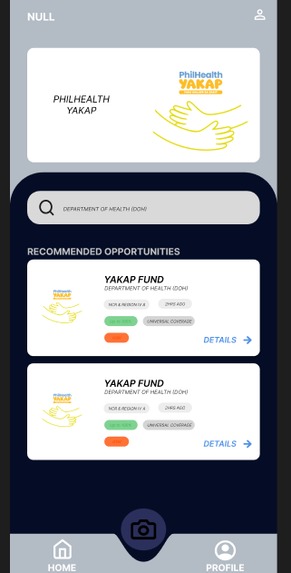
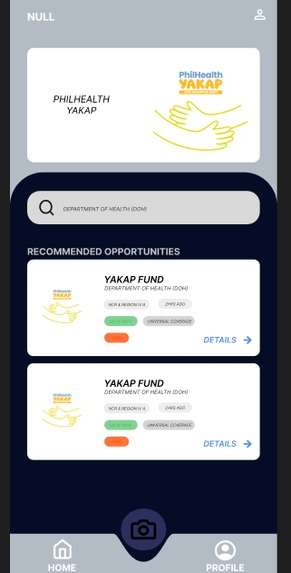
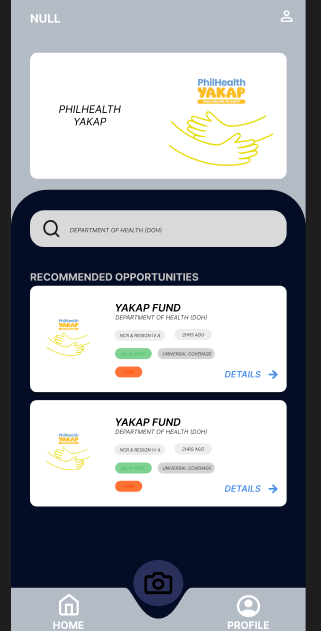
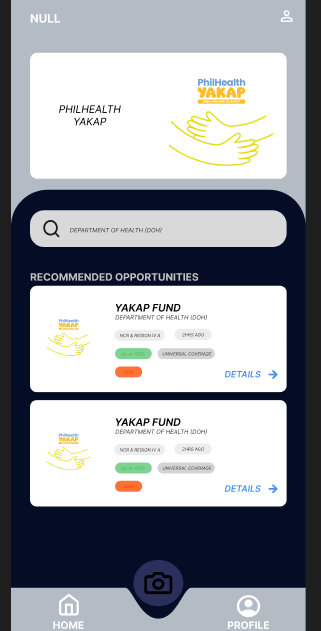
DESIGN OF HOME PAGE
Inspiration When a medical crisis hits, the hospital bill is only half the battle. For millions of indigent Filipinos, the true barrier to healthcare is the severe document fatigue and confusion of navigating DSWD, PCSO, PhilHealth, and Malasakit requirements. Families are forced into a bureaucratic maze, running between government offices when they should be by their loved one's bedside. We call this the "cost of dreaming"—the administrative friction that prevents vulnerable citizens from getting the care they deserve. We realized the Philippines doesn't have a lack of healthcare funding; it has a massive information gap. We wanted to build a system that turns that maze into a straight line.
What it does iSeek is an AI-powered progressive web app acting as a digital frontline navigator for Universal Health Care (UHC). Instead of patients guessing what assistance they qualify for, they simply scan their hospital documents (like a Statement of Account).
Our system features:
Smart OCR Triage: Extracts the hospital name, diagnosis, and total bill, cross-referencing it with active government and NGO assistance programs to provide a step-by-step roadmap to a ₱0.00 balance.
Tiered Identity Architecture: We ensure zero lock-outs. Users with a National ID use the PhilSys Express Lane for instant verification. Undocumented users use the Grassroots Path to upload secondary IDs and a Barangay Certificate of Indigency for human-in-the-loop approval.
Dynamic Financial Roadmap: Once verified, the app acts as a smart calculator, showing exact deductions applied by PhilHealth and local LGUs.
How we built it We engineered iSeek using a rapid "vibecoding" methodology, leveraging the Google ecosystem alongside modern web frameworks:
AI Engine: We used Google Gemini 3.1 Flash (via Google AI Studio) for its powerful vision capabilities. It processes unstructured Philippine medical bills and handwritten Barangay logs, outputting strictly formatted JSON.
Frontend: Built with React and Vite for a fast, mobile-responsive 3-Tab architecture (Home, Scan, Profile). We deployed the live prototype on Vercel.
Backend: We integrated Firebase Firestore via ES Module CDNs. This NoSQL database instantly saves user demographics, manages the "Pending/Verified" identity states, and stores Gemini's JSON payloads in real-time.
Challenges we ran into Integrating a heavily AI-dependent architecture into a strict web framework brought several hurdles. First, we realized that while Large Language Models are brilliant at extracting text, they can hallucinate when doing arithmetic. We had to refactor our system so Gemini only extracts raw values, while our React frontend handles the strict, bulletproof UHC math.
We also faced the infamous "White Screen of Death" during our Vercel deployment! It turned out to be a Vite security feature requiring us to prefix our environment variables (like VITE_GEMINI_API_KEY) to ensure our live server could securely talk to the Google AI Studio backend.
Accomplishments that we're proud of We are incredibly proud of designing a highly empathetic system that doesn't alienate the poorest Filipinos. By implementing our Tiered Verification System, we proved that you can have strict KYC (Know Your Customer) data security without requiring every user to have a PhilSys ID on day one. Furthermore, getting a fully integrated stack—React, Gemini Vision API, and a live Firebase database—working flawlessly in a tight hackathon timeframe was a massive technical win for the team.
What we learned We learned the profound difference between a calculator and a navigator. Building for the Philippine healthcare system requires designing for edge cases: poor internet connectivity, lack of standardized documents, and high user stress. Technically, we leveled up our ability to bridge raw AI prototype environments (like Google AI Studio) directly into production-ready deployments (Vercel + Firebase).
What's next for ISeek The next phase for iSeek is building out the Admin Approver Dashboard. We want to partner with local LGUs and public hospitals (like PGH) to give their Medical Social Workers a dedicated portal to quickly review and approve the "Pending" manual verification queues. We also plan to expand our Anti-Red Tape guidance into a fully geolocated mapping feature, giving patients exact directions to specific hospital windows and LGU offices.
Built With
- gemini
- googleaistudi
- react
- typescript
- vite

Log in or sign up for Devpost to join the conversation.