-
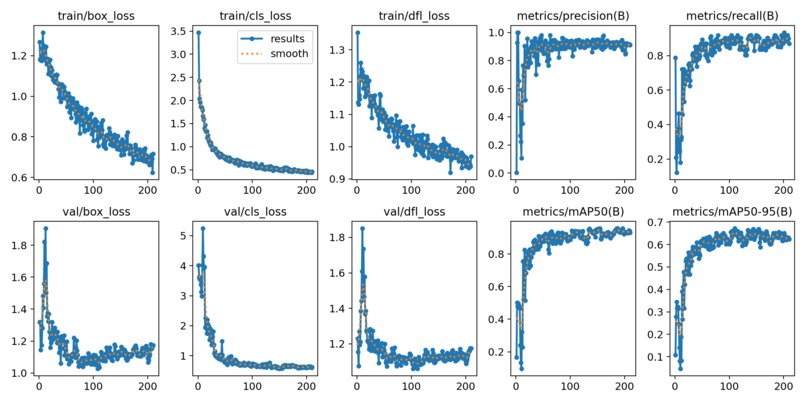
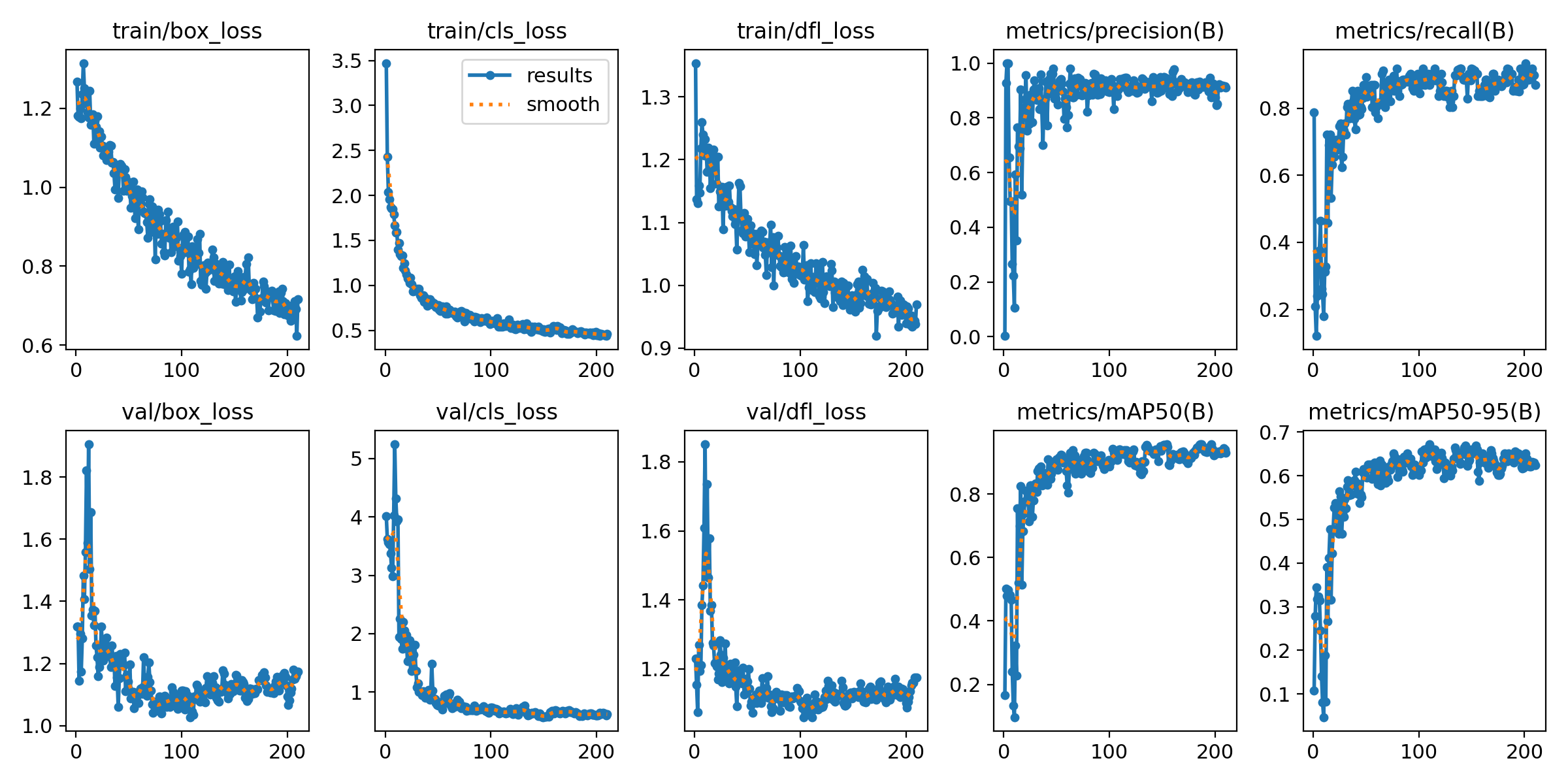
Loss curves for our custom image detector
Project Stories & Detail - Soft Submit
Inspiration
We were inspired to complete this project because no one in our group had experience with machine learning. Additionally, we thought that it would be an overall fun project.
What it does
Our program takes an image or video, identifies ISA symbols, and matches them with their respective cars. This allows for an opportunity to direct traffic in parking lots taking more details into consideration. Additionally, we created a GUI to allow for an easy interface. This solution can be integrated into smart city systems to monitor and manage accessible parking spots effectively.
How we built it
We utilized YOLO to identify cars with handicap symbols. The handicap symbol identifying model was trained on a custom made dataset, while the car identify was found using the YOLOv8m model. Before we decided to use YOLOv8m, we tried using a car detecting model from Roboflow. By having these two models run at the same time we can identify cars that have a ISA placard or license plate using ISU. In addition, we worked on developing a front end GUI to better the user experience.
Architecture: YOLOv8
Epochs: 300
Image size: 640x640
Batch size: 16
Challenges we ran into
- We ran into an issue where we couldn't find an image dataset of ISA symbols on cars. In order to solve this issue, we spent several hours manually crawling hundreds of Google Images in order to create a custom dataset of images that had ISA symbols in them.
- Our models were too slow, so we had to research how to decrease their speeds while maintaining our accuracy. This in particular was very important to us because the criteria specify under 33ms.
Accomplishments that we're proud of
- We created and labeled our own dataset and then trained a custom YOLO model from it.
What we learned
- We learned how computer vision works with YOLO and pytorch and was able to implement it.
- teamwork and communication
- In parkour civilization no one jumps for the beef.
What's next for ISA Car Detector
- while we worked to decrease our model speeds, we were unable to get our speeds to the 33ms when tracking a video. We plan to improve our model times to meet this standard in the future.
- Additionally we want to change our main run file gui.py and convert it to c++. It would run faster and also is compatible with opencv and pytorch.

Log in or sign up for Devpost to join the conversation.