-
-
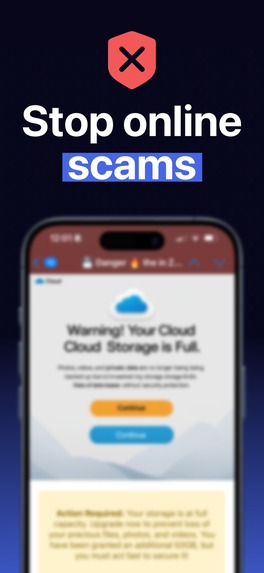
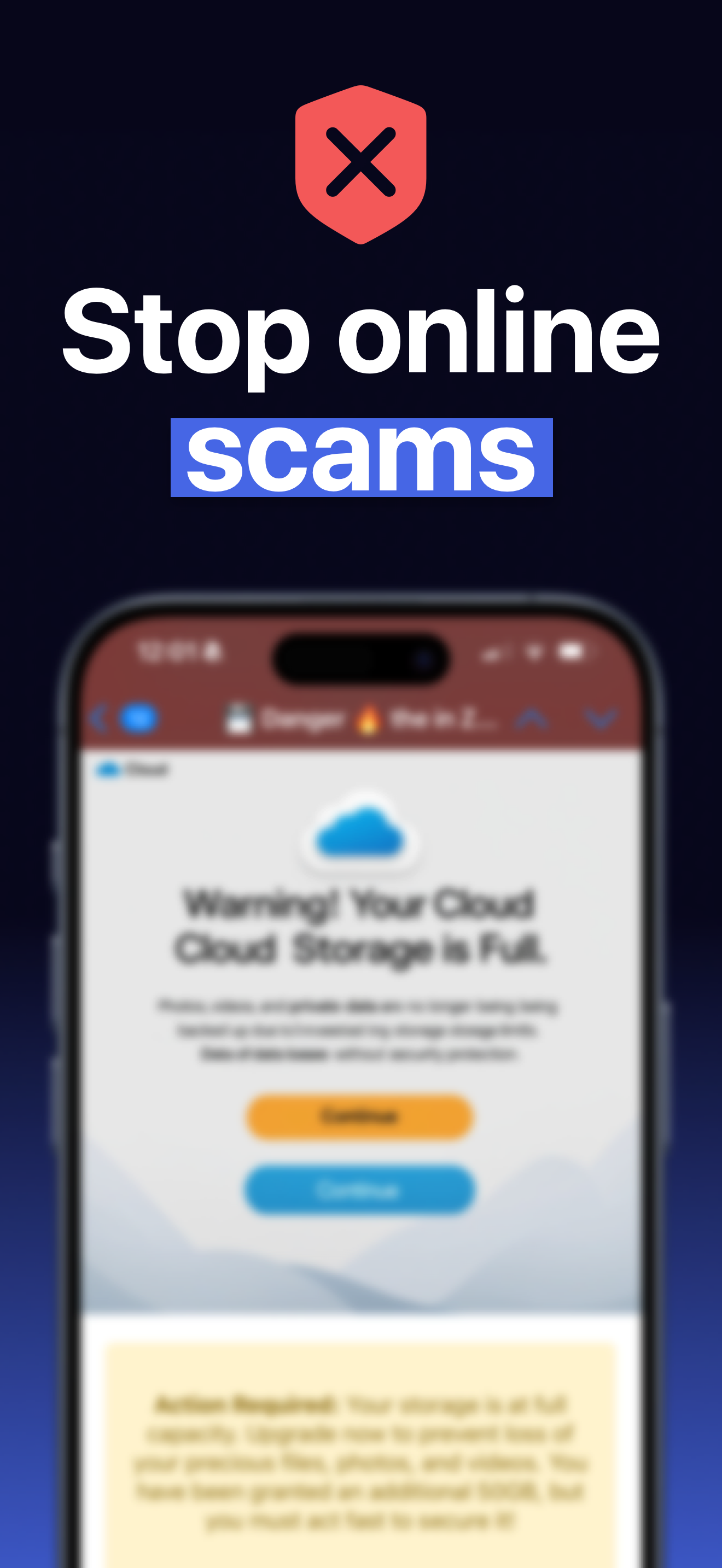
Stop online scams
-
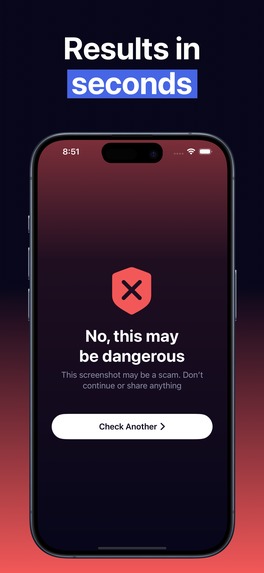
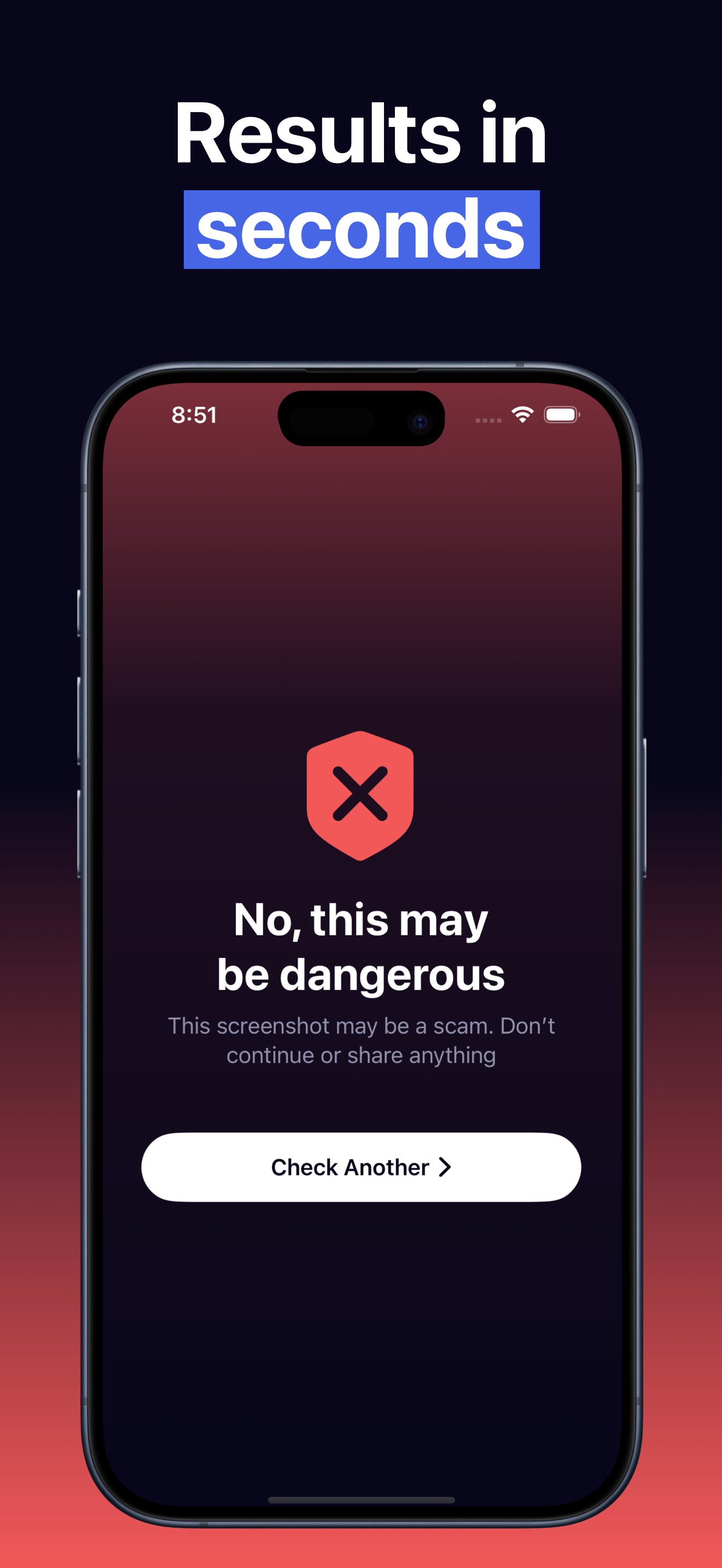
Results in seconds
-
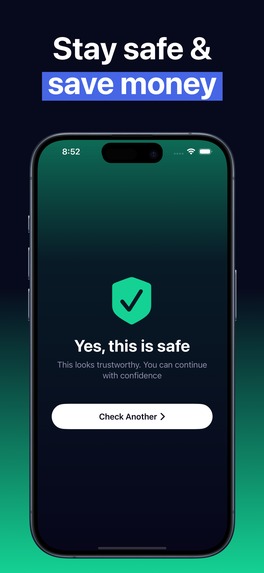
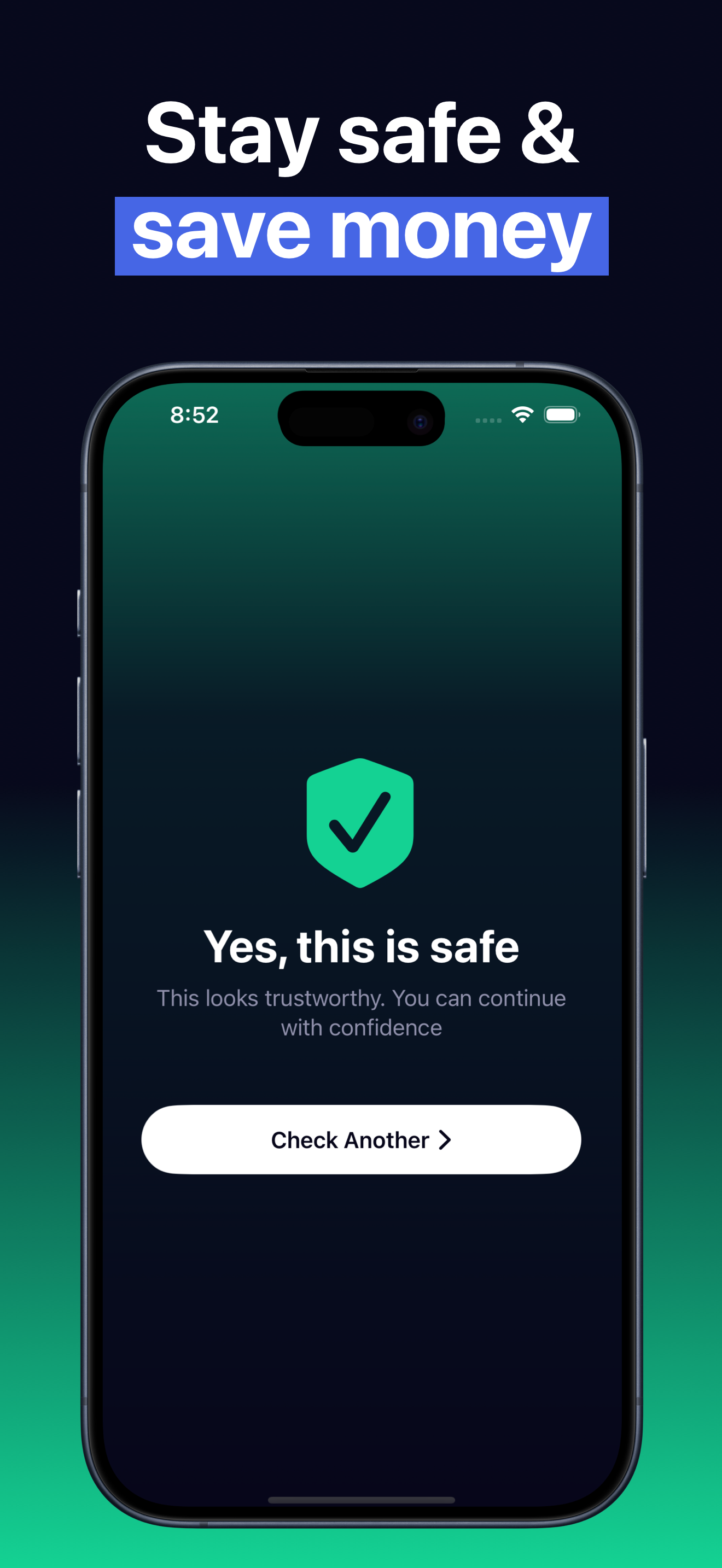
Stay safe & save money
-
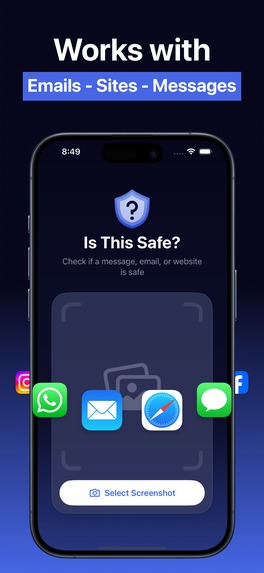
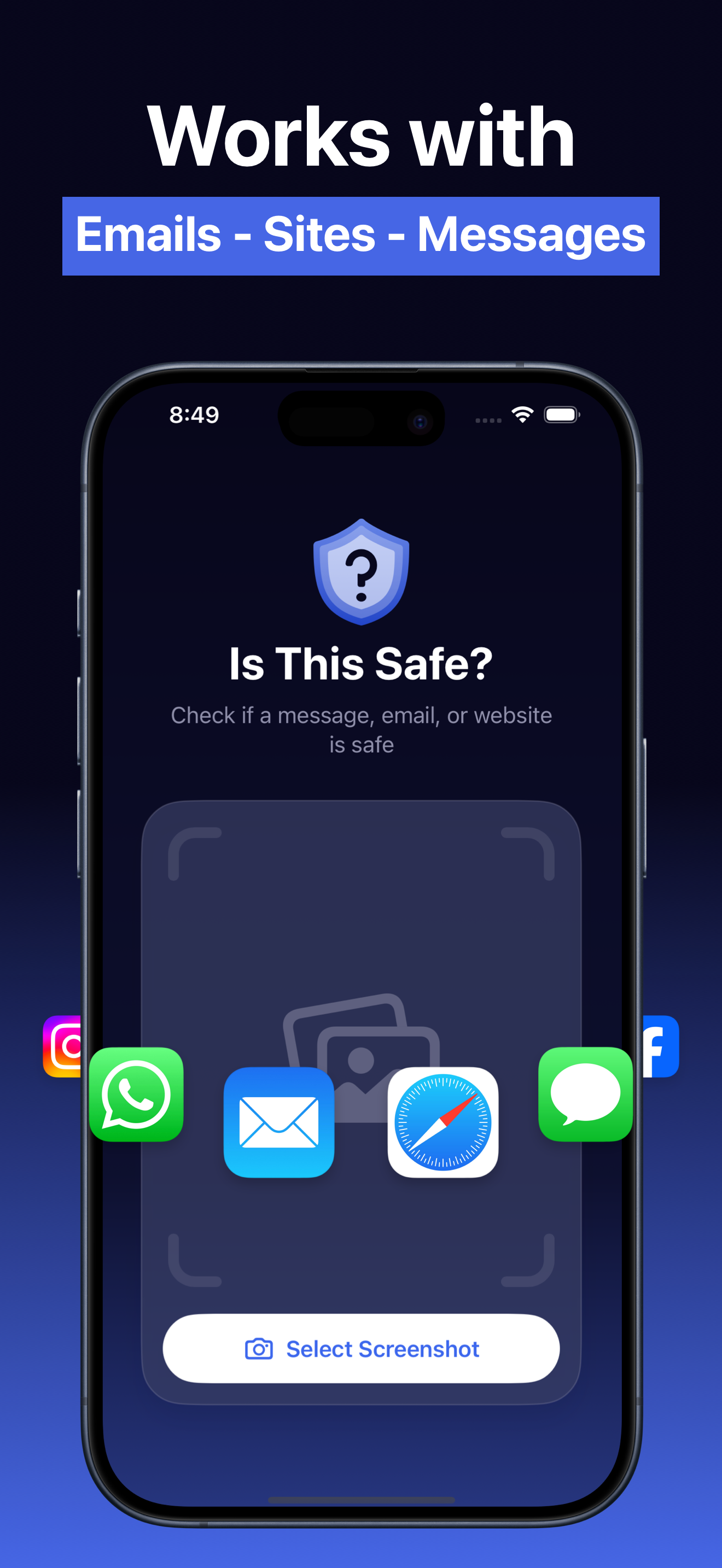
Works with emails, sites, messages
-
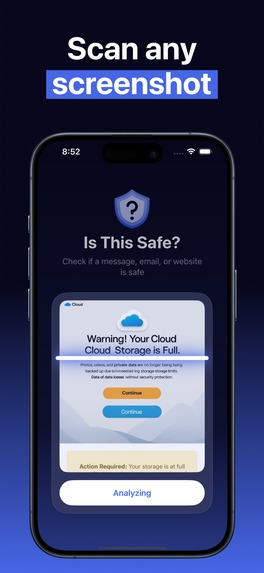
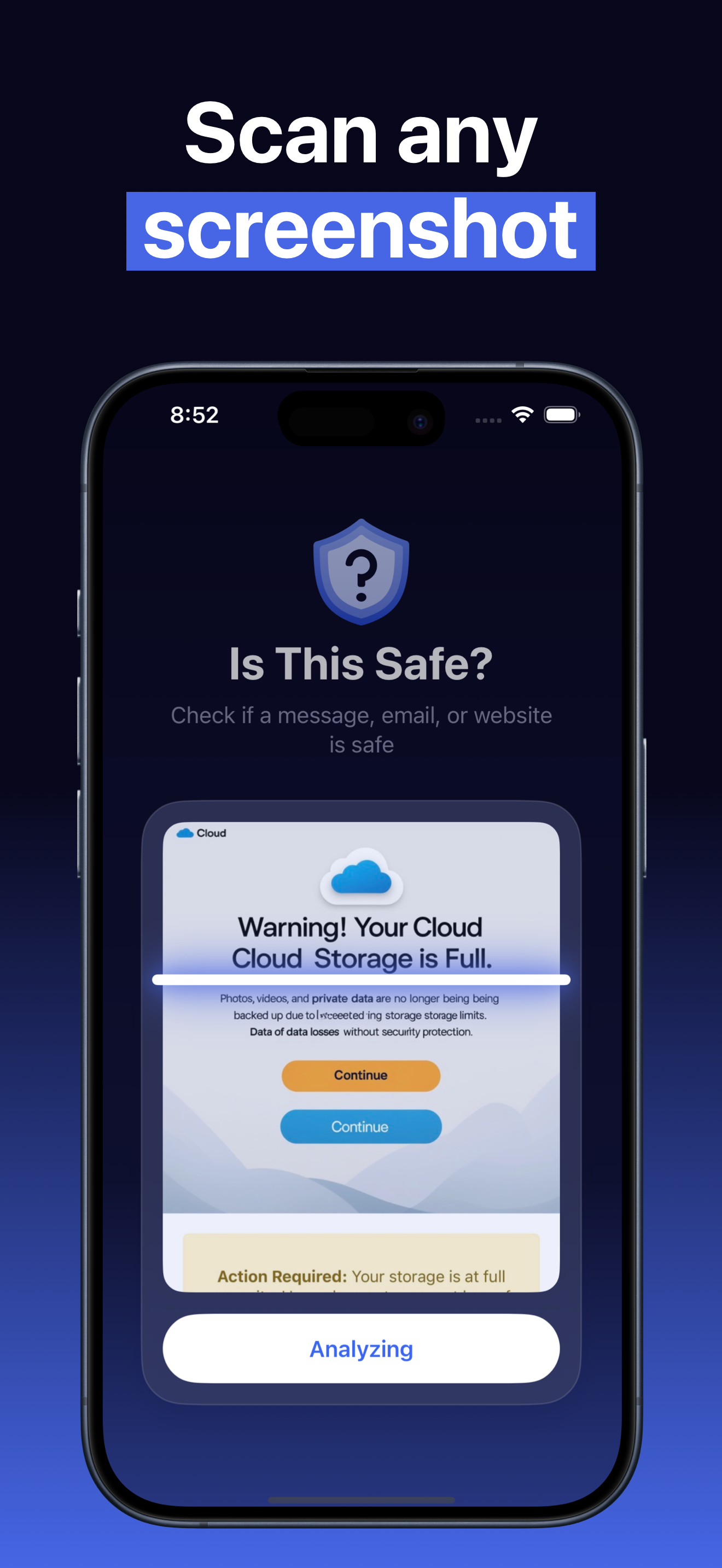
Scan any screenshot
Inspiration
The creation of Is This Safe? was a direct response to a devastating personal experience. Last year, my immediate family—my mother, father, stepmother, and aunt—fell victim to a rapid series of digital scams within the same month. Witnessing the financial and emotional toll made it clear that I had to leverage my professional background in security at a fintech company to protect them. The idea was to build a robust, accessible defense against digital threats, born out of a profound need to safeguard my own loved ones.
What it does
Is This Safe? acts as your family’s digital guardian by instantly detecting scams in any online content. It uses Artificial Intelligence to analyze for scam patterns in emails, text messages, social media posts, and websites. The core functionality is built around a simple, universal action: the screenshot.
Users simply take a screenshot of the suspicious content, share it with the app using the built-in iOS share feature, and the app immediately provides a clear, binary answer: Safe or Unsafe. This design makes the app incredibly easy for anyone to use—even my grandmother—and works seamlessly across all platforms, ensuring immediate peace of mind.
How I built it
The entire construction of Is This Safe? was driven by the specific needs and habits of my family. The most critical design decision was basing it on the screenshot, which was an epiphany: my family was already sending me screenshots asking, "Is this safe?" This interaction was the perfect, pre-existing user flow. This approach met three fundamental conditions for them:
- Universal Compatibility: It works with any type of content (web, ads, text messages), regardless of the platform.
- Maximum Accessibility: It allows the app to be compatible with older devices like my aunt's iPhone 7 (running iOS 15), ensuring no one is left behind.
- Instinctive Simplicity: It transforms an action my family already performed into the only action required. In fact, the app's name, Is This Safe?, emerged directly from the question they constantly asked me.
The technical core focused on optimizing the prompting for the LLM. This was the biggest challenge; a screenshot is unstructured data. After extensive testing, I eliminated the Uncertain result option. I realized that the app's purpose was peace of mind: a binary result (Safe/Unsafe) was not only technically more reliable, but it was essential to eliminate user uncertainty and fulfill the promise of peace of mind.
A fun detail: I personally designed the app's icon. The main element is a question mark that doubles as a subtle nod to a magnifying glass, symbolizing the app's function of inspection and safety.
Challenges I ran into
The main challenge is shifting from reactive checking (when a user suspects a scam) to proactive protection (when they don't suspect anything). I developed a complete Safari Extension to automatically analyze and block fraudulent websites during normal browsing.
However, a persistent, multi-year Safari bug I discovered causes extensions of this nature to occasionally stop functioning, requiring the user to manually restart the browser. I decided not to release this version because an unreliable security layer compromises the user's feeling of complete safety. I continue to report this issue and will resume work on the extension immediately once I find a stable solution or the bug is resolved by Apple.
Accomplishments that I'm proud of
Above all else, my greatest accomplishment is the safety of my family. Every design decision—from the simple screenshot flow to supporting older iOS devices—was made specifically to ensure they and others like them could be protected. Seeing the app now successfully used by my mother, aunt, and grandmother, and knowing their digital lives are more secure, is the ultimate validation of this project's purpose.
Design Simplicity and Accessibility
I'm incredibly proud of the design simplicity—transforming a complex security check into a one-tap action. This design philosophy is validated by the fact that the app is now easily used by people of all ages.
High-Leverage Security
The high degree of accuracy is a significant technical accomplishment. I prioritize security above all; the app is designed to never tell a user something is safe when it is actually unsafe. I view this caution as essential for protecting users' money.
Restoring Digital Confidence
Finally, hearing from users, like my neighbor, who use the app not only to avoid scams but also to confirm that an activity is safe, has been profoundly rewarding. This realization—that the app provides the confidence to engage with the digital world—highlights its true social value.
What I learned
The most valuable lesson was that design driven by empathy leads to the best security solutions. The screenshot flow wasn't invented; it was adopted directly from my family's existing behavior. By listening to how users already solve the problem, I created an intuitive experience that requires virtually no learning curve.
I also learned that in the context of security, clarity is paramount. The initial idea of an Uncertain result was scrapped because the user's primary need is a definitive answer. A binary, clear, and trustworthy result is key to the app's utility and social benefit.
What's next for Is This Safe? - Scam Detector
My ultimate goal is for Is This Safe? to become the most comprehensive anti-scam tool on your mobile device. While the Safari Extension remains a long-term goal that I am actively pursuing, I have pivoted to a more stable, immediate solution: a system-level SMS filter.
This SMS filter will be the third line of defense, automatically blocking or flagging suspicious text messages before they even reach the user's main inbox, closing another major entry point for scams. By adding this proactive layer, I aim to take a significant step toward a state of complete security, where users don't even need to suspect a scam to be protected. In the long term, I plan to expand this digital guardian to cover all user devices.


Log in or sign up for Devpost to join the conversation.