-
-
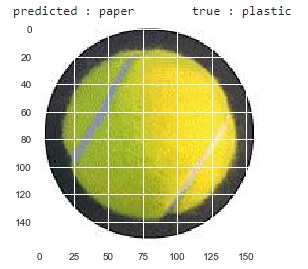
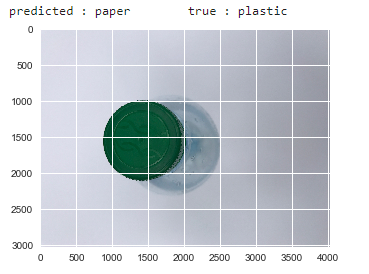
Training data with tennis ball; incorrect prediction
-
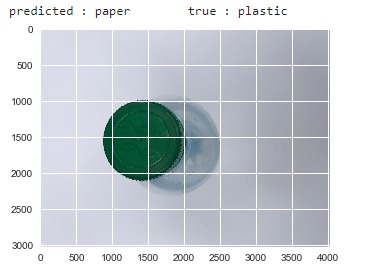
Training data with cap; incorrect prediction
-
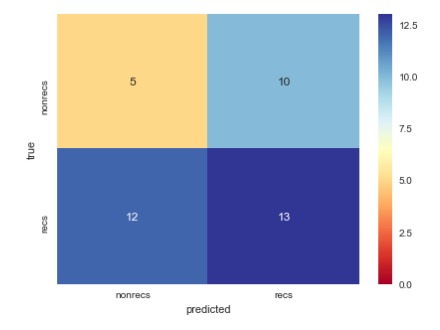
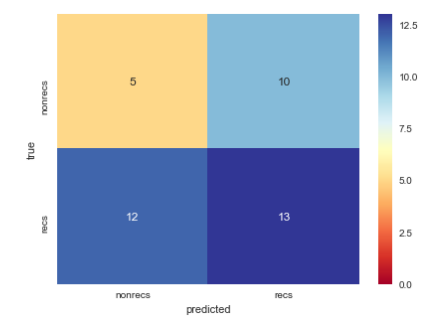
The 2x2 confusion matrix illustrates the predicted versus true values for “nonrecs” and “recs”, with a color scale ranging from 0 to 12.5.
-
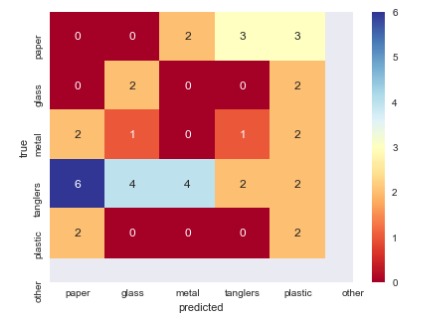
The heatgraph compares the predicted and actual values of various materials like paper, glass, metal, tanglers, plastic, and others.


Inspiration
Our inspiration for the project was that we ourselves were struggling with how to recycle. This is because if even one non-recyclable item contaminates a bag with recyclable items the entire bag goes into the landfill, which unnecessarily contributes to the crisis of global warming.
What it does
The program determines the recyclability of an object and what material it is made out of (eg: paper, glass, metal, plastic).
How we built it
We used Google Colab and Jupyter Notebook to program a convolutional neural network in Python using a database of 50,000 images.
Challenges we ran into
We had to keep switching our image datasets as either the folders for the data could not upload locally into the Google Colab file or it took too long to upload images onto the Google Drive.
Accomplishments that we're proud of
We created a heatmap and 2x2 confusion matrix visualizing the results of our model.
What we learned
We learned that with teamwork and dedication, anything can be done even with the time constraint given.
What's next for Is It Recyclable?
We will integrate this program into either an app or a recycling bin directly to automate the recycling process and standardize this model.
Built With
- css
- google-colab
- html
- javascript
- jupyter-notebook
- pandas
- python


Log in or sign up for Devpost to join the conversation.