-
-

IRIS Logo
-
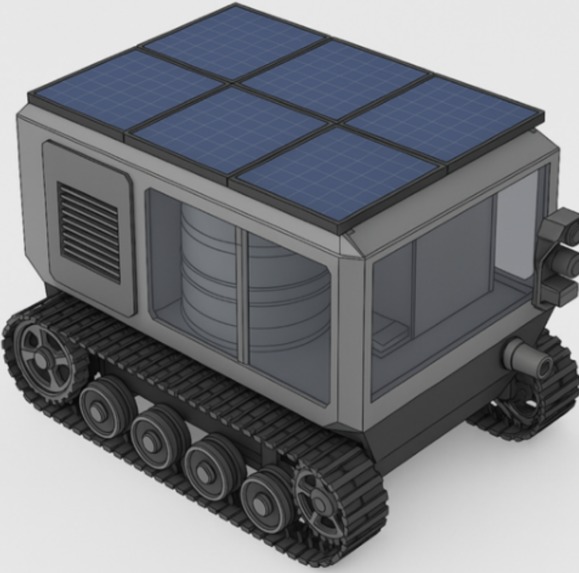
IRIS Design
-
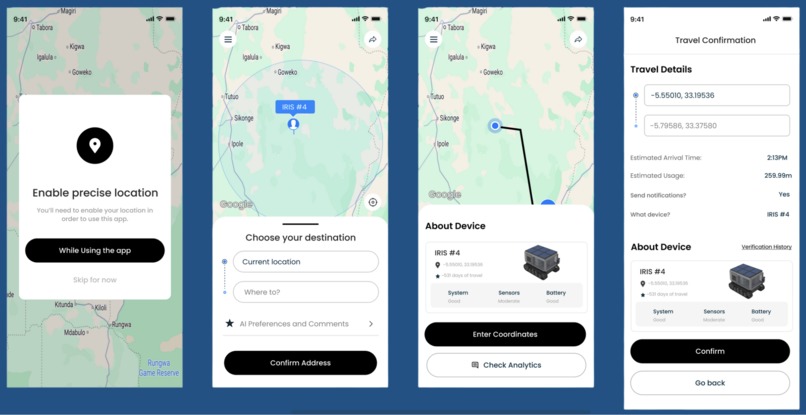
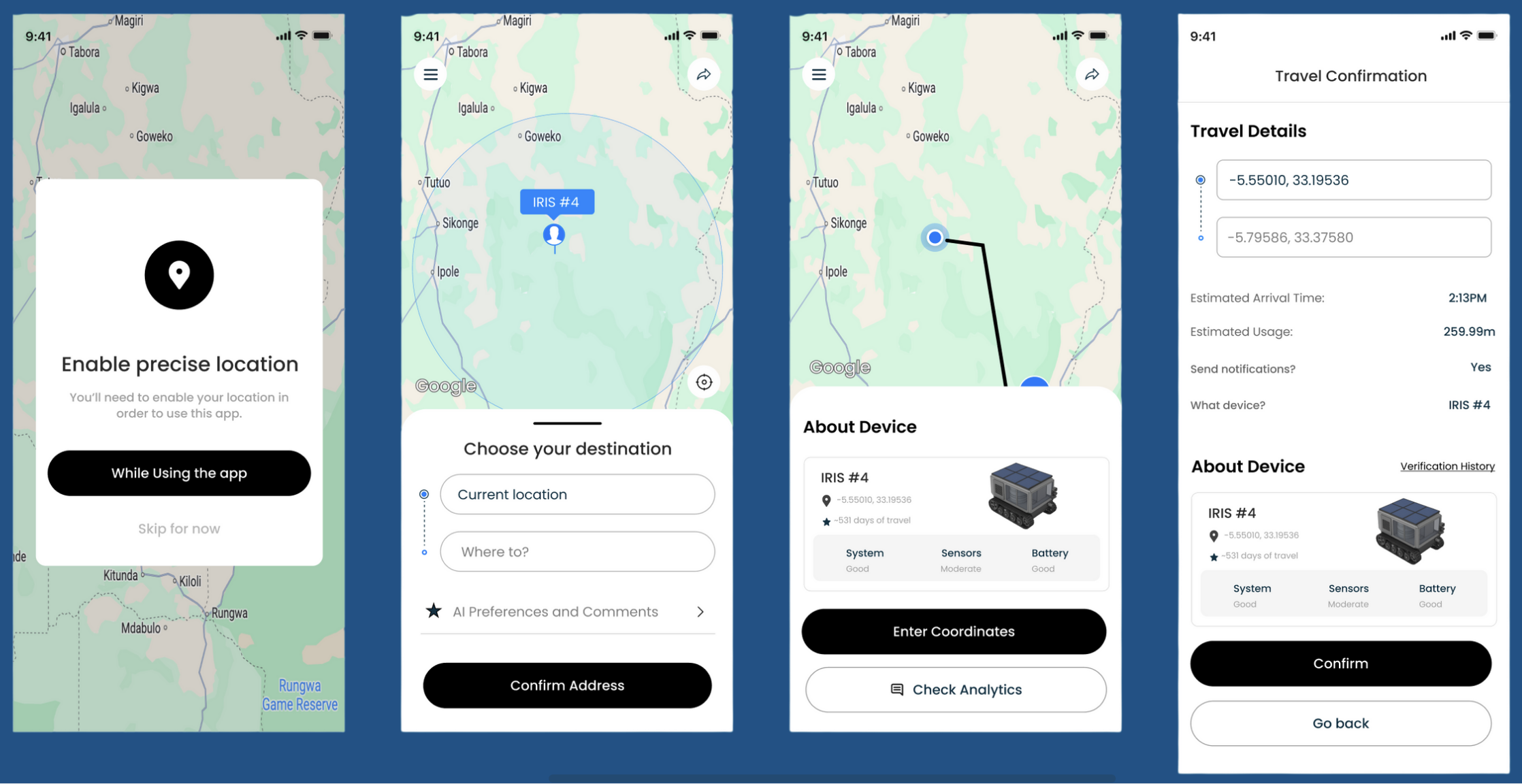
IRIS Control Mobile App (not published)
-
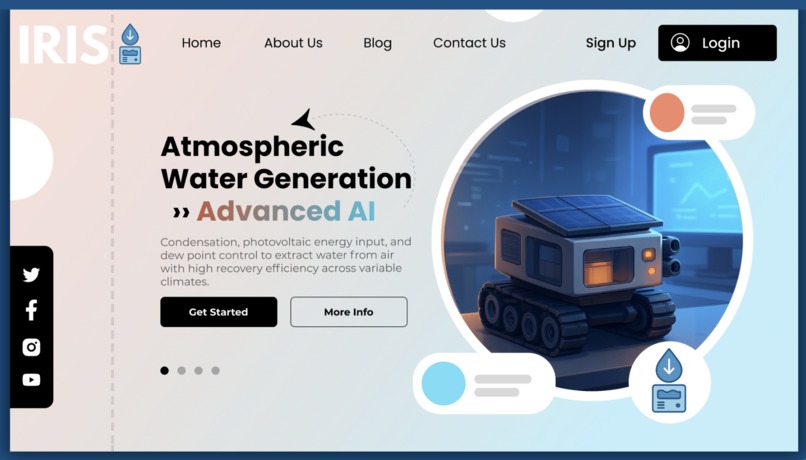
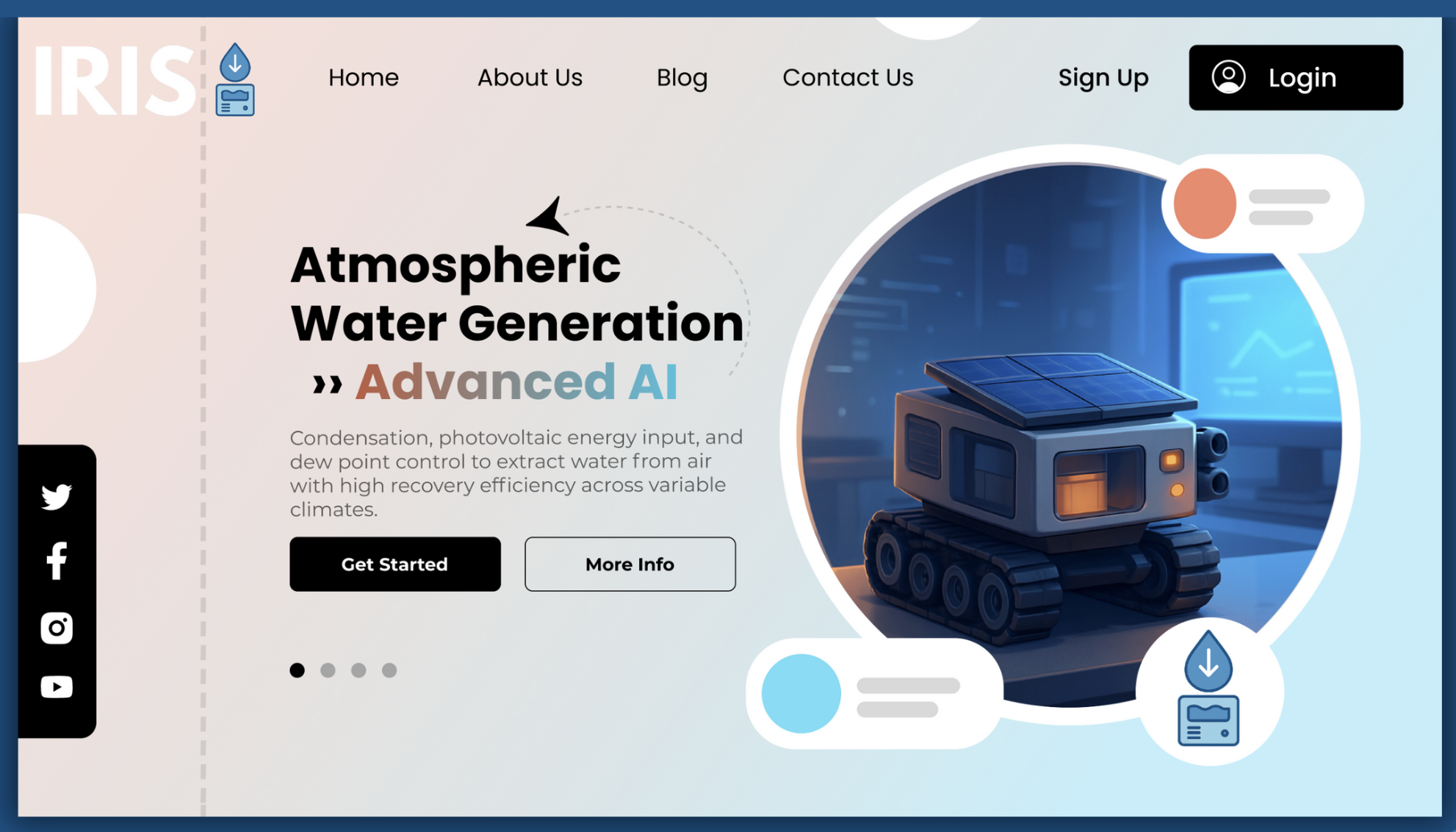
IRIS Control Website (unhosted)

Inspiration
Billions of people face water scarcity, with over 160 million relying on unsafe or untreated water every day. Traditional solutions like wells or desalination fail in remote deserts, high plateaus, or tundras because they’re expensive, slow to deploy, and vulnerable to climate volatility. We wanted to design a system that can bring clean water to the places where existing infrastructure simply cannot reach.
Addressing SDG6
IRIS directly supports SDG 6 by providing clean water in places where traditional infrastructure cannot reach. Using solar power and atmospheric water generation, it creates safe, drinkable water off-grid, making it ideal for remote communities and disaster zones. Its autonomous design ensures sustainable, reliable, and equitable access to water—helping achieve the goal of universal clean water and sanitation.
What it does
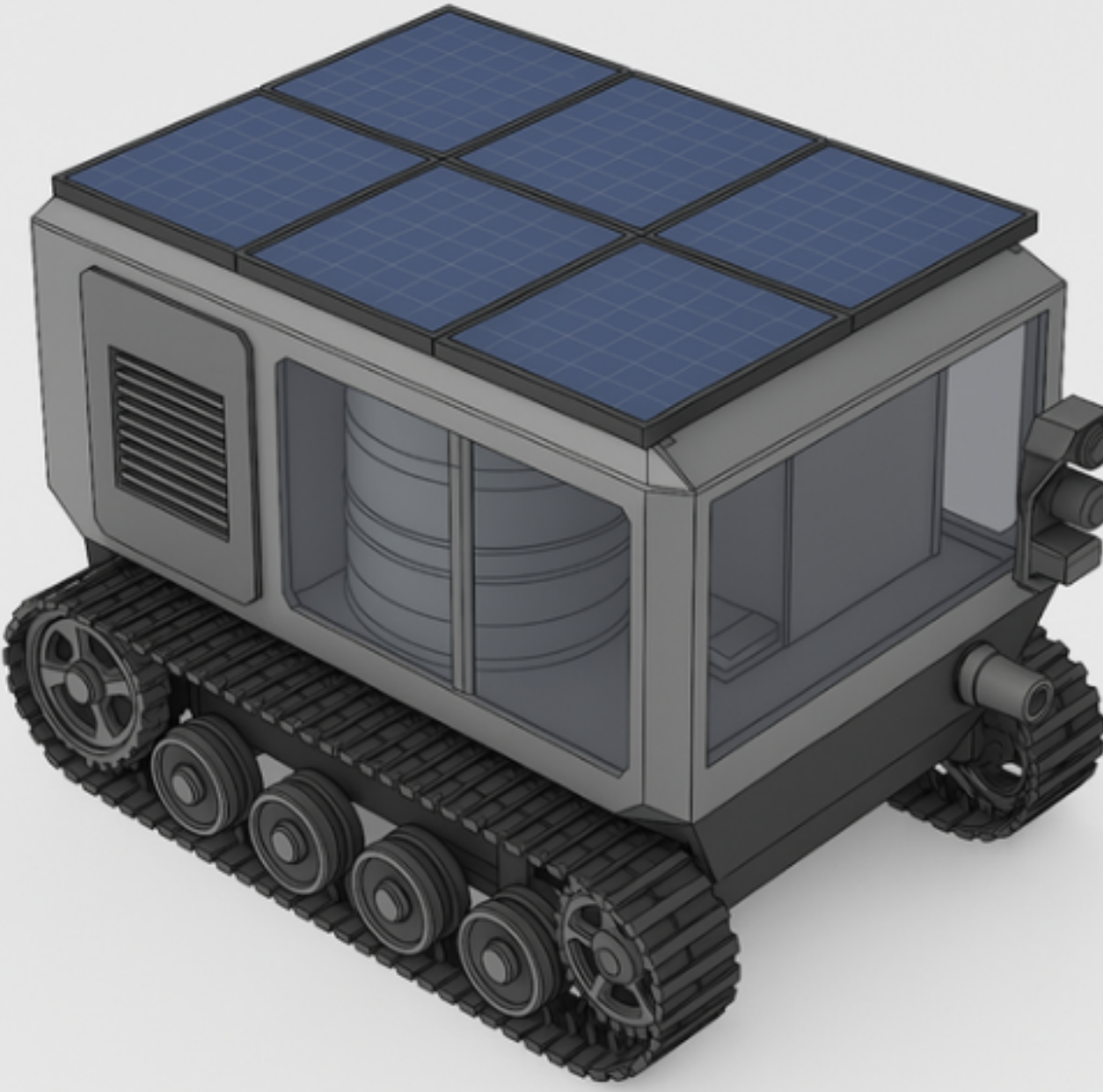
IRIS is a fully autonomous, solar-powered, mobile water-harvesting robot. It navigates extreme terrains, detects the best extraction zones using satellite imagery and AI, and generates clean water directly from air using an Atmospheric Water Generator (AWG). It operates off-grid with its own power management, obstacle avoidance, and data logging, delivering safe water without traditional pipes or wells.
How we built it
Hardware: Arduino-based humidity sensing and extraction system, solar energy modules, LiDAR, and thermal cameras for obstacle detection. Software: Python and TensorFlow for satellite image analysis, terrain classification, and autonomous navigation. Design: Iterative prototyping from sketches to a safety-compliant 3D model, integrating energy management and real-time communication for deployment in deserts or disaster zones
Challenges we ran into
Handling climate volatility. Rapid changes in humidity and temperature required adaptive sensing algorithms. Achieving reliable off-grid power while keeping the robot lightweight. Integrating diverse sensors (LiDAR, thermal, satellite) into a single decision-making framework. Ensuring manufacturability and cost-efficiency for large-scale deployment.
What we learned
The importance of real-time environmental sensing for mobile water systems. How to merge mechanical engineering, energy systems, and AI to solve humanitarian problems. The value of user feedback from NGOs and rural communities in shaping design priorities like simplicity and maintenance.
What's next for IRIS | Integrated Robotic Irrigation System
Pilot deployments in drought-affected regions and disaster zones. Scaling manufacturing with off-the-shelf materials to reduce costs and enable rapid production. Continued AI training to improve zone detection and energy efficiency. Expanding partnerships with universities, NGOs, and government agencies to reach high need communities worldwide.
Important Info
Functionality of AI algorithm is shown on Canva Presentation, so we believe that alone is impactful. However, we went on to to design a prototype to display the measurable impact we can have.
Our Roles were mentioned in the Devpost project.


Log in or sign up for Devpost to join the conversation.