1.Inspiration I was inspired by the beauty and diversity of flowers, particularly the Iris, and I wanted to explore how machine learning can help automatically identify flower species. Understanding patterns in petals, sepal sizes, and colors seemed like a fascinating challenge.
2.What I Learned How to handle datasets and perform exploratory data analysis (EDA). Implementing classification algorithms like Logistic Regression, K-Nearest Neighbors (KNN), and Decision Trees. Evaluating models using metrics like accuracy, precision, recall, and confusion matrix. Understanding the importance of feature scaling and data preprocessing.
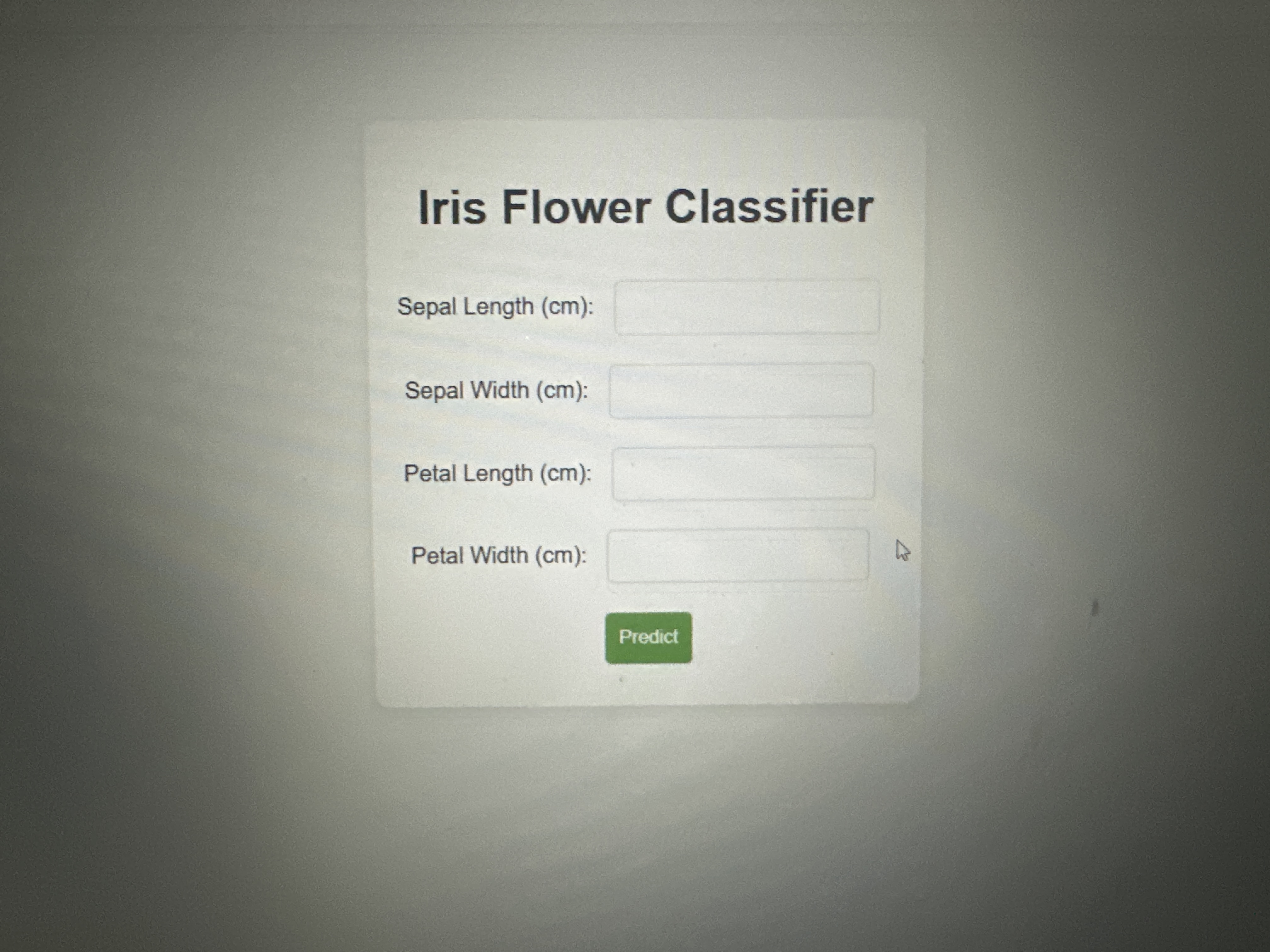
How I Built the Project Dataset: Used the classic Iris dataset with 150 samples and 4 features. Tools & Libraries: Python, Pandas, NumPy, Matplotlib, Seaborn, and Scikit-learn. Steps: Cleaned and explored the dataset. Visualized relationships between features using plots. Split data into training and testing sets. Trained multiple classifiers and compared their performance. Selected the best-performing model and created a simple prediction interface.
Challenges Faced Choosing the best classifier and tuning hyperparameters for optimal accuracy. Understanding how to visualize multi-dimensional data effectively. Ensuring the model generalizes well and avoids overfitting.
Outcome The project successfully classifies Iris flowers into Setosa, Versicolor, and Virginica with high accuracy. It strengthened my understanding of machine learning workflows and data-driven decision making.

Log in or sign up for Devpost to join the conversation.