-
-
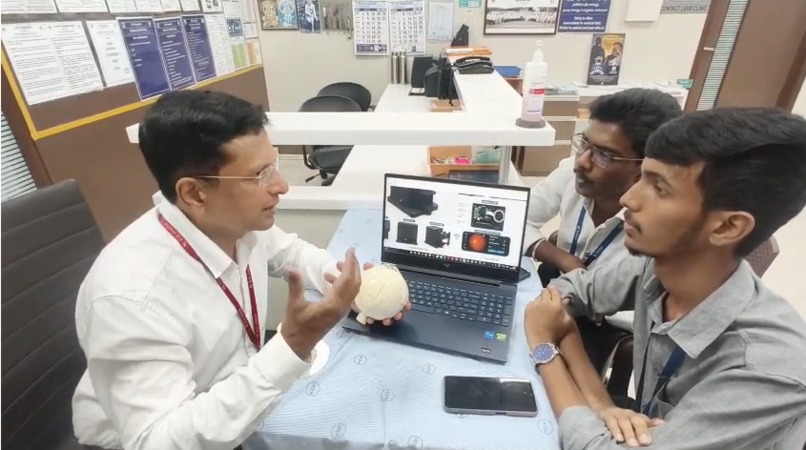
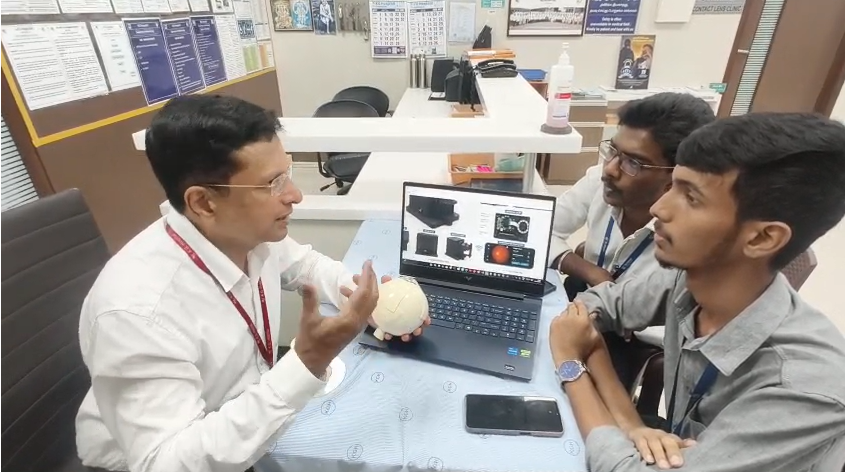
Field visit -1
-

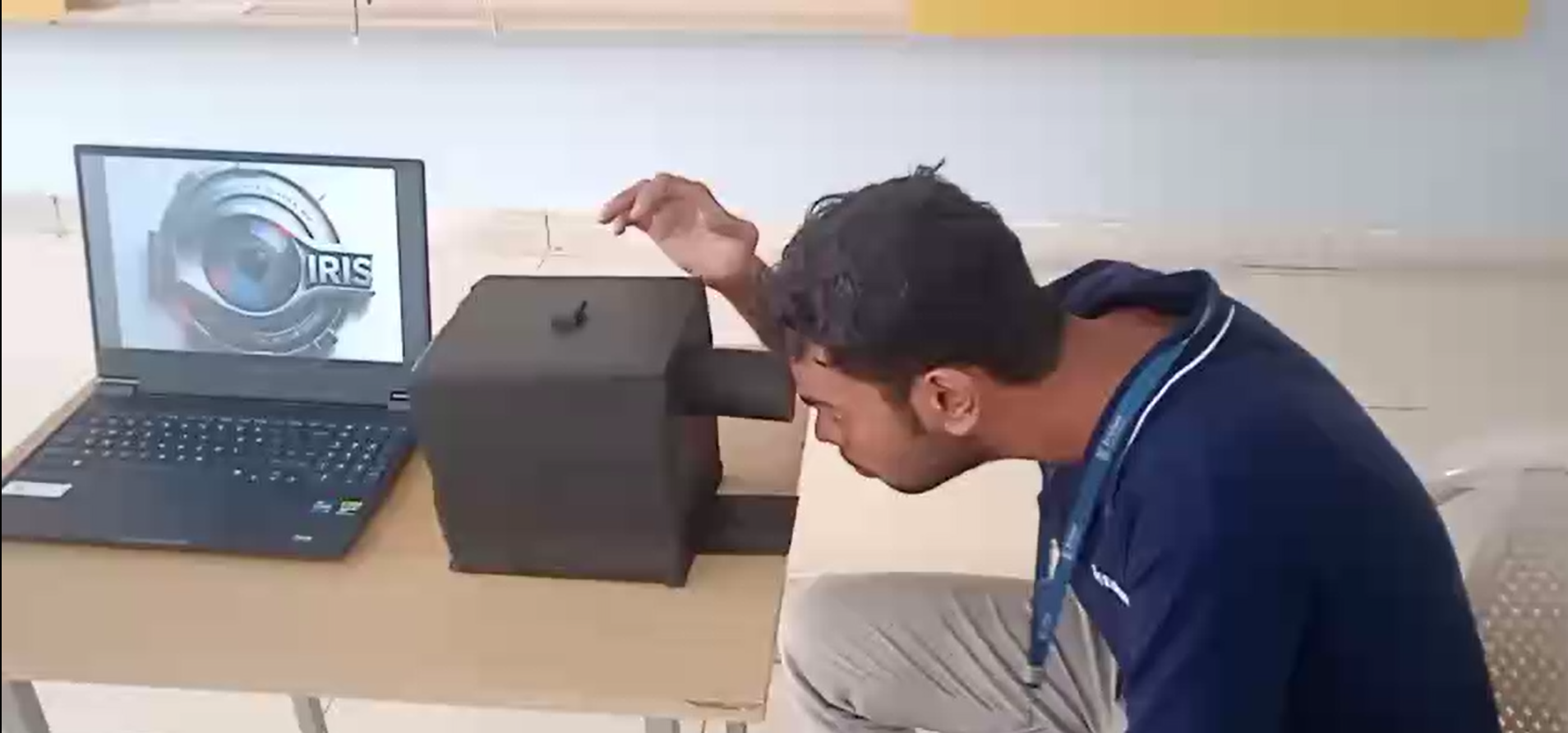
Field visit-2
-
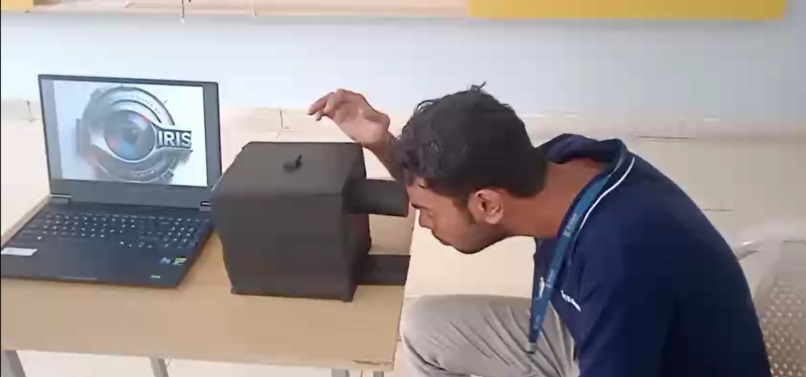
prototype image
-
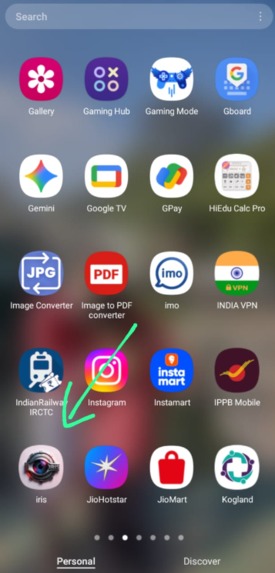
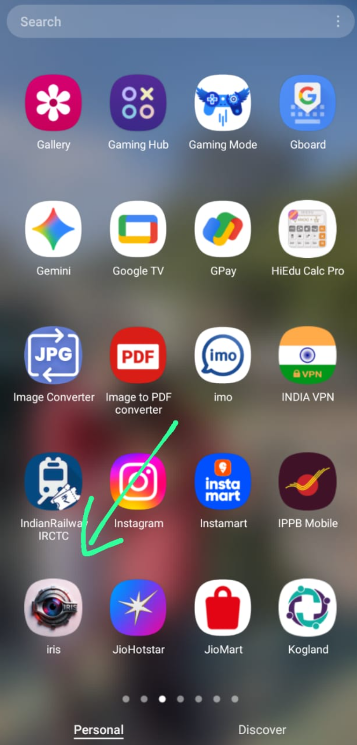
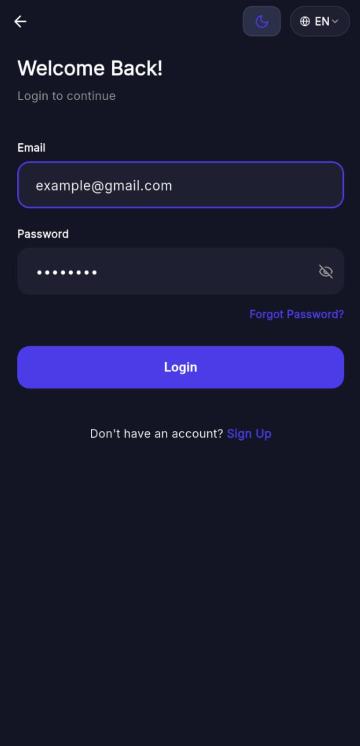
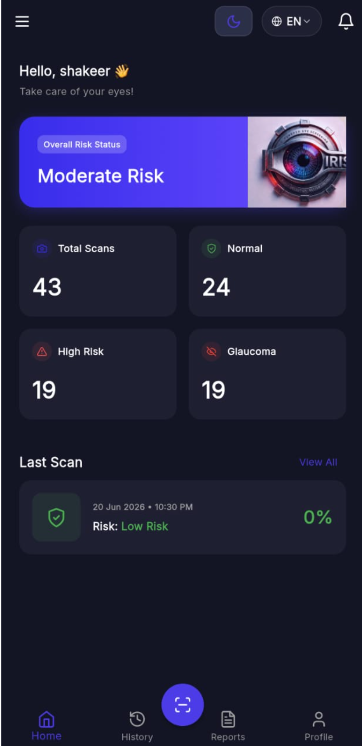
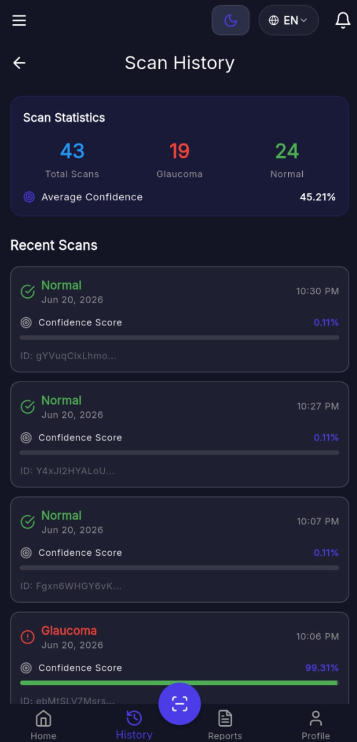
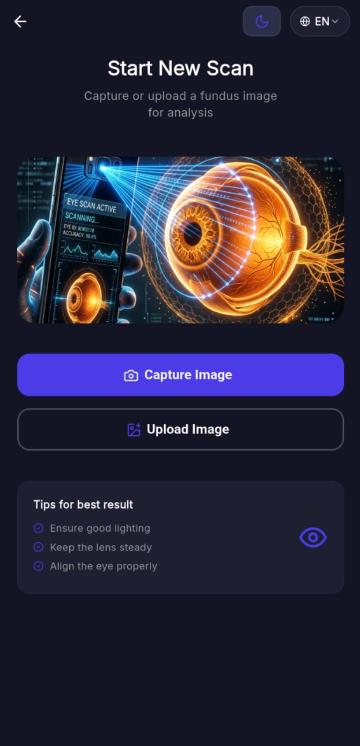
Our App
-
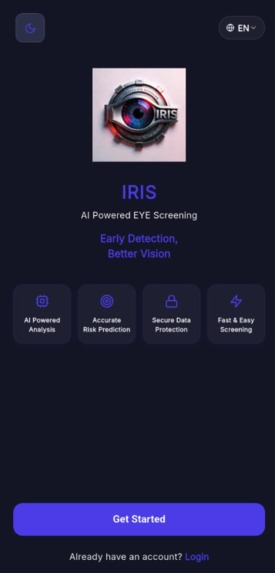
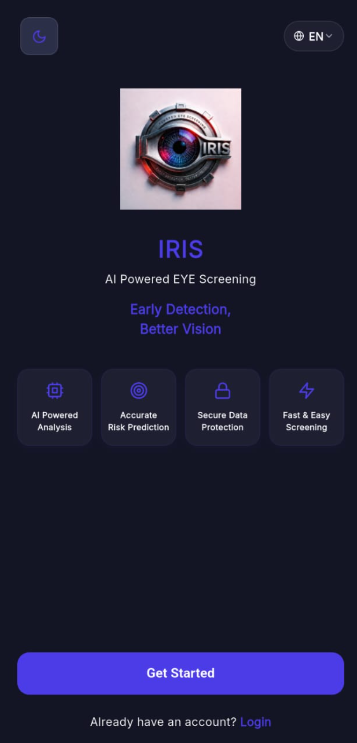
Intro Page
-
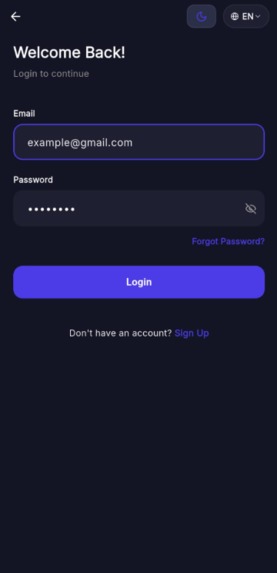
Login Page
-
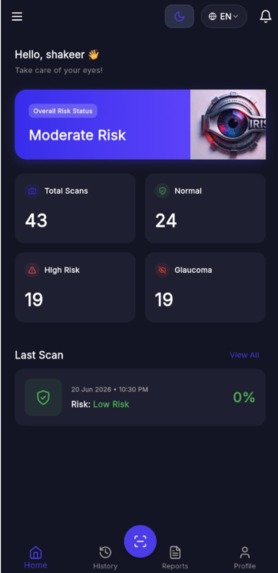
IRIS HOME DASHBOARD
-
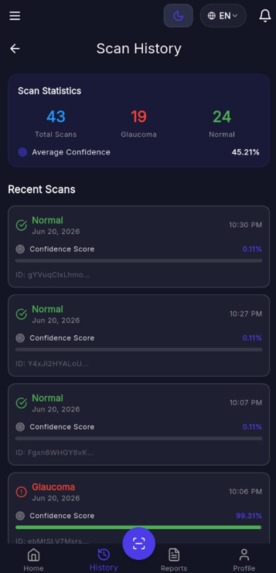
Patient History
-
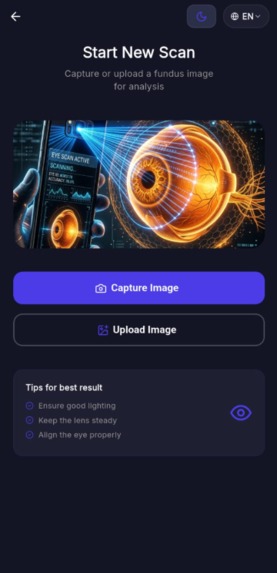
IRIS Uploading Page
-
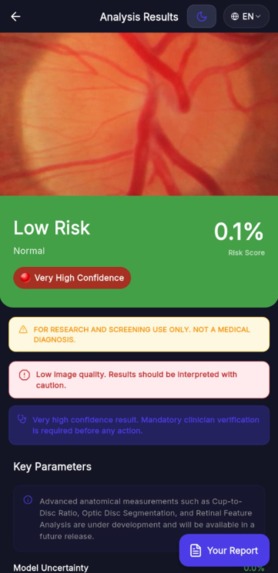
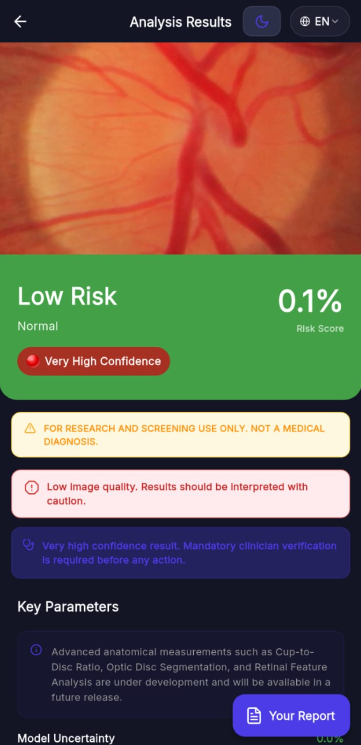
IRIS Result
-
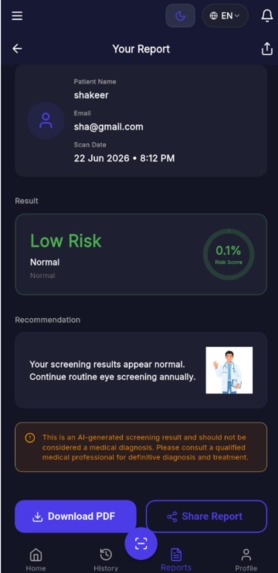
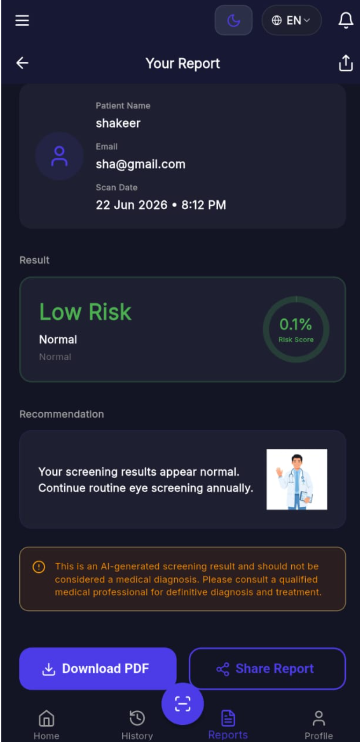
IRIS REPORT GENERATION PAGE
-
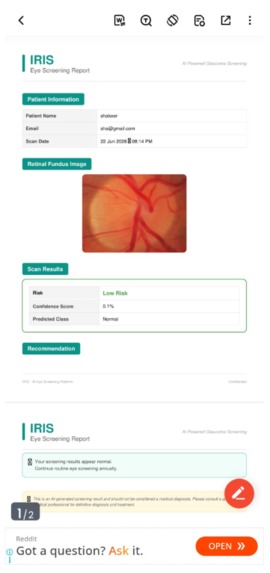
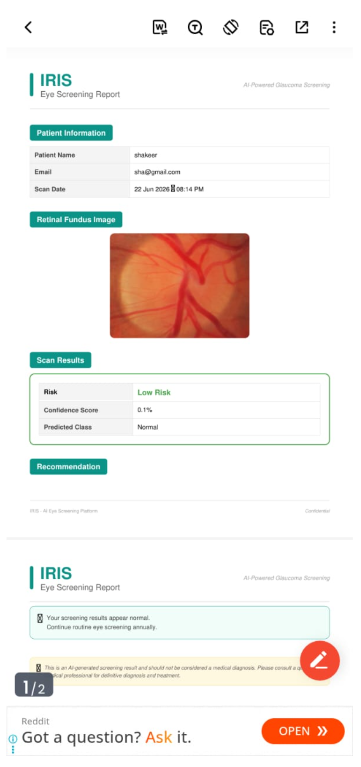
IRIS REPORT
-
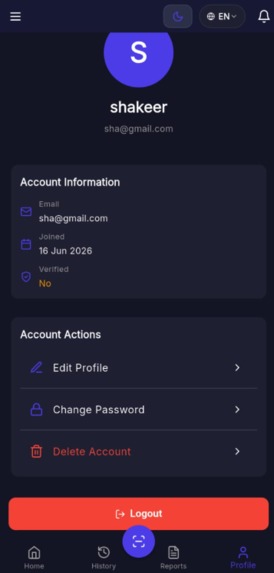
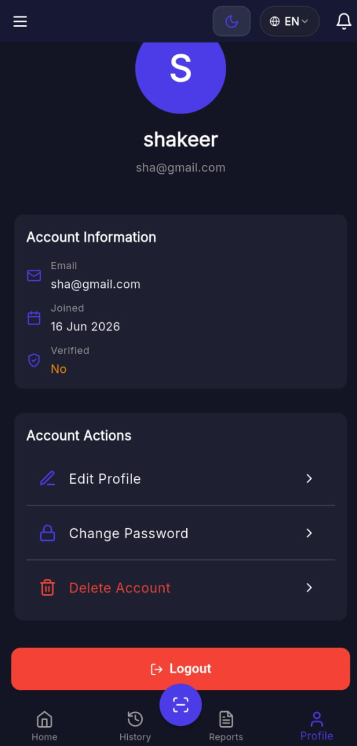
IRIS USER PROFILE PAGE

Inspiration
Millions of people around the world suffer from preventable vision loss due to the late diagnosis of eye diseases. Access to specialized ophthalmic equipment and trained professionals remains limited in many rural and underserved regions. This motivated us to develop IRIS, an affordable AI-powered retinal screening solution that enables early detection and supports timely medical intervention.
What it does
IRIS is an AI-powered retinal screening system that helps detect Glaucoma, Diabetic Retinopathy, and Age-related Macular Degeneration from retinal fundus images. Using a low-cost imaging device and mobile application, retinal images are captured and analyzed instantly, providing rapid screening results to assist healthcare professionals.
How we built it
We developed a portable retinal imaging prototype using smartphone-based imaging and optical components. The mobile application was built using Flutter, while a FastAPI backend handles image processing and AI inference. Deep learning models were trained on publicly available retinal datasets and integrated into a seamless end-to-end screening workflow.
Challenges we ran into
One of our biggest challenges was achieving high-quality retinal image capture using affordable hardware. We also faced difficulties in collecting and preprocessing datasets from multiple sources and ensuring consistent AI performance across varying image qualities and lighting conditions.
Accomplishments that we're proud of
- Built a functional AI-powered retinal screening prototype.
- Successfully integrated hardware, mobile application, and AI models.
- Enabled rapid screening for multiple eye diseases.
- Received valuable feedback from healthcare professionals through field visits.
- Demonstrated a low-cost solution that can improve access to eye care.
What we learned
Through this project, we gained hands-on experience in medical AI, computer vision, mobile application development, and hardware-software integration. We also learned the importance of dataset quality, clinical validation, user-centered design, and collaboration with healthcare professionals when developing healthcare technology.
What's next for IRIS-AI POWERED EYE SCREENING PARTNER
Our next goal is to expand support for additional eye diseases, improve model accuracy using larger clinical datasets, and enhance the imaging hardware for better performance. We also aim to conduct pilot deployments in healthcare centers and community screening programs, making early eye disease detection more accessible and affordable for everyone.


Log in or sign up for Devpost to join the conversation.