-
-
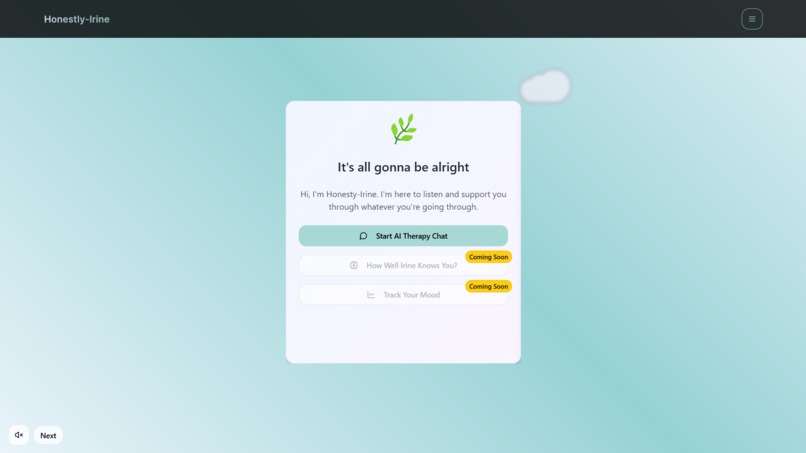
Main Interface
-
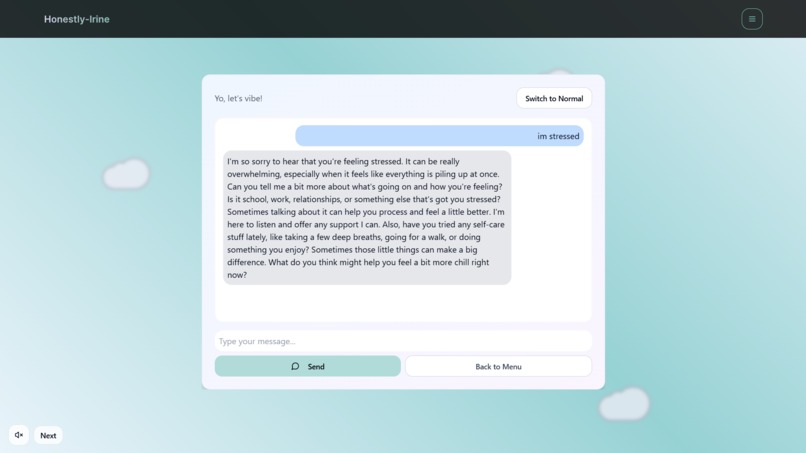
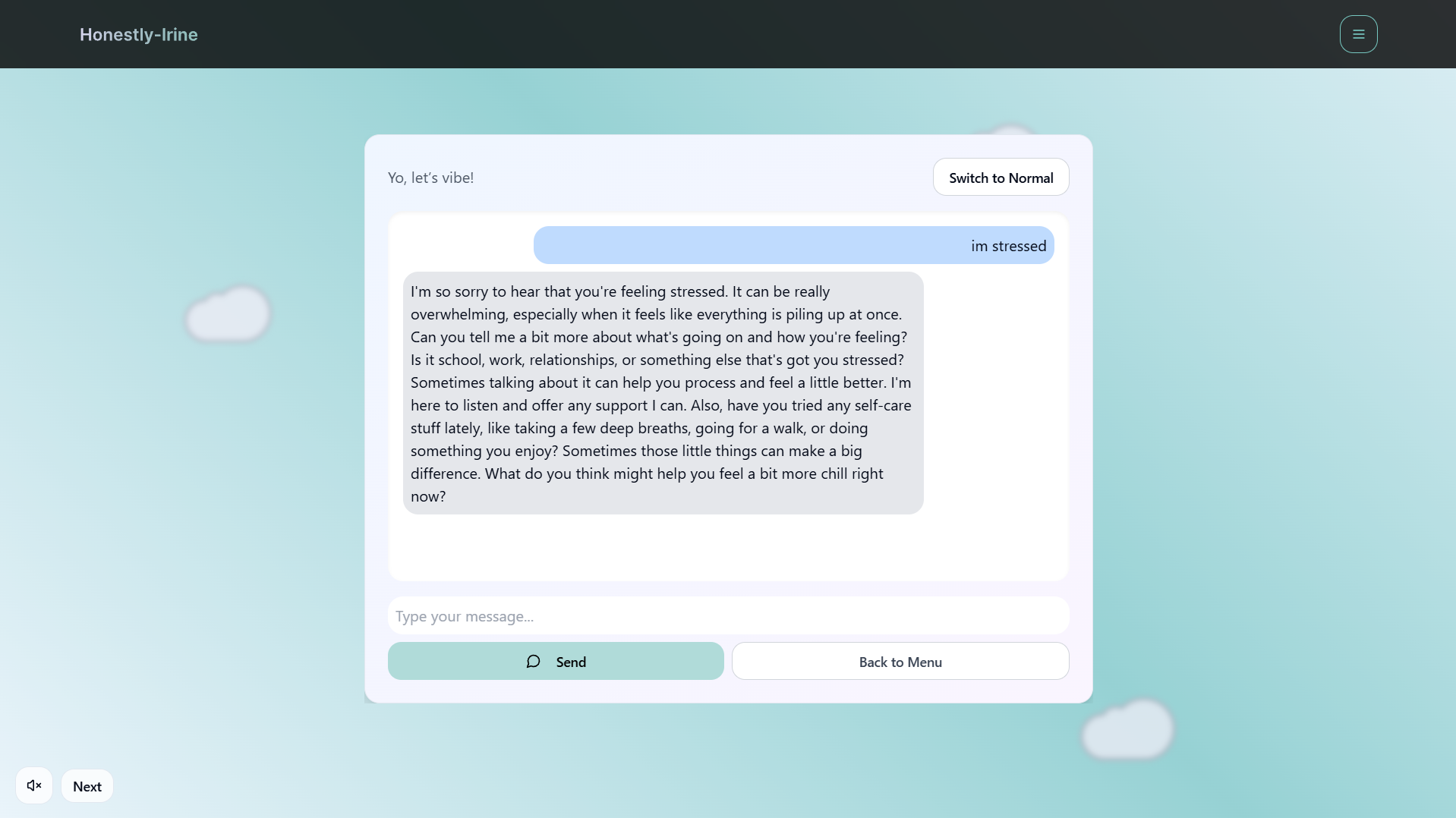
Chat box
-
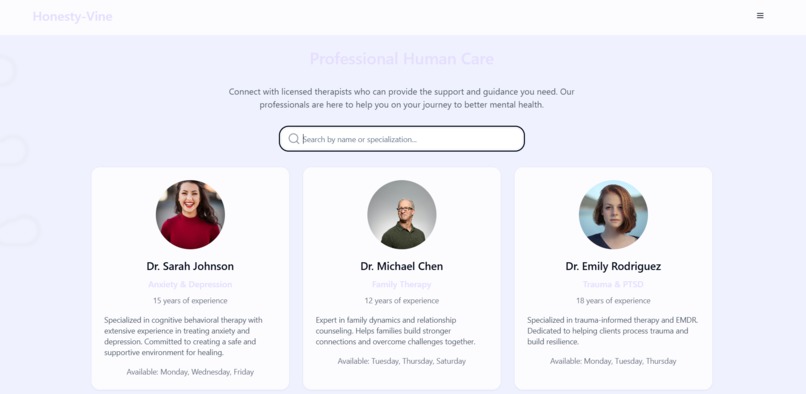
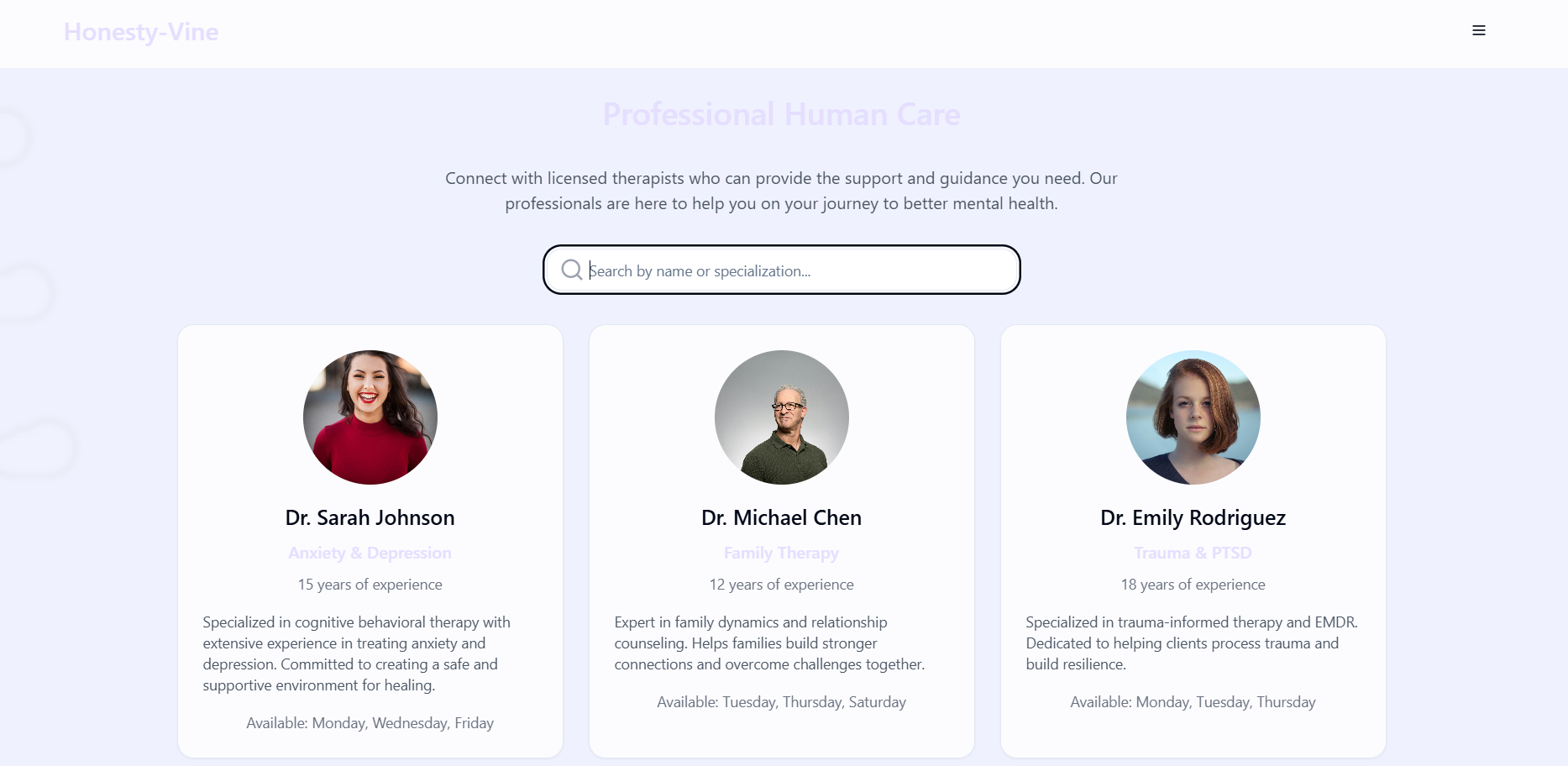
Human Care Support
-
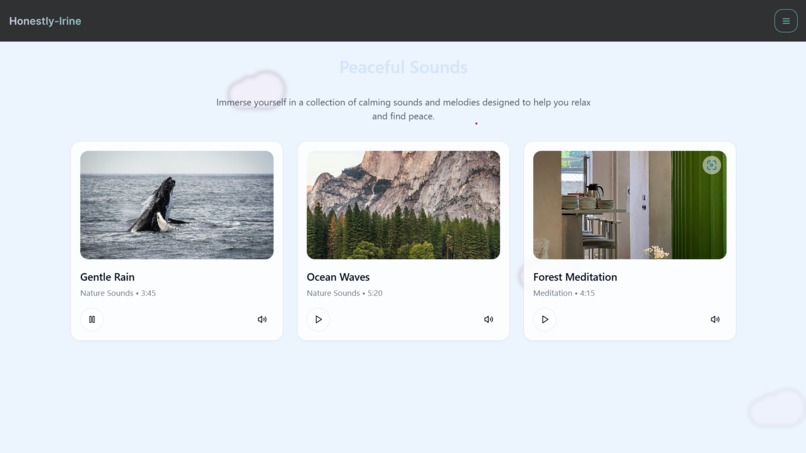
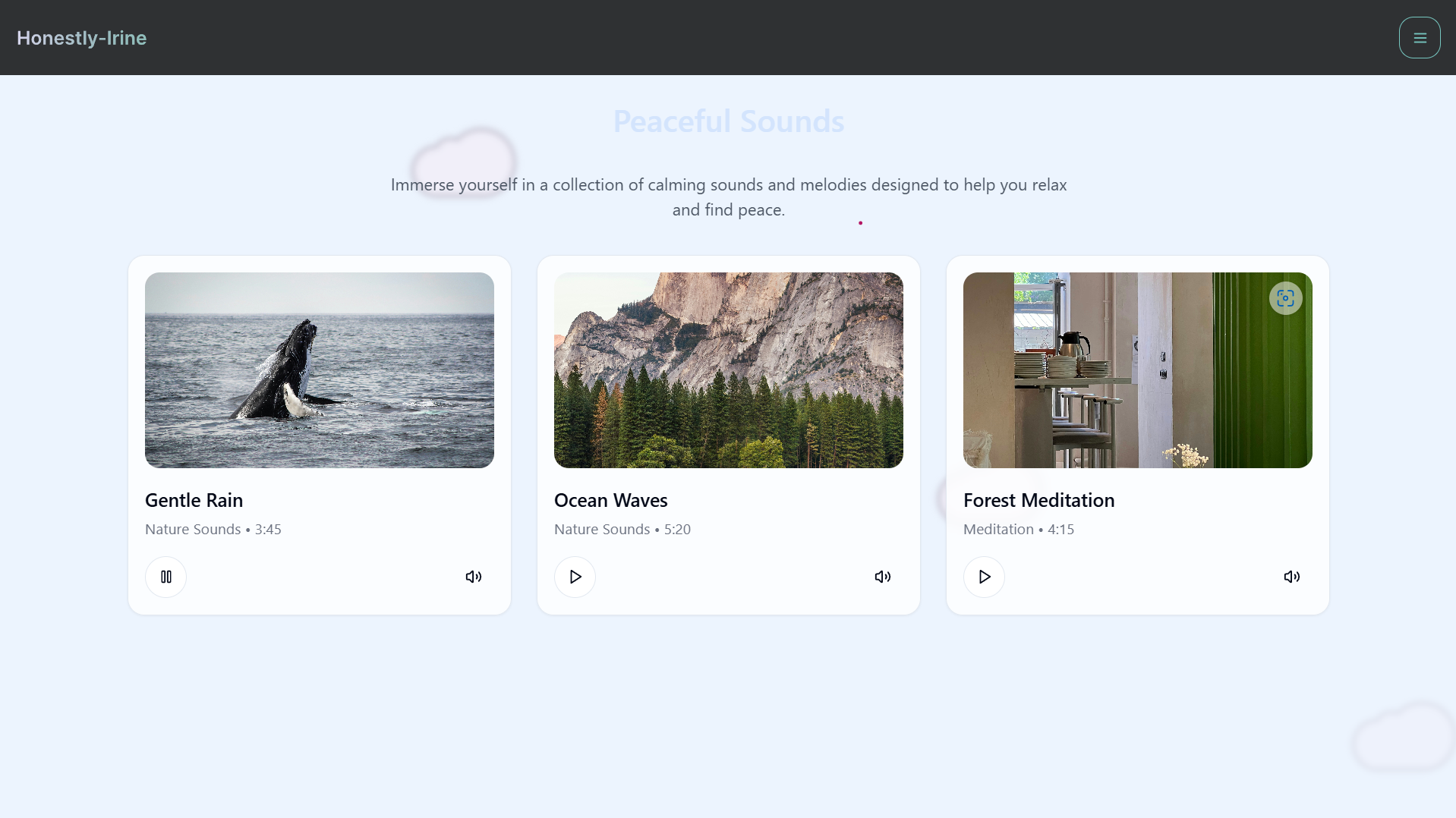
Peaceful- Sound
-
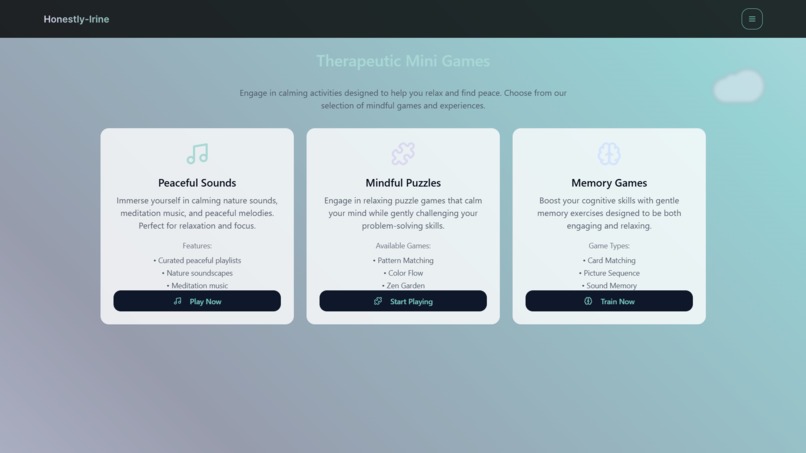
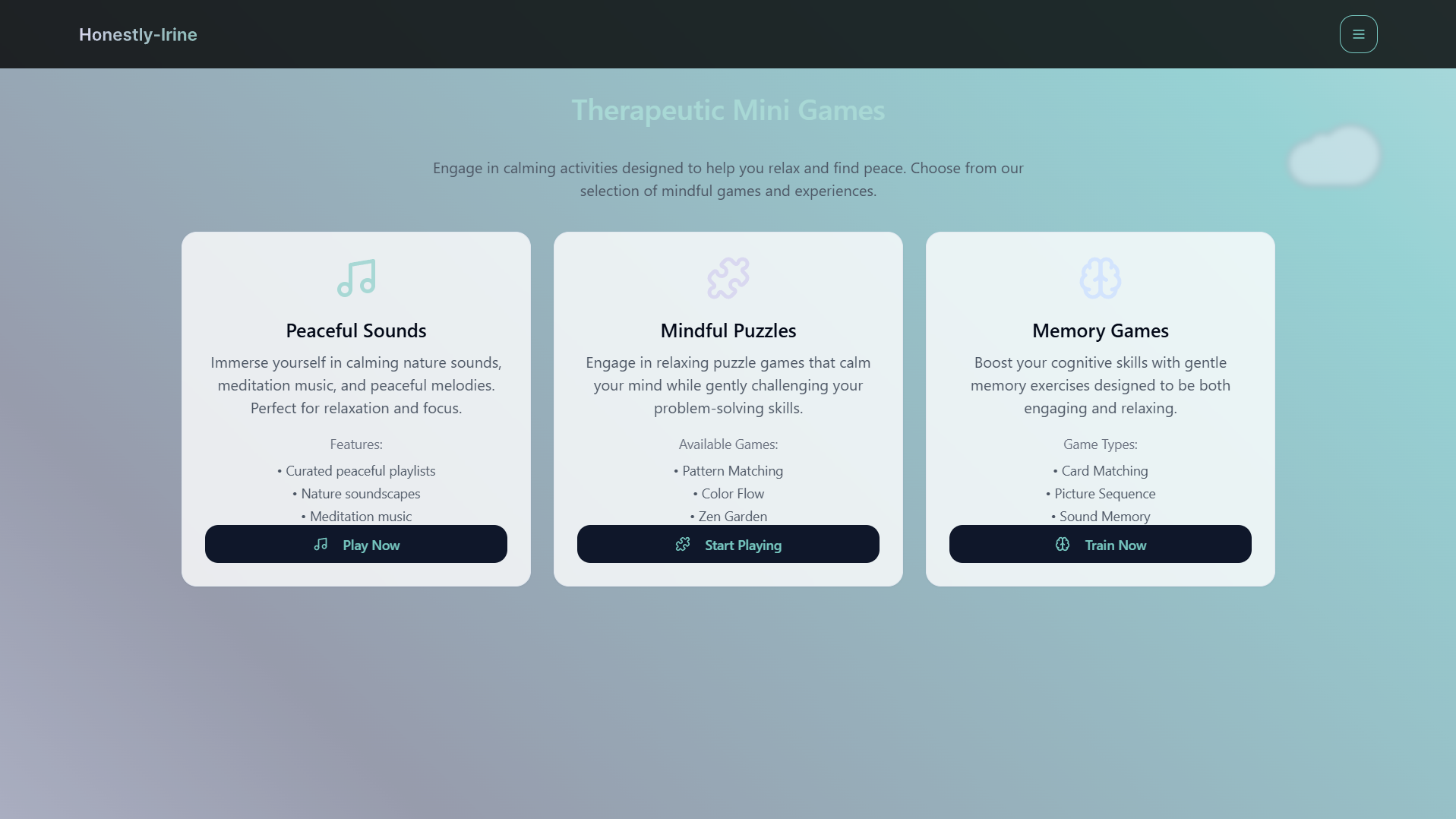
Therapeutic Mini Games
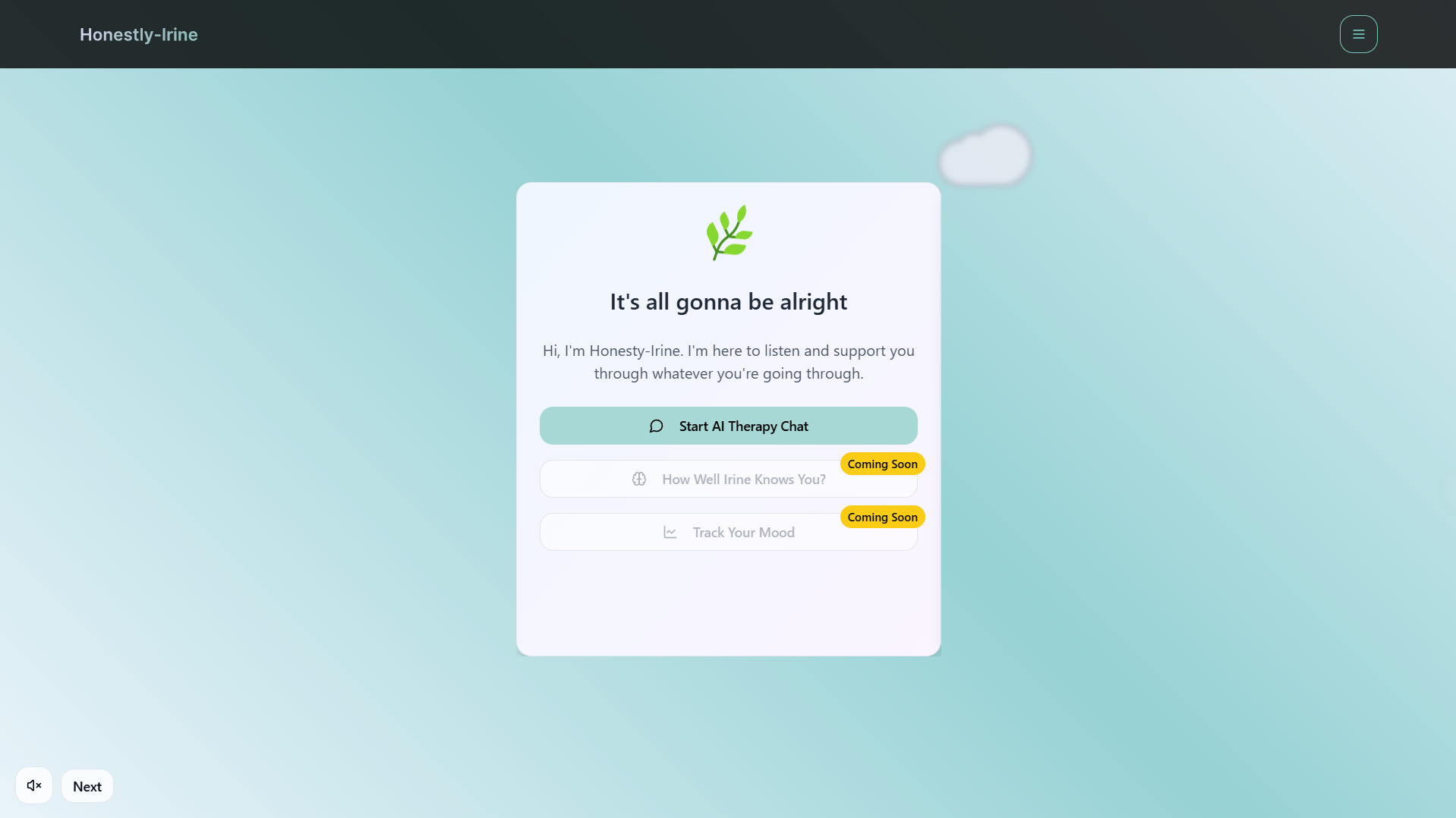
Inspiration So, the whole idea behind this project came from wanting to tackle loneliness and anxiety in a way that’s accessible to everyone. I mean, mental health stuff can feel so isolating, right? We figured, why not use tech to bring people together whether that’s through an AI that actually listens or a safe, anonymous space to connect with someone who gets it. The fact that it’s all built with free, open-source tools just makes it even cooler like, we’re keeping it real and affordable.
What it does This chatbot’s got two big things going for it. First, there’s the AI therapy side—powered by Meta’s LLaMA model where you can just vent or talk things out, and it responds like a super empathetic friend who never judges. Then, there’s the peer chat vibe, kinda like Omegle but safer, where you get matched with someone to text or talk for up to three free 15-minute sessions. It’s got built-in moderation to keep things chill no creepy images or toxic chats—and if someone’s in a crisis, it’ll spot that and connect them to real human help, like a hotline. Oh, and it’s all anonymous, so no pressure.
How we built it We started with a React frontend to make the chat interface clean and simple—think a text window, a send button, and a little timer ticking down. The backend’s all Python with FastAPI, handling the AI responses and peer matching. We hooked up LLaMA through Hugging Face’s transformers library for the therapy part, and tossed in some open-source models to flag anything sketchy, like NSFW pics or harmful text. MongoDB keeps track of anonymous chat logs—don’t worry, they wipe after 24 hours—and we’re hosting it all on AWS with Docker containers. It’s a lean setup, but it gets the job done.
Challenges we ran into Man, there were some headaches along the way. Getting LLaMA to run smoothly without eating up all our resources was tricky those big models can be hungry! We had to dial it back to the smaller 7B or 13B versions. Also, the moderation stuff wasn’t perfect at first; some weird edge cases slipped through, so we had to tweak the Hugging Face pipelines a bunch. And syncing the frontend and backend? That took some late-night coffee runs to figure out. Oh, and staying under AWS’s free-tier limits was like playing budget Tetris.
Accomplishments that we’re proud of Honestly, pulling this off with just open-source tools feels awesome. The AI actually sounds human and supportive like, it’s not just spitting out robot answers. The peer chat works slick too; matching people by topics like “loneliness” and keeping it safe is a win. And the crisis detection? That was huge knowing it can catch something serious and get someone help makes it all worth it. Plus, deploying it on AWS without breaking the bank? We’re pretty stoked about that.
What we learned We picked up a ton along the way. Turns out, you can do a lot with free tools if you’re creative Hugging Face is a goldmine. We also learned how tricky sentiment analysis can be; tuning it to spot a real crisis without freaking out over every sad word was a balancing act. And Docker? Total game-changer for deployment wish we’d jumped on that sooner. Oh, and teamwork under pressure nothing like a tight deadline to figure out who’s clutch.
What’s next for Irine - Mental Health Chatbot Down the road, we’d love to add video chat once we’ve got the bandwidth text and voice are great, but face-to-face could be next-level. Multilingual support’s on the wishlist too, so more people can use it. We’re also thinking about an admin dashboard to keep an eye on things, maybe polish the UI a bit more based on beta feedback. And if we can squeeze in some extra testing to make the moderation even tighter, that’d be sweet. Basically, we want Irine to keep growing into something that really helps people, one chat at a time.


Log in or sign up for Devpost to join the conversation.