-
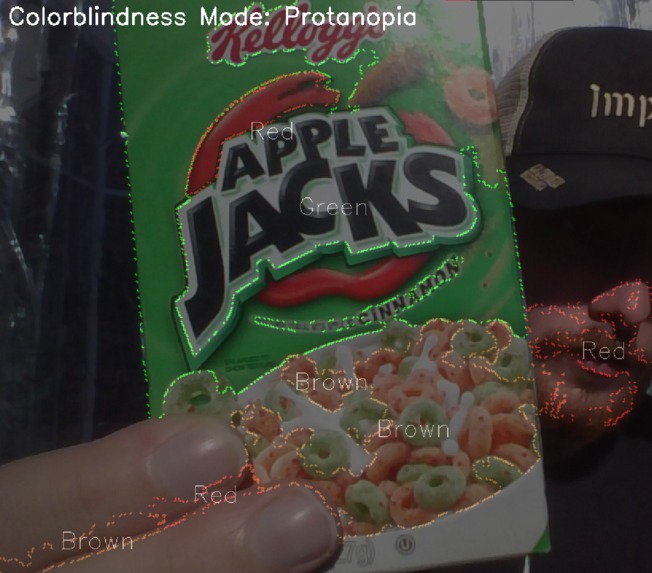
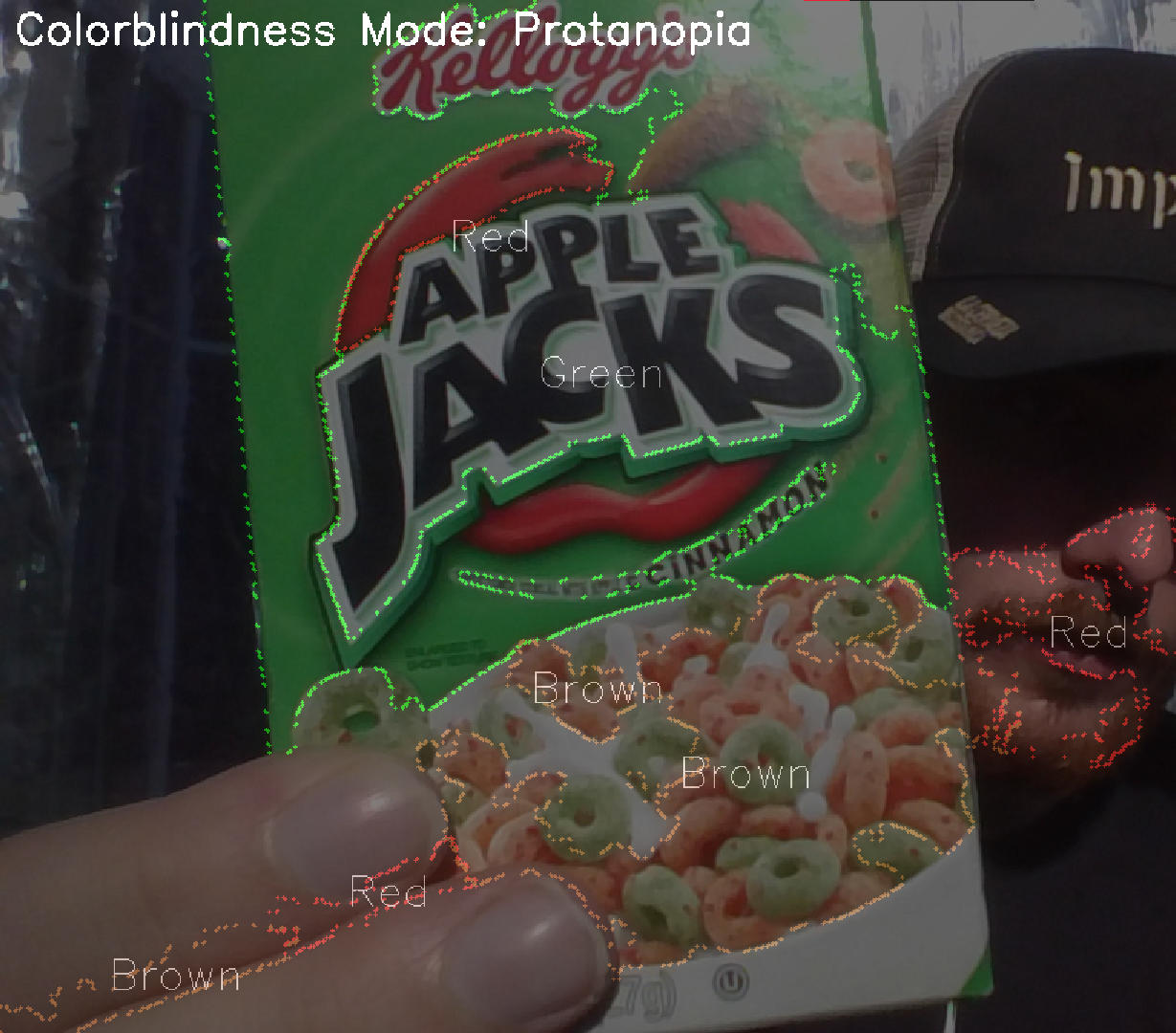
Red/Green Colorblindness overlay
-
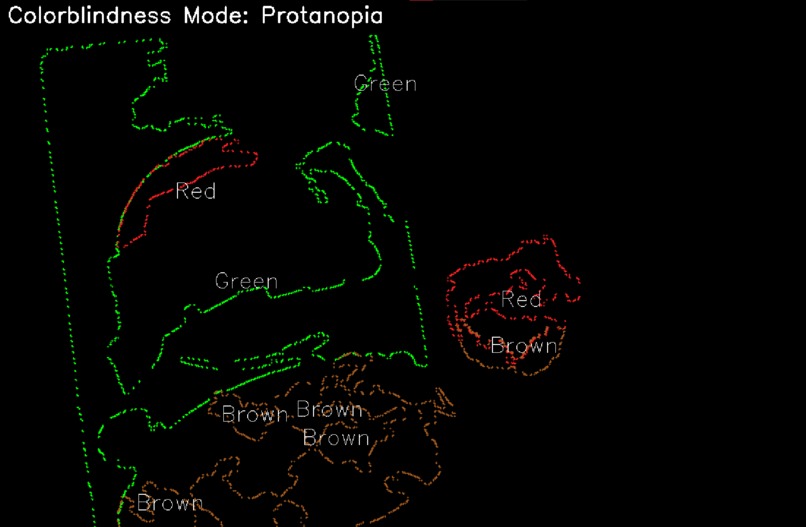
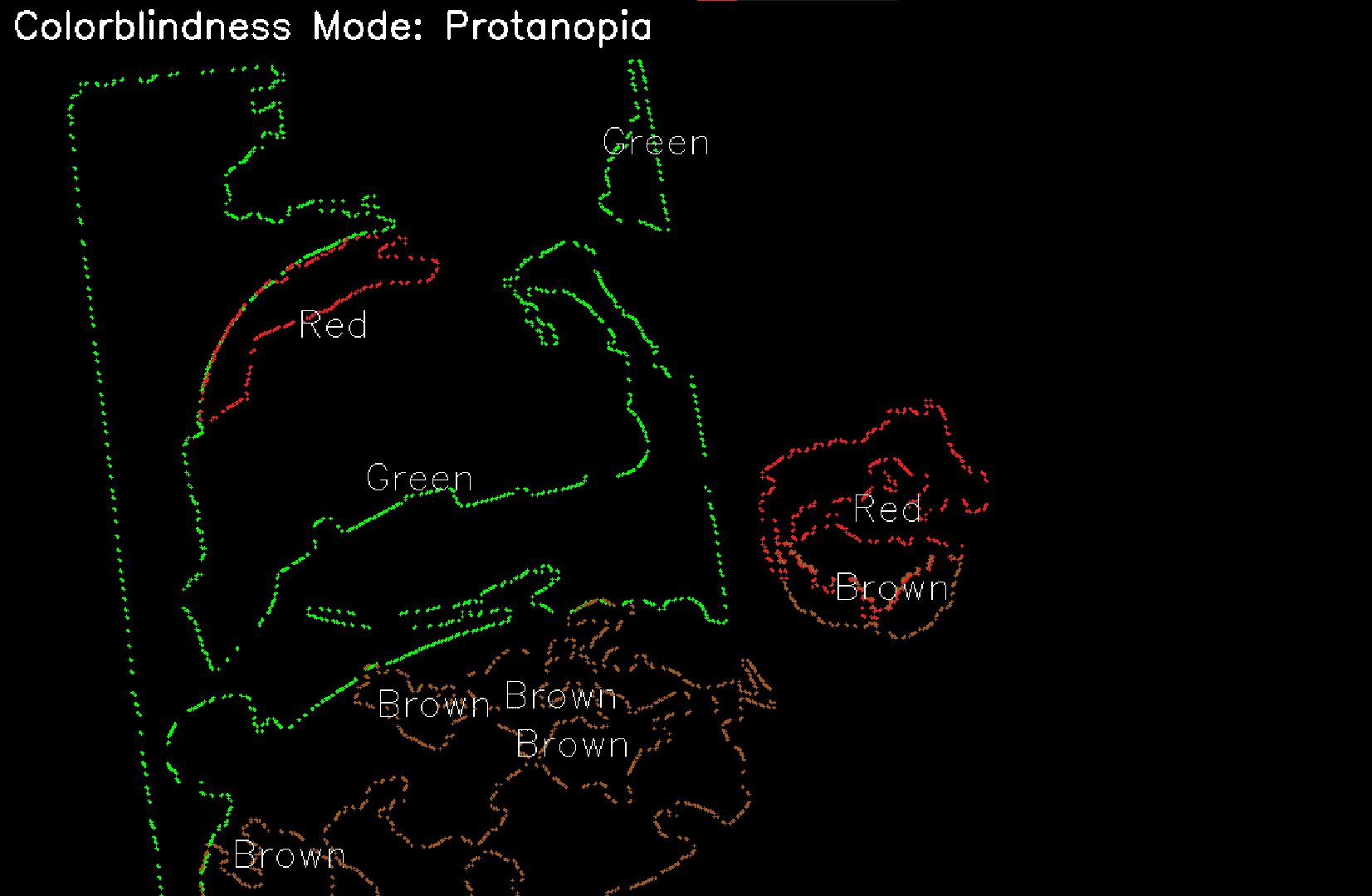
Wireframe for AR display
-
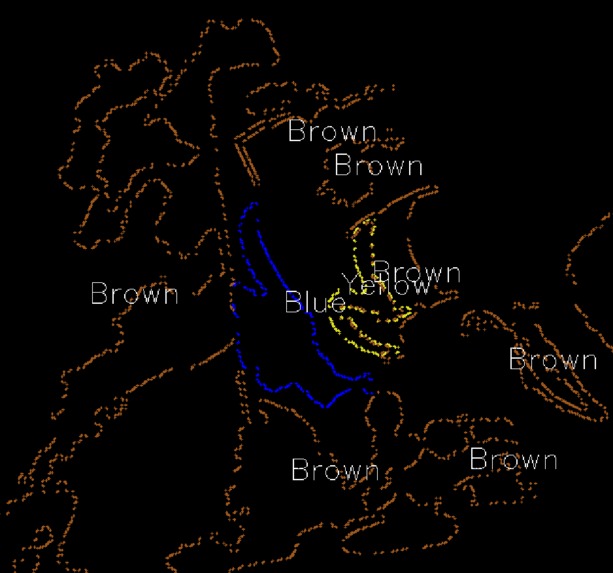
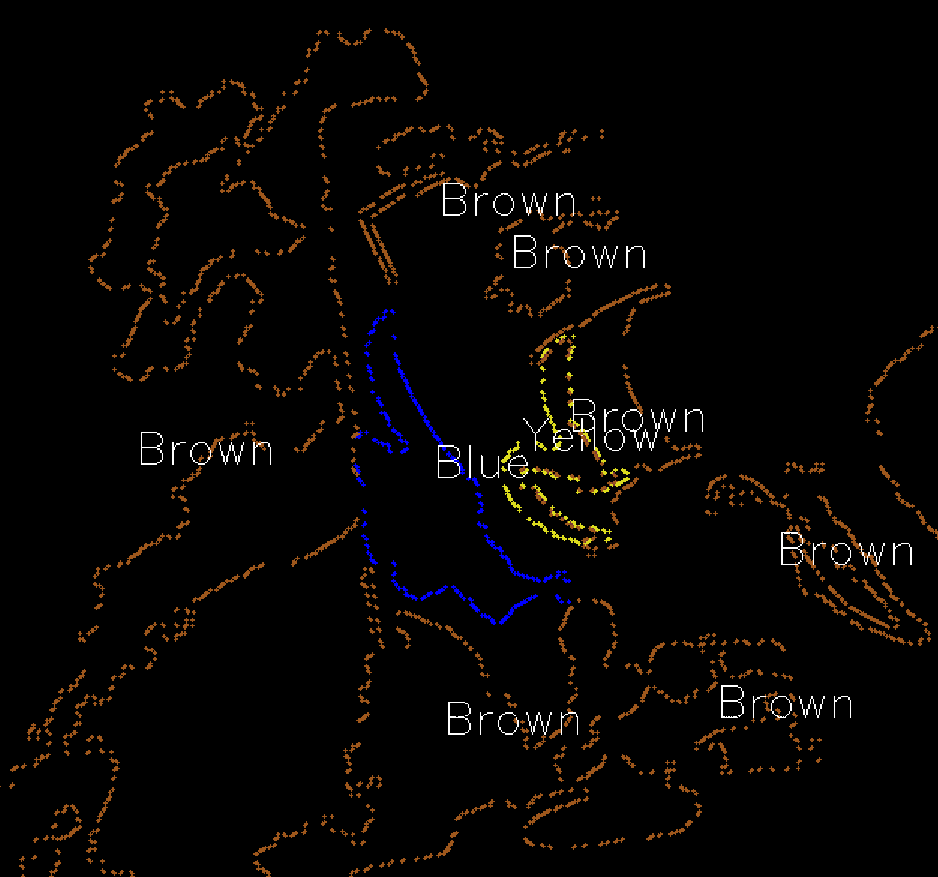
Overlay for achromatopsia (complete colorblindness)
-
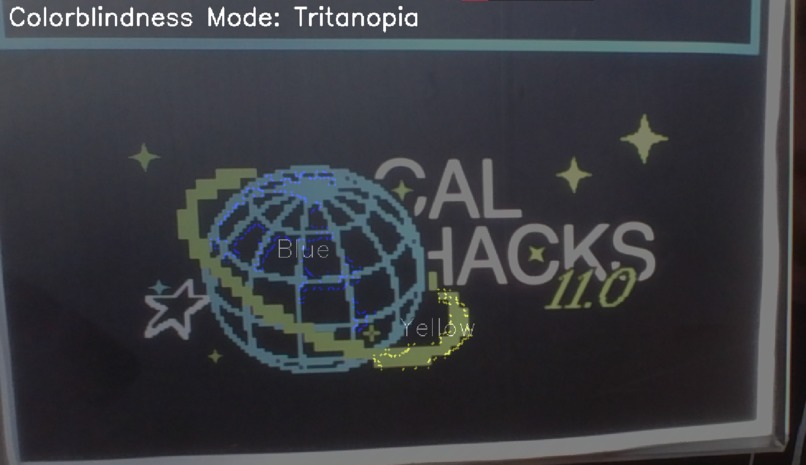
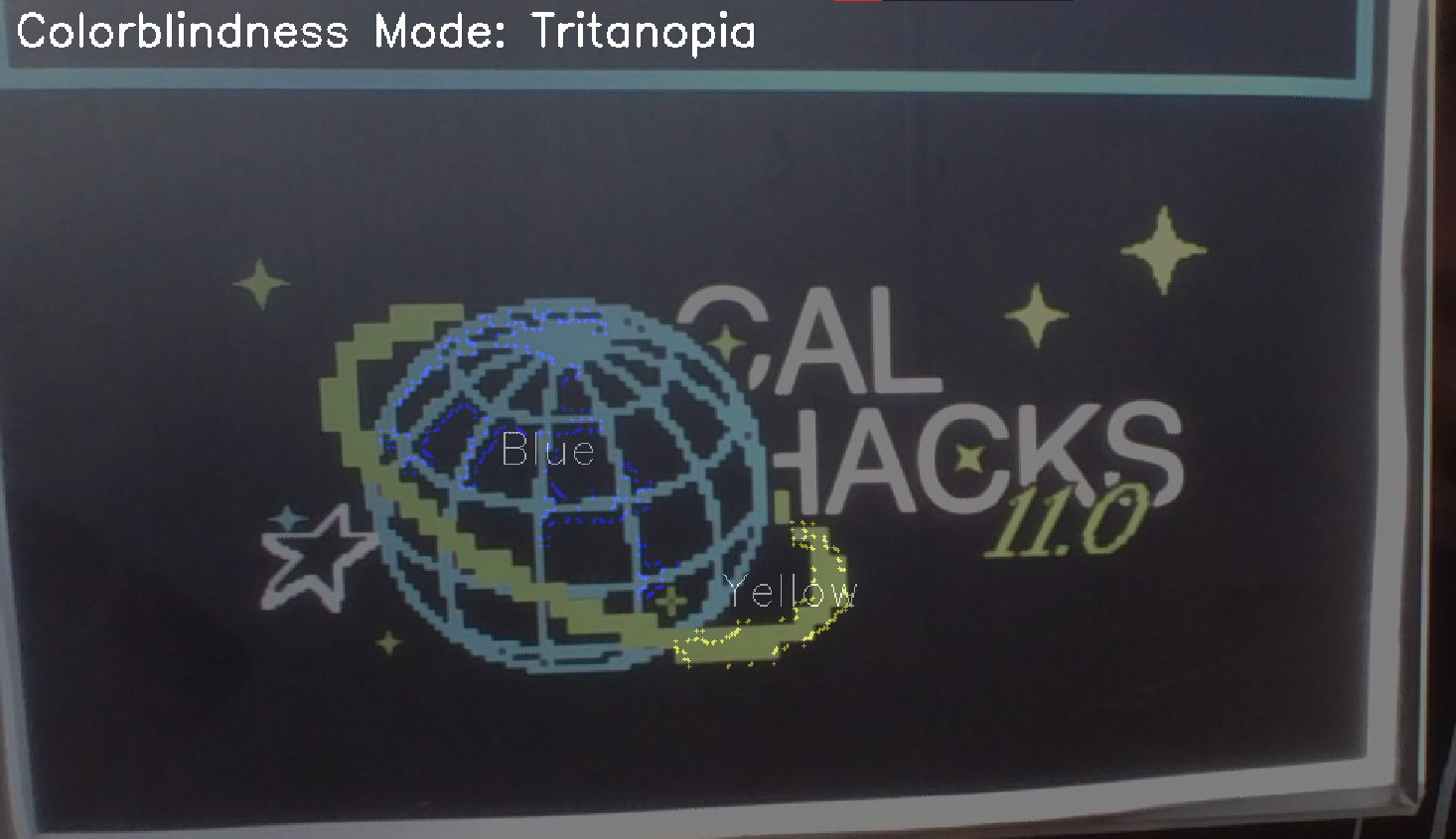
Calhacks for tritanopia (blue/yellow)
Inspiration
I had read about AR overlays giving subtitles for the deaf in normal conversations and wondered if this technology could be used to aid any other disability. Being colorblindness myself, to find the answer all I had to do was look around.
What it does
Generates an overlay for video streams to label specific color groups a user has difficulty differentiating. The web version allows users to snap a picture to be analyzed and labeled.
How we built it
We used python and the openCV library to generate color contours and process the video data. The portable version is hosted on a website using reflex to enable greater access to the utility.
Challenges we ran into
The main challenge of developing a CV algorithm looking for color groups is fine tuning the search for accuracy in different lighting conditions and preventing double classifications. We had to abbreviate the algorithm and optimize it for web deployment.
Accomplishments that we're proud of
We were able develop the underlying routine in a few hours and it gave us ample time to tune and port Iridisee for different platforms.
What we learned
Computer Vision is extremely flexible and easy to use. Seeing it first hand opened a whole new world of possible applications in the AR space. Web development is not to be underestimated. The project was first written as a standalone application, writing it for the intended platforms from the beginning would have saved a lot of time.
What's next for Iridisee
The image processing software is currently 2 dimensional only in a 3D world. For true integration with AR, generated masks will be specially consistent with the space by processing two different image feeds and resolving the label placement to a single point. This technology lends itself to mobile development which we don’t not get around to.

Log in or sign up for Devpost to join the conversation.