Inspiration
Industrial workers can be exposed to dangerous chemicals for months or years without seeing, smelling, or immediately feeling the risk. Welders, miners, metalworkers, and other frontline workers may only discover the effects after serious health damage has occurred.
We interviewed three welders in the United States and studied existing workplace-monitoring methods. Their experiences showed us that many current solutions are expensive, complicated, dependent on trained specialists, or provide results only after laboratory analysis. We were inspired to create a simpler way for workers to recognize cumulative exposure themselves.
What Iridescent Does
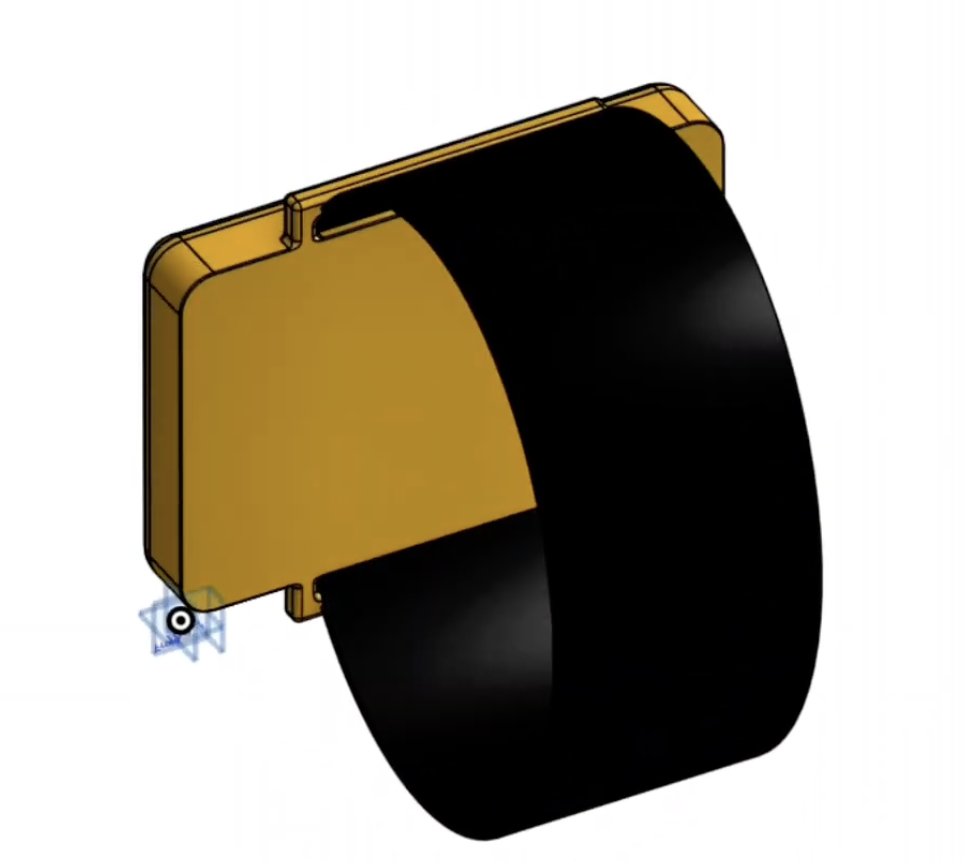
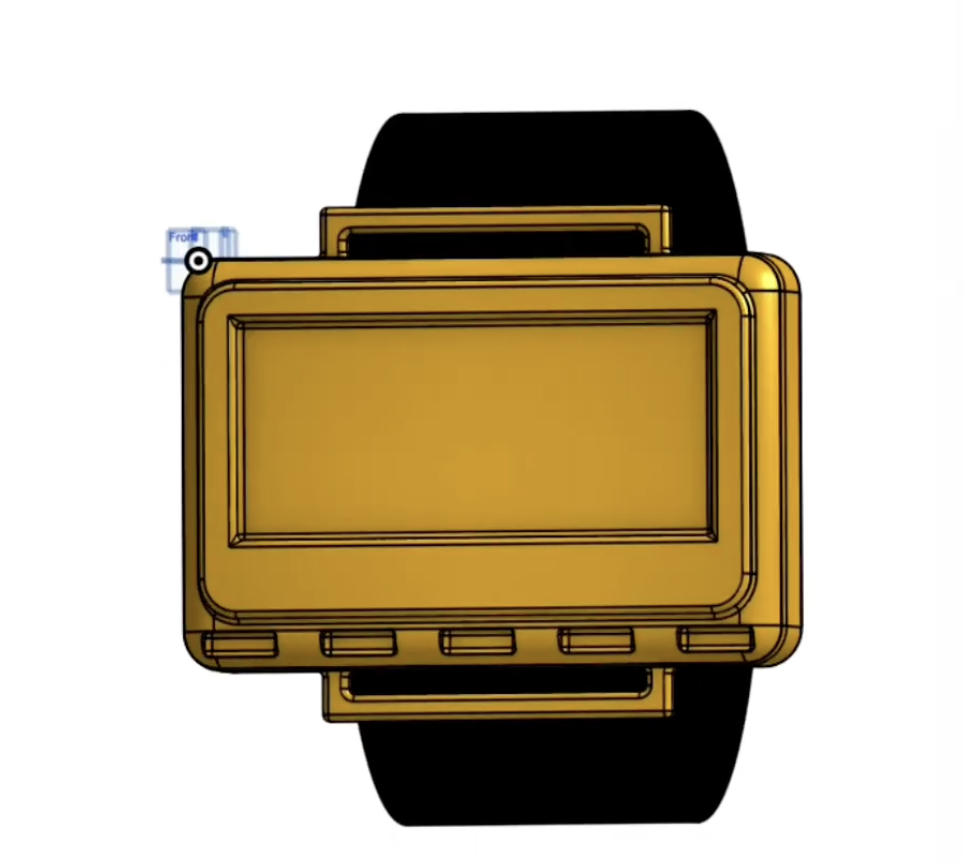
Iridescent is a low-cost, passive wearable badge designed to make invisible chemical exposure visible.
The badge contains a chemical-sensitive material that gradually and permanently changes color as exposure builds over time. Workers can understand the warning at a glance without batteries, electronics, software, calibration, or numerical readings.
Iridescent is not intended to replace certified workplace monitoring equipment. It provides an additional layer of personal awareness that may encourage workers and supervisors to investigate unsafe conditions sooner.
How We Developed the Project
We began by researching occupational chemical hazards and passive chemical dosimetry—the process of recording accumulated exposure over time.
We then:
- Interviewed welders to understand real workplace concerns.
- Conducted a representative Likert-scale survey with 385 responses to evaluate the need for a simple exposure-warning product.
- Studied electronic gas monitors, laboratory-analyzed badges, and passive detector tubes.
- Identified the major limitations of current options, including cost, complexity, delayed feedback, and limited worker access.
- Designed a wearable badge concept that prioritizes simplicity, visibility, affordability, and ruggedness.
- Developed a color-based warning system that can be interpreted without technical training.
- Explored how the badge could be manufactured, attached to personal protective equipment, and distributed at PPE-level cost.
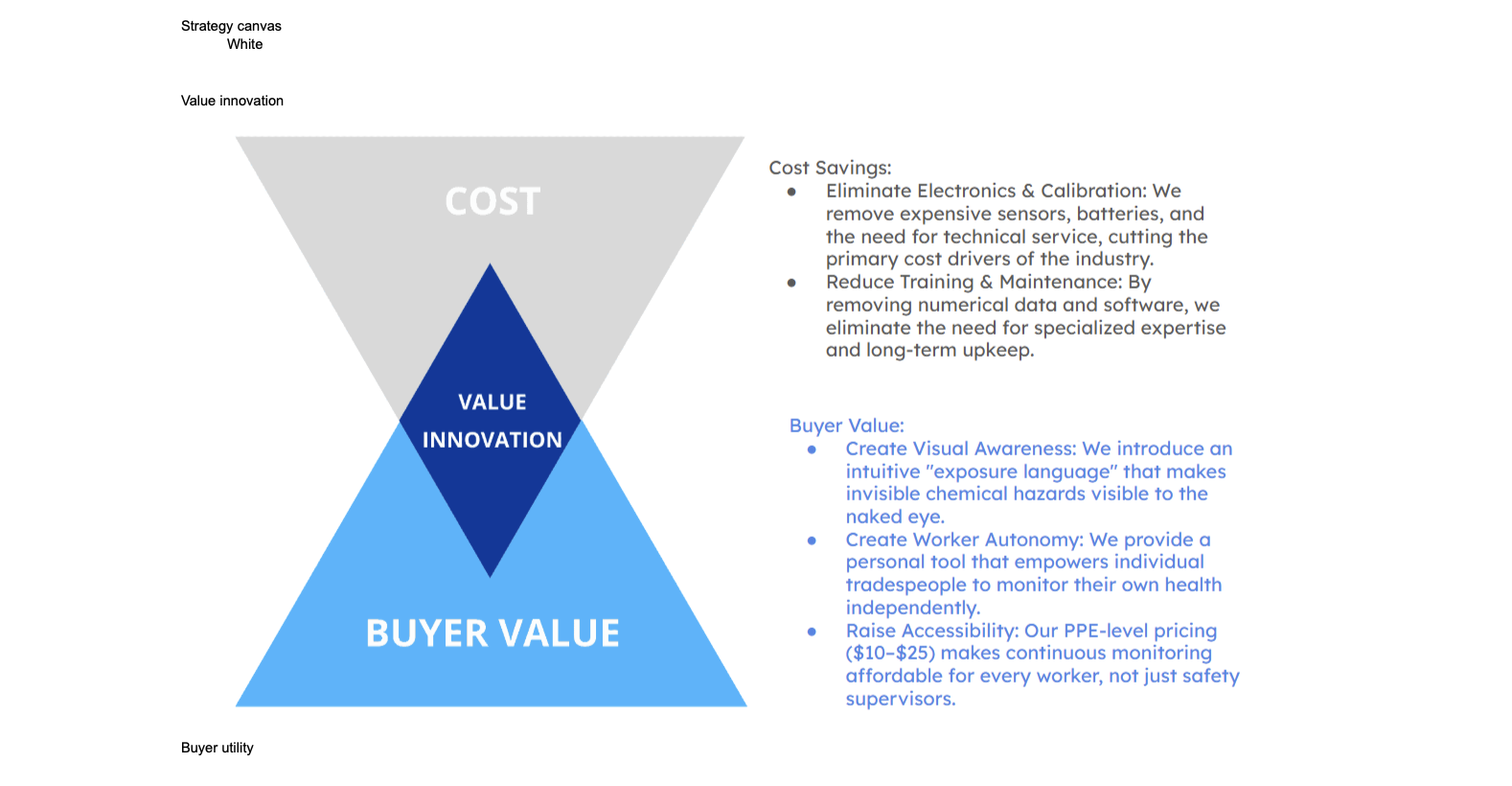
Our design removes features that make traditional monitoring systems expensive and difficult to use while creating a direct, personal visual warning for the worker.
What Makes It Innovative
Most occupational monitoring products compete through greater precision, more electronics, and more detailed data. Iridescent takes a different approach.
Instead of asking, “How can we measure exposure more precisely?” we asked:
How can we make cumulative chemical exposure visible, understandable, and accessible to every worker?
Iridescent creates a new category between basic protective equipment and advanced monitoring instruments. Its value comes from being passive, affordable, easy to understand, and continuously visible.
What We Learned
We learned that successful innovation does not always require complicated technology. Sometimes the greatest impact comes from redesigning how people receive important information.
We also learned that chemical detection is highly specific. Different hazardous substances may require different sensing materials, exposure ranges, and color-change reactions. A scientifically reliable product must balance sensitivity, durability, readability, safety, and affordability.
Most importantly, we learned that workers should not have to depend entirely on centralized systems to know when their environment may be putting their health at risk.
Challenges We Faced
Our greatest challenge was simplifying a complex scientific problem without creating a misleading sense of safety. A color-changing badge must be easy to read, but its response must also be reliable under changing temperature, humidity, dust, and workplace conditions.
Other challenges included:
- Selecting safe chemical-sensitive materials
- Preventing false warnings or missed exposure
- Designing for different chemicals and exposure limits
- Making the color change clear under industrial lighting
- Protecting the sensor while still allowing contaminated air to reach it
- Keeping manufacturing costs low
- Clearly distinguishing awareness from regulatory compliance
These challenges helped us define the testing, material selection, and expert guidance required before the product could be used in real workplaces.
Potential Impact and Next Steps
Iridescent could help welders, miners, construction crews, refinery employees, utility workers, and other industrial professionals recognize invisible risks earlier.
Our next steps are to collaborate with chemistry and occupational-safety experts, select one target chemical for the first version, develop a functional prototype, test it under controlled conditions, and compare its color response with established monitoring methods.
Our long-term goal is simple:
Make invisible chemical exposure visible before it becomes irreversible harm.
Built With
- ai
- cad
- python
