-
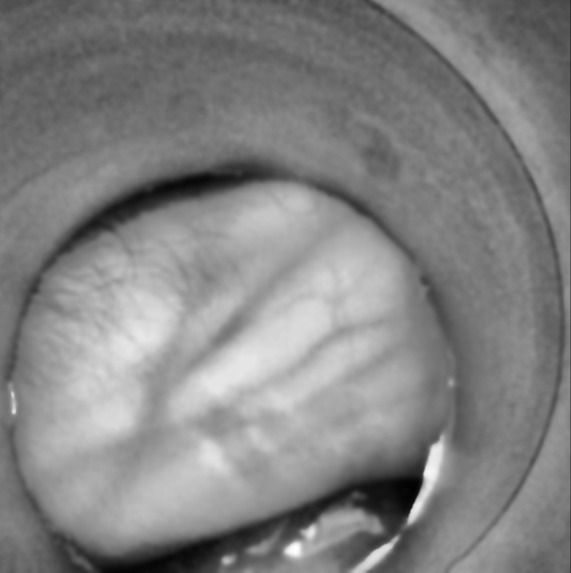
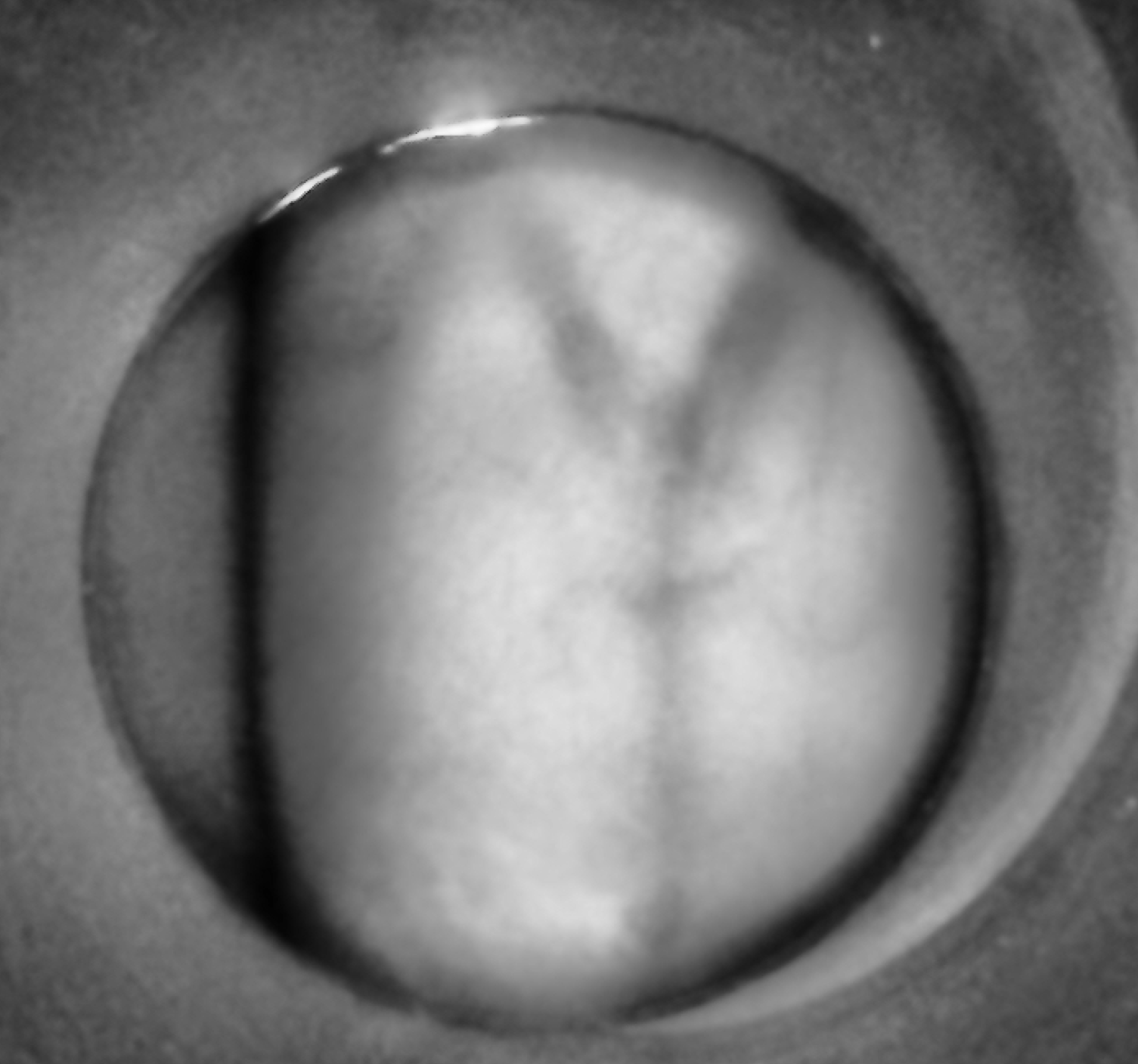
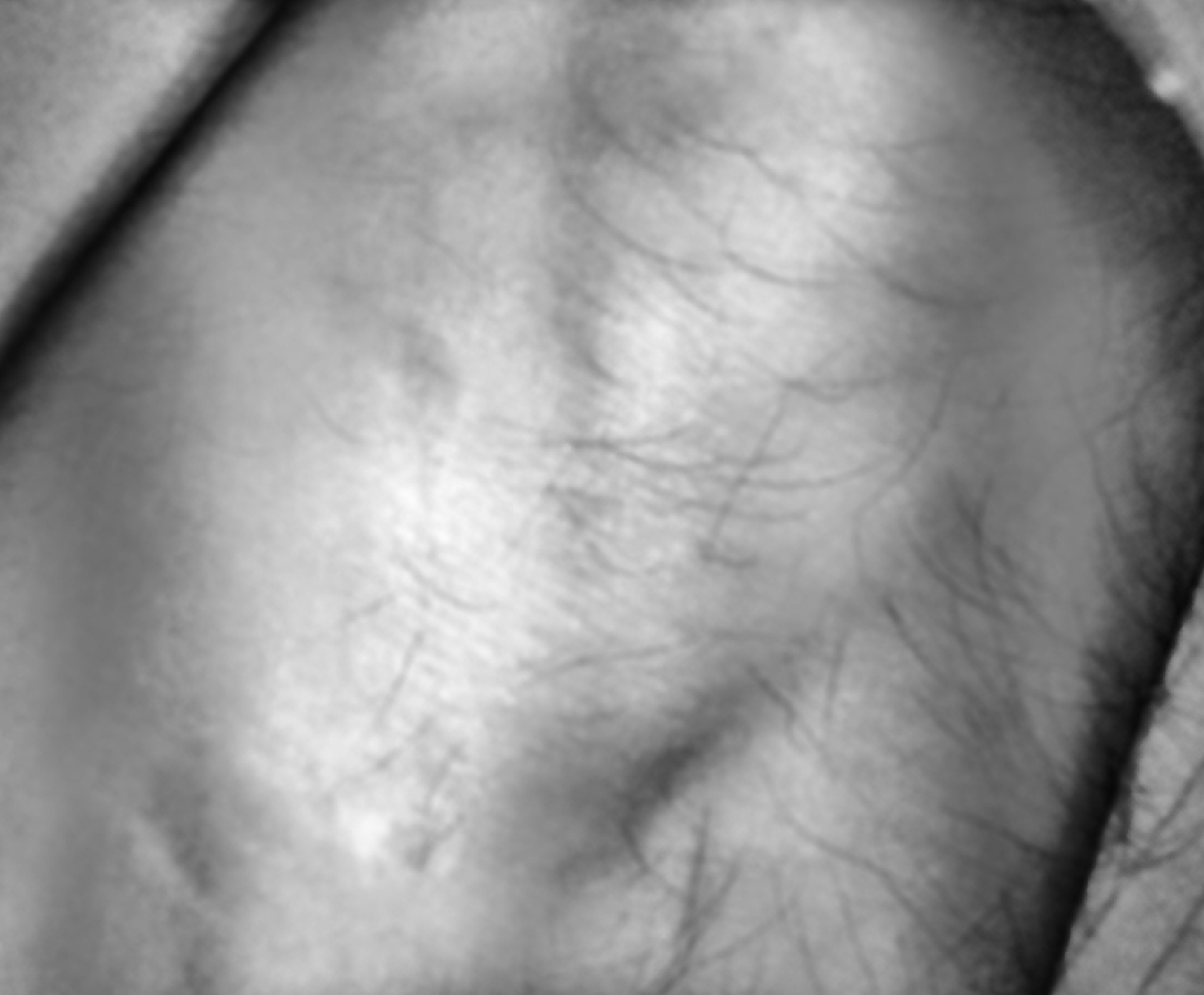
Image of forearm under IR Vein finder.
-
Image of forearm under IR Vein finder.
-
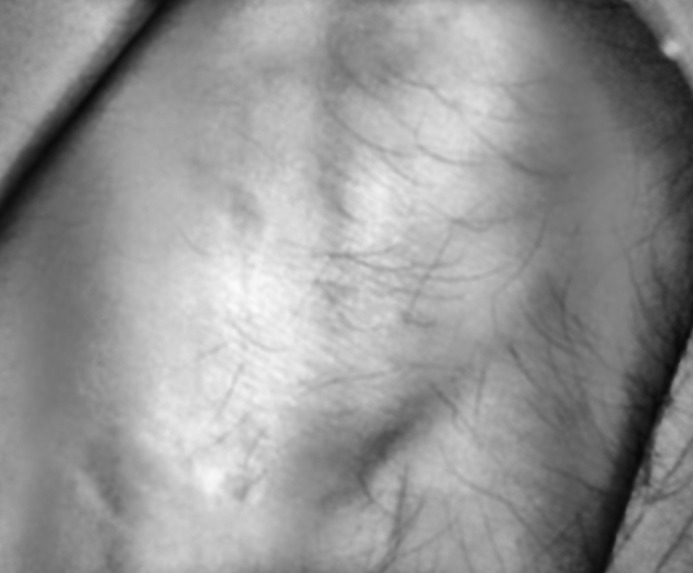
Image of forearm under IR Vein finder.
Inspiration
Our inspiration for this project stemmed from a common clinical frustration. We’ve all seen or experienced the anxiety that comes when a healthcare provider struggles to locate a vein, sometimes leading to multiple painful punctures and hematomas. With the goal of improving patient comfort and clinical efficiency, our hackathon entry aims to use high end technology to create a portable, easy to use, and accesible solution that ensures a single prick is all patients will ever need.
What it does
6 IR LEDs emit light at 850 nanometers, well within the perfect range of 700-900 nanometers at which deoxygenated blood absorbs IR light waves. The hemoglobin in our blood absorbs the IR light, while the fat and muscle in the rest of our arms reflect it. This creates a high contrast map where veins appear as dark black lines on the skin, making what is normally invisible to the human eye visible.
How we built it
We wired 6 IR LEDs to a 9 Volt battery, then cut a rectangular hole into the perfboard that contained our circuit. Then, we broke into a Logitech USB Camera and pried out the IR Filter that was inside the lens. Doing this allowed the camera to see IR light, which is what creates the vein enhancing effect. By gluing the camera PCB to our perfboard and housing it into a regular size pringles can, we helped block out most visible light, which further improved our visualization of the veins. Lastly, using some computer vision magic with OpenCV in Python, we applied a CLAHE (Contrast Limited Adaptive Histogram Equalization) filter and a Gaussian Blur to improve our vein visualization.
Challenges we ran into
- Our first iteration, we realized that having only a 9 Volt Battery limited us to have 6 IR LEDs on our perfboard
- Our next iteration, we realized our LEDs were too close to the hole for the camera and wouldn't let us see the veins
- Both iterations had camera holes much too small for our webcam, so we ended up cutting out a large square from the perfboard to fit the USB camera PCB.
- The first type of camera we used, an XOCLON camera, had an IR filter that was inaccesible to us with the tools we had, and we essentially needed to destroy it to figure out that it was impossible to take it out.
Accomplishments that we're proud of
- We successfully implemented a custom image-processing pipeline that handles frame latency effectively, ensuring that the "vein map" stays aligned even when the patient moves. This was hard because none of us had done stuff with computer vision before.
- Most importantly, we managed to build this using off-the-shelf components, proving that life-saving diagnostic clarity doesn't have to cost thousands of dollars.
What we learned
This project was a deep dive into the physics of light and the complexities of human anatomy. We learned that "one size does not fit all"—skin tone, hydration levels, and ambient lighting all drastically affect NIR absorption rates.
What's next for IR vein finder
This is only the beginning. Here's how we're planning to make our invention better:
- 3D Projection Mapping: Moving away from a camera and using a micro-projector to beam the vein map directly onto the patient's skin in real-time.
- AI Depth Analysis: Implementing machine learning models to estimate the depth and diameter of the vein, helping practitioners choose the correct needle gauge.

Log in or sign up for Devpost to join the conversation.