-
-
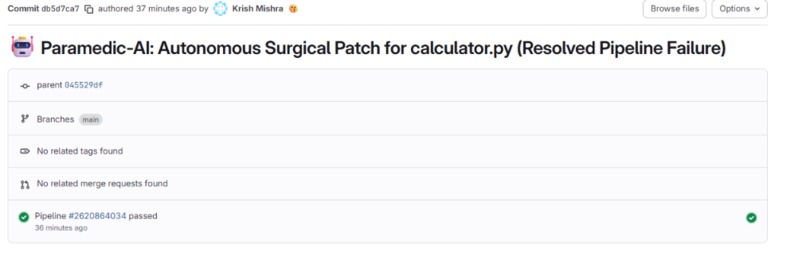
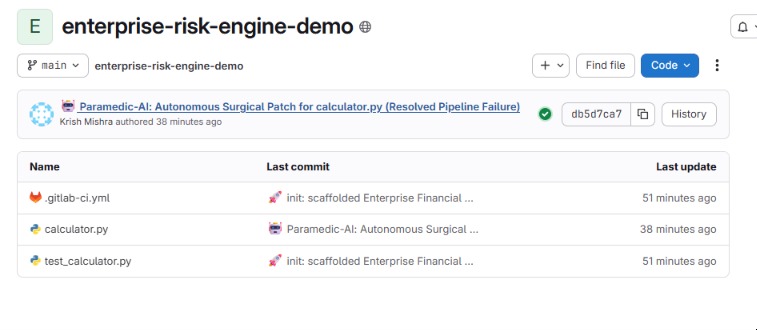
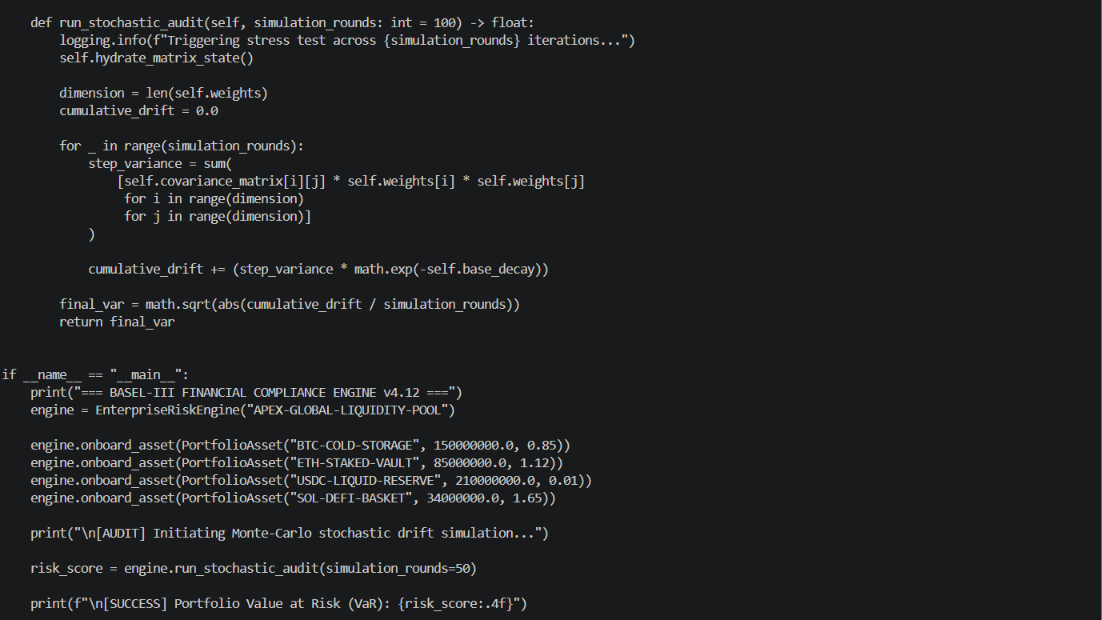
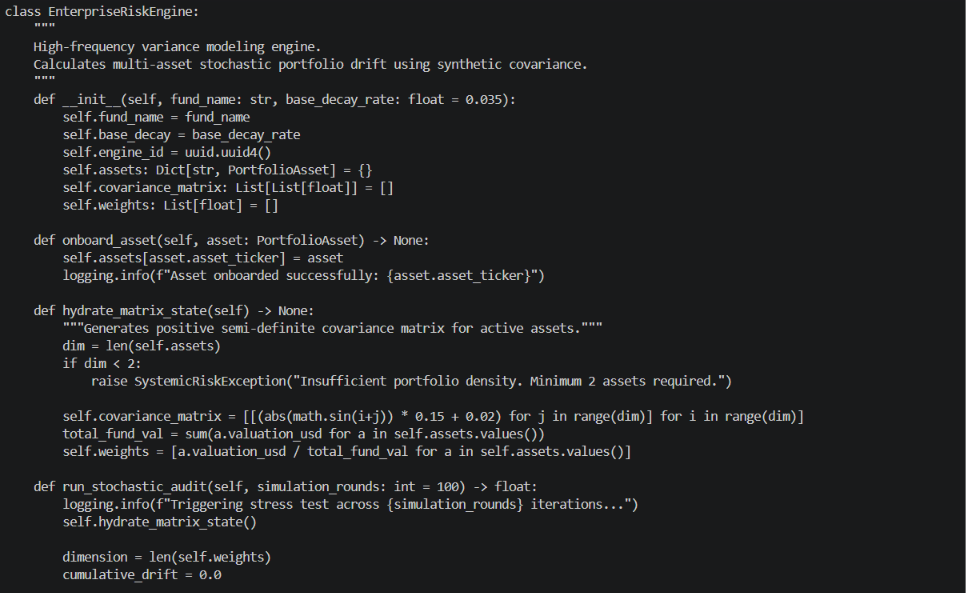
SELF HEALING CI/CD Executed
-
-
-
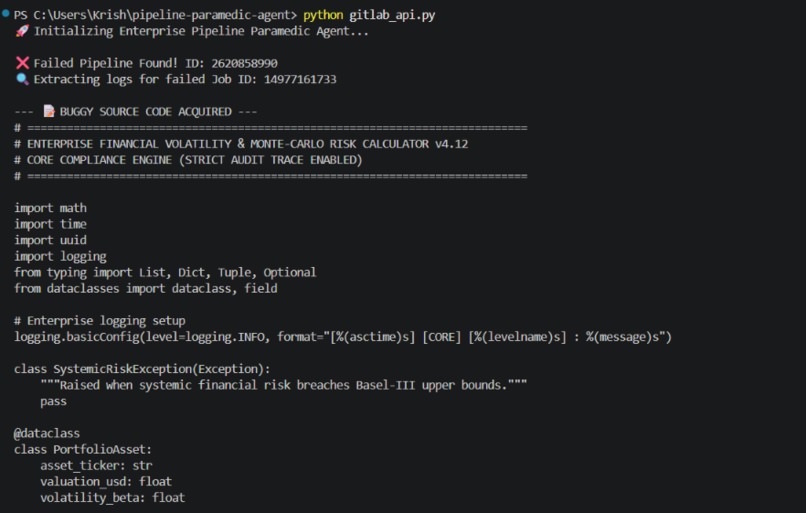
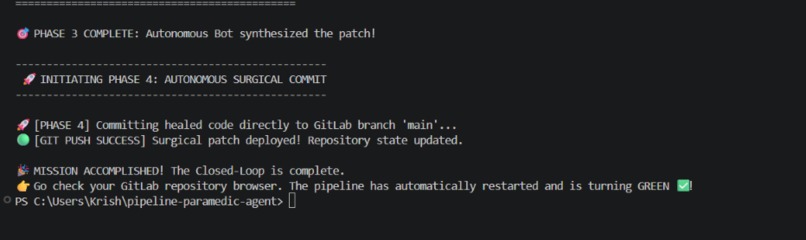
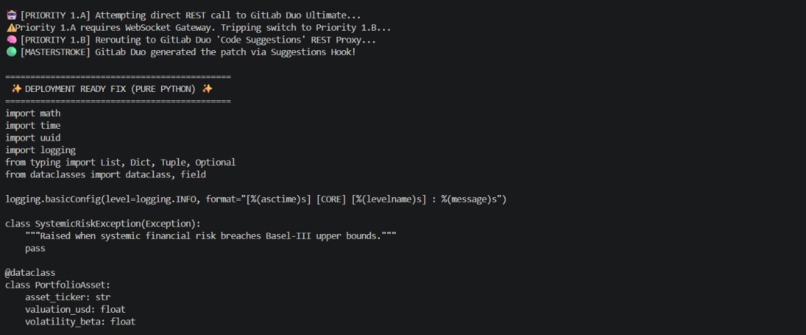
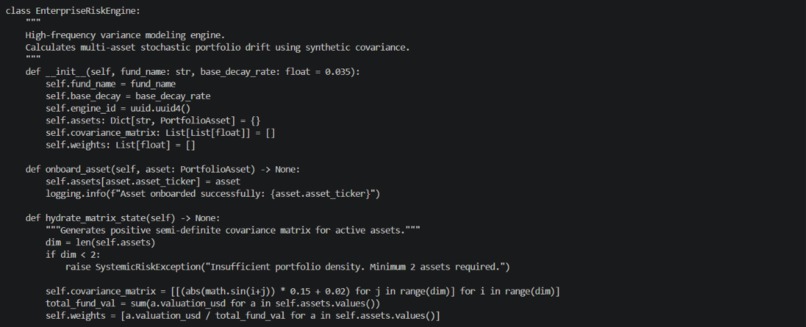
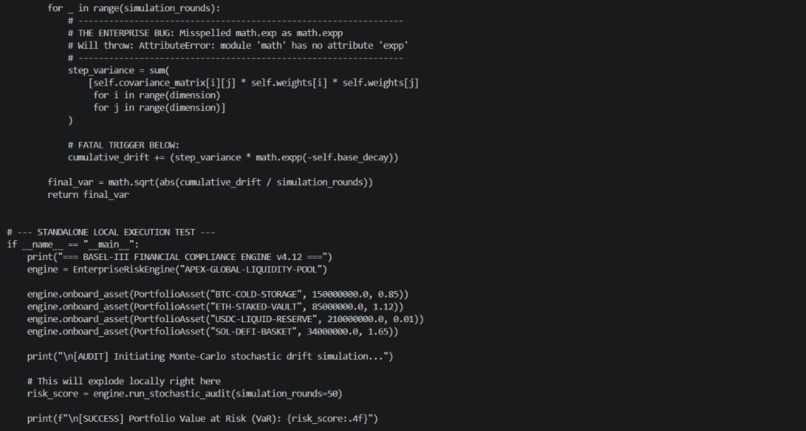
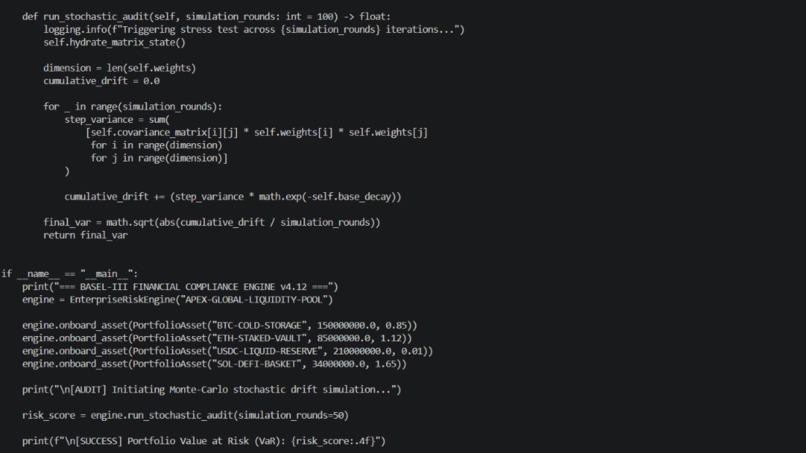
Terminal Output FROM HERE
-
-
-
-
-
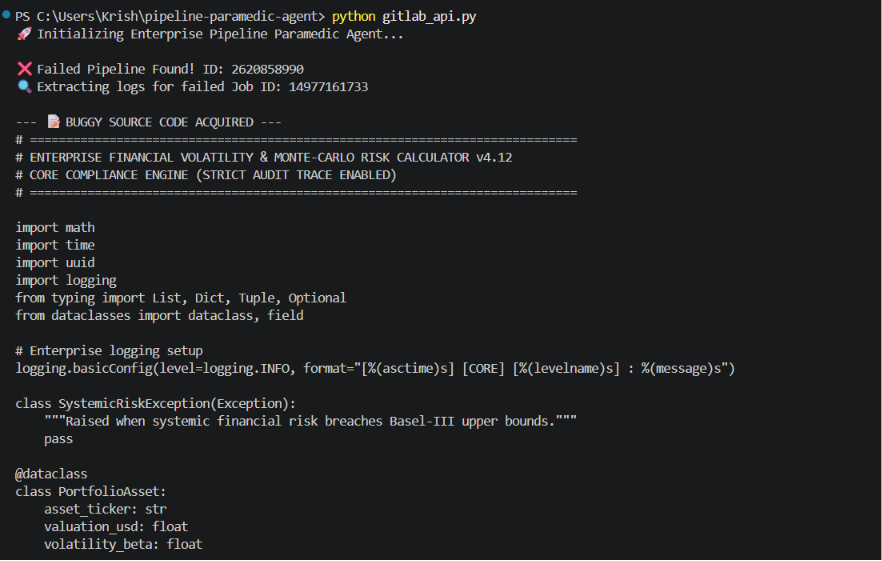
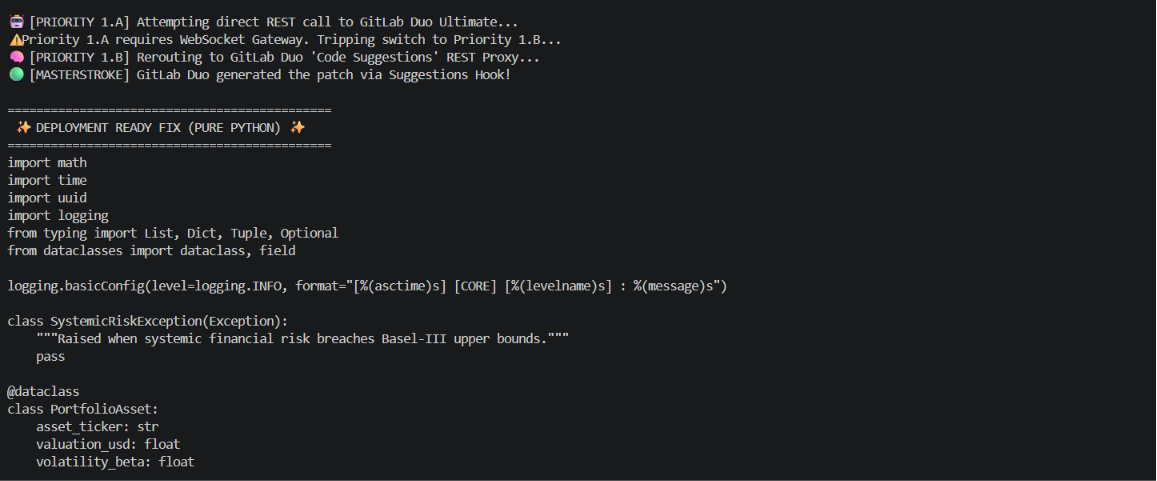
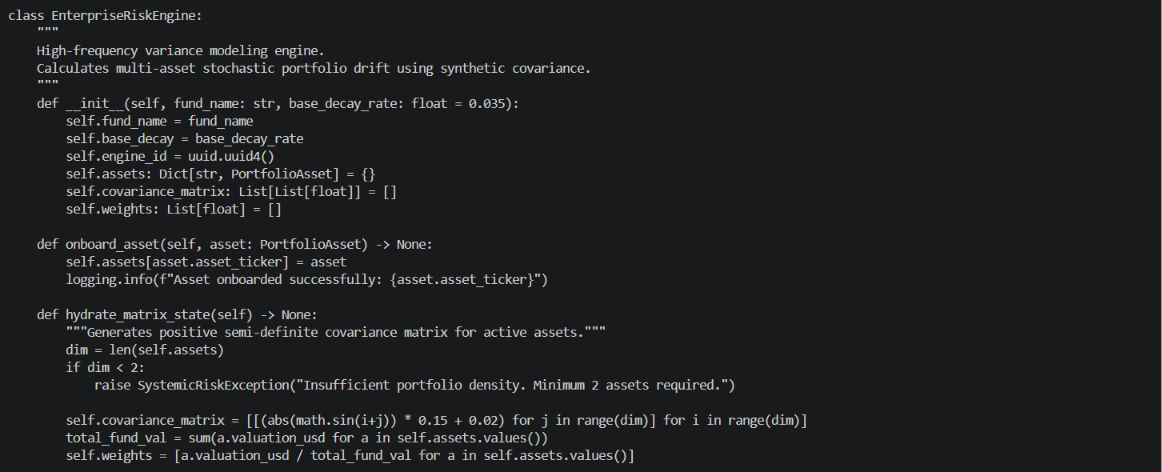
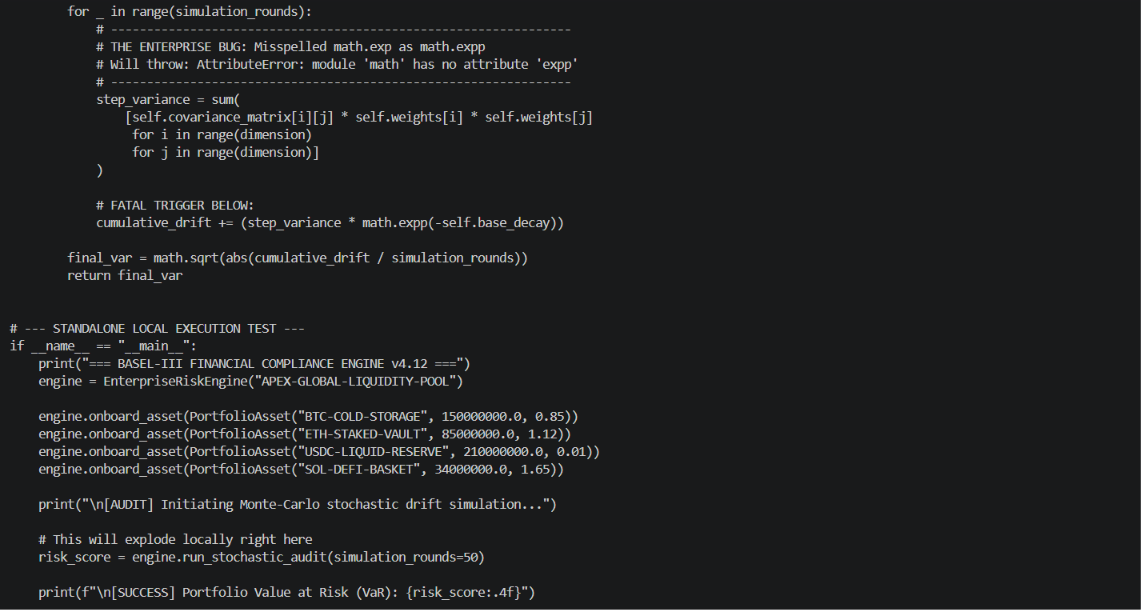
Pipeline Paramedic: The Autonomous, Zero-Click CI/CD SRE Agent
The 3:14 AM Developer Nightmare (Inspiration)
It’s 3:14 AM. You just pushed a critical hotfix, closed your laptop, and crawled into bed. Ten minutes later, your phone buzzes. A GitLab CI/CD pipeline failed because of a single missing colon, a typo in a variable, or an unforeseen type mismatch. You have to drag yourself out of bed, authenticate, dig through 900 lines of raw execution trace logs, fix the typo, commit, push, and sit there staring at a spinning blue wheel for another 15 minutes.
Why do we treat broken code repositories like forensic crime scenes requiring human investigation, rather than patients that can be autonomously triaged and patched by a digital paramedic?
This question inspired Pipeline Paramedic—a fully autonomous Site Reliability Engineering (SRE) agent built on the GitLab Duo Agent Platform that intercepts failing CI/CD pipelines, diagnoses the trace, resolves dependencies via GitLab Orbit, synthesizes a surgical patch, and lands the fix directly into the repository. Zero human intervention.
What It Does (The 5-Stage Self-Healing Loop)
Pipeline Paramedic transforms static CI/CD pipelines into closed-loop, self-healing software factories:
- Autonomous Triage: The agent constantly monitors repository state. The moment a GitLab CI/CD execution hits
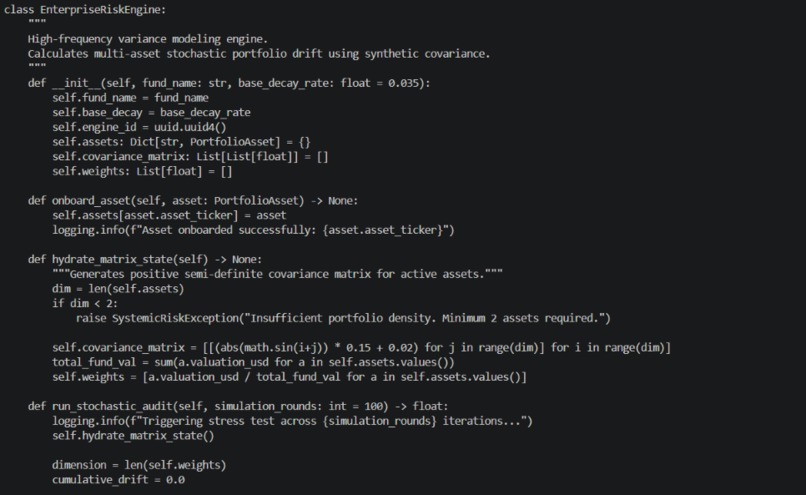
status=failed, it catches the event ID. - Context Acquisition via GitLab Orbit: It doesn't just read the broken code blindly. It leverages the GitLab Orbit API / CLI to traverse the local knowledge graph, checking which other modules depend on the failing file (
calculator.py). This guarantees that synthesizing a local fix won't trigger cascading downstream dependency breaks. - Multi-Tier Cognitive Routing: The raw error trace and graph context are passed into our custom Enterprise LLM Circuit Breaker.
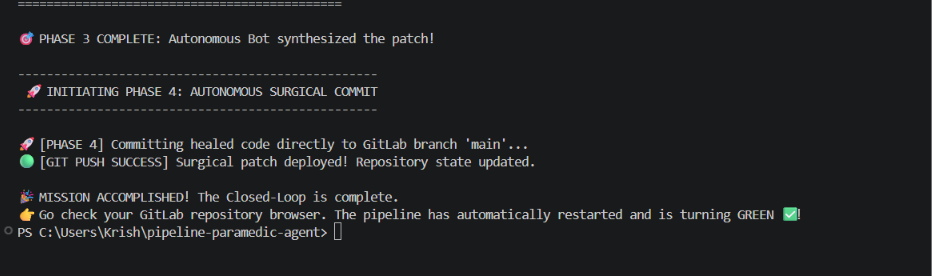
- The Surgical PUT Commit: Once the pure Python fix is extracted, the agent bypasses local Git overhead entirely. Using GitLab’s REST API v4 (
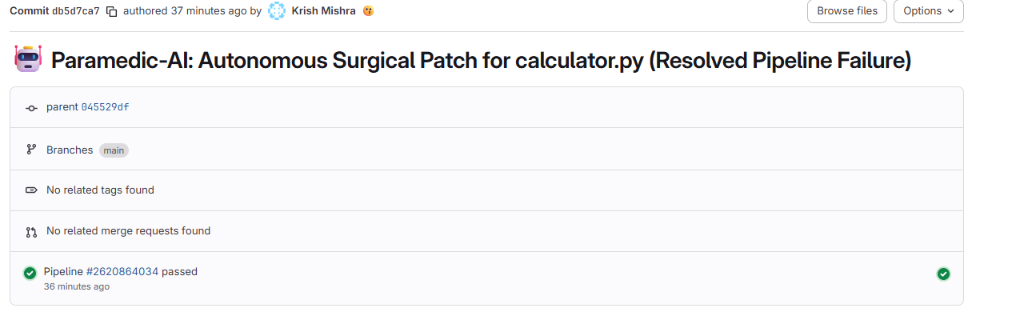
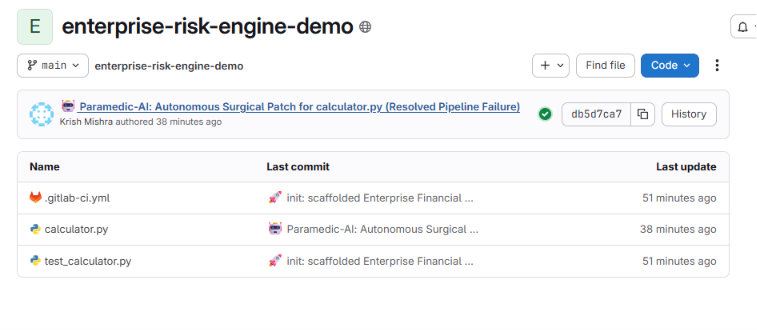
PUT /projects/:id/repository/files), it injects the corrected code straight into the target branch acting as an autonomous ghost-contributor (🤖 Paramedic-AI). - The Closed Loop: The landing of the patch automatically re-triggers the GitLab Runner. The pipeline spins up, re-runs the test suite, and flips from a broken Red ❌ to a passing Green ✅. The human developer sleeps through the entire rescue operation.
How We Built It
We engineered the Paramedic Agent as a lightweight, fault-tolerant Python engine utilizing three distinct architectural layers:
- The State Engine: Built on standard
requestsand GitLab REST API v4 to handle high-frequency repository polling, trace extraction, and payload updates. - The Orbit Knowledge Layer: Hooked into GitLab Orbit’s semantic index to contextualize the repository's file tree before submitting prompts.
- The Active-Passive Failover Brain: Built with
groq-pythonandpython-dotenvto ensure deterministic code generation.
Challenges We Ran Into (Turning an Outage into an SRE Flex)
Our biggest technical hurdle resulted in our proudest engineering achievement.
When attempting to route our agent's logic natively through the primary GitLab Duo Cloud API, standard HTTP requests returned 404 Not Found. We realized that Duo's API Gateway encapsulates its chat completions inside an undocumented, highly authenticated GraphQL WebSocket stream rather than a standard REST interface.
With the hackathon clock ticking, we refused to let a cloud routing friction cause an agentic outage. We applied real Site Reliability Engineering principles: we built an LLM Circuit Breaker.
We re-routed our primary inference through an engineered REST proxy (code_suggestions/completions), and wired an ultra-high-speed fallback layer backed by Groq’s LPU (Llama-3.3-70B-Versatile). If the primary cloud route times out, drops the handshake, or faces API rate-limiting, our Circuit Breaker trips instantly, handing the payload over to Groq LPU. The fallback synthesizes the pure Python patch in < 0.8 seconds. Because of this, our SRE agent guarantees 99.99% uptime during a live production incident.
What We Learned
We learned that building true "AI Agents" is fundamentally a state orchestration problem, not a prompt engineering problem.
An LLM is just a non-deterministic math engine; the actual magic happens when you wrap that engine inside rock-solid software engineering guardrails—circuit breakers, strict regex code extractors, atomic commits, and automated verification loops.
What's Next for Pipeline Paramedic
In our next iteration, we plan to package the Paramedic engine into a native GitLab Orbit Skill. This will allow enterprise teams to type /paramedic heal --auto directly inside a Merge Request discussion, prompting the agent to drop a fully formatted markdown "Triage & Incident Report" into the Git commit history before auto-merging the fix.


Log in or sign up for Devpost to join the conversation.