-
-
iOT logo
-
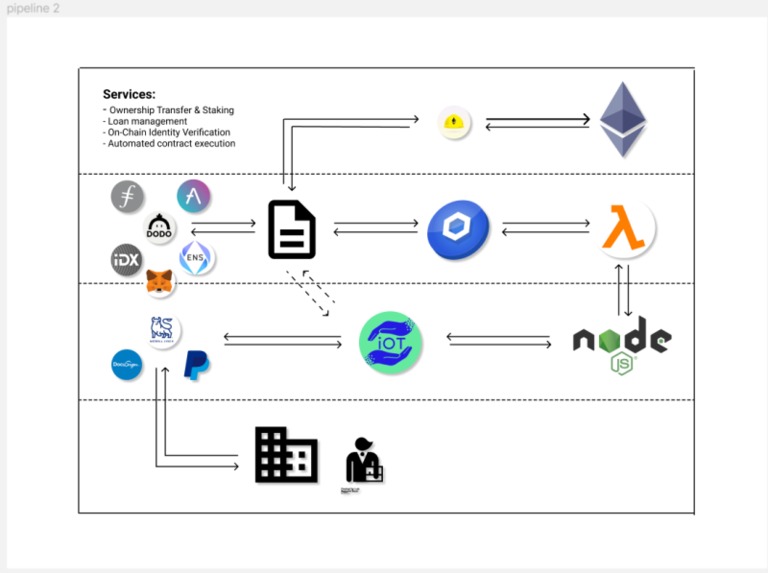
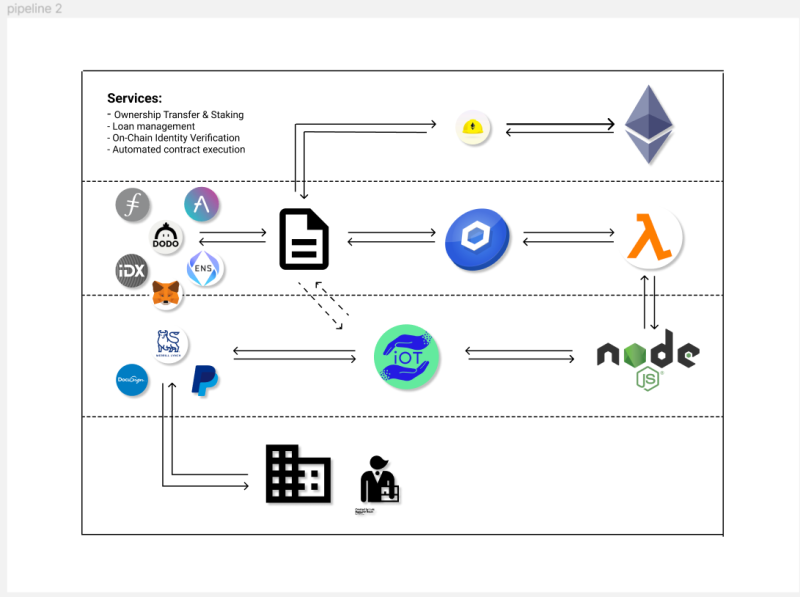
iOwnThis Pipeline
-

iOwnThis addresses two issues: 1) Access to Capital
-

iOwnThis addresses two issues: 2) Clarity of Ownership
-
Demo Video Scene #1: iOwnThis splash page. https://www.youtube.com/watch?v=CilnDRzoqHw
-
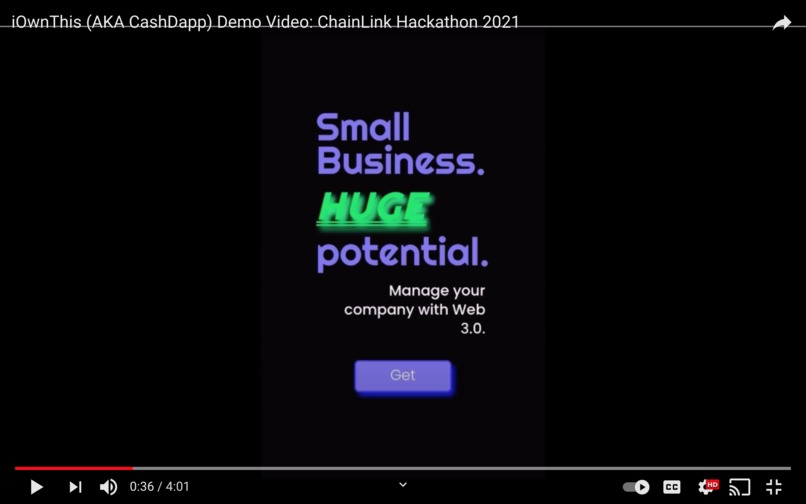
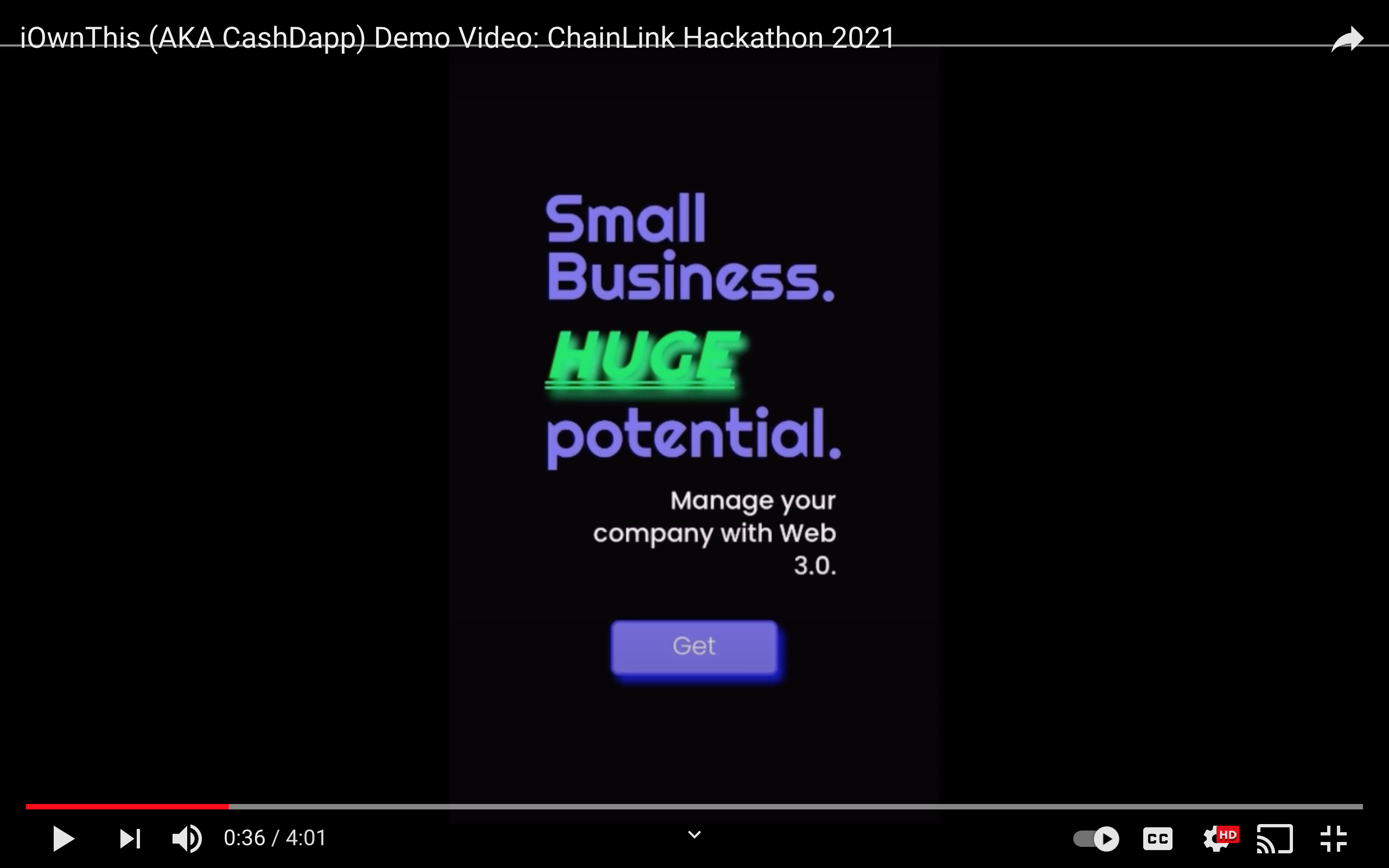
Demo Video Scene#2: Small Business Huge Potential
-
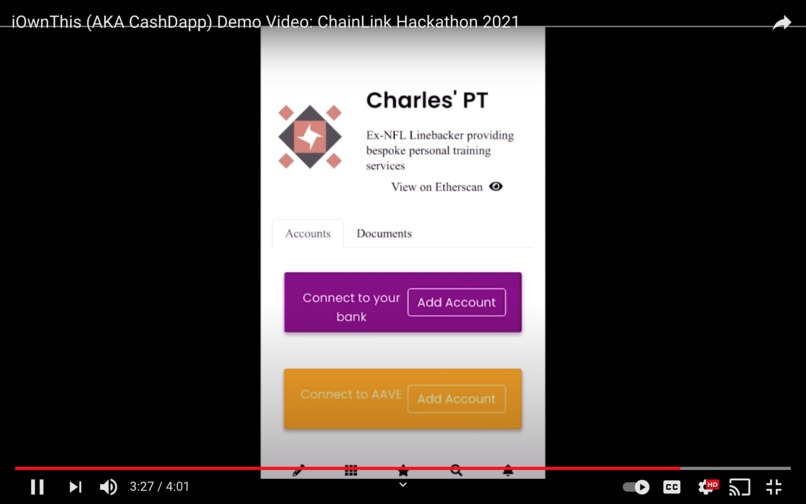
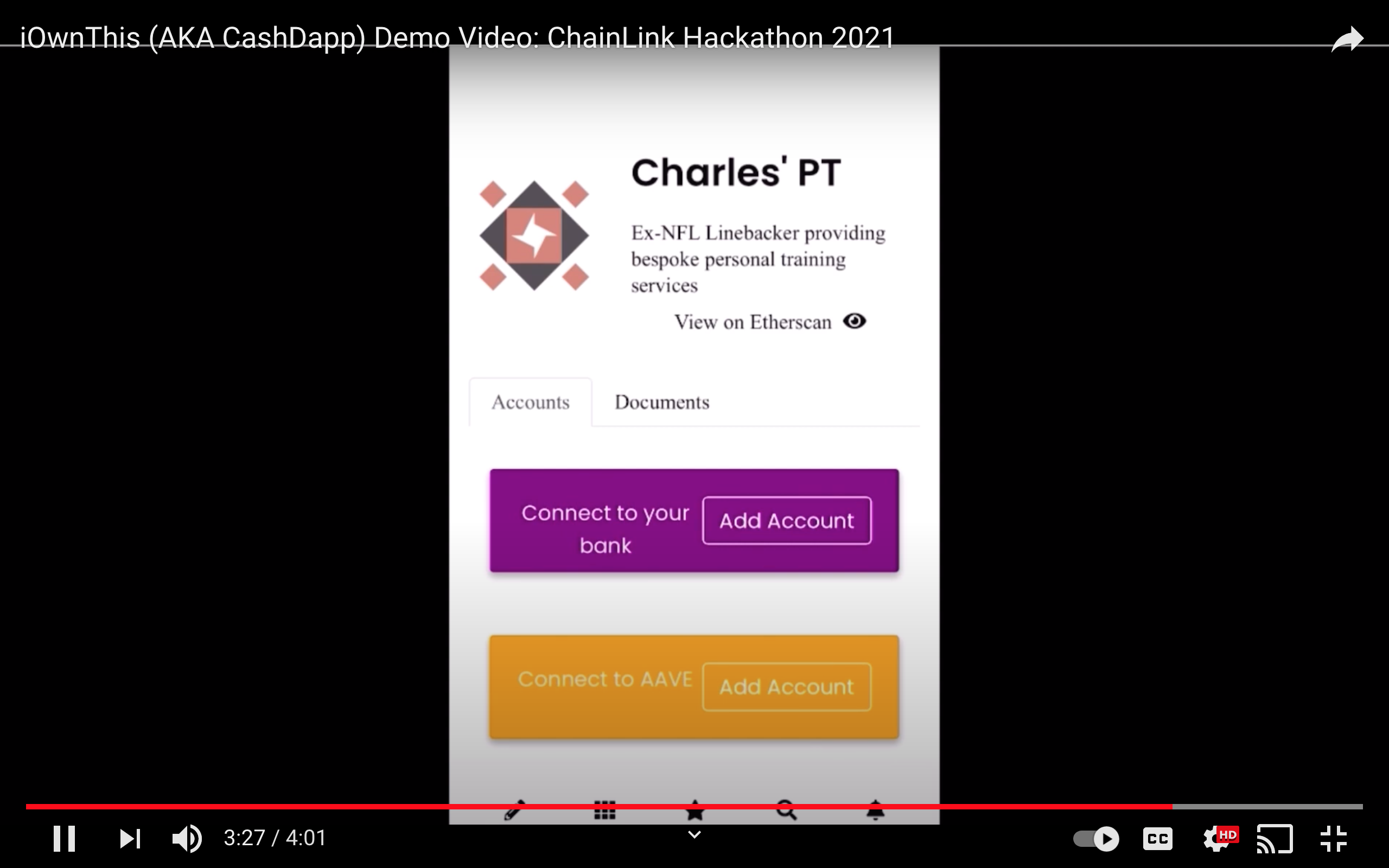
Demo Video Scene #3: Manage Your Business on Web 3.0
-

iOT Skit Scene #1: American Bank rejects loan application. https://youtu.be/nTYCKh1CMeg
-

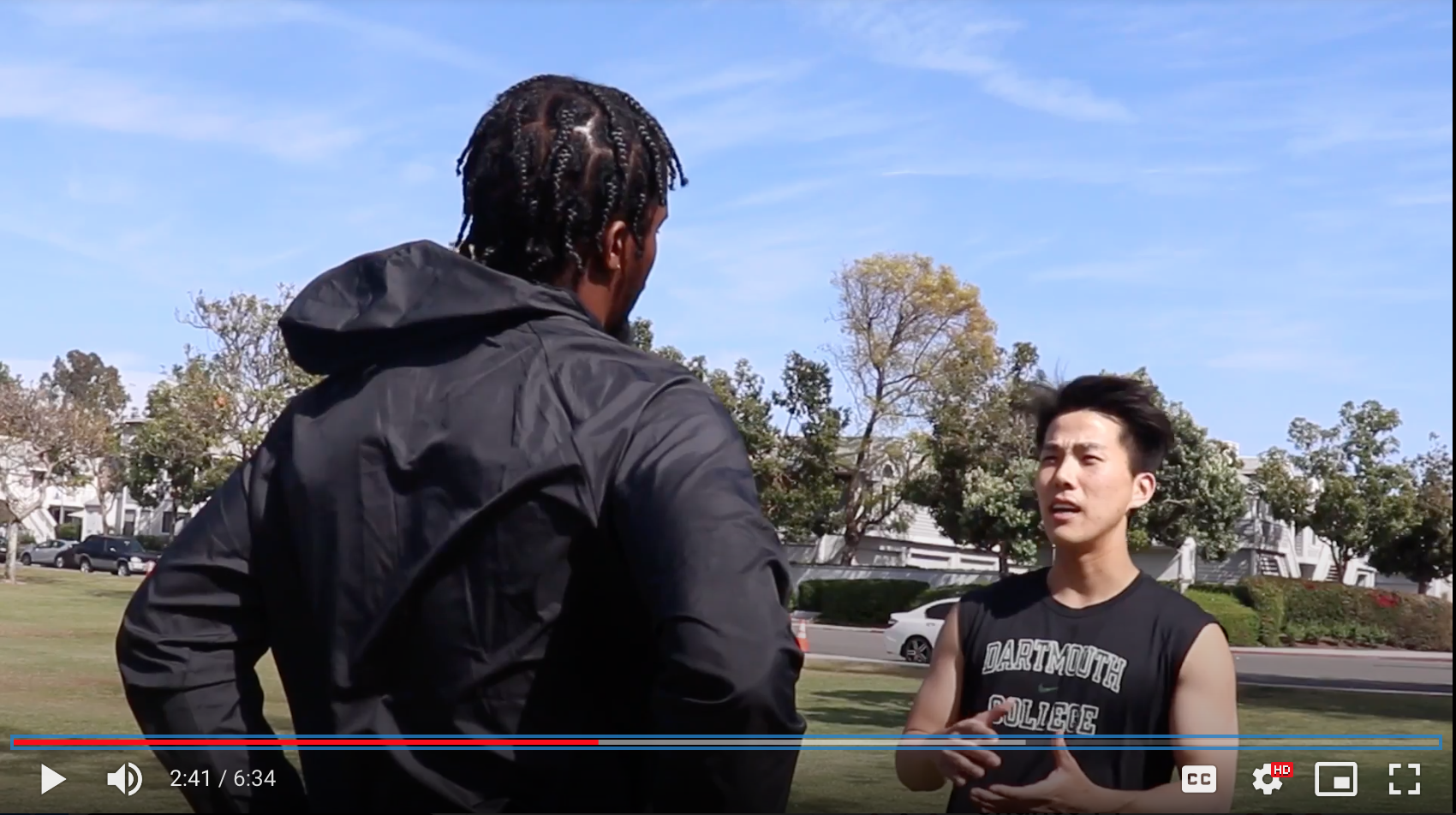
iOT Skit Scene #2: Charles Personal Training with Victor
-

iOT Skit Scene #3: Charles talking about expanding his business with a loan
-
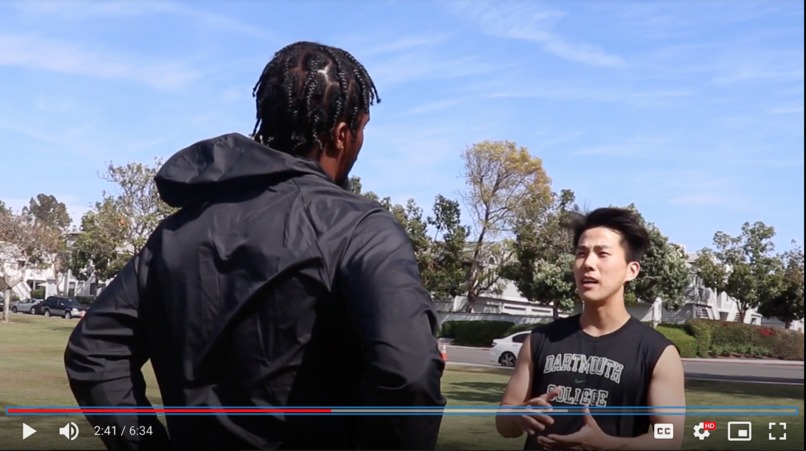
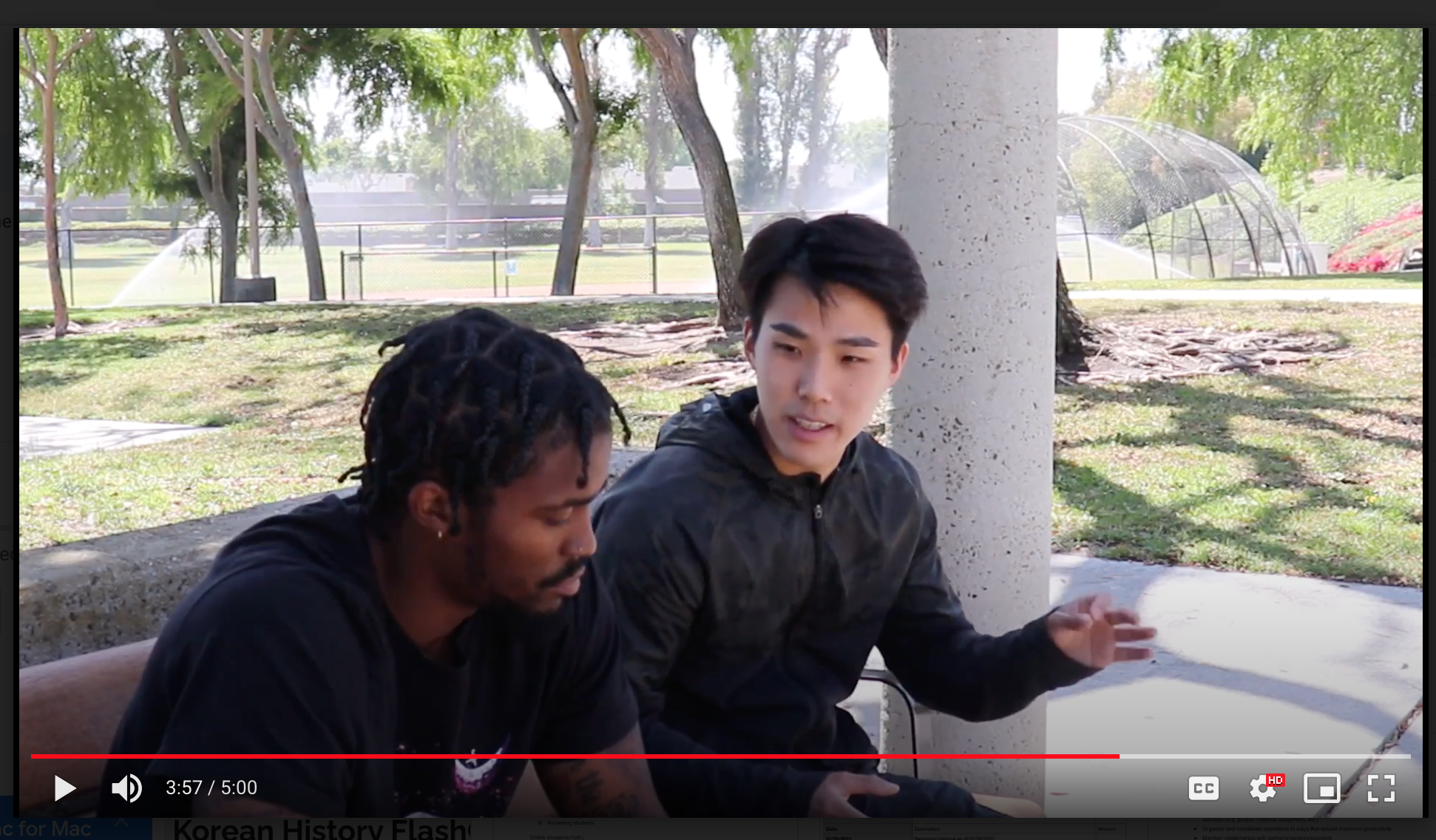
iOT Skit Scene #4: Victor talking about the iOwnThis app that he is working on
-
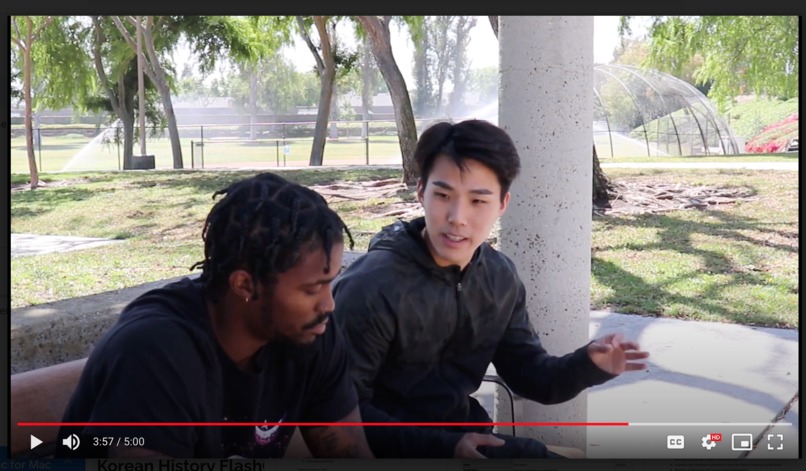
iOT Skit Scene #5: Talking about Blockchain and DeFi
-

The End
-

The DeFi Future







Inspiration
The inspiration for this project came from a personal struggle of getting a loan to start a coding academy. Although he had never missed a credit card payment or a school assignment in his life, Victor, 24-years-old, did not meet the requirements to receive a loan from a bank. Everywhere he turned for access to capital, Victor was met by the all-too-friendly, but cold voice of the gatekeeping banker, saying “I’m sorry you do not meet the requirements for a loan at this moment, but is there anything else we can do for you?” Assessing his situation, Victor became horrified by the fact that if he could not get a bank loan as an ivy-league graduate with zero student debt and credit card debt, others who need capital to pay unforeseen expenses on their bills could never get a loan without losing their limbs. Insult was added to injury when the U.S. Department of Treasury was printing an ungodly amount of money, which made Victor wonder where all of that money ended up. Sure enough, the money flowed into major investment banks and hedge funds that made overly-leveraged bets on the stock market (as was demonstrated by the embarrassing blowup of the family office capital management firm, Archegos). Needless to say, there’s something altogether wrong in the way capital flows through the financial system.
Looking at the stock market, Victor identified two key components of the financial system that needed to be fixed: access to capital and clarity of ownership. Victor believed the stock market existed to provide needed liquidity and capital to productive businesses, and not to make highly-leveraged, ultra-speed speculative bets. He also believed that shares on the stock market existed to prove ownership of the underlying company, which made FTDs (Failure-to-delivers) in the GameStop situation baffling in context. In providing access to capital and clarifying ownership, the stock market was failing. The infrastructures in place just did not allow for the stock market to do its intended job. A distributed ledger system built on blockchain could deliver on that promise.
Victor reached out to his old college friend Gabe to help him fulfill that promise. Together, they studied blockchain technology and learned about De-Fi. Poring over the ethereum.org webpage and countless whitepapers, they discovered many exciting projects that would improve the financial system. However, they were disappointed to find that synthetic derivatives were the closest thing to the stock market on blockchain platforms. Their goal was to bring the entire stock market onto blockchain, but this was a gargantuan task. Aside from the challenges from securities regulation, the entire stock market was just too big to move onto blockchain. Any attempts to scrape away at the $49 trillion dollar stock market would be like shoveling sand at the beach. Something clicked when they found ChainLink. Just like how ChainLink oracles bring real-world data to blockchain, they would bring real-world businesses to Web3. They set their mission to bring small, nimble businesses onto blockchain first, and let the slow giants join later. Rather than bringing a fraction of Apple shares onto blockchain, they would focus on bringing 100% of a local restaurant’s shares onto blockchain first. They figured that mass adoption on a small scale would attract the bigger players to join later. With the ChainLink Hackathon starting in just a week on March 15, the timing was perfect. They were joined by two more developers BHou and Alex to test their skills and build their product in the hackathon.
What it does
The four members joined forces to tackle two main issues for businesses: access to capital and clarity of ownership. Small businesses struggle to get loans and investments even though they need access to capital the most. Furthermore, keeping track of ownership and distributing shares is a time-consuming process that involves a lot of paperwork. Blockchain’s decentralized ledger would bring clarity to ownership while DeFi products would offer fair access to capital. Since the inception of Bitcoin, many blockchains and DeFi products have been developed, but many people in the world remain unaware of the technology that is now available to them. People continue to wait in lines at their local banks and struggle to meet the bank’s requirements for a loan while the solution waits inside their smartphones.
iOwnThis (AKA Cash Dapp) was created to bring people into the world of Blockchain and DeFi. iOwnThis is a portfolio management platform that aggregates DeFi tools for businesses. iOT provides a user-friendly interface for owners to manage their money and their businesses on Web-3. Signing up on iOwnThis is as easy as signing up on Robinhood or Cash App, and the user interface is just as slick and seamless. On iOT (AKA Cash Dapp), owners can distribute their company shares through ERC-20 tokens and apply for loans using DeFi products like Aave. While the use of certain features on iOT remains suspended until regulatory restrictions are uplifted, iOT will be the first step for real world businesses entering into the world of Blockchain and DeFi.
How we built it
It took 30 gigs of developer tools, 50 Chainlink Tutorials, 70 conference calls, and 150,000 lines of code to build this bad boy. It was a whirlwind of agile development fundamentals and sticky notes as we iterated through various prototypes in pursuit of the Minimum Viable Product that we present you with here.
Bringing businesses into the realm of Decentralized Finance and web3, it turns out, can be quite an involved process. We focused our attention on the service that can best help small business owners leverage their ownership for capital. Hardhat has proven an indispensable tool in developing smart contracts locally as their CLI made debugging in the terminal a breeze. Gabe's excellent coding skills were handy when it came to navigating the creation of our smart contract and token generators, settling upon OpenZeppelin and the ERC20 Standard Contract as the basis for our application.
The most rewarding experience was connecting Chainlink PriceFeeds and APIConsumer to help integrate Meryll Lynch’s Open Banking API into our user’s account to prove their ownership of their business.
As for building the UI/UX, the front-end was written entirely in JSX and Sass, with a healthy dose of Web3.js just waiting to be injected.
We used React and Node.js to power the front end as well as some featured dependencies like Formik for consistent form handling, errors, and client and server side validation using Yup.
Challenges we ran into
One of the biggest technical challenges was setting up an express server with a MongoDB connection in order to store some verbose user information off-chain.
We also must consider the cost of deploying contracts and running write operations on the contracts. In the future, we may consider leveraging solutions like Polygon to help our platform perform cheaper and faster.
Accomplishments that we're proud of
Gabe: I am proud of learning all about DeFi and Chainlink for the first time -- connecting the dots to allow for a full local to test to mainnet development environment using hardhat and the chainlink core contracts like price feed and APIConsumer.
Alex: I am proud of sketching around 60 different frames in Figma and using that to guide our UX design.
Victor: Working with a local high school kid by the name of Joe Swagger to film the demo video.
Brian: Working with a vibrant team that shares the common mission of making DeFi accessible to everyone.
What we learned
Alex: We learned how to create a local development environment for interacting with a blockchain using hardhat.
Gabe: We learned about the tools used for moving more of the entire development stack to decentralized technologies like IPFS.
Victor: I think, most importantly, we learned that the promise of DeFi is that of a more free, more fair, and more productive economy.
Brian: It’s our job as developers at the forefront of this technological revolution to make DeFi accessible to everyone.
What's next for iOwnThis (AKA Cash dApp)
As you can see, we have laid out the groundwork for many of iOT’s functionalities during this hackathon. Currently, the iOT app can offer DeFi tools to business owners for distributing shares and managing loans. The next steps are to offer tools for managing employee relations and investor relations. Some examples of functionalities for managing employee relations on our platform are “task assignments” and “dedicated credit line for employees”, and an example of functionalities for managing investor relations is a “governance system” that includes staking and voting. As long as the regulatory environment remains unfavorable towards ICOs, iOwnThis will focus on offering solutions for internal business processes, such as loan management and shares distribution among company founders.
The possibilities for iOwnThis (AKA Cash Dapp) are endless, and the team is more excited than ever to build this platform. We will take everything we gained from the ChainLink Hackathon experience and put it towards taking iOwnThis to the next level. We are genuinely passionate about making DeFi accessible to everyone, and with iOwnThis, we plan to pave smooth roads for small businesses to drive on as they enter the world of blockchain.
Victor still dreams of opening a coding academy. At the coding academy, the members of this team will continue developing innovative DeFi solutions while teaching the future generation how to code. He hopes to get the loan he needs to open a facility using the iOwnThis app.
iOT Demo Video^1
iOT Skit^2
Built With
- aave
- amazon-web-services
- express.js
- hardhat
- lambda
- react


Log in or sign up for Devpost to join the conversation.