-
-
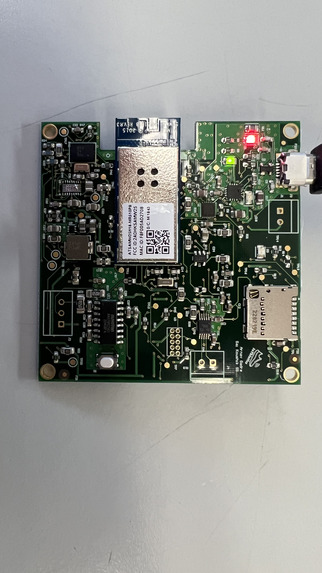
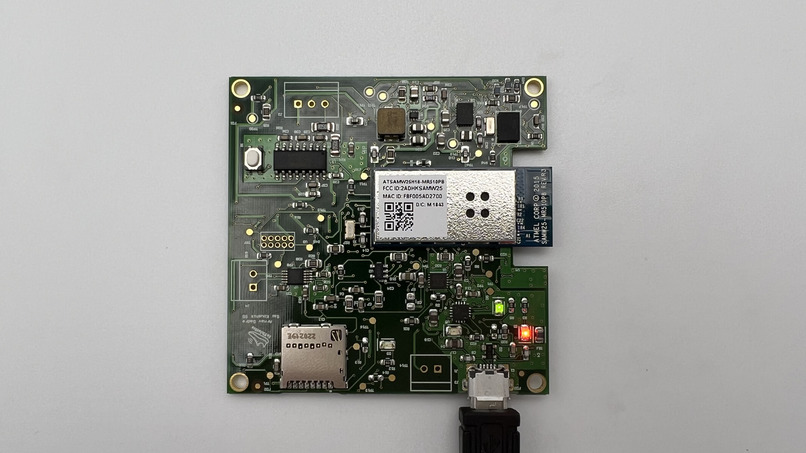
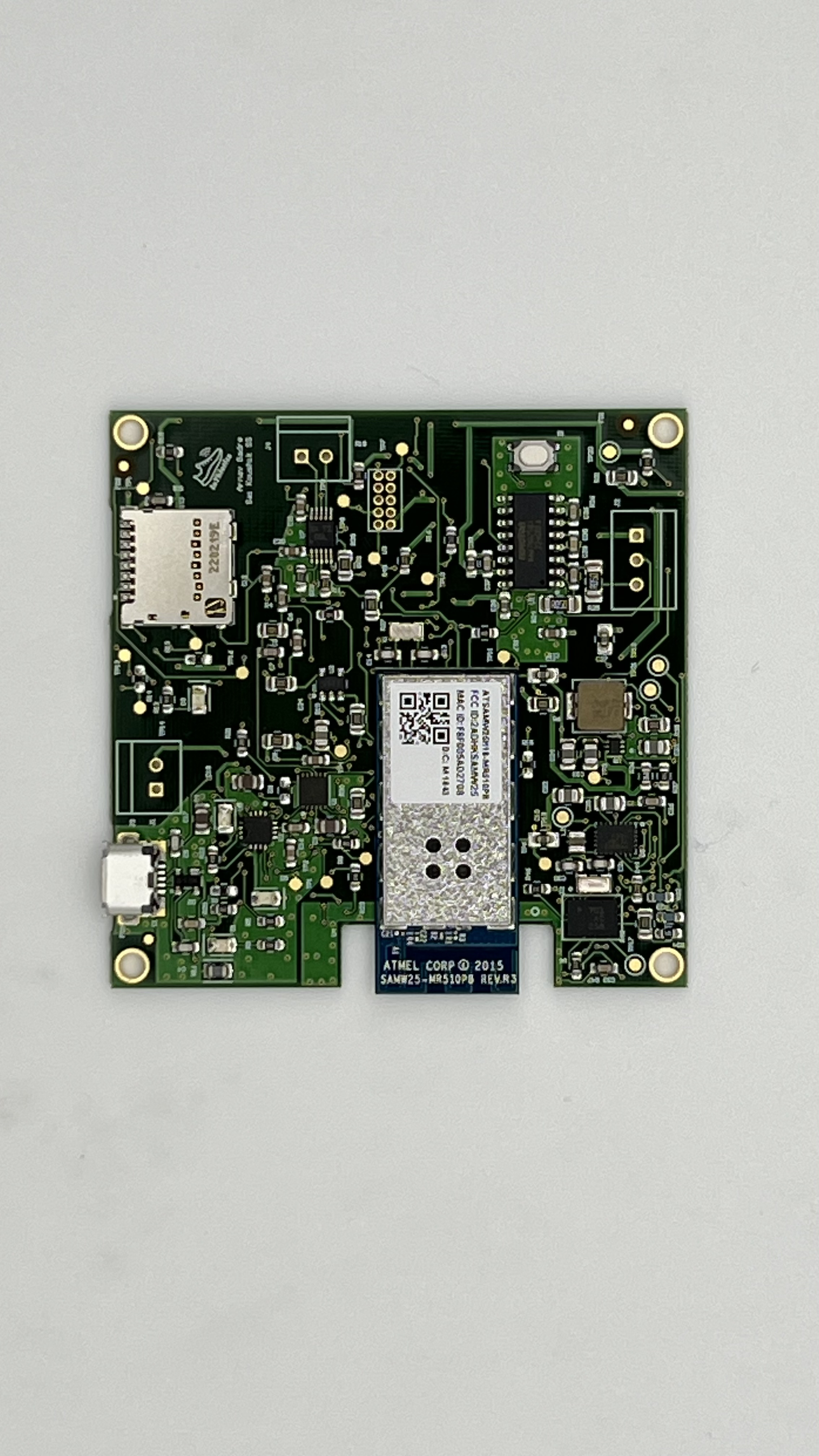
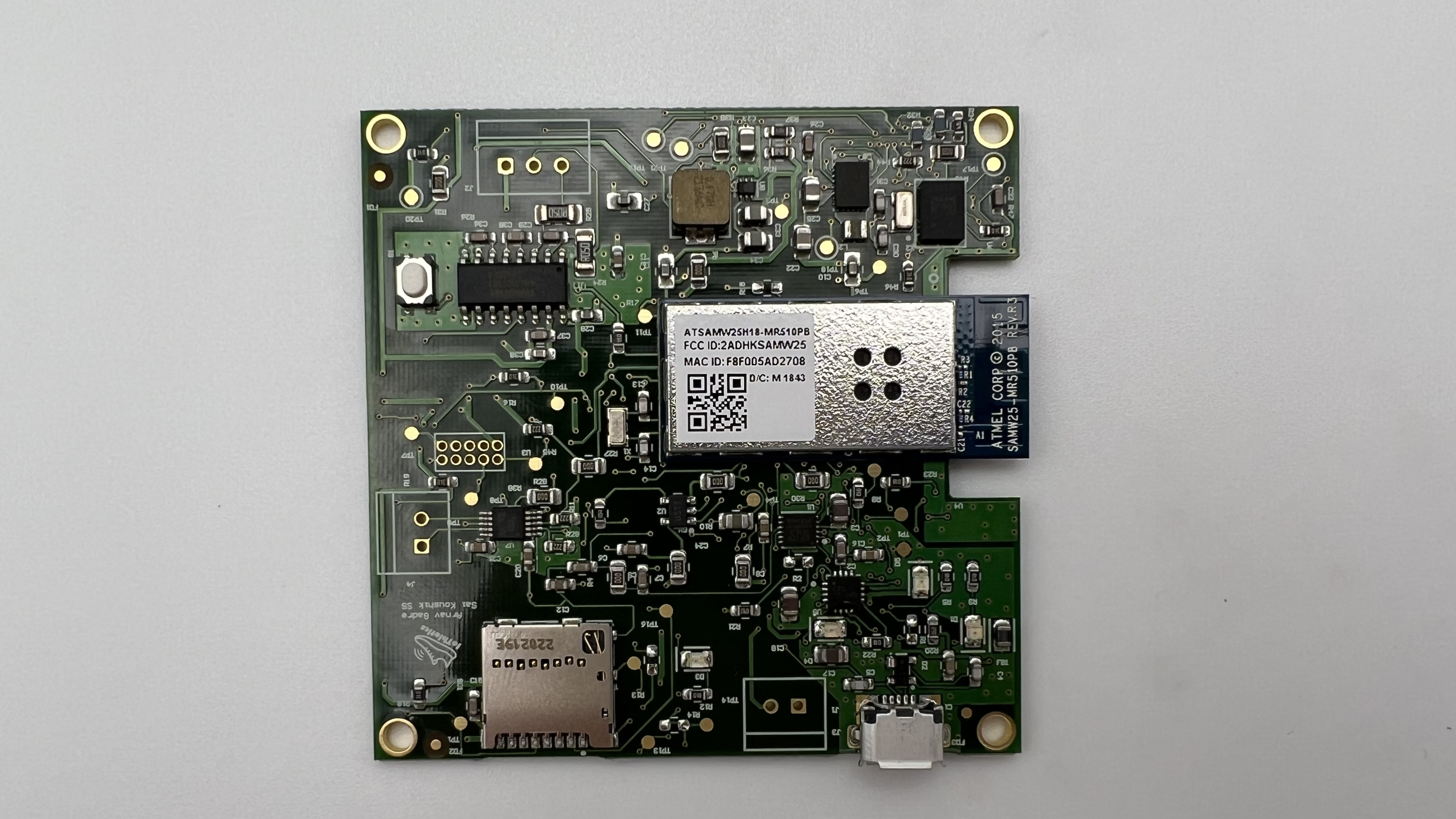
PCB, when turned ON
-
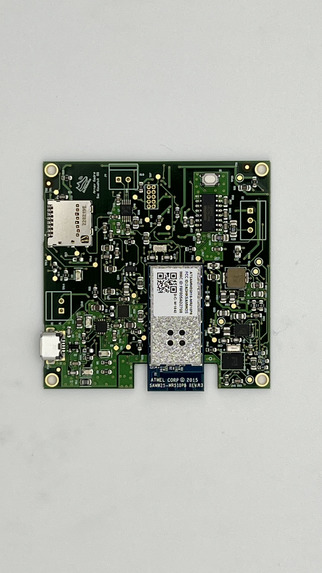
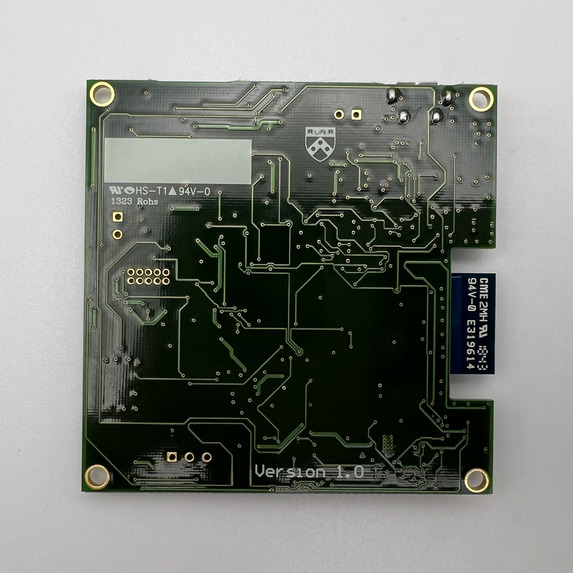
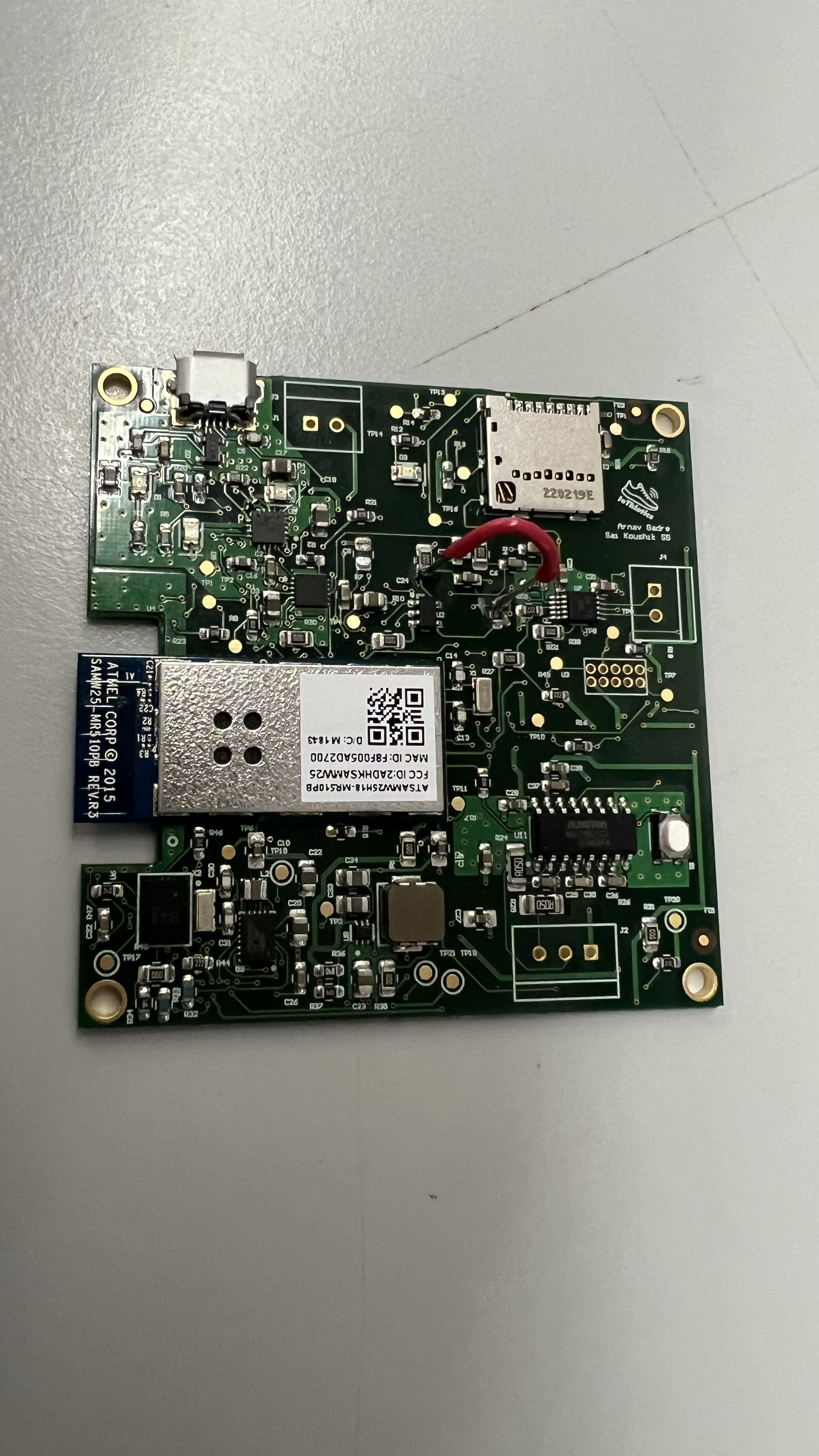
PCB, straight from the manufacturer
-
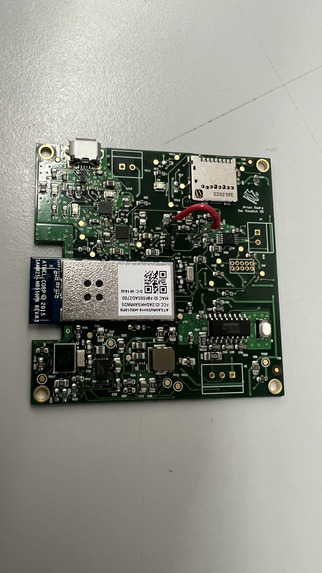
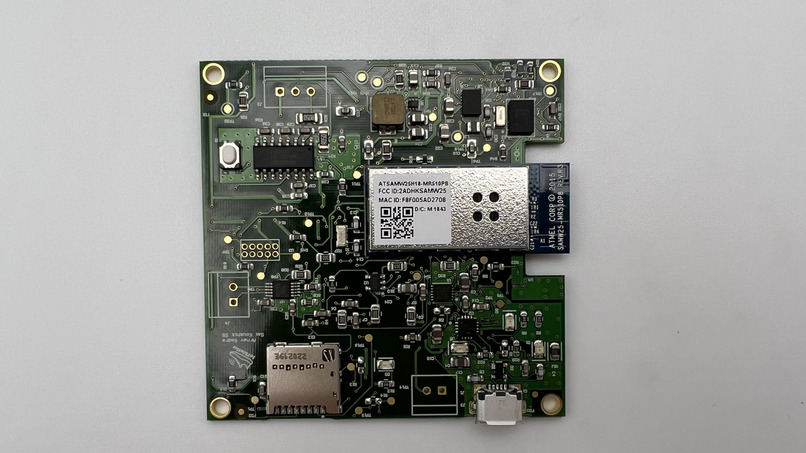
With small fixes
-
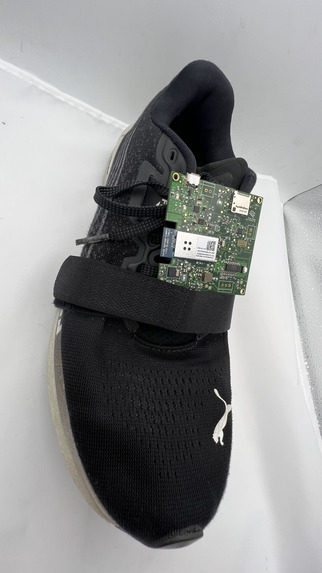
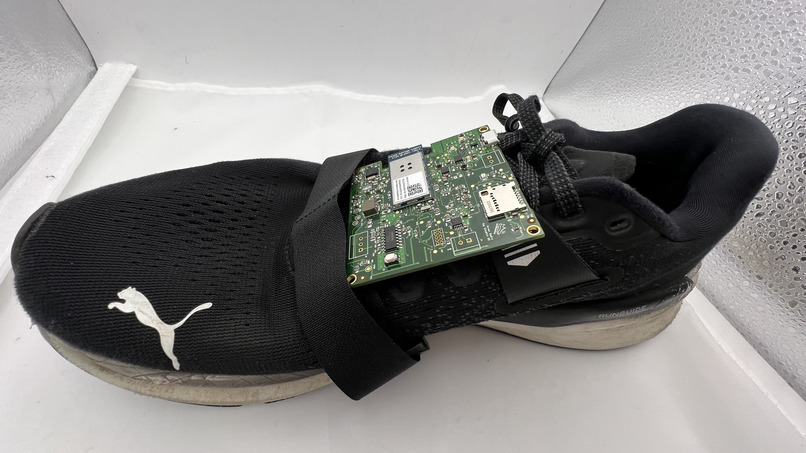
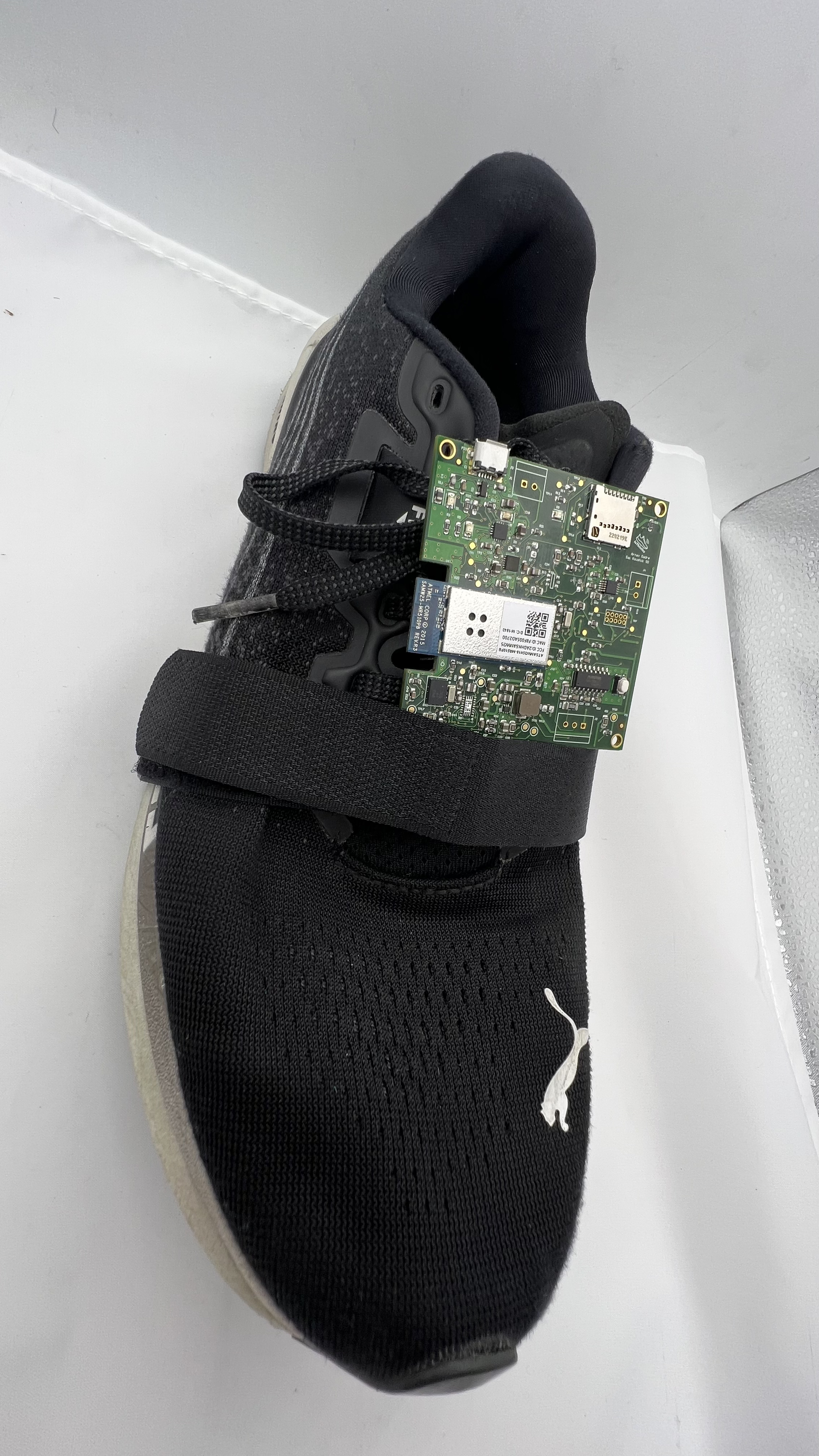
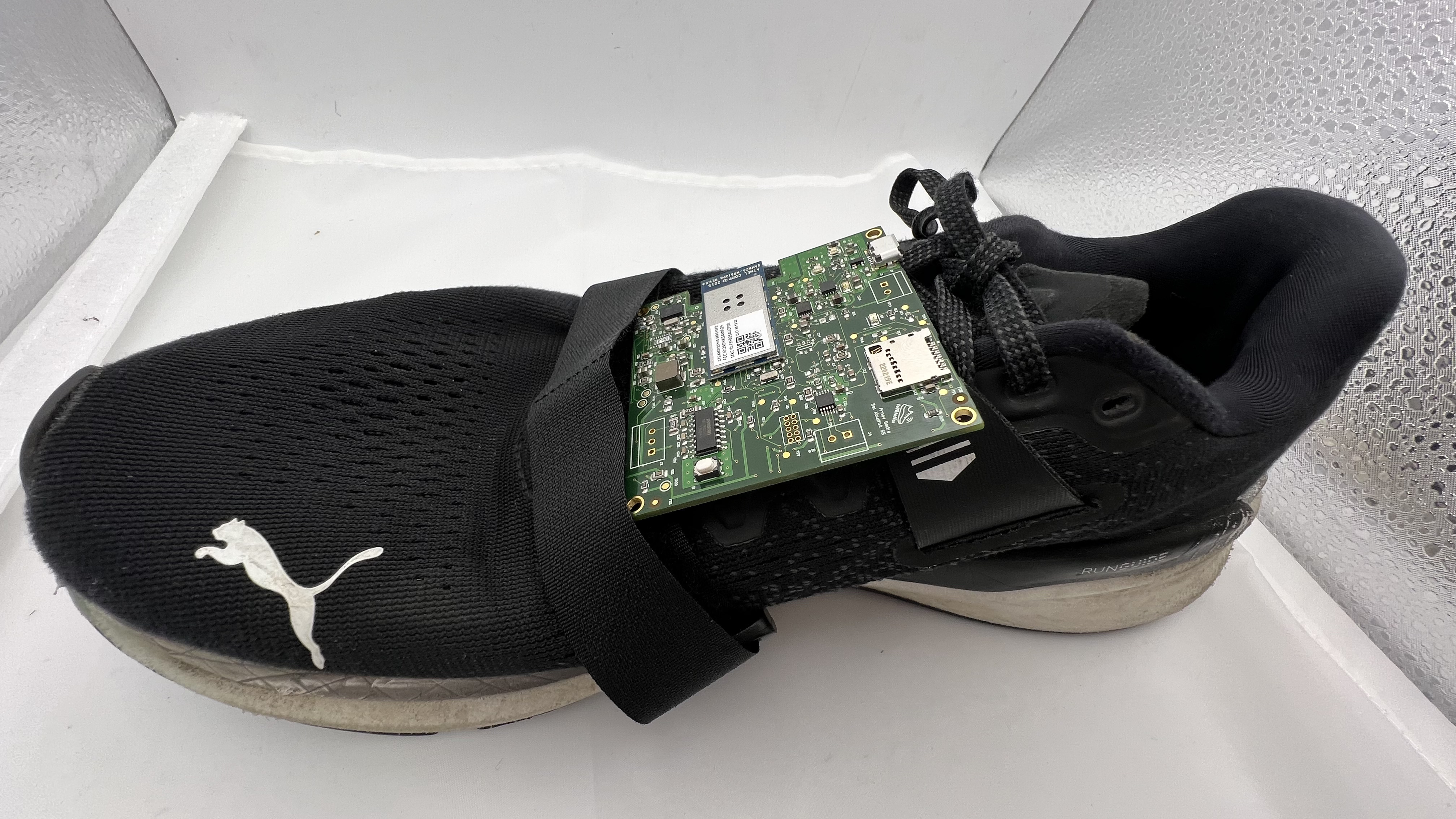
When mounted on a shoe
-
-
-
-
-
-
-
-
-
-
-
-



Inspiration
We were inspired to create IoThletics after seeing the many benefits that IoT technology can offer athletes. For example, IoT devices can be used to collect data on training performance, track progress over time, and provide feedback on form and technique. This information can be used to improve athletic performance and reduce the risk of injury.
One of the most important benefits of IoT technology for athletes is that it can help them to collect data on their training performance. This data can be used to track progress over time, identify areas of improvement, and make adjustments to training plans. For example, an athlete could use IoT to track their speed, distance, and heart rate during a workout. This data could then be used to create a training plan that is tailored to their individual needs.
Another benefit of IoT technology for athletes is that it can provide feedback on form and technique. This feedback can be used to help athletes improve their technique and avoid injuries. For example, an athlete could use IoT to track their foot strike during a run. This data could then be used to identify any areas of their form that need to be improved.
Overall, IoT technology has the potential to revolutionize the way that athletes train and prepare for competition. By collecting data on performance and providing feedback on form and technique, IoT can help athletes to improve their performance and reduce the risk of injury.
What it does
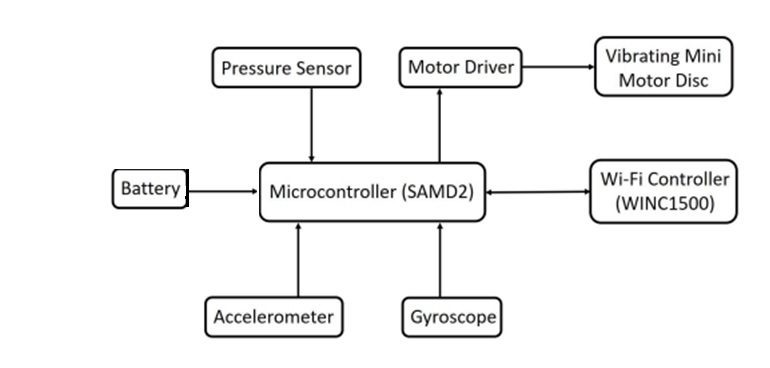
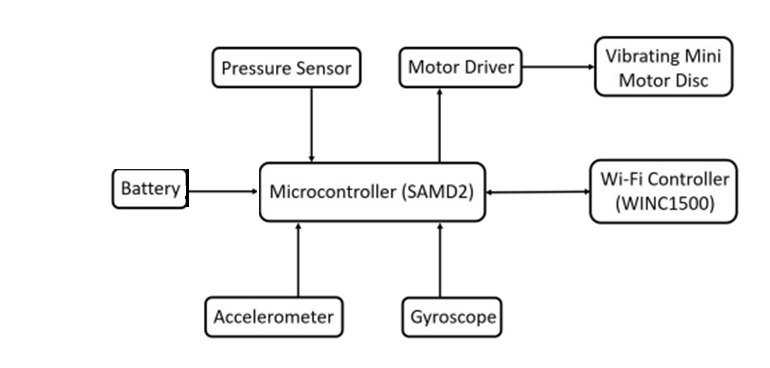
IoThletics is an IoT-based smart shoe that helps athletes improve their performance and reduce joint/muscle strain. The shoe has an accelerometer, gyroscope, pressure sensor, and a haptic vibrator for user feedback. The sensor data is stored on the shoe's SD card and can also be uploaded to the cloud for future reference.
The accelerometer provides data on the speed and motion of the user. The gyroscope senses the orientation of the foot and analyzes the landing position and ankle position of the user. The pressure sensor senses the landing pressure on the insole of the shoe and analyzes strain on the achilles tendon and heel of the user. The haptic vibrating motor provides feedback to the user based on incorrect running form, signaling him/her to correct their technique or reduce their speed.
In addition to providing feedback on form and technique, IoThletics can also be used to track progress over time. The sensor data can be used to create a training plan that is tailored to the individual athlete's needs. IoThletics can also be used to track recovery and identify any areas of concern.
How we built it
We built IoThletics using a combination of off-the-shelf components and custom-designed hardware and software. The shoe's hardware consists of a SAMD21 microcontroller, an LSM6DS0 IMU, a NAU7802 Load Cell Amplifier, and a DRV2605L Haptic Motor Driver. The software consists of a bootloader, firmware, and drivers for the IMU, haptic motor, and pressure sensor.
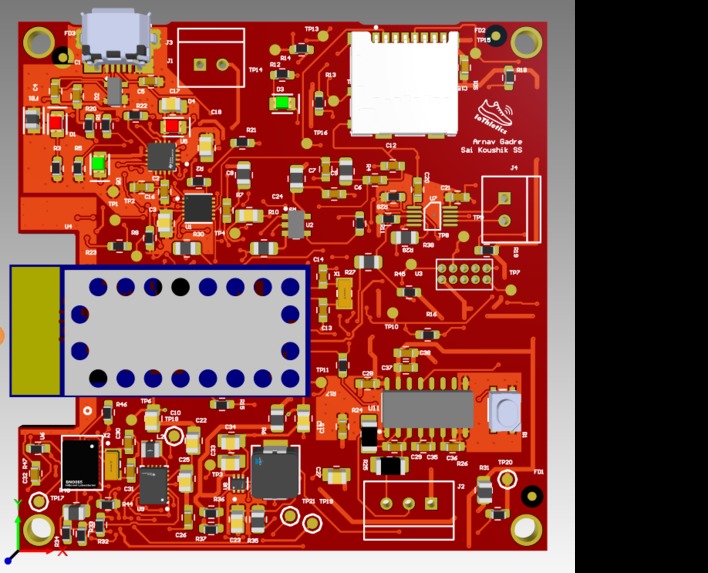
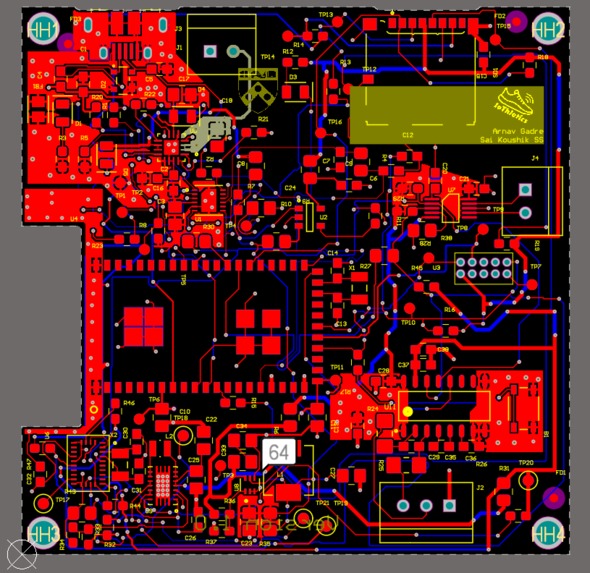
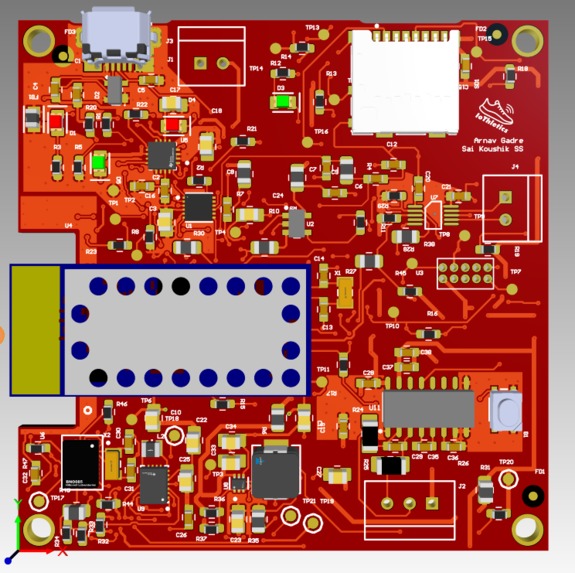
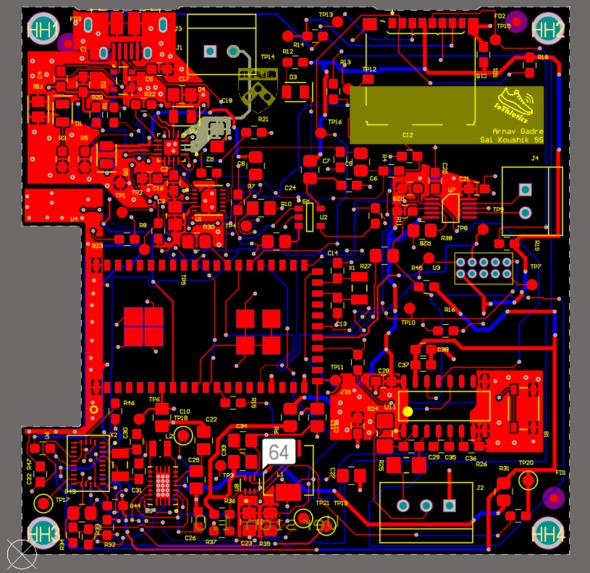
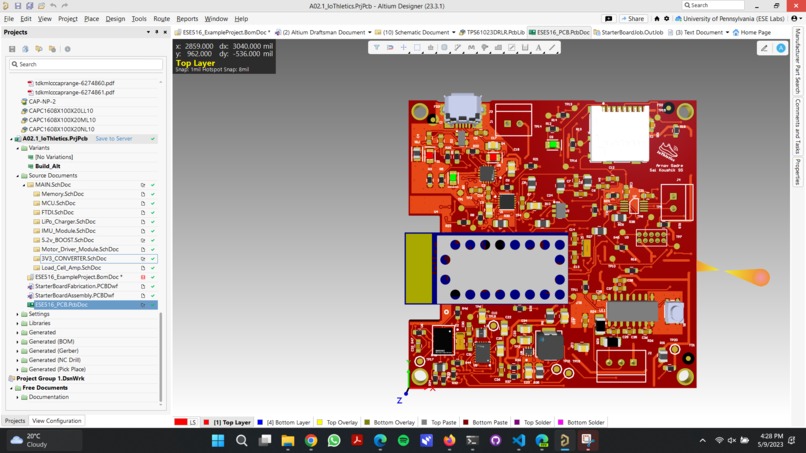
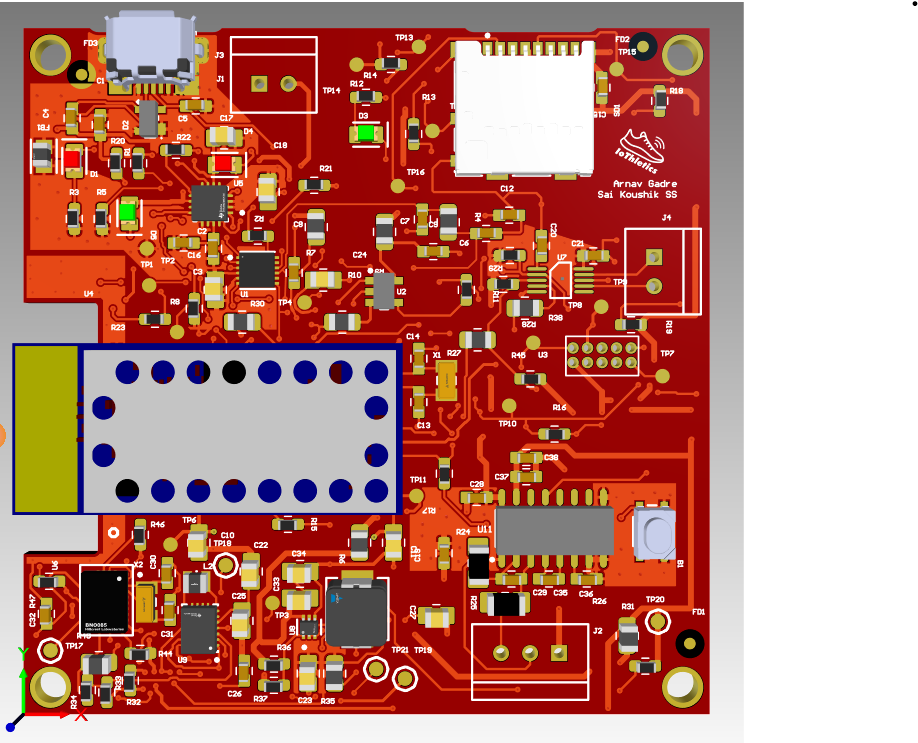
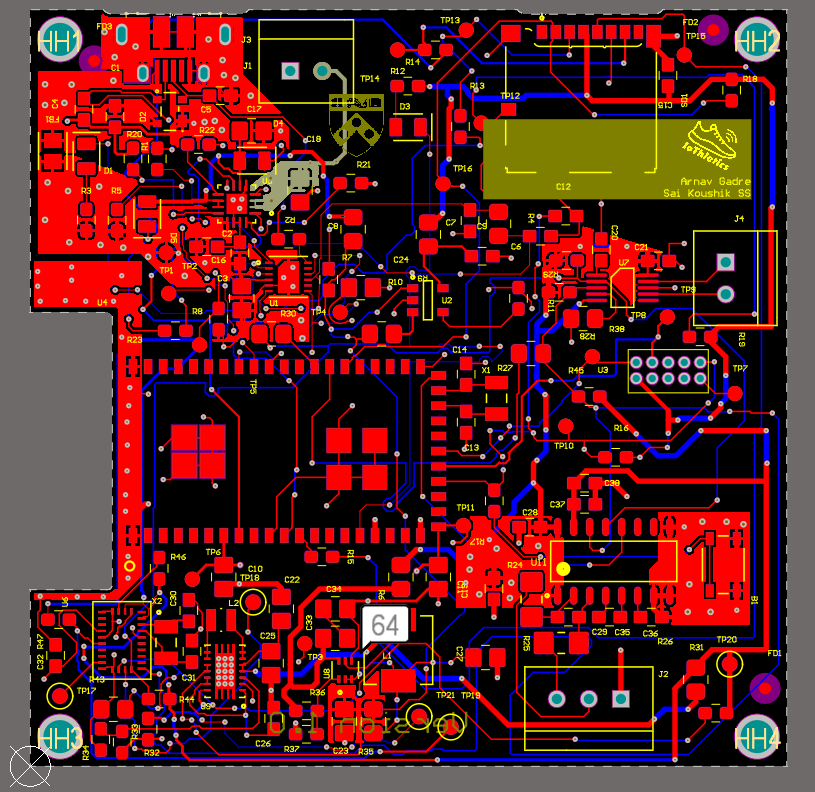
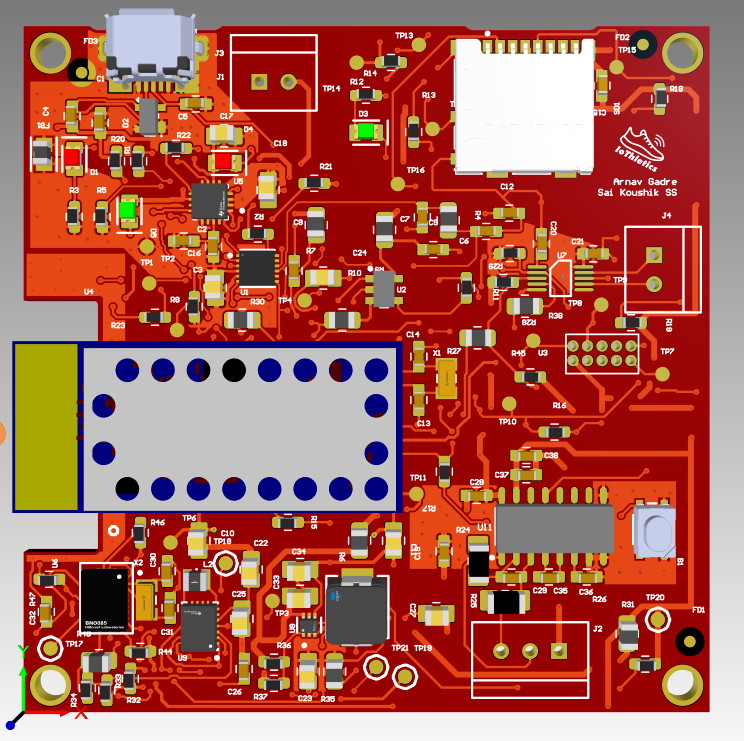
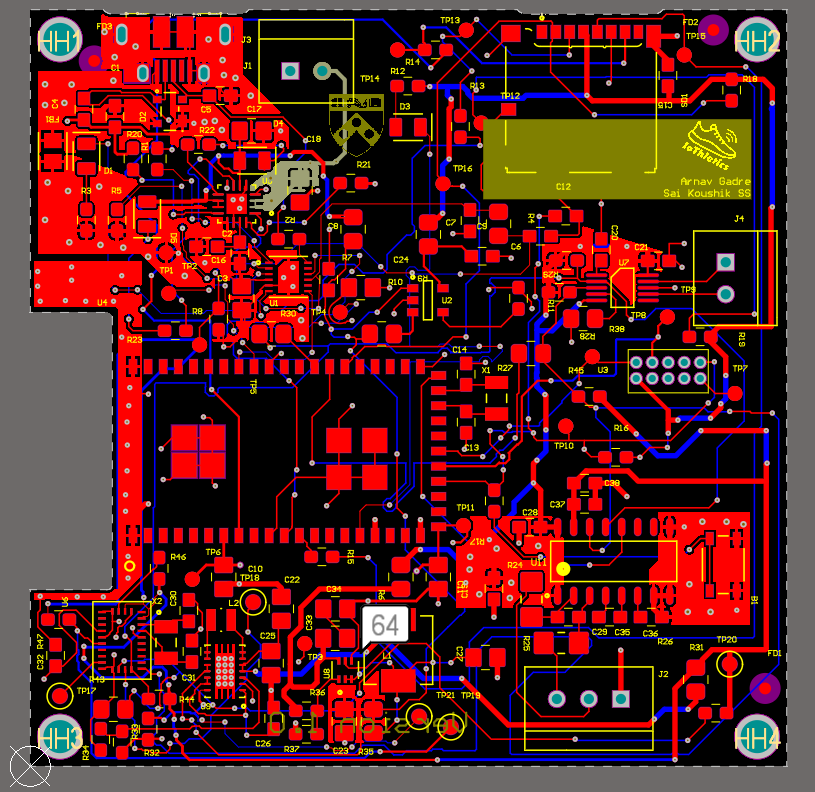
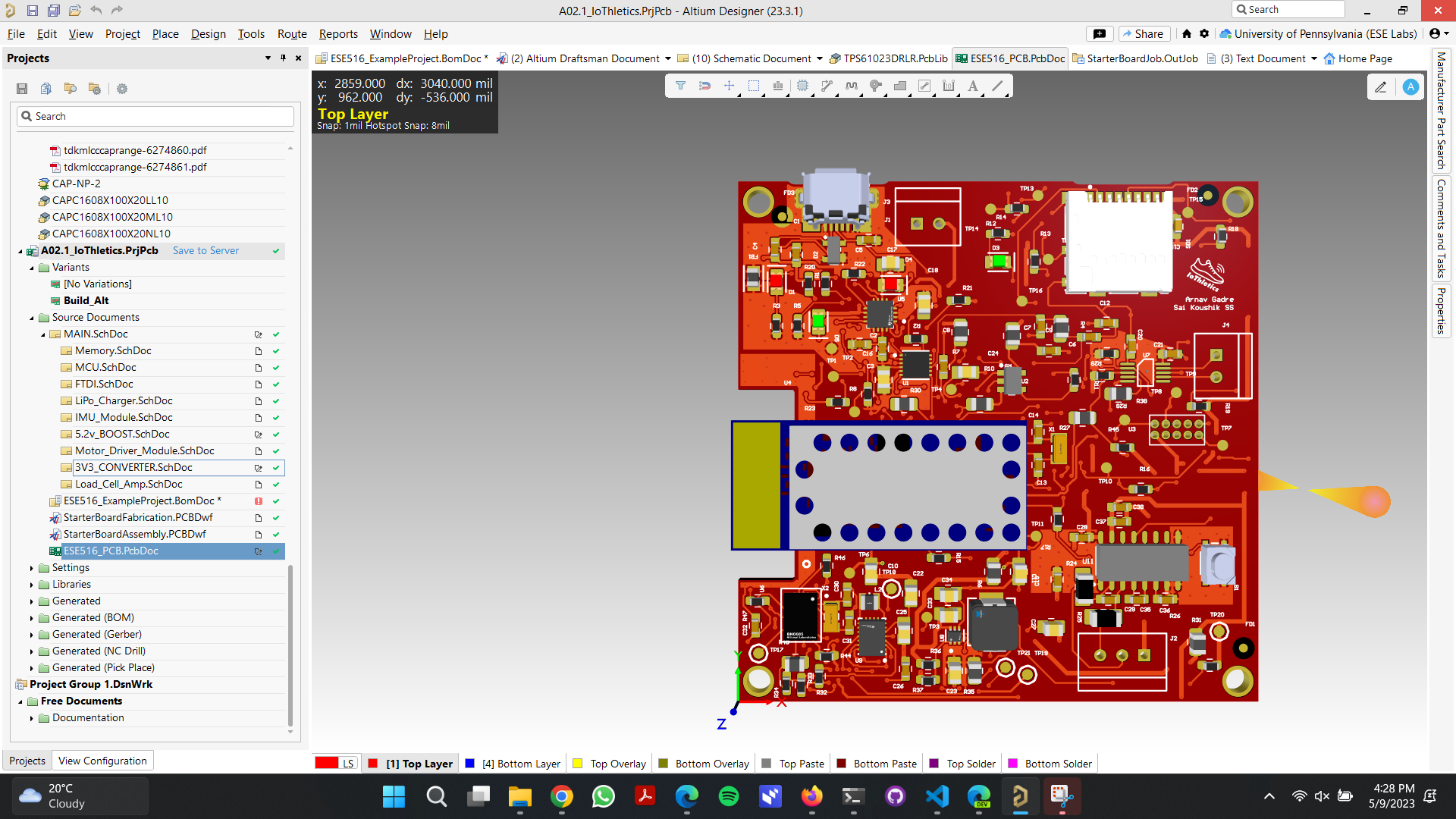
We designed the shoe's PCB using Altium Designer. The PCB is housed in a 3D-printed enclosure.
Challenges we ran into
One of the biggest challenges we faced was designing the shoe's PCB. We had to carefully consider the placement of the components to ensure that the shoe was lightweight and comfortable to wear. We also had to make sure that the PCB was durable enough to withstand the rigors of athletic activity.
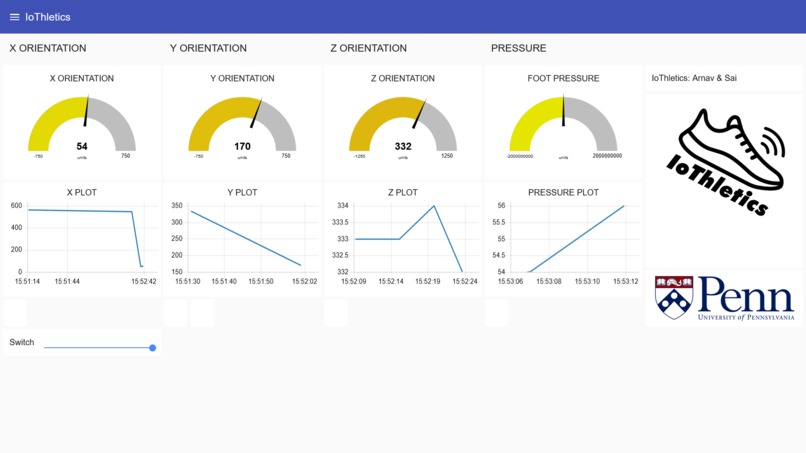
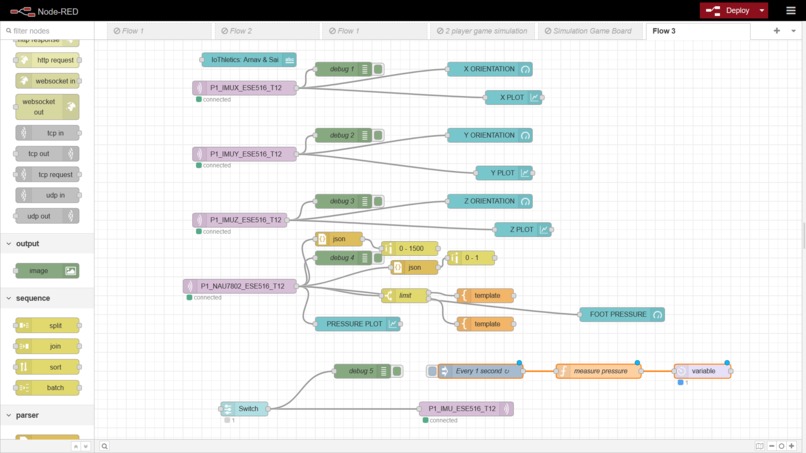
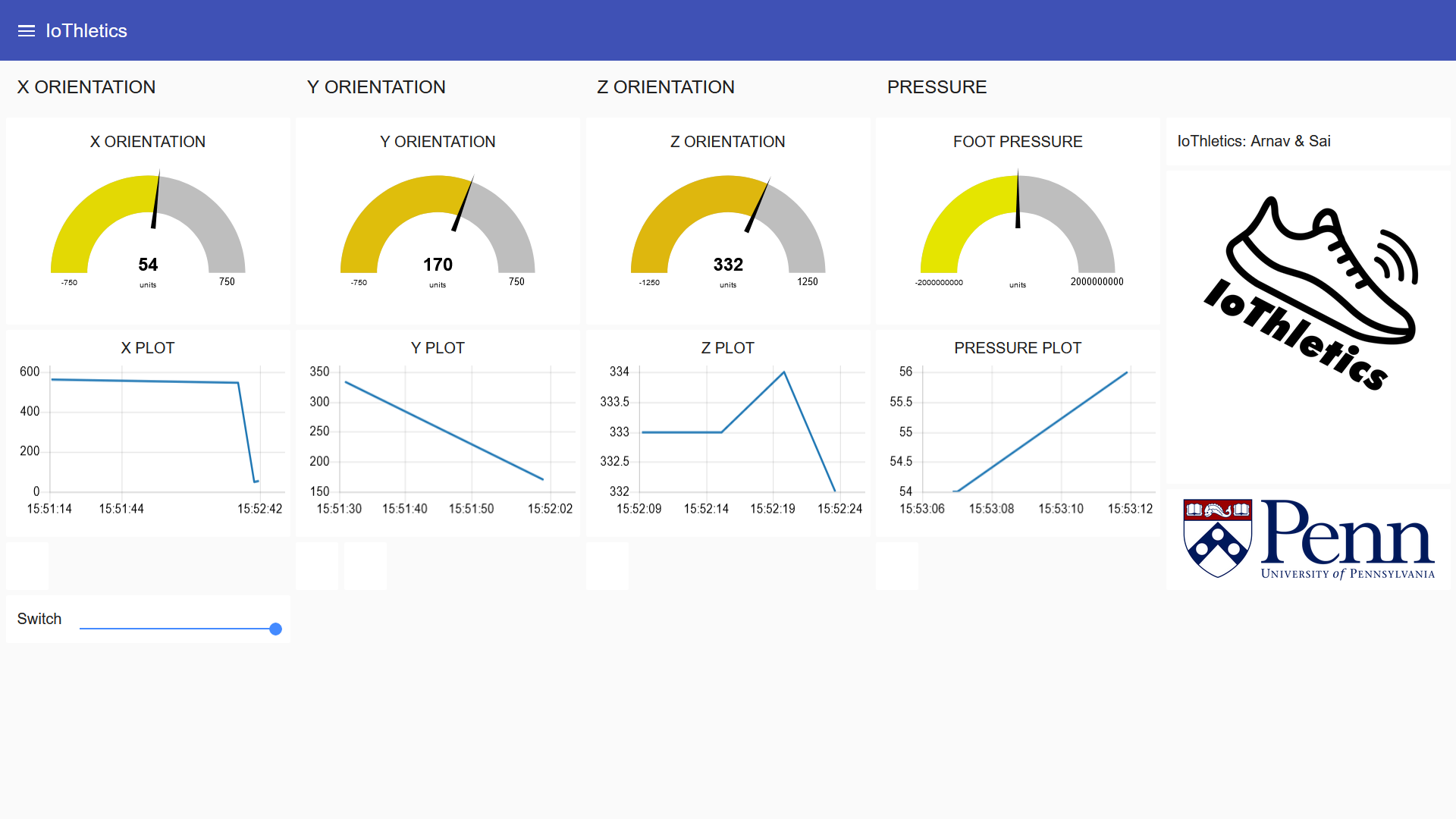
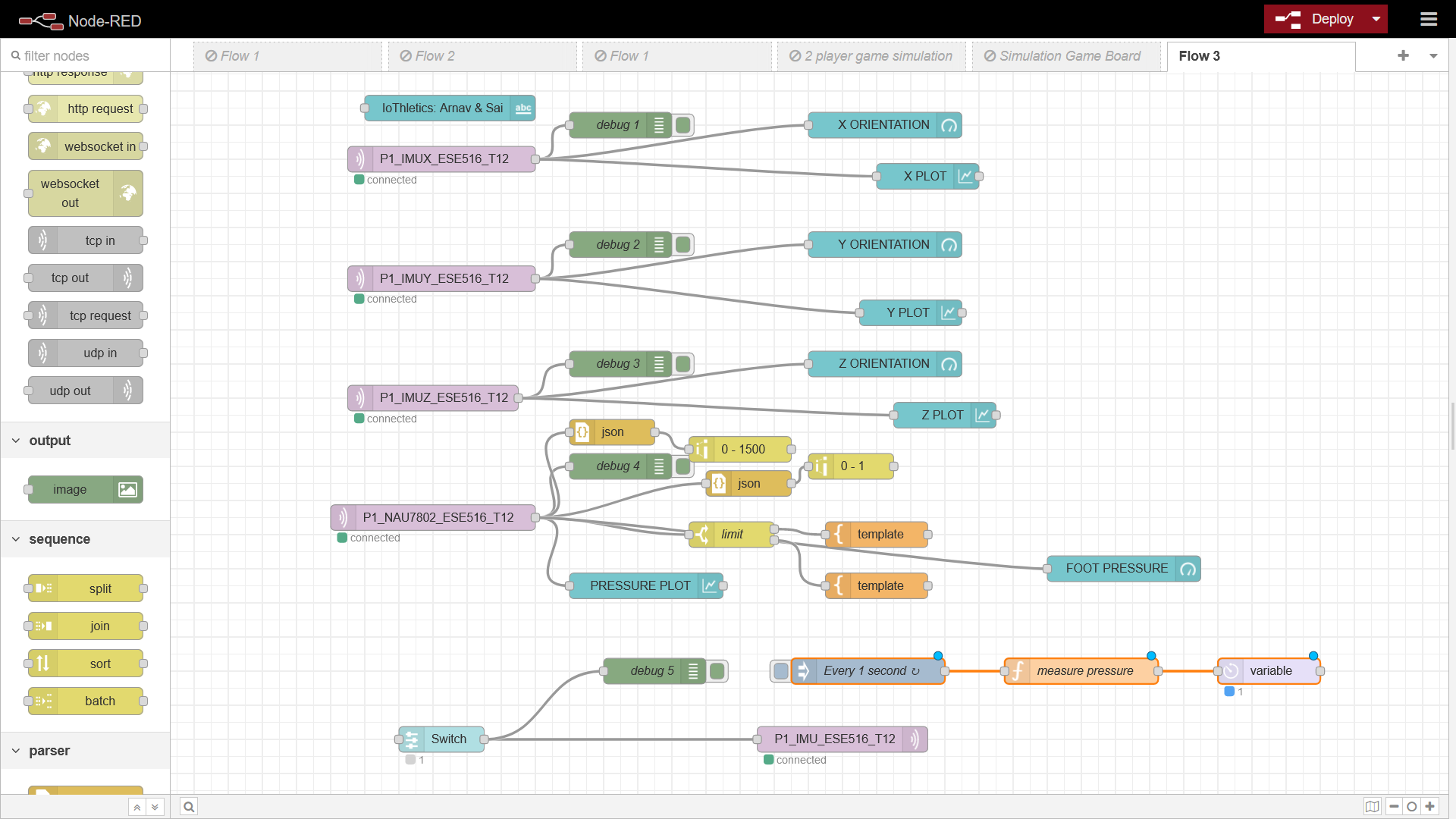
Another challenge we faced was developing the firmware. We had to write code that could collect data from the sensors, process the data, and provide feedback to the user. We also had to develop code that could upload the sensor data to the cloud by setting up NodeRed on our Azure instance, which was a bit confusing.
Accomplishments that we're proud of
We are proud of the fact that we were able to successfully build a functional IoT-based smart shoe-monitor. We are also proud of the fact that we were able to develop the software and hardware based on our requirements.
We believe that IoThletics has the potential to revolutionize the way that athletes train and prepare for competition.
What we learned
We learned a lot from building IoThletics. We learned about the challenges of designing and developing IoT devices. We also learned about the importance of collaboration and teamwork.
Prototype Learnings
- Very important to check PCB design (revisit it atleast 5 times) before sending it to the manufacturer
- Try simulating the circuit, if possible
- Do not ignore some Altium warnings
What's next for IoThletics
Developing new features, such as the ability to track heart rate and sleep quality could lead to much better analytics.
We believe that IoThletics has the potential to revolutionize the way that athletes train and prepare for competition.
Link to Node Red Dashboard:
Built With
- c
- freertos
- microchipstudio
- rtos

Log in or sign up for Devpost to join the conversation.