-
-
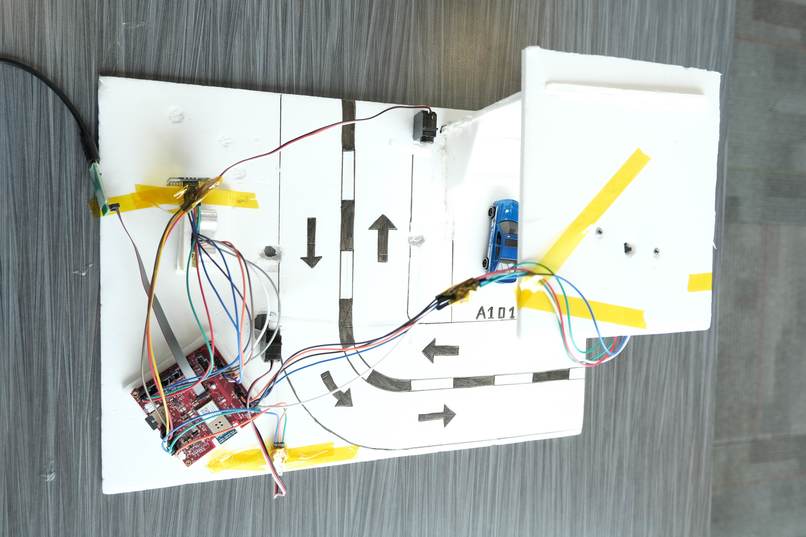
The Top View
-
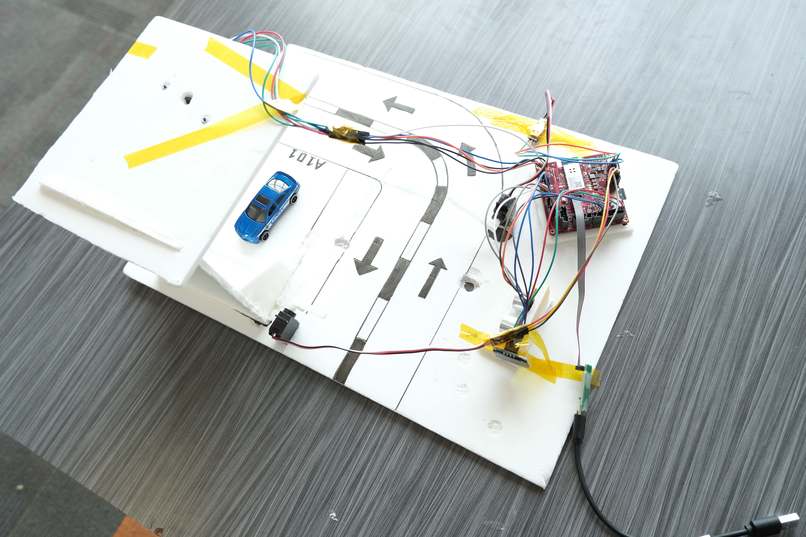
The Right View
-
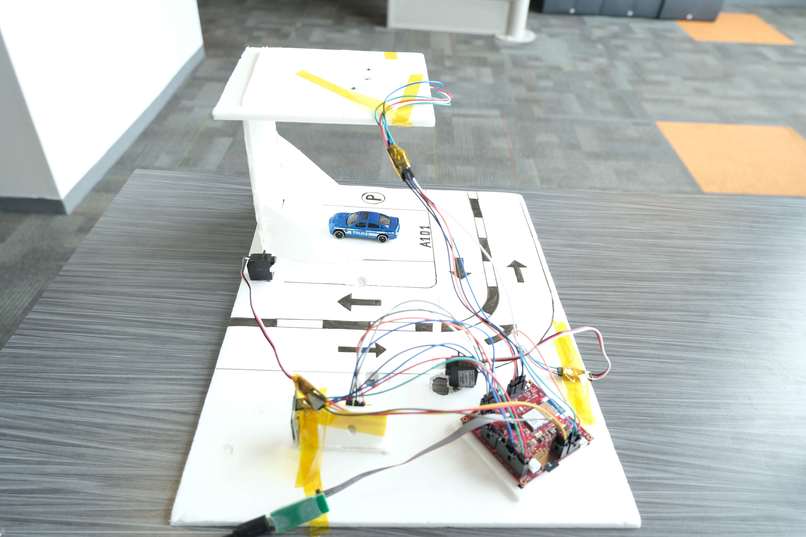
The Left View
-
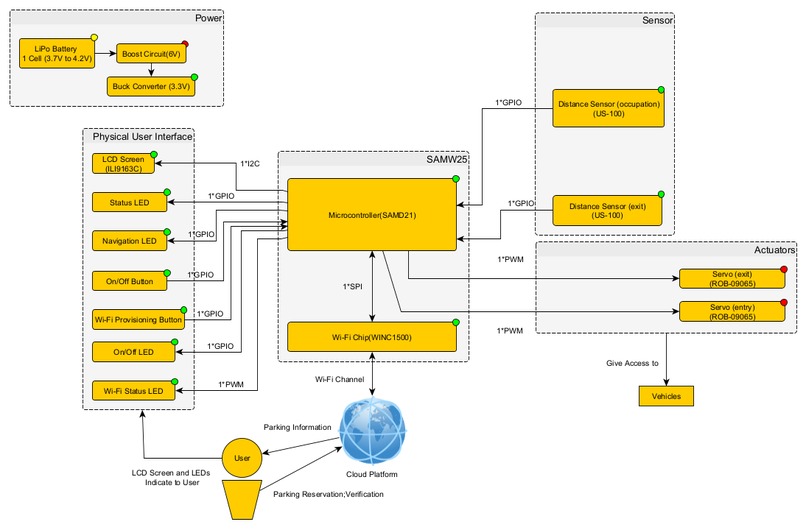
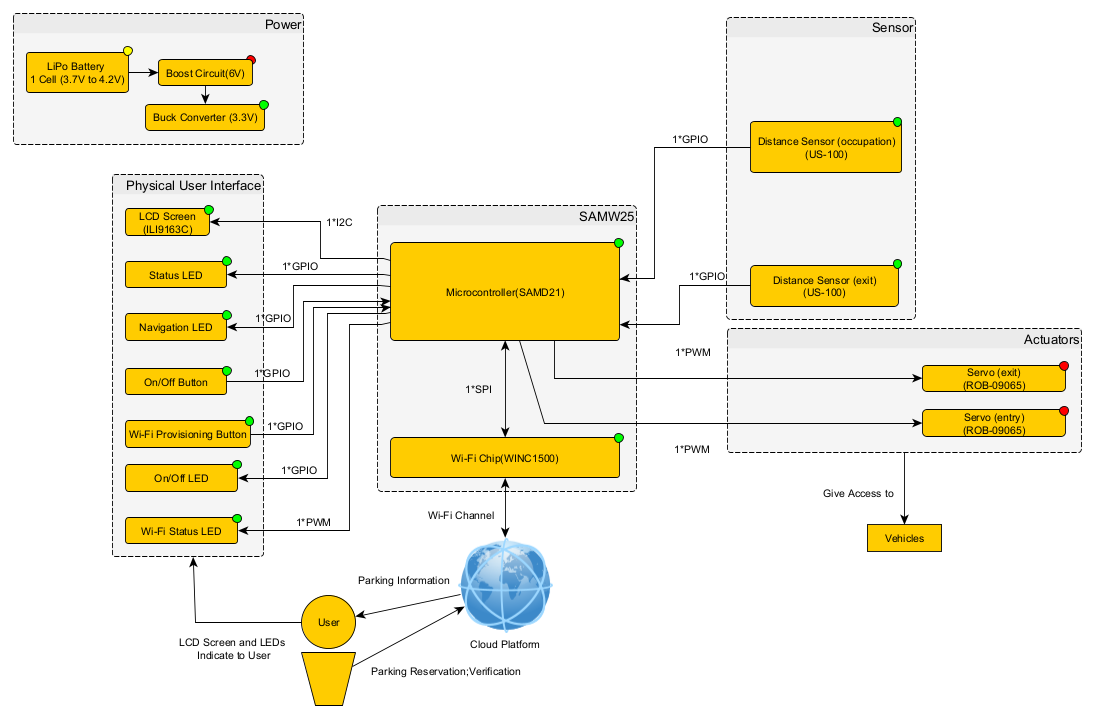
Flow Chart
-
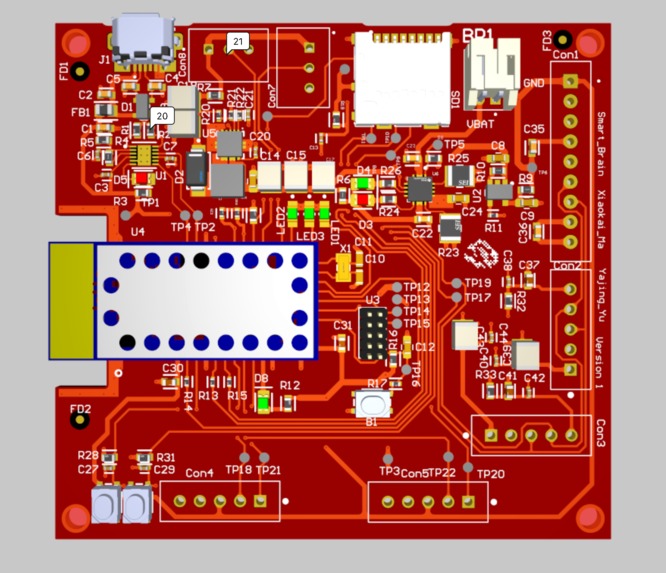
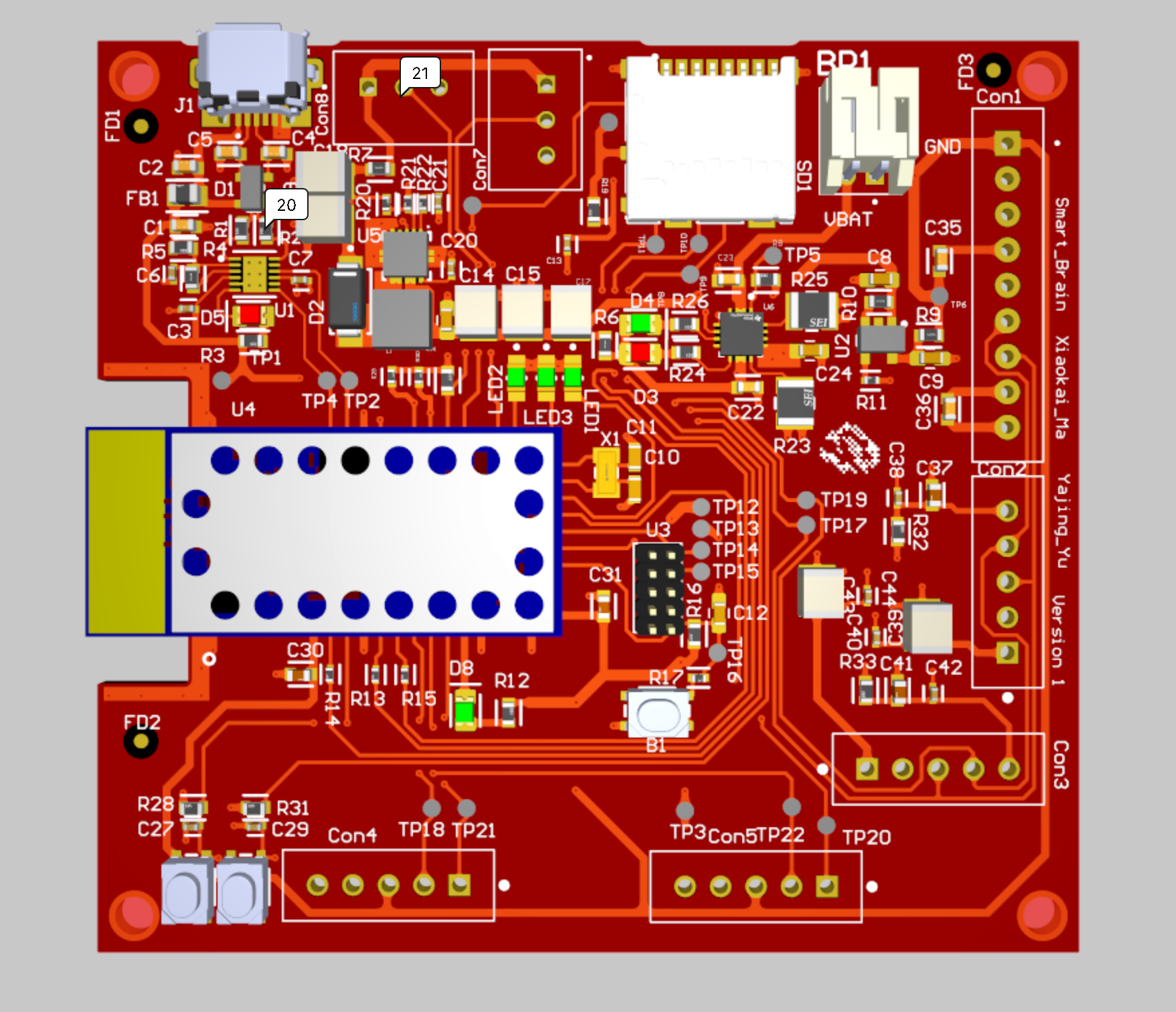
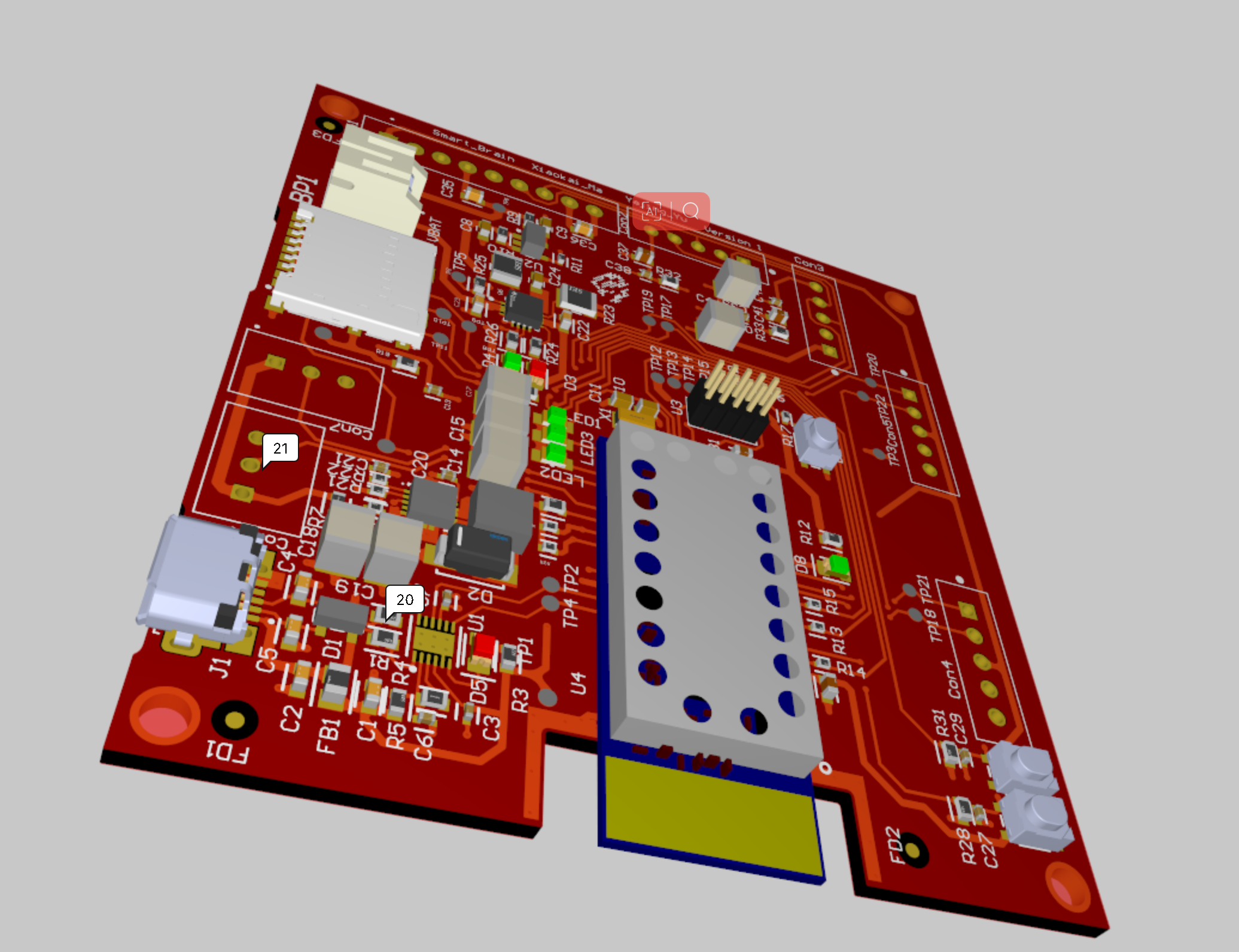
The Top layer of 3D PCBA
-
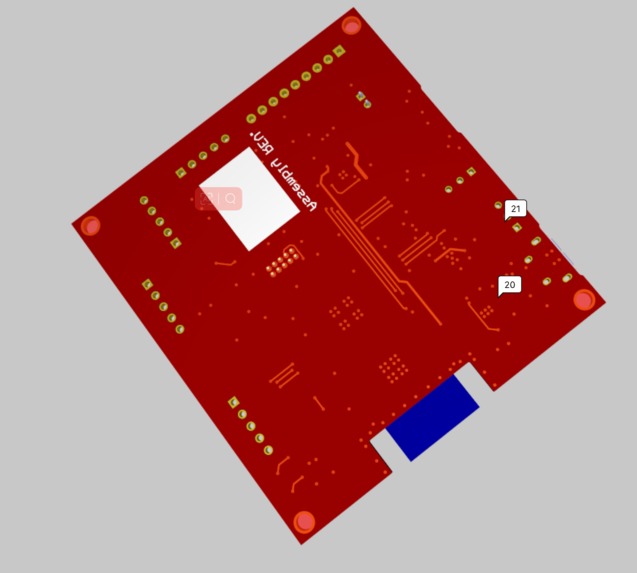
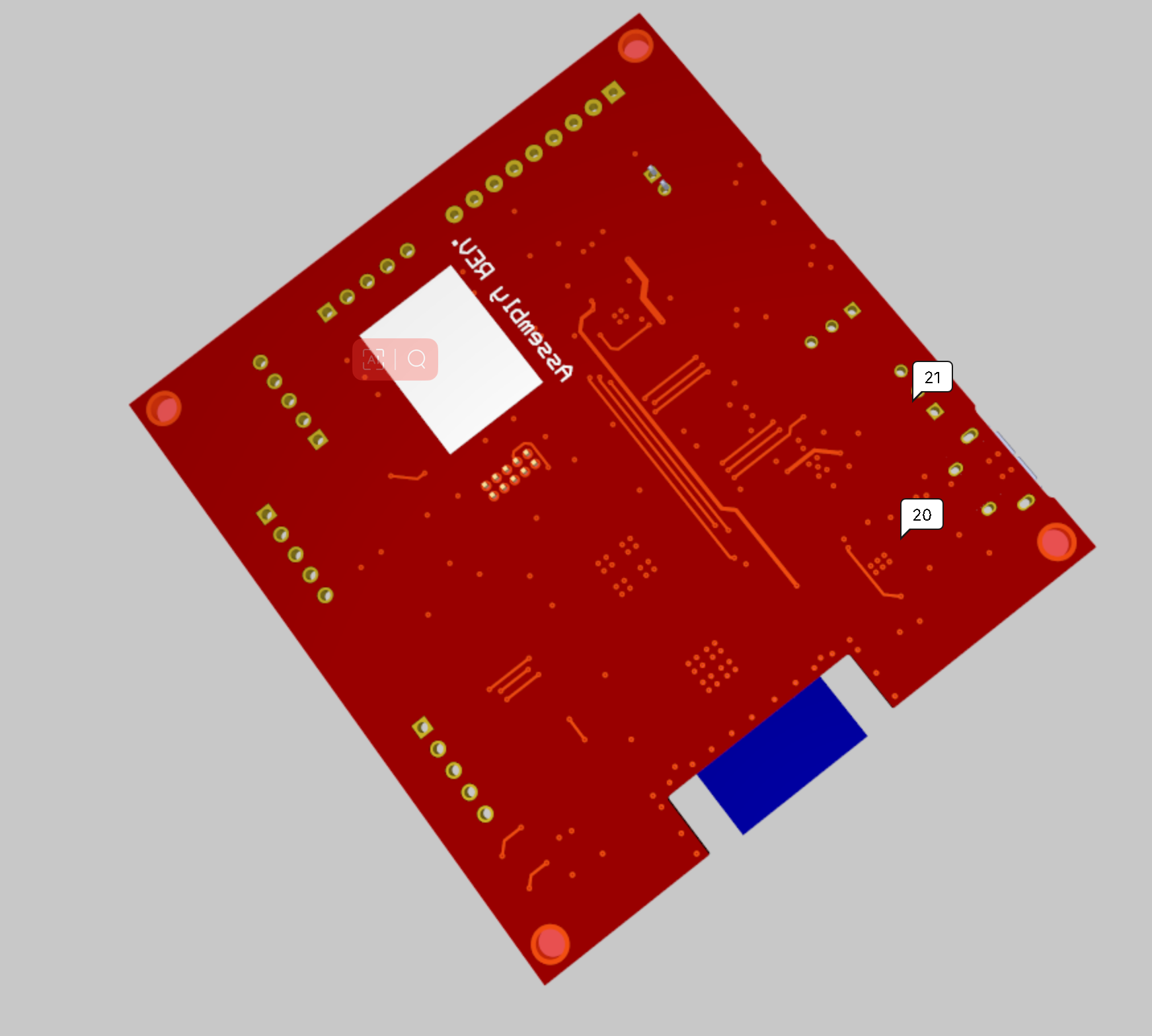
The back layer of 3D PCBA
-
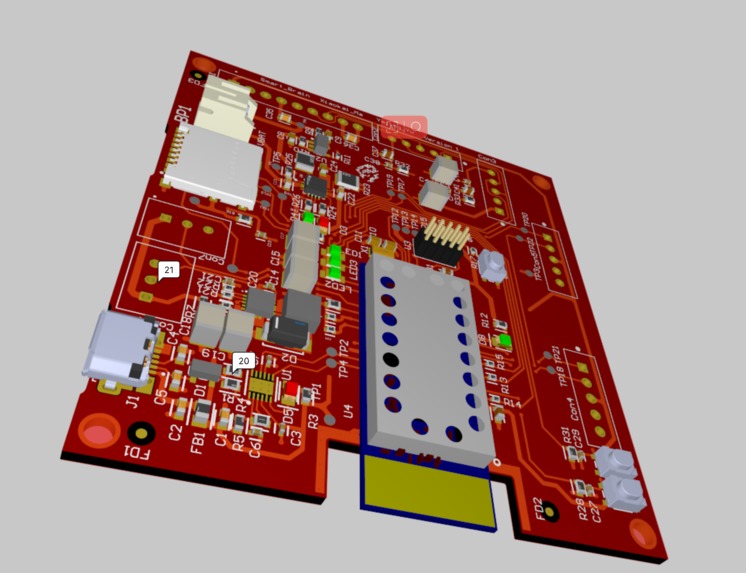
The left layer of 3D PCBA
-
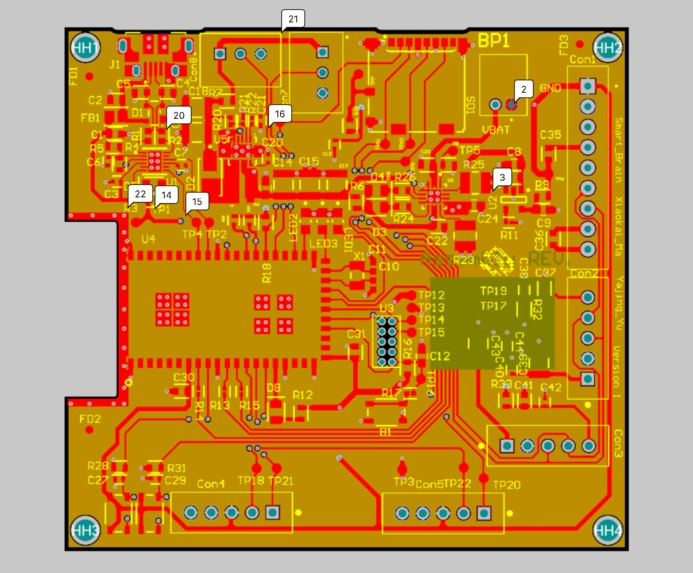
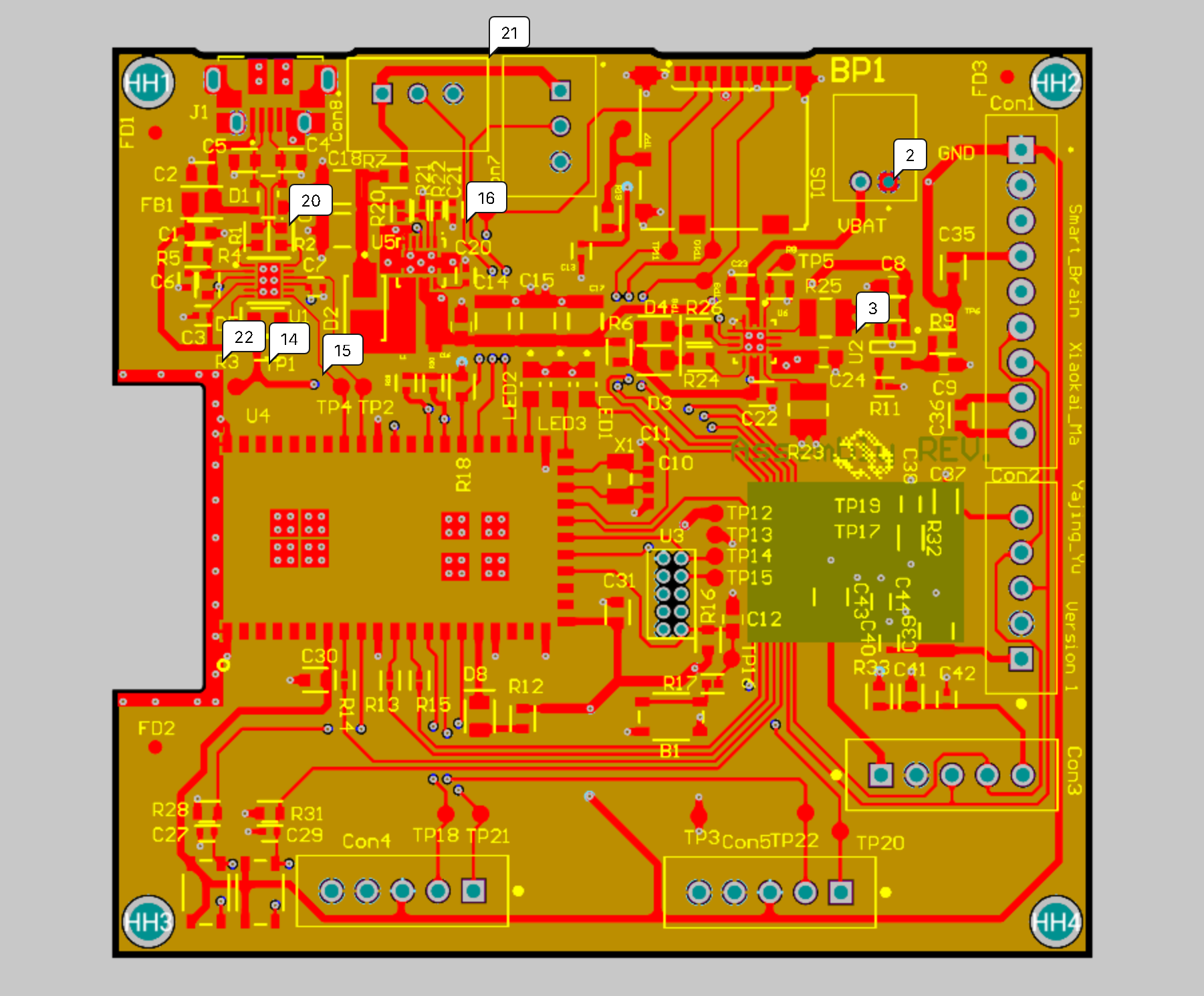
The 2D PCBA
-
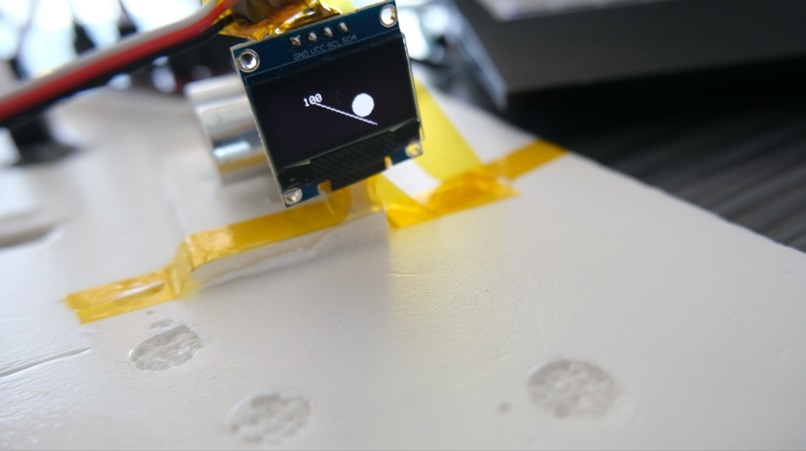
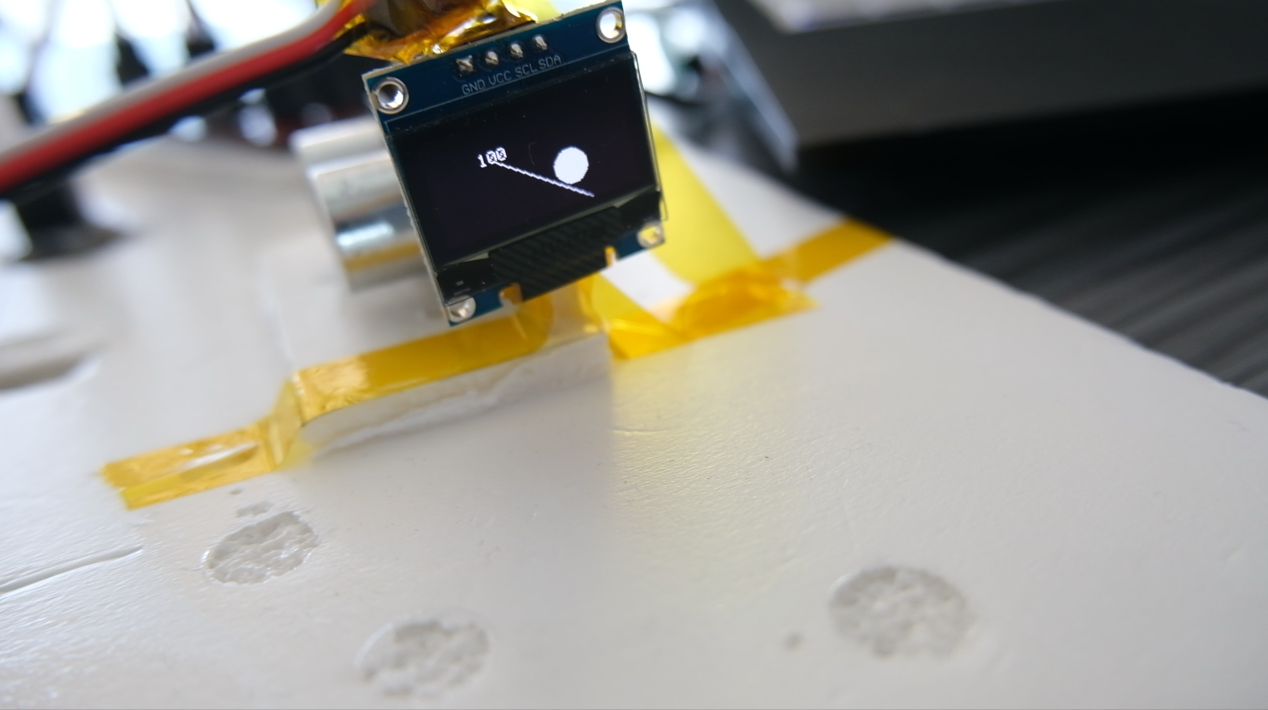
The original value of LCD Screen
-
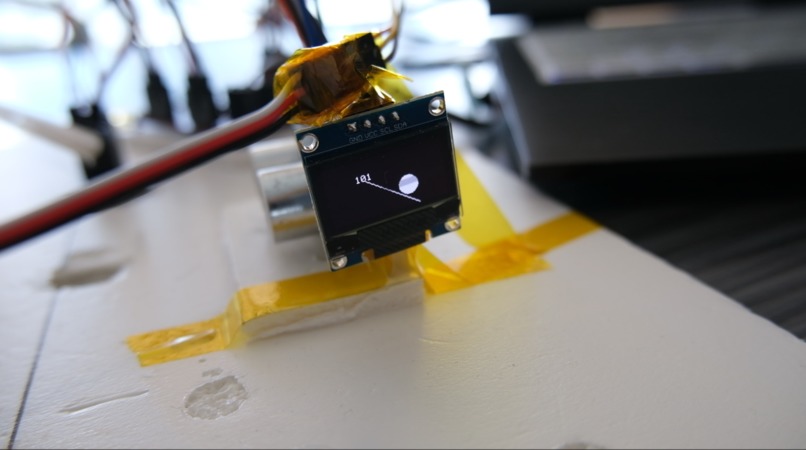
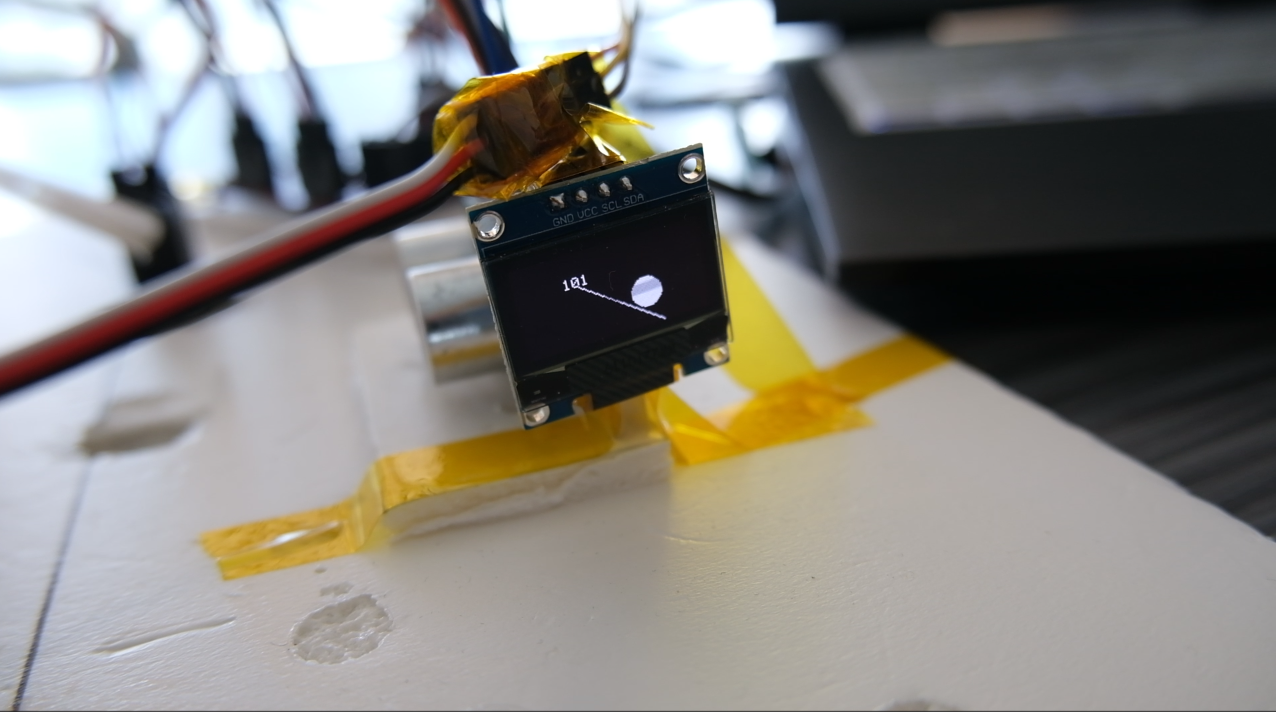
The new value of LCD Screen
-
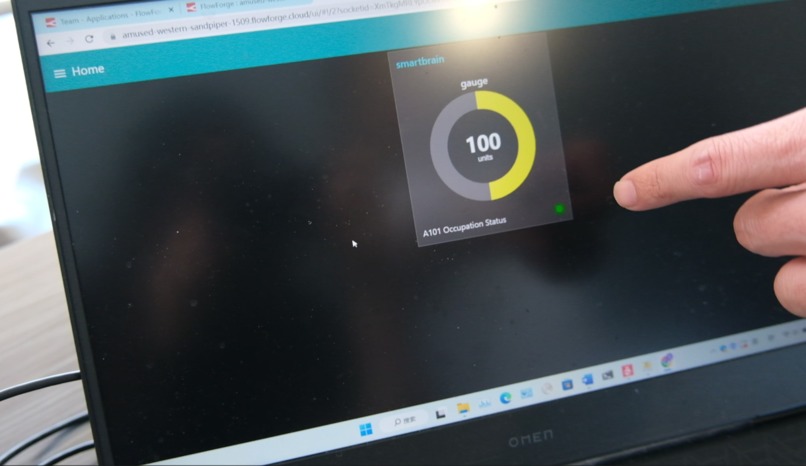
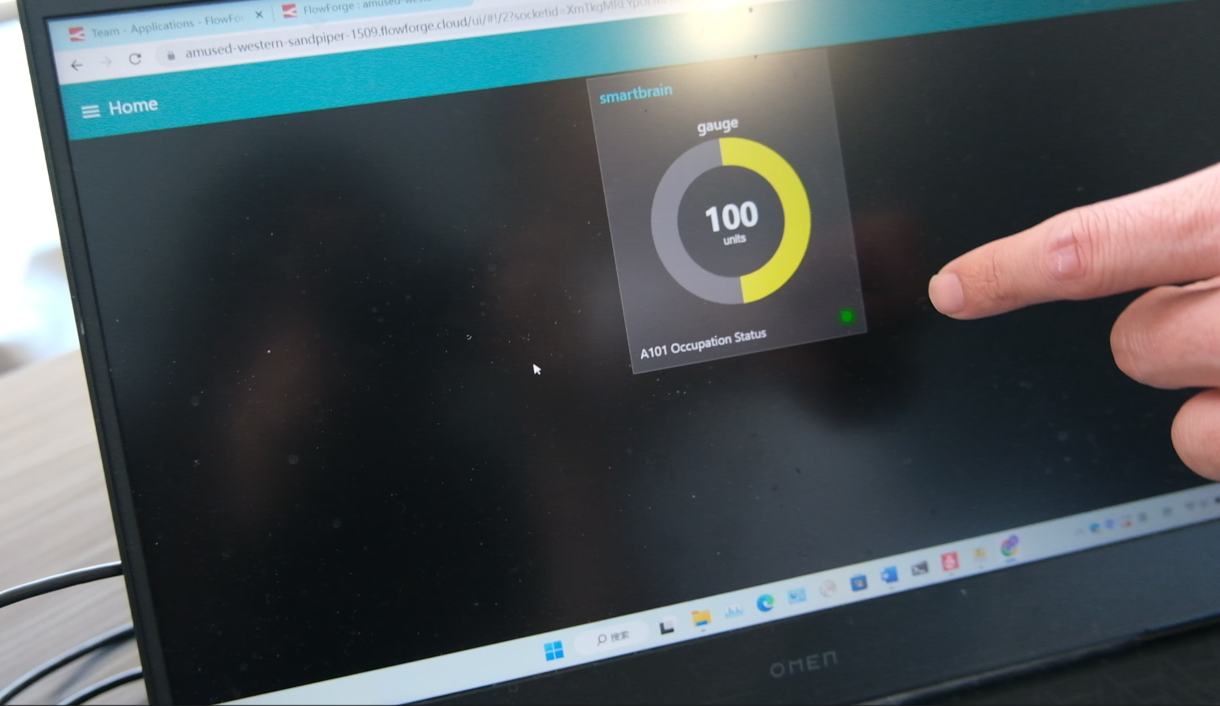
The original information on NodeRED
-
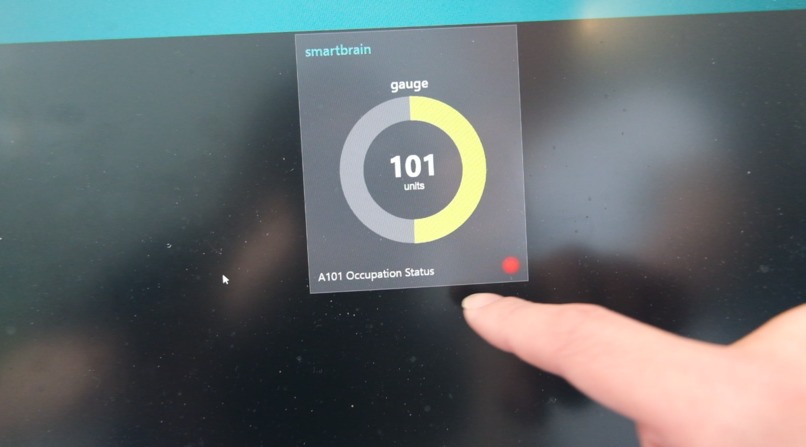
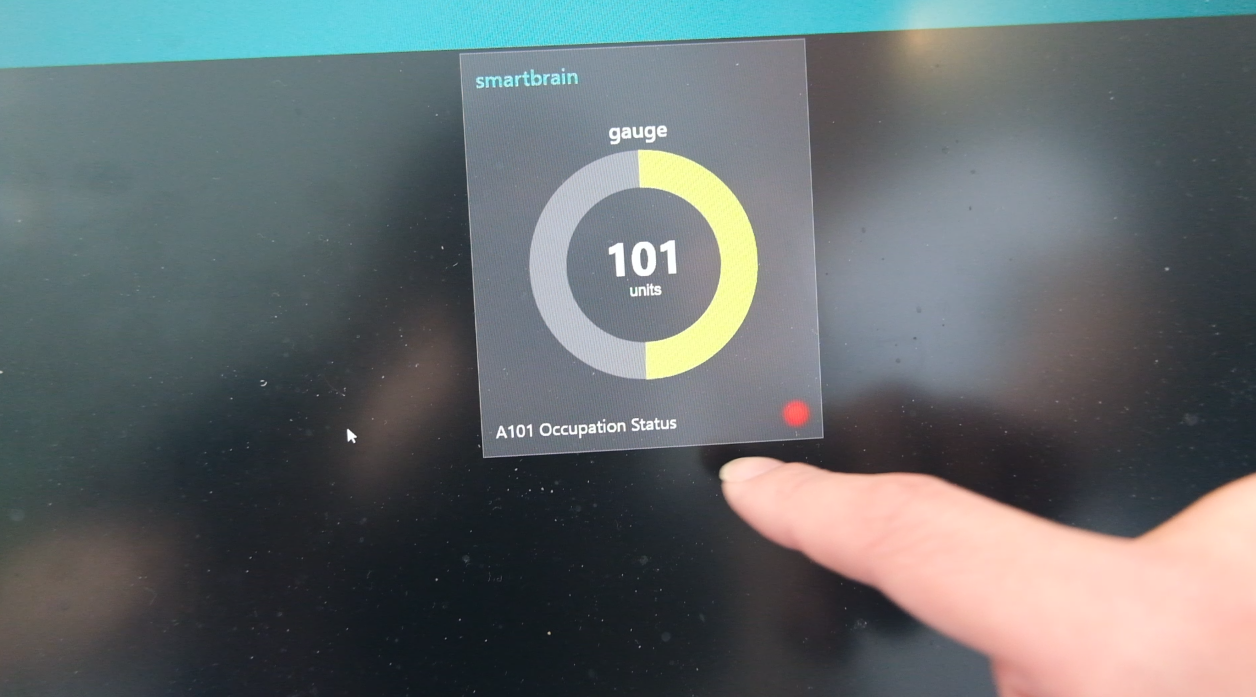
The new information on NodeRED
-
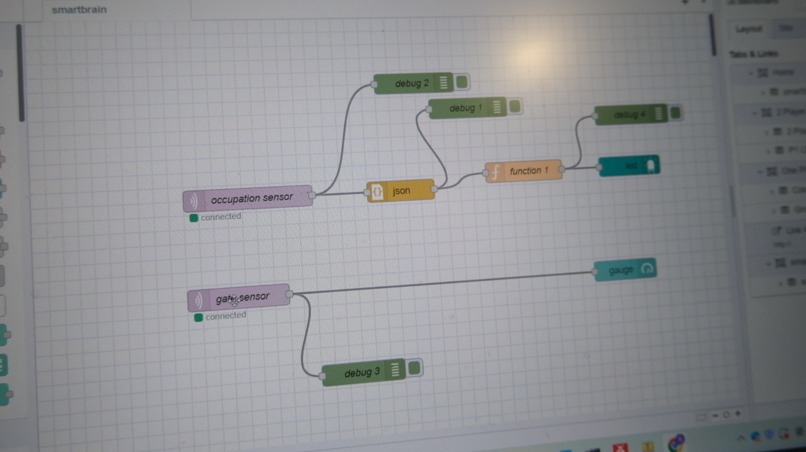
Node-RED backend



What is does
The smart parking lot project is designed with two main objectives in mind. The first objective is to automatically open and close the door of the parking lot whenever a car enters or exits the lot. This feature will improve the convenience and safety of the parking lot for drivers. The second objective is to monitor the parking spots and display the occupancy status on both the LCD screen and Node-RED platform. When a car occupies a parking spot, the corresponding occupation LED will change from green to red, and the occupied spot number will increase from 100 to 101. This feature will help drivers to quickly identify available parking spots and improve the overall efficiency of the parking lot.
Inspiration
The inspiration behind creating a smart parking lot is to improve the efficiency and convenience of parking. With the increasing number of vehicles on the road, finding a parking spot has become a major issue in many cities. Traditional parking lots rely on manual methods to manage parking, which can be time-consuming and inefficient. By implementing a smart parking system, the process of finding and reserving a parking spot becomes automated and more streamlined, reducing the time and effort required to park a vehicle. Additionally, the use of smart parking systems can help reduce traffic congestion, lower emissions from vehicles circling in search of a spot, and improve overall traffic flow in busy areas.
How it works
- Hardware setup:
- Install two ultrasonic sensor US100, in each parking spot to detect if a car is present.
- Connect the sensors to a microcontroller SAMW25, such as an Arduino.
- Install two servos to control the opening and closing of the parking lot door.
- Connect the motor or servo to the microcontroller.
- Connect an LCD screen to the microcontroller or single-board computer to display the parking spot status.
- Software implementation:
- Write a program to read the sensor data and check if a car is present in the parking spot.
- If a car is detected, send a signal to the Node-RED server to update the parking spot status.
- Display the parking spot status on the LCD screen.
- If a car enters or leaves the parking lot, send a signal to the microcontroller or single-board computer to open or close the parking lot door.
- Node-RED setup:
- Install and configure the Node-RED server on a computer or a Raspberry Pi.
- Create a flow in Node-RED to receive the signals from the microcontroller or single-board computer and update the parking spot status.
- Connect the flow to an LED indicator to show the parking spot status.
- Testing and optimization:
- Test the system and optimize the software and hardware to ensure reliable and accurate operation.
- Consider adding additional features, a reservation system, to enhance the functionality of the smart parking lot.
Challenges we ran into
1.Accurate detection of the presence of a car in the parking spot: Accurate detection of whether the parking spot is occupied or not is critical for the system's proper functioning. However, detecting the presence of a car using sensors may be affected by various factors such as weather, lighting conditions, and the size of the vehicle. Thus, choosing the right sensor and adjusting it correctly to avoid false detection can be a challenge.
2.Integration of various hardware and software components: This project requires the integration of various hardware and software components, such as the door controller, occupancy sensor, LCD screen, and Node-RED. Ensuring that all these components work seamlessly together can be challenging.
Prototype Learnings
The prototype learning behind the smart parking lot project involves designing and implementing a functional system that solves a real-world problem using a combination of hardware and software. It involves identifying the problem, defining the requirements, selecting appropriate components and technologies, and integrating them into a complete system that meets the specified criteria. In the process of building the prototype, various skills are learned and applied, including electrical and mechanical engineering, programming, user interface design, and project management. The iterative process of testing and refining the prototype allows for continuous improvement and refinement of the design. Furthermore, the prototype learning also involves the ability to identify potential challenges, develop creative solutions, and adapt to changing requirements and constraints. This project serves as a valuable learning experience for students or engineers who want to develop their skills in system design, implementation, and problem-solving.
What we learned
From this project, we can learn how to integrate different technologies and devices to create a smart system. It requires knowledge and skills in various fields, such as hardware design, programming, and communication protocols. We also learn how to solve practical problems and challenges that may arise during the development process. For example, we need to ensure the accuracy of the car detection system, design a reliable door control mechanism, and manage the data communication between different components. In addition, we can learn how to apply the concept of the Internet of Things (IoT) to improve the efficiency and convenience of daily life. By connecting different devices and systems, we can create a more intelligent and automated environment that can enhance our quality of life.
Next Steps
- Scaling up: If this project was implemented on a small scale, it could be expanded to larger parking lots or even multiple parking lots. This would require additional hardware and software, as well as more extensive testing and calibration.
- Integration with payment systems: The smart parking lot could be integrated with payment systems to automate the payment process. This would involve adding additional hardware and software to the system, such as payment terminals and back-end payment processing systems.
- Data analytics: The data collected by the smart parking lot could be analyzed to gain insights into parking patterns and usage. This could help optimize the use of the parking lot, such as identifying peak usage times or underutilized parking spots.
- Adding additional features: The system could be enhanced with additional features, such as security cameras, license plate recognition, or integration with navigation systems to guide drivers to available parking spots.
Built With
- asf
- c


Log in or sign up for Devpost to join the conversation.