-
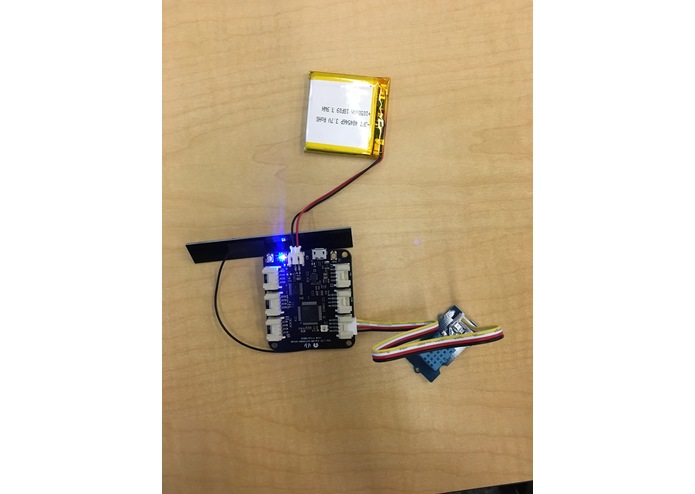
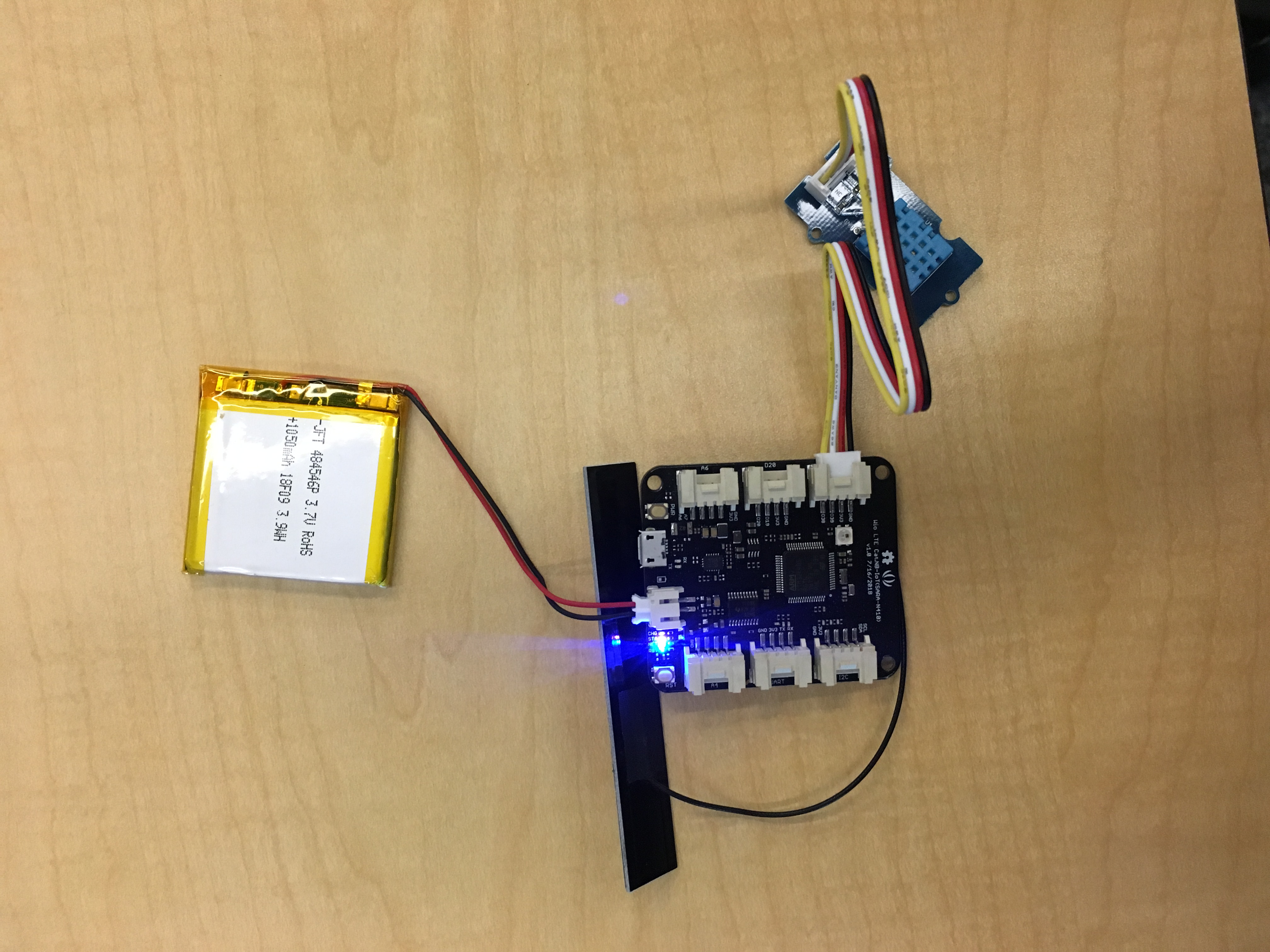
Our device :)
Inspiration
We heard that a patient in Canada passed away because there was not enough staff to handle multiple cases. Sadly, none of the nurses were notified that the vitals of another patient were deteriorating. This could have been prevented if there was an existing device that could have helped notified the staff.
What it does
The IoT Health Portal allows the patient to be monitored 24h/7. All information is being communicated in real time to the nurses’ work station. In case of any abnormalities, the nurse is provided with patient ID and room # to physically go check the patient’s vitals. With that technology, incoming patients can also be monitored while waiting to be seen by a physician.
How we built it
We used a Health monitor(created using NBIoT) provided by Twilio , a temperature sensor, a narrowband device and a computer with internet accessibility .
Challenges we ran into
Setting up the devices as well as using the wrong sensors were very challenging. We are more proficient in using Arduino based code for programing IoT devices, learning how to program on a new board was definitely along a learning curve.
Accomplishments that we're proud of
We're proud for not giving up after all of the challenges we ran into. We had an amazing time with the Twilio and T-mobile team who were all very friendly and resourceful.
What we learned
All technologies used were new to us.
What's next for IoT Health Portal
After having analyzed how much of an impact this device can make towards improving health care, we would definitely keep on exploring more on the idea.
Built With
- arduino
- heart-rate-monitors
- javascript
- react

Log in or sign up for Devpost to join the conversation.