-
-
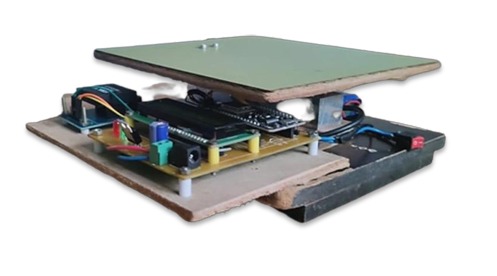
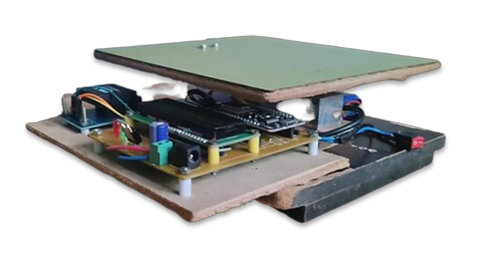
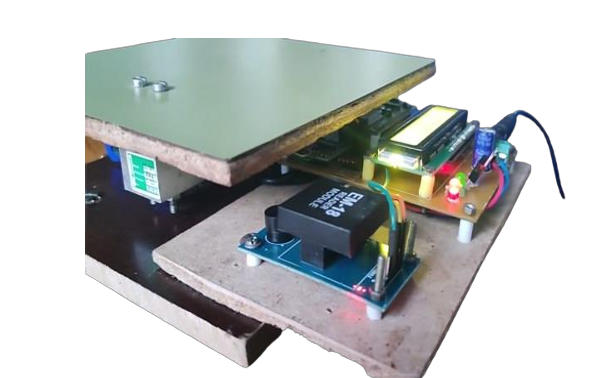
Product image of Iron ore tracking
-
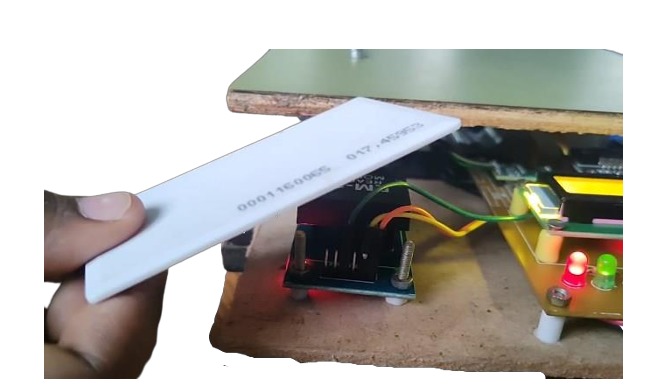
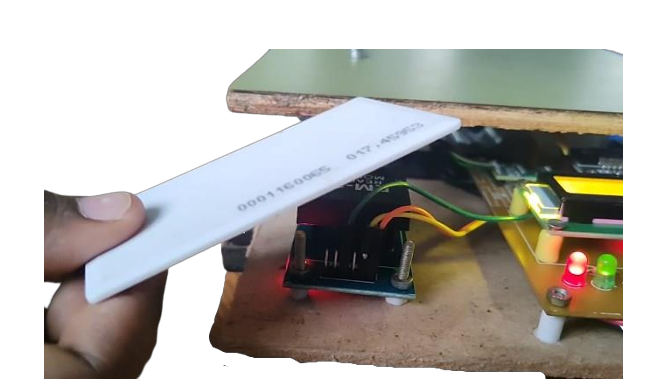
Scanning the RFID tag
-
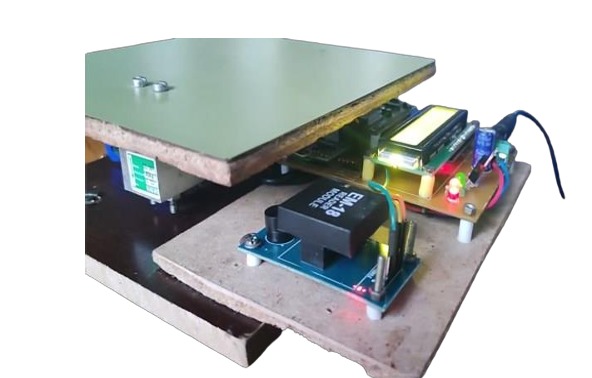
Initially when we give power supply to microcontroller and LCD will load the starting calibration.
-
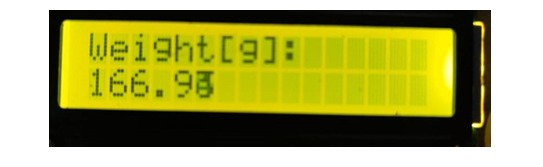
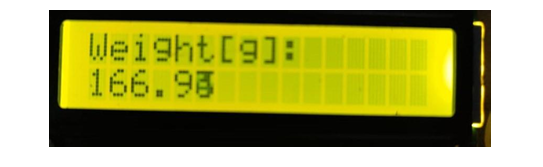
when we place any object on the load cell the lcd display the weight
Inspiration
The project drew inspiration from the challenges faced in India's iron ore industry: significant losses during transportation, manual classification difficulties, and time-consuming processes. By integrating RFID technology, GPS tracking, and YOLO V5 algorithms, the initiative aims to enhance efficiency, minimize losses, and streamline the entire iron ore supply chain.
What it does
This innovative solution optimizes the iron ore supply chain in India by employing RFID and GPS technology, alongside YOLO V5 algorithms. It enables real-time tracking of ore shipments, automatic classification, and precise weight monitoring, ensuring efficiency, reducing losses, and revolutionizing the mining industry's operational processes.
How we built it
The project utilized IoT by integrating RFID tags, GPS trackers, and load cells. RFID technology classified iron ore types, while GPS ensured real-time vehicle tracking. Data from these devices were processed by YOLO V5 algorithms, creating a seamless, automated, and efficient system for the entire iron ore supply chain.
Challenges we ran into
Integrating different technologies smoothly, keeping data updated in real-time, and creating accurate recognition algorithms were tough tasks. Plus, dealing with environmental factors like dust and moisture for RFID readability was tricky. Despite these challenges, we managed to overcome them through careful testing and continuous improvements.
Accomplishments that we're proud of
We take pride in creating a seamless, efficient solution for India's iron ore industry. Our system not only overcame technological challenges but also significantly reduced losses during transportation, streamlined classification, and enhanced overall operational efficiency. These accomplishments signify a major step forward for the mining sector.
What we learned
Through this project, we gained valuable insights into the complexities of integrating diverse technologies seamlessly. We learned to tackle real-time data synchronization challenges and refine recognition algorithms. Overcoming environmental obstacles highlighted the importance of adaptability and persistence in IoT implementations.
What's next for IOT-BASED SUPPLY CHAIN MANAGEMENT
The future of IoT-based supply chain management holds immense potential. Enhanced sensor technologies, AI-driven analytics, and blockchain integration will further optimize logistics, ensuring real-time tracking, predictive maintenance, and streamlined operations. Automation and data-driven decision-making will revolutionize efficiency, reduce costs, and enhance sustainability, reshaping the landscape of global supply chains.
Built With
- adapter
- arduino
- cell
- esp8266]
- gps-module
- hx711
- i2c-module
- lcd
- led
- lithium-ion-battery
- load
- nodemcu
- resistor
- rfid-reader
- rfid-tag
- thinger.io
- voltage-regulator


Log in or sign up for Devpost to join the conversation.