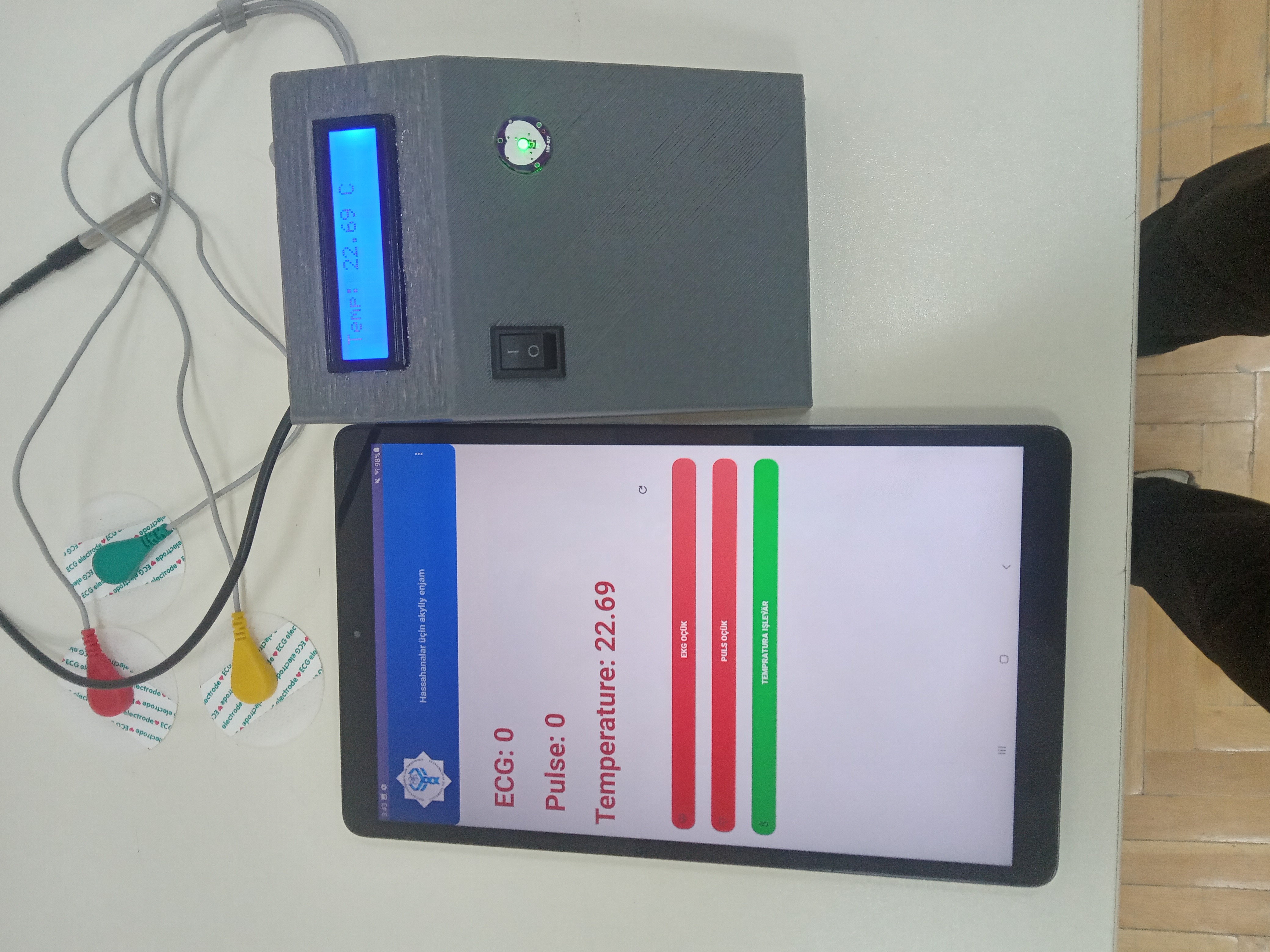
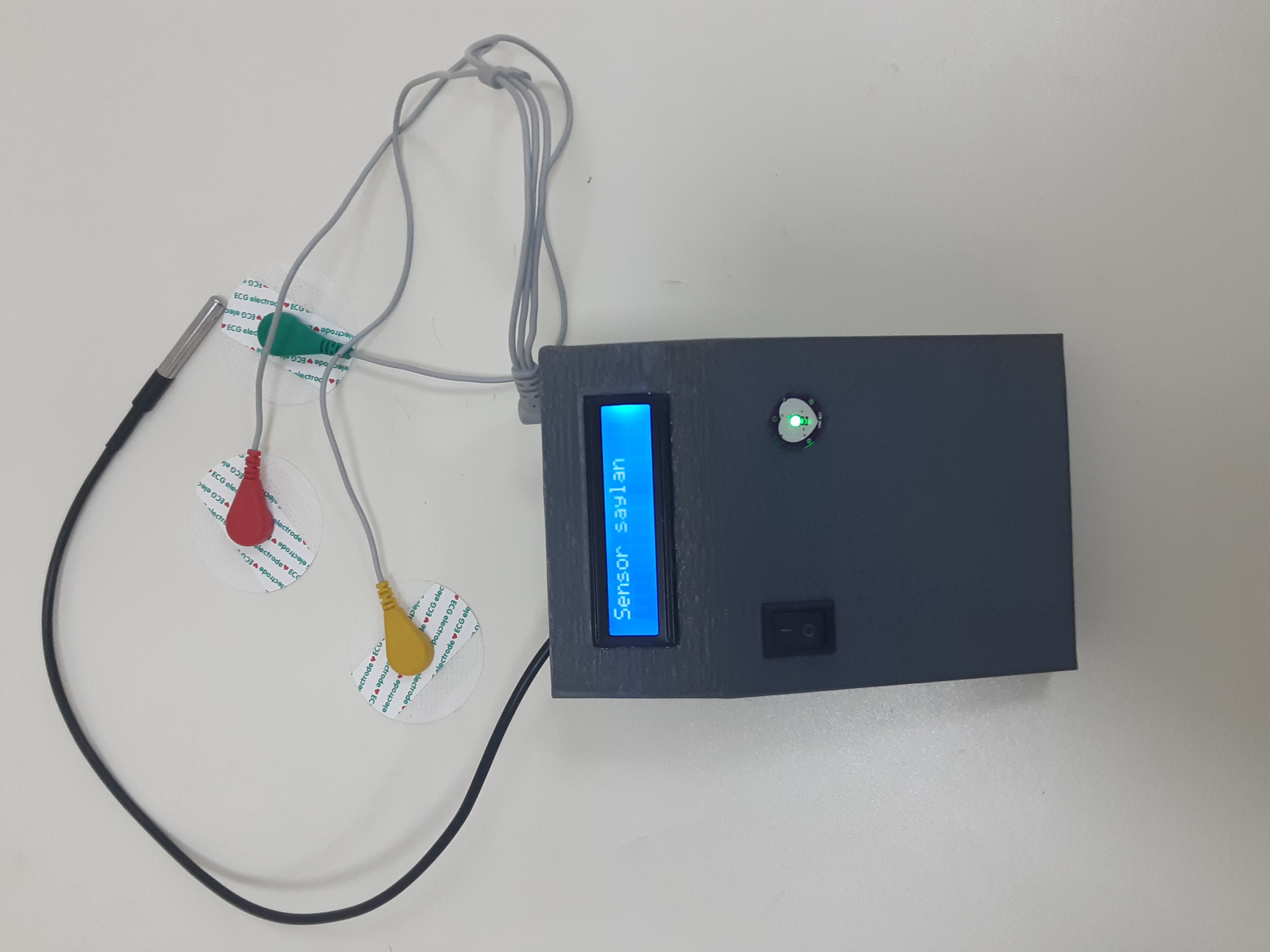
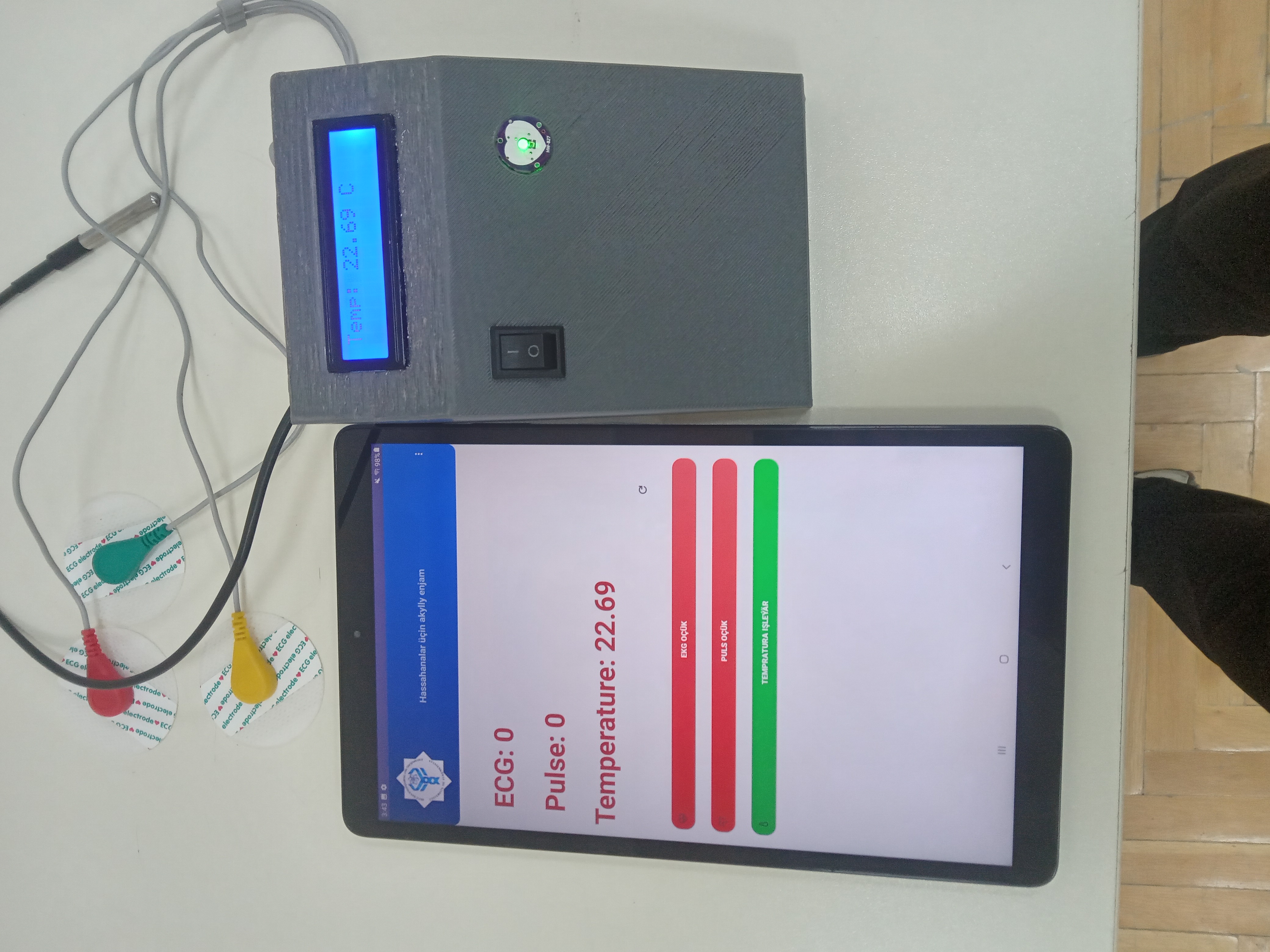
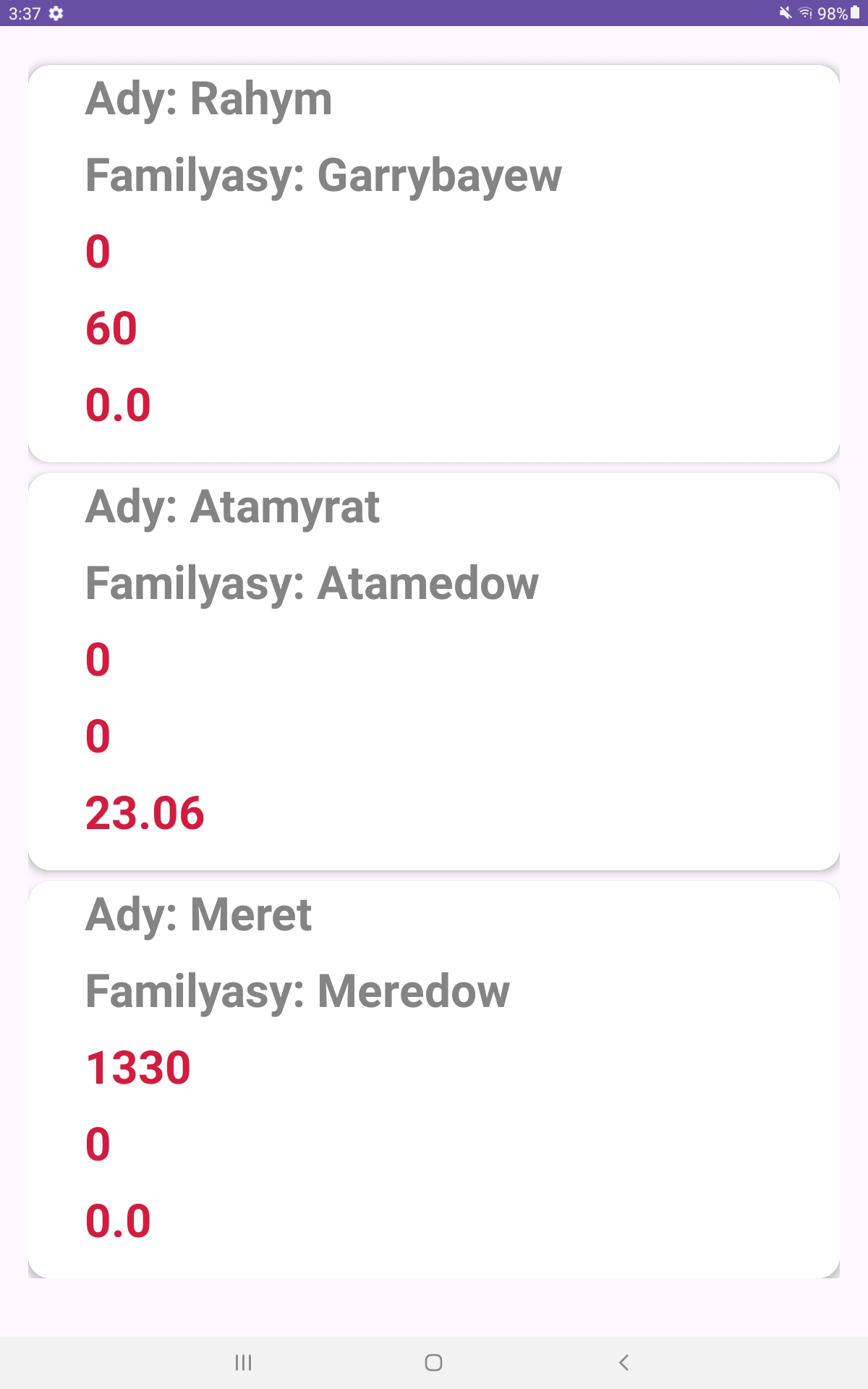
Introduction The IoT-Based Hospital Management Solution is a modern, smart healthcare system designed to improve hospital operations and patient monitoring across multiple facilities. It uses Internet of Things (IoT) technology to collect, process, and display vital patient data in real time, allowing healthcare professionals to provide faster and more accurate care.
Objective / Purpose The main goal of this project is to:
Provide real-time monitoring of patients' vital signs such as ECG (electrocardiogram), pulse rate, and body temperature.
Enable remote access to patient data via web and mobile platforms.
Improve decision-making by healthcare staff through instant alerts and data visualization.
Enhance efficiency in hospital management by integrating multiple hospitals into one system.
Reduce response times to emergencies and improve overall patient outcomes.
- Components and Technologies Used ESP32 Microcontroller: Acts as the main processing unit, collects sensor data, and sends it to the server.
AD8232 Sensor: Captures ECG signals from patients.
Pulse Sensor (HW827): Measures the patient’s pulse rate.
Dallas Temperature Sensor: Records body temperature.
LCD Display: Shows real-time readings locally.
IoT Platform / Server: Collects data from multiple devices and hospitals.
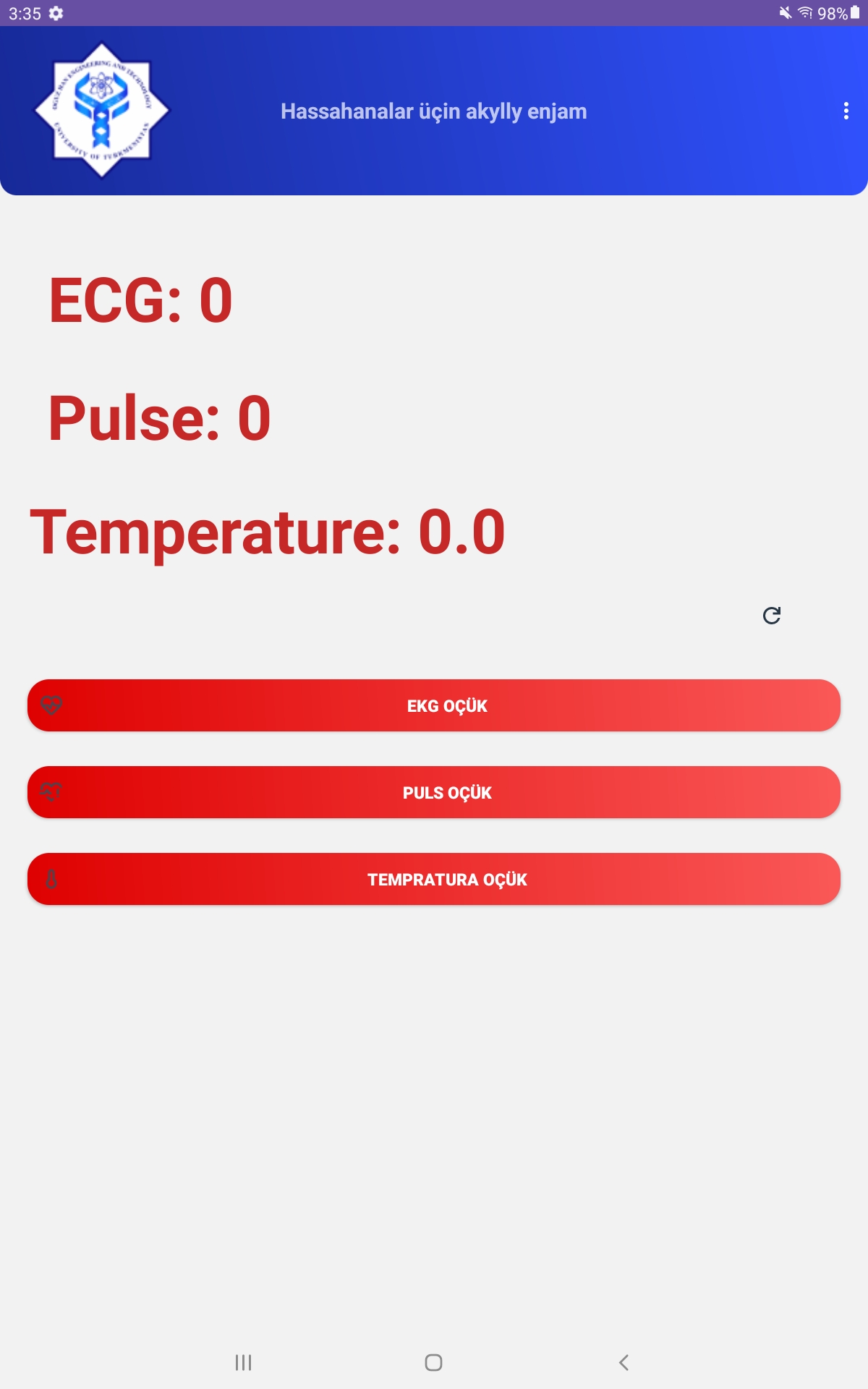
Web and Mobile Interface: For doctors and staff to monitor patients remotely.
WiFi / Internet Connectivity: Enables data transmission between devices and servers.
- How It Works – Step by Step Data Collection: Sensors (ECG, pulse, temperature) attached to patients continuously collect vital signs.
Data Processing: ESP32 microcontroller reads sensor data, processes it, and prepares it for transmission.
Data Transmission: The processed data is sent via WiFi to a centralized IoT server or cloud platform.
Data Storage & Analysis: The server stores data from multiple hospitals and runs analysis algorithms if needed.
Real-Time Monitoring: Healthcare providers access the data through a secure web or mobile interface, allowing them to monitor patients’ conditions anywhere, anytime.
Alert System: If any vital sign crosses a critical threshold, instant alerts are sent to doctors and nurses.
Hospital Management: Administrators can oversee multiple hospital wards or facilities from one dashboard, streamlining operations.
Decision Making & Response: Quick access to accurate data enables timely medical interventions, improving patient care.
- Innovation and Benefits Scalable Architecture: Supports monitoring of multiple patients across several hospitals simultaneously.
Real-Time Remote Access: Doctors can monitor patient vitals without being physically present.
Early Warning System: Immediate alerts for abnormal vital signs reduce risks and save lives.
Cost-Effective Solution: Uses affordable sensors and microcontrollers like ESP32.
Data-Driven Healthcare: Enables data collection for future analytics and improved treatments.
- Potential Applications Hospitals and clinics with multiple wards.
Remote patient monitoring in rural or underserved areas.
Emergency response centers.
Research and data collection for medical studies.
- Conclusion The IoT-Based Hospital Management Solution provides an integrated, efficient, and scalable system to modernize patient care. It leverages IoT technology to improve hospital workflows, enhance patient monitoring, and support better healthcare outcomes.

Log in or sign up for Devpost to join the conversation.