-
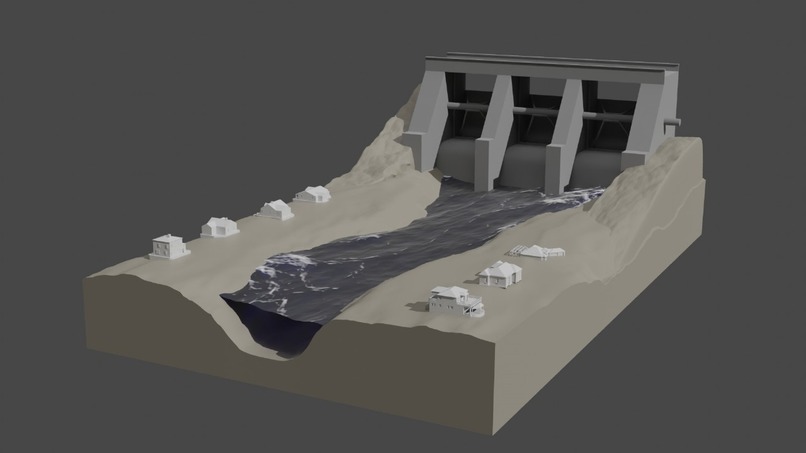
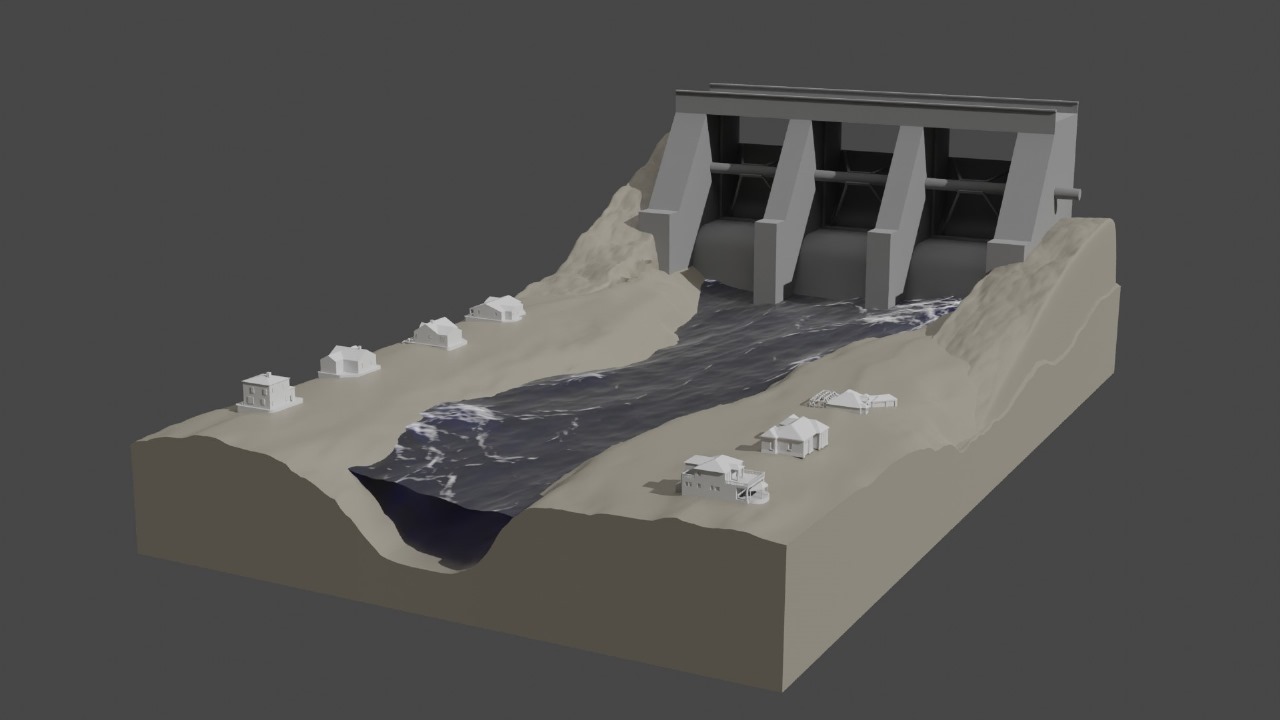
THIS IS 3D Model of my project HOW DAMS ARE WORKS
-
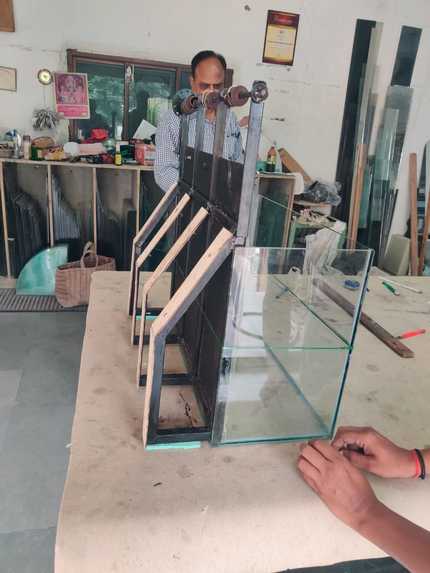
Original model
-
-
-
-
-
-

Inspiration
What it does
How we built it
Challenges we ran into
Accomplishments that we're proud of
What we learned
What's next for IOT BASED FLOOD DETECTION AND MONITORING SYSTEM
IoT-Based Flood Monitoring and Detection System Inspiration The 2024 floods in Gujarat were a stark reminder of the destructive power of natural disasters. These floods caused significant damage to property, displaced thousands, and overwhelmed local resources. Observing the lack of a reliable and affordable flood monitoring system inspired me to create a solution using accessible IoT technology.
What I Learned This project taught me several valuable lessons:
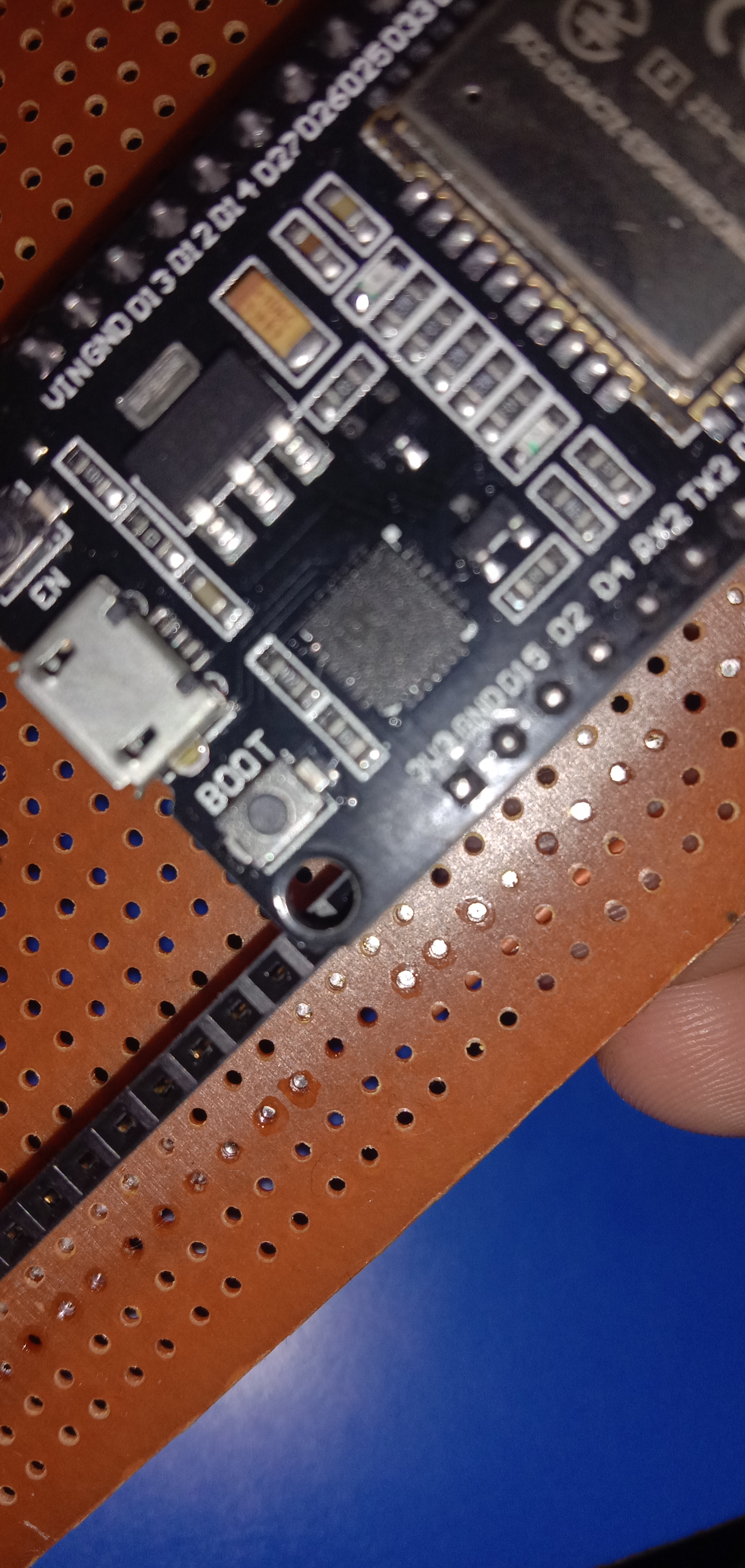
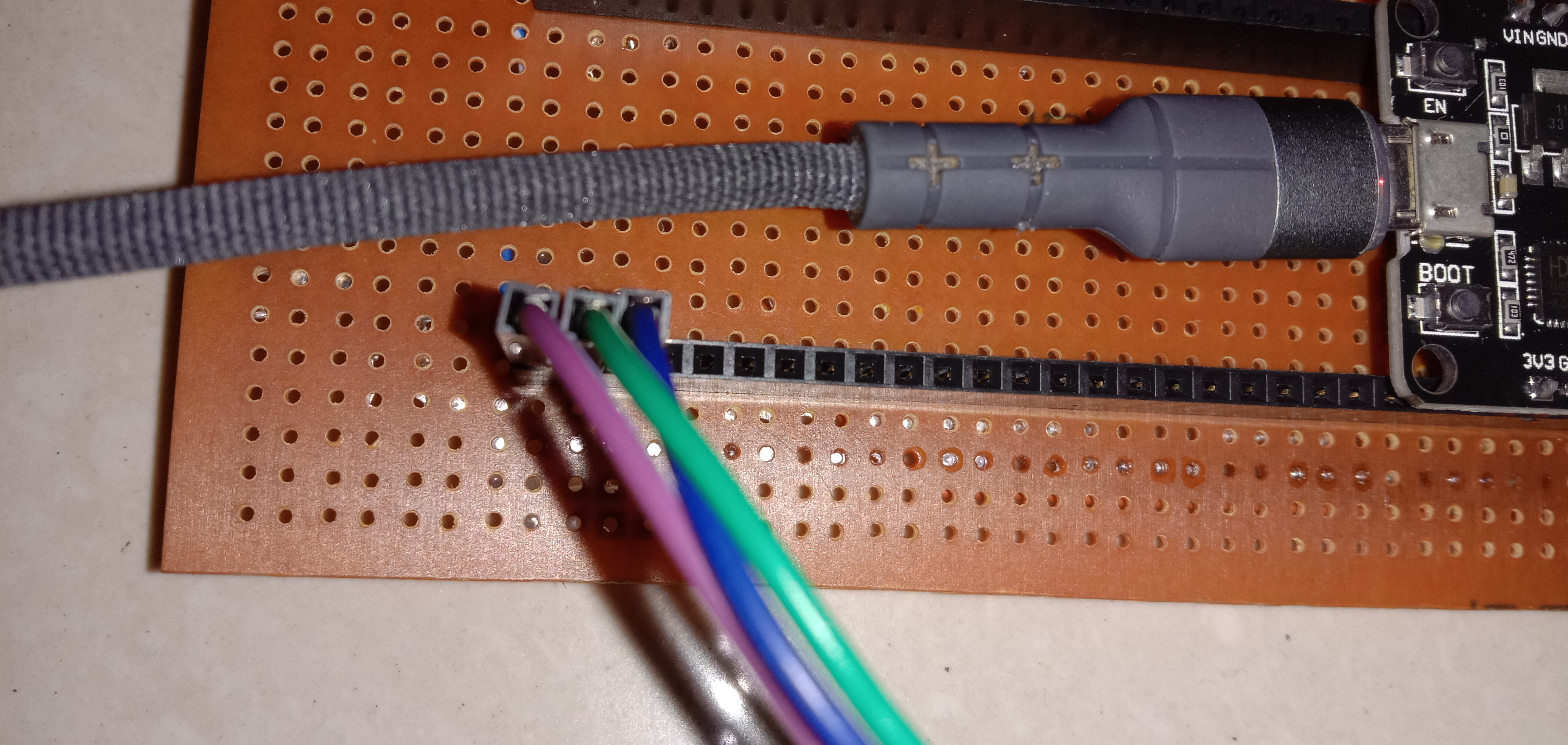
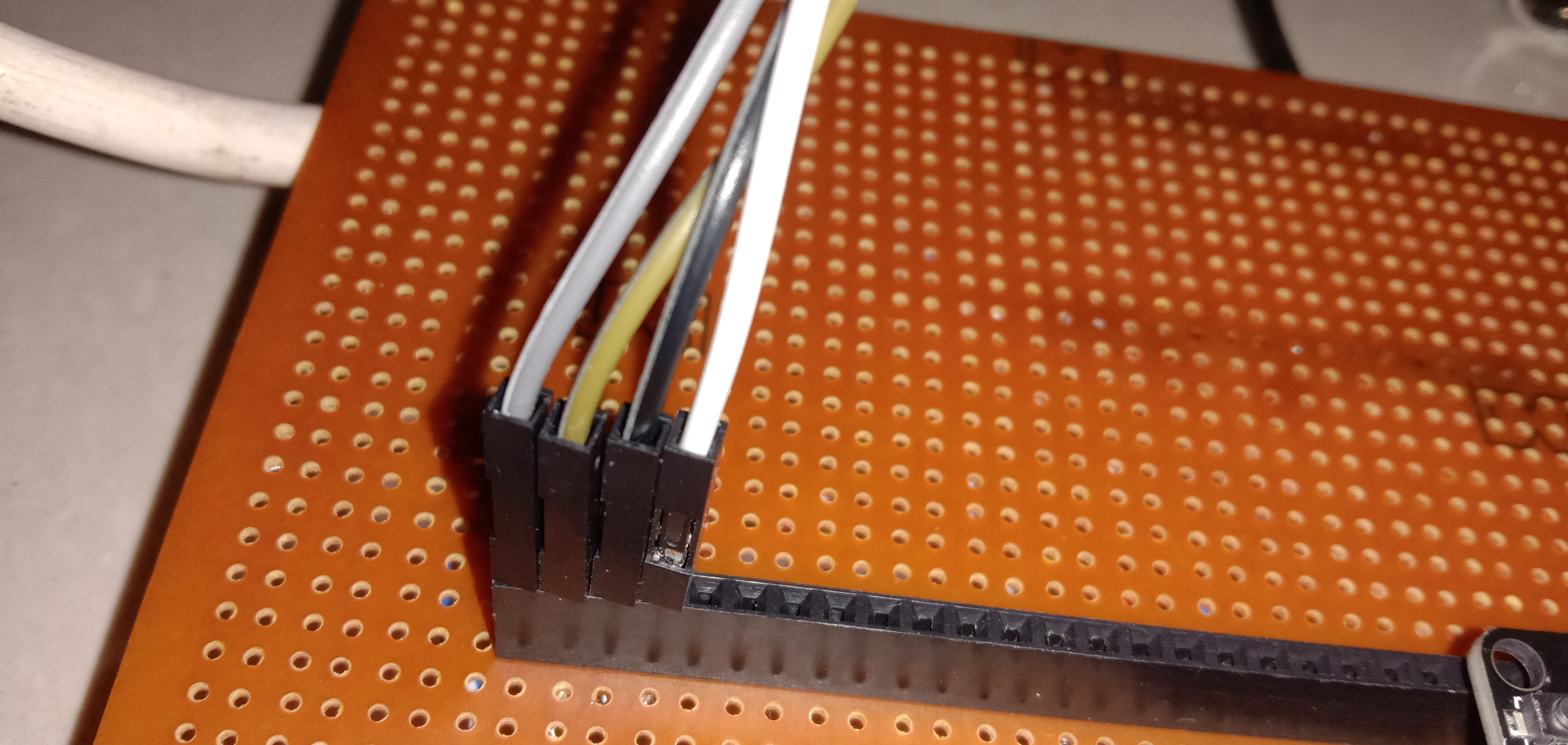
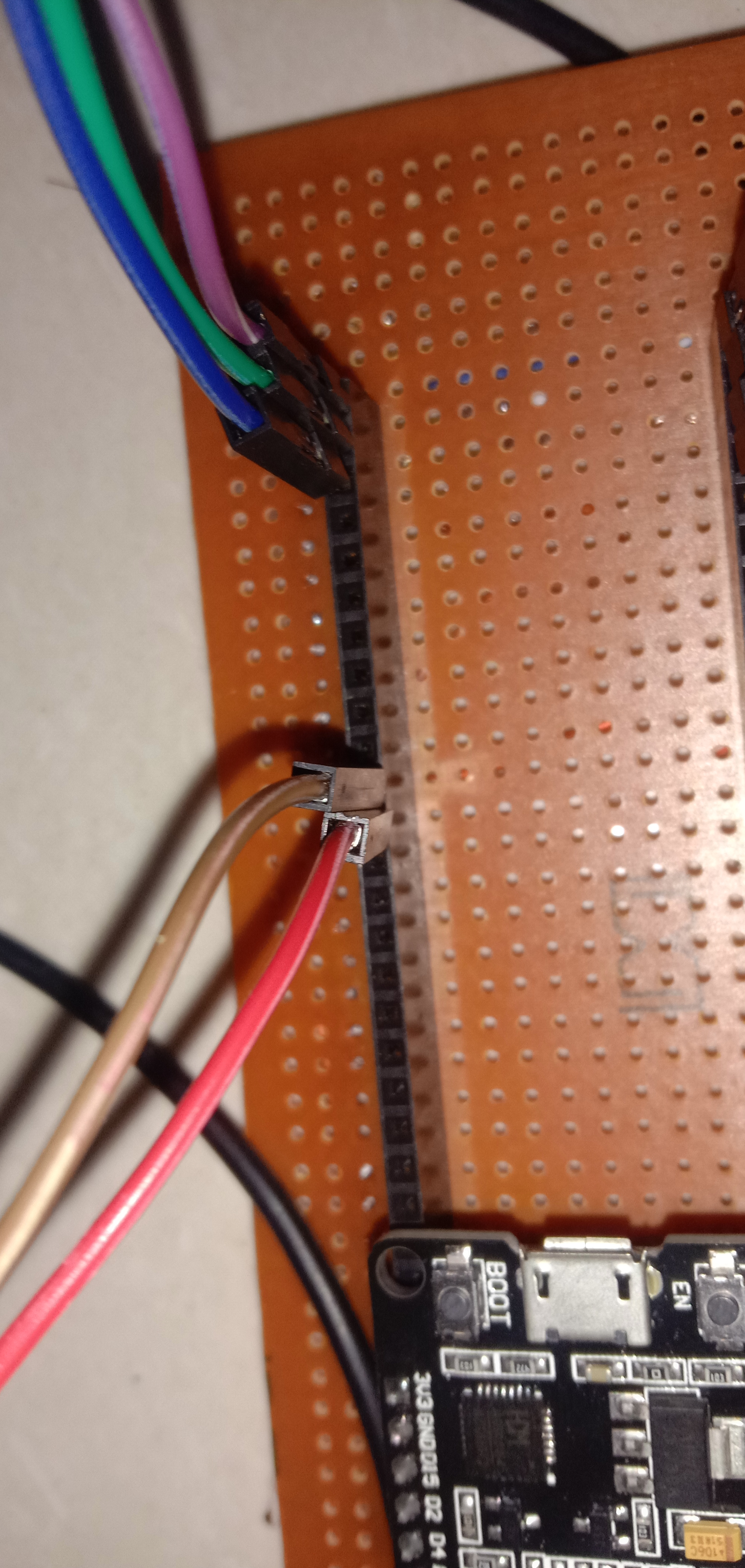
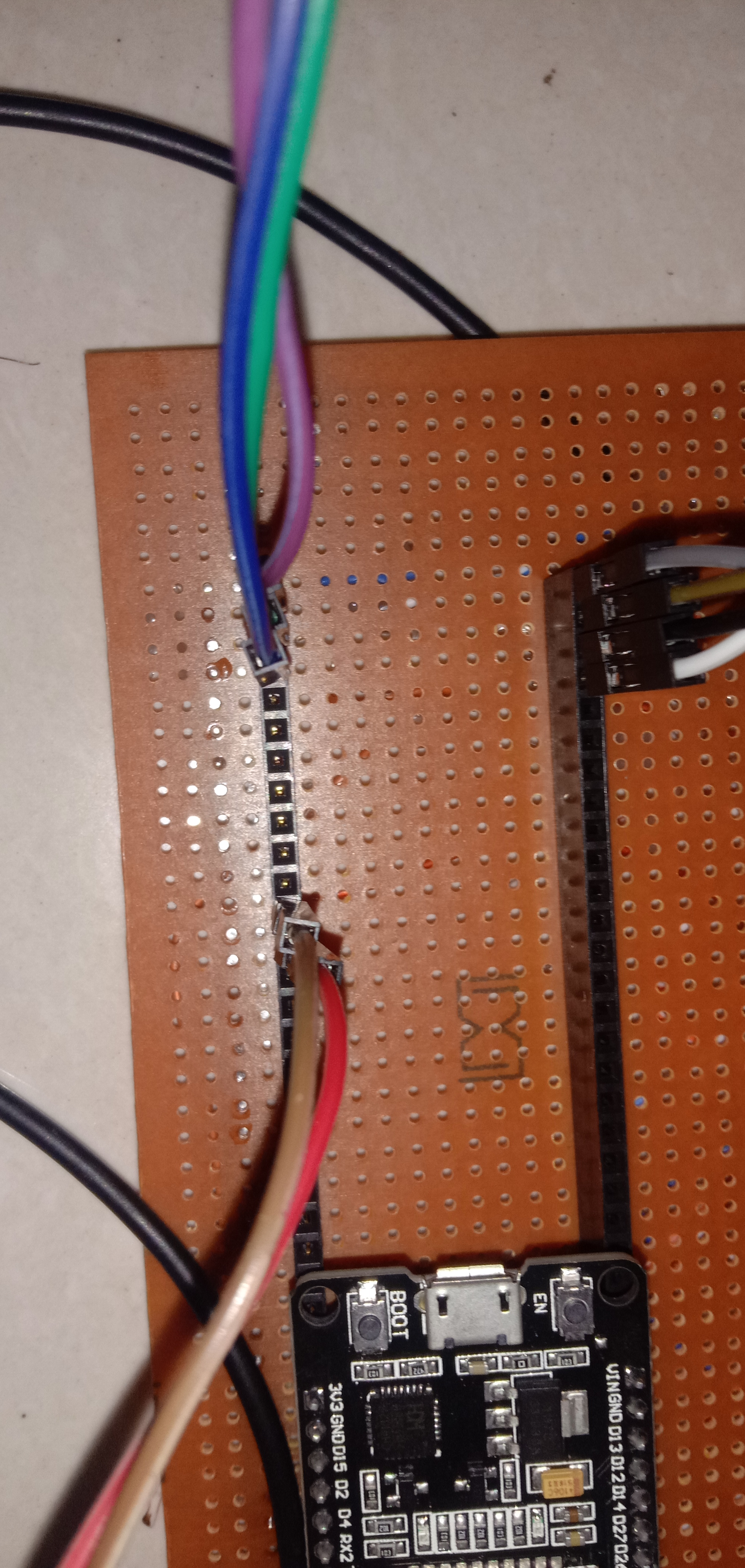
Understanding ESP32: Learning to program and utilize the ESP32 microcontroller for IoT applications. Sensor Integration: Connecting and calibrating DHT11 and ultrasonic sensors to gather environmental data effectively. Data Communication: Using Wi-Fi functionality on the ESP32 to send data to a server or dashboard. Practical Problem Solving: Adapting technology to work in real-world conditions with limited resources. Disaster Preparedness: Understanding the importance of real-time monitoring for flood management. How I Built the Project
- System Overview The system was designed to monitor key parameters related to flooding and provide real-time alerts.
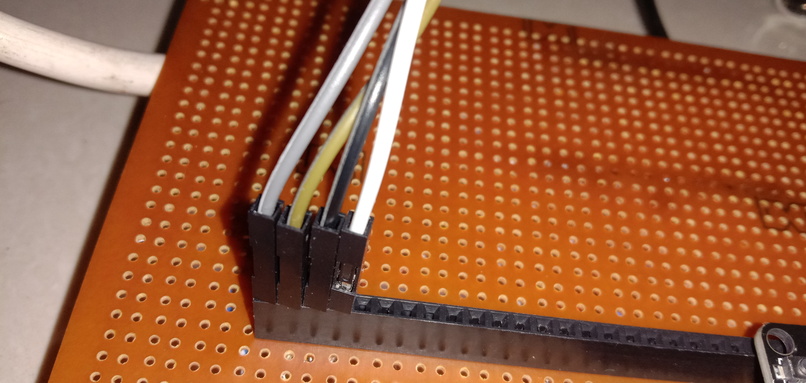
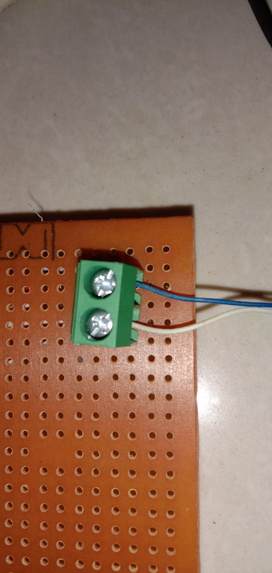
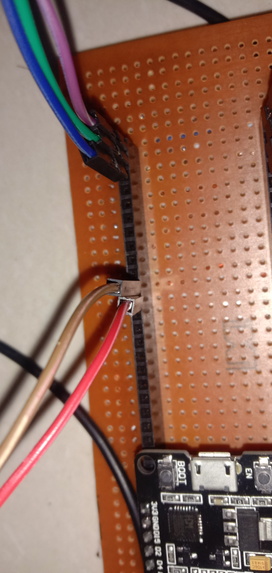
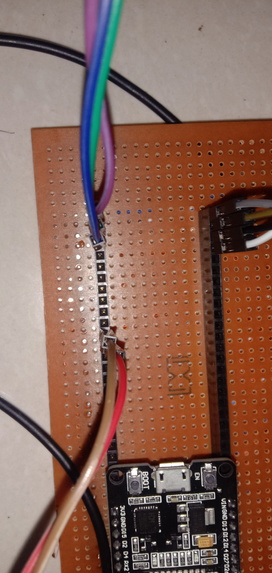
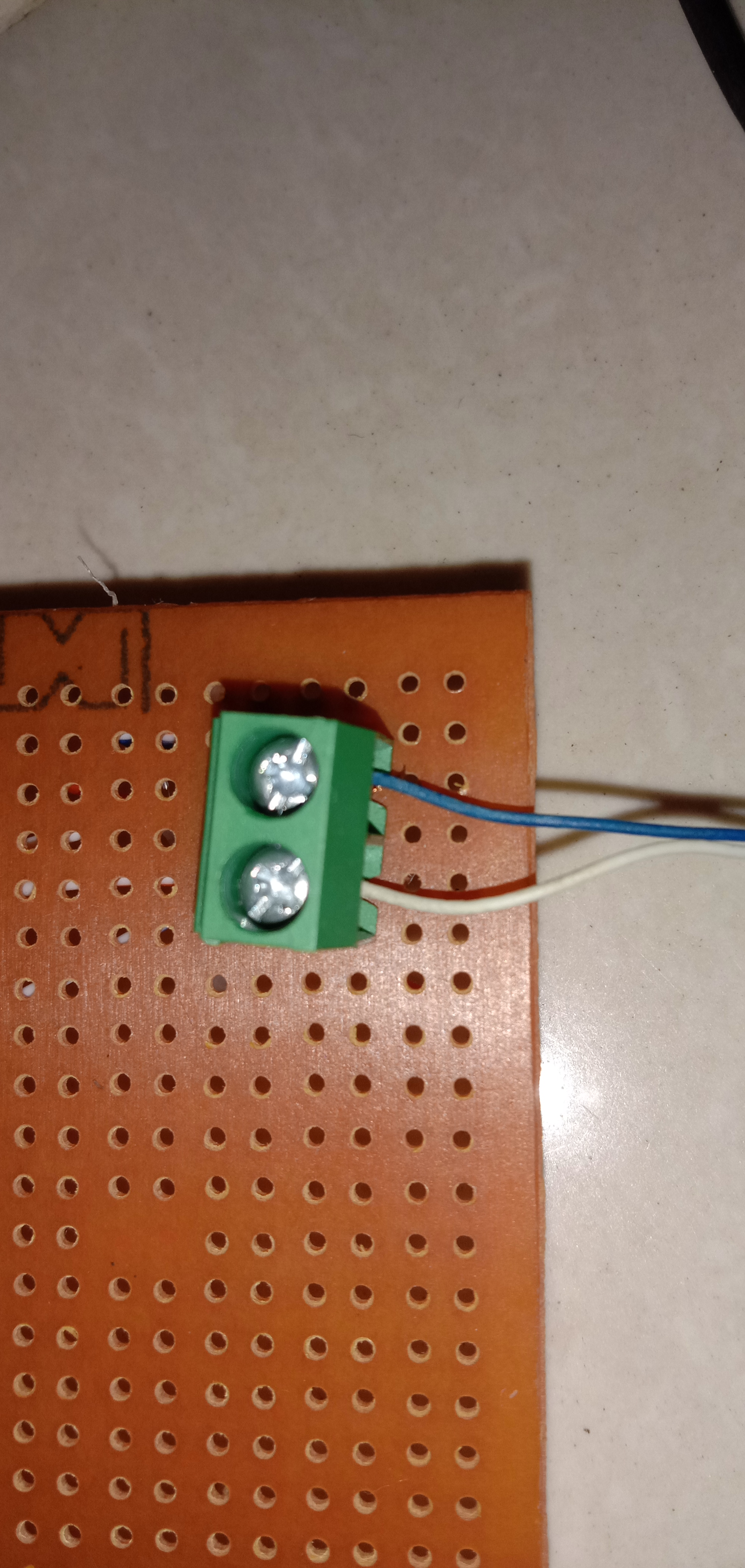
ESP32 Microcontroller: Served as the brain of the system to process sensor data and communicate with the cloud. DHT11 Sensor: Measured temperature and humidity to track weather conditions that may lead to flooding. Ultrasonic Sensor: Measured water levels by calculating the distance to the water surface.
- Working Mechanism The ultrasonic sensor was placed near a water body to measure rising water levels. The DHT11 sensor provided weather context, such as high humidity and temperatures indicative of heavy rainfall. The ESP32 processed the sensor data and transmitted it via Wi-Fi to a cloud server. A simple Python script was used to log and visualize data in real time.
- Alert System When water levels crossed a predefined threshold, the system sent alerts via email or push notifications using services like IFTTT or Telegram bots.
- Cost Efficiency This system was designed with minimal hardware, making it affordable and accessible for deployment in rural or flood-prone areas.
Challenges Faced Sensor Placement: Ensuring the ultrasonic sensor was positioned securely and correctly to provide accurate water level readings. Wi-Fi Connectivity: Maintaining stable communication in remote areas with unreliable internet connections. Power Supply: Managing the ESP32's power requirements, especially for long-term deployments. Data Accuracy: Calibrating sensors to ensure consistent and reliable measurements. Scalability: Adapting the system to monitor multiple water bodies simultaneously. Conclusion This project demonstrated the potential of IoT in addressing real-world challenges like flood monitoring. By using cost-effective components such as the ESP32, DHT11, and ultrasonic sensor, I created a functional and affordable solution for disaster management.
With further refinement, such as solar-powered modules and GSM integration for remote areas, this system could be scaled to provide timely warnings and save lives in flood-prone regions.
Built With
- c/c++
- dht11
- esp32
- html
- iot
- javascript
- weather

Log in or sign up for Devpost to join the conversation.