-
-
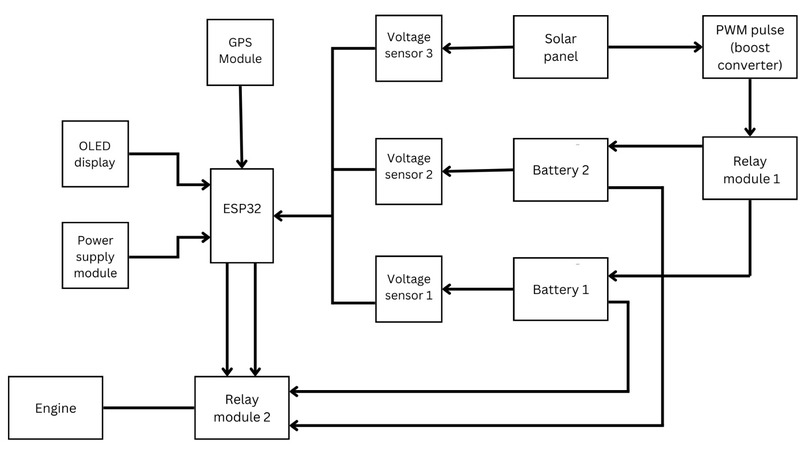
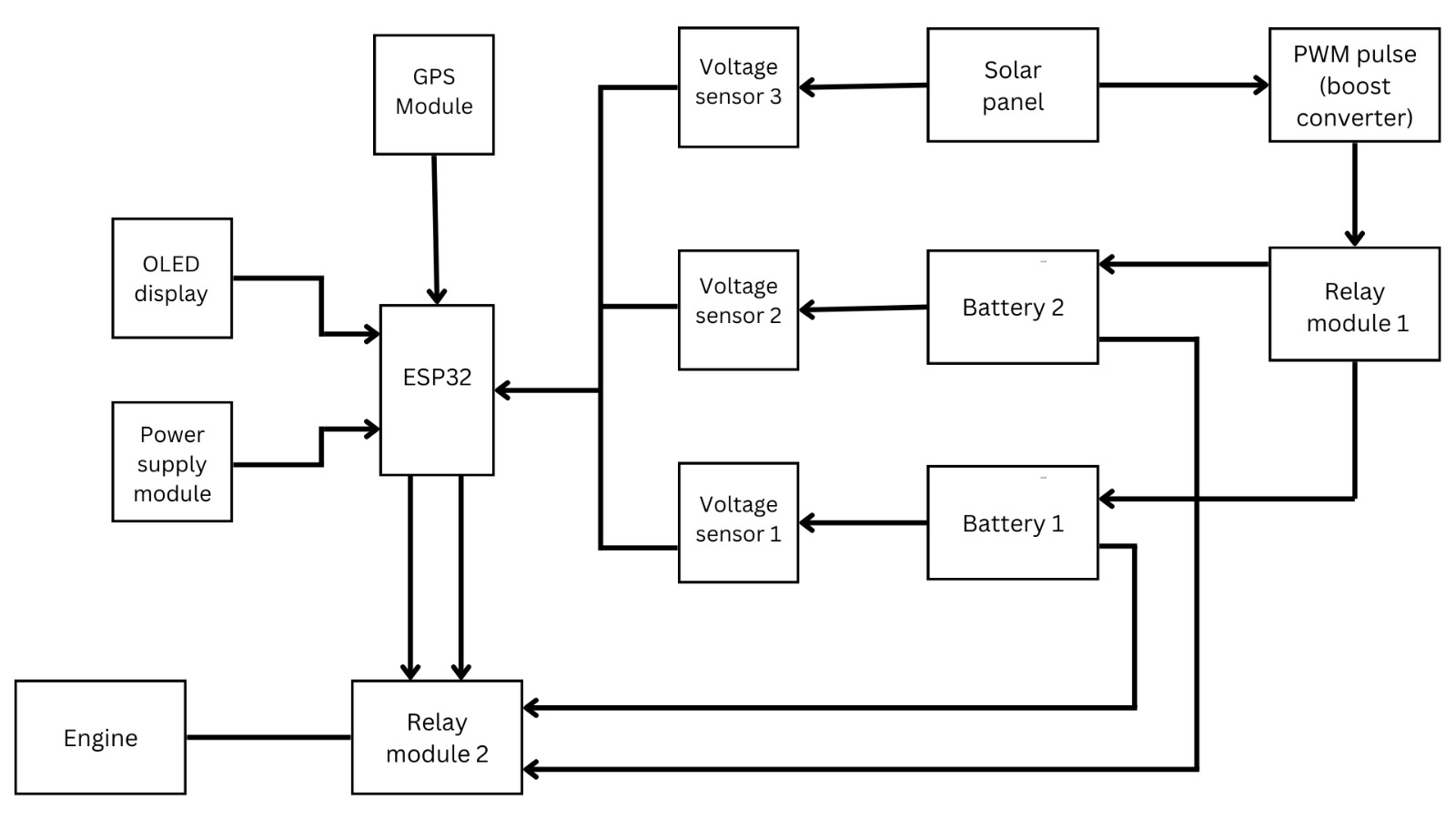
Block diagram
-
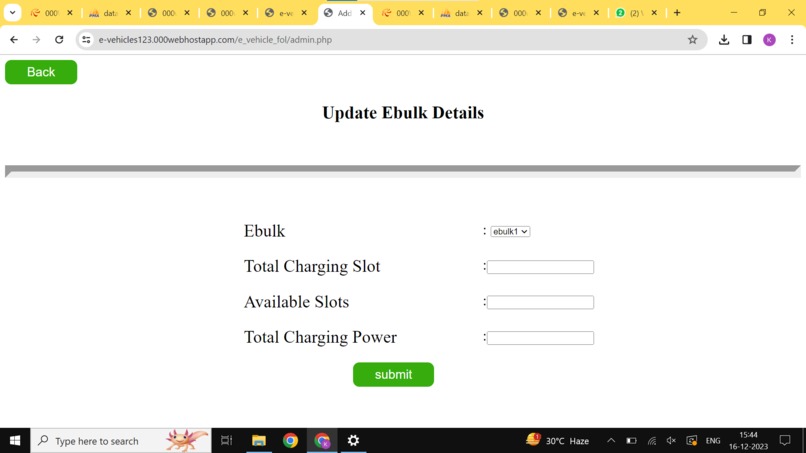
E station web page
-
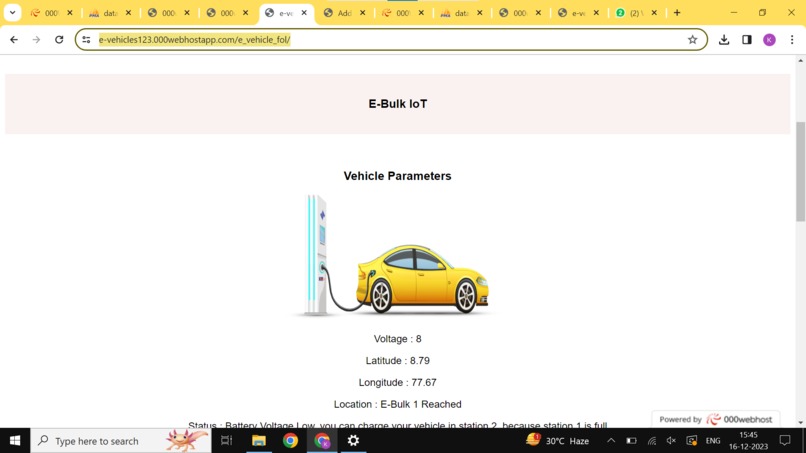
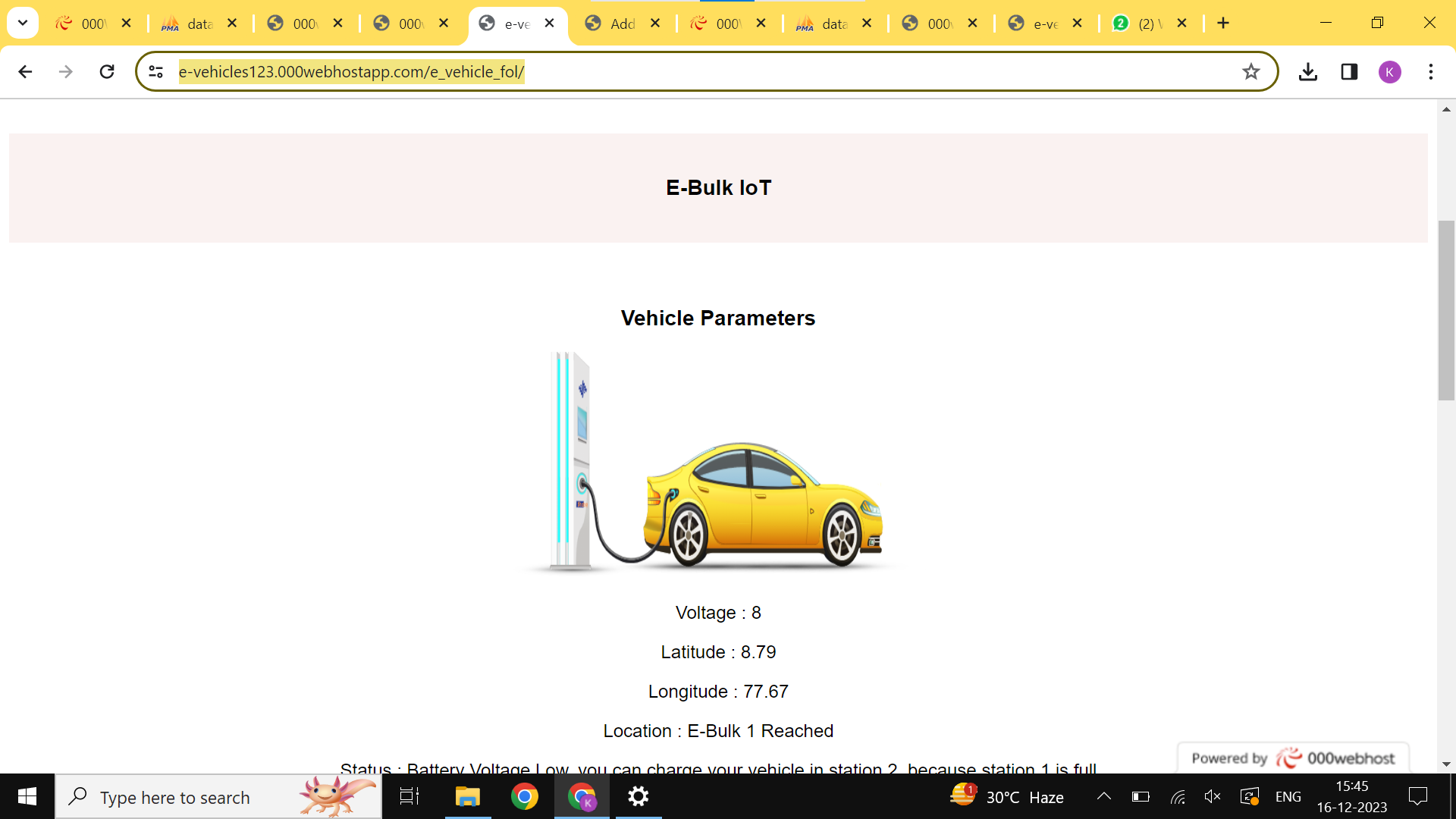
Battery status updates( user display)
-
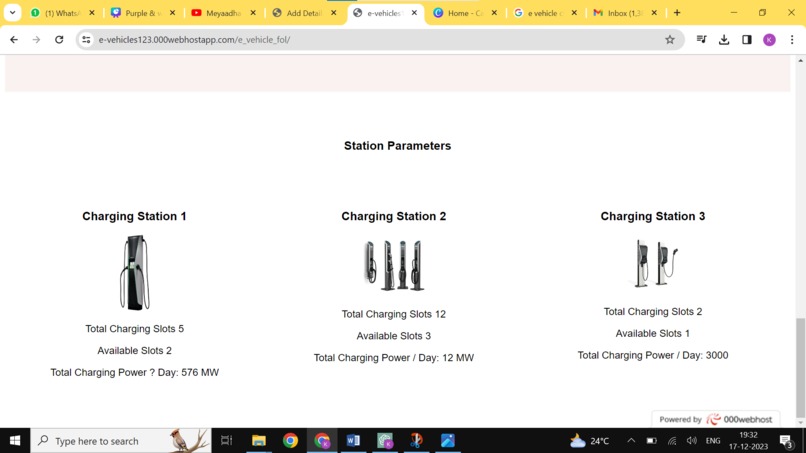
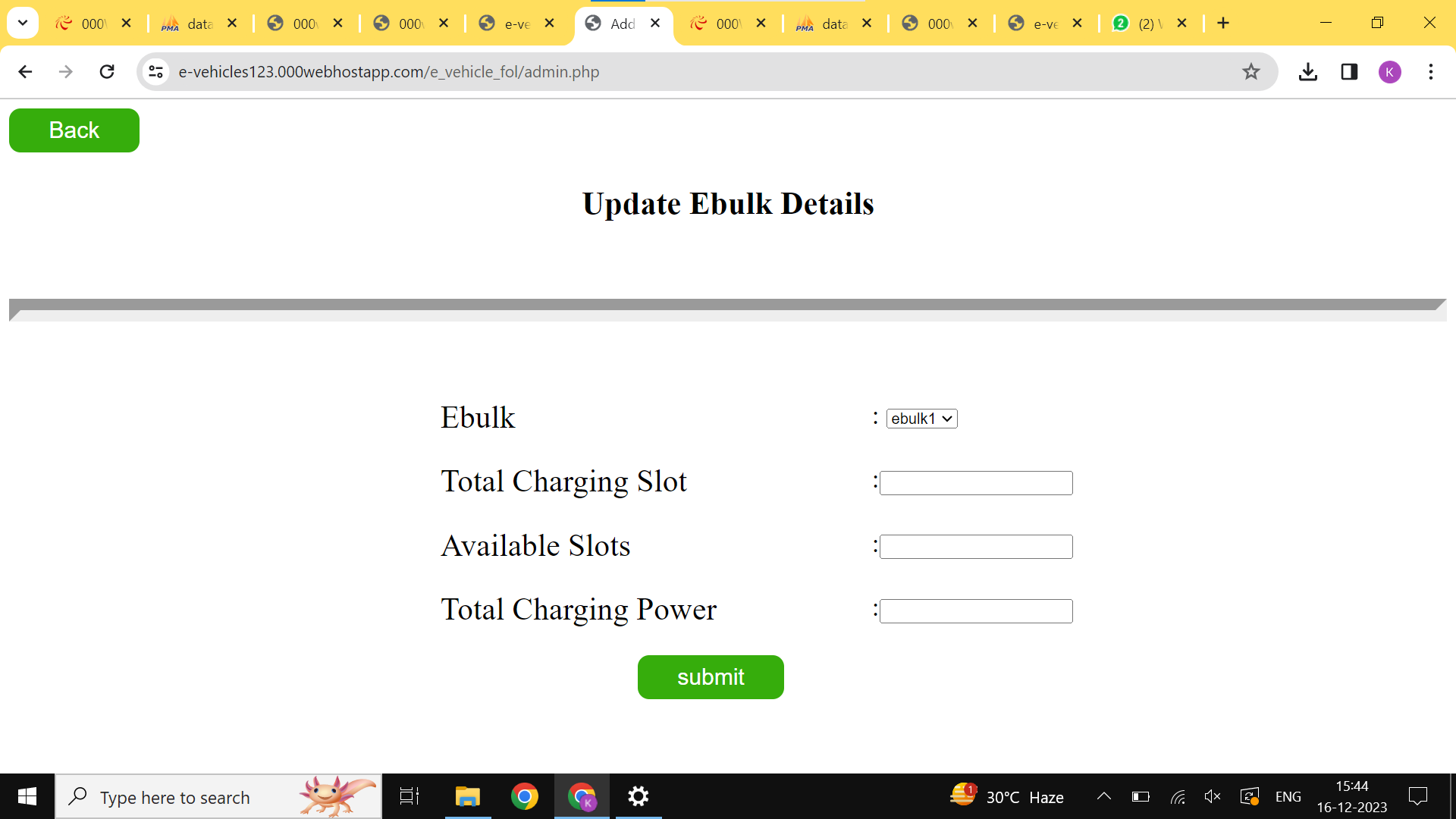
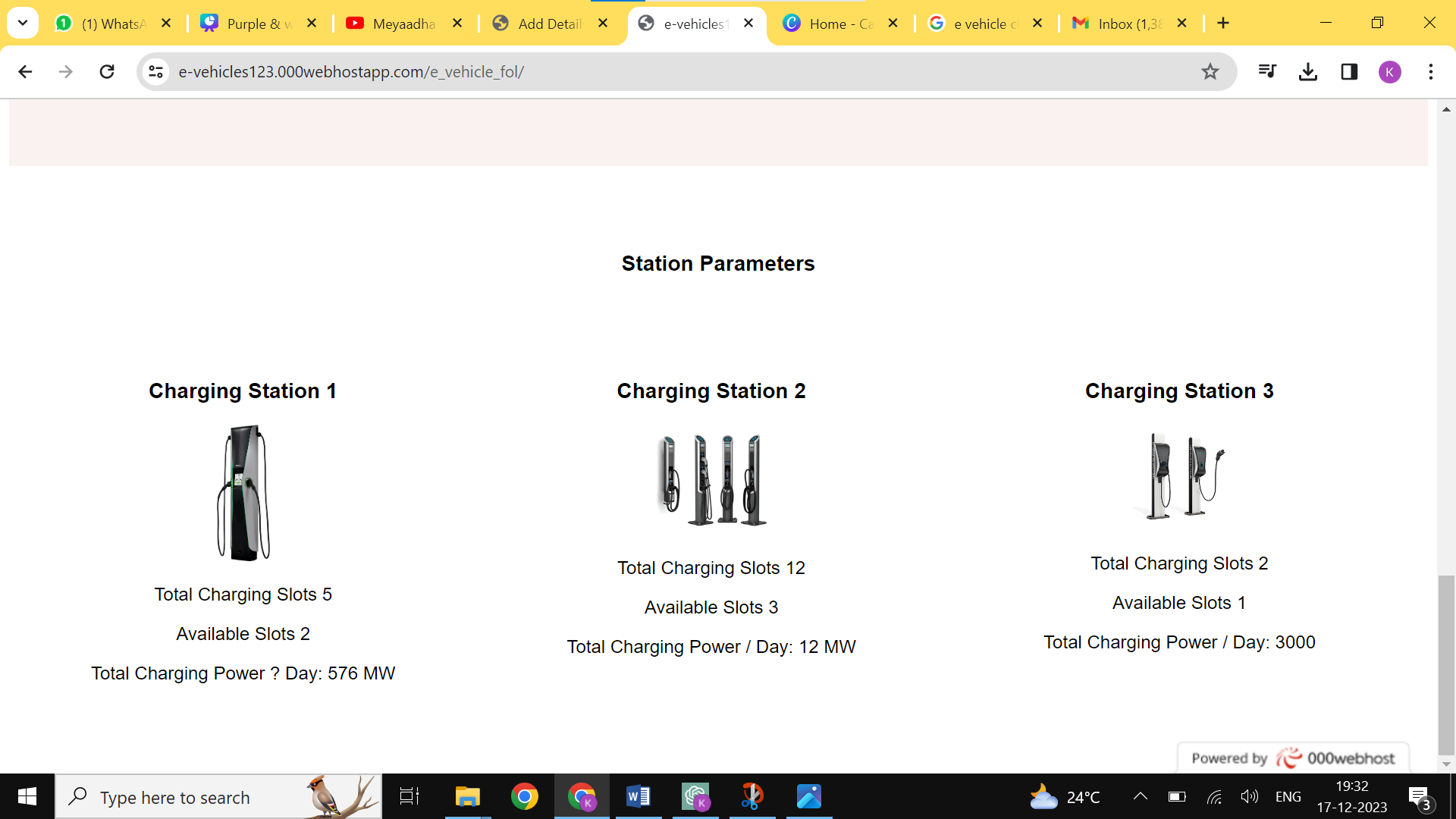
E station updates (user display)
-
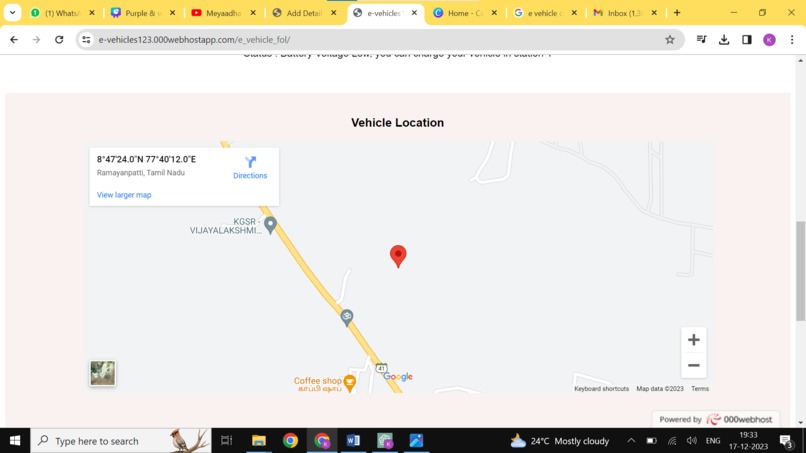
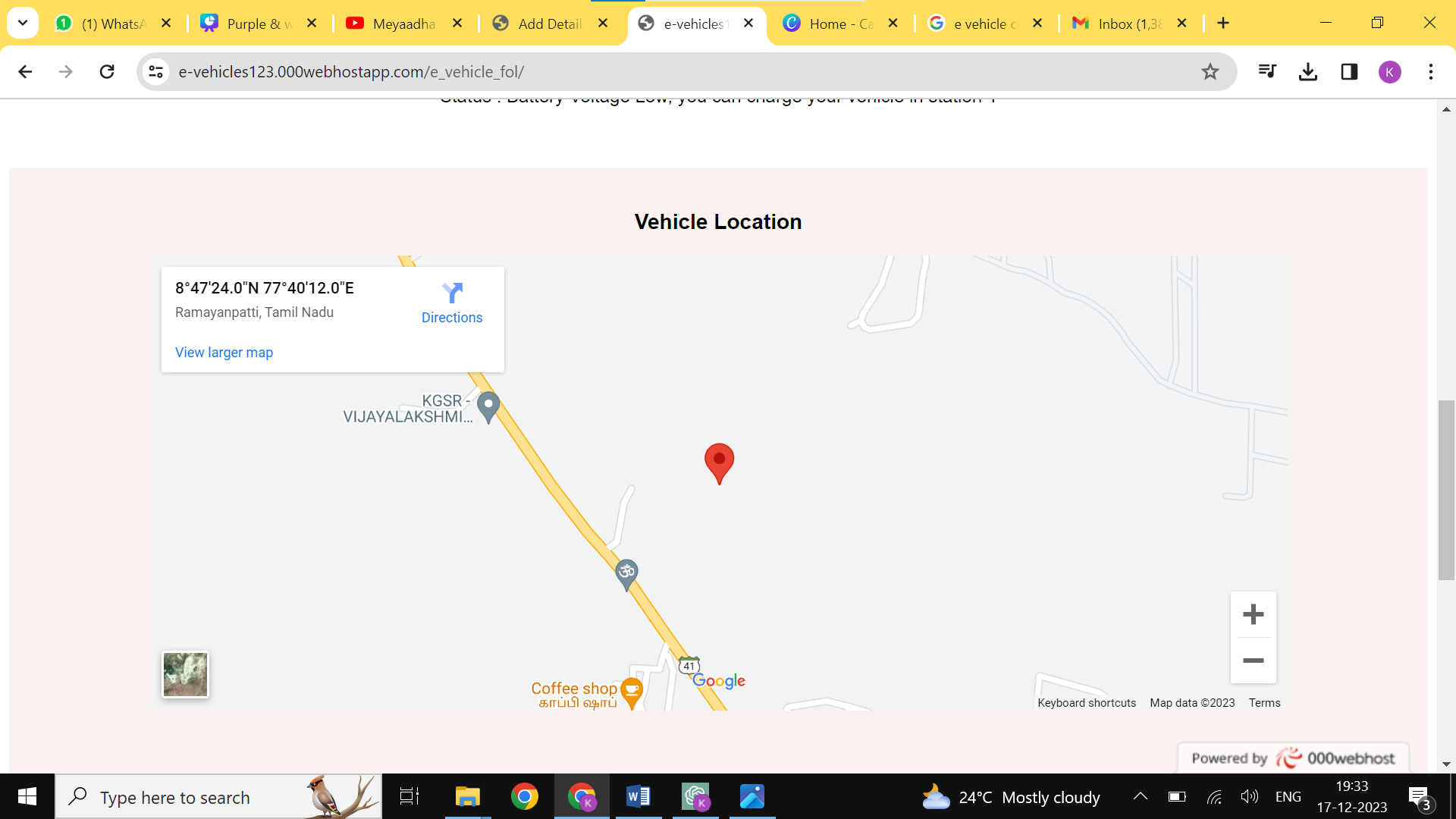
E station locator( user display)
-
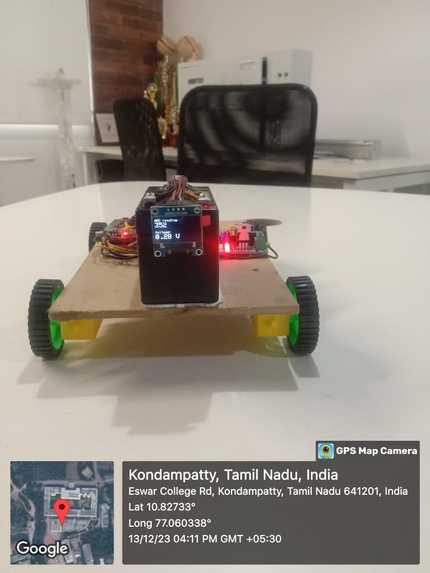
Hardware prototype pic1
-
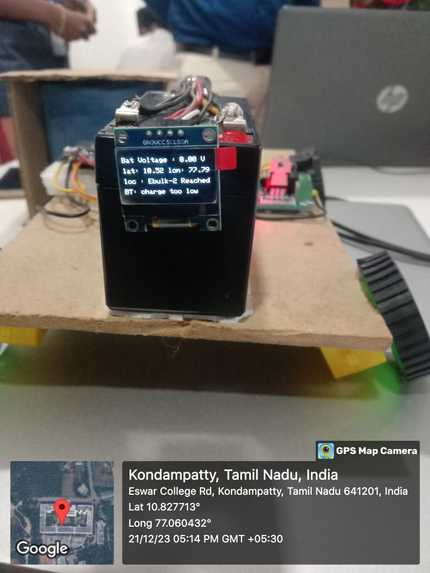
Hardware prototype pic2
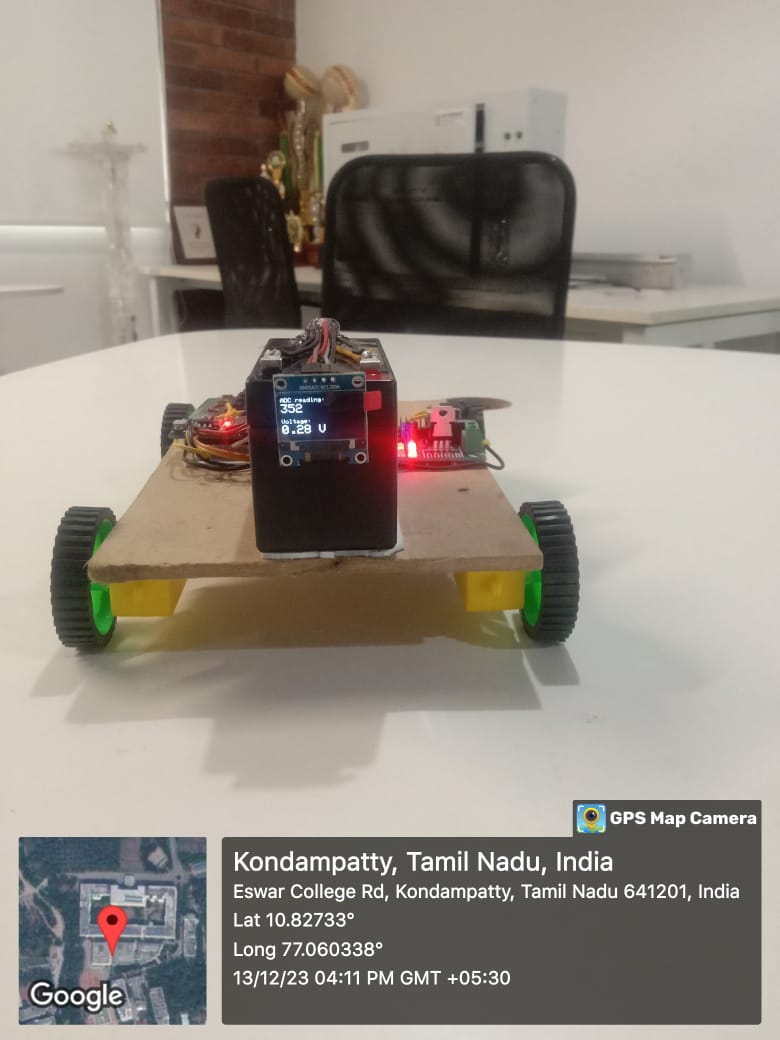
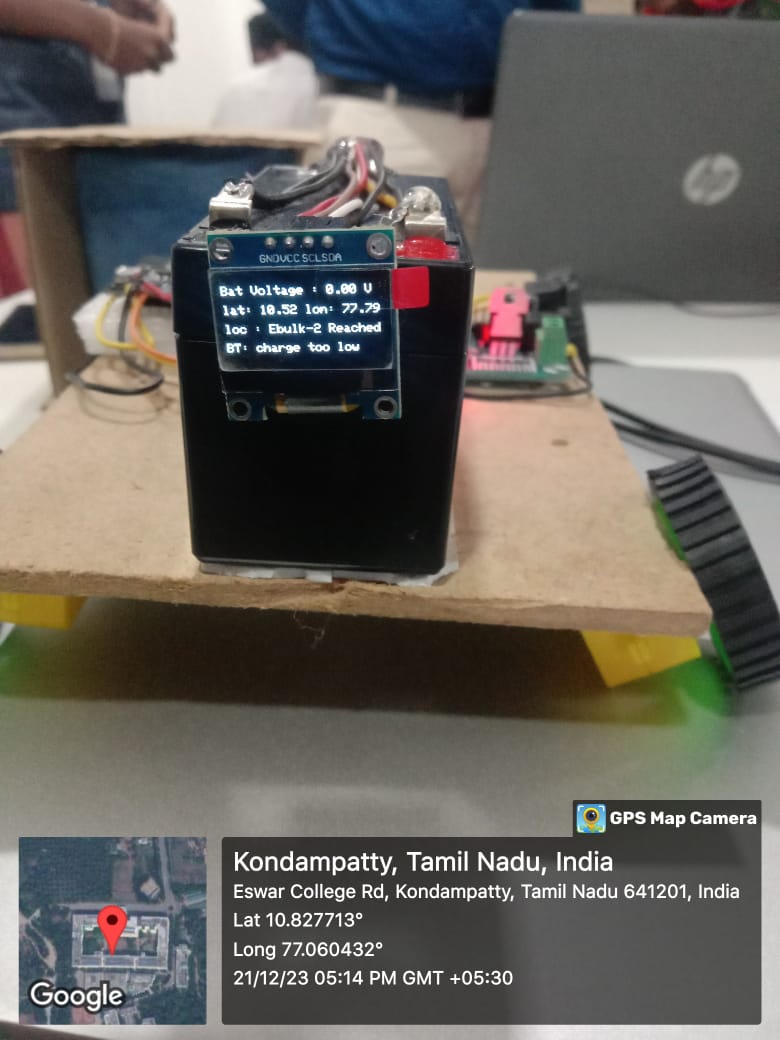
Inspiration
The inspiration for our intelligent electric vehicle (EV) system stemmed from the growing need for sustainable transportation solutions. We observed the challenges faced by EV users, such as range anxiety, inefficient route planning, and reliance on traditional charging infrastructure. Our goal was to create a comprehensive system that not only addresses these issues but also enhances the overall user experience and promotes eco-friendly transportation.
What it does
PROJECT DESCRIPTION
Our project involved both hardware and software development:
HARDWARE: We designed and built a prototype of a dual-battery system that autonomously switches to a charged battery when the active one reaches a preset threshold. This ensures uninterrupted operation. Additionally, we integrated solar panels onto the vehicle’s roof to charge the inactive battery, further extending the vehicle’s range and reducing reliance on traditional charging infrastructure.
SOFTWARE: The software has two sides: server and client.
SERVER SIDE : This is for the e-stations to update slot availability regularly. CLIENT SIDE : This is the user web page where we developed a web application using HTML, CSS, and PHP that is installed on the EV’s onboard display. This application provides real-time updates on battery status, alerts for low charge, and other relevant information. It also includes a GPS-based charging station locator and reservation platform, allowing users to efficiently plan their routes and minimize charging downtime. Users get to know the slot vacancy in the selected e-stations and can book slots at charging stations in advance, enhancing time efficiency and convenience. Challenges Faced One of the main challenges we faced was ensuring seamless integration between the hardware and software components. Achieving reliable battery switching and efficient solar charging required extensive testing and optimization. Additionally, developing a user-friendly web interface that provides real-time data and supports reservation functionalities was technically demanding. We also encountered challenges related to data accuracy and ensuring that the GPS-based locator provided up-to-date information about charging station availability.
How we built it
We began by addressing the need for real-time battery status updates, identifying charging inefficiencies, and creating a user-friendly website integrated into the vehicle's onboard display. To enhance performance, we developed a dual-battery system with automatic switching and added solar panels to the vehicle's roof for additional charging. Recognizing the inconvenience of long wait times at charging stations, we created a web application that provides real-time battery updates, a GPS-based locator for nearby stations, slot availability checks, and advance booking options. To ensure reliability, we implemented automatic battery switching and a Peltier cooling system to regulate battery temperature, enhancing lifespan and performance. Through iterative testing and optimization, we achieved seamless integration of hardware and software, addressing key EV user challenges and promoting sustainable transportation.
Challenges we ran into
We encountered several challenges throughout our project. Updating station information on the user display and installing the user webpage in the EV display proved difficult. Implementing the slot booking feature added complexity. On the hardware side, developing the automatic battery switching system was particularly challenging. These obstacles provided valuable learning experiences in both hardware and software development, ultimately enhancing our understanding and capabilities.
Accomplishments that we're proud of
We are particularly proud of our key accomplishments, including the development of a real-time battery status system that alleviates range anxiety, and a dual-battery system with automatic switching for uninterrupted operation and extended range. The integration of solar panels on the vehicle's roof further enhances range by charging the inactive battery. We also created a comprehensive web application integrated into the EV's onboard display, offering real-time battery updates, GPS-based charging station locators, slot availability checks, and advance booking to optimize route planning and reduce downtime. Additionally, we implemented a Peltier cooling system to regulate battery temperature and extend battery life. Overcoming technical challenges in data accuracy and hardware-software integration has made our system robust and reliable, aligning with our goals of promoting sustainable transportation and improving user experience, benefiting both the environment and the economy.
What we learned
Throughout this project, we learned the importance of integrating hardware and software components to create a seamless and user-friendly solution. We gained insights into battery management, solar energy utilization, and the intricacies of developing a responsive web interface. Additionally, we understood the value of user feedback and iterative development to continuously improve our system.
What's next for IOT based E-vehicle Battery Management System
For future enhancements, we plan to expand the use of solar panels to further reduce reliance on traditional charging methods, making the system even more sustainable. To improve battery health, we will implement automatic cooling using a Peltier system that activates when the battery temperature exceeds a certain threshold. Additionally, we aim to integrate AI to display real-time battery health on the webpage, provide suggestions for maintaining optimal battery conditions, and offer insights on improving battery longevity. These enhancements will leverage IoT concepts to create a more efficient and user-friendly EV system.

Log in or sign up for Devpost to join the conversation.