-
-
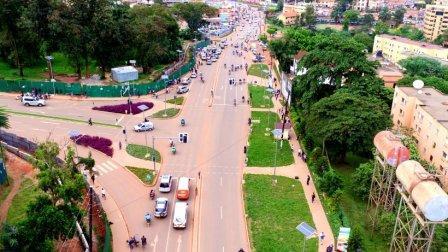
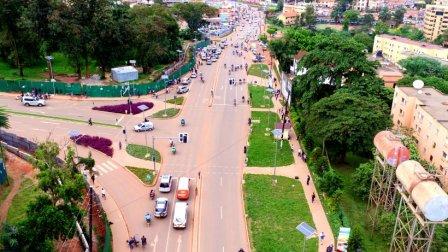
Green and smart City
-
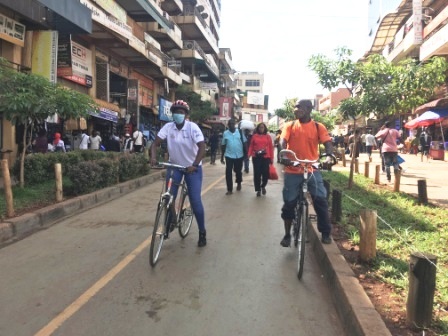
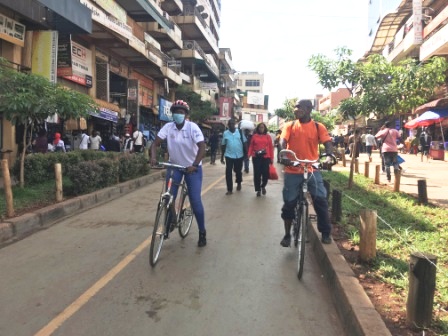
Kampala bicycle
-
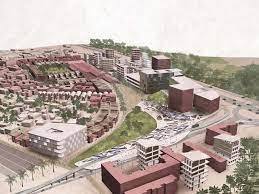
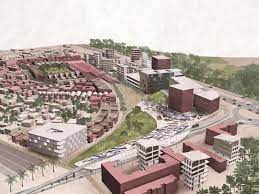
Spatial plan Kajansi
-
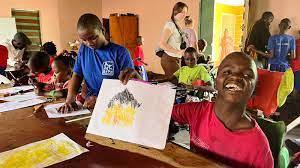
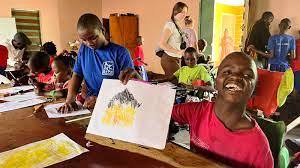
Inclusion
Inspiration
People-centered communities and cities such as smart and sustainable cities.
What it does
It inspires people to participate activity in understanding their urban challenges to contribute to solutions towards sustainable urban development.
How we built it
-Observations of informal settlements, informal mobility, informal housing, and informal access to basic services. -Brainstorming on causes of informality and potential solutions for sustainable urban development. -Familiarisation visits to cities -Learning exchanges
Challenges we ran into
-According to the National development plan(NDPIII) The whole country Uganda is a planning one. -Digital applications such as the use of GIS to map out spaces. -Urban planning amidst land use planning -Nature of land ownership in Uganda -Standardization in housing especially for low-cost housing
Accomplishments that we're proud of
-Contribution to policy formulation through research, -Supporting the greening of physical development plans for two cities(Gulu &Arua) -Contributing to the formulation of the national policy frameworks(NDPIII) on sustainable housing and settlement, Non-motorized transport( MNT) policy( walking/cycling), and Formulation of the urban mobility strategy. -Fronting the promotion of the smart city concept in Uganda -Tactical urbanism (Open street, place-making, car-free days, smart moving Kampala, Sunday open market days, bicycle share projects. -Bicycle distribution to market vendors and buyers, supported with bicycle counting field surveys -Introduction of fundi and mansions workshops -Audits (Mobility, housing, national capital resources/ecosystems (Urban wetlands and forests), open spaces in Kampala, city observatories, and energy/wastes.
What we learned
-Public awareness enhances public engagement, especially in urban planning and settlement Importance of demonstration and pilots in urban development practice in mobility, housing, waste management etc -Excursions and physical visits provide experiential learning to act as both actors and contributors learning exchanges builds collective knowledge and enhances the practice -Tactical urbanism improves social integration with people in diverse communities -Critical mass enhances policy understanding and implementations
What's next for Invisible spaces
-Stakeholder workshop on policy and practice -Implementing creative methodology for sustainable urban development -Capacity workshops on alternatives in mobility, housing, waste management etc -Strengthening partnerships and networks in urban development -Increasing opportunities for Learning exchanges and tactical urbanism in secondary cities in Uganda -Implementing more demonstrations and pilots in secondary cities -Promote Urban tourism and cultural diversity as a center for cor existence -Critical mass activities such as conferences and workshops -Use of digital applications and digital tools for mapping, transport, housing, and social services
Built With
- creative-methodolies
- gis-mapping
- go-pro
- google-maps
- workshops

Log in or sign up for Devpost to join the conversation.