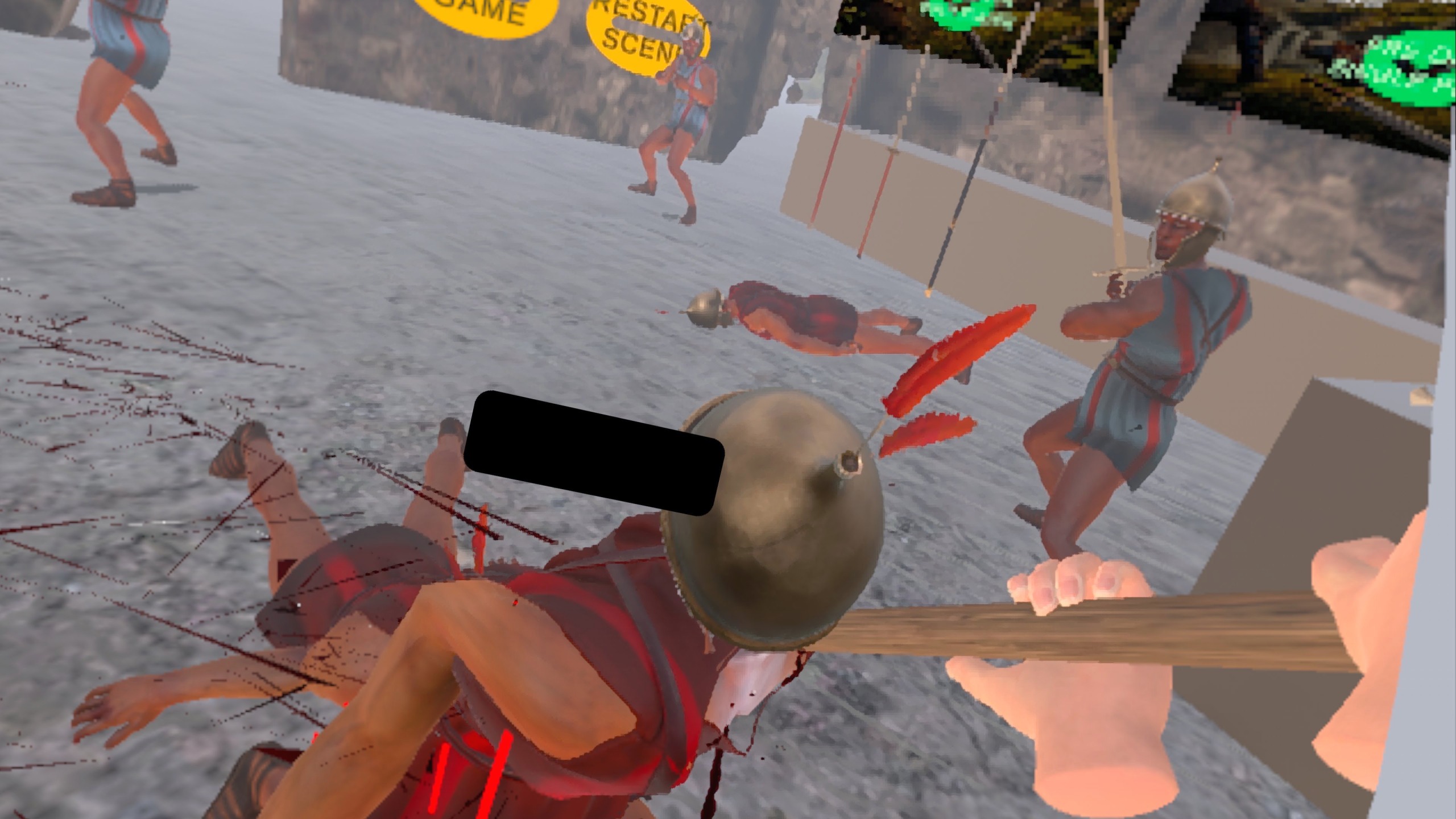
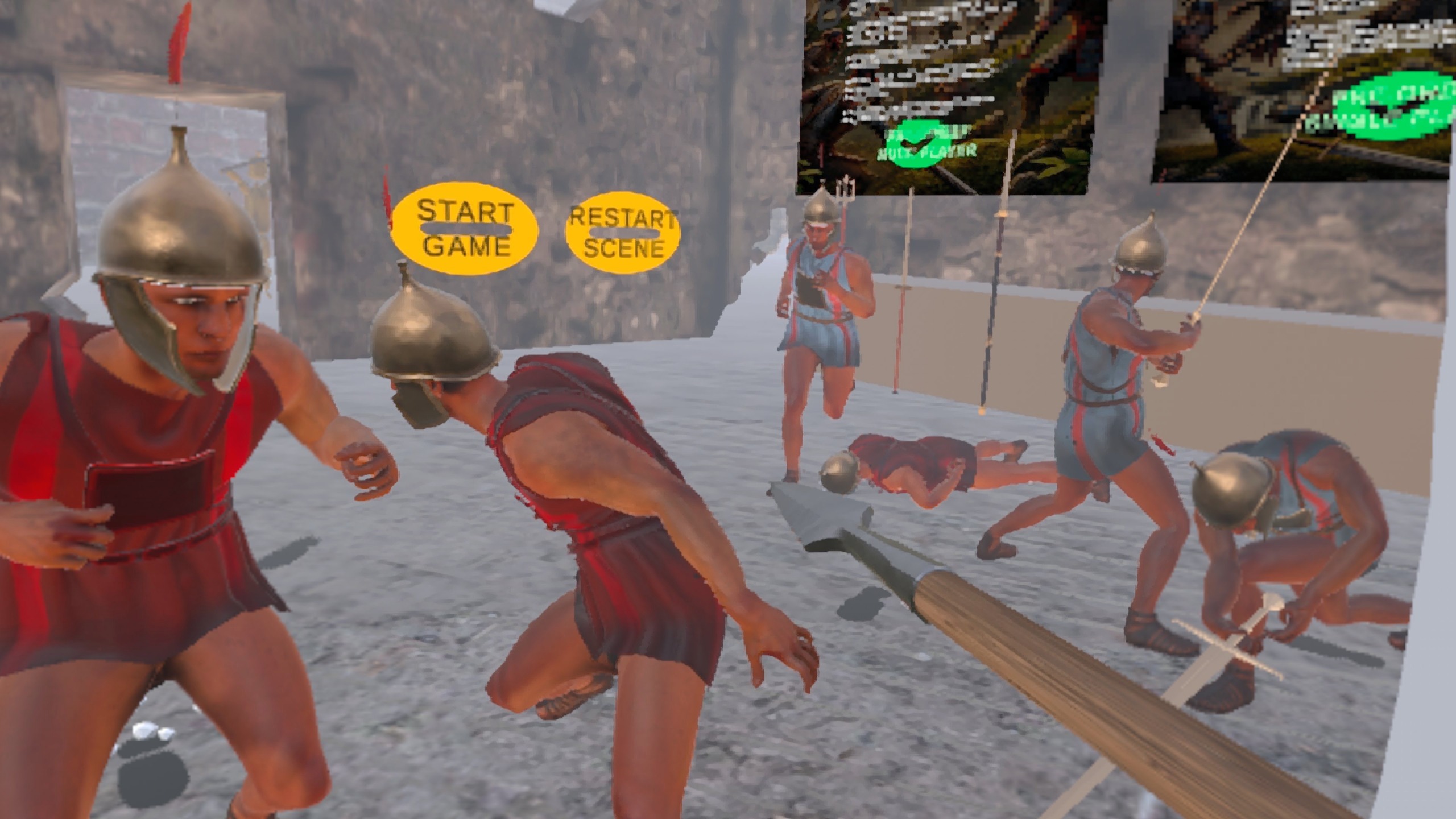
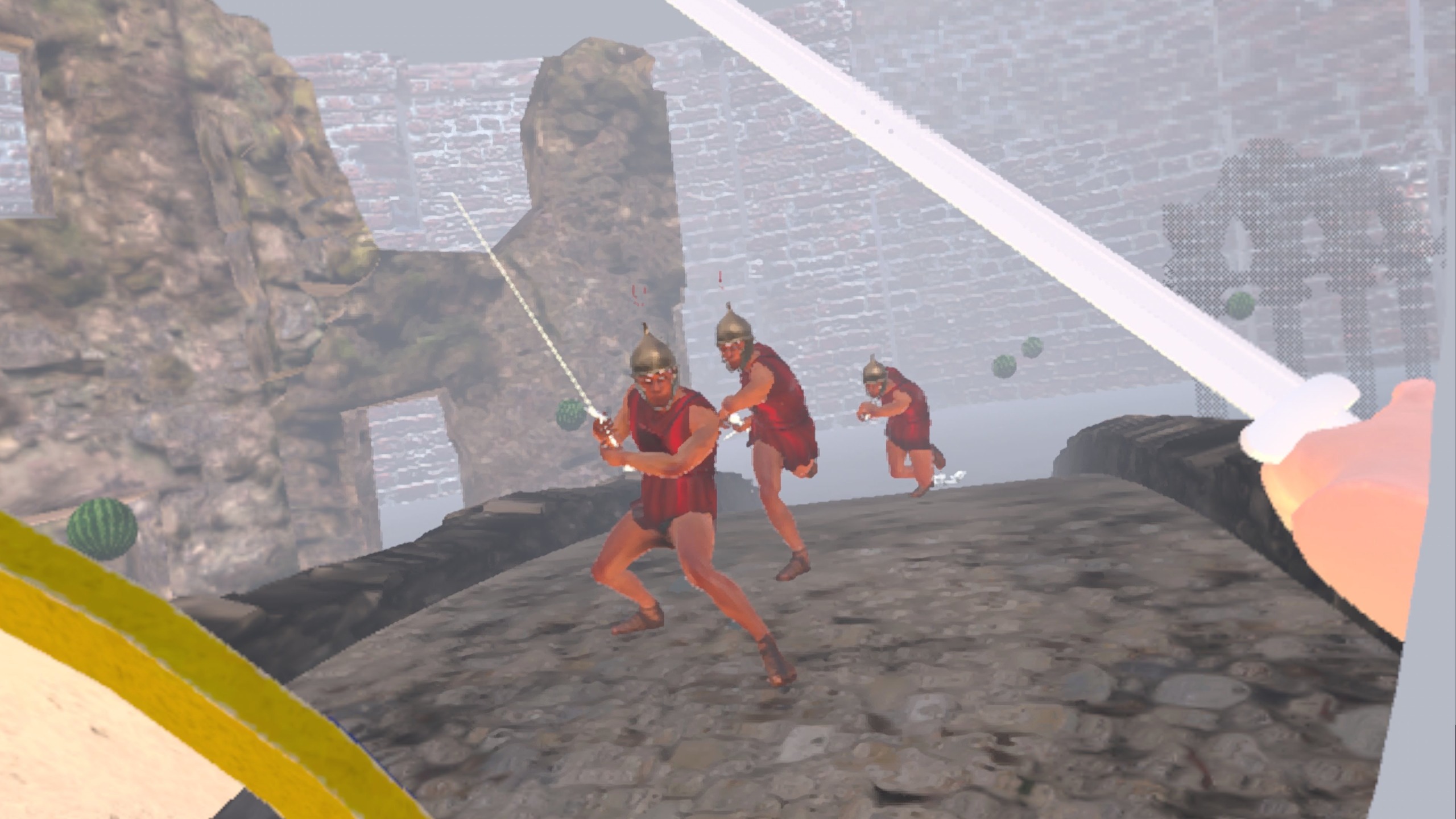
Invictus: Men of Iron started with a simple question: what if VR melee combat felt truly skill-based — not just swinging wildly, but reading timing, distance, and intent? I wanted combat that rewarded precision, not button-pressing. Growing up fascinated by ancient history, armor design, and competitive games, I saw VR as the perfect medium to bring gladiator combat to life in a way that feels tactile, athletic, and tactical.
Community feedback played a huge role as well. Early testers consistently asked for “something deeper than hack-and-slash.” That inspired the faction system, weight-based weapons, and physics-driven combat where every swing, miss, or successful block feels earned.
What it does
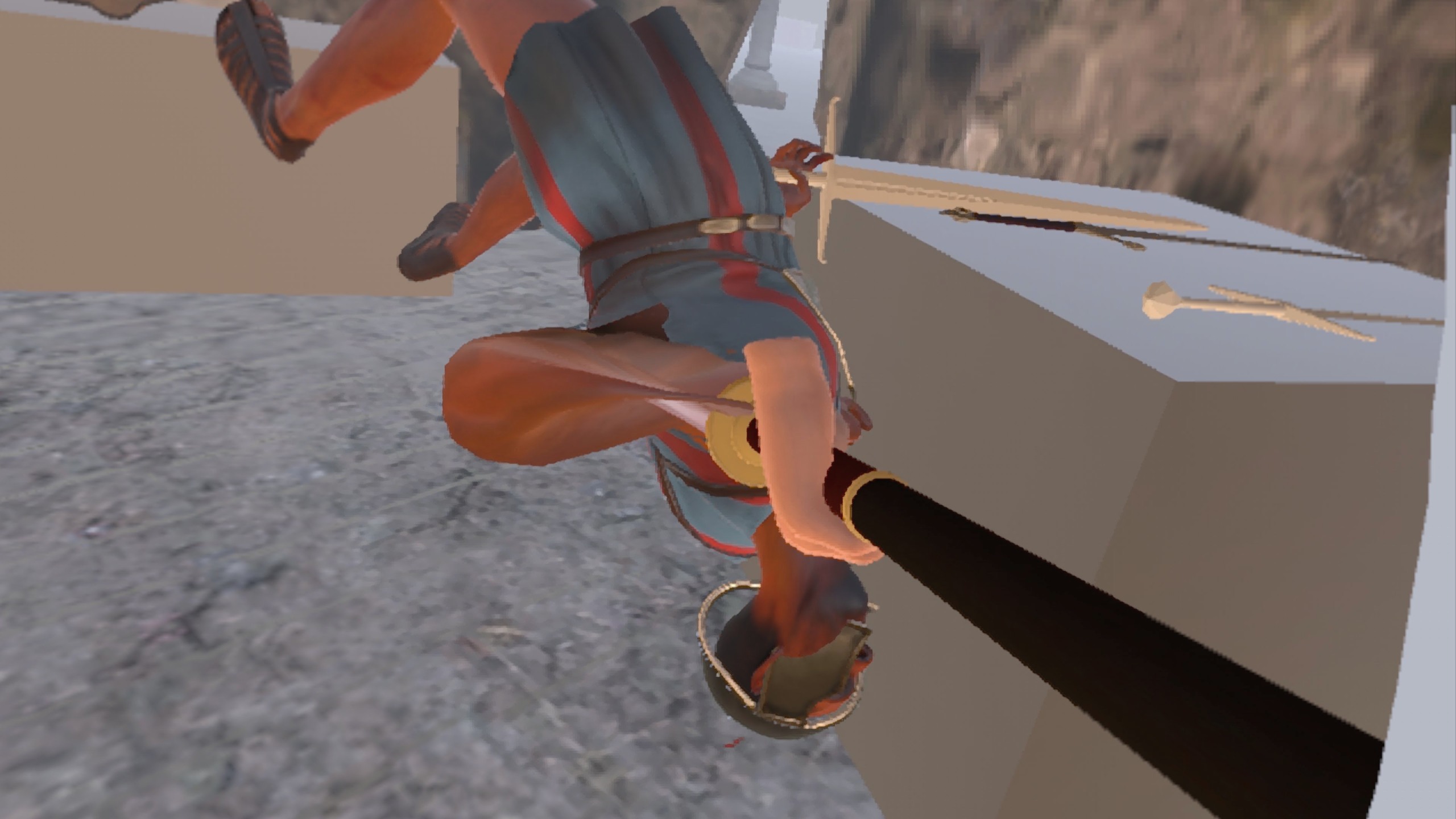
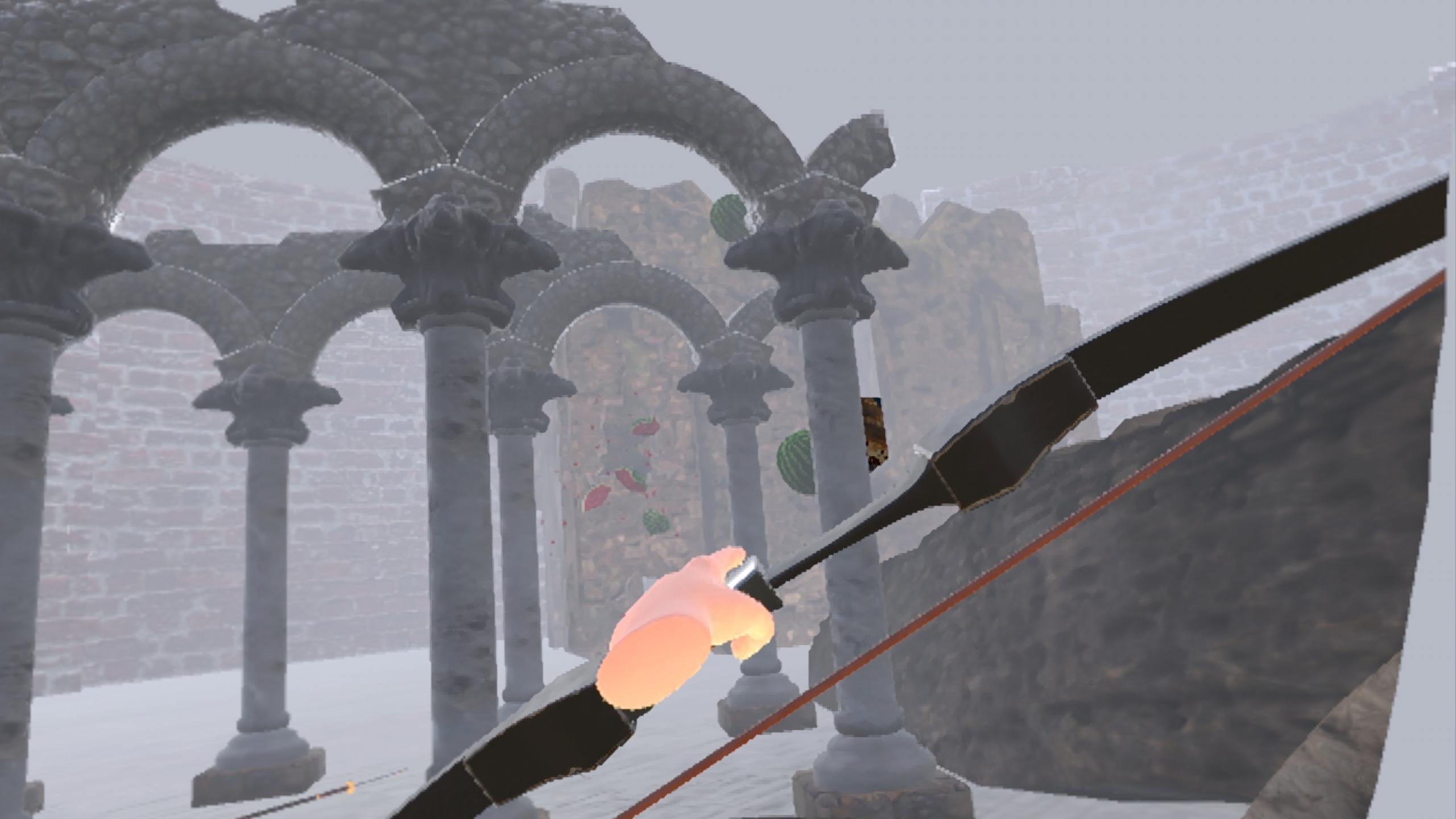
Invictus: Men of Iron is a VR gladiator fighter designed for Meta Quest. The game focuses on realistic melee combat, using physics-based interaction instead of animation-locked attacks. Players train, duel, and rise through ranks across multiple fictional factions inspired by ancient arenas and warrior cultures.
Key features include:
Multiplayer and single-player dueling modes Weapon weight simulation, stamina-style interaction, and timing-based combat Dynamic AI fighters with distinct behaviors and strategy Crowd reaction systems, spatial audio, and arena atmosphere Progression, unlocks, and player identity through gear and factions The goal is immersion — not just visually, but mechanically.
How we built it
The game was built in Unity using: Custom physics-based melee system tuned specifically for standalone VR Unity Netcode for synchronized PvP duels Emerald AI + custom behavior logic for strategic NPC fighters Meta Quest optimization techniques including batching, LOD, GPU instancing, and dynamic resolution scaling Weapons use collision-based velocity detection rather than pre-baked combos. Networking required server authority logic to make combat feel fair across latency differences, especially during fast actions like parries and shield blocks.
Challenges we ran into Making melee combat feel weighty without making it frustrating Handling multiplayer weapon collisions without desync or ghost hits Balancing AI difficulty so it feels competitive, not robotic Maintaining 72–90 FPS performance on standalone hardware while simulating multiple physics-driven systems
These challenges required multiple rewrites, iteration based on playtest feedback, and careful performance profiling. Accomplishments we’re proud of Combat that feels earned — not spammed A working PvP mode with synchronized physics-based dueling Distinct AI personalities that push the player to improve A world and presentation style that feels grounded, gritty, and atmospheric
What we learned
This project taught me how demanding VR combat is — especially when you want depth, fairness, and responsiveness. I learned a lot about physics tuning, optimization on Quest hardware, and how subtle animation and audio cues shape player experience and confidence in combat.
What’s next
Planned updates include deeper faction systems, skill-based ranking, modifiable arenas, avatar customization, two-handed weapon handling improvements, and mixed-reality training environments. The long-term vision is to evolve Invictus into a competitive VR combat platform with tournaments, community events, and ongoing seasonal content.


Log in or sign up for Devpost to join the conversation.