-
-
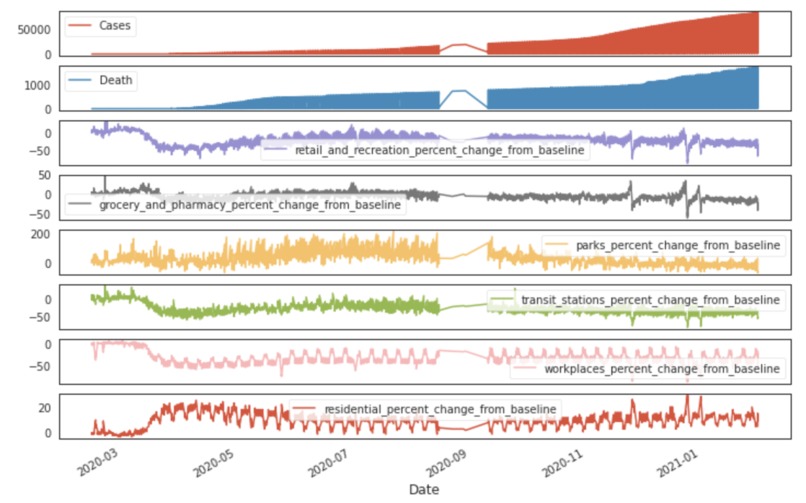
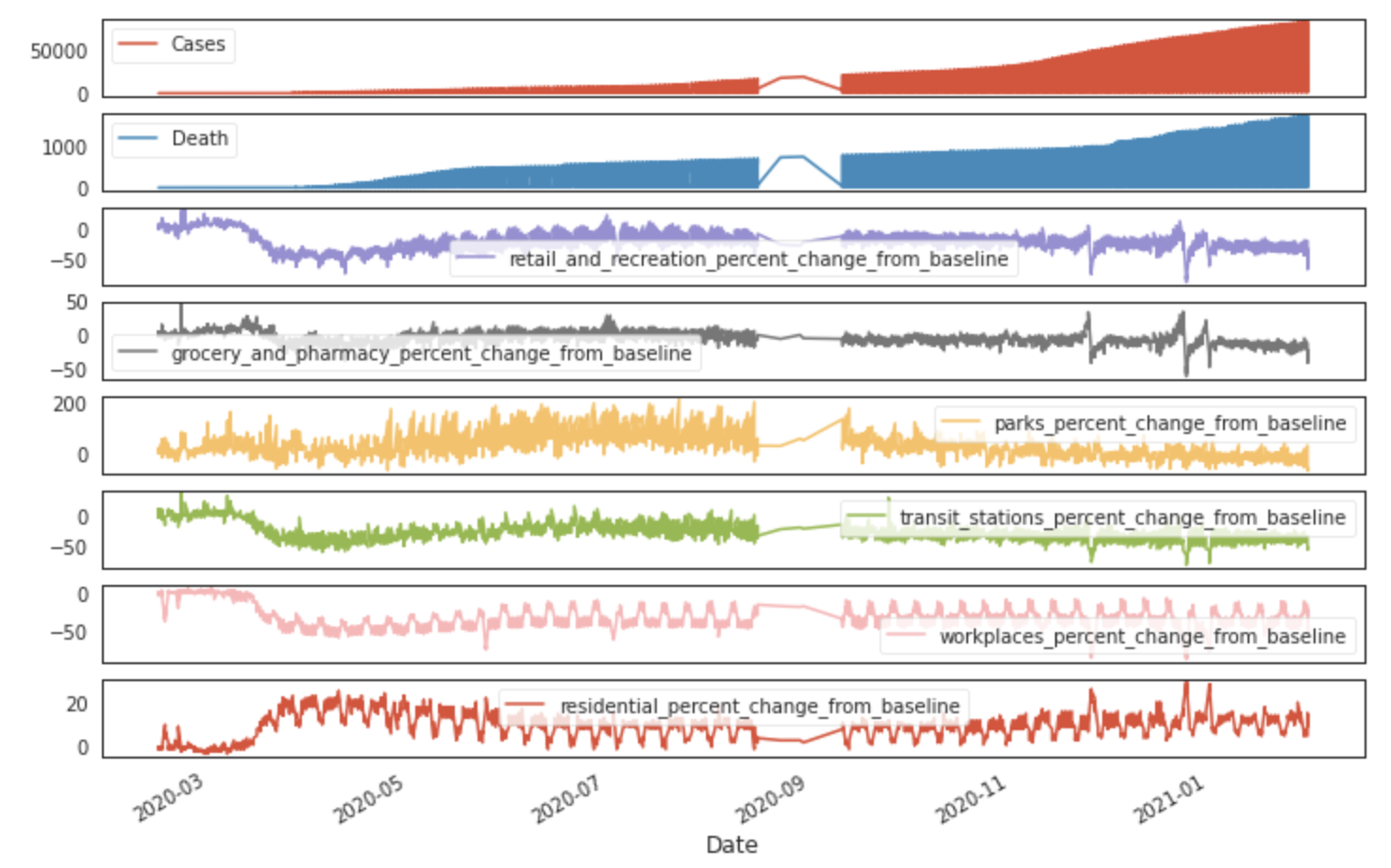
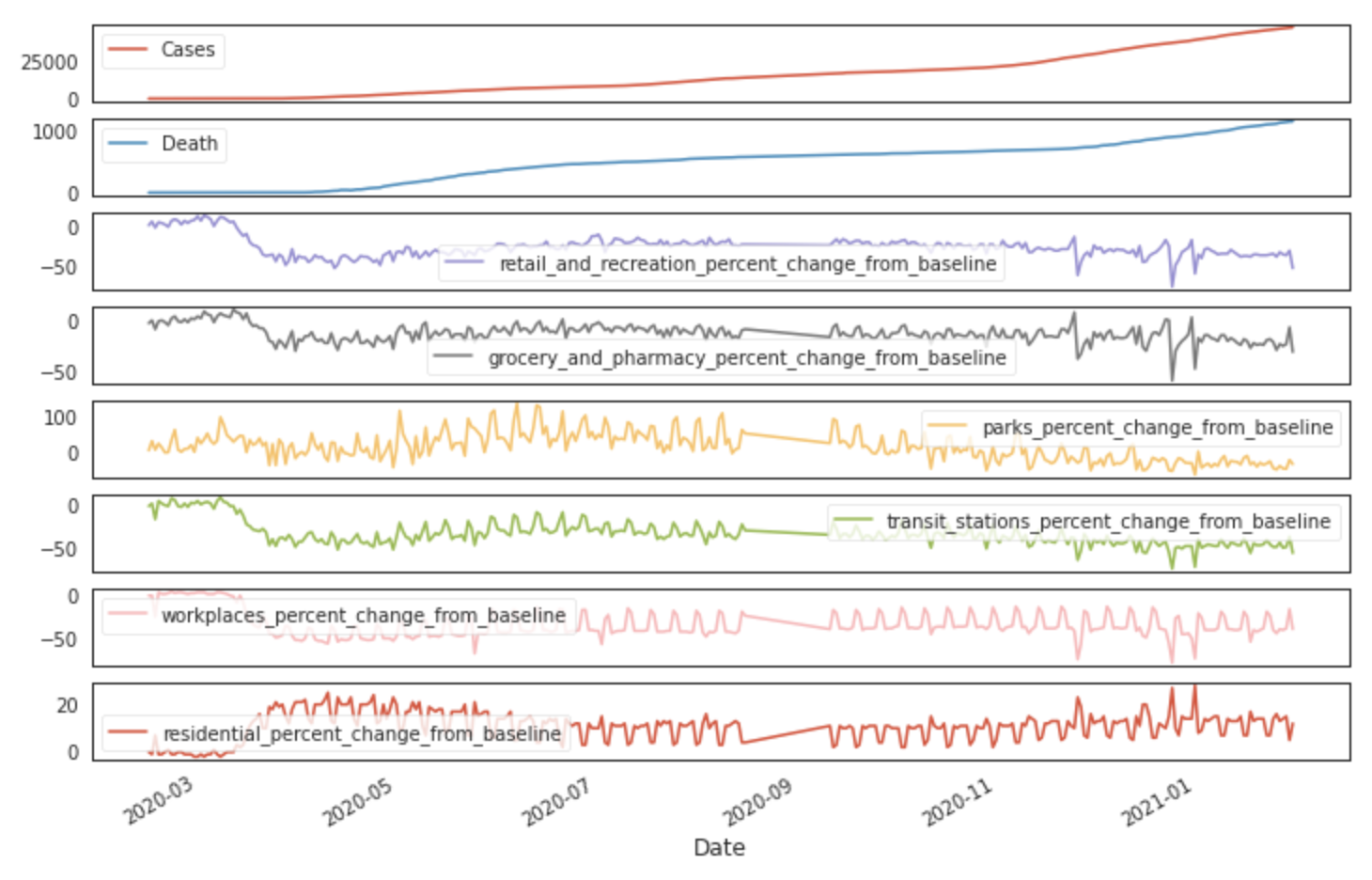
Covid case, death, and mobility data for all counties after preprocessing
-
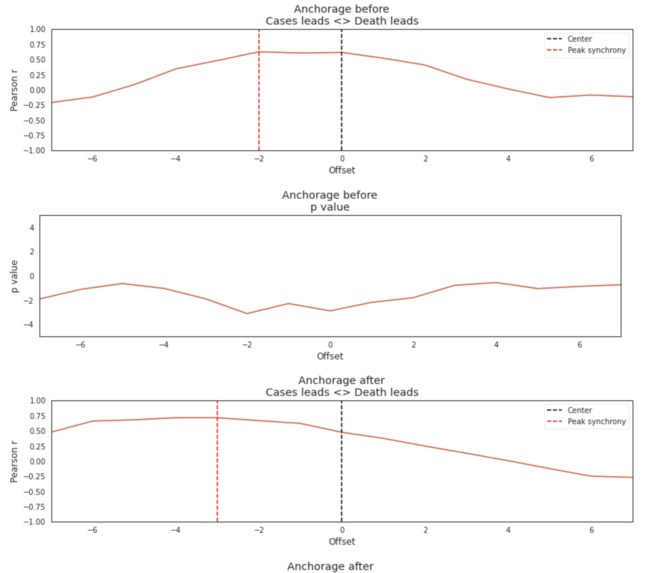
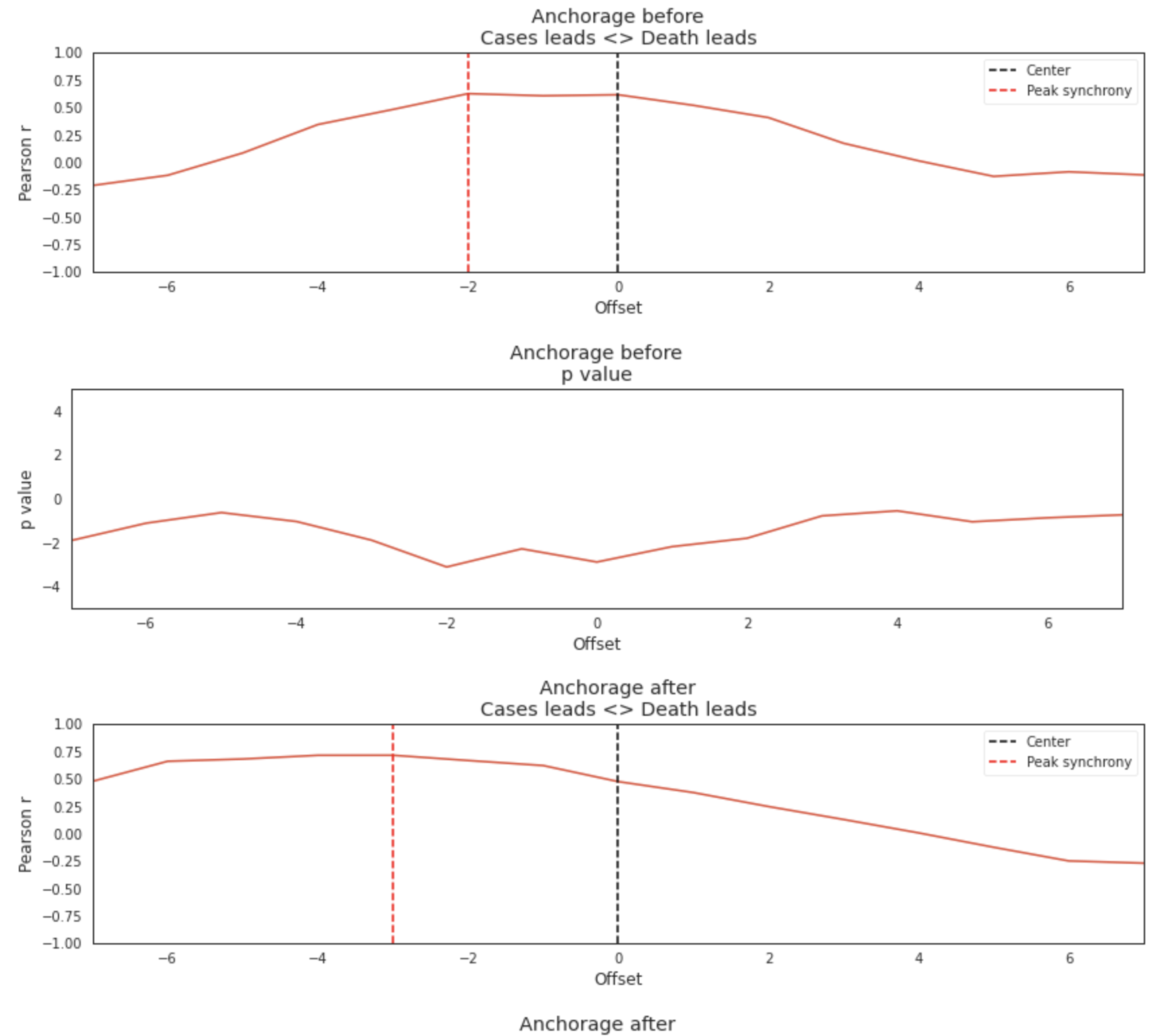
Time Series Analysis
-
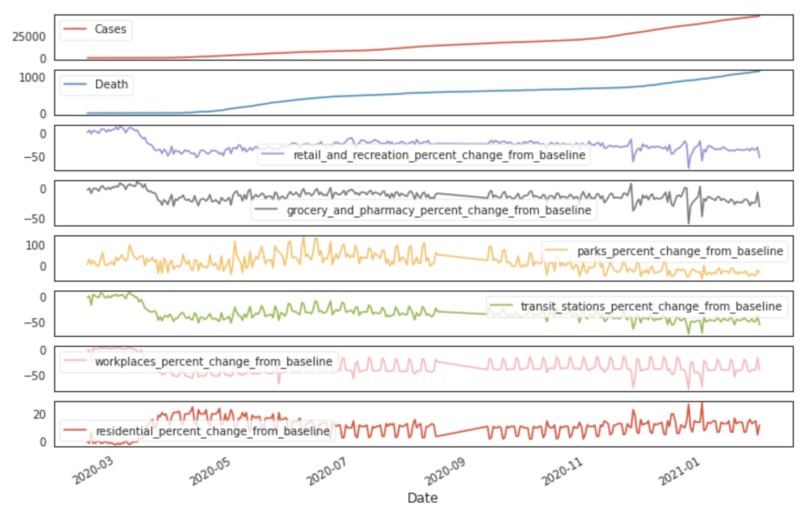
Covid case, death, and mobility data for Baltimore, Maryland after preprocessing
-
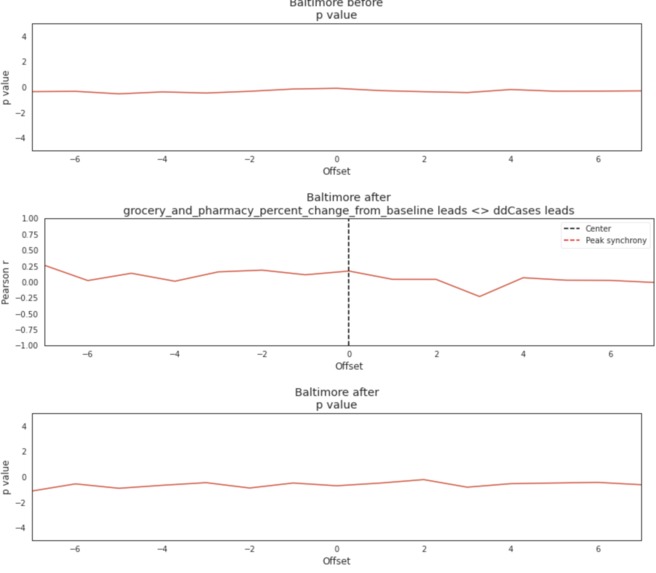
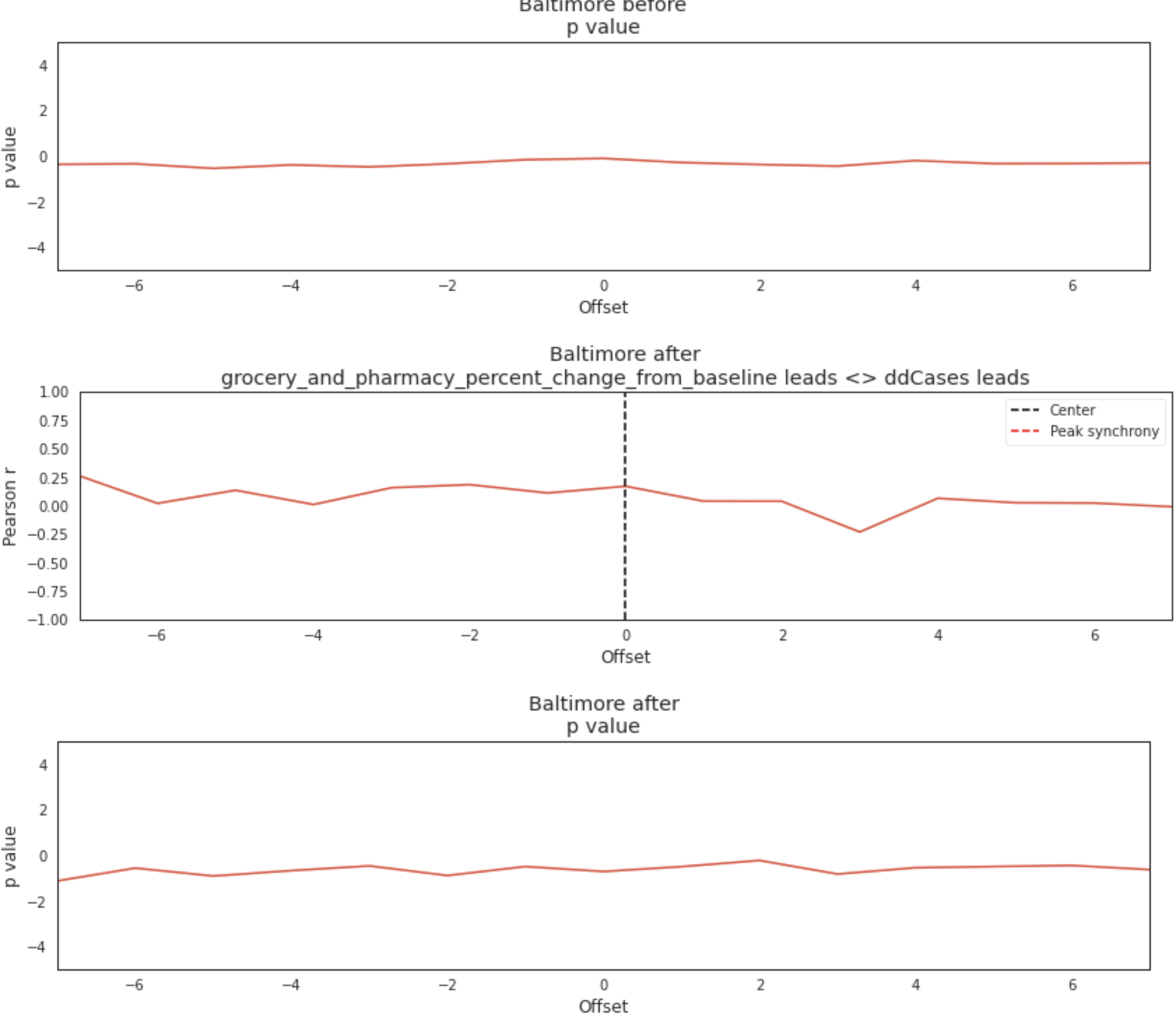
Time Series Analysis
-
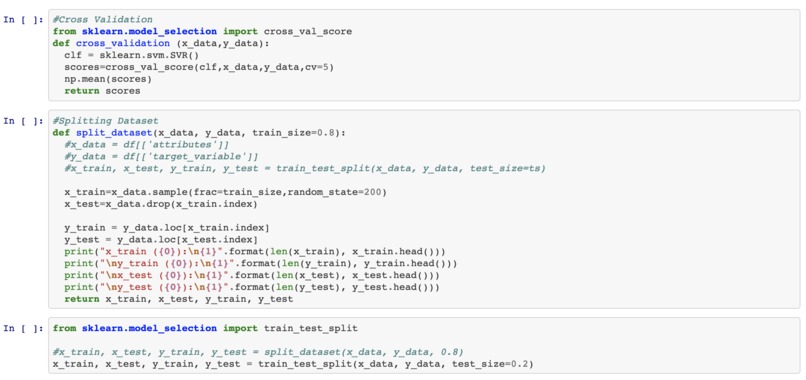
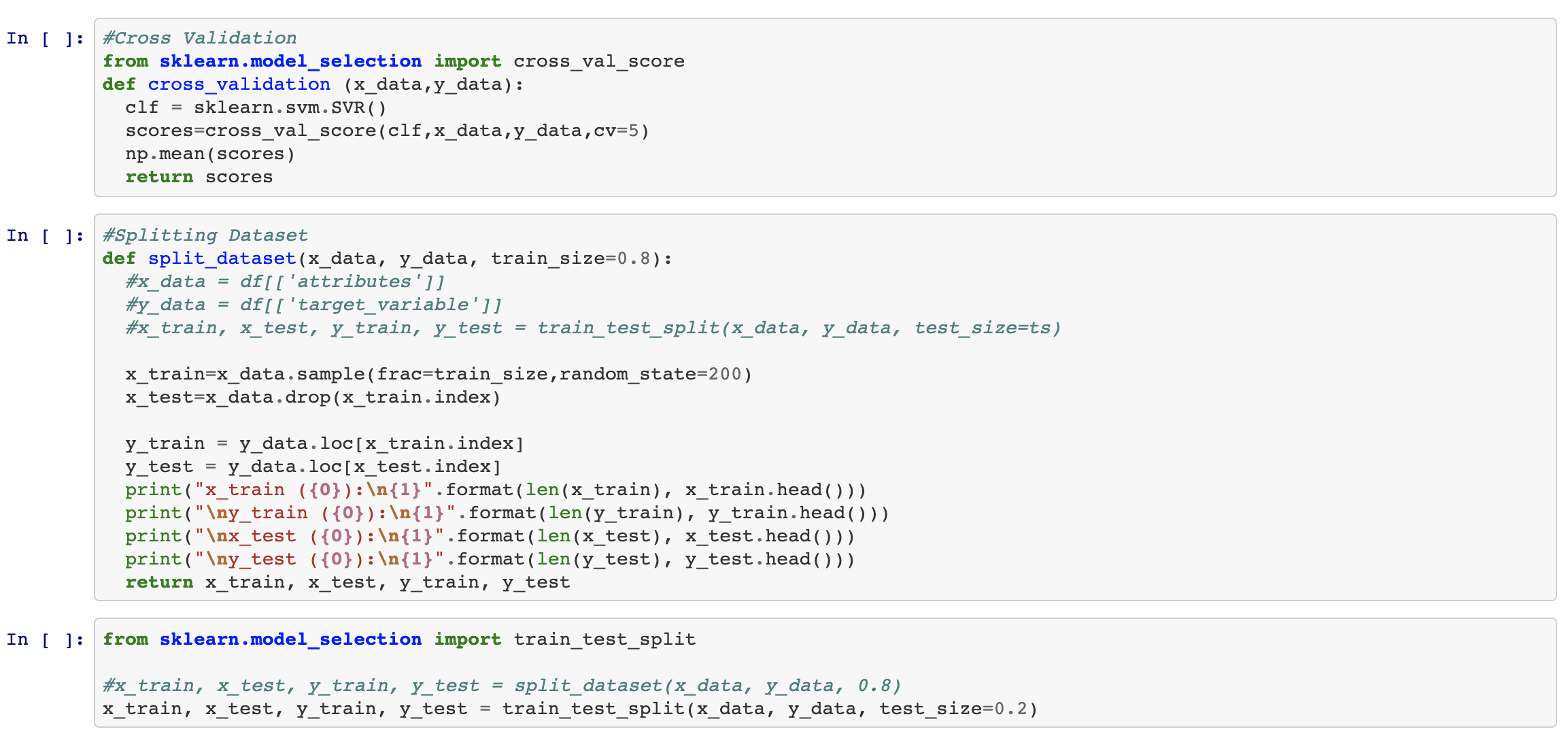
Creating our multi output regression model
-
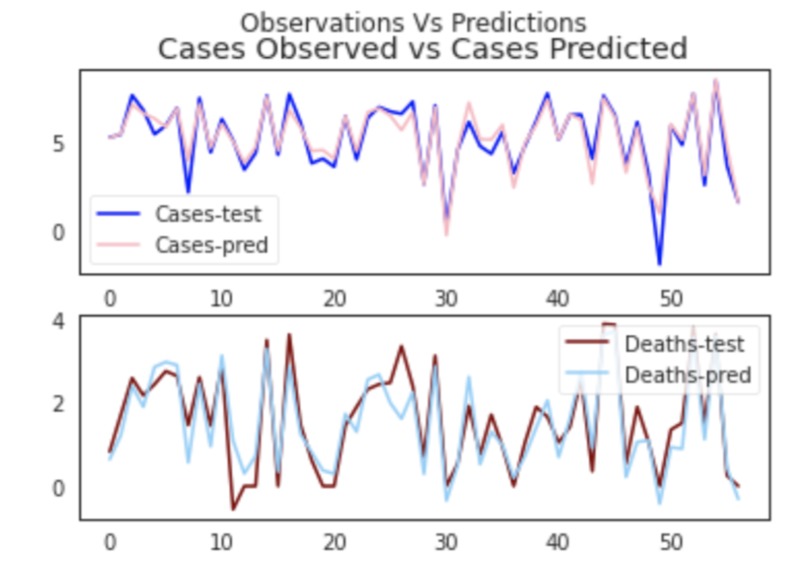
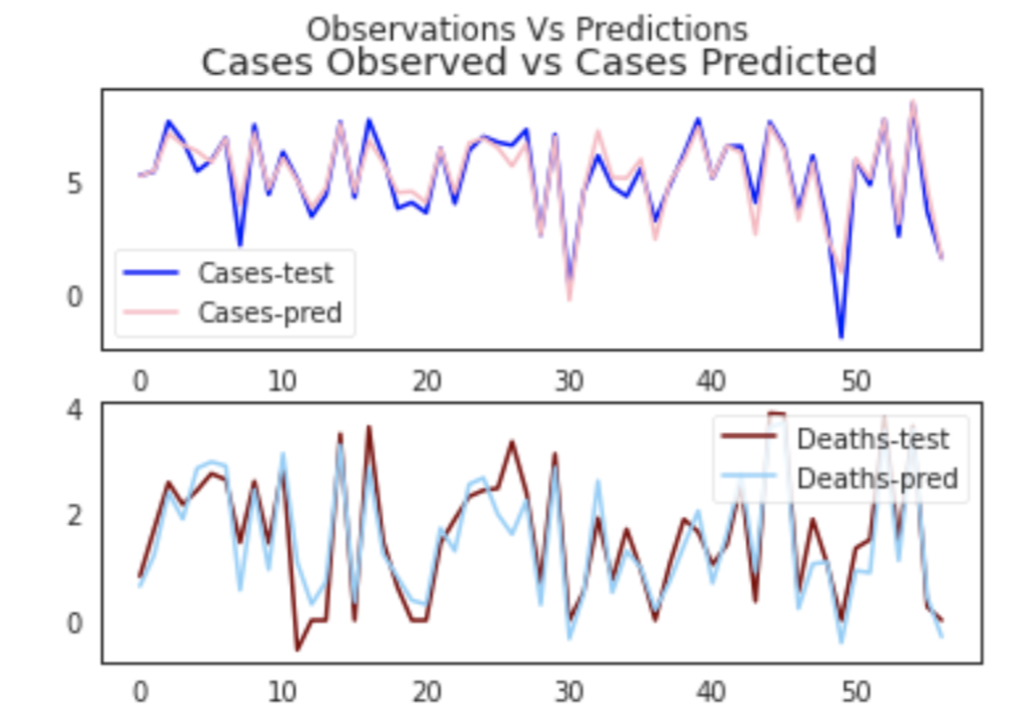
Final output of predicting cases and deaths based on mobility data
Inspiration
The Covid-19 Pandemic has changed almost all aspects of our lives - but it has had perhaps the greatest effect on mobility. Most Covid-19 policies restrict human mobility, intending to reduce close-proximity contacts, the major driver of the disease’s spread. However, movement hasn’t completely stopped - some people still have to travel to work, people visit the park or have to make essential trips to the grocery store - and Covid-19 has continued to spread. This lead us to wanting to investigate the relationship between Covid-19 and mobility, which led us to the question, can we predict future COVID-19 cases based on present mobility?
What it does
Using mobility data and Covid-19 case data, we have investigated the relationship between Covid-19 cases, deaths and mobility in various counties. We have also created a multi-output regressor model that predicts the future number of covid cases and number of deaths in the following weeks based on the past covid data and the mobility data, with 90.6% accuracy for cases in the next week.
How we built it
Our work was done on Jupyter Notebook, and we used Python and the numpy, pandas, matplotlib and scikit libraries.
1) Data Gathering and Preprocessing: After considering multiple data sets, we narrowed it down to Google Mobility Data (https://www.google.com/covid19/mobility/) and Covid case data from Kaggle (https://www.kaggle.com/johnjdavisiv/us-counties-covid19-weather-sociohealth-data)
Next, we had to convert the data into manageable data. We decided to limit our data to counties with enough mobility data and bucketed data by weeks to remove in-weekly fluctuations.
2) Time Series Analysis: We used time-lagged cross correlation to see if there is any leader-follower relationship between time-series. We found that cases were inversely correlated with mobility except residential mobility, as expected, however, there was inconclusive evidence on mobility affecting cases. We did find that deaths follow cases, and that the lag between cases and deaths appeared to increase between the earlier half of the pandemic and the later half, indicating better healthcare support or less vulnerable patients.
3) Model Development: The target variable for our model is new Covid-19 cases and number of deaths in the following time period t, t+1. As we are predicting more than one target variable we have used Multi-output regression In multi-output regression, typically the outputs are dependent upon the input and upon each other. Our multi-output regressor that predicts the number of covid cases and number of deaths in the time period [t,t+1] based on the past covid data and the mobility data.
Results: When predicting covid cases/deaths one week in the future, our model has an accuracy of 90.6%. When predicting cases/deaths three weeks in the future, our model has an accuracy of 81.3% (when mobility is not considered, the accuracy is 74.9% - a significant increase, indicating mobility has an effect)
Challenges we ran into
The mobility data set contained many missing entries, in fact, almost all counties had entire empty columns, resulting in our final data set being much smaller than expected. Our time series analysis did not yield conclusive results.
Accomplishments that we're proud of
Performing all the steps of data exploration, data cleaning, time series analysis, data preprocessing, and creating a model!
What we learned
Our team members all had different experiences with Python and data science - this was a learning experience for all of us!
What's next
We have many next steps in mind. In terms of the data used, we'd like to consider confounding factors - government policy was likely a confounding factor in time-series analysis, so including a government policy data set in our analysis would be a next step. In addition, we want to work with and analyze larger data sets - many counties in our data sets did not have enough mobility data - this would increase the accuracy of our model.
We also want to make our predictions accessible to others through a user dashboard. Our findings would be helpful for:
- Healthcare workers (to be able to prepare for future weeks)
- Government officials (to be able to implement policies as a precaution rather than reaction)
- Everyone else
Built With
- matplotlib
- numpy
- pandas
- python
- scikit-learn


Log in or sign up for Devpost to join the conversation.