-
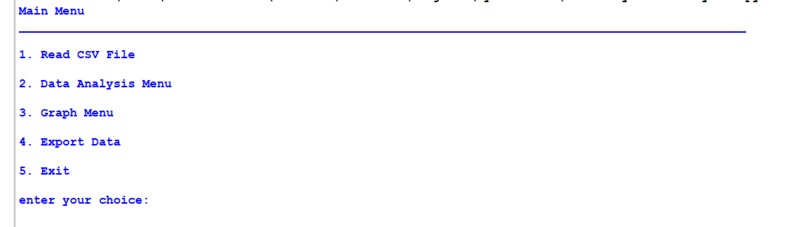
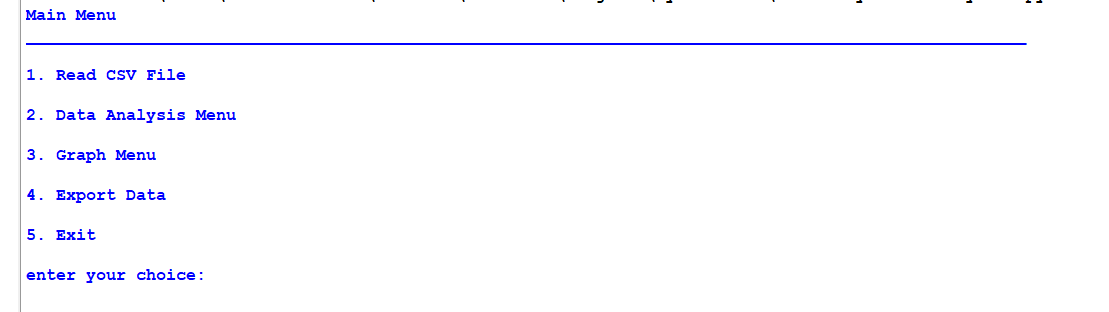
Main Menu
-
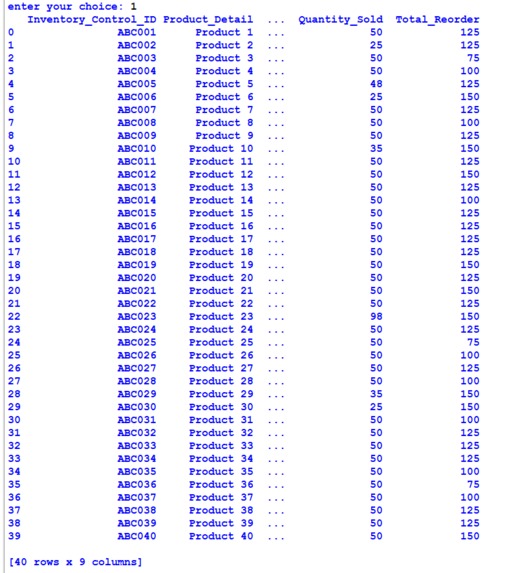
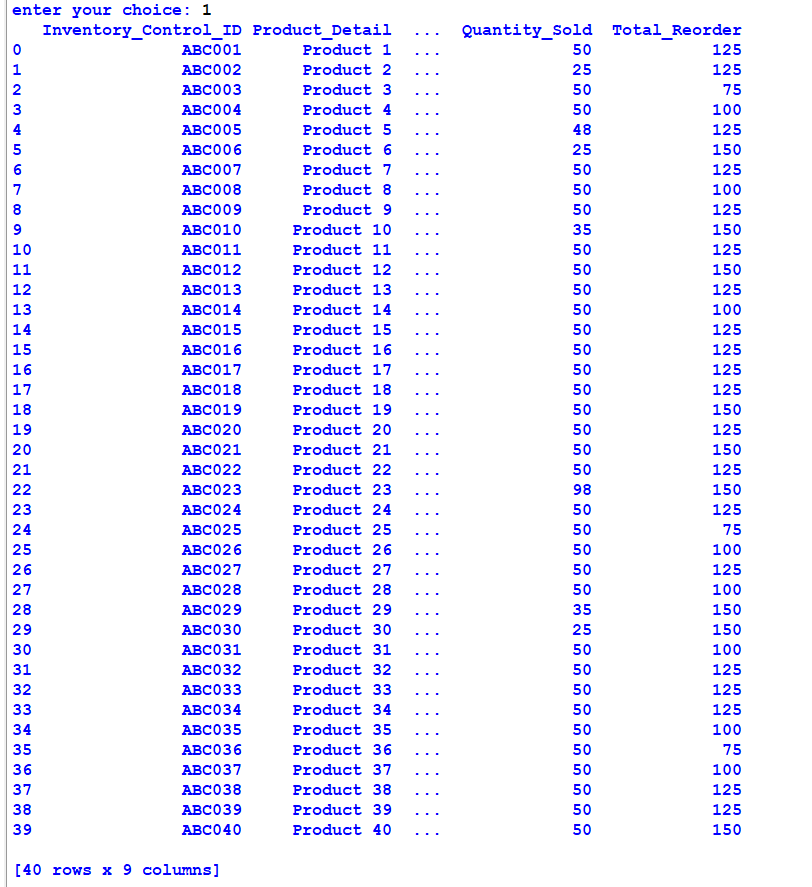
CSV File Exported in Program
-
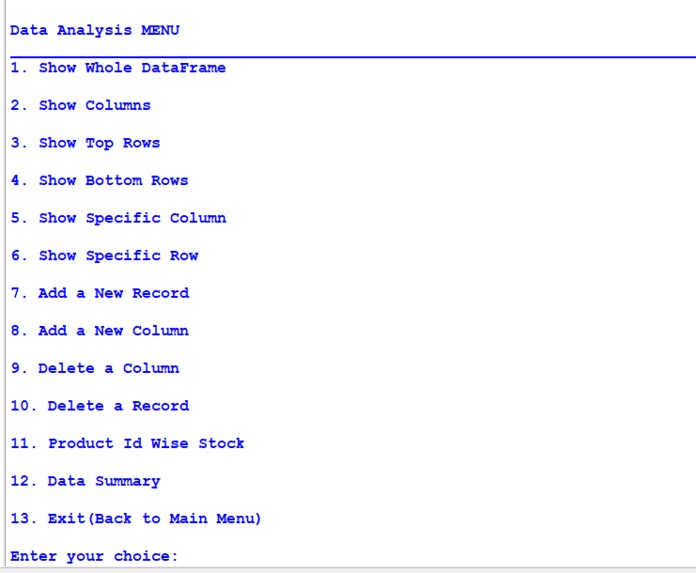
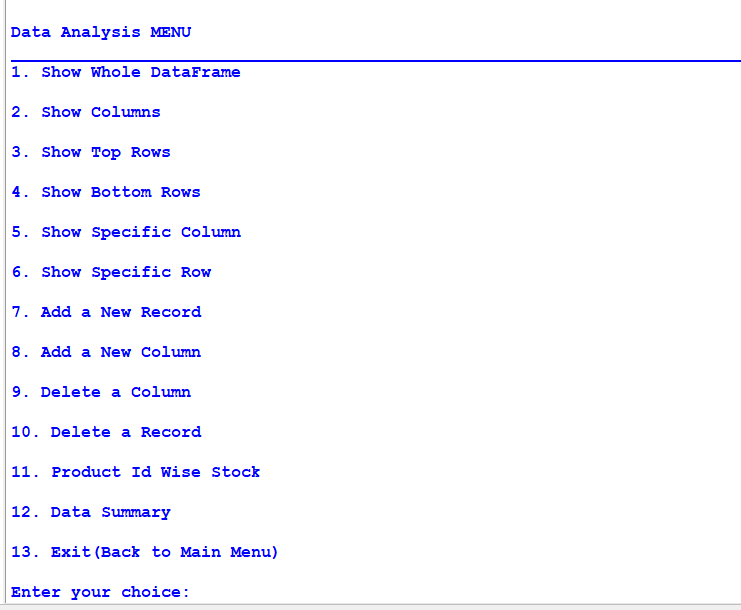
Data Analysis Menu
-
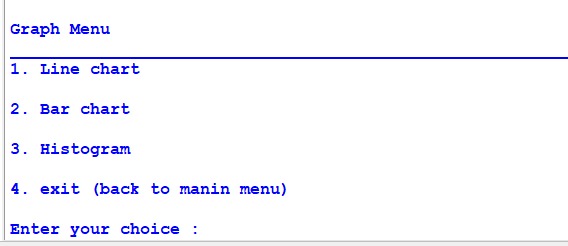
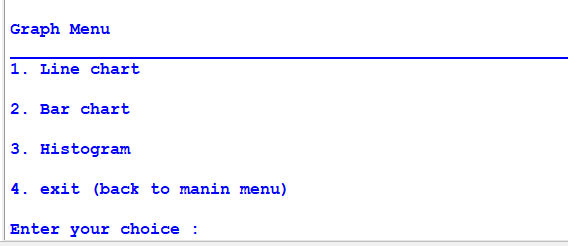
Graph Menu
-
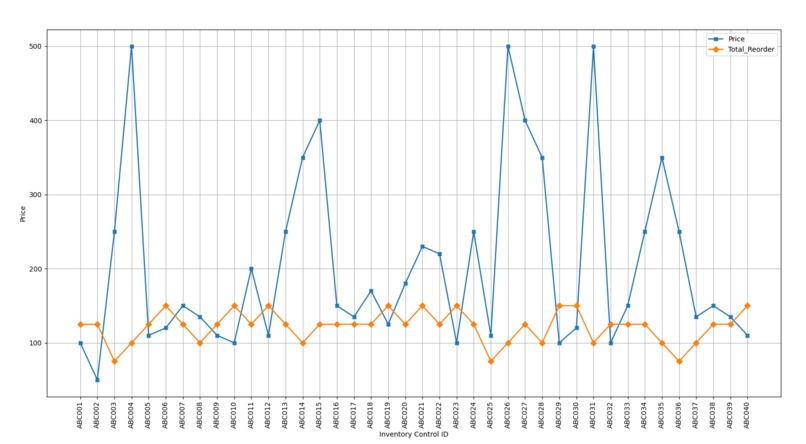
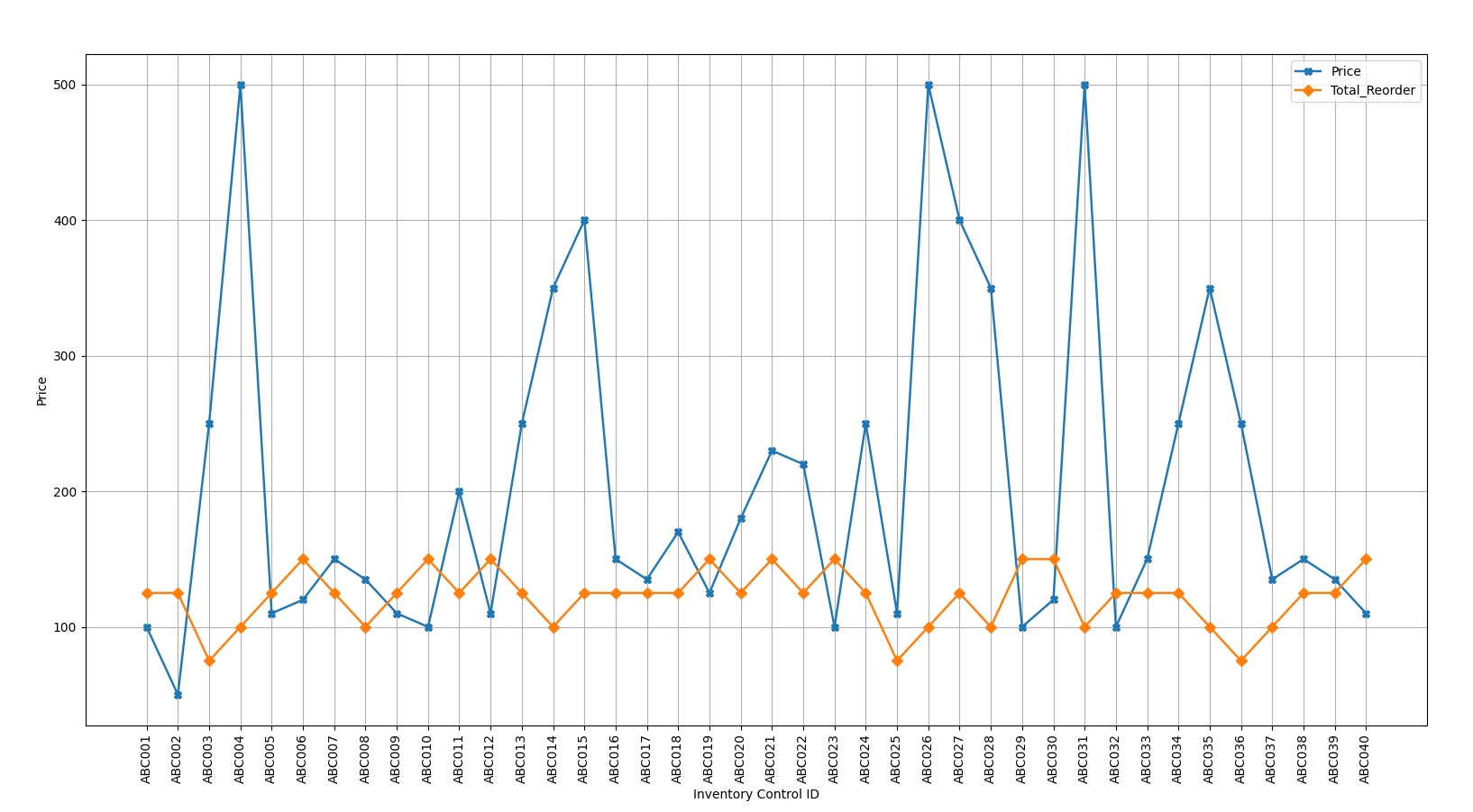
Comparion Between Price and Reorder (Using Line Graph)
-
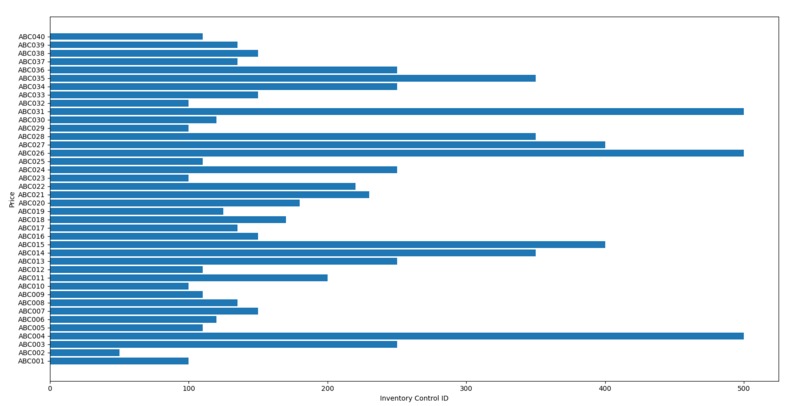
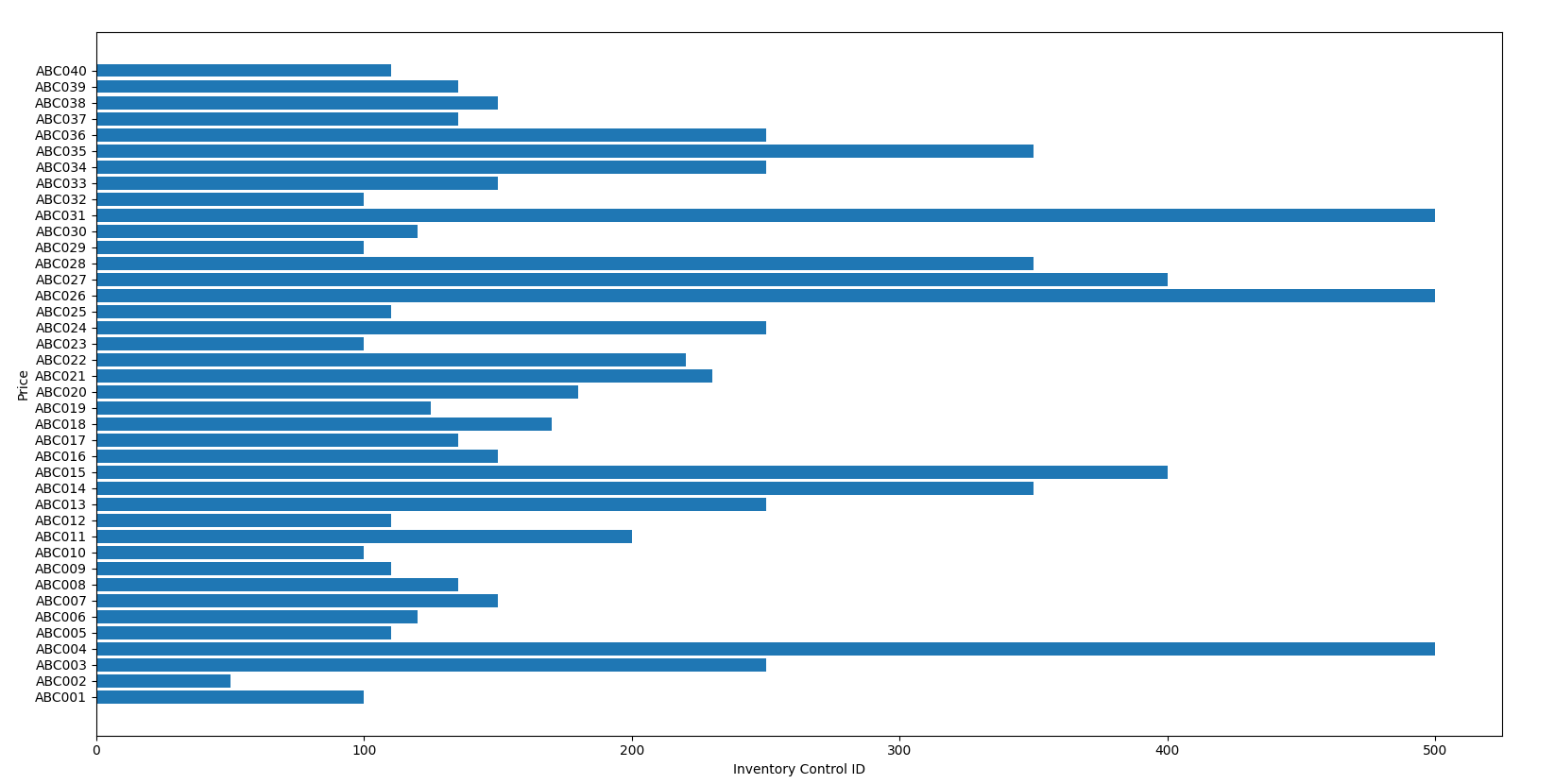
Bar Graph
-
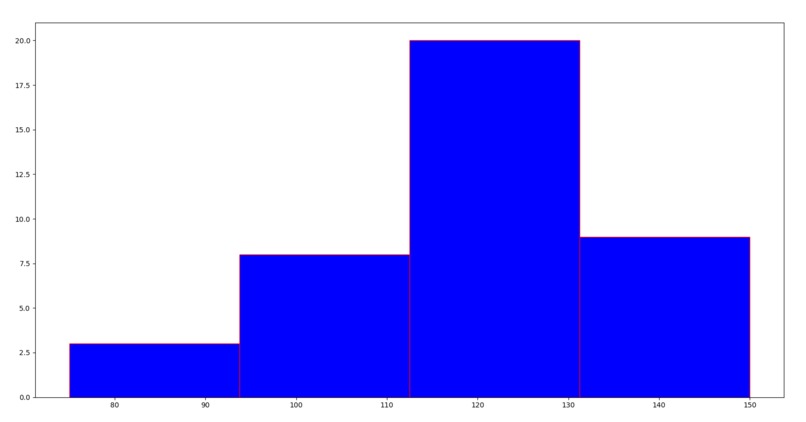
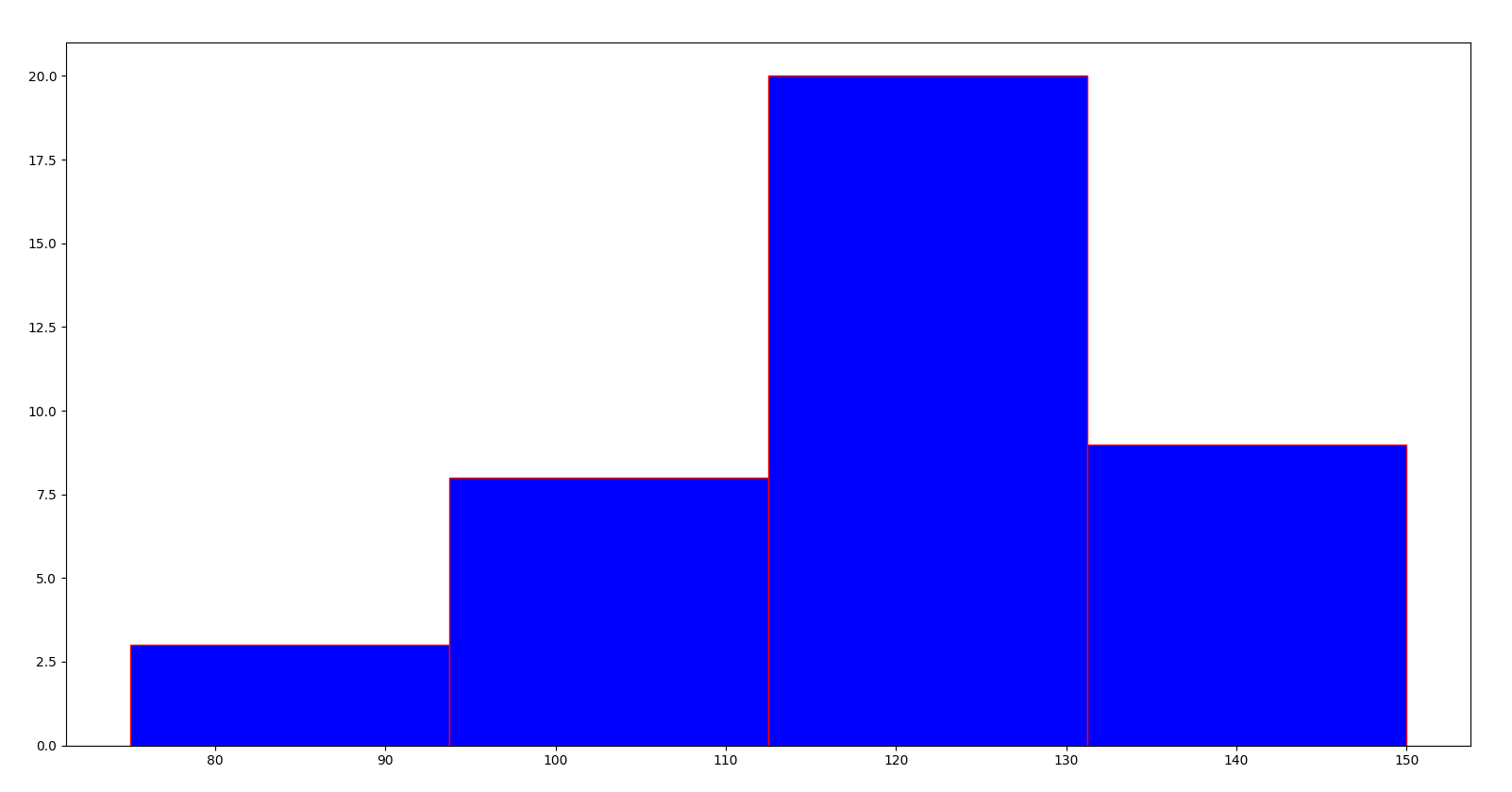
Histogram
-
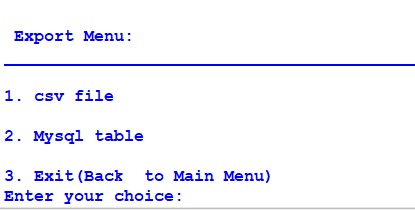
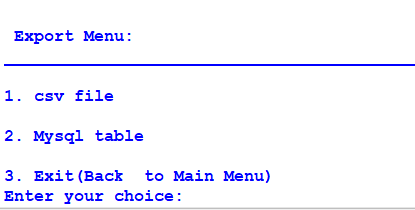
Export Menu
Inspiration
During a visit to a grocery shop, I observed the arduous task of manually recording newly arrived stock in a register, prompting me to envision a more efficient solution. Witnessing the potential for data loss and the laborious process, I conceived the idea to develop an Inventory Control System. This application aims to simplify and streamline inventory management, offering users a more convenient and accurate way to handle their stock.
What it does
This project efficiently manages data by accepting user data in CSV format, seamlessly transforming it into a robust MySQL database for enhanced scalability. Integrating this database within our Python program, a user-friendly menu interface is created. This menu empowers users to effortlessly execute various operations like entering new records, deleting existing ones, updating information, and visually representing stock data through graphical representations, ensuring a comprehensive and user-centric inventory control system.
How we built it
This application is a combination of Python and MySQL, harnessing the power and versatility of both programming languages. Python serves as the backbone, providing the interface and functionality, while MySQL efficiently manages the database operations. Together, they form a seamless and robust solution for effective inventory management, ensuring reliability and flexibility in handling diverse data operations.
Challenges we ran into
In this project, I didn't encounter many issues, but one challenge I faced was updating the database with the latest inventory data directly from the Python program. Creating a new database from the updated information posed a bit of difficulty during the process.
Accomplishments that we're proud of
Building a solution that handles large amounts of data, ensuring scalability and reliability in managing extensive inventories.
What we learned
Developing an inventory control system in Python involves learning data handling (CSV, Pandas), integrating languages (Python, MySQL), managing databases, error handling, and continuous improvement through user-centric enhancements.
What's next for Inventory Control System
The next steps for the Inventory Control System could involve enhancing features (like predictive analytics, IoT integration), refining the user interface, ensuring data security, and continuously gathering feedback for iterative improvements.


Log in or sign up for Devpost to join the conversation.