Inspiration
The inspiration for this project came from learning about the growing use of IoT devices in everyday applications such as smart homes, agriculture, and industrial automation. While these systems generate huge amounts of network traffic, security is often overlooked or handled using outdated methods. During our studies, we noticed that many intrusion detection systems rely on fixed rules or identifiable network information, which may not always be available. This motivated us to explore whether malicious activities could be detected by analyzing traffic patterns alone, without depending on identities.
What it does
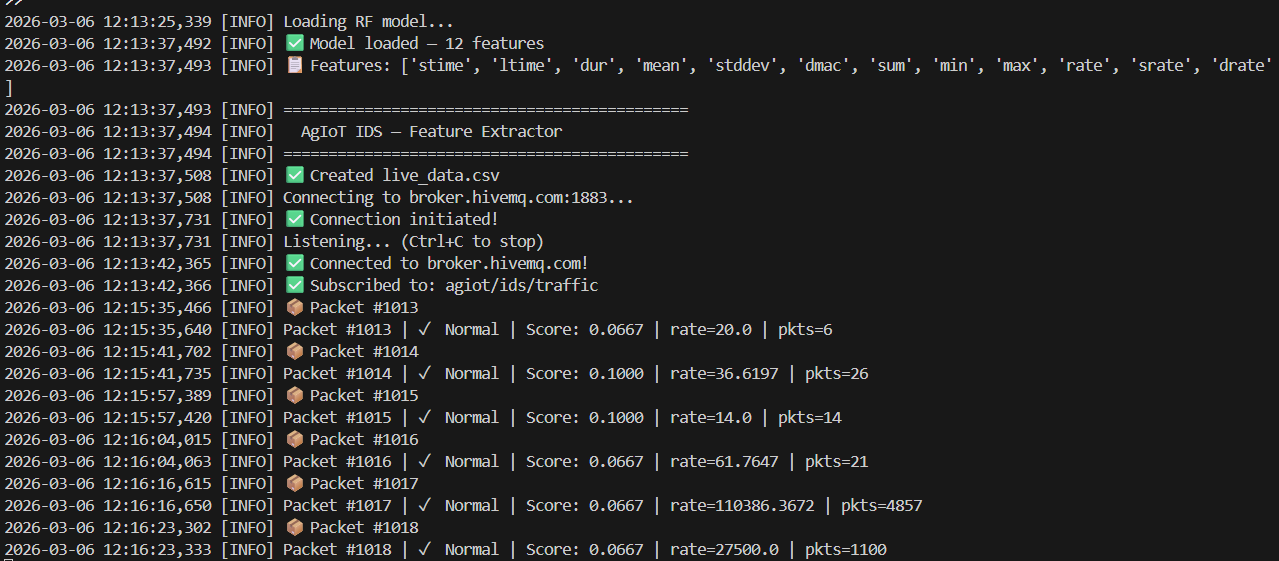
This project is an intrusion detection system that analyzes IoT network traffic and identifies malicious activities by recognizing abnormal behavior patterns. It processes network traffic data, extracts flow-level features and classifies traffic as normal or attack. The system also adapts its detection sensitivity over time using a reinforcement learning-based threshold mechanism, helping improve accuracy and reduce false alerts.
How we built it
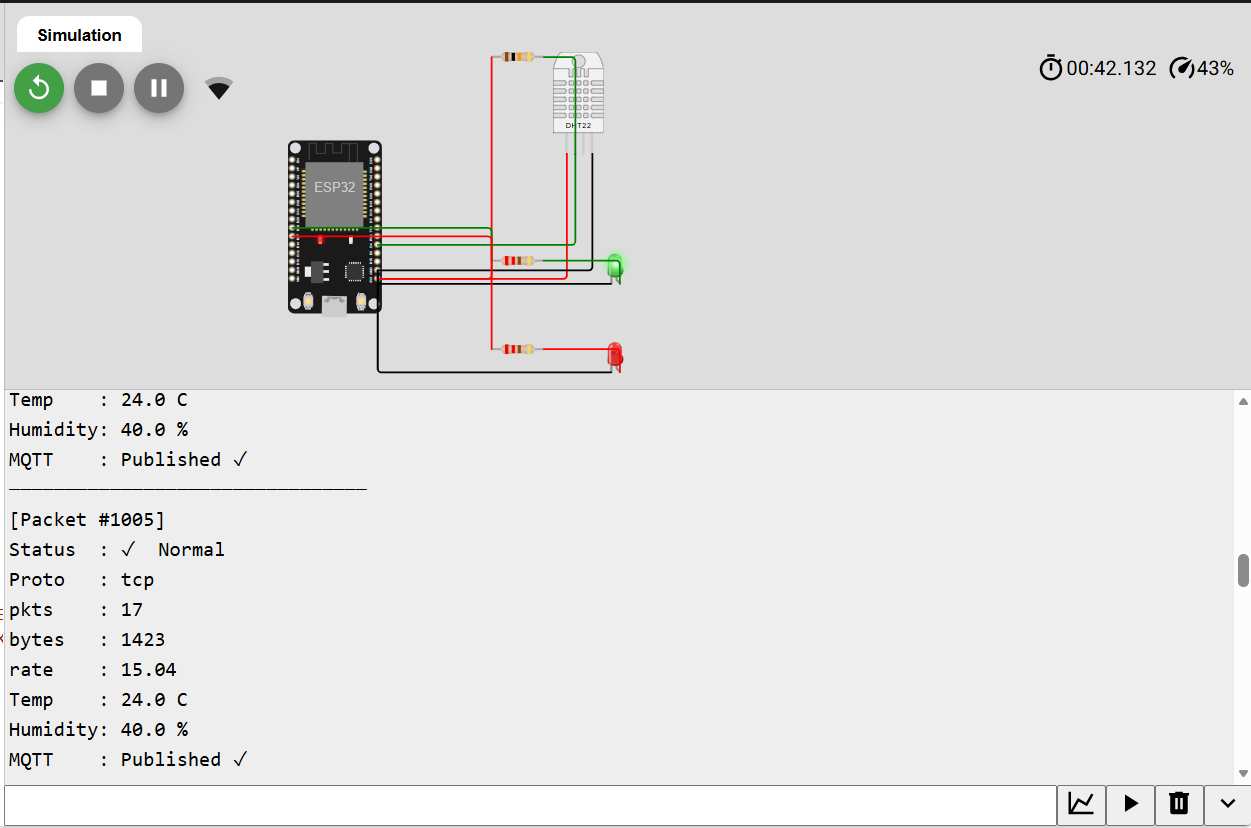
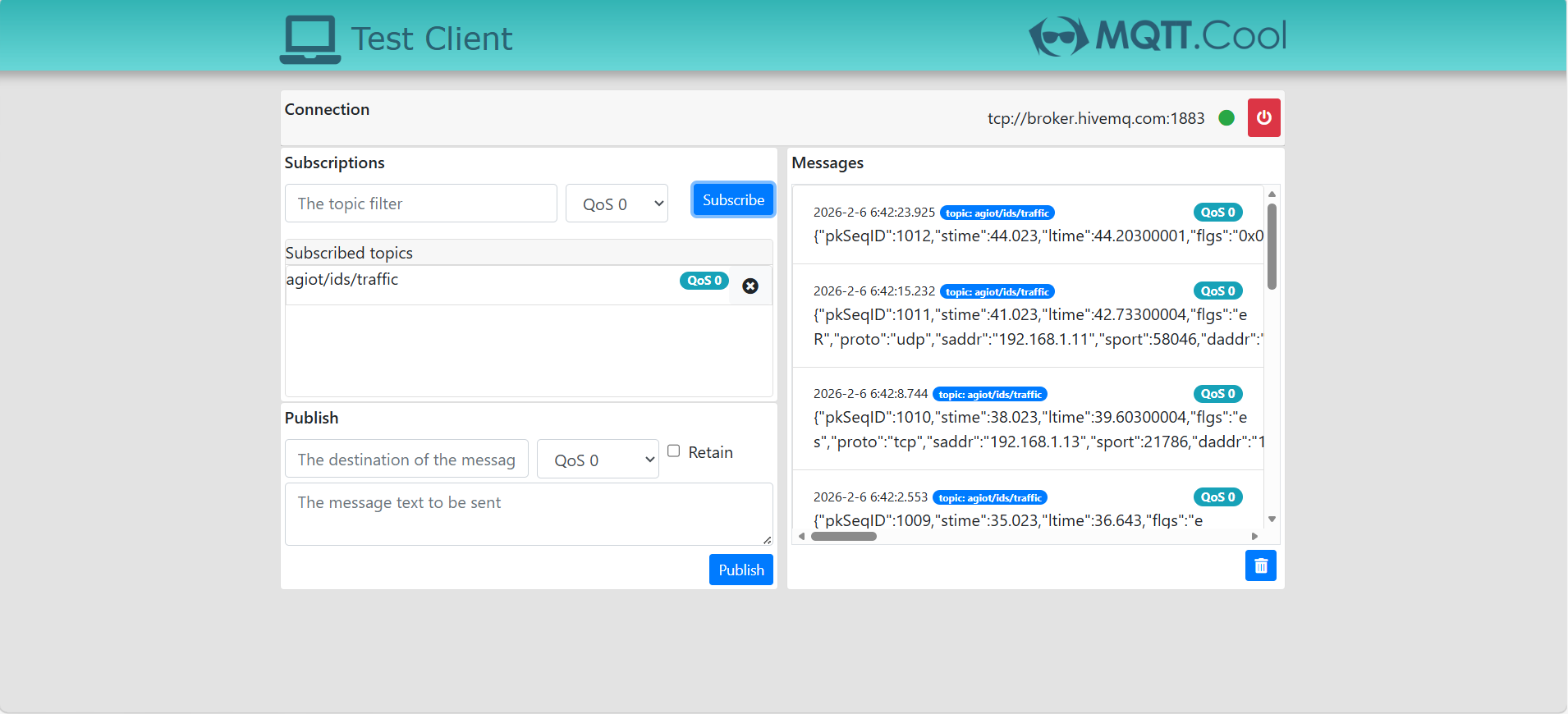
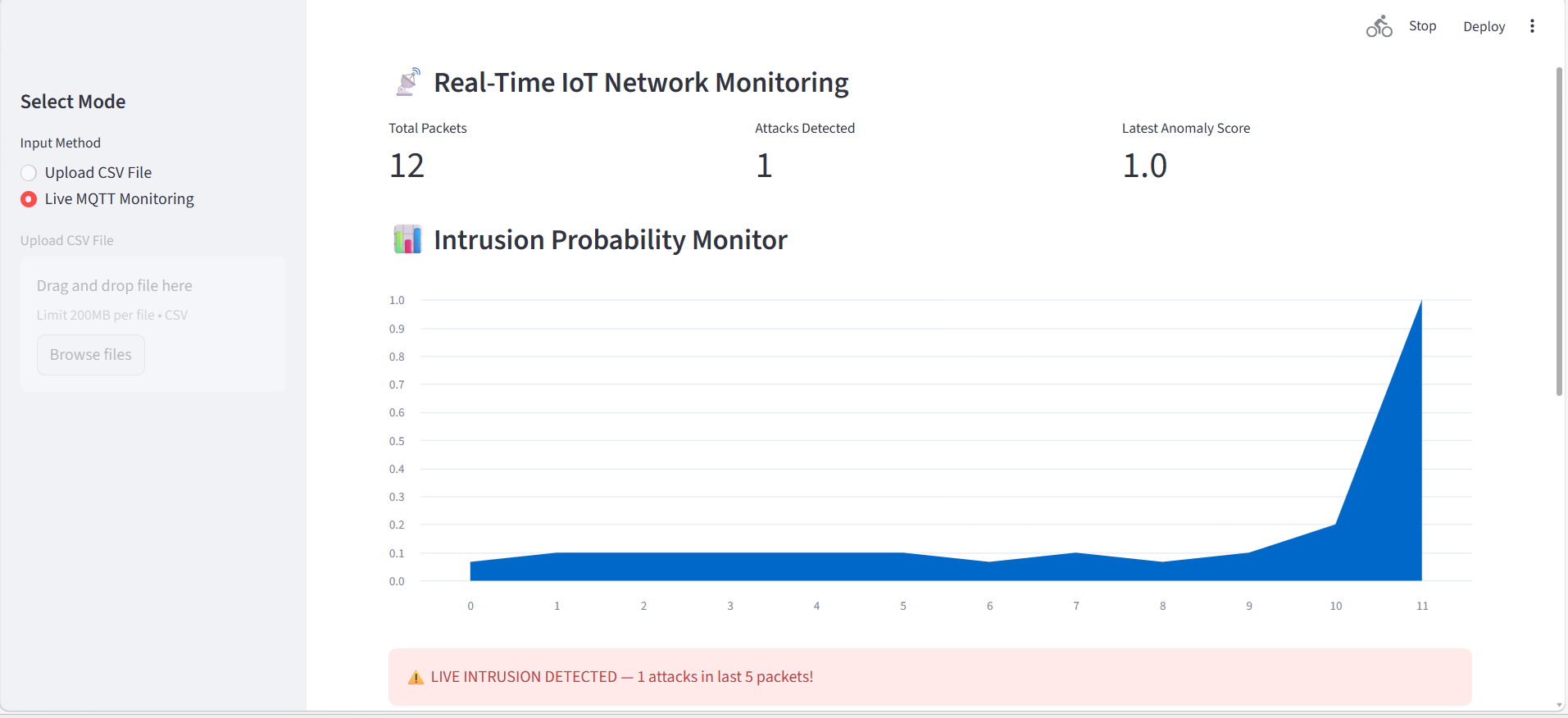
We built the system using Python and implemented it in a cloud-based environment. Public IoT network traffic datasets were used as input, and identifiable information was removed during preprocessing. Machine learning models such as Random Forest were trained to detect known attack patterns, while Isolation Forest was used for anomaly detection. To make the system adaptive, we introduced a reinforcement learning mechanism that adjusts the decision threshold based on prediction outcomes. A simple web interface was developed to upload traffic data and visualize the detection results.
Challenges we ran into
One of the major challenges was handling highly imbalanced data, as normal traffic samples significantly outnumber attack samples. Another challenge was tuning the detection threshold to avoid excessive false positives while still detecting real intrusions. Managing large datasets efficiently and ensuring consistent preprocessing across models also required careful implementation.
Accomplishments that we're proud of
We successfully built a working intrusion detection prototype that combines supervised learning, anomaly detection, and reinforcement learning. The system was able to detect attacks effectively and demonstrate adaptive behavior over time. Developing a frontend to visualize results and integrating all components into a complete pipeline is something we are particularly proud of.
What we learned
Through this project, we gained practical experience in data preprocessing, machine learning model training, and evaluation using real-world network traffic data. We learned how reinforcement learning can be used in a simple yet effective way to improve decision-making. Most importantly, we understood the challenges involved in building security systems that must adapt to changing environments.
What's next for Intrusion Detection in Anonymous IoT Traffic Using ML
In the future, this project can be extended by testing it on real-time IoT traffic and deploying it in live environments. Additional machine learning models and feature selection techniques can be explored to further improve detection accuracy. We also plan to enhance the frontend dashboard and explore lightweight deployment options suitable for edge-based IoT systems.
Built With
- collab
- imbalanced
- joblib
- numpy
- pandas
- python
- scikit-learn
- streamlit

Log in or sign up for Devpost to join the conversation.