What we did
During the Oracle Machine Learning workshop on Oracle Autonomous Database, I engaged in a series of hands-on labs that explored various aspects of Oracle Machine Learning (OML). I started by creating notebooks in OML Notebooks, configuring interpreter bindings, and scheduling notebook jobs for automated tasks. In the OML4SQL lab, I developed a time series model to forecast product sales, using SQL queries to explore data and evaluate the model's performance.
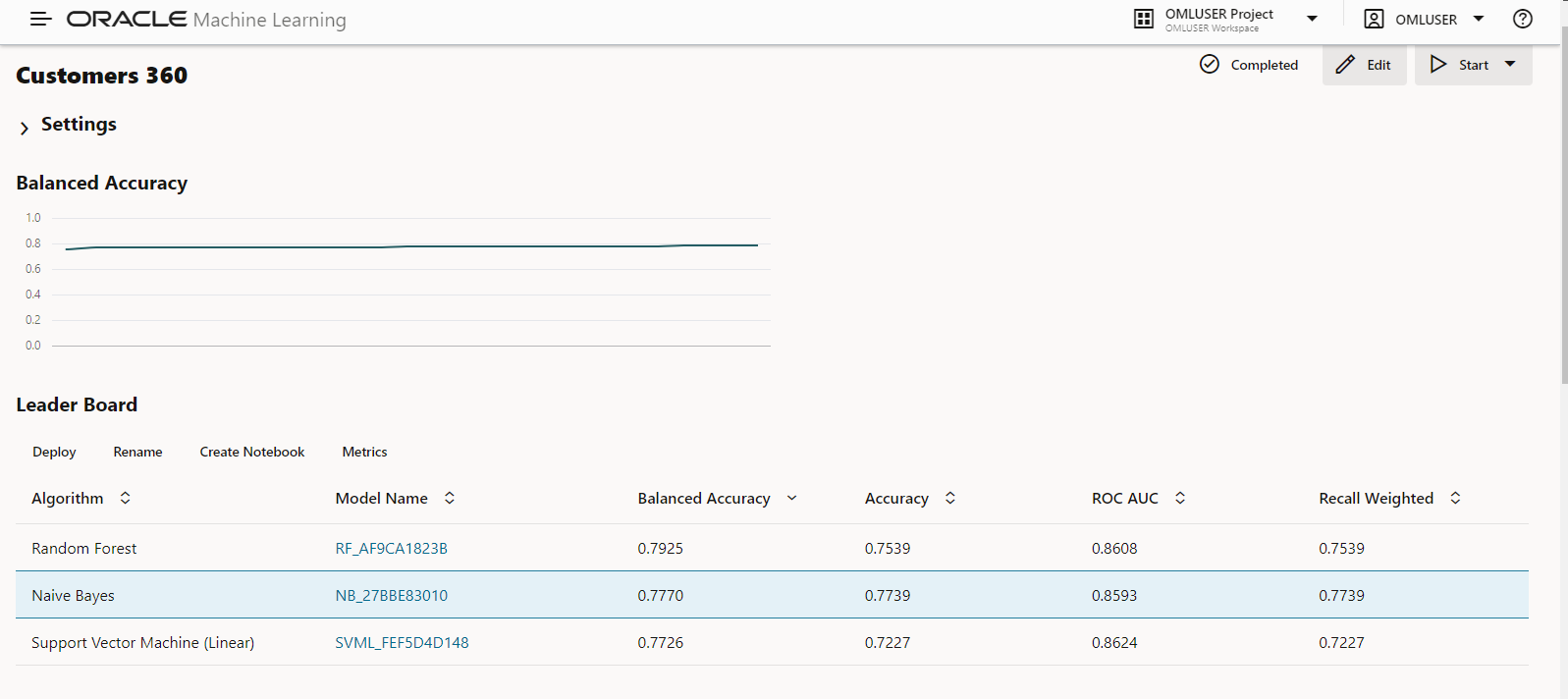
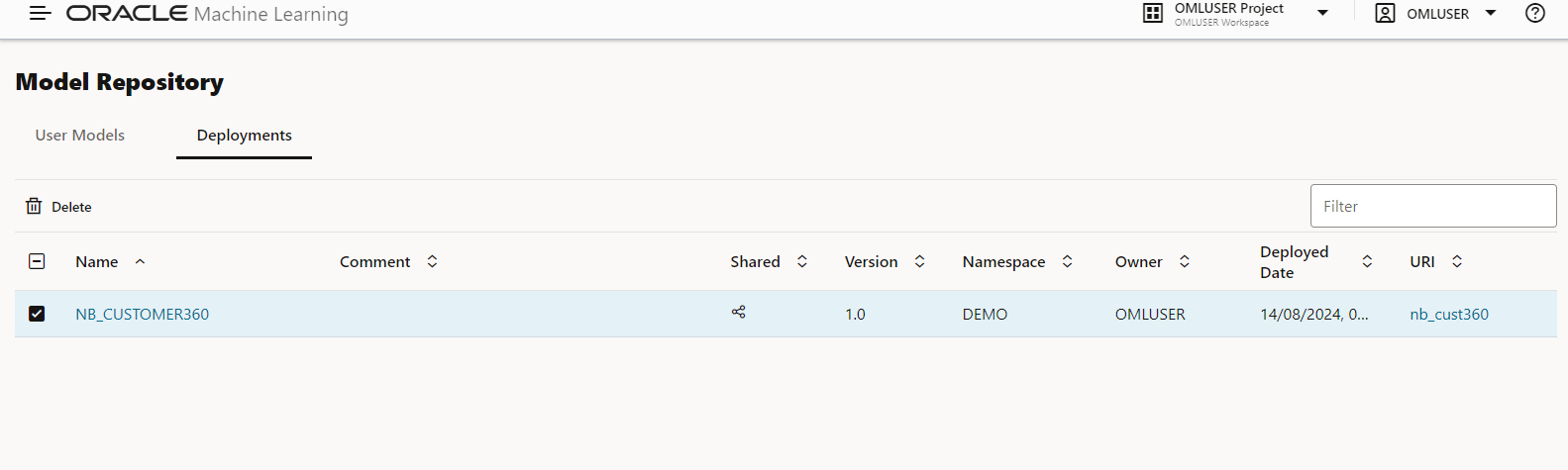
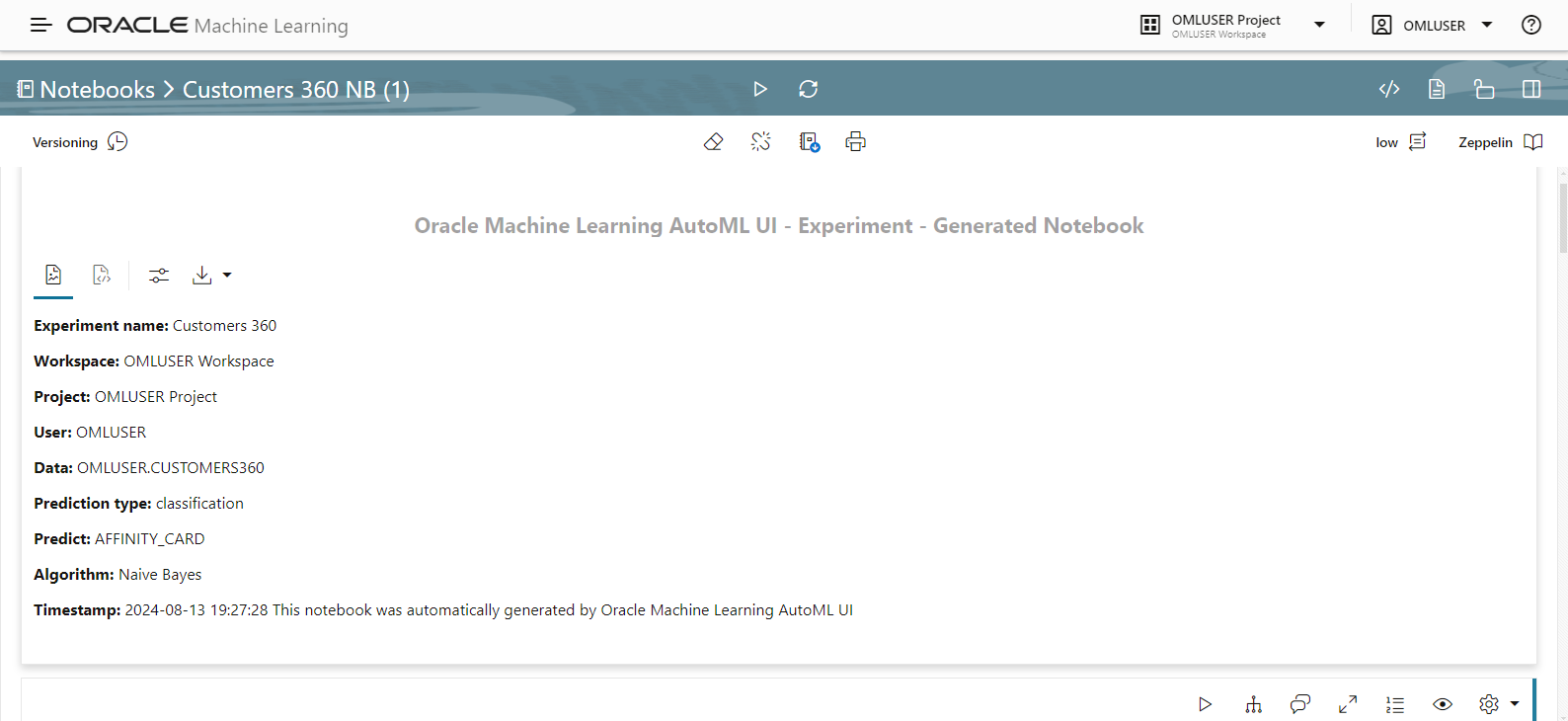
In the OML4Py lab, I used the Python API to build and evaluate a Decision Tree classifier, followed by scoring data with the trained model. Moving on to OML4R, I worked with the R API to create proxy objects, prepare data, build models, and score data. I then explored the OML AutoML UI, a no-code user interface where I ran experiments, built and ranked models, and deployed a Naive-Bayes classifier. Finally, I delved into Oracle Machine Learning Services to score singleton and mini-batch records, as well as analyze text strings using the Cognitive Text feature.
What was learned
Through this workshop, I gained practical experience in using Oracle Machine Learning tools and APIs across different programming languages, including SQL, Python, and R. I learned how to create and manage machine learning models using both code-based and no-code interfaces, and how to integrate these models into a larger data science workflow. The workshop provided valuable insights into the capabilities of Oracle Machine Learning for building, evaluating, and deploying machine learning models, as well as monitoring their performance over time.


Log in or sign up for Devpost to join the conversation.