-
-
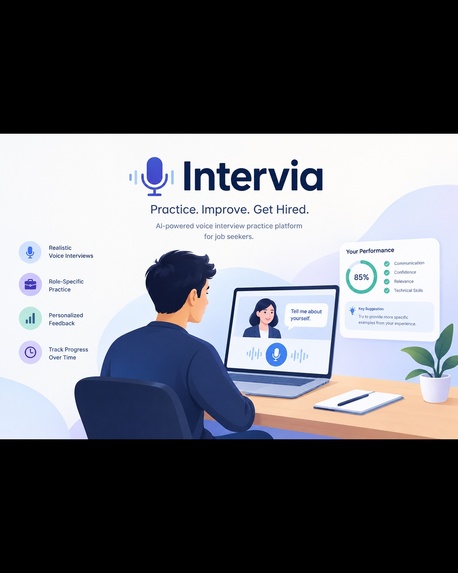
Intervia-Ai
-
-
-
-
-
-
-
-
-
-
-
-
-
-
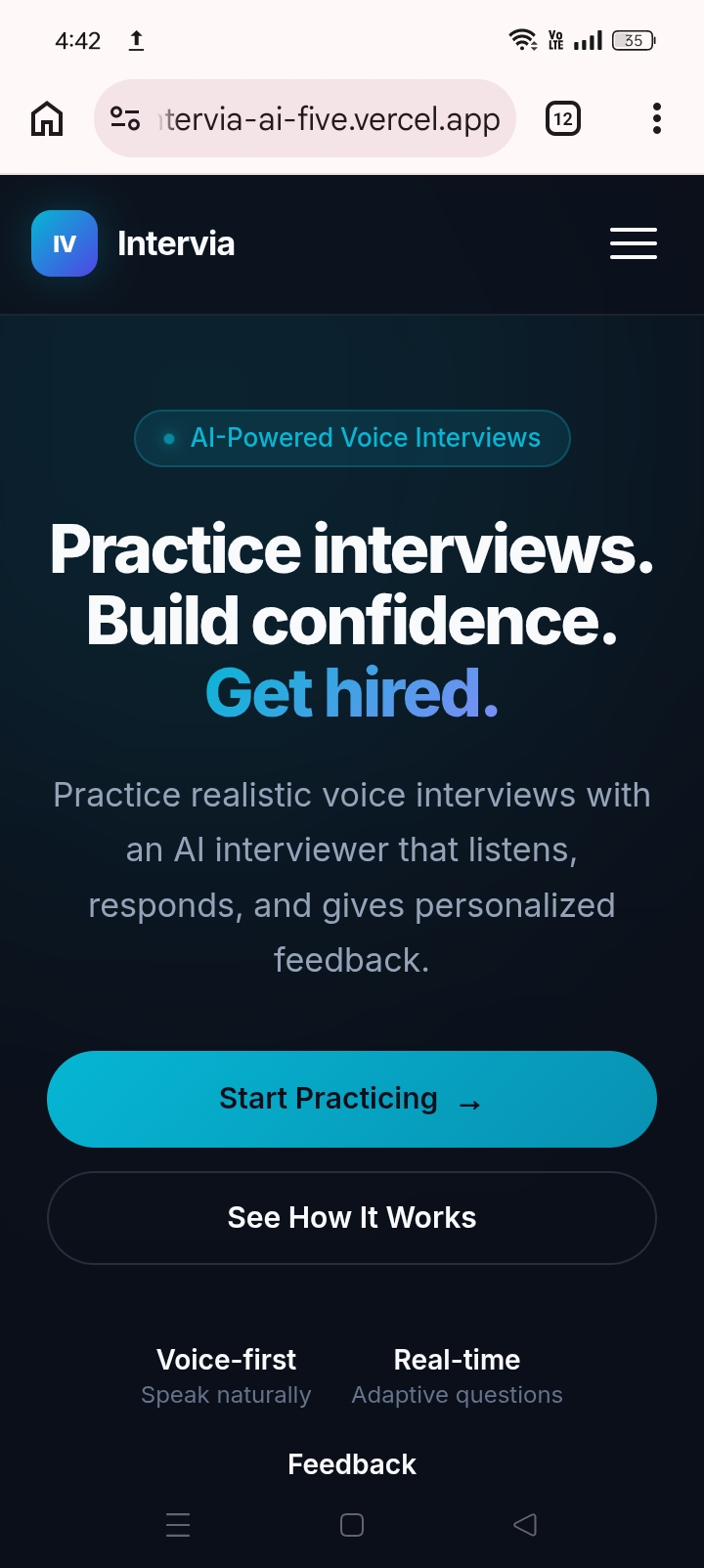
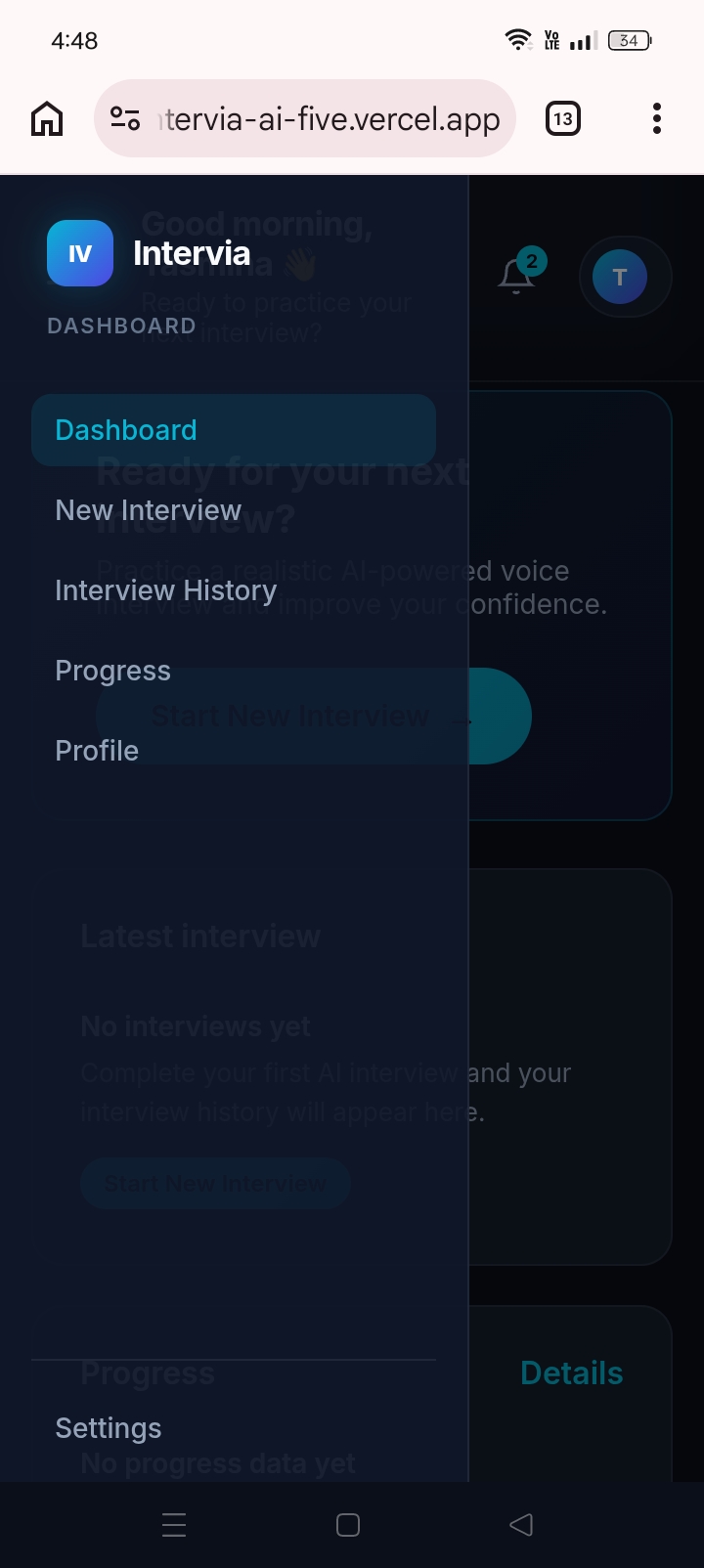
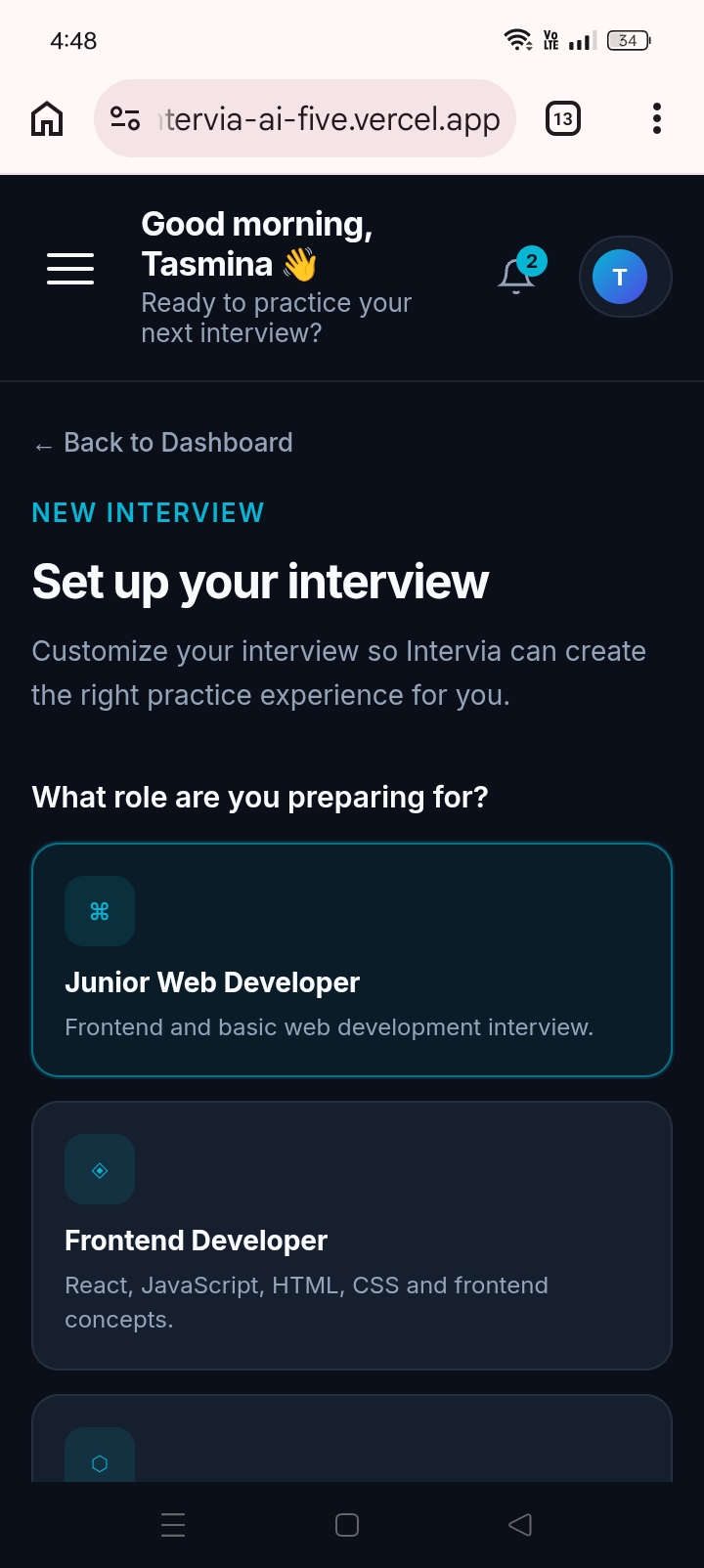
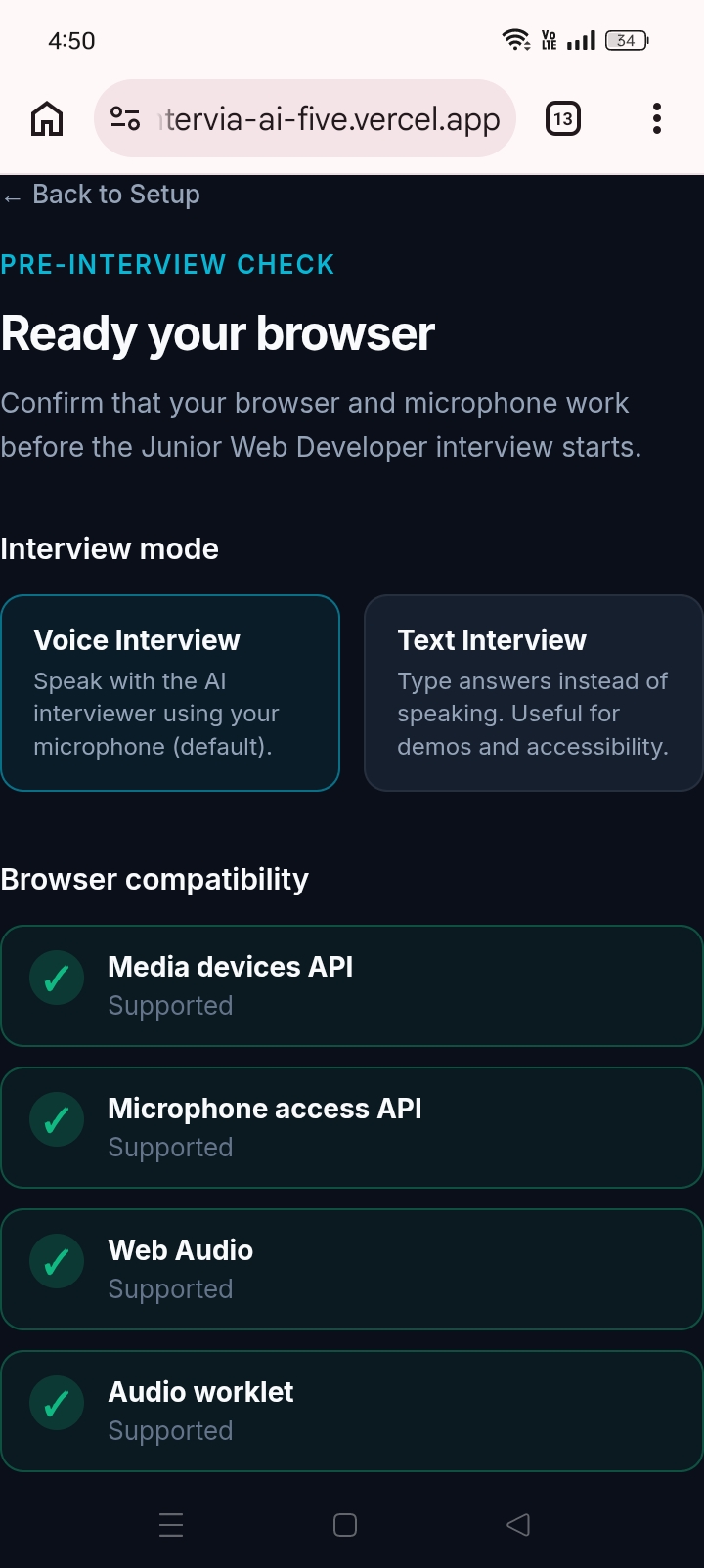
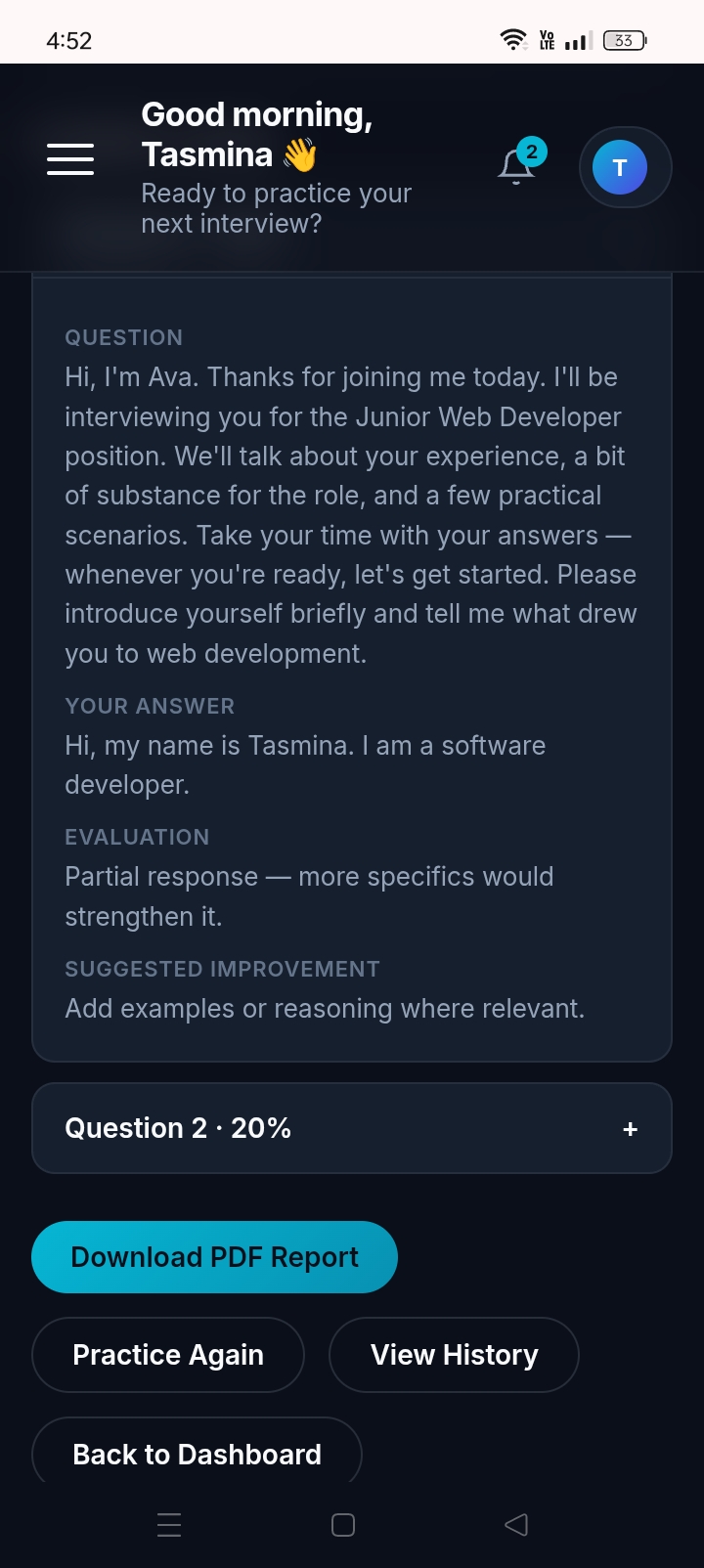
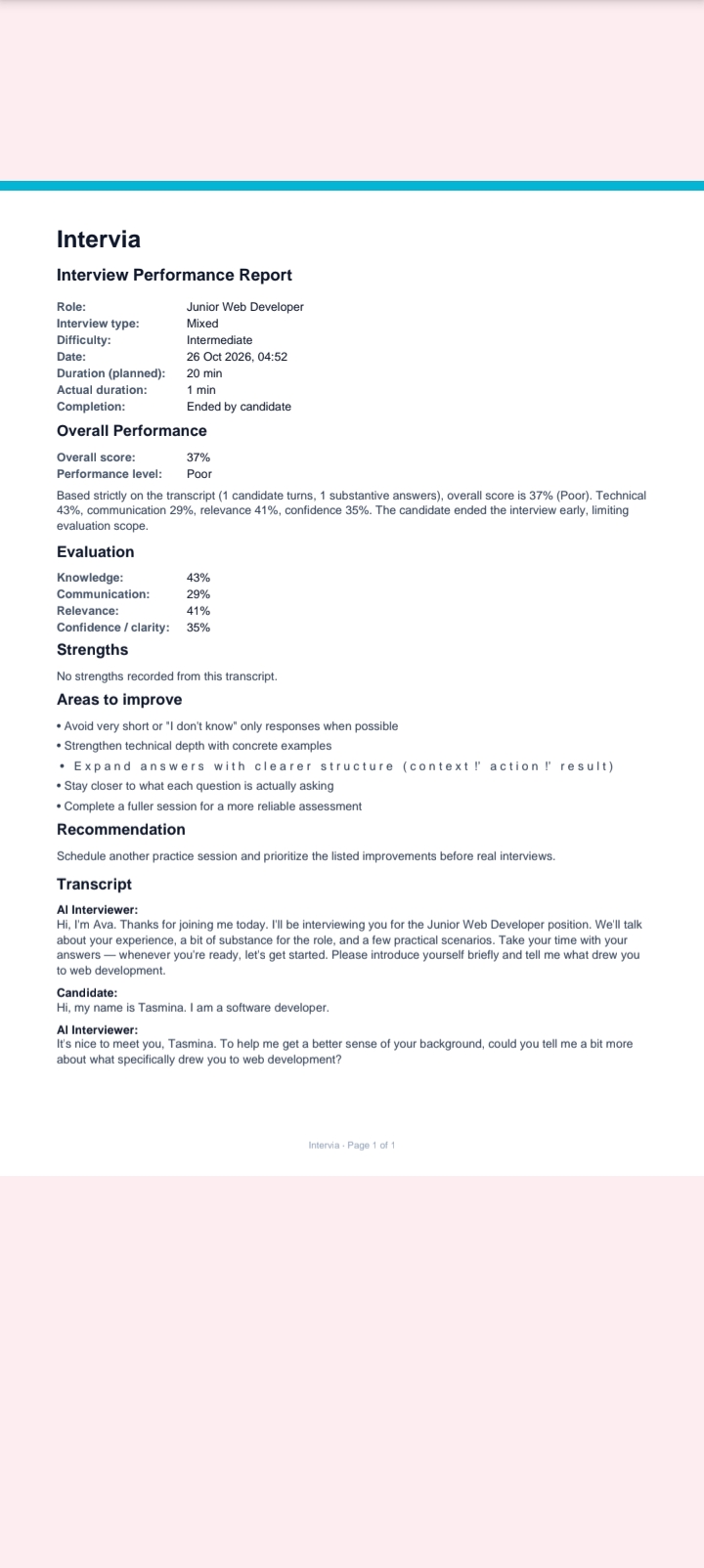
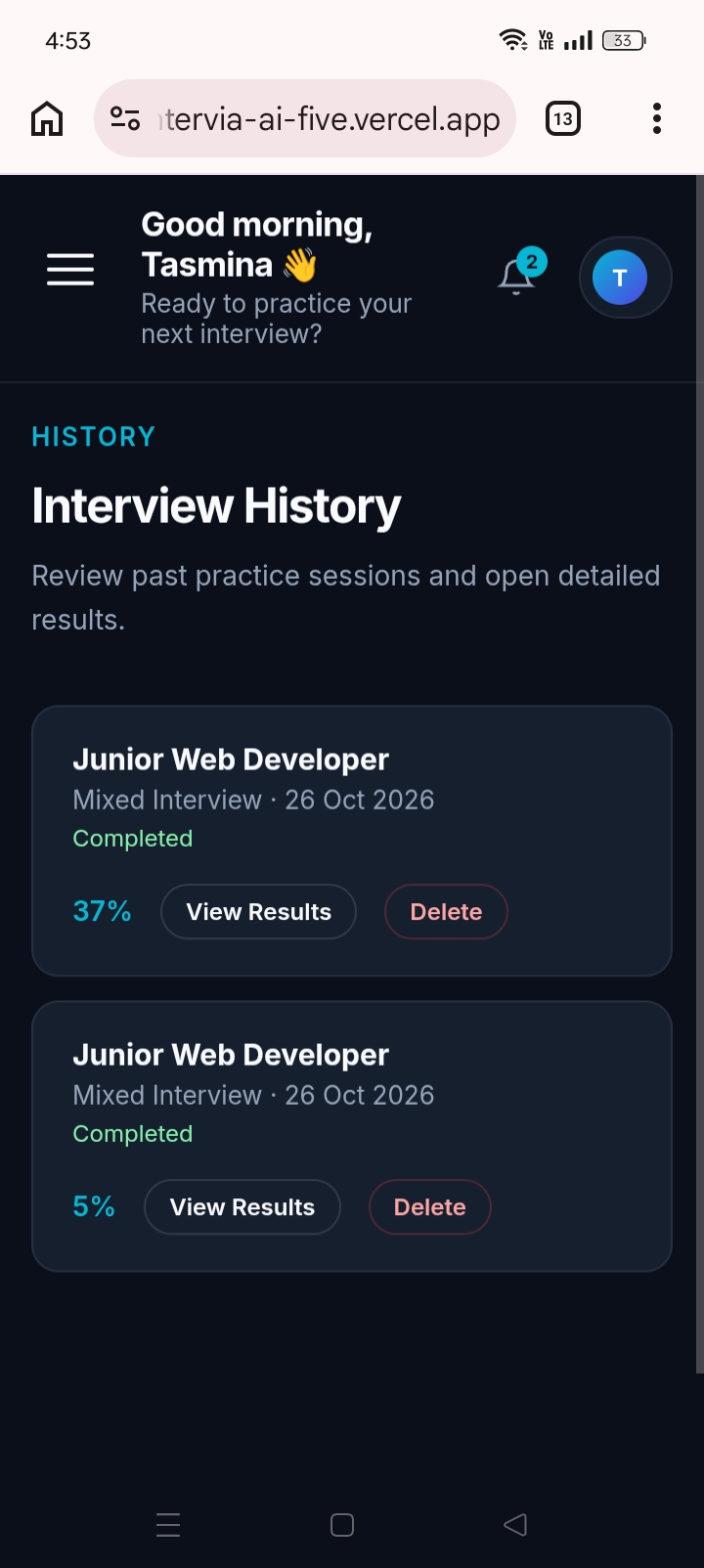
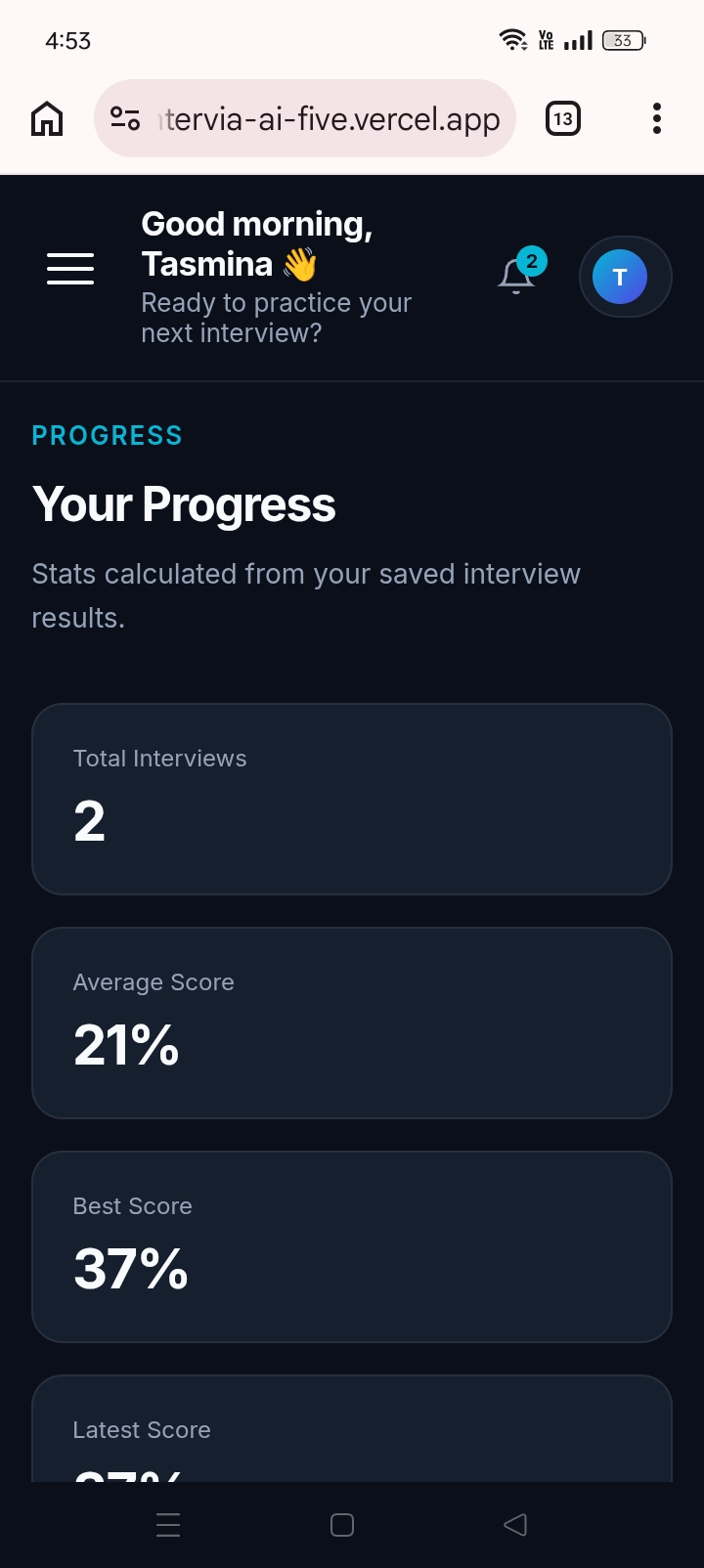
Intervia AI — Turning Interview Anxiety into Confidence
Inspiration
Job interviews can be intimidating, especially for students, fresh graduates, and people entering a new career. Many candidates have the technical knowledge to succeed but struggle to communicate their skills confidently under pressure. Traditional interview preparation often lacks realistic practice, immediate feedback, and opportunities to improve through repeated attempts.
As a Computer Science student and aspiring founder, I wanted to build something that could help people prepare for real interviews without the pressure of being judged by an actual recruiter. This idea inspired Intervia AI, an AI-powered voice interview platform designed to make interview preparation more accessible, interactive, and personalized.
My vision was to create more than a list of interview questions. I wanted users to experience realistic voice interviews, practice answering questions aloud, review their performance, and identify areas for improvement.
How I Built It
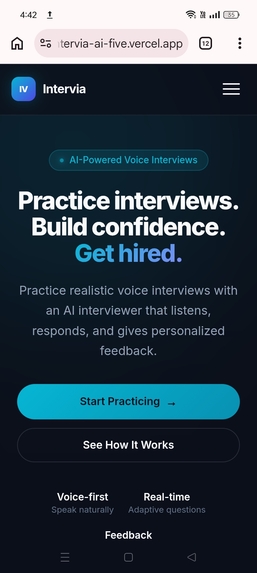
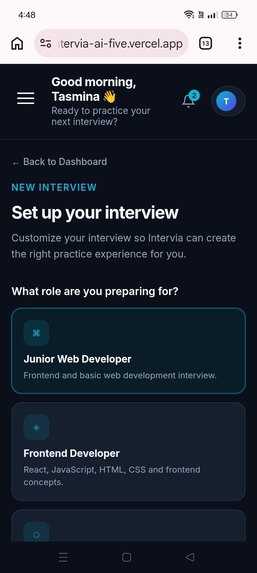
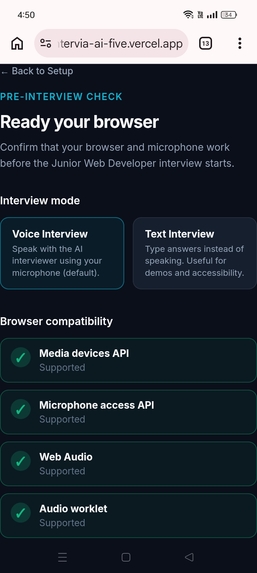
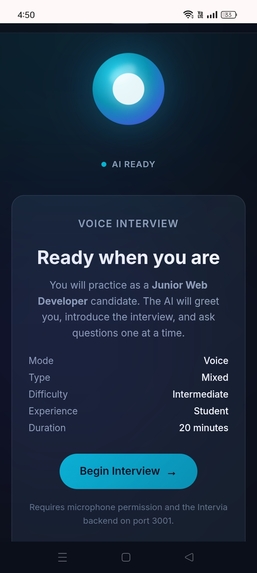
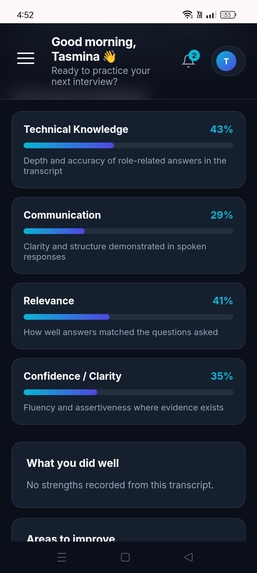
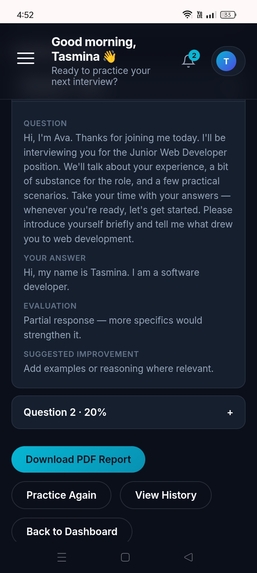
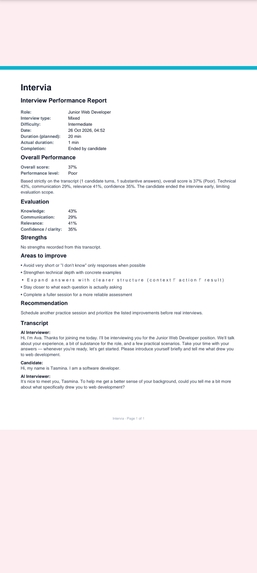
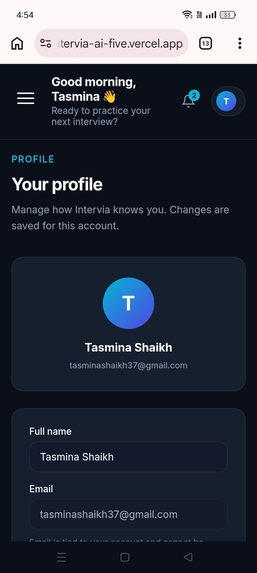
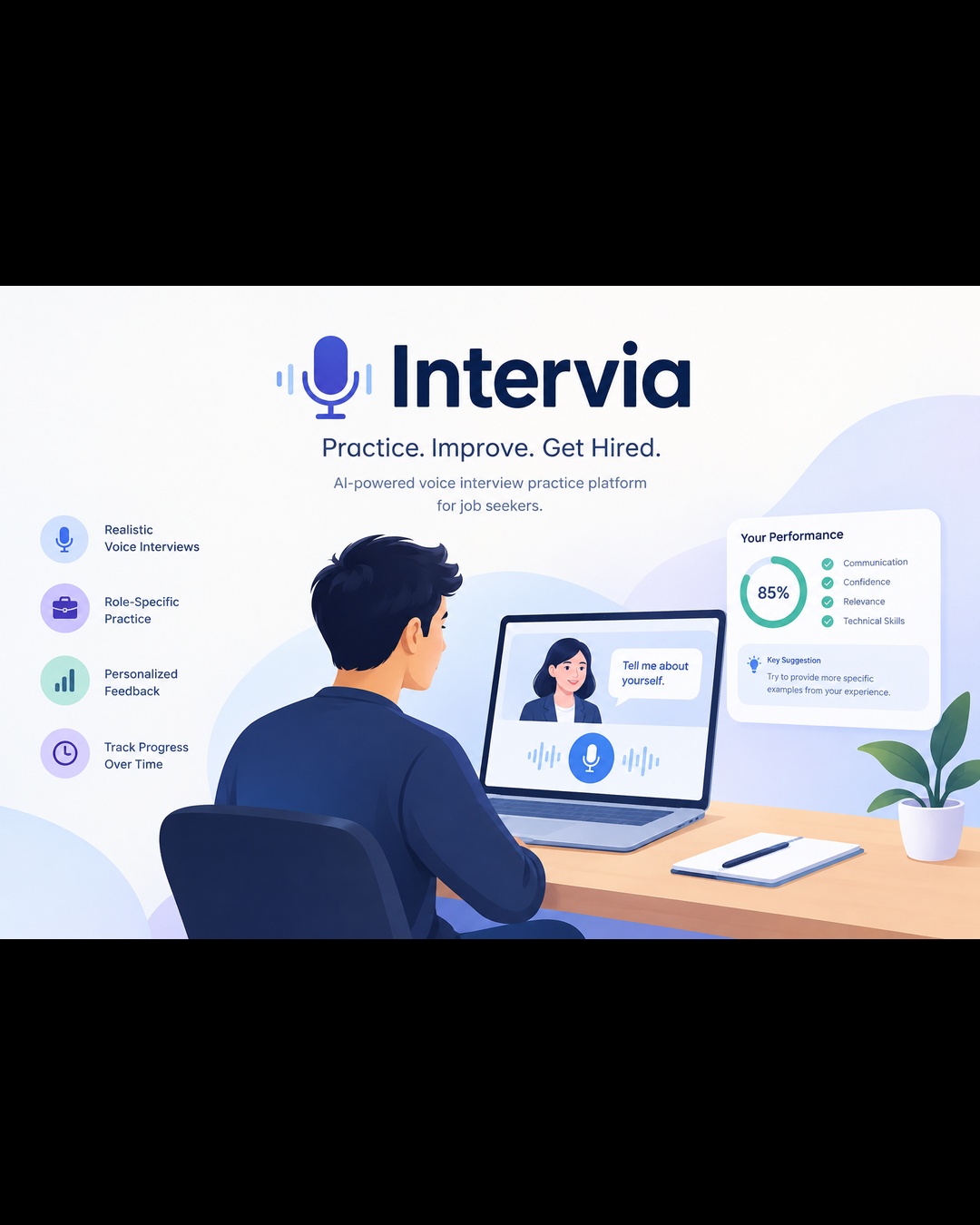
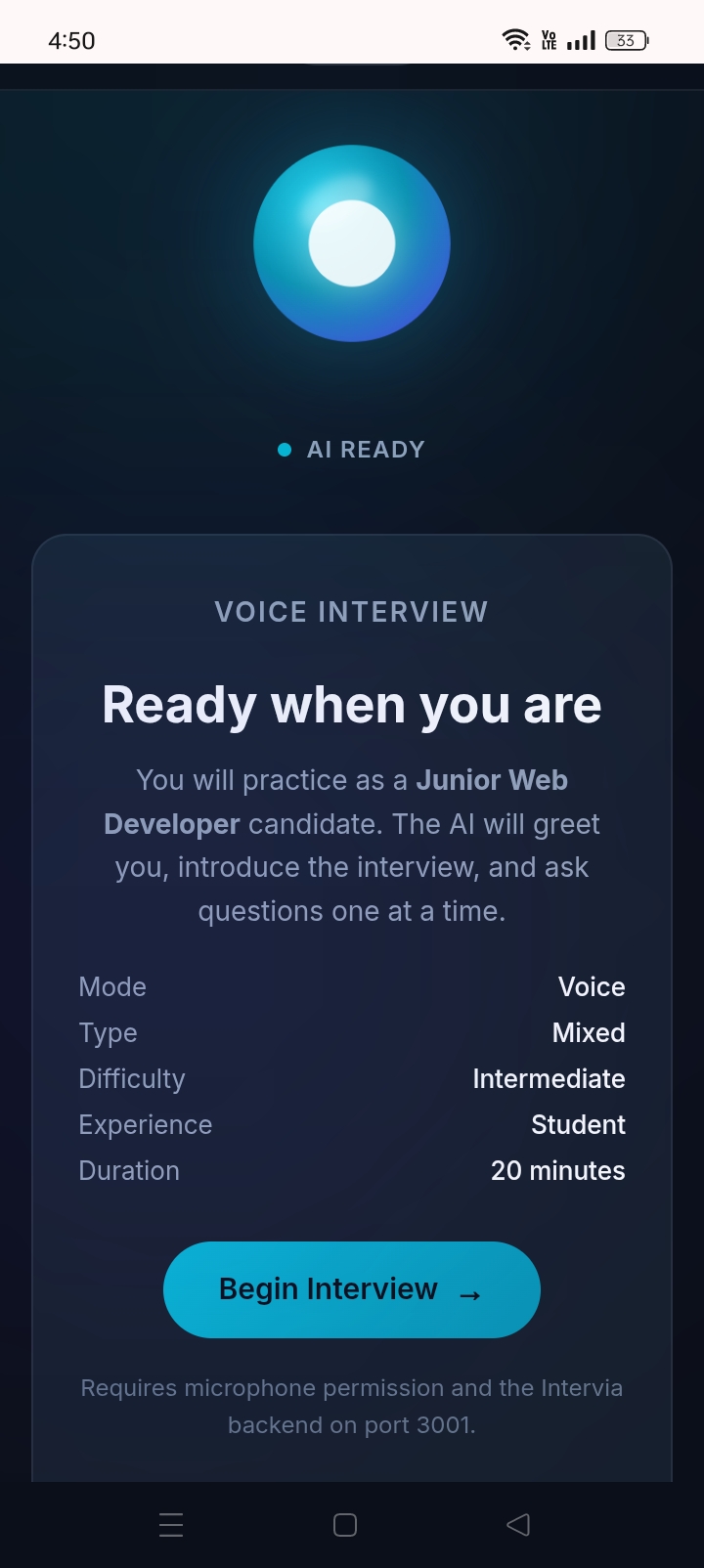
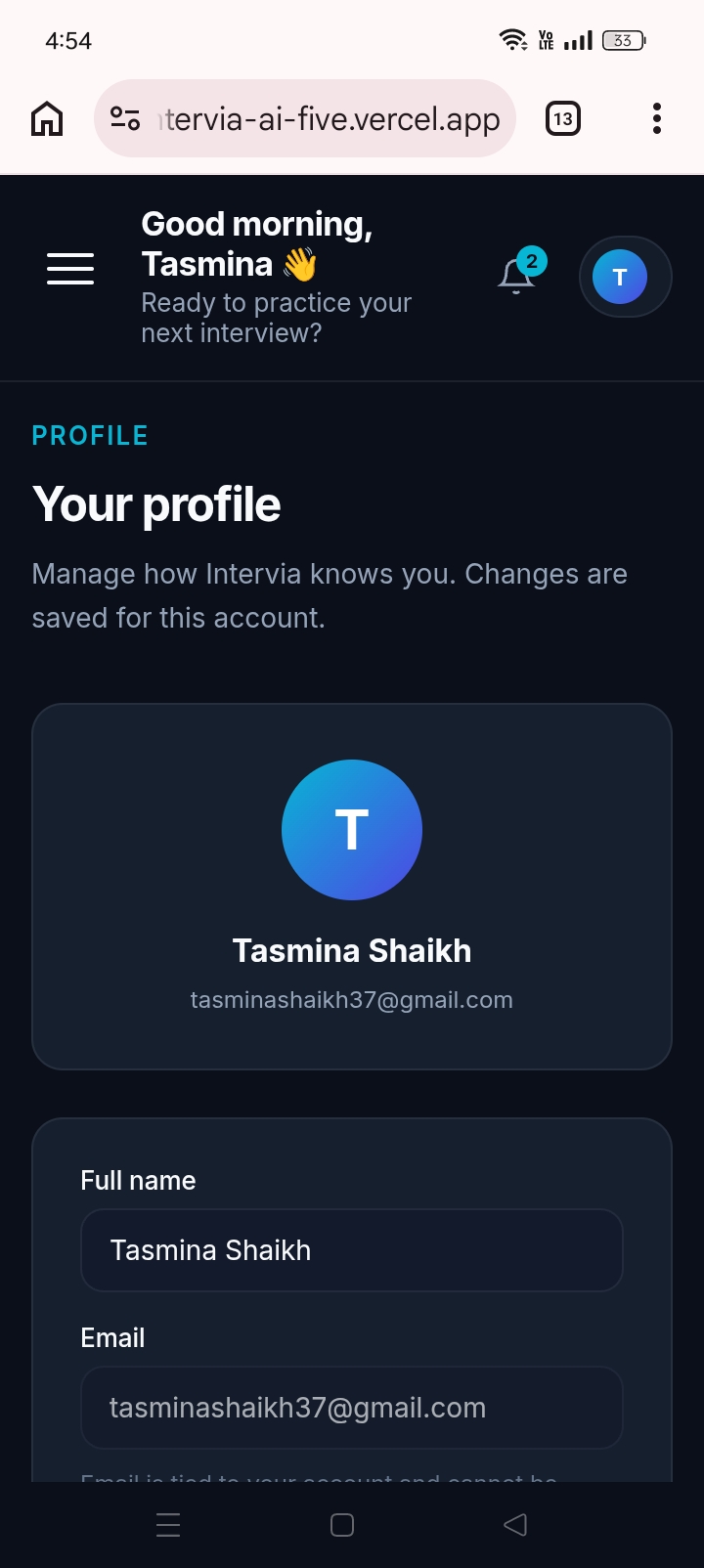
I developed Intervia as a web-based application that simulates interview experiences using AI and real-time voice interaction. The platform allows users to prepare for different roles and difficulty levels, participate in voice-based interviews, review transcripts, and receive AI-generated performance evaluations.
Key features include:
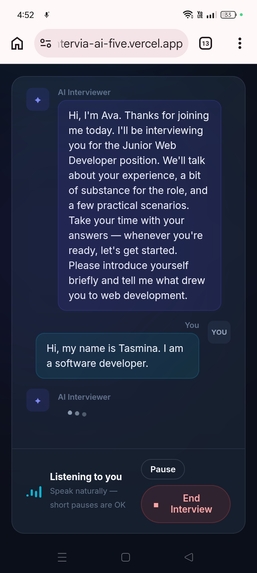
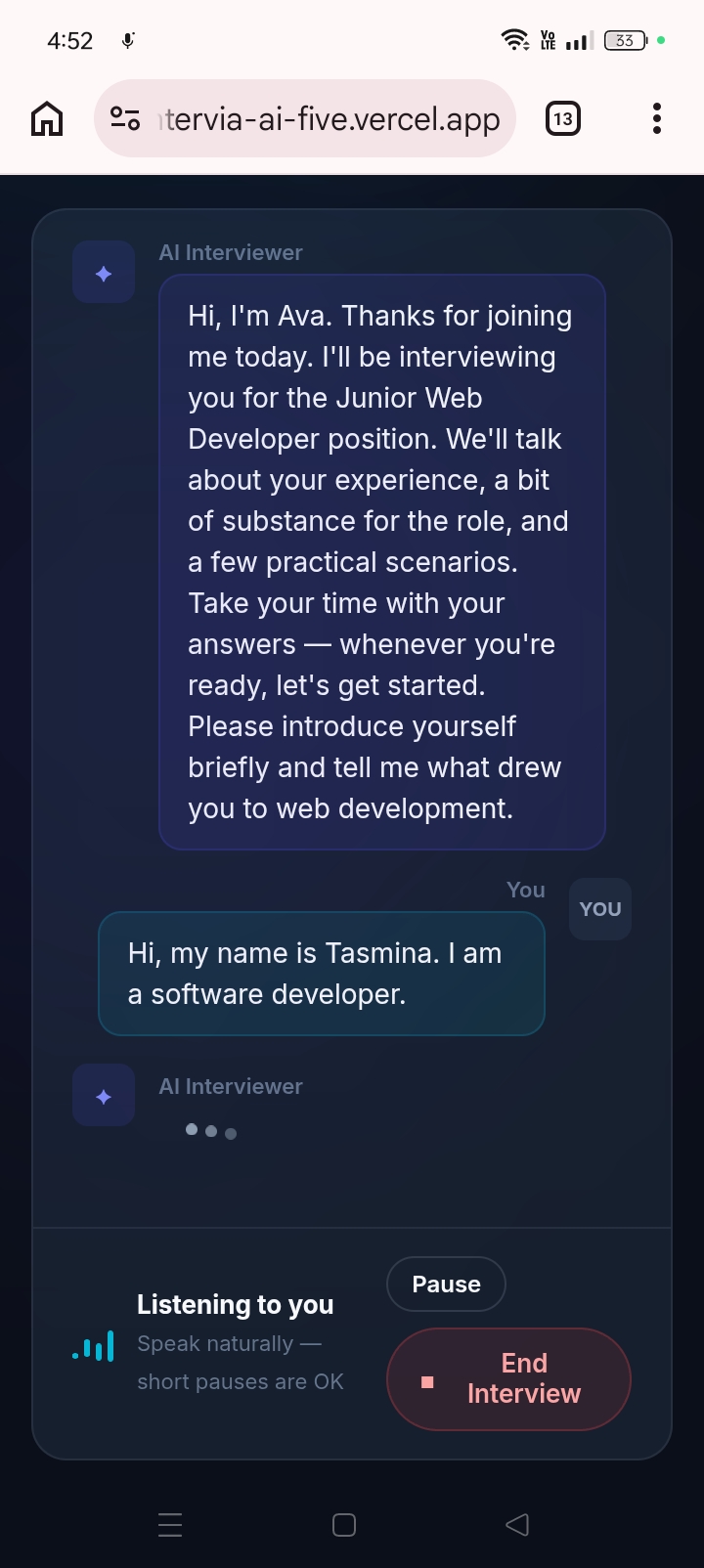
AI Voice Interviews:Practice answering interview questions in a conversational environment.
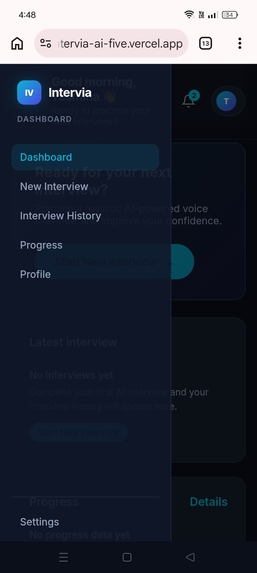
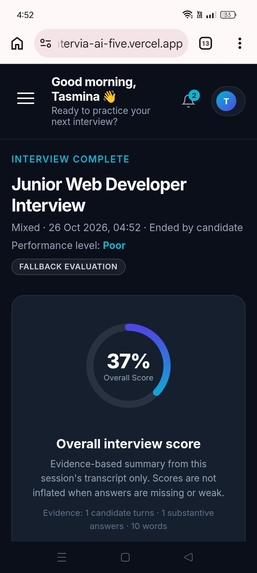
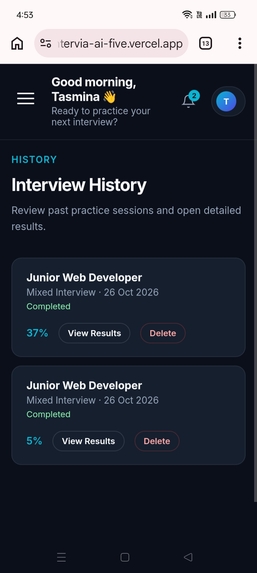
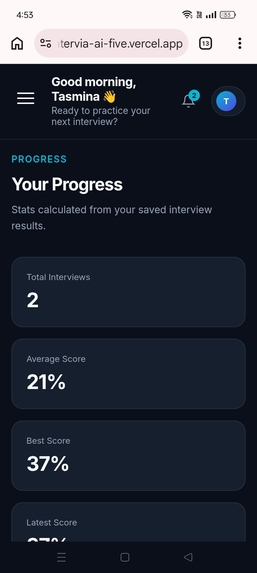
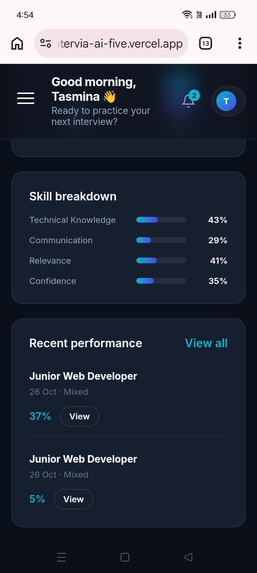
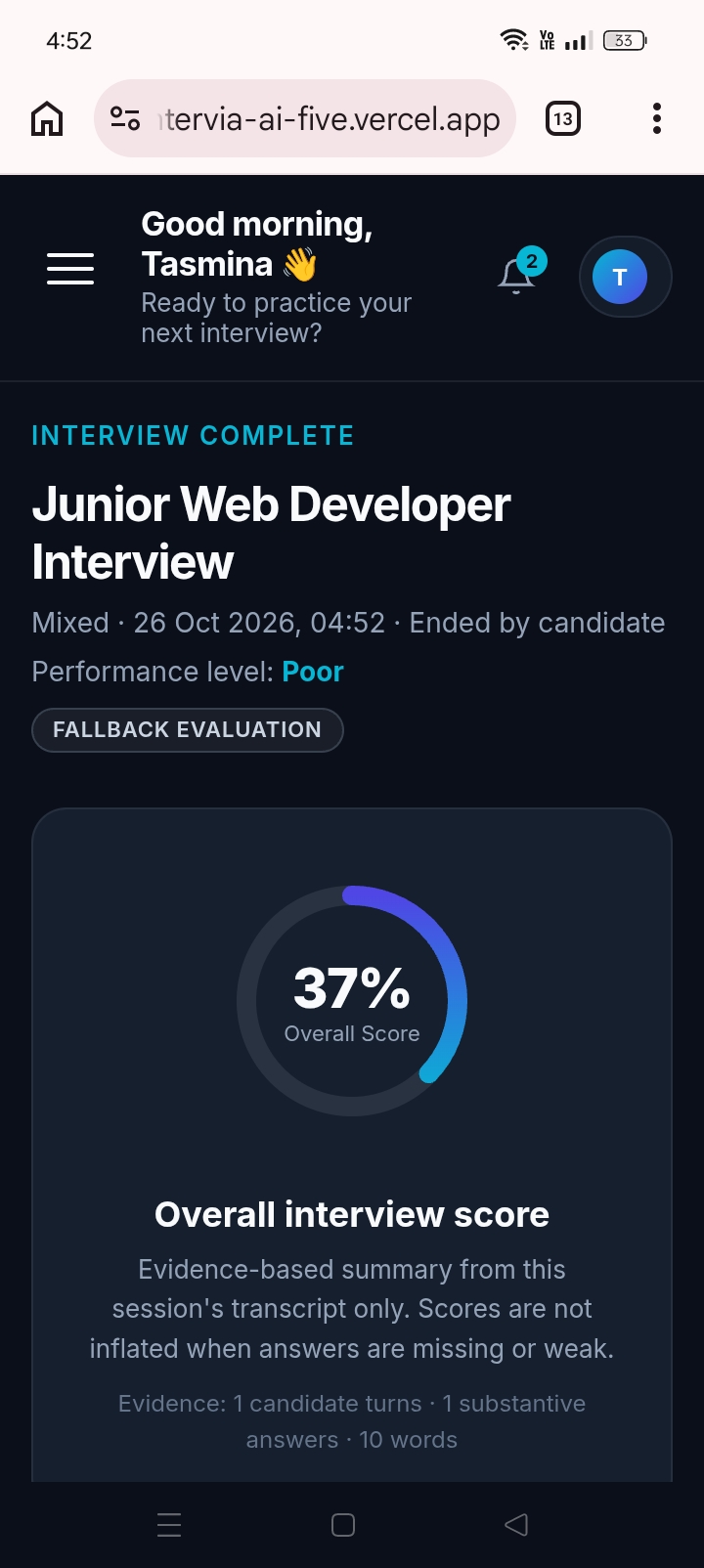
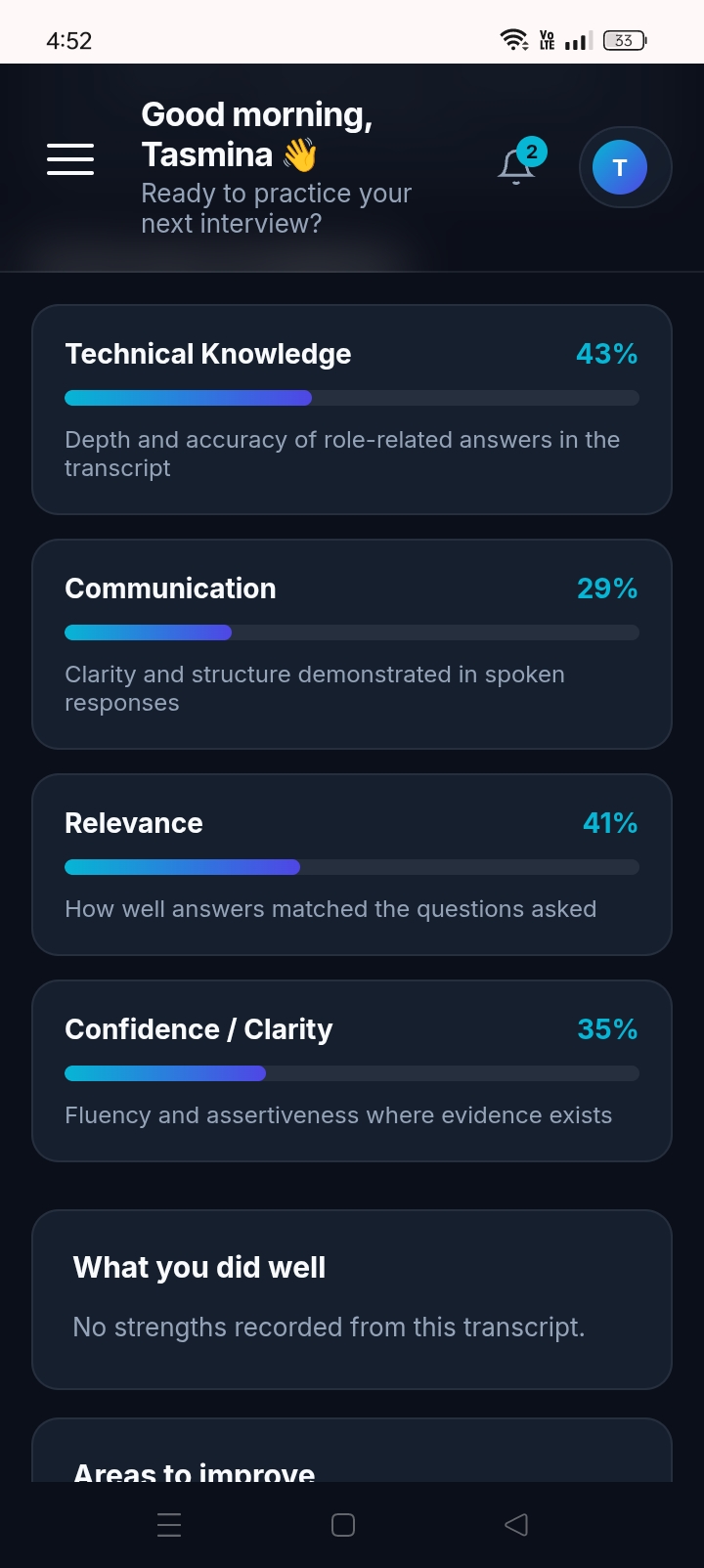
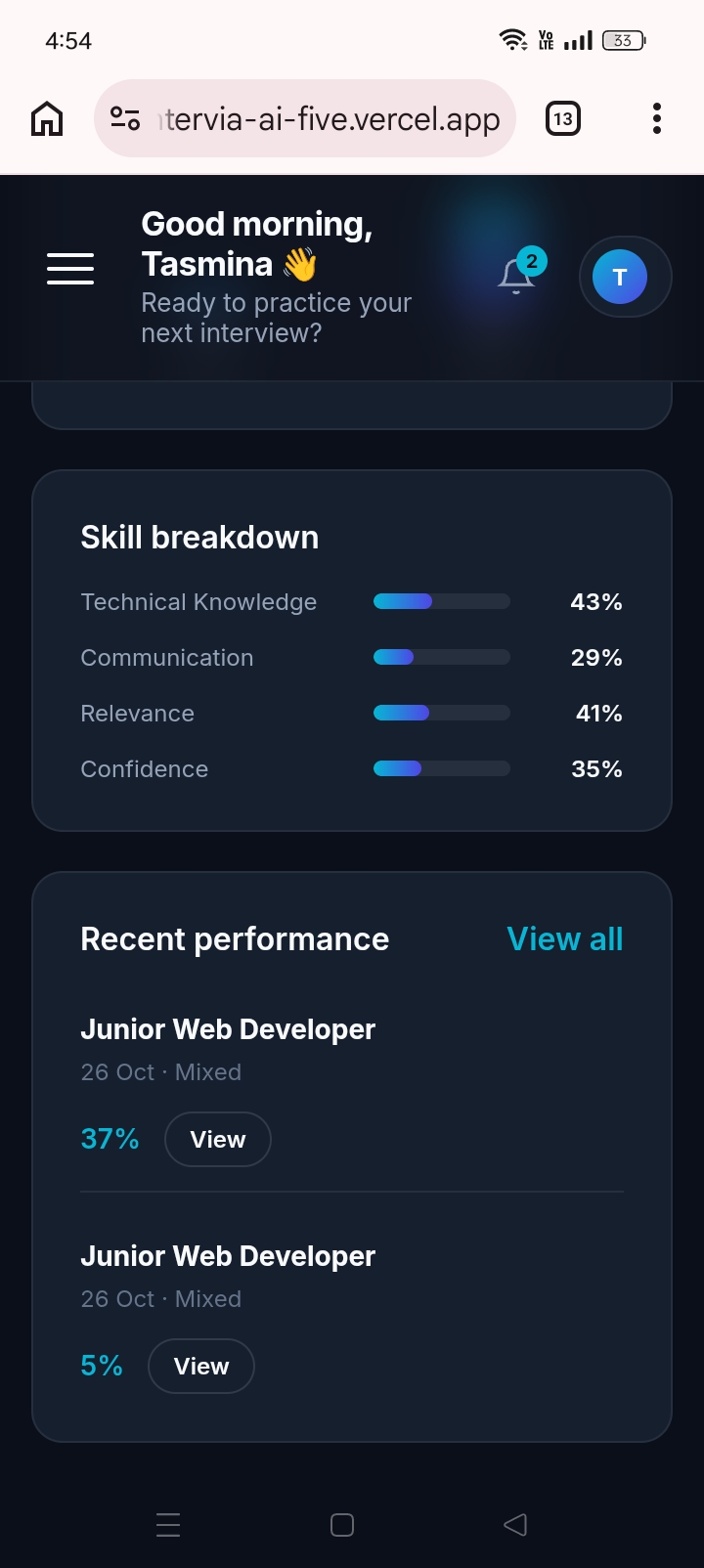
- Interactive Interview Controls: Pause, resume, extend interview time, and interrupt the AI when needed. Live Transcription: Review interview conversations and reflect on responses. AI-Powered Evaluation:Analyze answers and identify strengths and areas that need improvement. Personalized Feedback:Receive actionable insights to guide future practice. Interview History and Progress: Review previous attempts and track development over time. Resume-Based Preparation: Upload a resume to support more relevant interview preparation.
I worked on the frontend experience, backend API integration, voice interaction, interview session management, and evaluation workflow. I also implemented session recovery mechanisms to help users reconnect when a connection is interrupted.
Challenges I Faced
One of the biggest challenges was making the voice interview experience feel natural rather than like a basic chatbot. Real-time conversations require careful handling of audio, transcripts, interruptions, and session state.
Another challenge was managing unstable connections. A voice session can lose its connection unexpectedly, so I worked on reconnection logic, retry handling, and session recovery to make the experience more reliable.
Building a useful AI evaluation system was another important learning experience. Feedback should be based on what a candidate actually says, rather than invented strengths or unsupported conclusions. I designed the evaluation workflow to account for insufficient evidence instead of forcing a score when an interview does not contain enough information.
Integrating multiple components—including the voice service, backend, AI evaluation, and reporting—also required debugging and testing across different parts of the application. Working through these challenges taught me that building an AI product involves much more than connecting an API to a user interface.
What I Learned
Building Intervia strengthened my understanding of full-stack development, API integration, real-time communication, asynchronous operations, and AI-assisted evaluation. I learned how important it is to manage application state carefully, handle failures gracefully, and design features around actual user needs.
Most importantly, I learned that AI products should not simply provide automated answers. They should help people develop real skills, understand their weaknesses, and make measurable progress.
What's Next
My long-term vision for Intervia is to make high-quality interview preparation accessible to anyone, regardless of their background or access to professional coaching. Future improvements could include more specialized interview scenarios, stronger evidence-based evaluations, multilingual interview practice, and deeper progress analytics.
Intervia is an important step in my journey as a developer and founder. It represents my belief that technology can help people turn uncertainty into confidence—and that the best way to learn is to practice, receive meaningful feedback, and keep improving. ation.

Log in or sign up for Devpost to join the conversation.