-
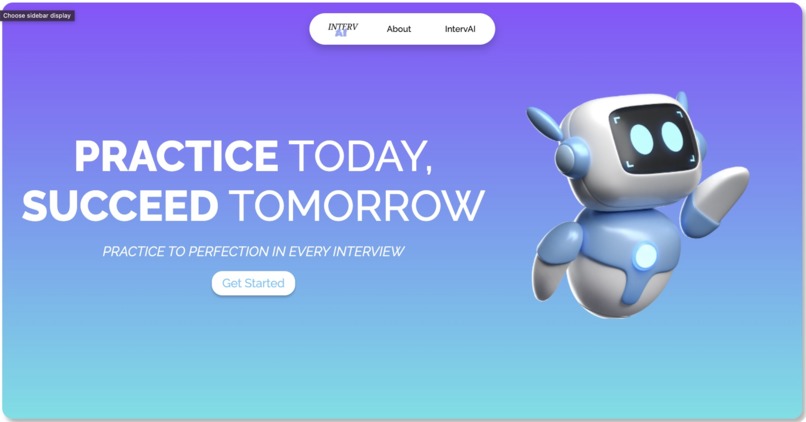
IntervAI will allow you to become proficient in the tech interview and learn any topic
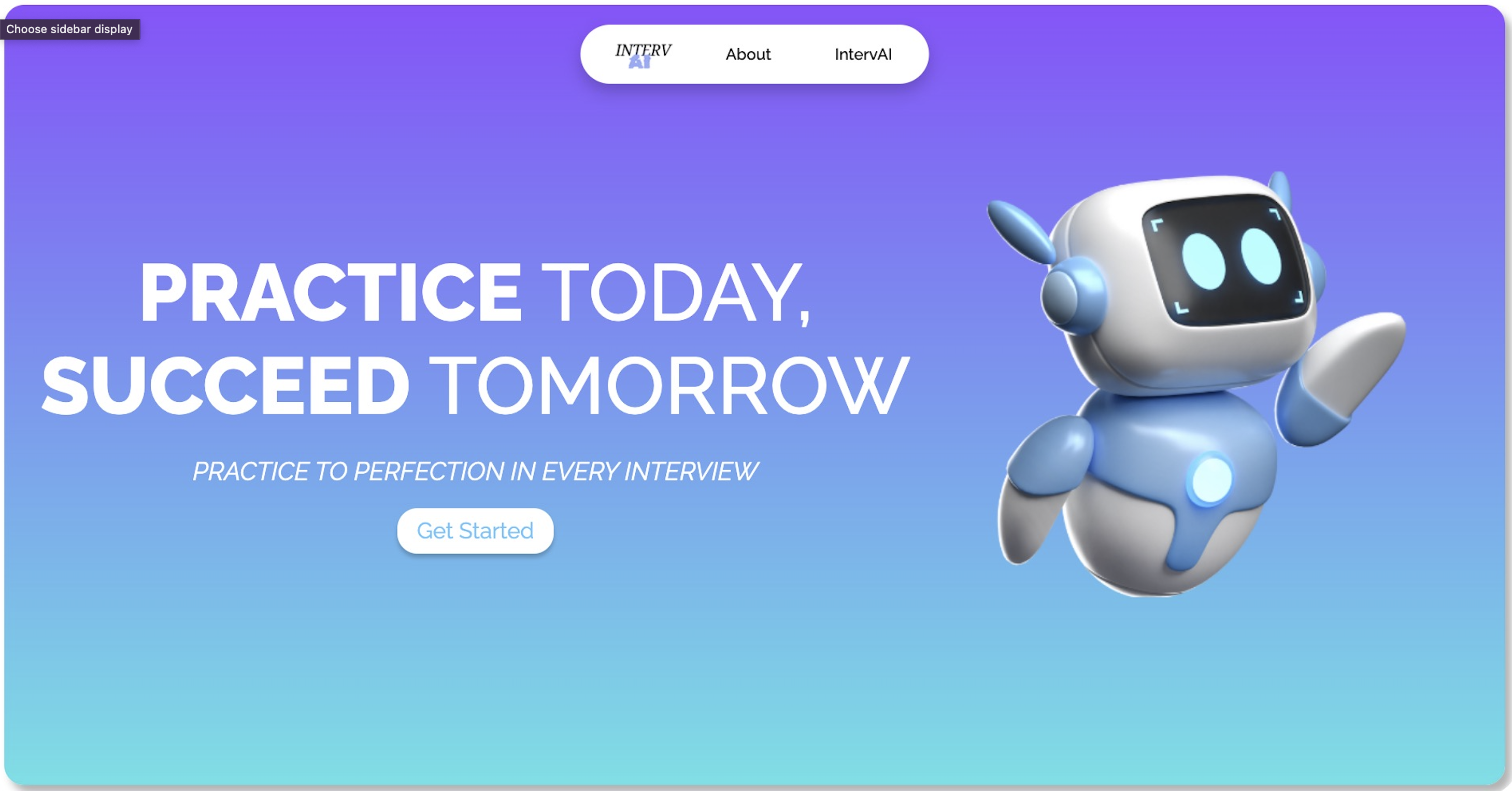
Building IntervAI: A Journey Inspired by Learning Inequality
Inspiration
Coming from diverse and underrepresented backgrounds, from Community College to being first generation, we’ve seen firsthand the knowledge and learning inequality in tech. Many students, including us, struggle to access resources that others often take for granted. This disparity in learning opportunities has a real impact when it comes to preparing for interviews—whether technical or behavioral. Inspired by this gap, we decided to build IntervAI, an AI-powered interview and learning tool designed to level the playing field. My goal was to allow users to practice for interviews and learn about topics they may not have easy access to, in a dynamic and interactive way. Beyond just these aspects of tech, we can also apply IntervAI to various other fields.
What We Learned
Throughout this project, we learned the importance of combining accessibility with functionality. Creating an engaging learning experience goes beyond simply presenting information; it’s about providing a space where users can interact and practice skills they’re developing. We also deepened our understanding of natural language processing (NLP) and how AI can simulate real-world environments, such as mock interviews. Furthermore, our team explored the integration of VAPI for real-time transcription, which provided seamless interaction between the user and the system.
How We Built the Project
Our amazing team built IntervAI using a combination of technologies to ensure the system could handle both technical and behavioral interview scenarios. For the technical interviews, we incorporated a dynamic coding environment where users can solve algorithmic problems while receiving real-time feedback from the AI. For behavioral interviews, we utilized AI models such as llama with groq, gpt4, and cartesia for voice capabilities, capable of analyzing users’ answers, offering constructive criticism, and guiding users through the correct behavioral strategies. Integrating VAPI AI Assistant for real-time transcription allowed us to create a more fluid and interactive session for the users.
Challenges Faced
One of the biggest challenges that we faced was creating a system that didn’t just function statically but responded to users’ needs dynamically. Building an AI that could accurately assess technical proficiency in coding was challenging, particularly when it came to balancing precision with accessibility for all learners. Our team also encountered difficulties in designing the user interface to be both intuitive and responsive. Finally, ensuring the AI’s behavioral interview prompts reflected real-world interview scenarios required extensive tuning and validation.

Log in or sign up for Devpost to join the conversation.