-
Europa station
-
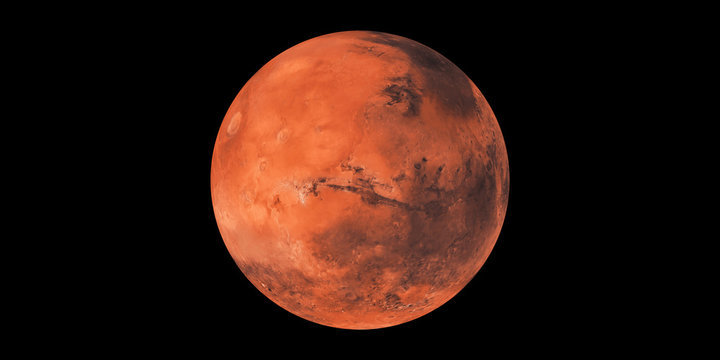
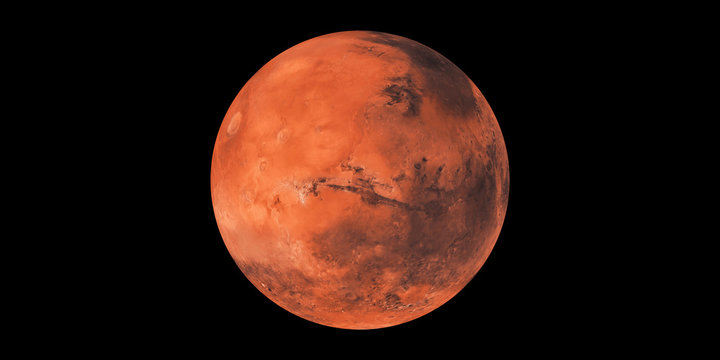
Mars
-
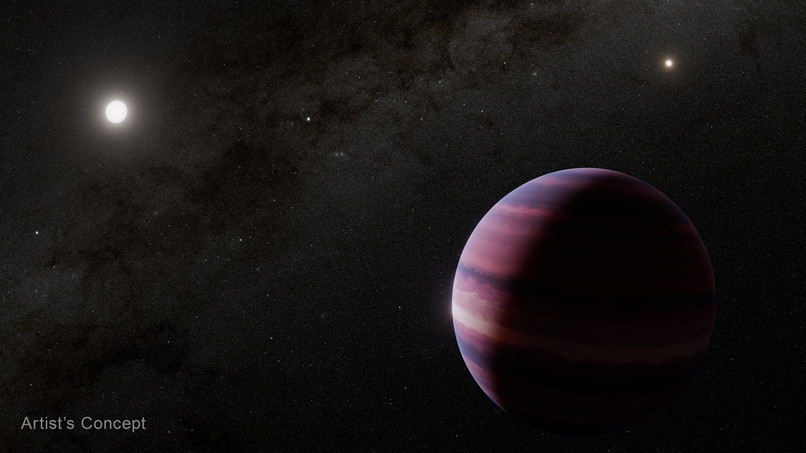
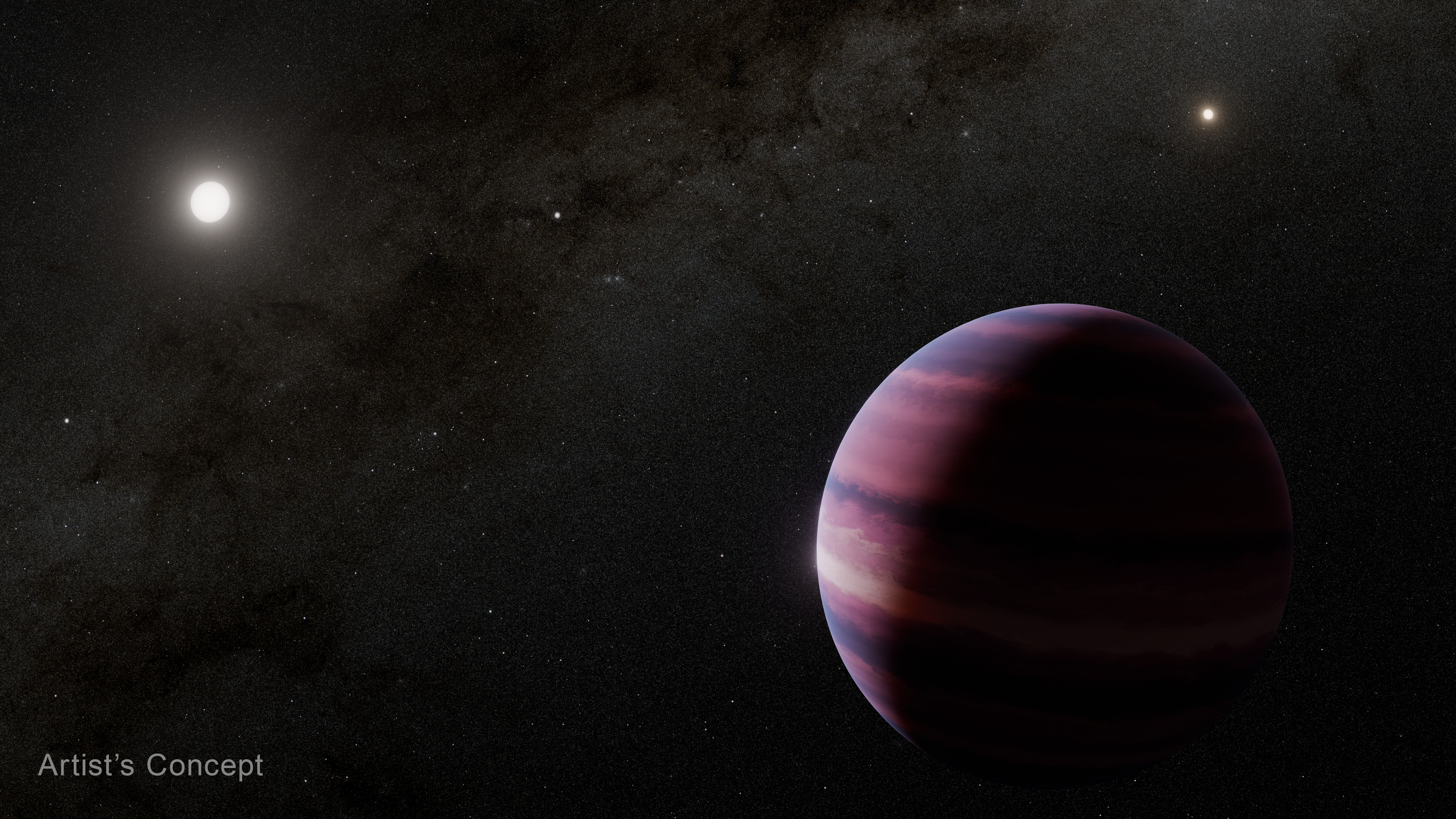
Alpha centauri
Inspiration
The Interstellar Travel Agency was inspired by the awe of space exploration and the sleek aesthetic of futuristic design seen in films like Interstellar and Blade Runner 2049. I wanted to merge science fiction’s sense of wonder with the sophistication of a luxury travel brand, creating a digital experience that feels like booking a ticket to the stars.
What it does
The website showcases a futuristic space tourism platform where users can explore destinations beyond Earth — from Mars colonies to alien oceans under Europa’s ice. It provides an immersive, visually rich experience with responsive design, glowing animations, and interactive cards that simulate movement and depth.
How we built it
The project was built entirely with HTML5 and CSS3, using modern techniques like CSS Grid, flexbox, and smooth scrolling for layout and interactivity.
- Google Fonts (Orbitron and Lato) give the site a perfect blend of sci-fi and elegance.
- A neon color palette (cyan and magenta) creates contrast against deep-space gradients.
- The parallax hero section and glowing hover effects were achieved with pure CSS — no JavaScript needed.
Challenges we ran into
One of the biggest challenges was balancing readability with the neon aesthetic. It was easy for the glow effects to overpower the text, so I had to carefully adjust color intensity, shadows, and contrast. Another difficulty was ensuring the site remained responsive, especially when resizing hero text and maintaining the parallax depth on mobile devices.
Accomplishments that we're proud of
I’m proud of achieving a visually captivating experience using only HTML and CSS, without relying on frameworks or heavy scripts. The parallax hero effect, glowing UI components, and responsive card grid all work smoothly together to create a cinematic, interactive feel. The project successfully evokes the emotion of space travel while maintaining accessibility and performance.
What we learned
I learned the importance of visual hierarchy and color balance in immersive design. I also gained experience with CSS variables, modular layouts, and adaptive typography for different screen sizes. Most importantly, I learned how to tell a story through design — making the user feel part of the interstellar adventure.
What's next for Interstellar Travel's
Next, I plan to expand the project by adding:
- Booking functionality with form validation and animations
- Interactive 3D planet models using WebGL or Three.js
- Dynamic content powered by JavaScript to simulate flight schedules and real-time mission data
- A dark-to-light “warp mode” theme toggle
Ultimately, I want the Interstellar Travel Agency to evolve into a fully interactive experience, where users can explore planets, customize journeys, and visualize interstellar routes across the galaxy.


Log in or sign up for Devpost to join the conversation.