Inspiration
Our team noticed a pattern: everyone around us is chronically online—scrolling reels, gaming, or doom-scrolling Reddit. As Seawolves, we’re especially active on the SBU subreddit, where one theme keeps coming up over and over again: students feel lonely, disconnected, and unsure how to meet people.
What it does
In an age dominated by AI, we believe the one thing machines can’t replicate is genuine human connection. So we set out to solve that problem.
Introducing InterLink—a platform designed to help students make real friends in a comfortable, low-pressure environment. We understand that many people are too shy to approach others in person, so we’re bringing the first step online, where starting a conversation feels easier, safer, and more natural. InterLink makes connection simple, intentional, and human.
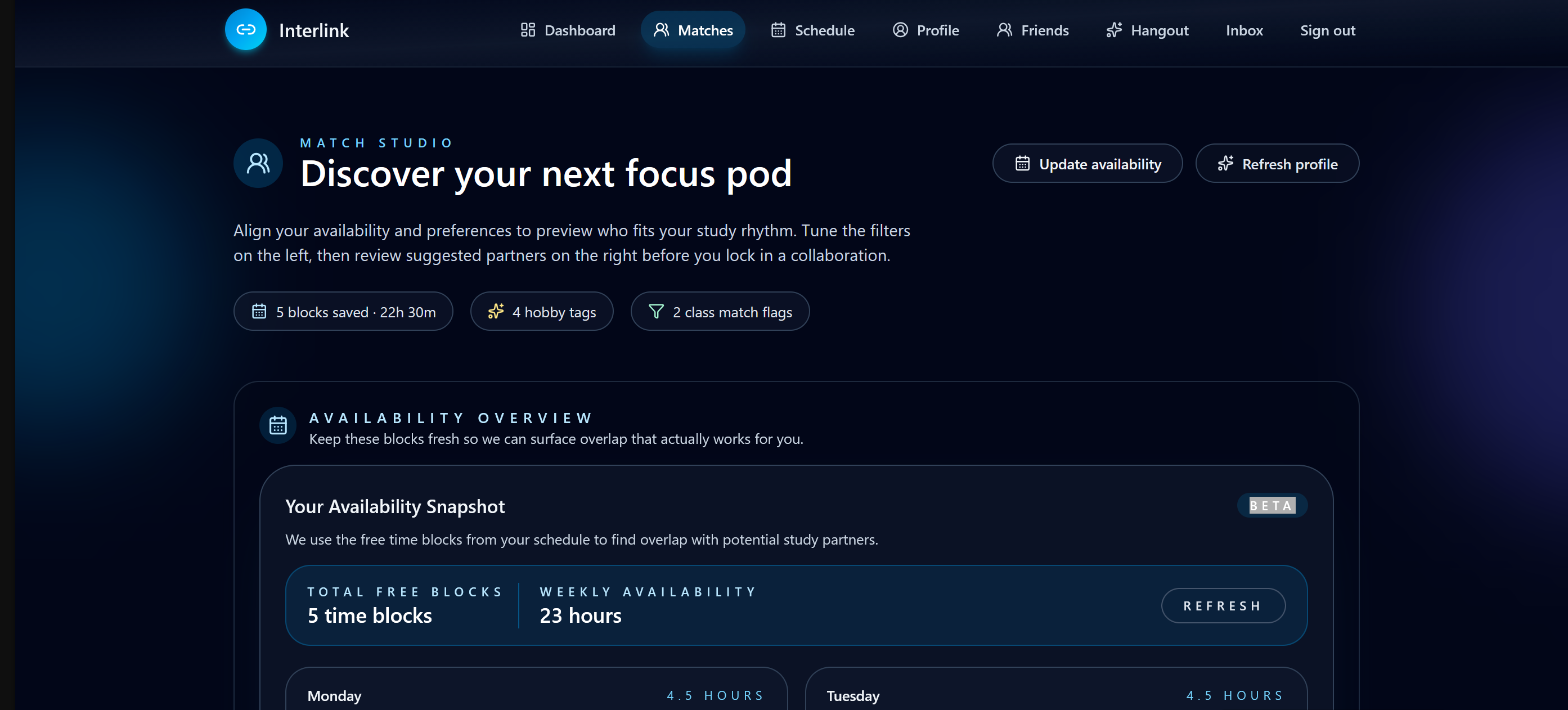
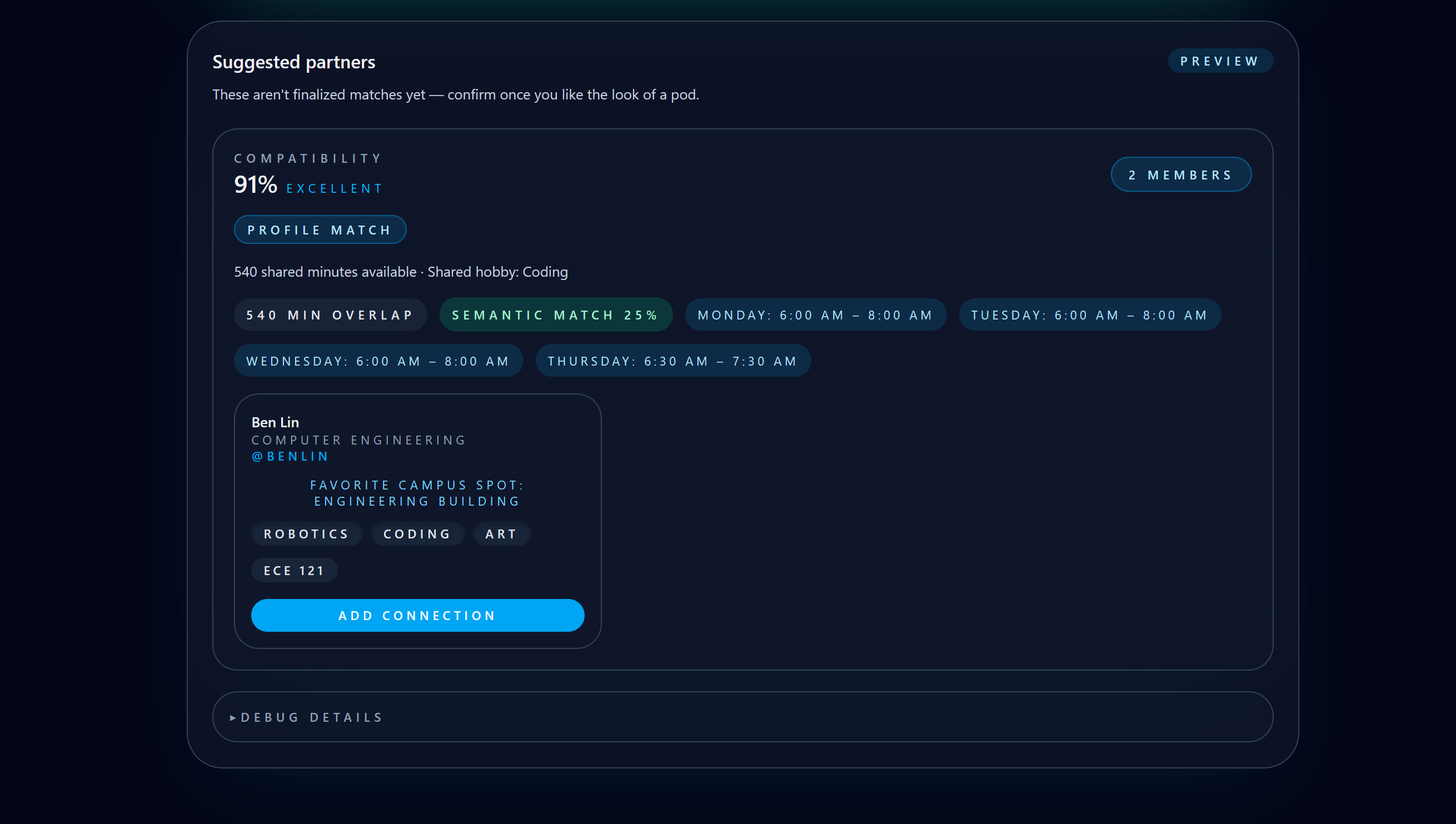
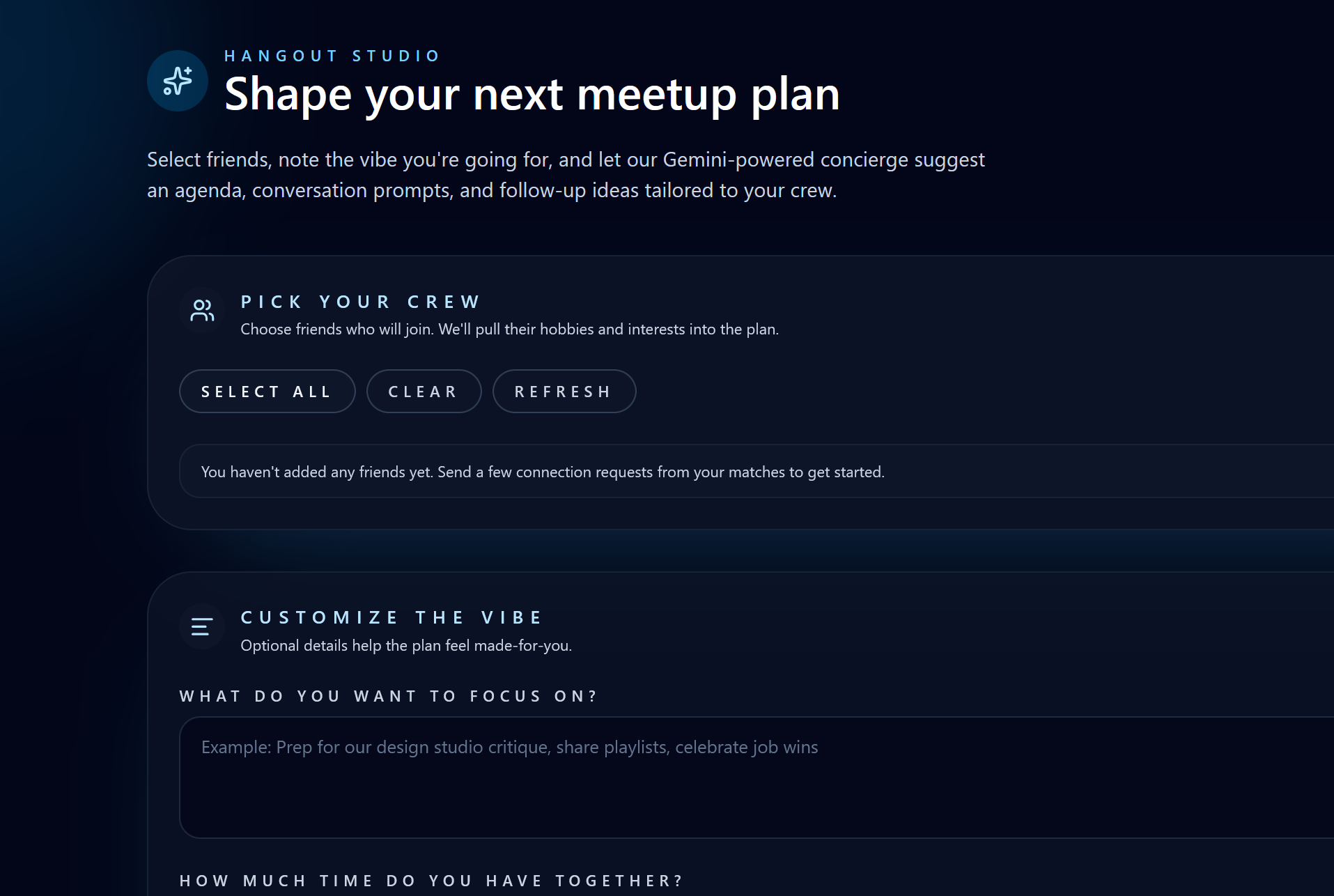
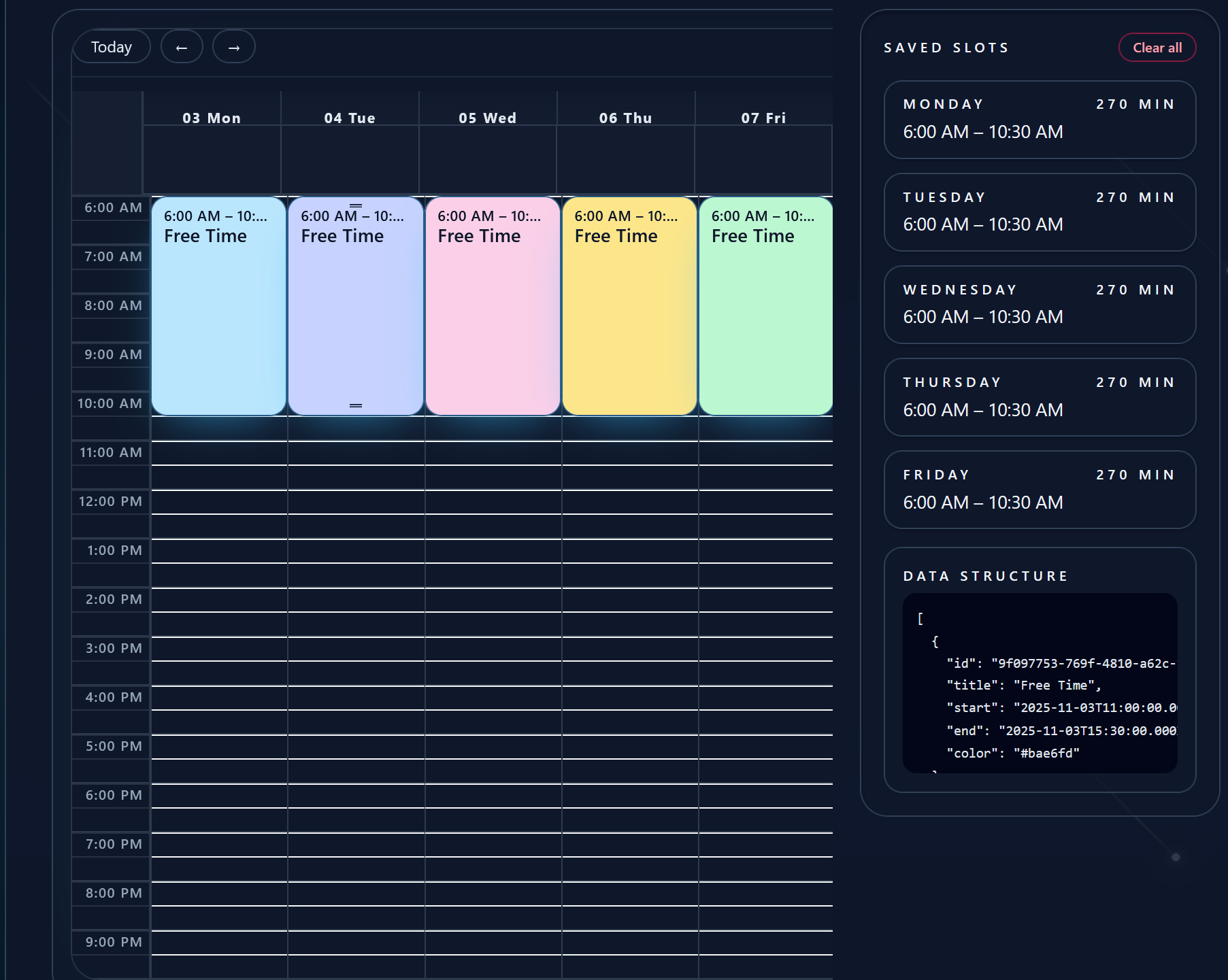
We implemented dynamic grouping based on schedules and interests, and implemented personalized group hangout plans with a dynamic friending system.
How we built it
The architecture / tech stack we used was React + Typescript front-end with a Node / Express back-end. Supabase handled auth/storage. We used Postgresql to store users and match data + Gemini API to drive dynamic suggestions.
Challenges we ran into
We had trouble implementing the ranking groups feature, since if its hard to implement semantic relationships so we opted out for a simpler system of ranking based on schedule and we dropped the paid OpenAI embeddings and now score affinity locally. Each profile’s descriptive fields (bio, interests, hobbies, classes, vibe, etc.) are tokenized with a stop-word filter, converted into simple term-frequency vectors, and compared with cosine similarity. We blend that text score with direct overlap in hobbies/interests (capped bonus) to produce the semanticSimilarity, still 0–1. Highlights continue to surface the first meaningful overlap (shared hobby/interest or profile sentence). Metadata now reports similarityStrategy: "profile-tokens" and the count of matches that received a non-zero similarity.
Accomplishments that we're proud of
Built the core “find a friend” flow end-to-end, so anyone can drop a profile in and instantly see curated matches that feel surprisingly personal.
Solved the hardest technical challenge—real-time matchmaking—by wiring our backend scoring engine to the new frontend API service; the whole loop completes in under a second. Stood up a polished web experience in under 36 hours, reusing nothing but our shared grit and coffee.
What we learned
We learned that data hygiene has to come first, so we built shared sanitizers across frontend and backend to keep noisy hackathon inputs from skewing match scores; that a fast-looking UX still depends on resilient plumbing, prompting us to guard the transformMatches pipeline with tight typing, retries, and explicit fallback messages; that AI helpers only shine when ops disciplines are in place, so we wrapped Gemini-powered plans in env checks and trimmed payloads before demo day; and that collaboration is smoother when frontend and backend share contracts, letting us expose compatibility breakdowns without extra meetings or guesswork
What's next for Interlink
We’re gearing up to wire Interlink into real campus data sources so signups flow straight into the matchmaking dataset, ship the hangout planner with a production AI provider and guardrails, and spin up group-mode matchmaking that uses the existing compatibility breakdowns to assemble clubs and study pods automatically.

Log in or sign up for Devpost to join the conversation.