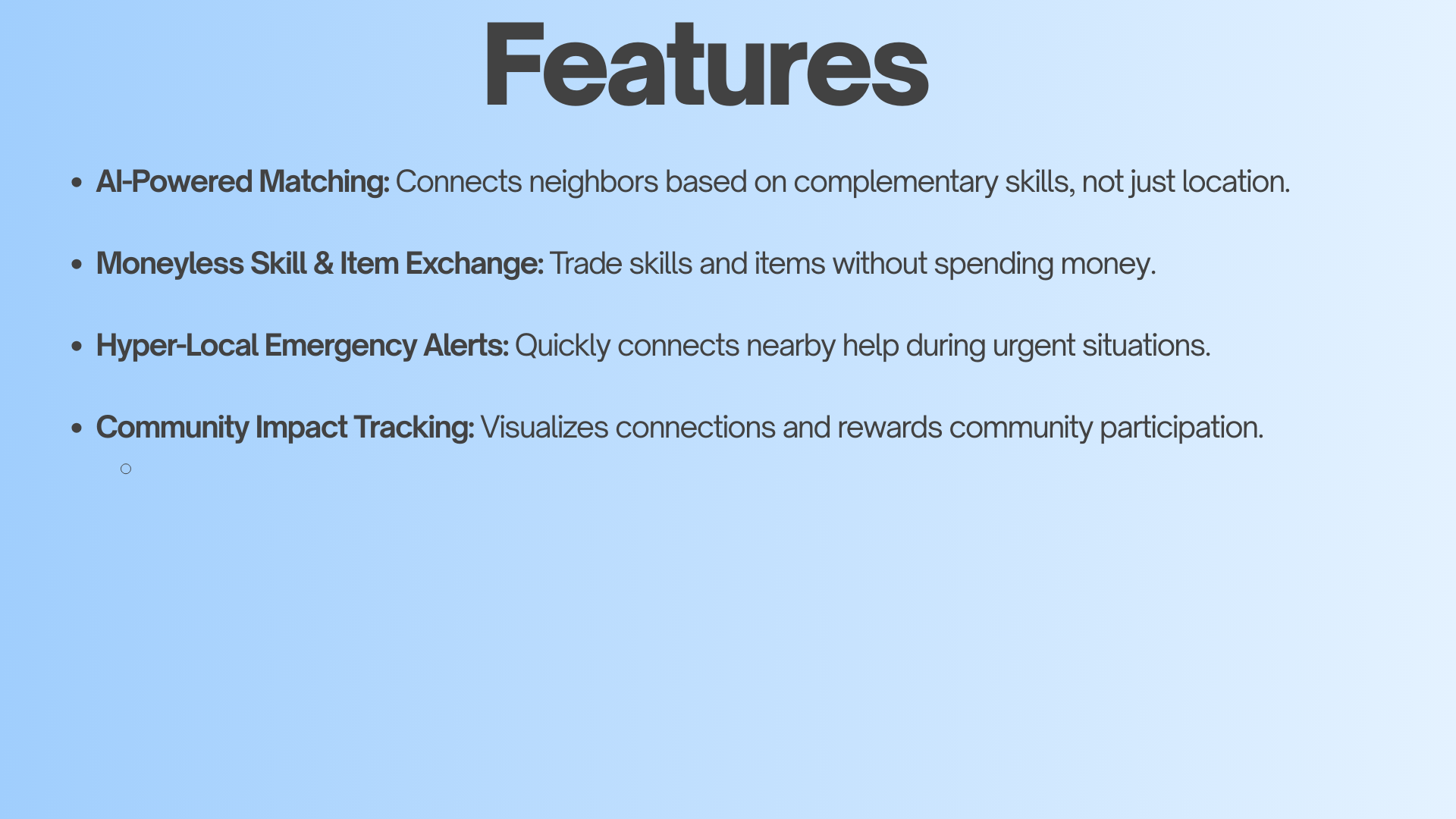
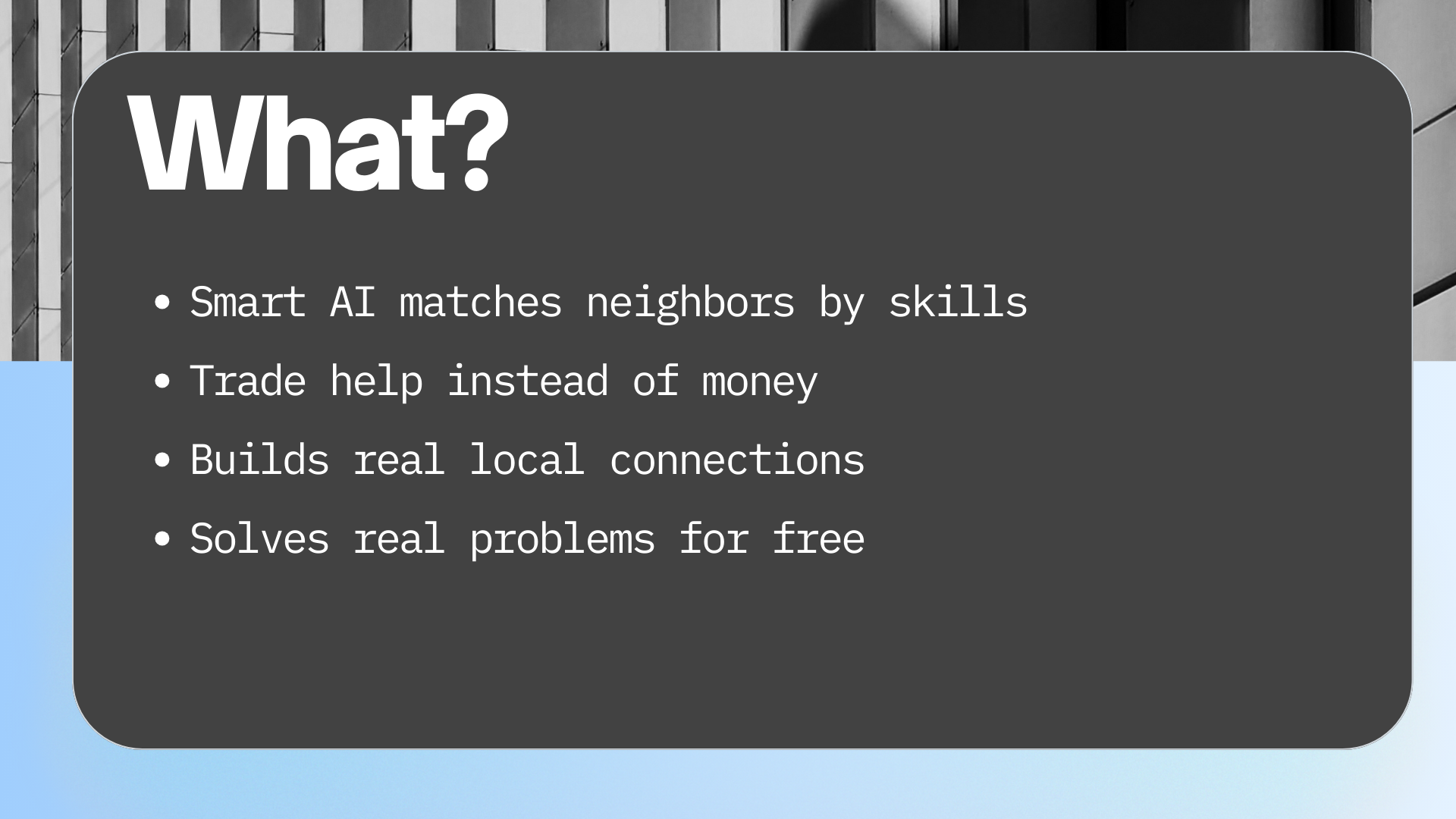
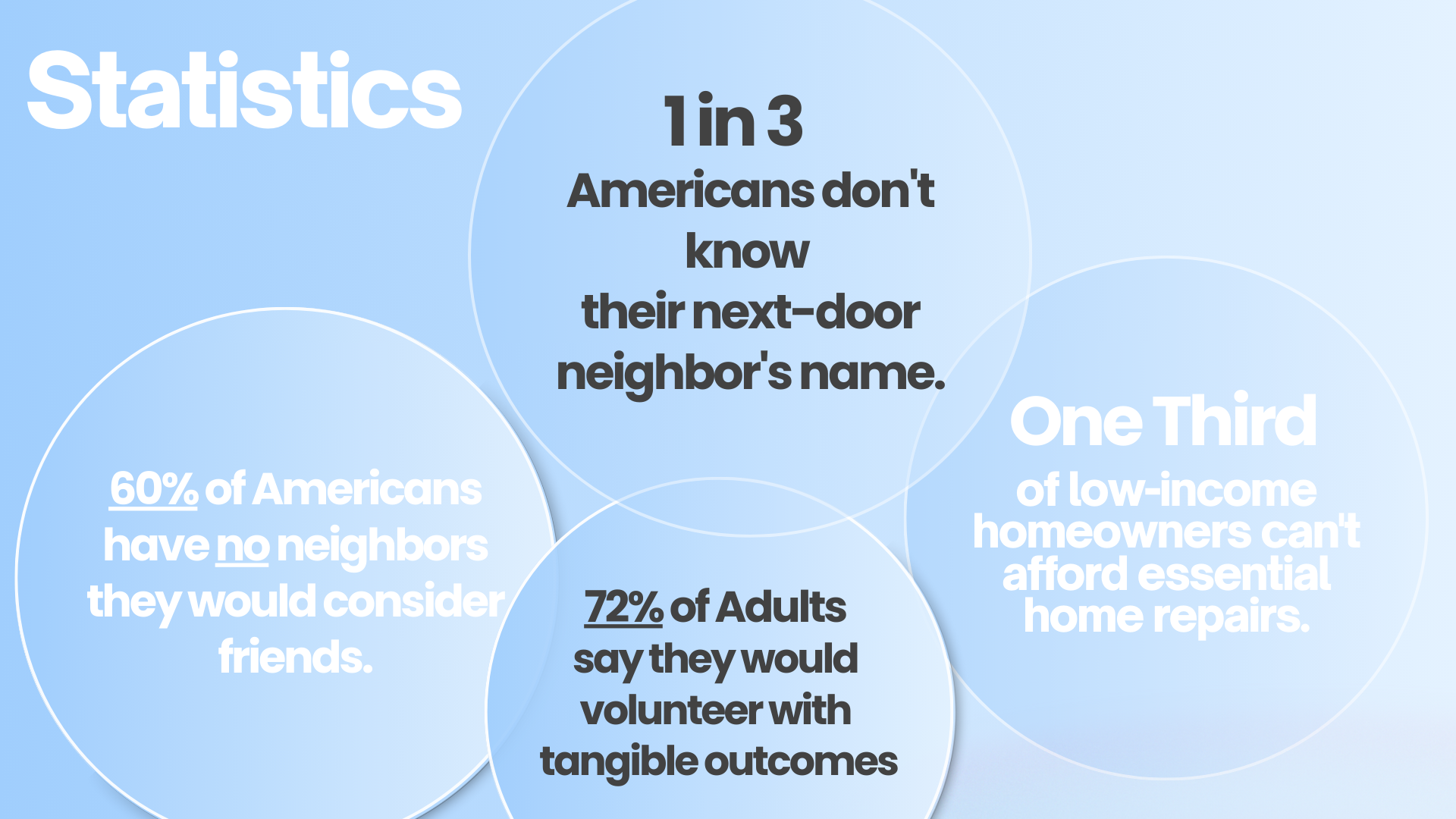

Inspiration We live in a paradox where we are more digitally connected than ever, yet often feel socially isolated from the people living right next door. We noticed that neighborhoods are full of untapped potential—one neighbor might have a drill gathering dust, while another needs to hang a shelf. We realized that the friction isn't just about finding resources; it's about the social awkwardness of asking for help. We wanted to build InterLink to act as a digital icebreaker, using AI not just to list items, but to introduce neighbors based on mutual benefit, effectively turning a transactional economy into a relational community.
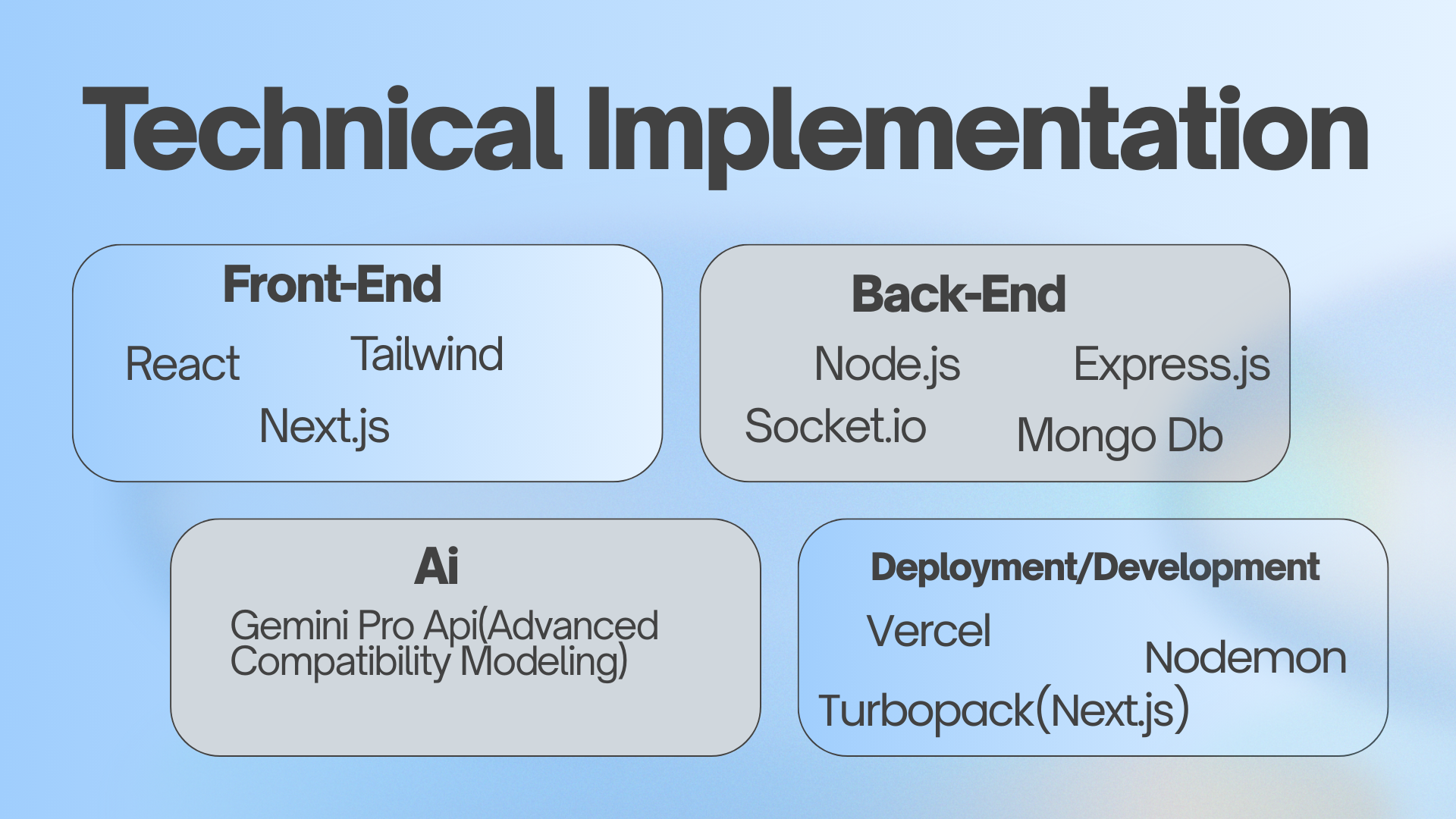
How We Built It We architected InterLink as a robust full-stack application designed for real-time interaction and intelligent reasoning. The frontend leverages Next.js 16 and React 19 to utilize the latest server-side rendering features, styled with Tailwind CSS for a clean aesthetic and Framer Motion for fluid animations. The backend runs on a Node.js and Express server that manages application logic and connects to a MongoDB database for storing profiles and transaction history. The core innovation lies in our integration of Google's Gemini Pro API; instead of simple keyword matching, we feed user profiles into the model to generate human-like match explanations that articulate exactly why two neighbors should connect. Finally, we implemented Socket.io to handle instant messaging and live notifications, ensuring that connections happen instantaneously.
Challenges We Faced One of our biggest hurdles was getting the AI to provide consistent, structured reasons for matches rather than generic text. This required significant prompt engineering in our backend controllers to fine-tune how profile data was sent to Gemini. Additionally, synchronizing the gamification system across clients in real-time proved tricky; ensuring the leaderboard updated instantly when a user completed an exchange required careful management of WebSocket events. We also faced compatibility issues by adopting the cutting-edge Next.js 16 and React 19, forcing us to troubleshoot interactions between new React server components and our client-side animation libraries without extensive documentation.
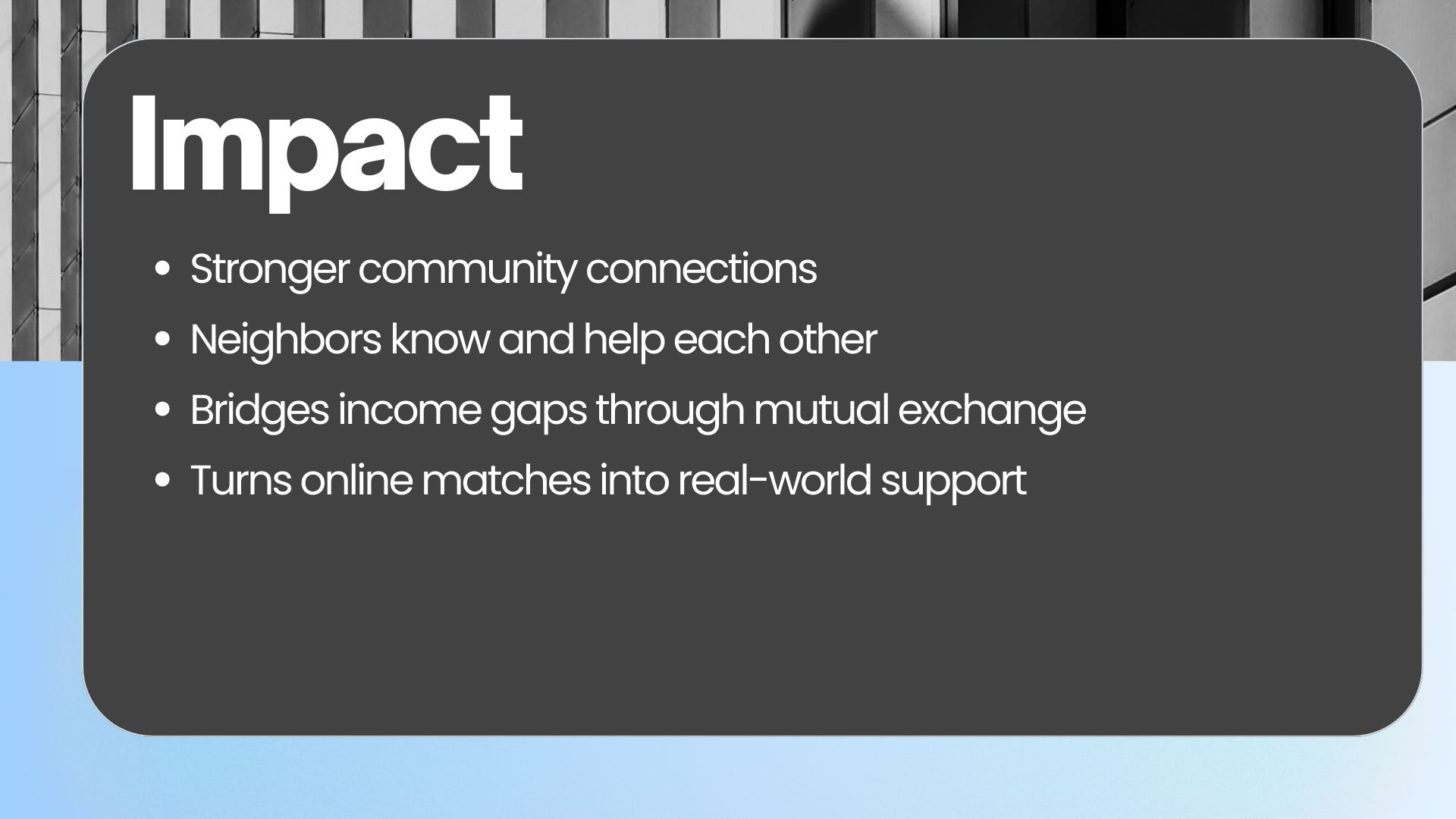
What We Learned Through this project, we discovered that Generative AI is incredibly effective at removing social friction. By having the AI suggest specific reasons why two people should meet, users are much more likely to initiate a conversation than with a cold contact. We also learned that gamification is a powerful motivator for pro-social behavior, as the points system successfully incentivized circular economy interactions. On a technical level, we gained a deeper understanding of connecting a modern, type-safe frontend with a logic-heavy backend, specifically distinguishing between client-side interactivity and server-side AI processing.
Built With
- express.js
- framer
- gemini
- mongodb
- mongoose
- next.js
- node.js
- react
- socket.io
- tailwind
- typescript

Log in or sign up for Devpost to join the conversation.