-
-
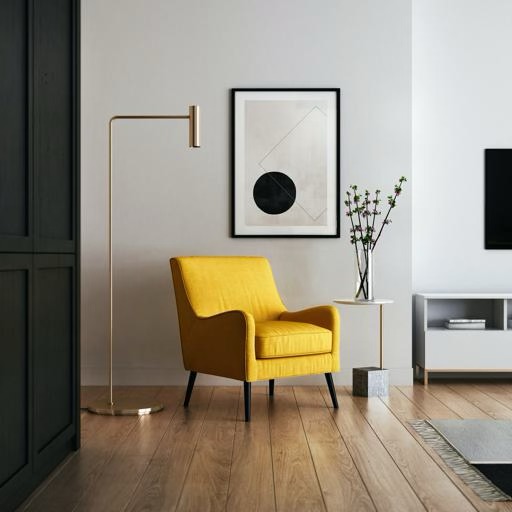
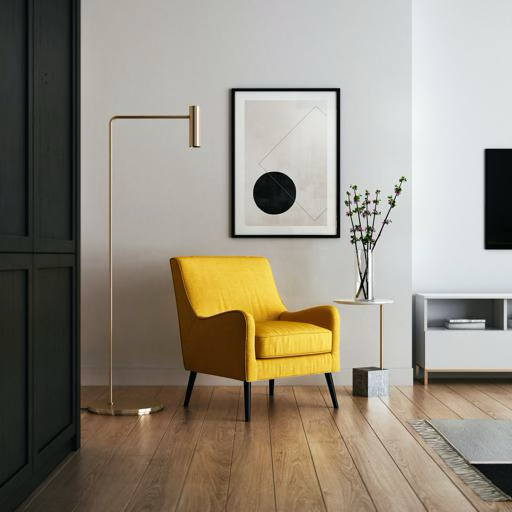
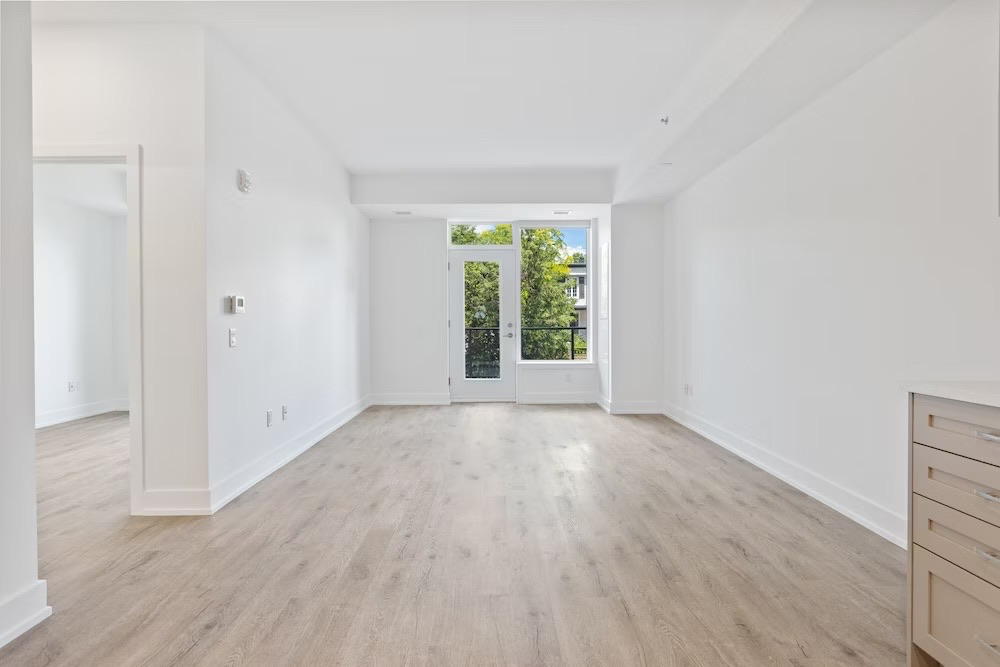
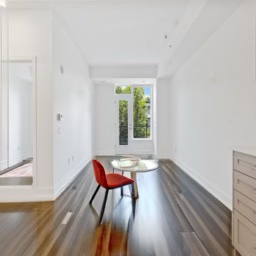
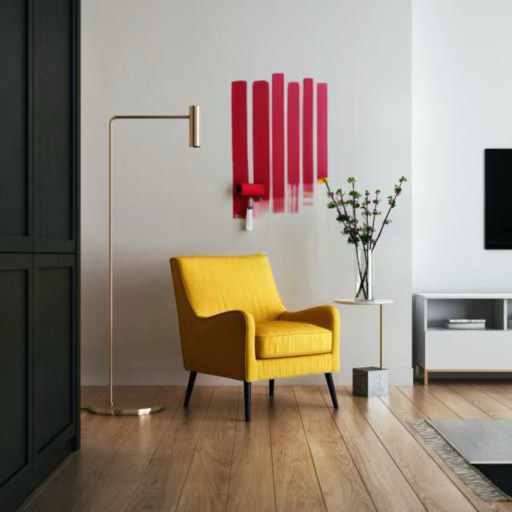
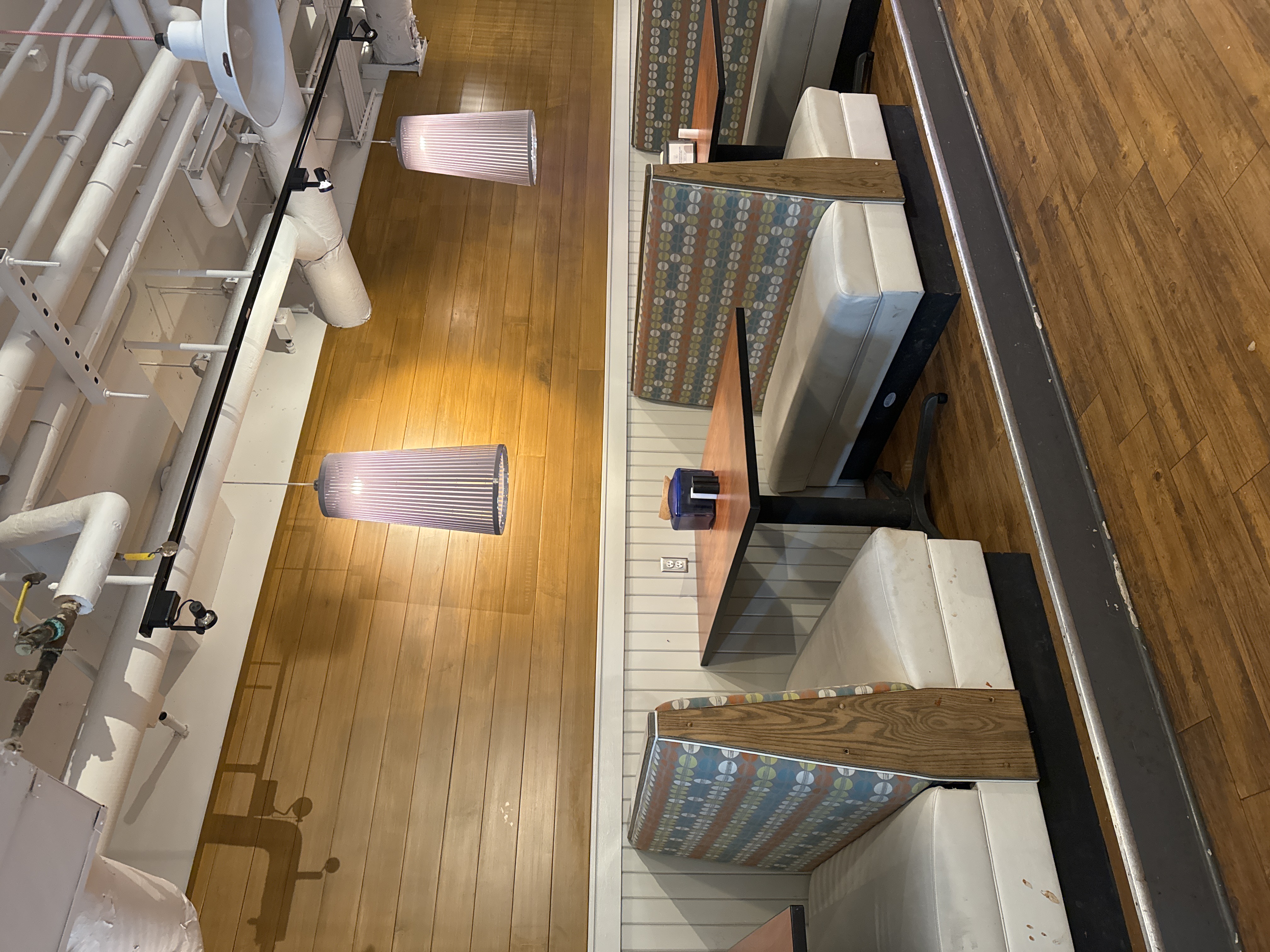
Pre processed
-
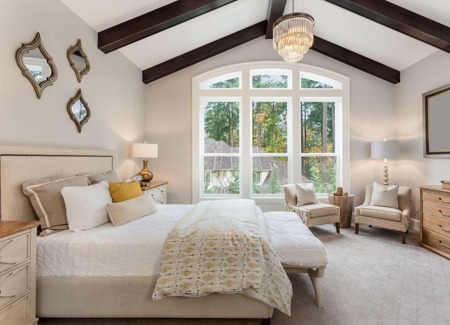
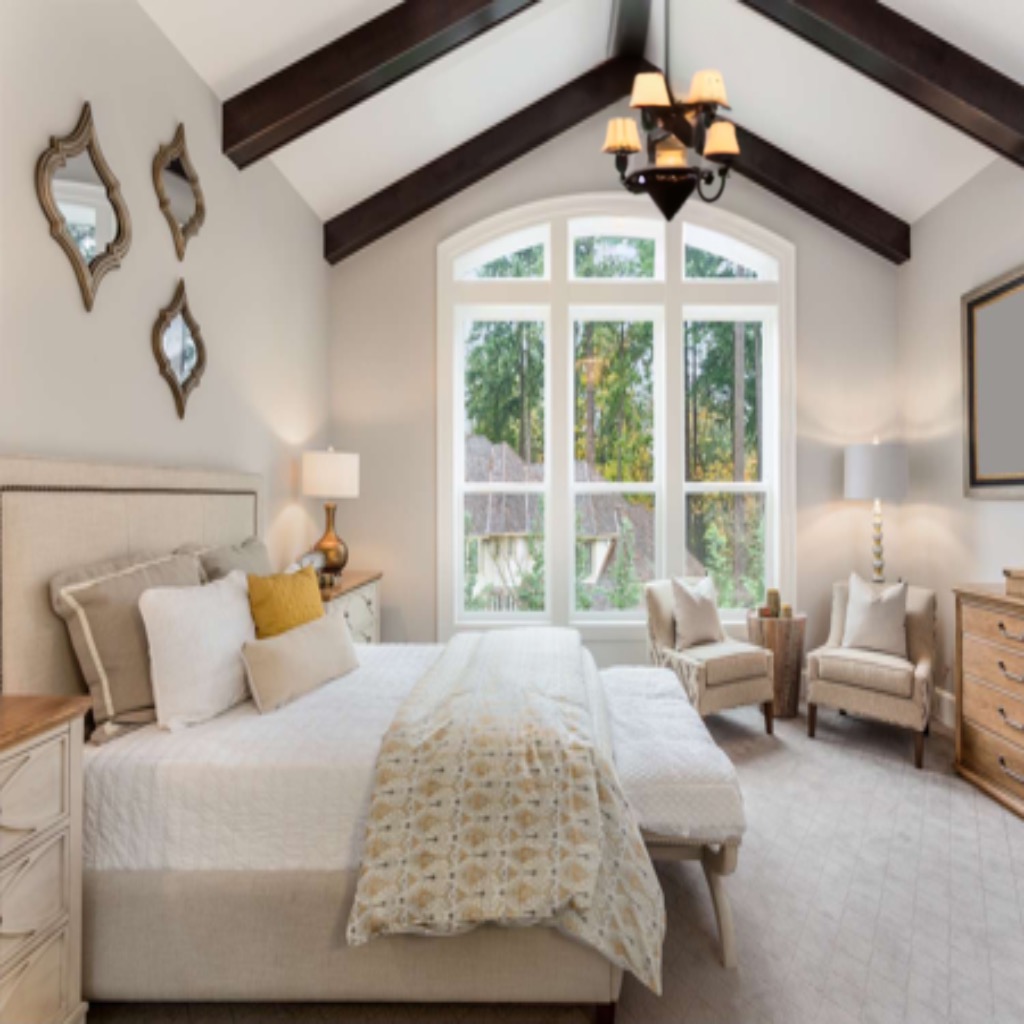
Pre processed
-
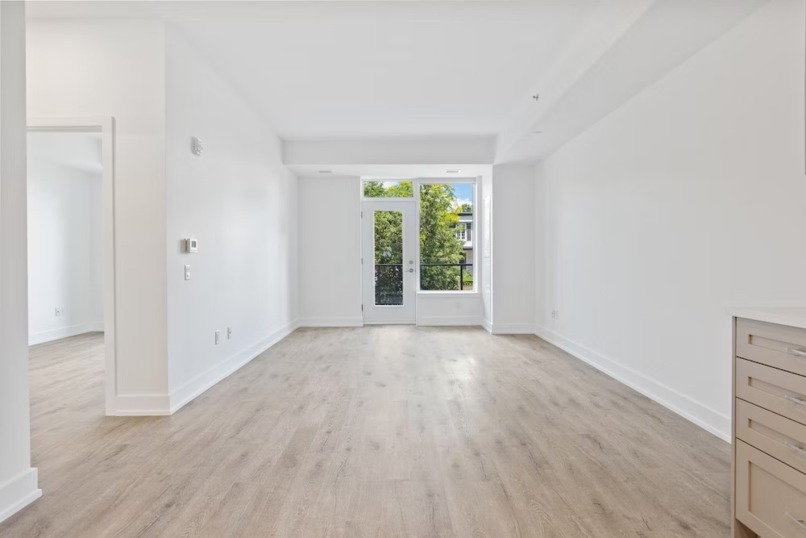
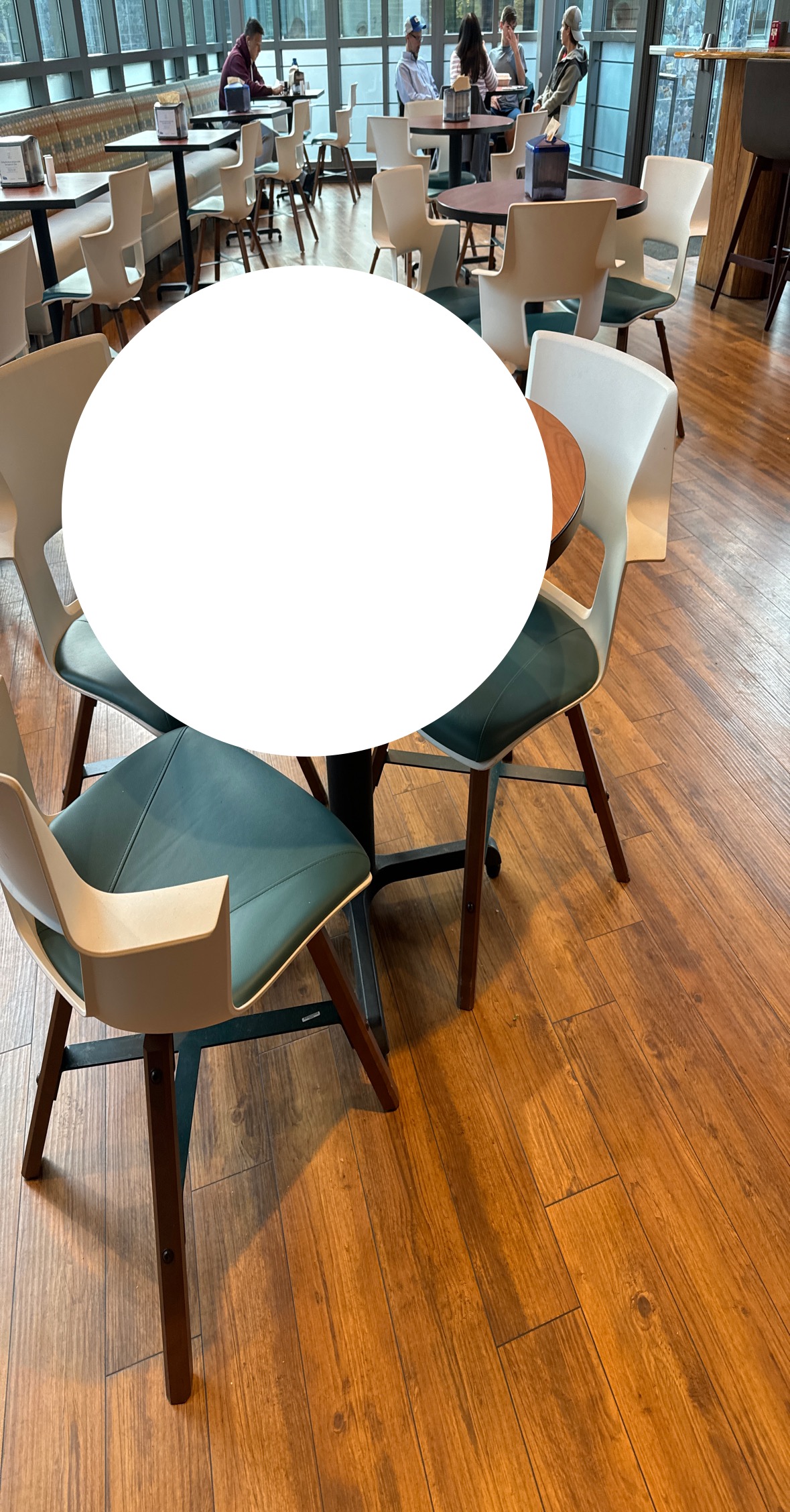
Pre processed
-
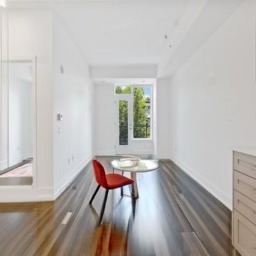
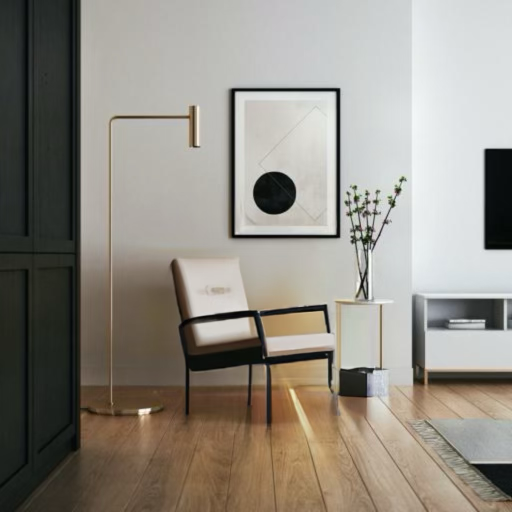
Post Processed
-
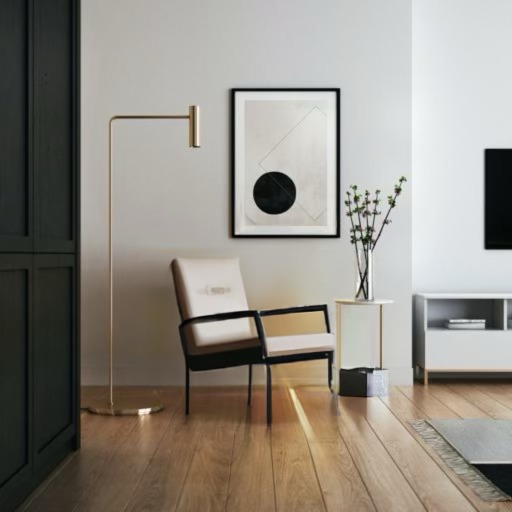
Post Processed
-
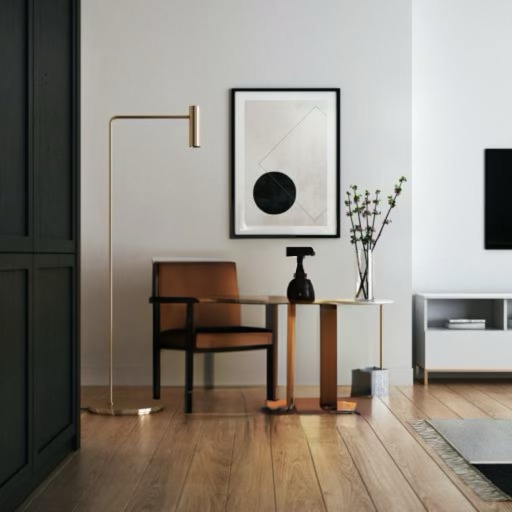
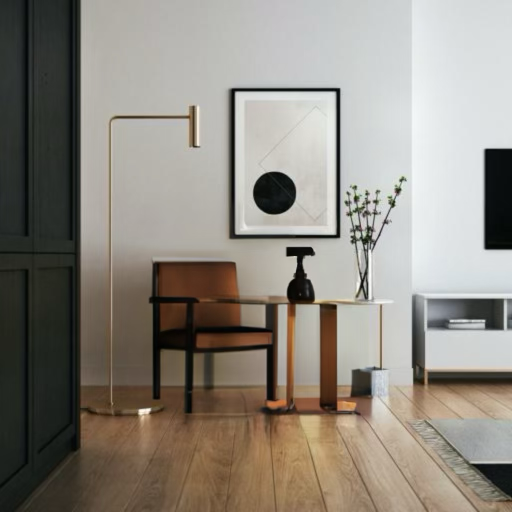
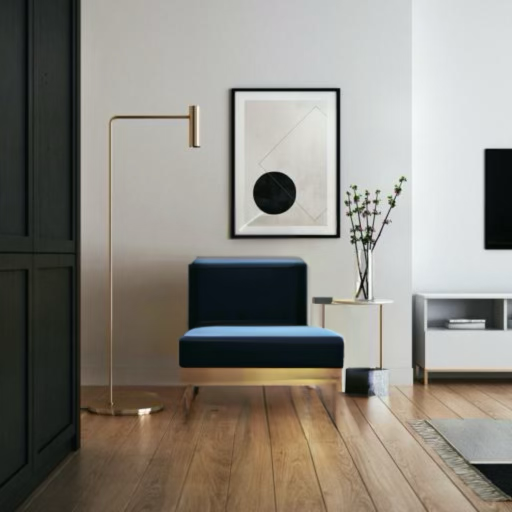
Post Processed
-
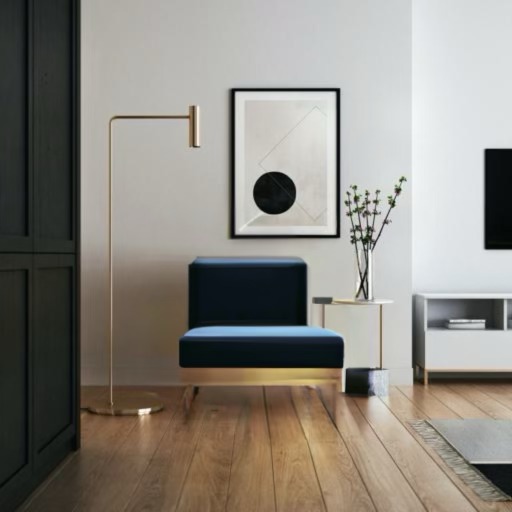
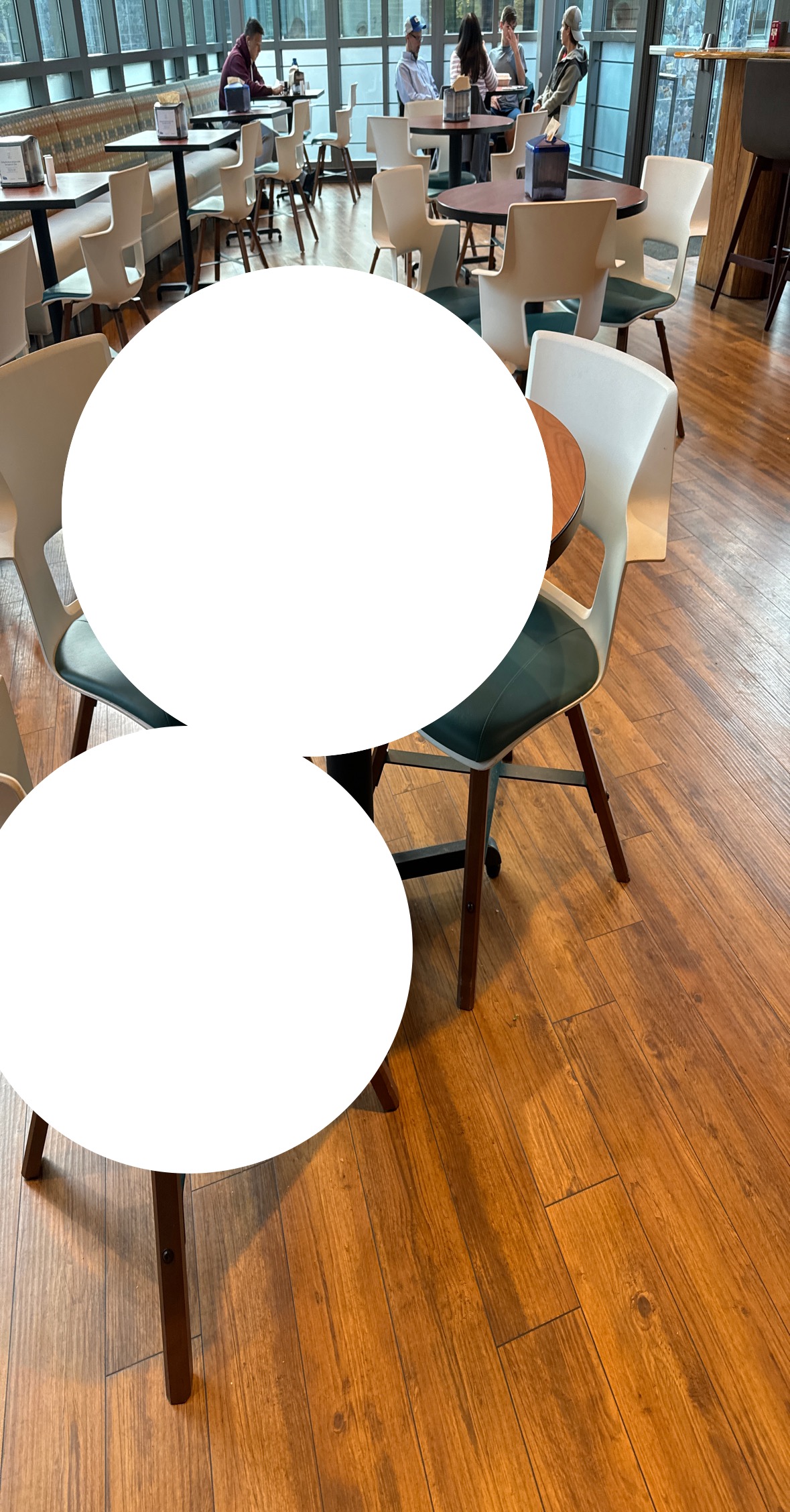
Post Processed
-
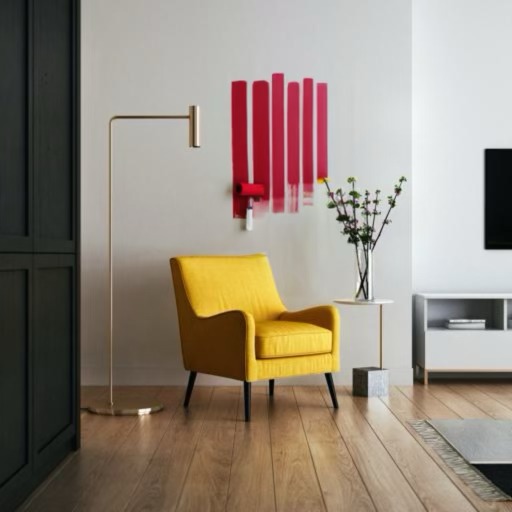
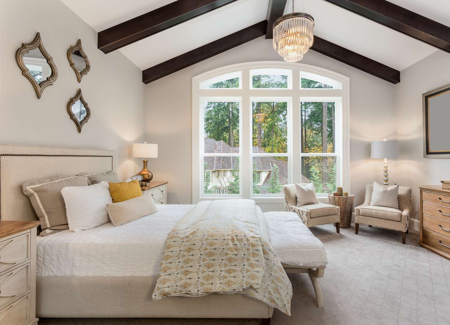
Post Processed Art
-
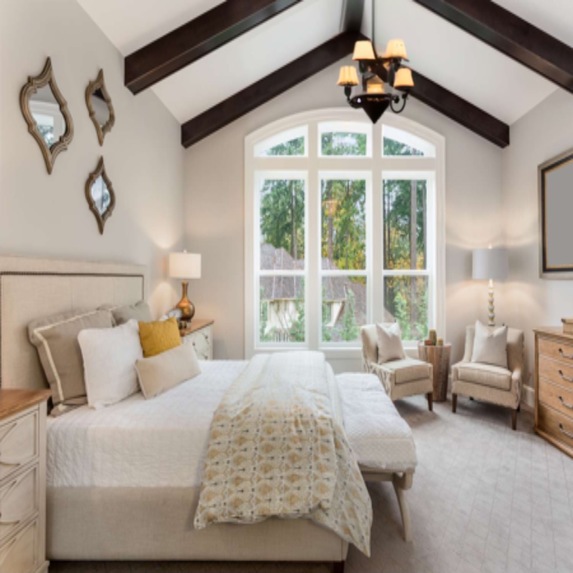
Post Processed Chandelier
-
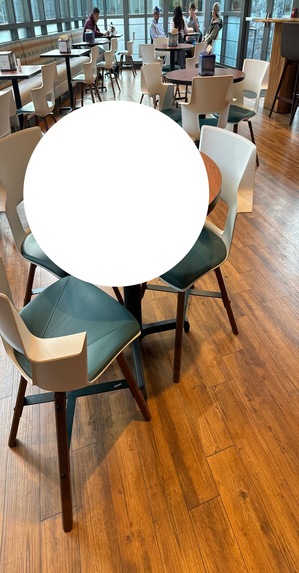
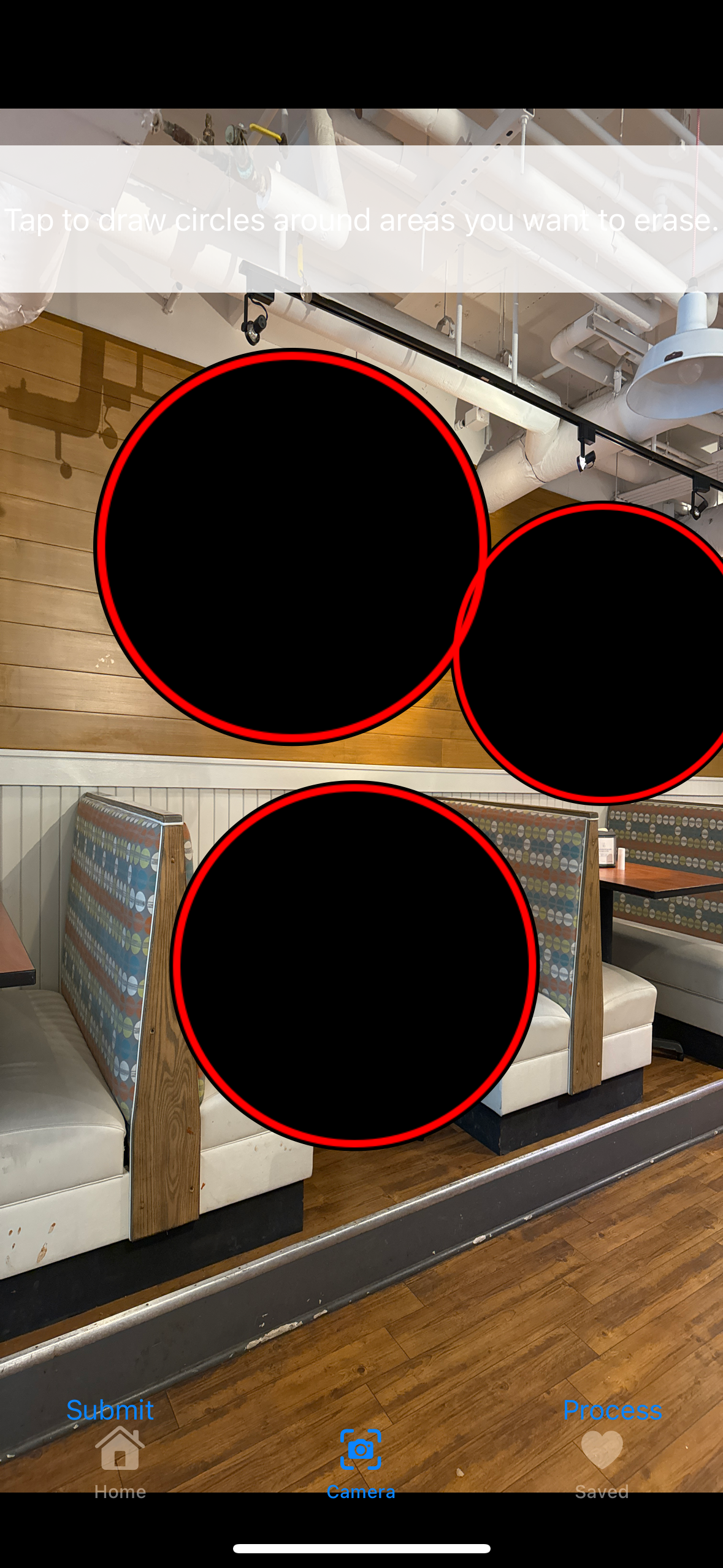
IOS App UI
-
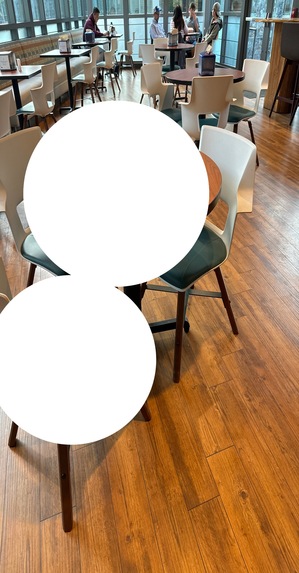
After Processing (Mask creation within app)
-
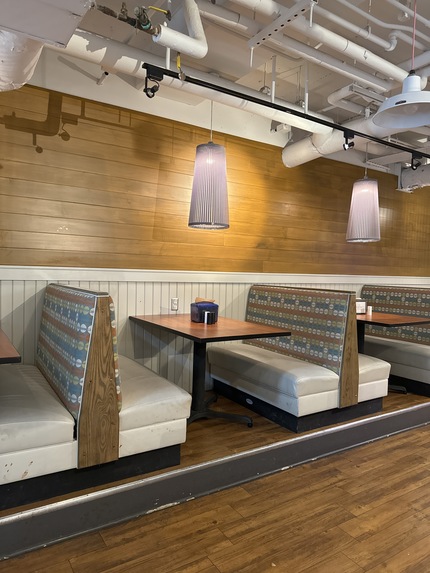
Before
-
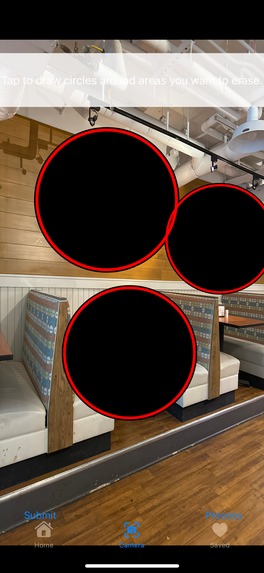
After IOS App Microprocessing UI
Redefining Interior Design: The Making of an Innovative iOS App
The Genesis of an Idea
In the fervent atmosphere of a hackathon, our team was struck by the realization that while many interior design applications exist, few had the capability to redefine a space while keeping its original context intact. Our inspiration came from a desire to create an app that could take a real image of a user's room and selectively redesign it, offering a transformation that felt both grounded and fantastical. We envisioned a tool that would maintain the essence of the user's space but allowed for creative exploration and redesign of specific areas, such as furniture, fixtures, and decor.
The Journey
Phase 1: Conceptualization and Design
We began by brainstorming, setting aside ideas such as note-generating apps and products for accessibility, and finally homing in on the concept of an interior design app with a unique image-to-image transformation feature. We focused on the iOS platform, leveraging its widespread use and our familiarity with its development environment.
Phase 2: Backend and Infrastructure
Next was the backend. We needed a robust system that could handle intricate image processing and AI integrations. We used Python for its rich libraries and Flask for setting up our API, which would later allow the iOS app to communicate with our machine learning models.
Phase 3: Masking Tool Development
The cornerstone of our app was the novel masking tool. We aimed to create an interface where users could upload a photo of their room and then seamlessly create a mask over the areas they wanted to redesign. This feature was groundbreaking as it had not been achieved in iOS apps in the realm of interior design before.
Phase 4: Machine Learning Model Integration
For the transformation magic, we integrated OpenAIs API and the DALL E 3 API. This model wasn't just any generative AI; it was specialized to understand room context, dimensions, and the spatial relationship between objects.
Phase 5: Curating Themes and Realism
Our next challenge was to curate themes that users could apply to their rooms. We collaborated with interior designers to define styles like "minimalist," "boho," and "industrial" within our app's context. The AI was then trained to apply these themes realistically to the selected areas of the room.
Phase 6: iOS App Development
With Swift and the powerful Core ML, we designed a sleek, intuitive interface for our iOS app. The app not only allowed users to upload images and create masks but also provided a live preview of how the redesign would look, thanks to the seamless integration with our backend AI models.
Challenges and Learnings
Throughout the development, we encountered numerous challenges:
- Image Processing Precision: Achieving a high level of precision in masking complex room elements was difficult. We iterated our algorithms multiple times to enhance accuracy.
- AI Model Training: Ensuring the AI could understand the context and apply themes realistically involved extensive training and validation.
- Performance Optimization: The initial version of the app was sluggish. We had to optimize our code and machine learning models to ensure a smooth user experience.
We learned that meticulous planning, continuous integration, and testing are crucial for developing such a sophisticated application, especially under the tight timelines of a hackathon.
The Impactful Story
Our app stands out for its novel approach to redesigning spaces. Instead of creating cartoonish or abstract versions, it respects the authenticity of the user's personal space, only altering designated areas with realistic furniture and design options. It's a convergence of technological innovation with a deep understanding of user-centered design.
The app provides a platform for users to experiment with their interiors without any physical or financial commitment. Moreover, the integration with furniture databases and e-commerce platforms makes it possible to not just visualize but also to actualize the dream space with just a few clicks.
In conclusion, this project has been a testament to the power of AI in bridging the gap between imagination and reality. The iOS app we've developed is not just a tool but a companion for anyone looking to infuse new life into their home. As we launch our MVP in the competitive landscape of the hackathon, we are confident that it stands as a testament to our commitment to innovation, user experience, and the transformative power of technology.
Building upon the dynamic foundation laid out in the app's journey, we aim to incorporate a strategic financial model that caters to both individual homeowners and businesses, enhancing the application's versatility and market appeal.
Financing
B2C Model with Freemium Access Our app extends its utility to homeowners with a freemium model designed to entice and engage users. Homeowners can experiment with transforming their living spaces, generating and saving up to 2-3 room redesign iterations at no cost. This approach serves as a gateway to the premium tier, which provides additional capabilities such as unlimited transformations and the option to save favorite designs to collections. The freemium model is crafted to demonstrate value, thereby incentivizing users to transition to the premium version for a more expansive experience.
Affiliate Marketing Integration To seamlessly bridge the gap between visualization and purchase, the application will link directly to furniture and home décor websites. This integration will leverage affiliate marketing strategies, allowing users to buy products featured in their virtual room redesigns. By clicking on the redesigned elements, users will be navigated to online retailers, with the app earning a commission for each sale made through these affiliate links, creating a seamless revenue stream.
B2B Platform Solutions For businesses such as restaurants, bars, and offices seeking to revamp their interiors, our application proposes a B2B platform solution. This segment focuses on commercial remodeling, offering a suite of designs tailored to various business environments. Our B2B strategy includes subscription-based models that provide access to a broader range of features and design options suitable for commercial spaces.
Collaborations with Interior Design Firms The potential for partnerships with interior design firms opens up an avenue for curated experiences. By training our AI model on datasets from these firms, we can offer licensed, firm-specific versions of the app. These partnerships would enable design firms to leverage our technology to serve their clients better, while also allowing us to enhance the app's capabilities through access to a wider range of professional designs and trends.
Generalizable and Context-Aware Technology At the heart of our app lies a generalizable technology that meticulously edits micro-spaces while preserving the context of the entire room. This innovative feature distinguishes our tool in the market, as it can intuitively replace selected areas with new designs, ensuring they match the room's scale, lighting, and existing aesthetics. From inserting art pieces to swapping out furniture, the app respects the spatial integrity, offering users a realistic and harmonious redesign.
In synthesizing these strategies, our app is positioned to redefine the realm of interior design, making it an accessible, intuitive, and indispensable tool for both individuals and businesses. With a financial model that encourages growth and a technology that represents the pinnacle of AI-driven design tools, we are poised to make a significant impact as we unveil our MVP and step into the competitive arena of the hackathon.


Log in or sign up for Devpost to join the conversation.