-
-

IntelliS: Agentic Workflow
-
IntelliS
-
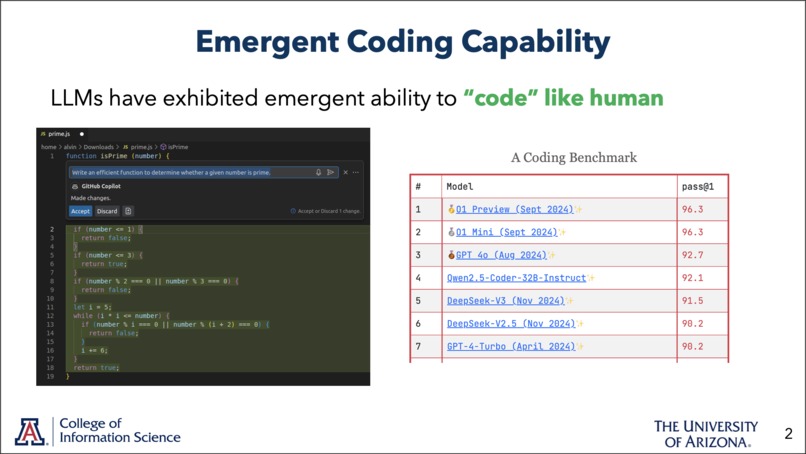
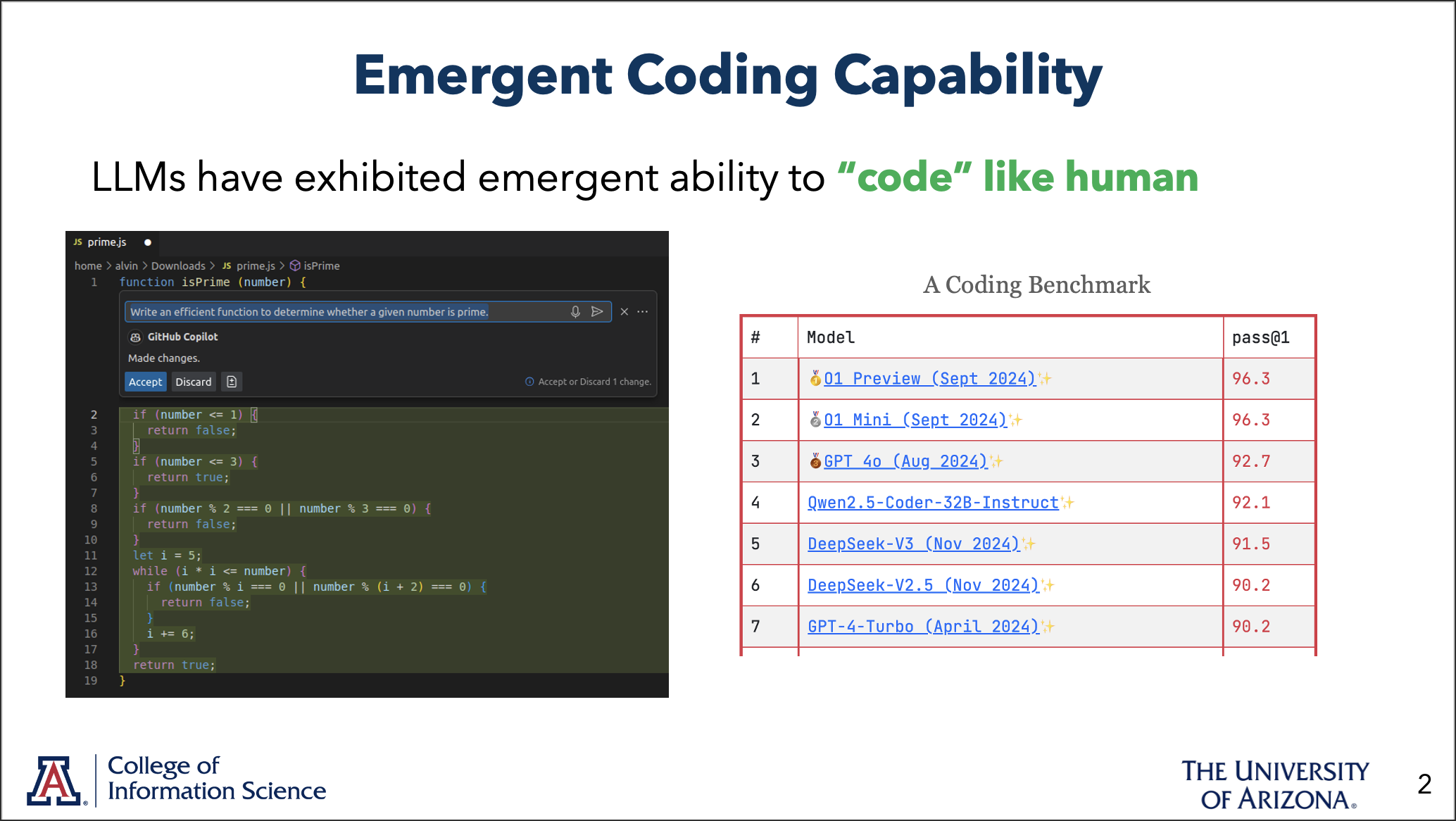
Emerging LLM Coding Ability
-
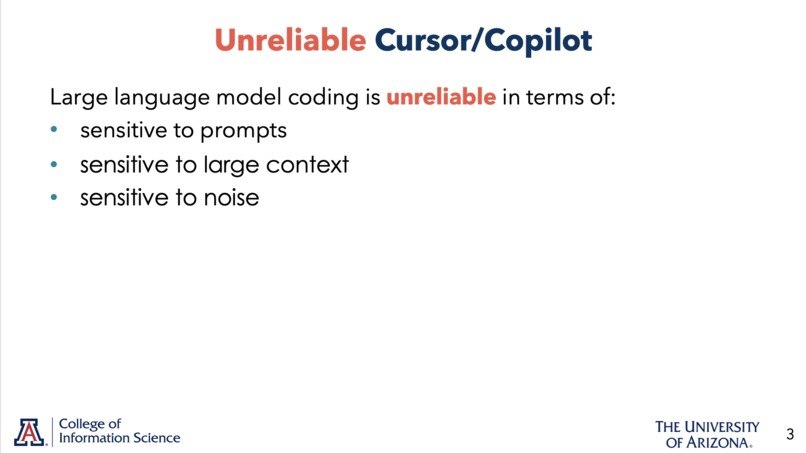
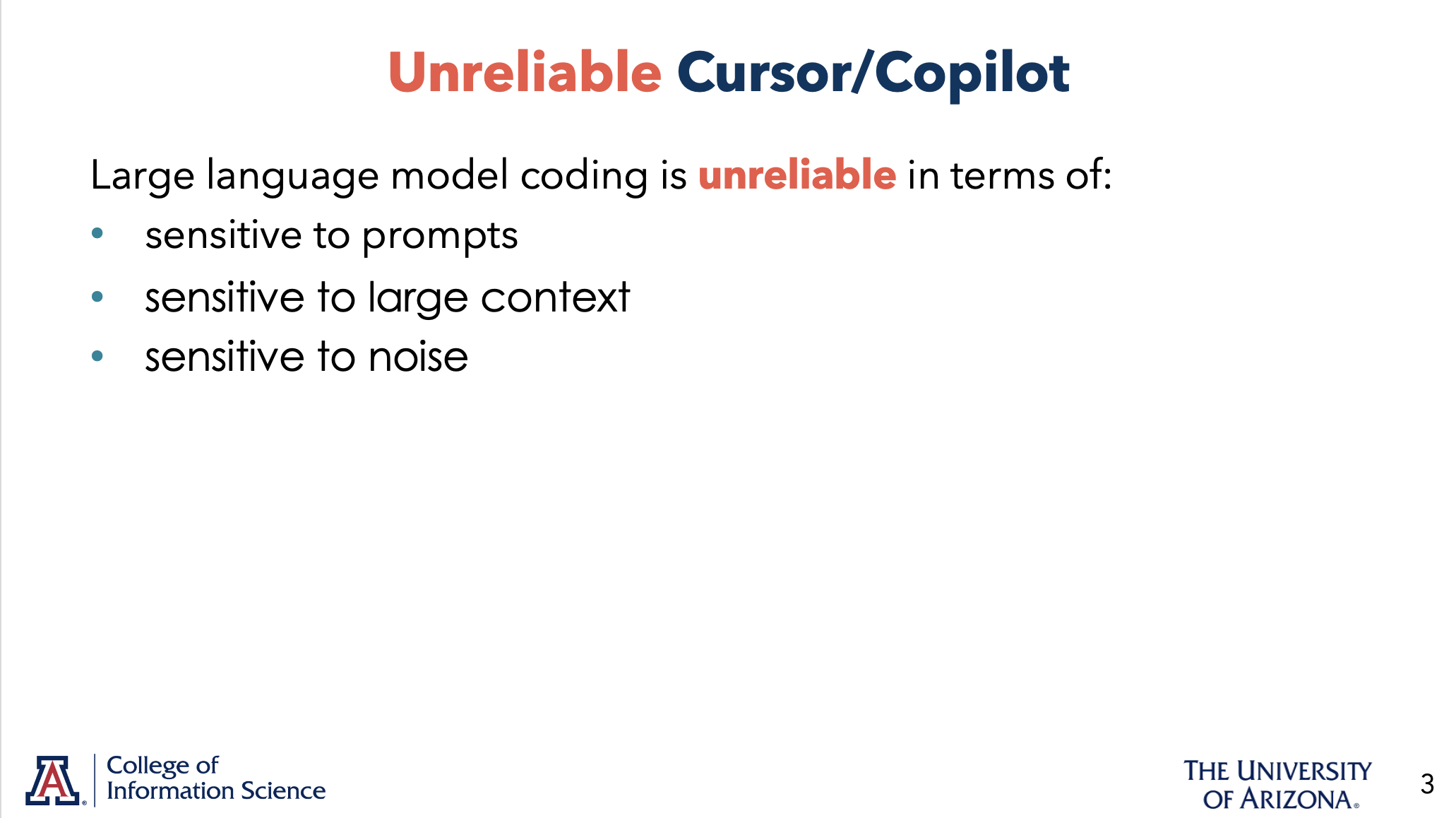
Weakness of existing tools
-
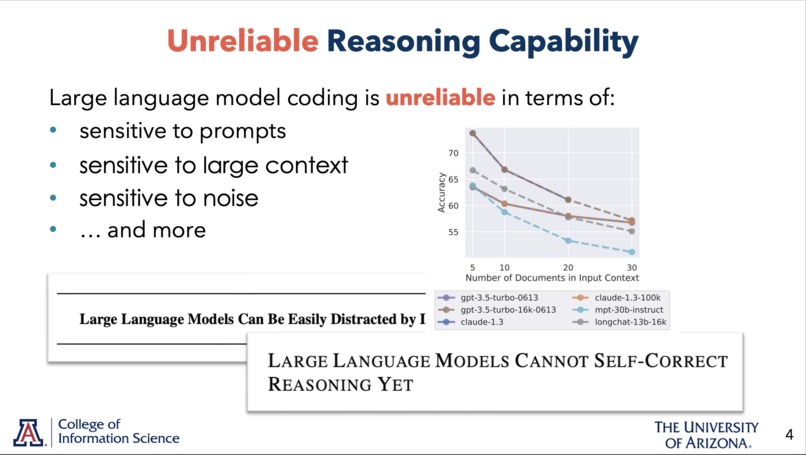
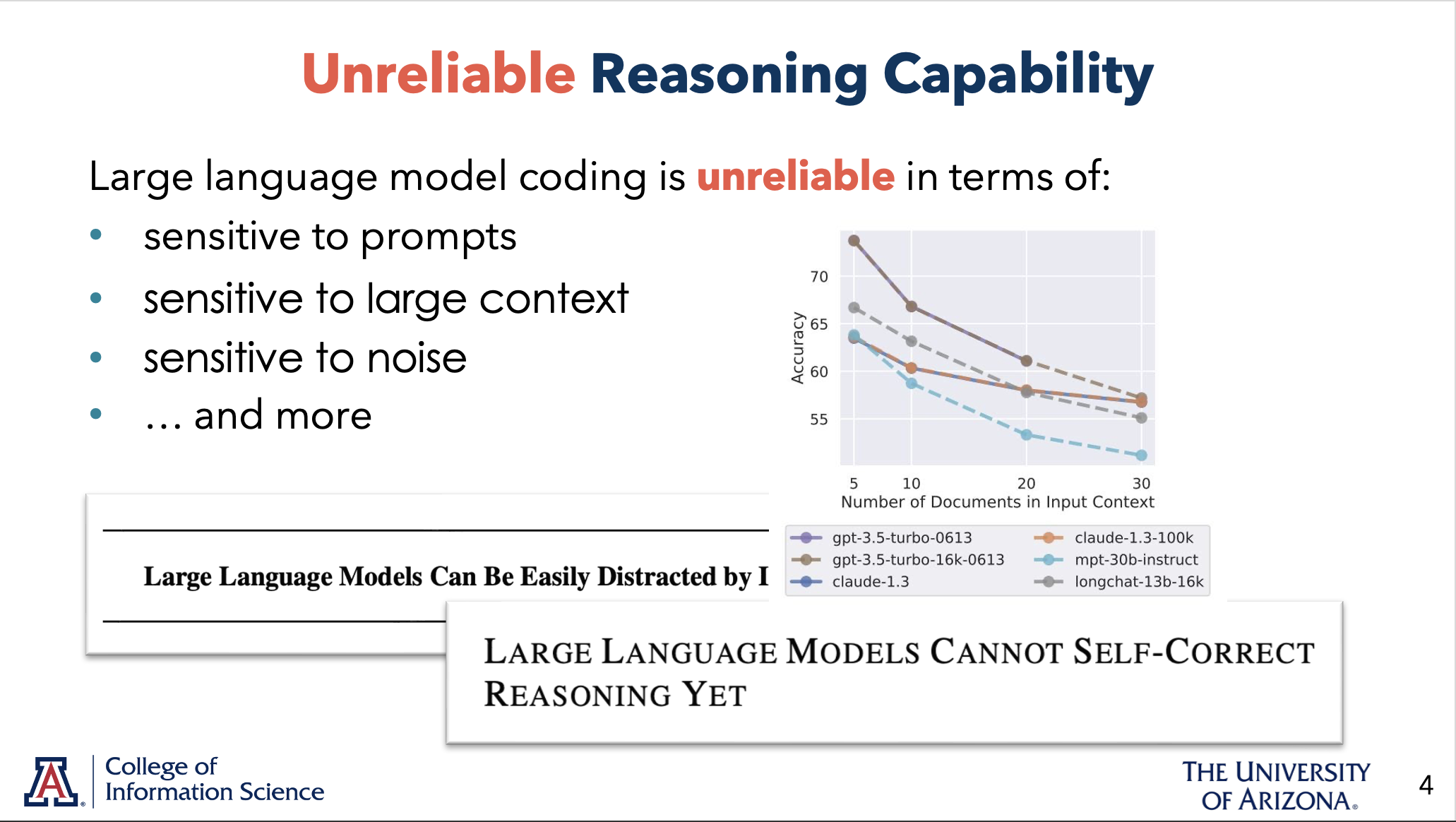
Unreliable Reasoning
-
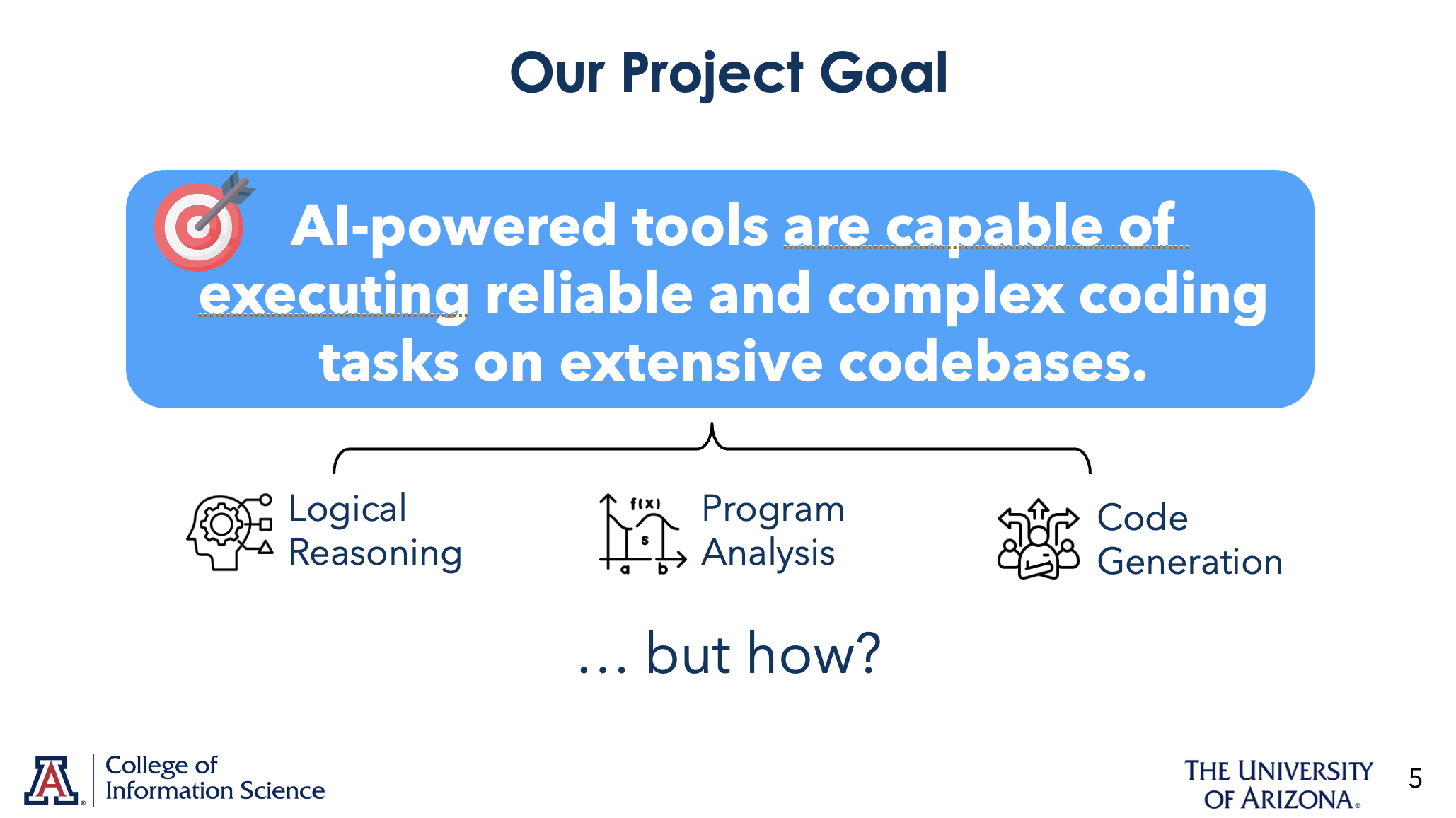
Goals
-
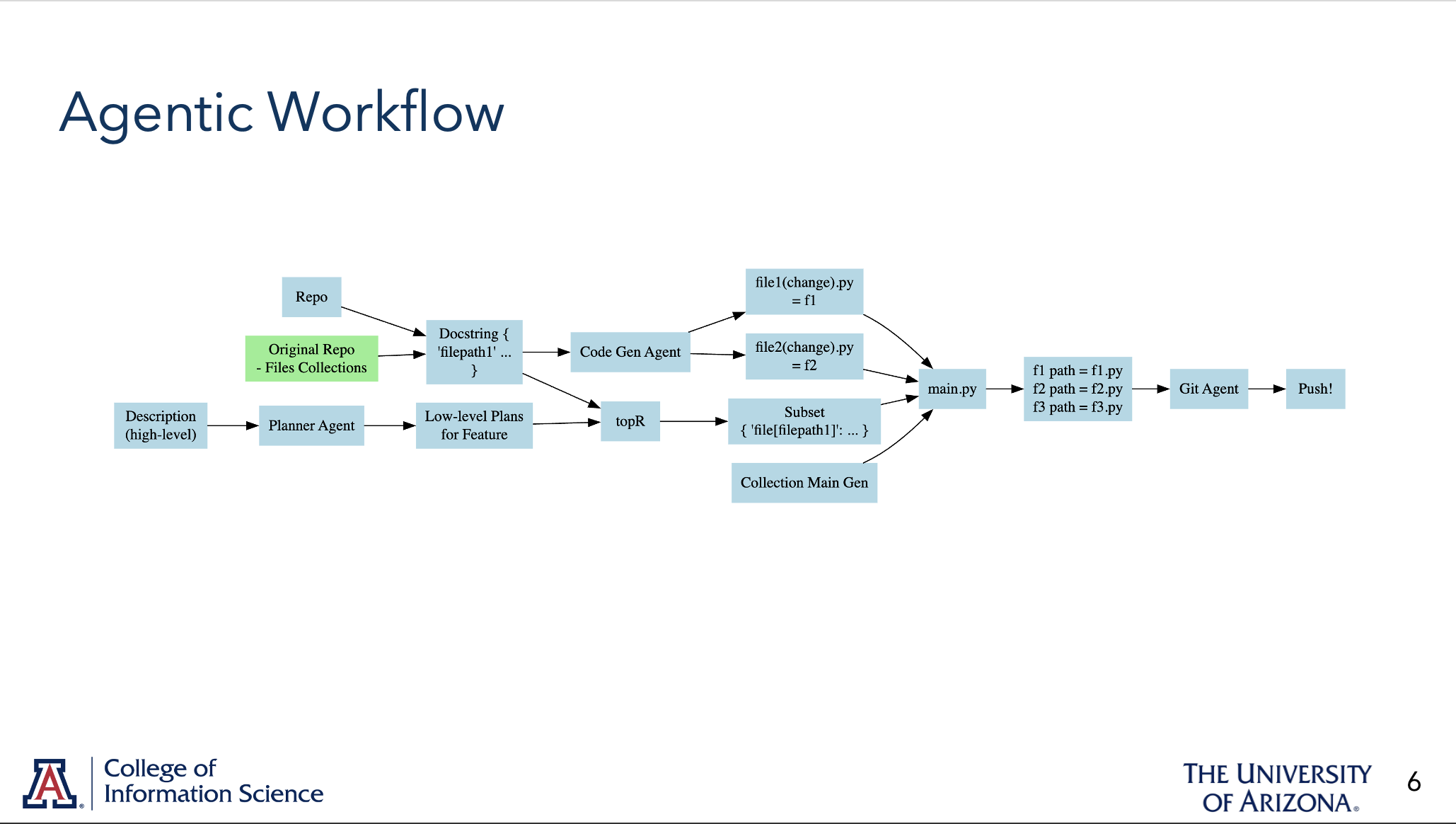
Agentic Workflow
-
Thanks! :)

Inspiration
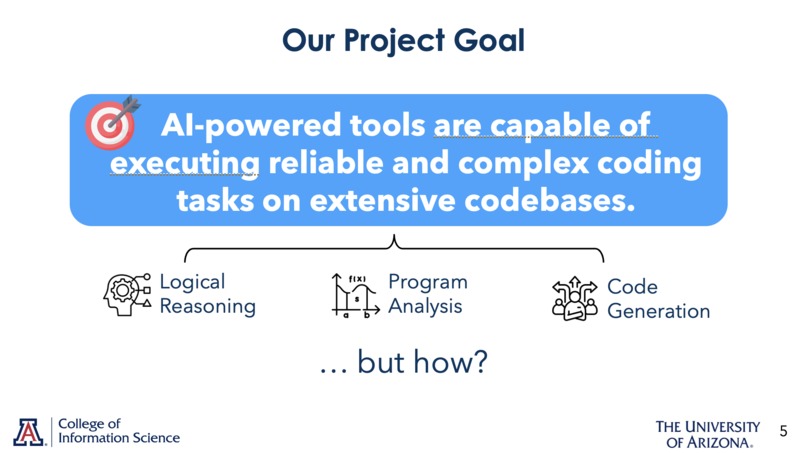
We noticed that turning vague, high‑level ideas into clear, actionable code is a constant challenge for developers. Many teams struggle with ambiguous requirements and manual planning. Our goal was to harness AI to bridge that gap—automatically transforming high‑level feature descriptions into precise, low‑level technical specifications and even code modifications, streamlining the development process.
What it does
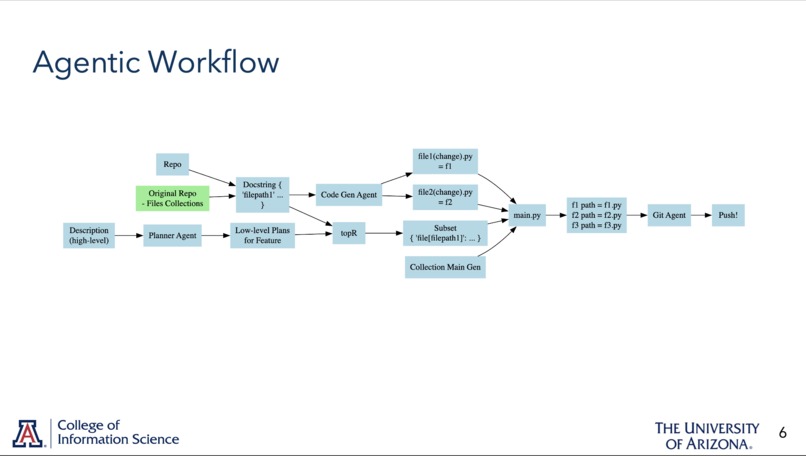
IntelliS takes a high‑level project description and automatically:
Extracts context: It gathers file-level docstrings and uses AI to interpret a detailed low‑level plan.
Generates code: For each file (or subset of files), it generates updated code based on the extracted docstrings and low‑level plans.
Visualizes changes: A built‑in file explorer highlights which files have been modified and offers a GitHub‑style diff view so you can review the changes.
Builds & runs: Finally, it assembles the updated files into a new main.py that you can execute to see the app in action.
How we built it
Frontend: Built with React, our interface includes a custom file explorer, progress bars, syntax highlighting (using react‑syntax‑highlighter), and a diff viewer (using React Diff Viewer) for code reviews.
Backend: We developed the backend using Flask in Python. It handles file uploads, interacts with AWS Bedrock to generate code updates, and manages local file storage. We also integrated endpoints to read JSON files (like docstrings and low‑level plans) to complete the pipeline.
Cloud Integration: The system leverages AWS Bedrock for AI-driven code transformation, using boto3 to call the model and process responses.
Challenges we ran into
Mapping File Structures: Converting a user’s local directory into a consistent, server‑side file structure required careful design to preserve relative paths and ensure accurate diff views.
CORS and API Integration: Coordinating between the React frontend and Flask backend (especially with dynamic file fetching and AI calls) involved resolving CORS issues and handling asynchronous data flows.
Accomplishments that we're proud of
Successfully automated the transformation from high‑level ideas to detailed code changes using AI. Built an intuitive, interactive file explorer with real‑time diff visualization. Integrated multiple systems—React, Flask, AWS Bedrock, and file management—into a cohesive tool. Overcame complex challenges with file system mapping and CORS configuration to ensure smooth user experience.
What we learned
The importance of clear, modular architecture when bridging high‑level requirements with low‑level code. How to integrate cloud‑based AI services into an end‑to‑end development pipeline. Best practices in handling file uploads, directory structures, and diff visualizations. The value of iterative development and close team collaboration in overcoming integration challenges.
What's next for IntelliS
Git Integration: Automatically commit and push updated code to repositories for seamless version control.
Advanced AI Models: Enhance our code generation accuracy by integrating newer, more powerful AI models.
User Customization: Allow users to adjust generation parameters and interactively review and approve changes.
Collaboration Tools: Build features for team reviews, inline comments, and feedback on generated code.
Production Deployment: Optimize performance and security for enterprise‑scale usage, including a robust deployment pipeline.
Built With
- amazon-web-services
- bedrock
- boto3
- flask
- git
- python
- react


Log in or sign up for Devpost to join the conversation.