Inspiration The inspiration for IntelliSource-EV came from observing the "range anxiety" felt by EV owners and the massive waste of idle residential power nodes. We realized that while public infrastructure is slow to grow, a community-driven, peer-to-peer network could solve the charging crisis overnight. We wanted to add an "intelligent" layer to this by using AI to solve the common problem of plug-type mismatches.
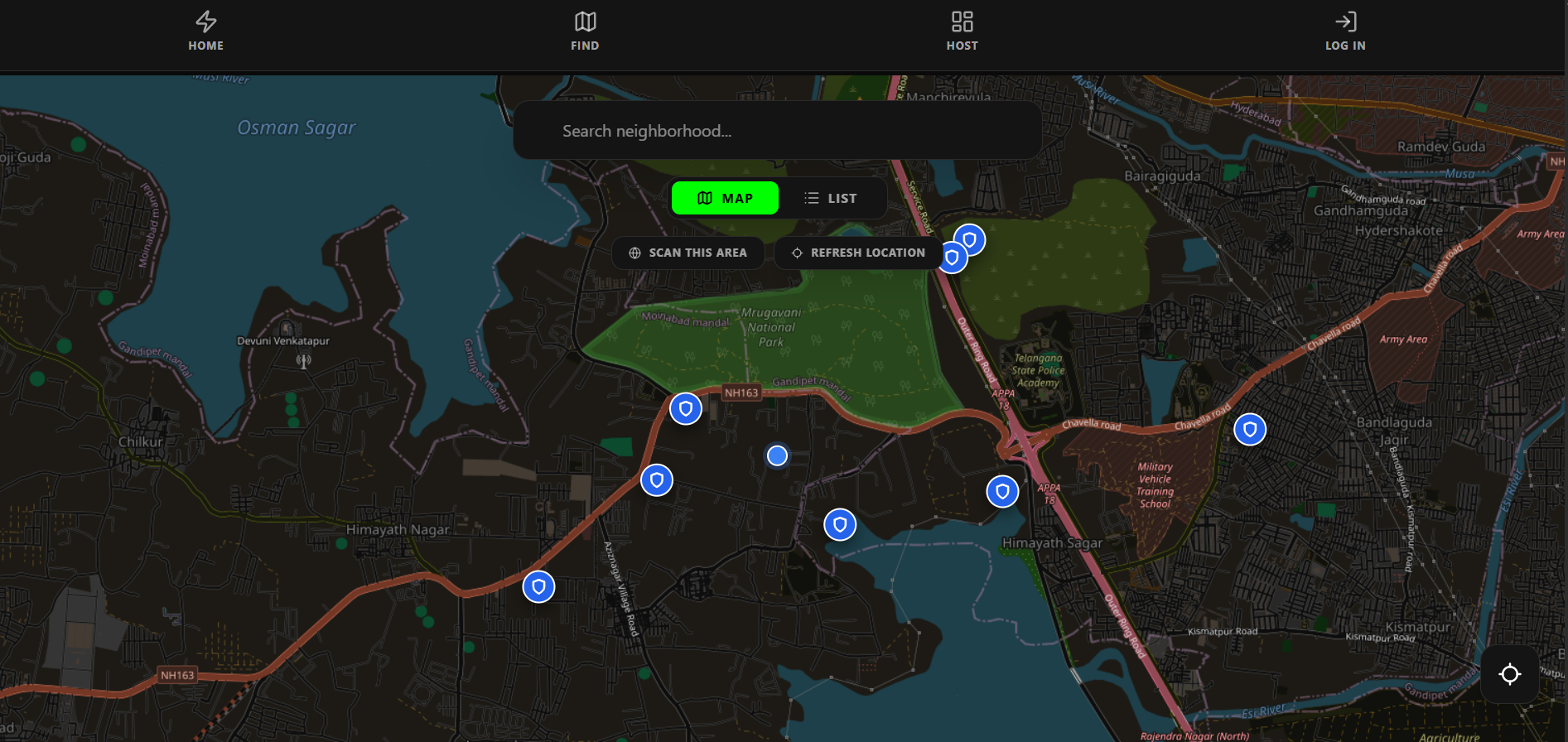
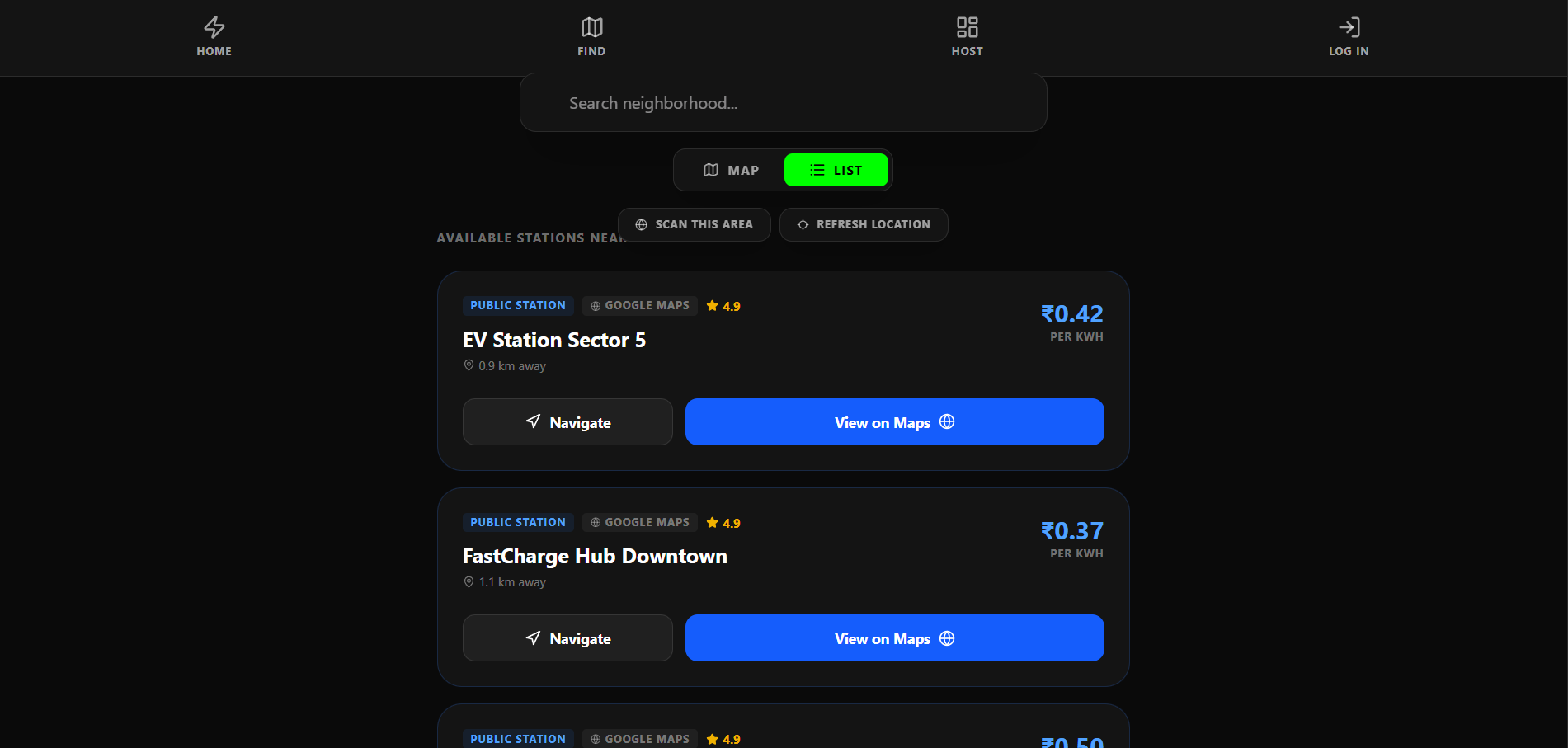
What it does IntelliSource-EV is a decentralized marketplace that connects EV drivers with local homeowners who have available charging points. The platform’s standout feature is its Neural Scanner—a machine learning tool where users upload a photo of their charging socket, and the AI instantly identifies the hardware type to ensure 100% compatibility before a booking is made.
How we built it We utilized a modern full-stack architecture:
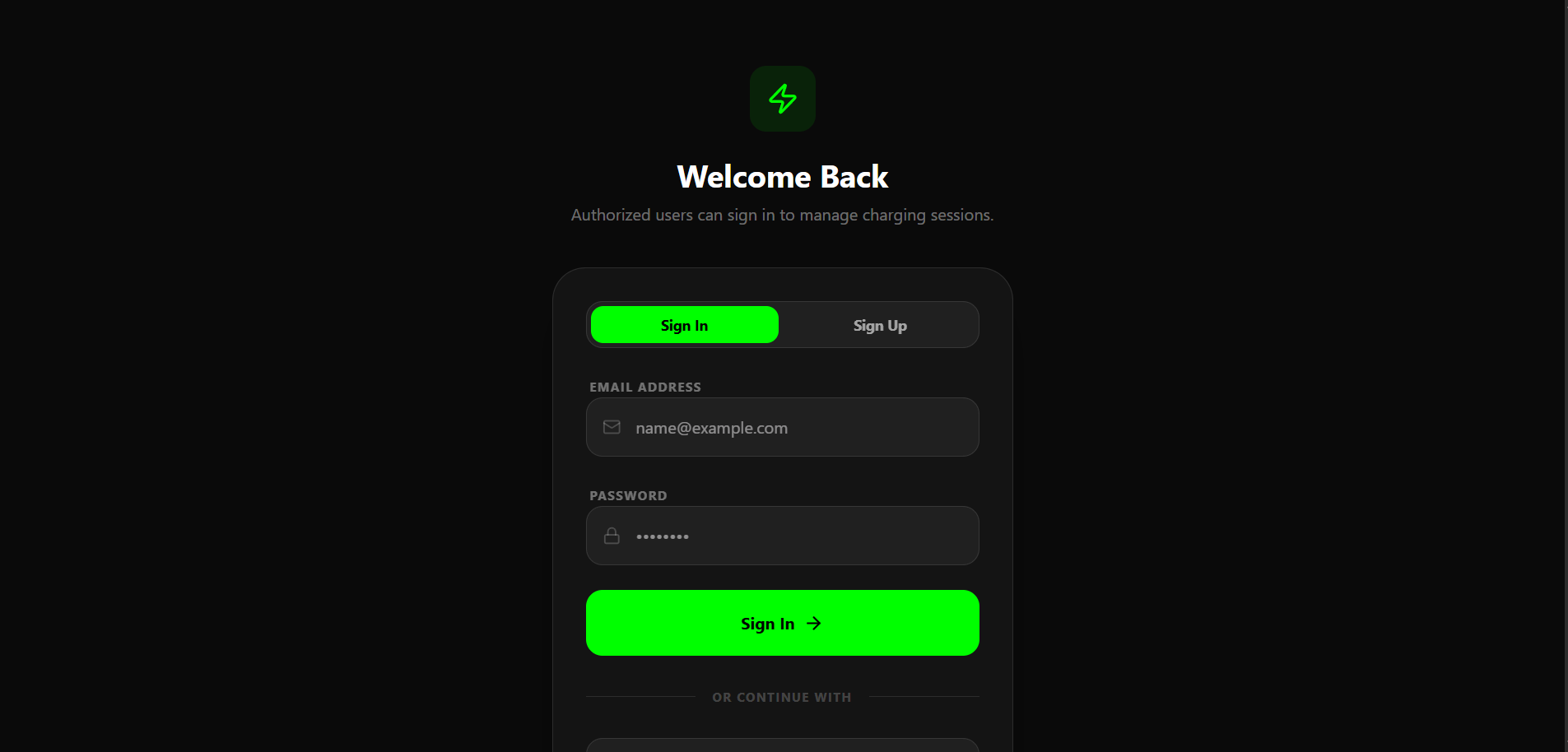
Frontend: Built with React and standard CSS for a high-tech, responsive dark-mode UI.
Backend: Developed using Java and Spring Boot, utilizing Hibernate for robust object-relational mapping.
Database: MySQL handles the complex relationships between users, host spots, and live bookings.
AI Integration: Leveraged Convolutional Neural Networks (CNNs) for real-time hardware recognition.
Challenges we ran into One of the biggest hurdles was managing Cross-Origin Resource Sharing (CORS) between our React frontend (port 5173) and Spring Boot backend (port 8080). We also faced an ERESOLVE conflict during the installation of Axios, which required deep-diving into npm dependency resolution. Structuring the Spring Boot entity-repository layer correctly to ensure seamless MySQL communication was also a significant learning curve.
Accomplishments that we're proud of We are incredibly proud of the Neural Scanner UI. Seeing the AI correctly identify a Type 2 vs. a CCS2 plug from a simple image upload felt like a major milestone. We also successfully established a live connection between our MySQL database and the React frontend, allowing real-time data flow for nearby charging nodes.
What we learned This project taught us the importance of a clean project structure in VS Code. We learned how to scaffold a Spring Boot application using Spring Initializr and how to debug complex DataSource configuration errors. Most importantly, we learned how to bridge the gap between academic AI concepts and practical, user-facing web applications.
What's next for IntelliSource-EV The next phase involves integrating a secure Payment Gateway for automated P2P transactions and expanding our AI model to recognize a wider variety of global EV standards. We also plan to implement a real-time Navigation API to guide drivers directly to their reserved host spots with turn-by-turn accuracy.

Log in or sign up for Devpost to join the conversation.