-
-
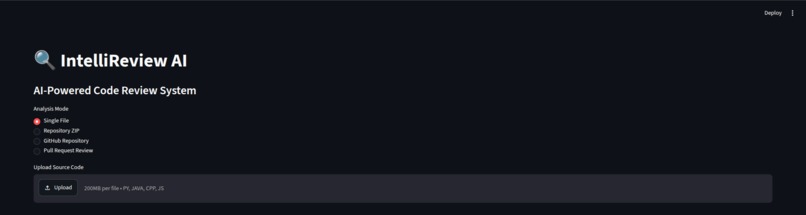
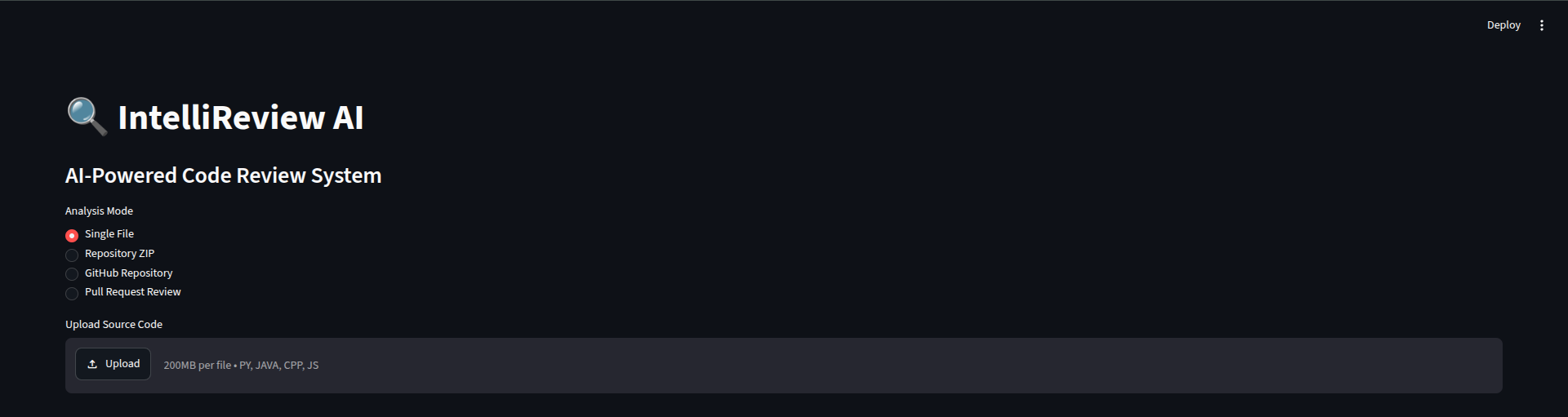
Home Page
-
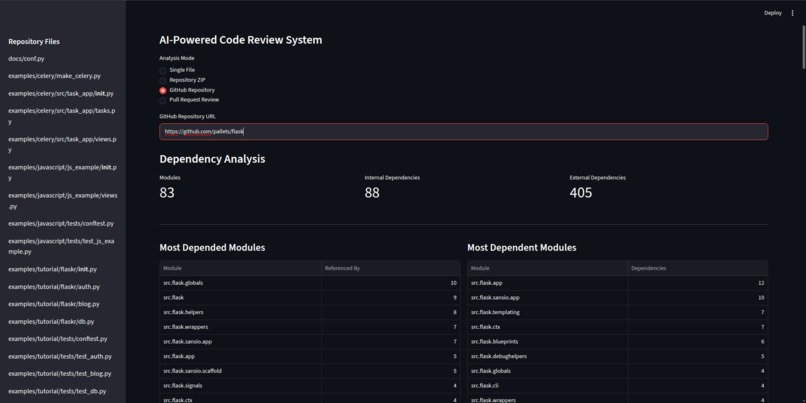
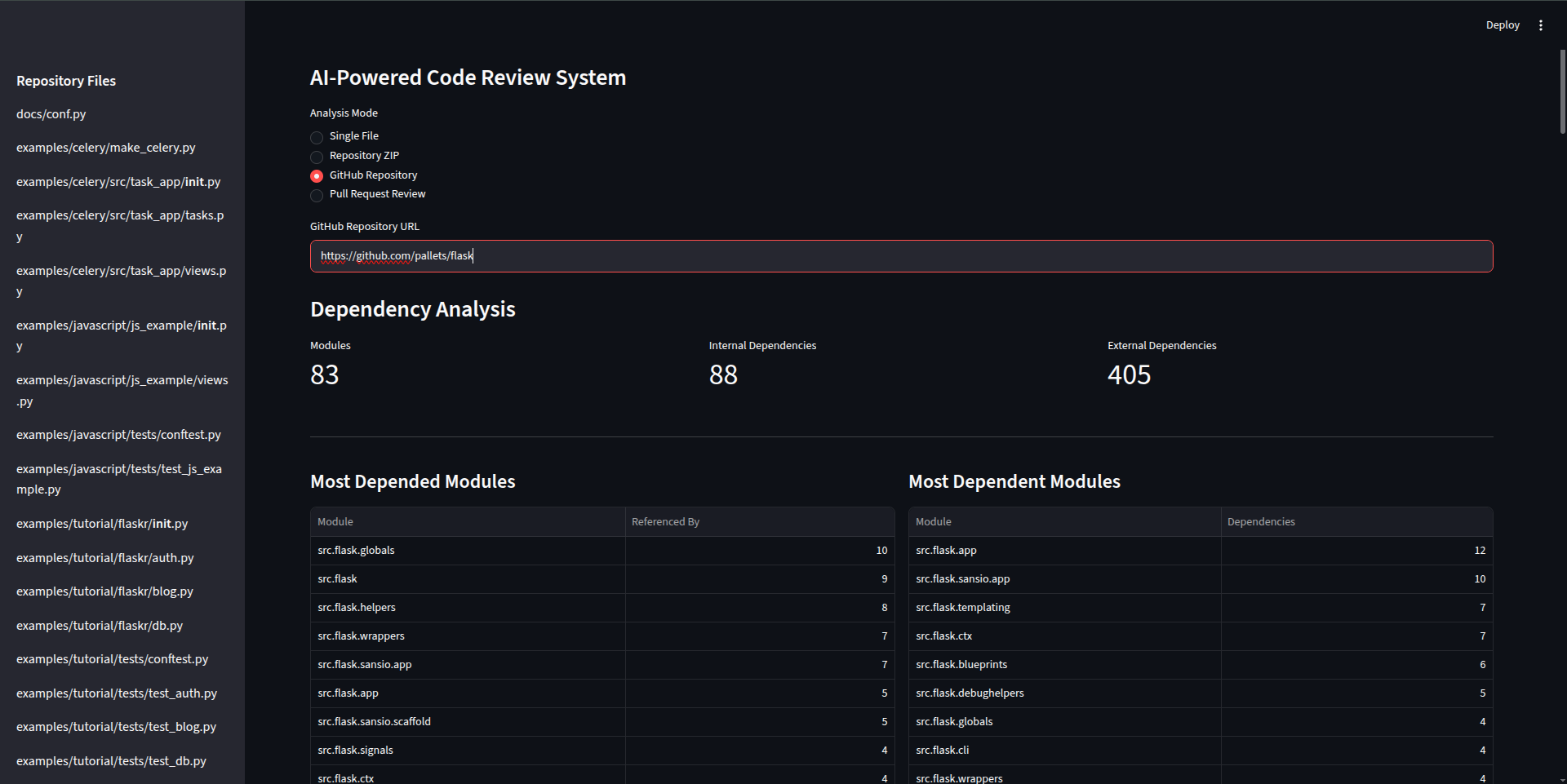
Result Page
-
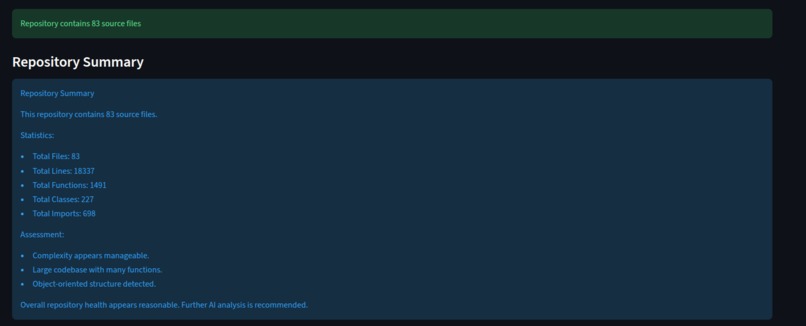
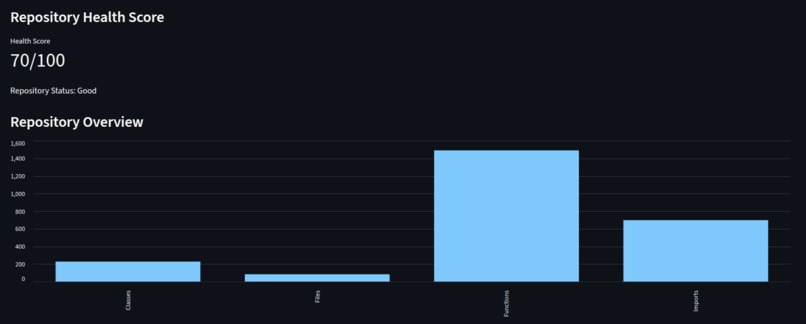
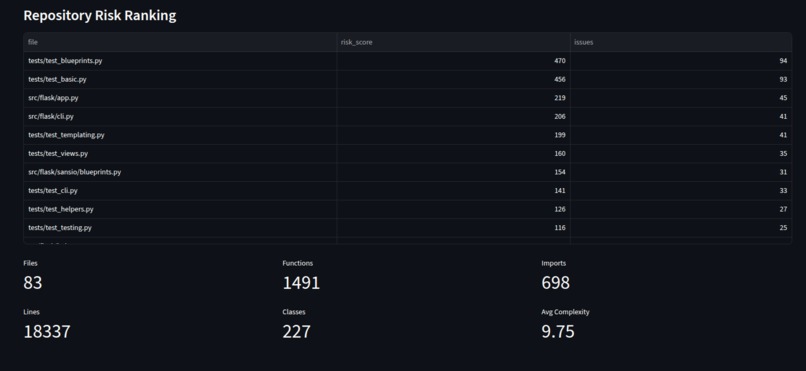
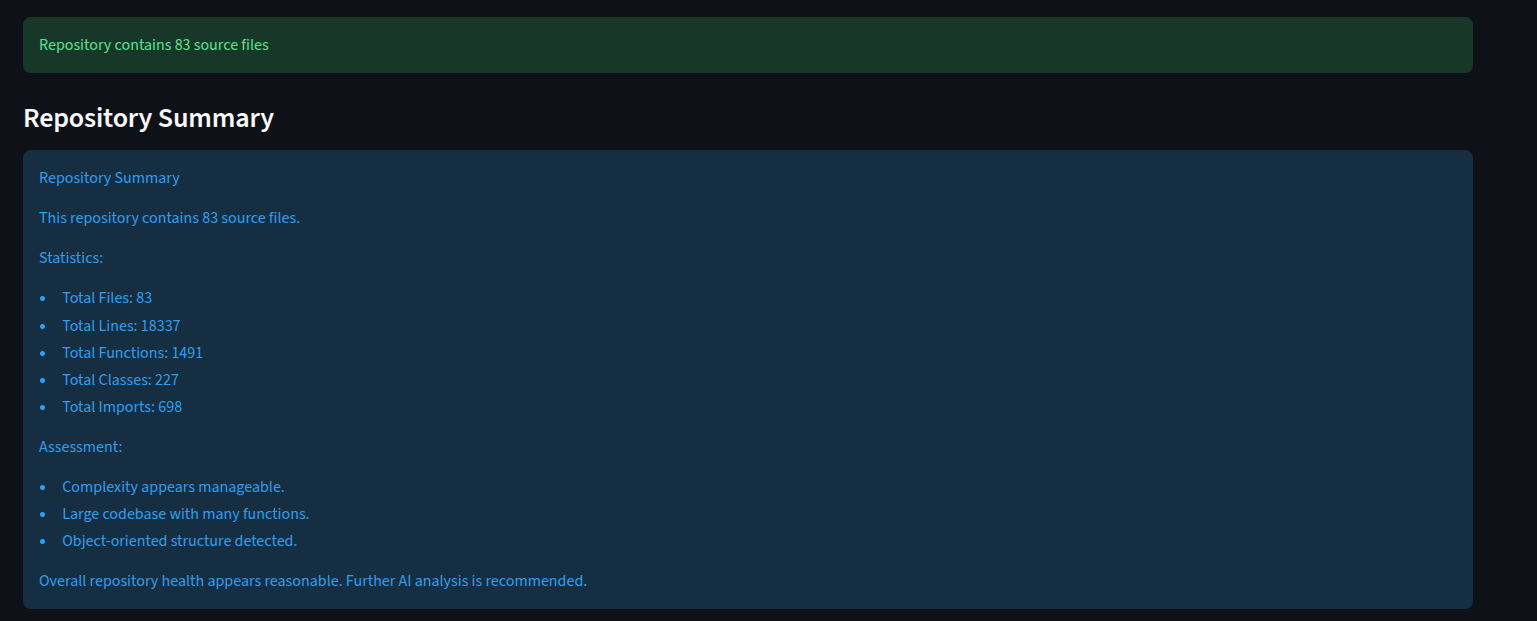
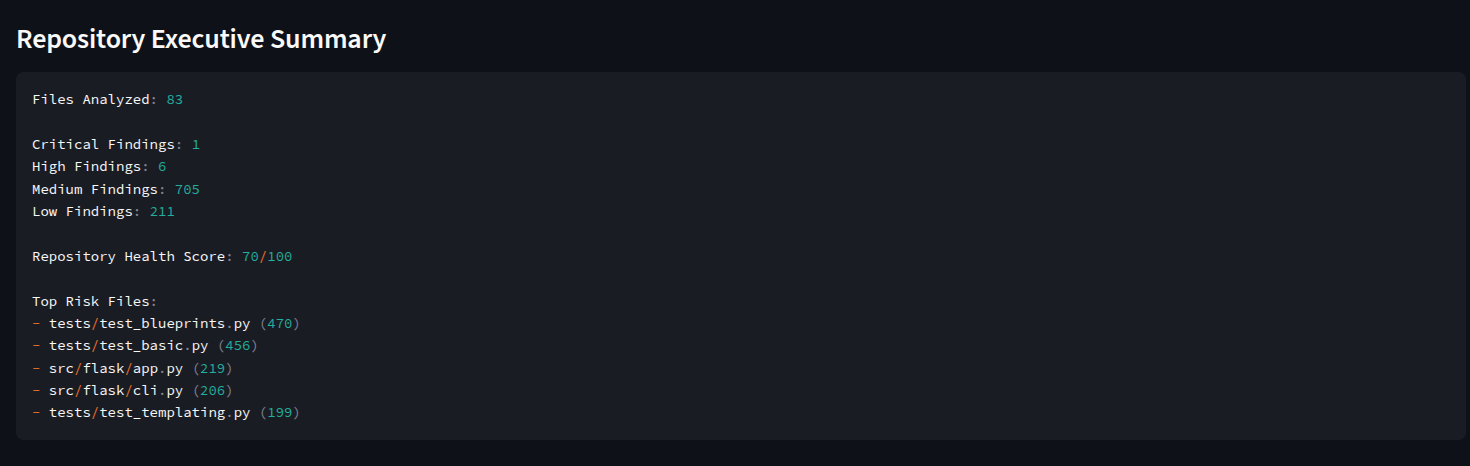
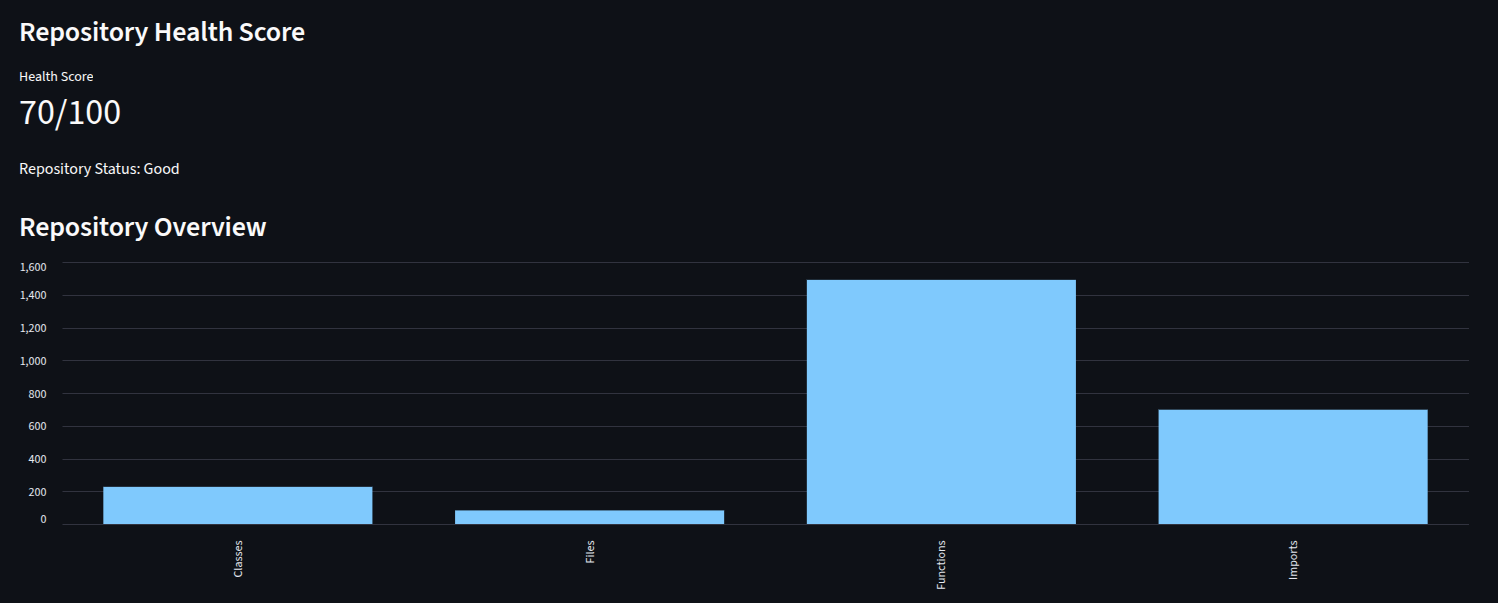
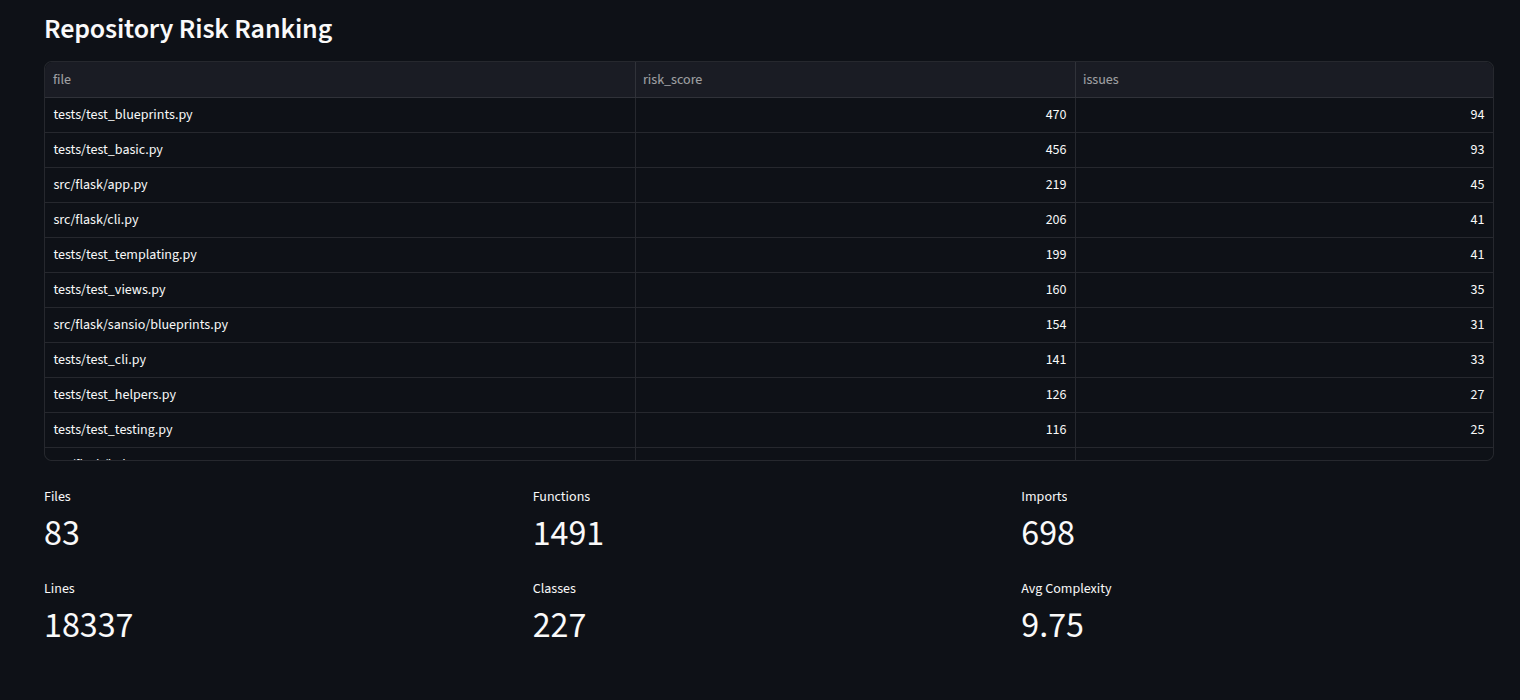
Repository Summary
-
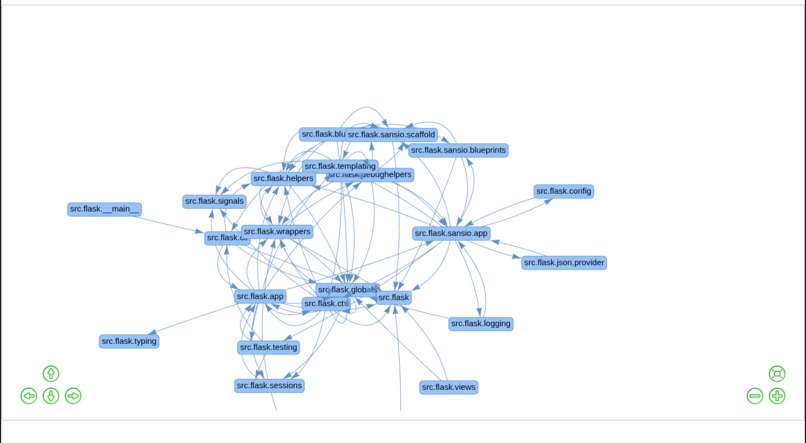
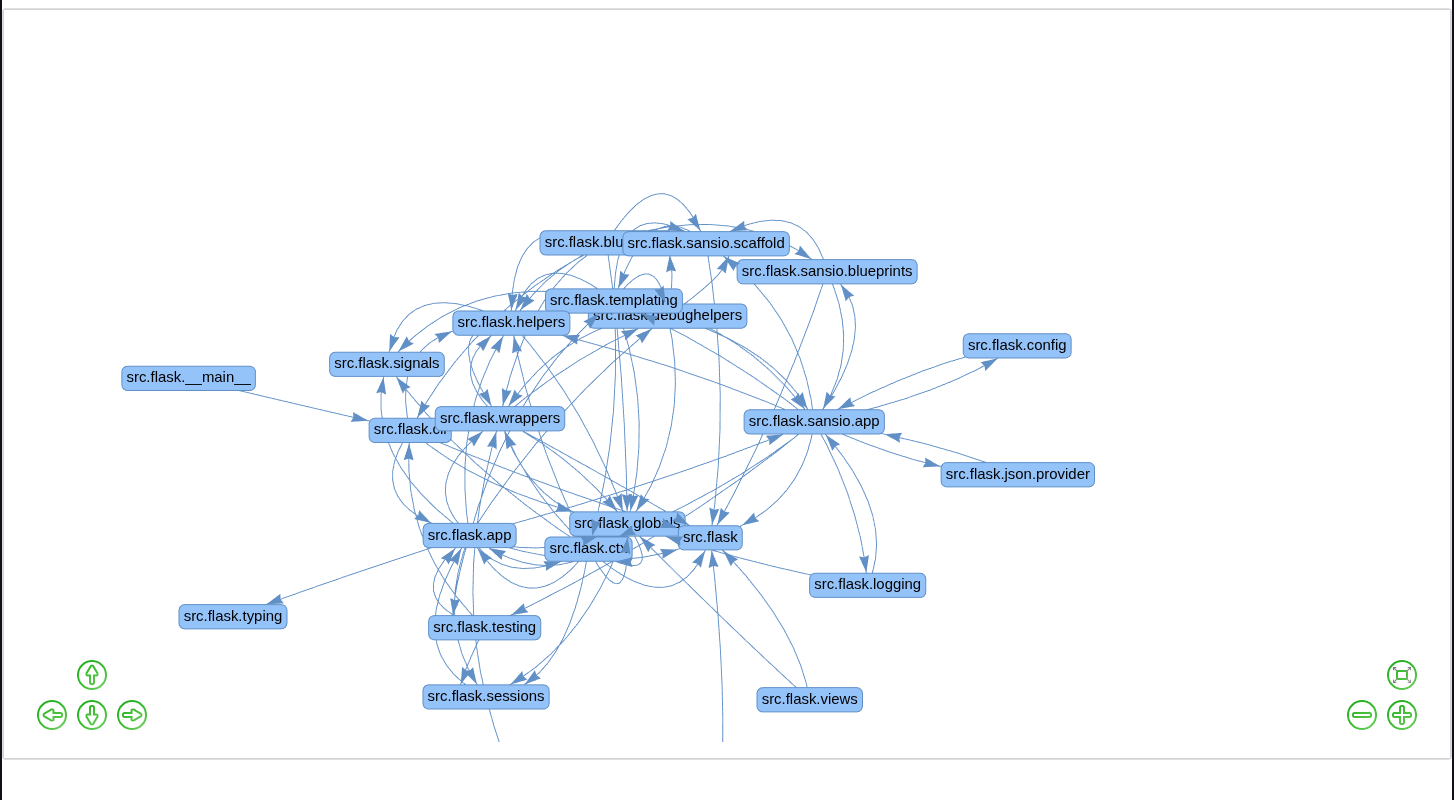
Dependency Graph
-

-
-
-
-
-
-
-

-
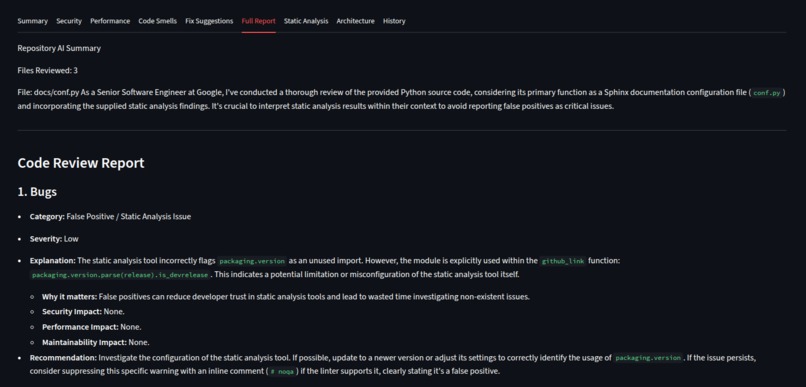
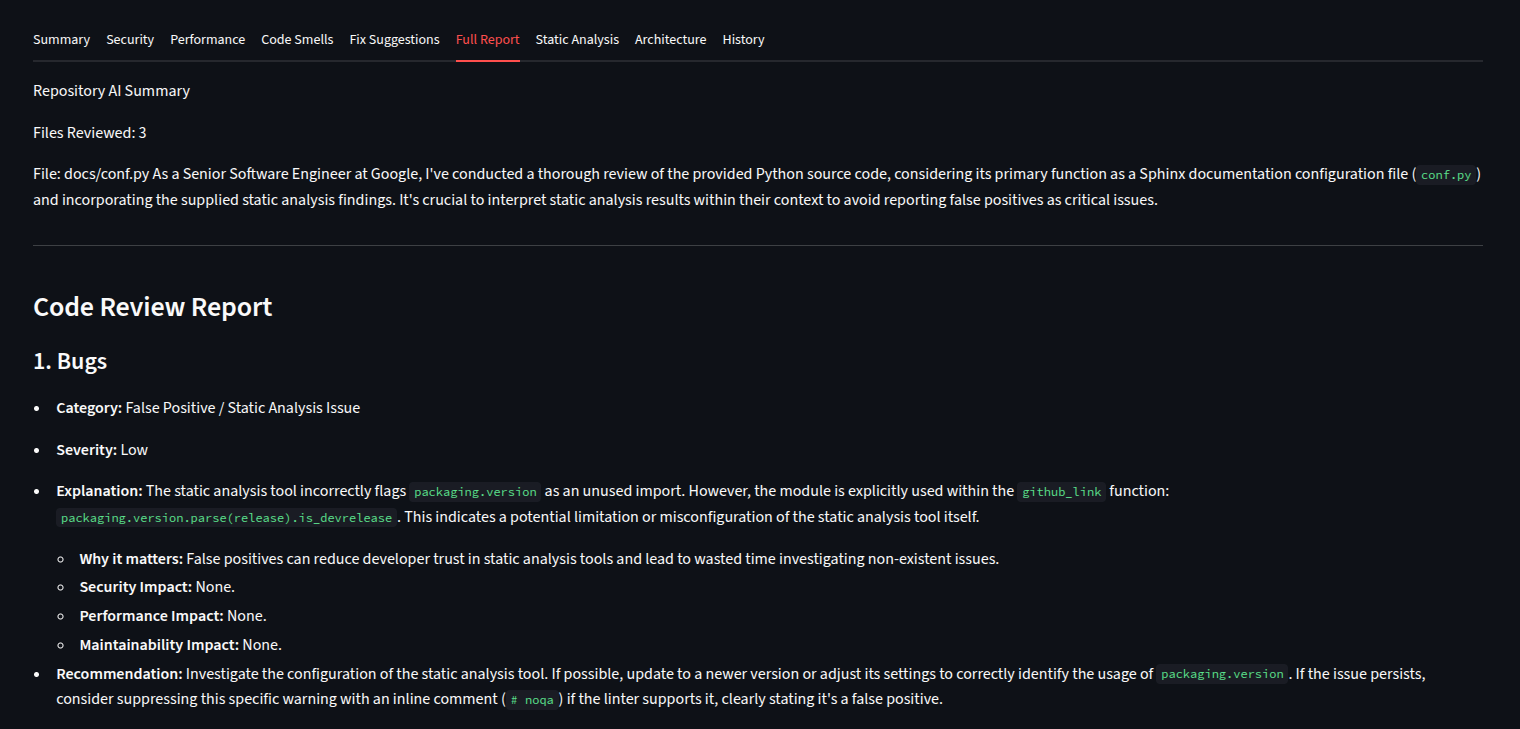
Full Report
-
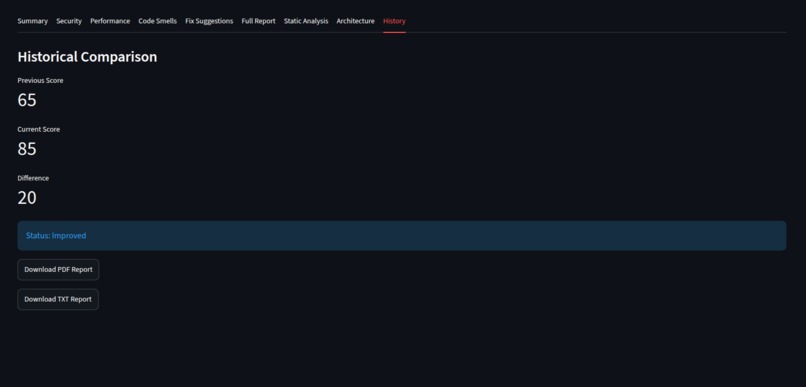
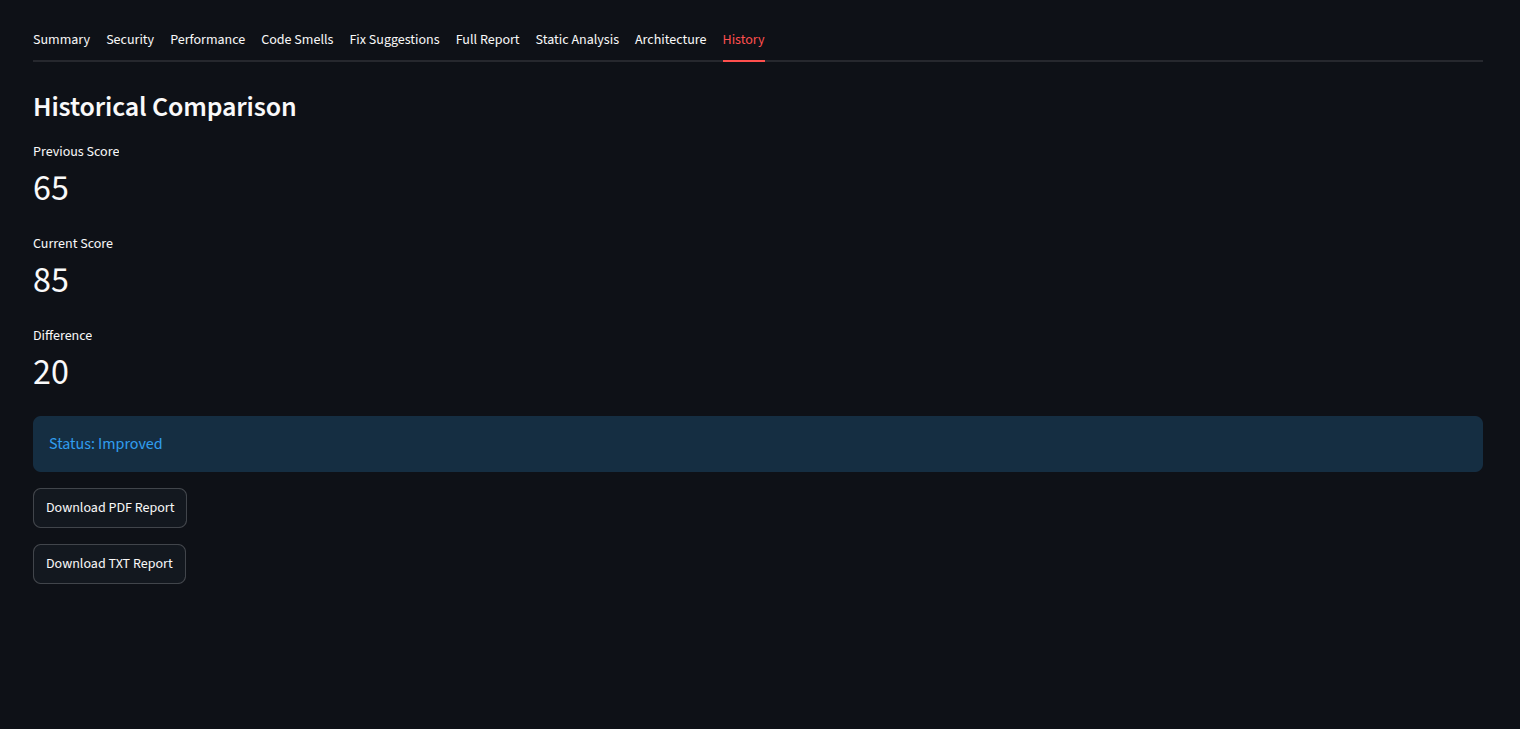
History and Download Full report

Inspiration
What it does
How we built it
Challenges we ran into
Accomplishments that we're proud of
What we learned
What's next for IntelliReview AI
Inspiration
We both work as undergraduate students on the same engineering team, and after spending over a year working on large codebases, we realized how difficult it was to understand code written by others and the exact purpose behind every module.
Whenever we found bugs, code smells, or architectural issues, we would manually note them down on paper to keep track of them during development. This process was repetitive, time-consuming, difficult to maintain, and inefficient as projects continued to grow.
At the same time, we looked at how modern software engineering is evolving. Today's software systems are becoming increasingly large and complex, making manual code reviews difficult to scale. Traditional static analysis tools can detect issues, but they usually present isolated warnings without explaining their overall impact on the health and maintainability of an entire project.
We wanted a solution that could analyze an entire repository, identify the most important engineering problems, prioritize them based on their impact, explain why they matter, and generate actionable insights in one place.
That idea became IntelliReview AI-an AI-powered Engineering Intelligence Platform that combines repository analysis, dependency visualization, technical debt estimation, architecture evaluation, security analysis, and AI-generated recommendations to help developers understand, review, and improve their codebases more effectively.
What it does
IntelliReview AI is an AI-powered Engineering Intelligence Platform that analyzes source code at both file and repository levels.
The platform currently supports:
- Single file code review
- Repository ZIP analysis
- GitHub repository analysis
- Pull Request review
- AI-generated code review reports
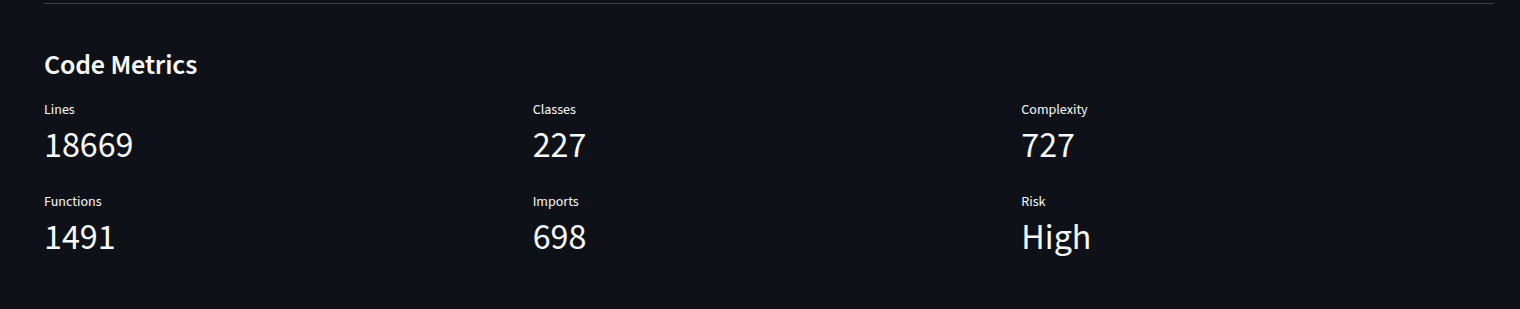
- Repository health scoring
- Technical debt analysis
- Interactive dependency graph visualization
- Circular dependency detection
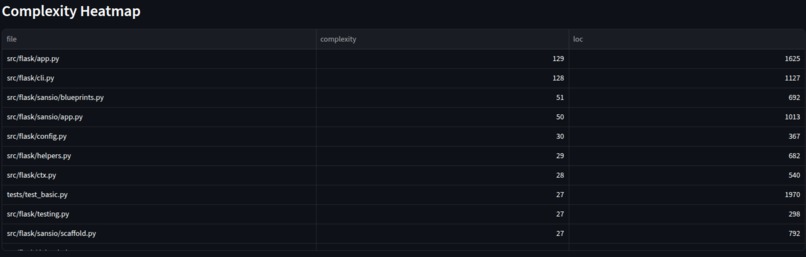
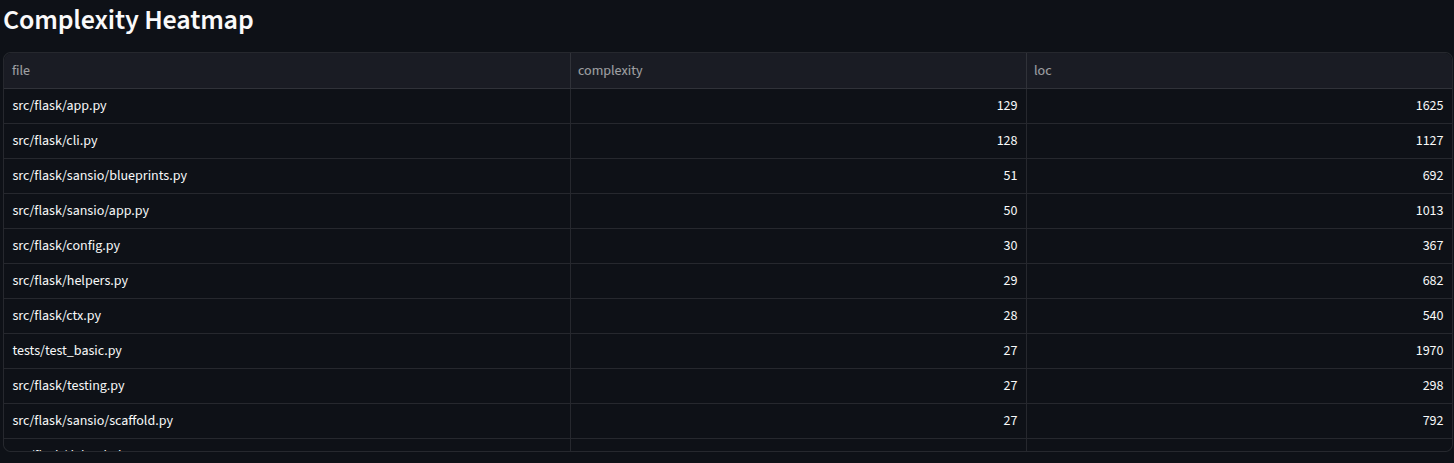
- Complexity heatmap generation
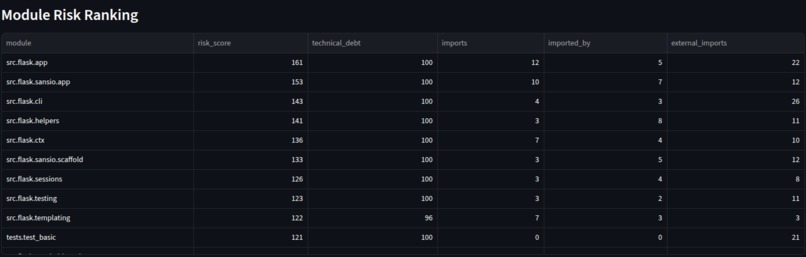
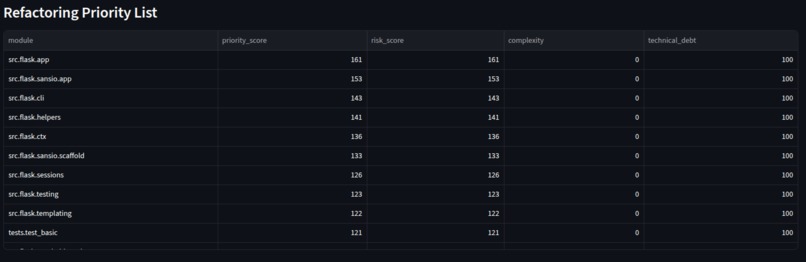
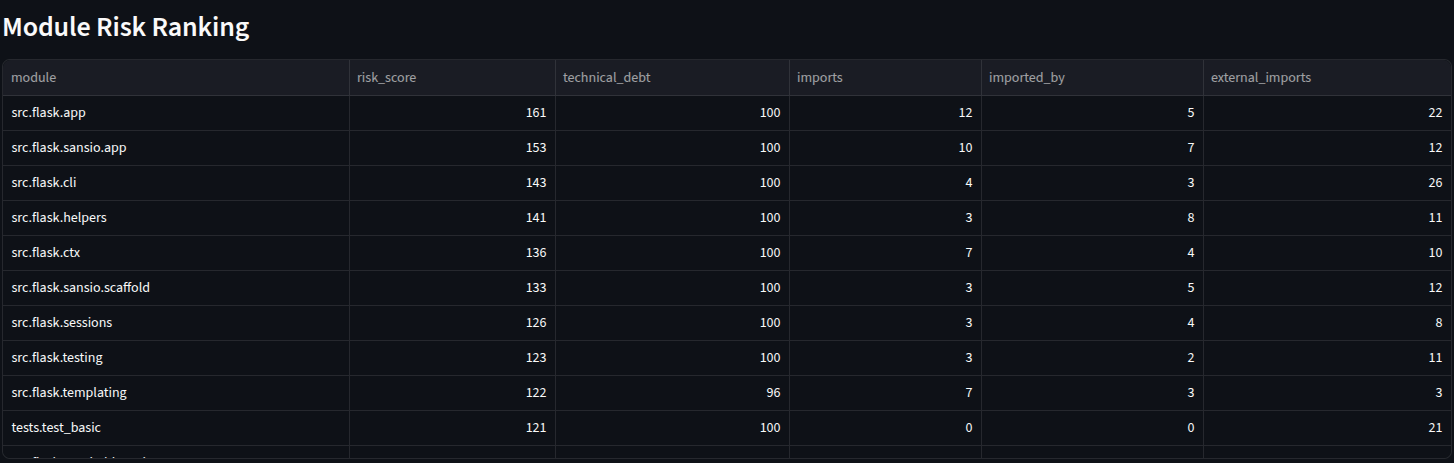
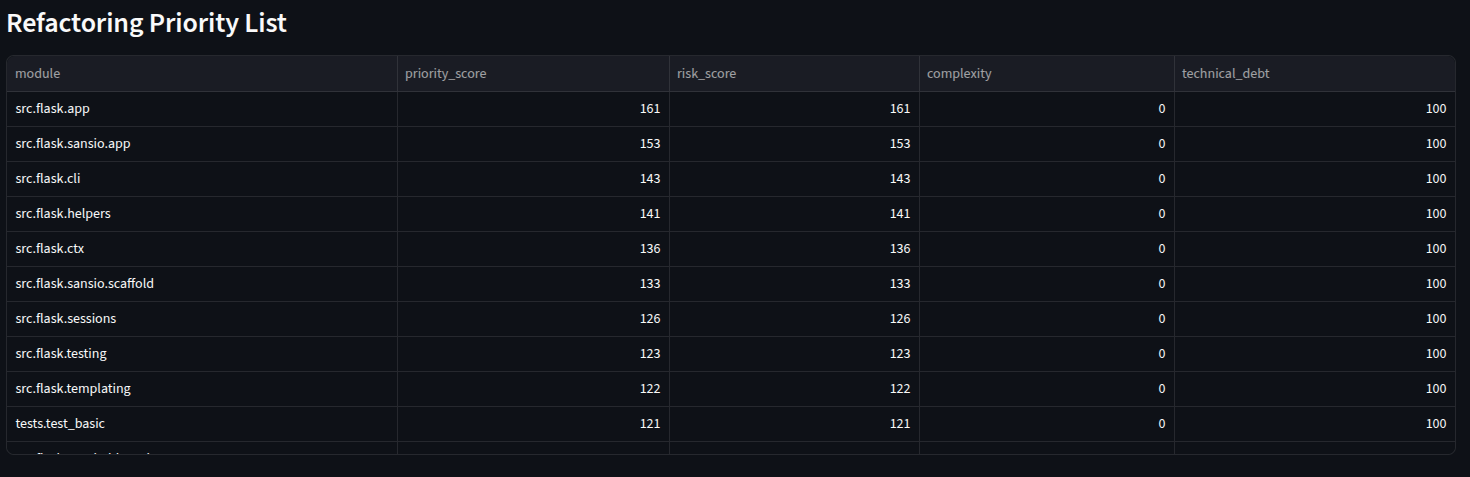
- Module risk ranking
- Security vulnerability detection
- Root cause analysis
- Repository architecture analysis
- AI-powered fix suggestions
- Historical quality comparison
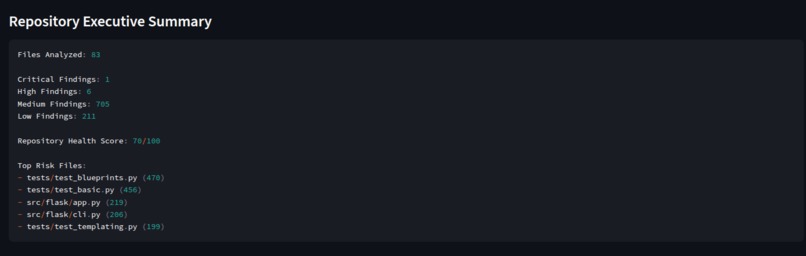
- Executive summaries
- PDF and text report generation
The goal is to help developers quickly understand the health of an entire software project rather than manually reviewing thousands of lines of code.
How we built it
The application is built using a modular architecture where every analysis component is implemented as an independent analyzer.
The backend performs:
- Repository extraction and parsing
- AST-based code analysis
- Static analysis
- Repository metrics collection
- Dependency graph construction
- Technical debt scoring
- Security analysis
- Architecture evaluation
- Risk ranking
- Executive summary generation
Google Gemini powers the AI review engine, generating human-readable insights and actionable recommendations from the collected analysis.
The frontend is implemented using Streamlit, providing an interactive dashboard with visualizations, metrics, and downloadable reports.
Challenges we ran into
One of the biggest challenges was combining multiple analysis techniques into a single coherent workflow.
Some of the engineering challenges included:
- Building repository-wide dependency graphs
- Detecting circular dependencies
- Calculating repository-level technical debt
- Ranking modules based on engineering risk
- Integrating AI-generated insights with deterministic static analysis
- Keeping the architecture modular while adding new analysis capabilities
Balancing detailed analysis with usability was another major challenge, as the platform needed to present complex engineering information in a way that developers could quickly understand.
Accomplishments that we're proud of
We successfully built a platform capable of analyzing complete repositories instead of individual files.
Some highlights include:
- Interactive dependency visualization
- Repository health scoring
- Technical debt estimation
- Complexity heatmaps
- Architecture analysis
- Security analysis
- AI-generated engineering recommendations
- Professional PDF reporting
- Support for GitHub repositories and ZIP uploads
- Modular analyzer architecture that can be extended with additional analysis engines
What we learned
Developing IntelliReview AI demonstrated that combining deterministic static analysis with large language models provides significantly more actionable insights than either approach alone.
We also learned the importance of modular software architecture when building engineering tools that continue to evolve with new analysis capabilities.
What's next for IntelliReview AI
Our roadmap includes:
- Multi-language repository support
- CI/CD integration
- GitHub Actions support
- Incremental repository analysis
- Team dashboards
- Trend analysis across commits
- AI-powered automated pull request reviews
- Code ownership analysis
- Repository quality forecasting
- Support for enterprise-scale repositories


Log in or sign up for Devpost to join the conversation.