Inspiration
One of our teammate’s brother met with an accident and was advised regular physiotherapy exercises as part of his recovery. Although the exercises were simple, the biggest challenge was consistency he found them boring, repetitive, and easy to postpone. This highlighted a real problem we saw firsthand: recovery often fails not because of bad treatment, but because patients struggle to stay motivated. That experience became the core inspiration behind IntelliRehab.
What it does
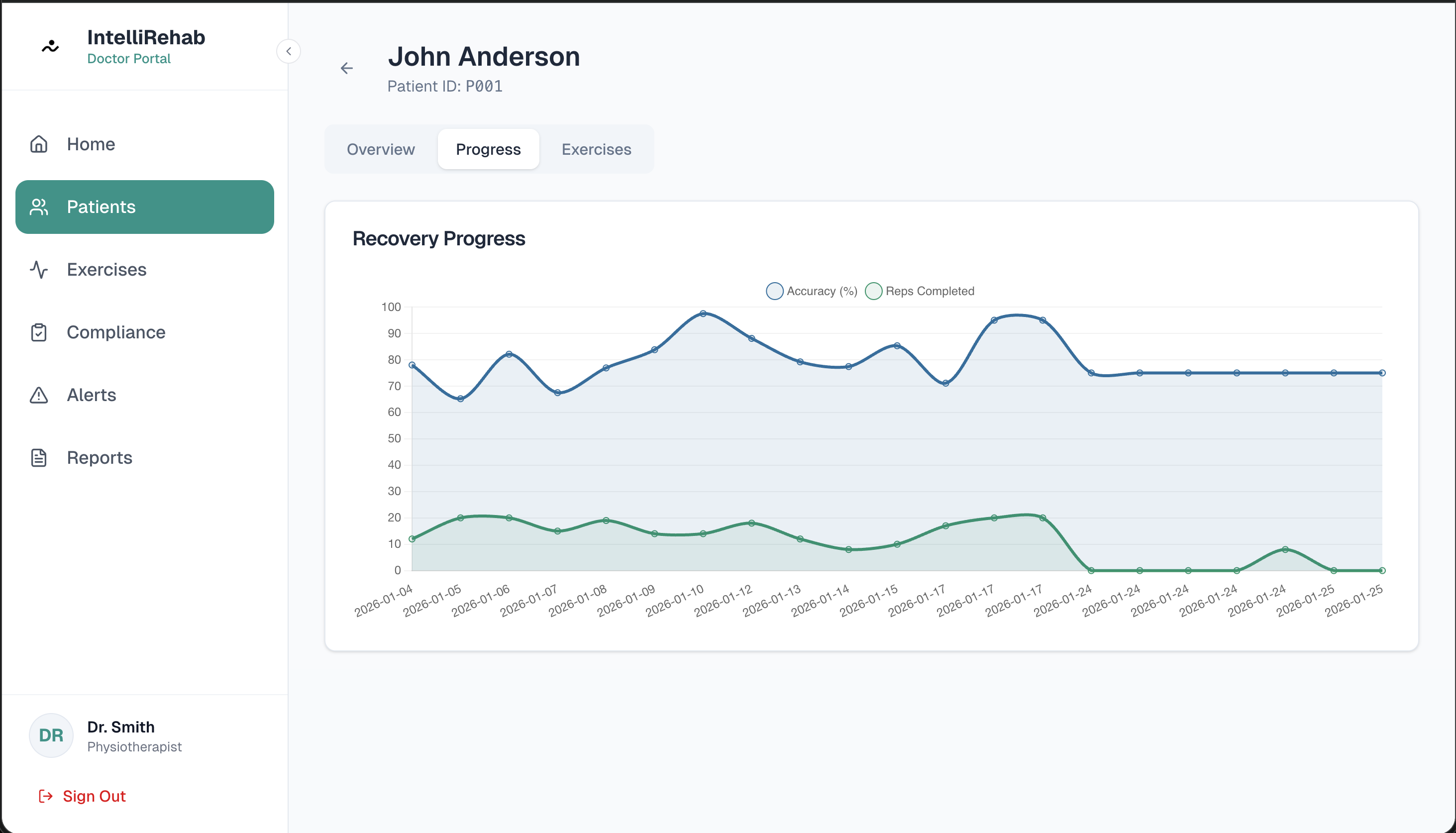
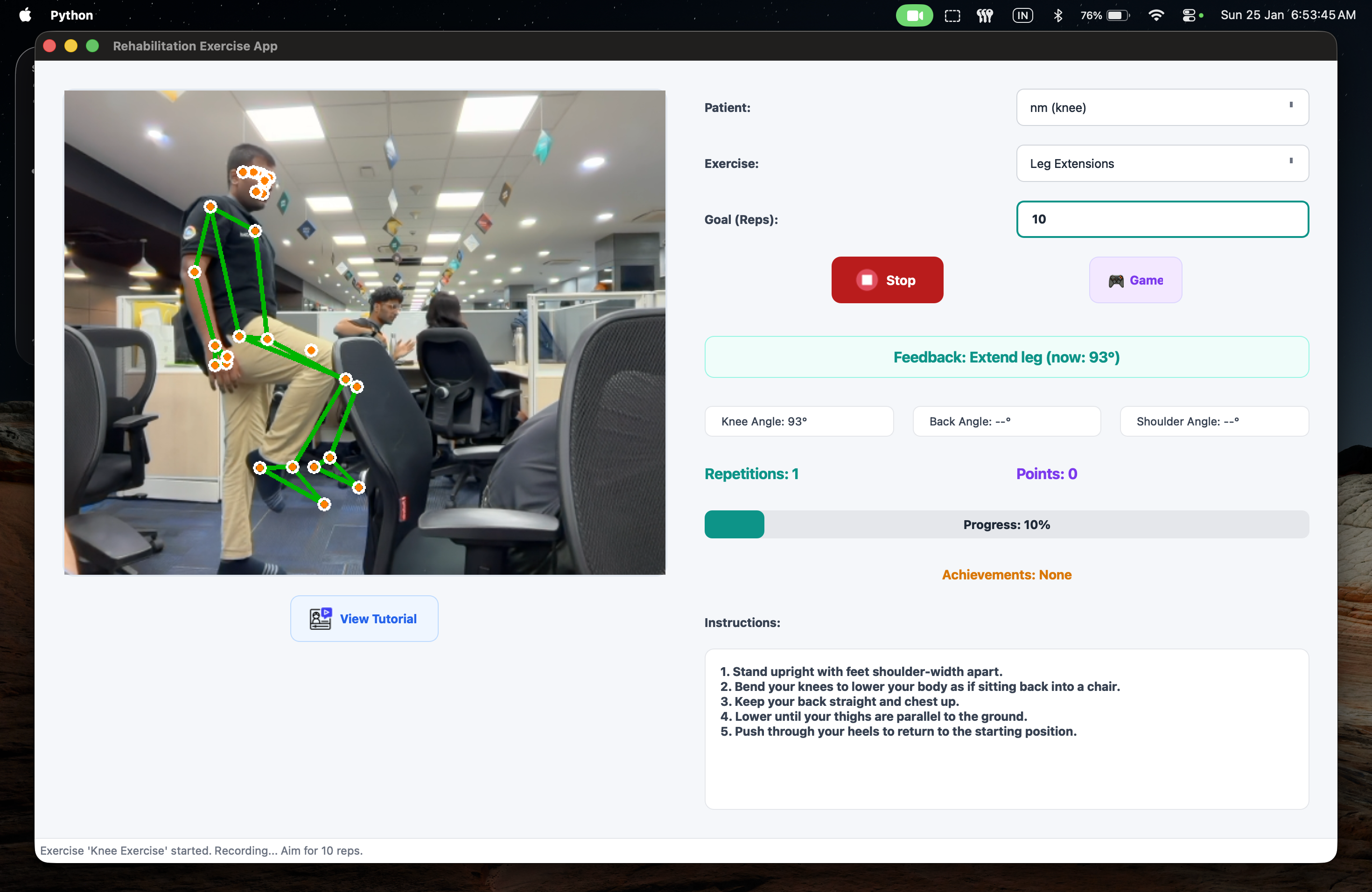
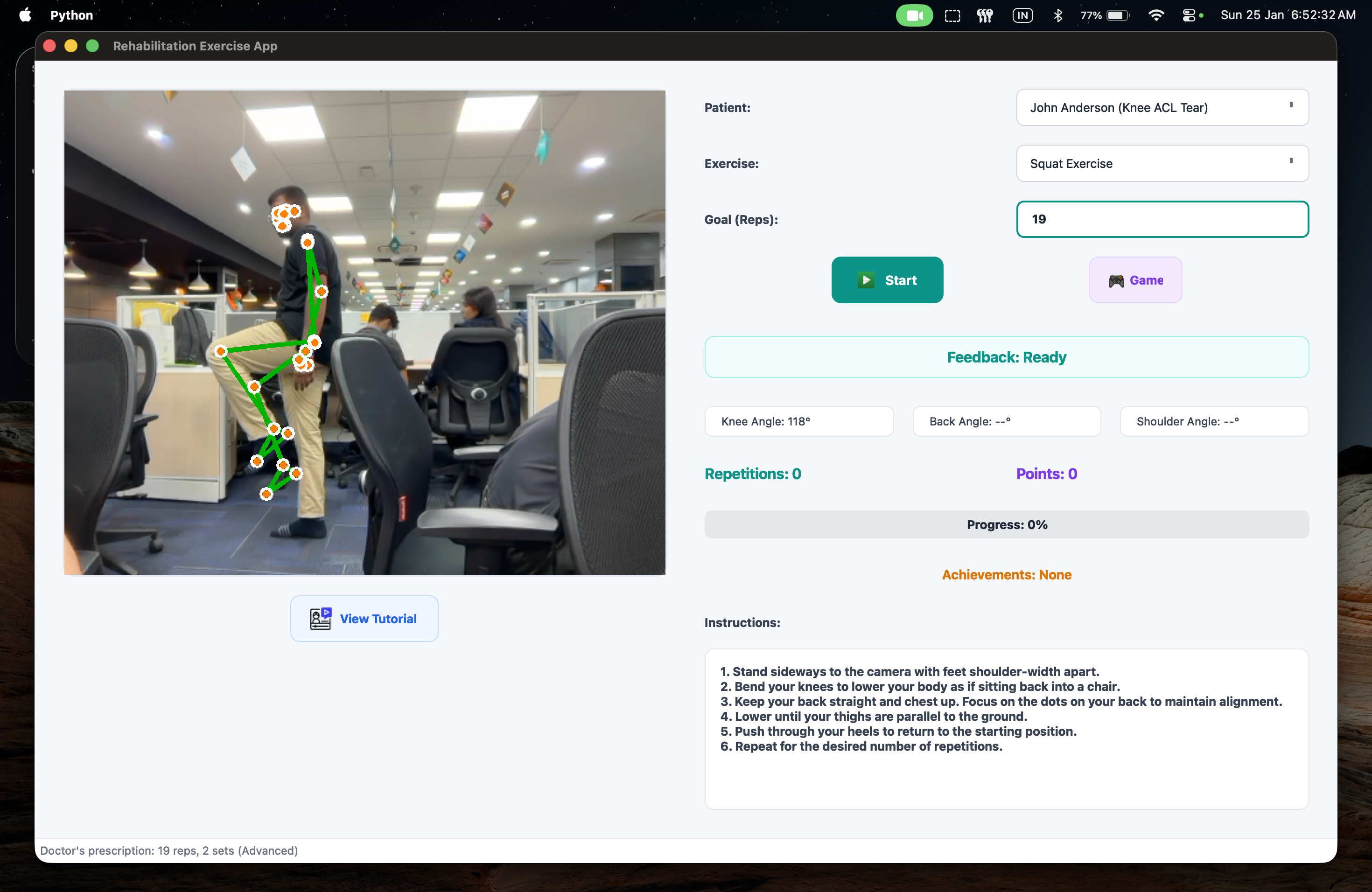
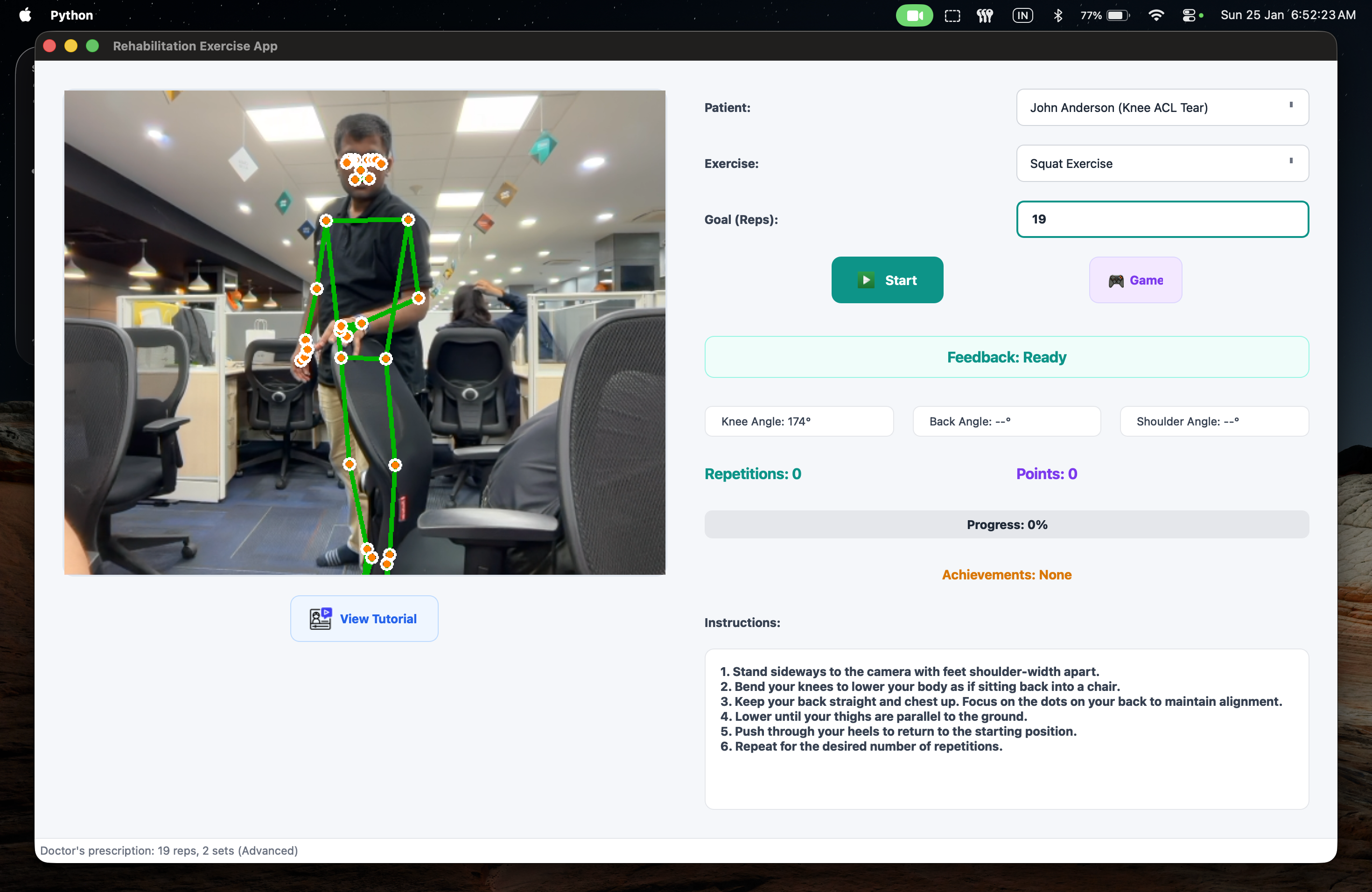
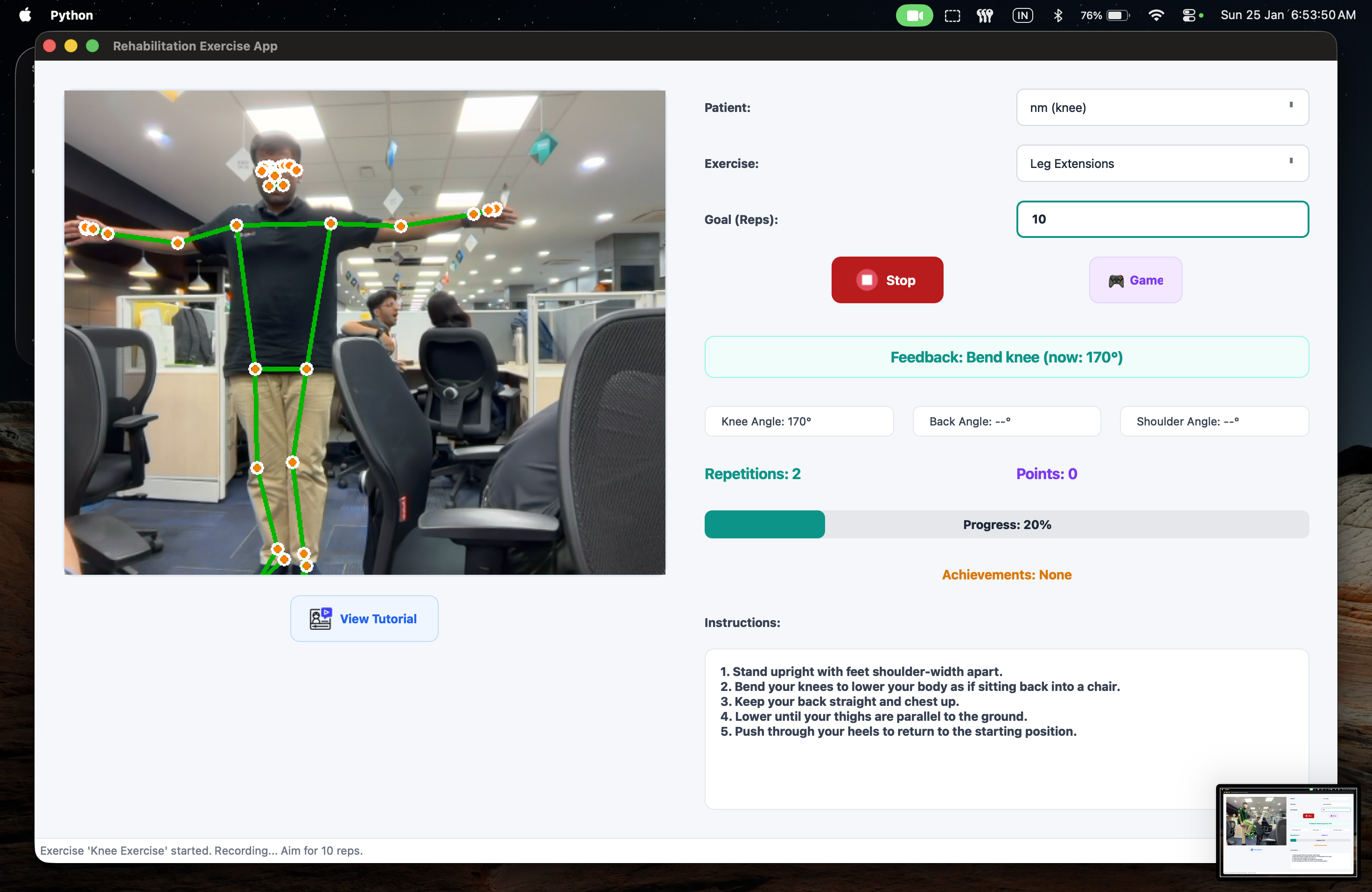
IntelliRehab is a gamified virtual reality–based motion rehabilitation system that transforms traditional physiotherapy exercises into immersive, interactive experiences. Patients perform prescribed rehab movements inside VR-based mini-games while the system tracks range of motion, accuracy, repetitions, and improvement in real time. Instant feedback helps patients correct movements, and progress data allows therapists to objectively monitor recovery.
How we built it
We built IntelliRehab using a VR environment integrated with motion tracking to capture body and joint movements. Physiotherapy exercises are mapped directly to game mechanics such as hitting targets, maintaining balance, or completing levels. A backend system stores session-wise performance metrics, enabling progress visualization and future analytics. The architecture is modular, allowing easy addition of new exercises and rehab protocols.
Challenges we ran into
Accurately mapping real-world movements into VR while minimizing noise and latency was a major challenge. Another challenge was ensuring that gamification did not compromise medical correctness — the movements had to remain clinically valid. We also had to balance immersion and comfort to avoid fatigue or motion discomfort during longer sessions.
Accomplishments that we're proud of
Within a hackathon timeframe, we built a functional prototype that demonstrates real-time motion tracking, gamified rehabilitation exercises, and measurable progress feedback. More importantly, we validated the idea against a real-world problem that one of our teammates had personally experienced.
What we learned
We learned that motivation is just as critical as treatment in healthcare. Small design choices in feedback, rewards, and progression can drastically improve user adherence. On the technical side, we gained hands-on experience with VR development, motion data handling, and designing human-centered healthcare systems.
What's next for IntelliRehab
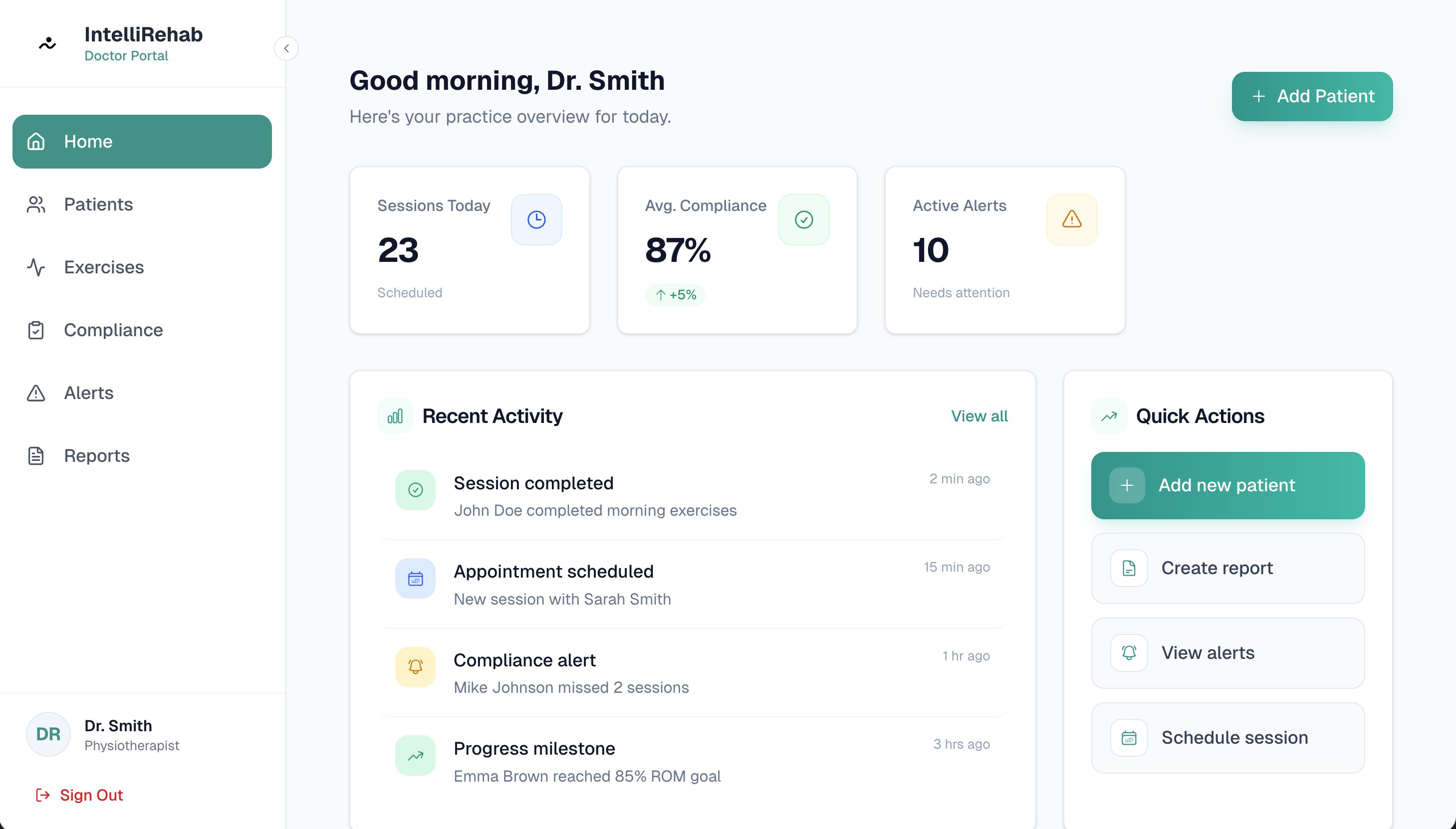
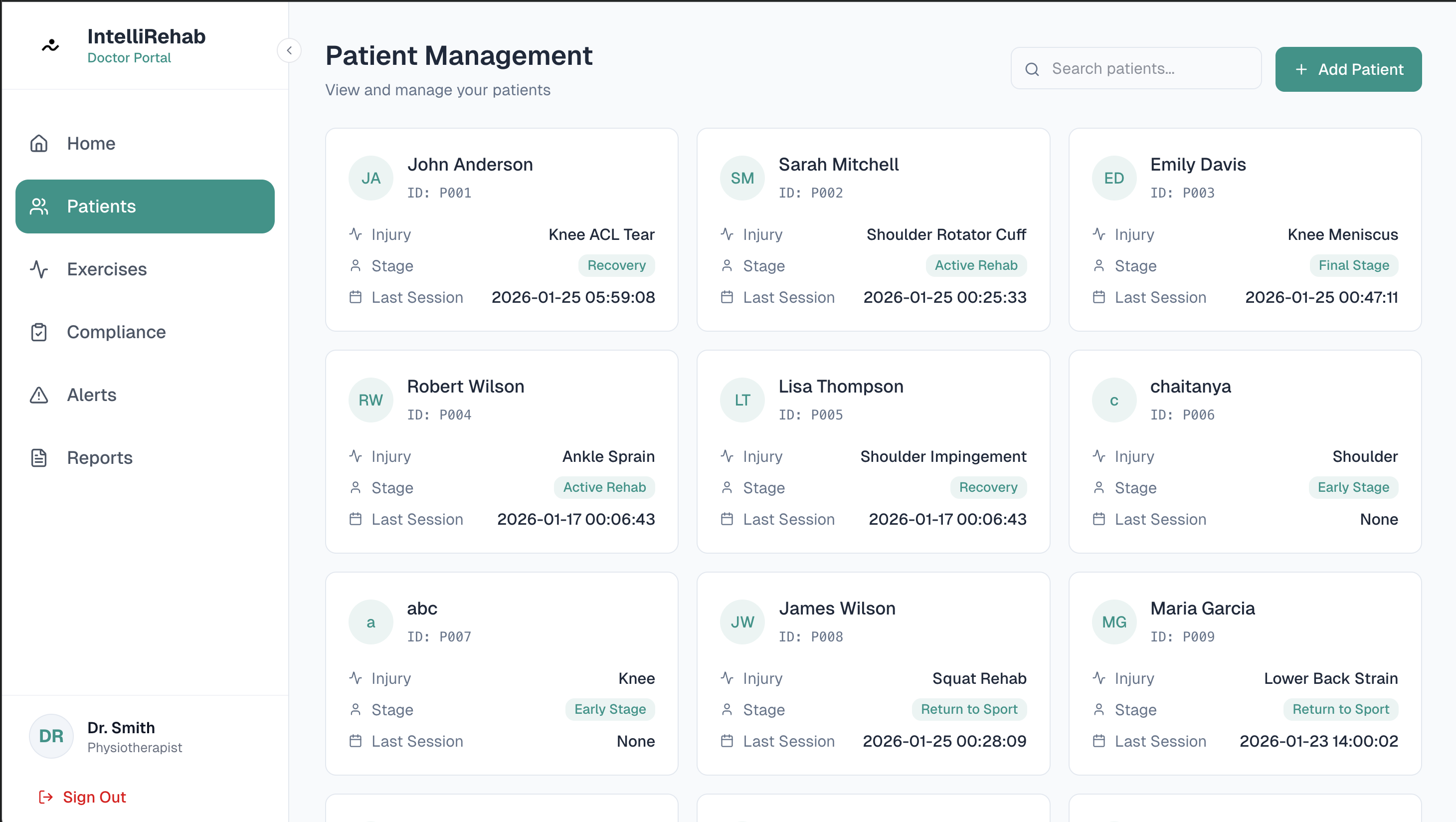
Next, we plan to enhance motion accuracy, add personalized rehab plans tailored to injury type, and build a therapist dashboard for remote monitoring. We also aim to explore home-based rehabilitation, AI-assisted progress analysis, and clinical pilot testing to validate effectiveness at scale.

Log in or sign up for Devpost to join the conversation.