-
-
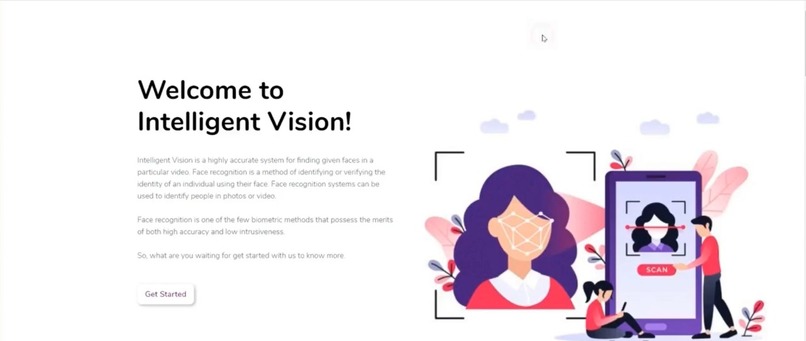
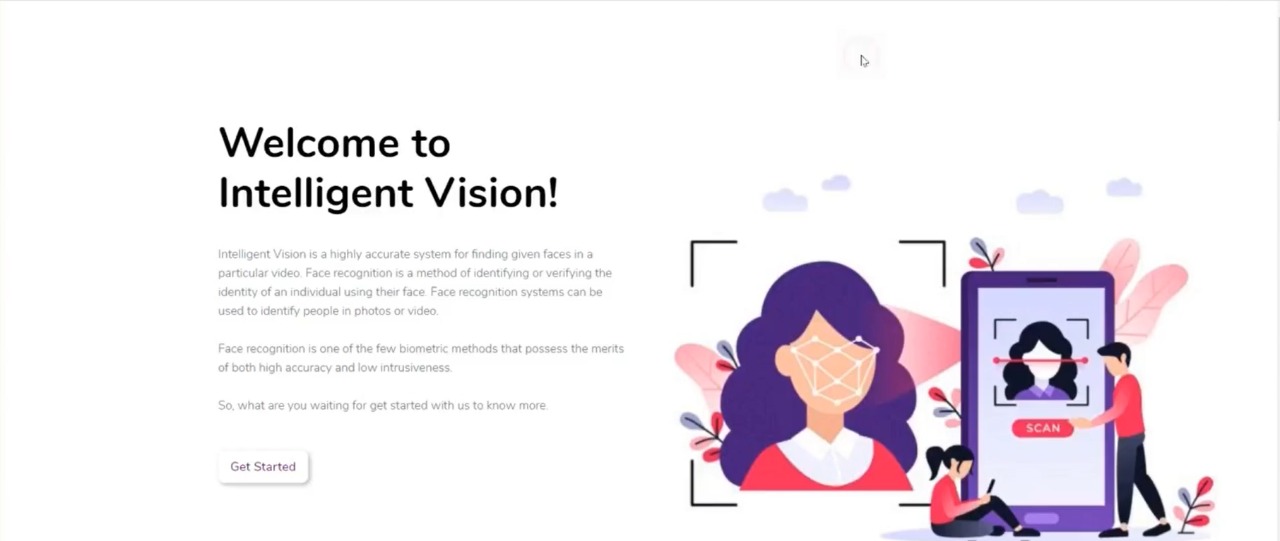
Home page
-
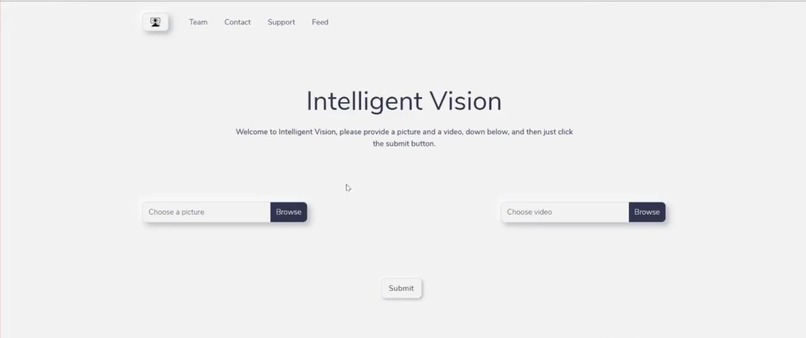
Feature Page
-
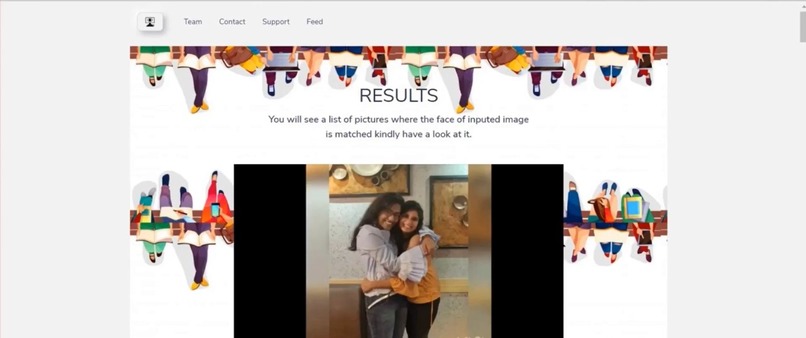
Functionality Page
Inspiration
Often have seen that CCTV recordings serve as a piece of major evidence in crime investigation. Hence for collecting relevant information from videos, we need to spot suspects in the video. Now, these recordings can be hours long and there can be a long list of suspects. Therefore, a lot of time is wasted in spotting relevant people in the video. In addition to that, it is a labor-intensive task and needs to done will utmost attention. Given the seriousness of this field, where prompt actions are required and there are very limited people working on it, we thought to make their tasks easier by automating the analysis of videos.
What it does
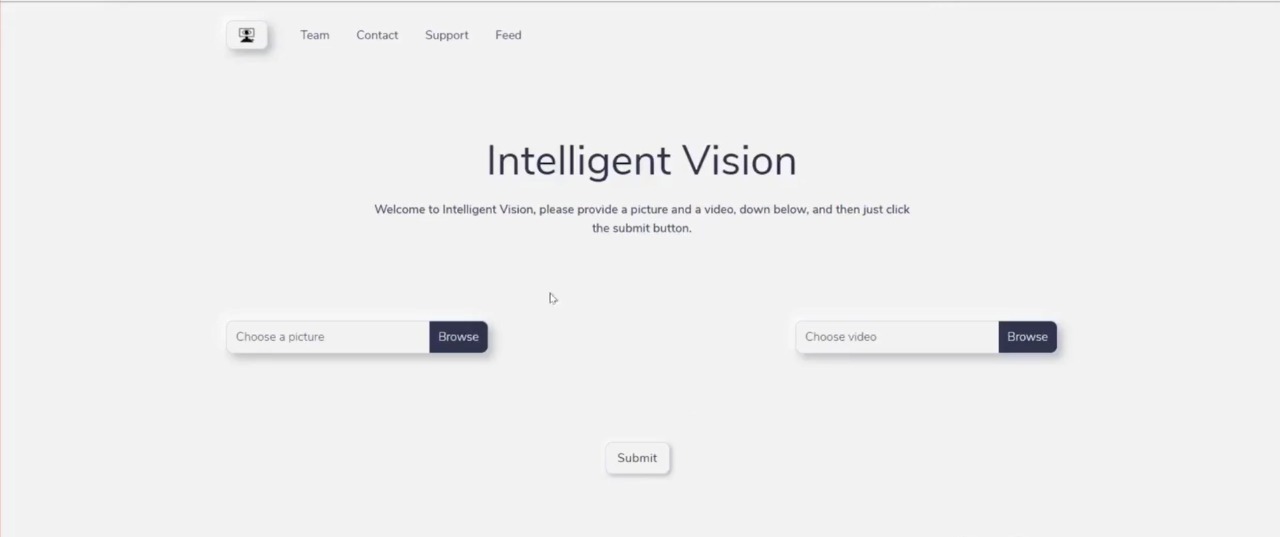
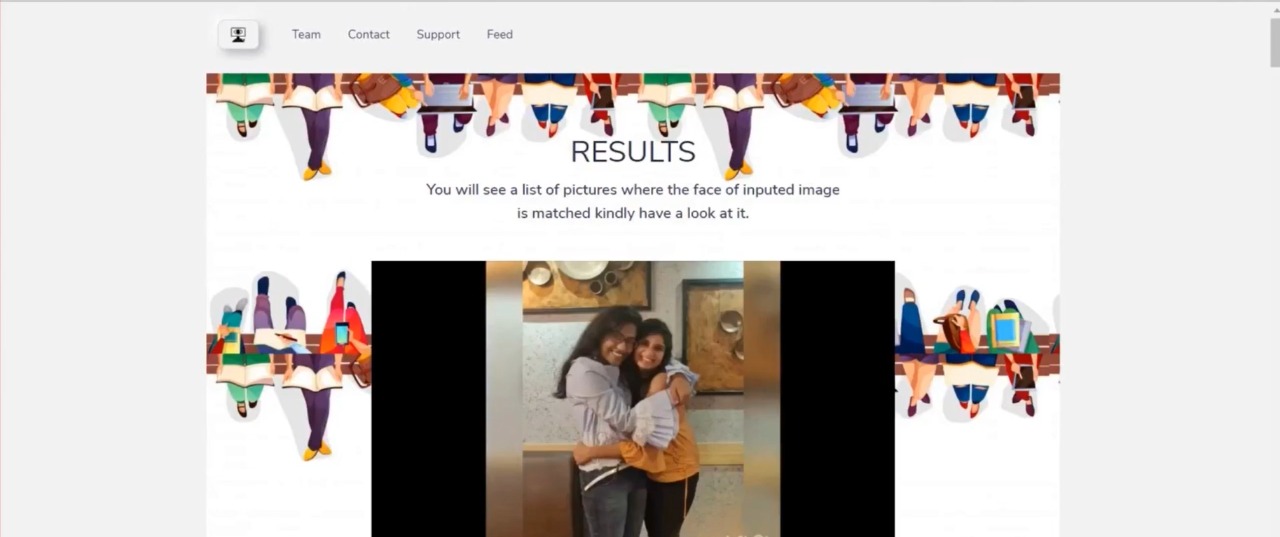
Let's say we have an image of a suspect, and we have the CCTV recording of the crime scene. Enter the suspect's picture and the video recording in our tool, and our tool will find the suspect's face in the video recording. You will be able to see the frames in which the suspect appeared in the video.
How I built it
We achieved this using Machine learning techniques. The ML-pipeline is as follows:
- Divide the video into frames.
- Detect faces in the frames and put those frames into a list.
- Encode detected faces.
- Group the faces of one person in a cluster
- Detect the face in the given image and encode it.
- Predict in which cluster will the query image belongs to.
- Retrieve all the frames in the predicted cluster We deployed our Machine Learning model on a web application using Flask.
Challenges I ran into
We were running short of time as we had many things to do. It was a challenge for us to as all the files were to running in only one of the computers, and then any changes to be made would be in that only. So not only we learned about the technical side we also learned a lot about team co-operation, and we also realized how well we can work together.
Accomplishments that I'm proud of
Completing whatever we had planned in time was the biggest accomplishment As we started this project there were many things that we weren't aware of. Through this project, we were able to learn a lot of new things that have helped us grow and I think this opportunity that we had to learn and the thing that we took this opportunity with open hands is the biggest accomplishment that we are proud of.
What I learned
Till now we had only worked with ML-pipelines in the jupyter notebook. This is the first time we deployed it on a web application. We learned the back-end development and integration of ML-Pipeline into the back-end.
What's next for Intelligent Vision
We have planned many things for the future of our project, some of them are as follows: 1) Analyzing Live recordings 2) To make our Machine learning model more robust 3) Smoke and Fire detection in videos and live streams 4) To add more functionalities to our website

Log in or sign up for Devpost to join the conversation.