Inspiration
I’ve sat through a lot of meetings where great ideas and key action points just… get lost. It’s frustrating how much time goes into taking notes, organizing them, and then trying to make sense of what to actually do next. I wanted to fix that, so I built something that listens, understands, and delivers insights automatically.
What it does
The Voice-to-Insight AI Assistant takes spoken conversations like meetings, interviews, or brainstorming sessions and automatically turns them into useful, searchable insights.
This project really pushed me to think beyond just building something that works, I had to build something useful, fast, and reliable. I got to dive deep into OpenAI’s Whisper for transcription, learned how to use Airflow to keep everything running smoothly, and explored how to make large language models actually help rather than just generate text. Using Pinecone for semantic search was also a fun challenge, it taught me a lot about vector databases and real-time retrieval.
How I built it
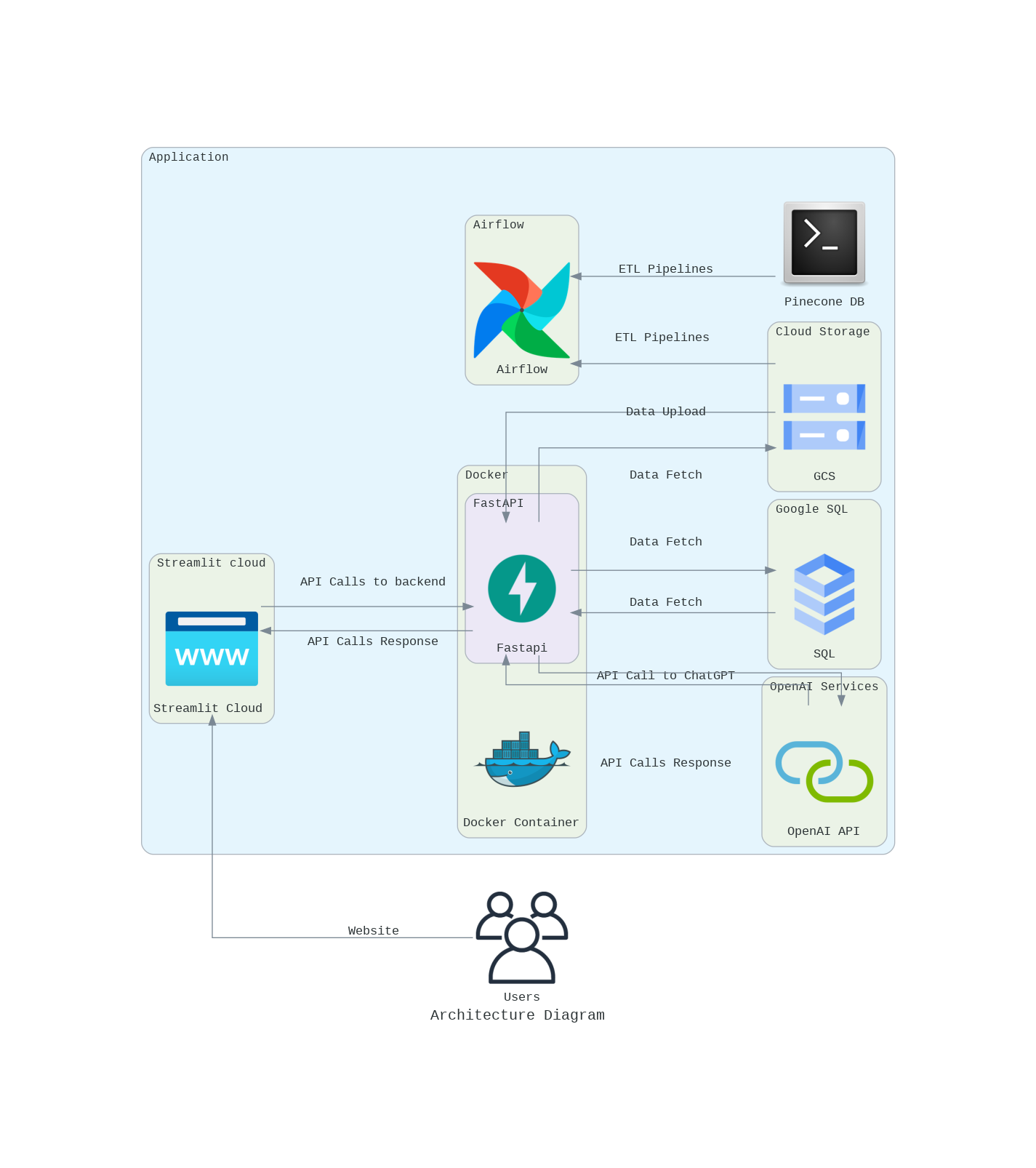
I started by setting up a speech-to-text pipeline with Whisper, then used Airflow to automate the entire process from transcription to insight extraction. I plugged in an LLM to summarize the conversations and answer questions, and used Pinecone to store and retrieve information so the chatbot could respond meaningfully when users asked follow-ups. The end result? A system that could turn any conversation into a searchable, smart knowledge base.
Challenges I ran into
Getting everything to work together was trickier than I expected. Latency between different components made the system feel slow at first, and the LLM would sometimes go off track with answers. I had to fine-tune prompts, tweak pipelines, and even rethink parts of the design.
Built With
- api
- gcp
- gpt
- openai
- pinecone
- python
- streamlit

Log in or sign up for Devpost to join the conversation.