-
-
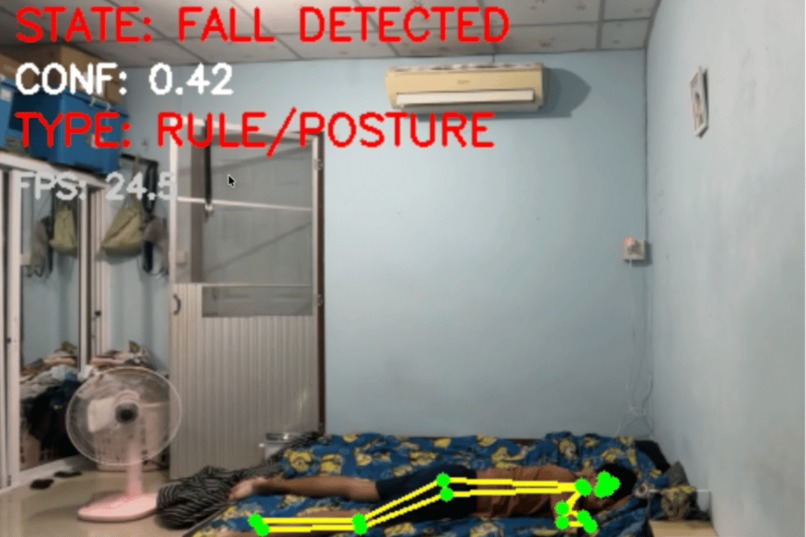
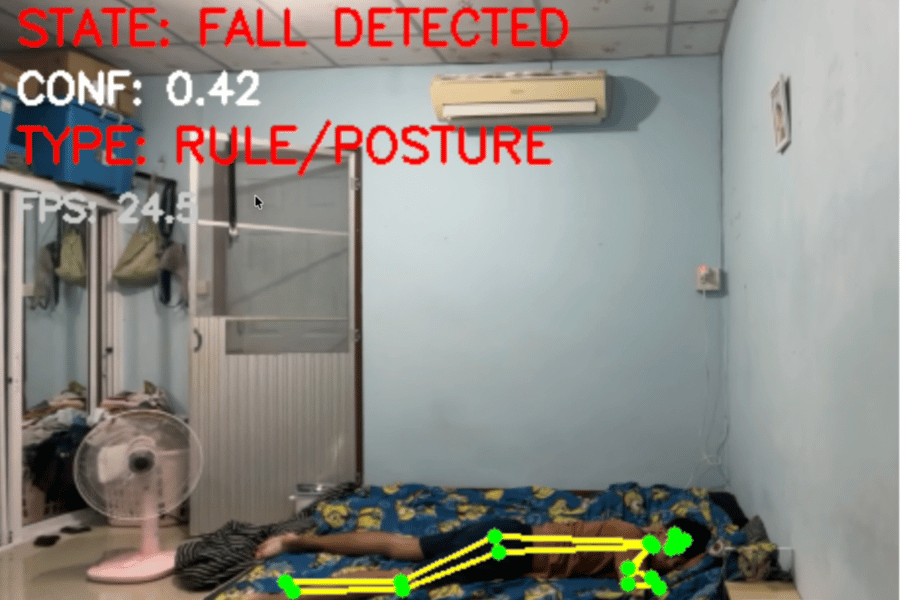
A fall occurred
-
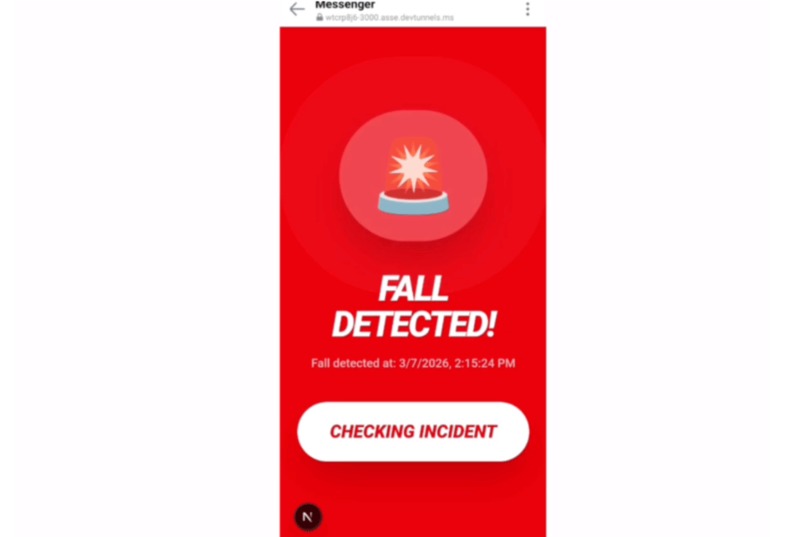
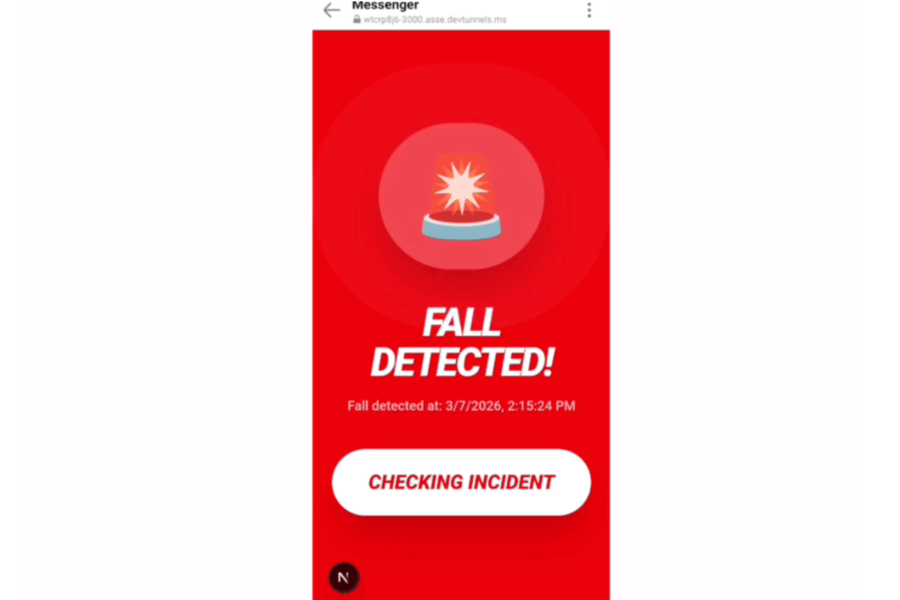
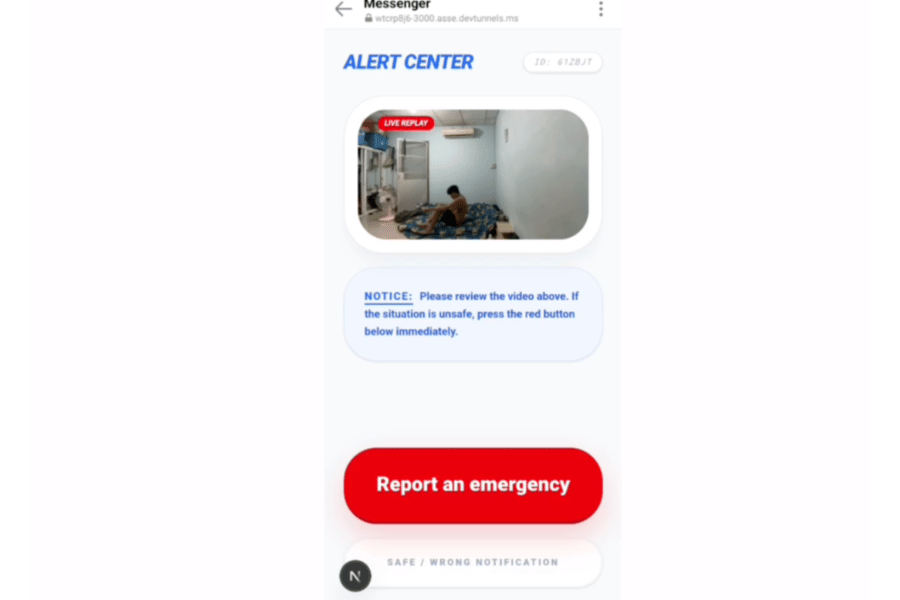
Notify the administrator
-
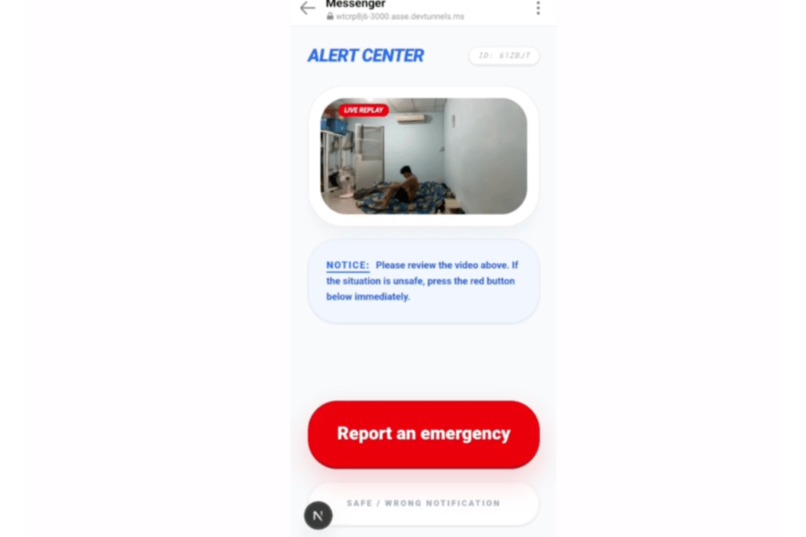
The Caregiver assesses the situation.
-
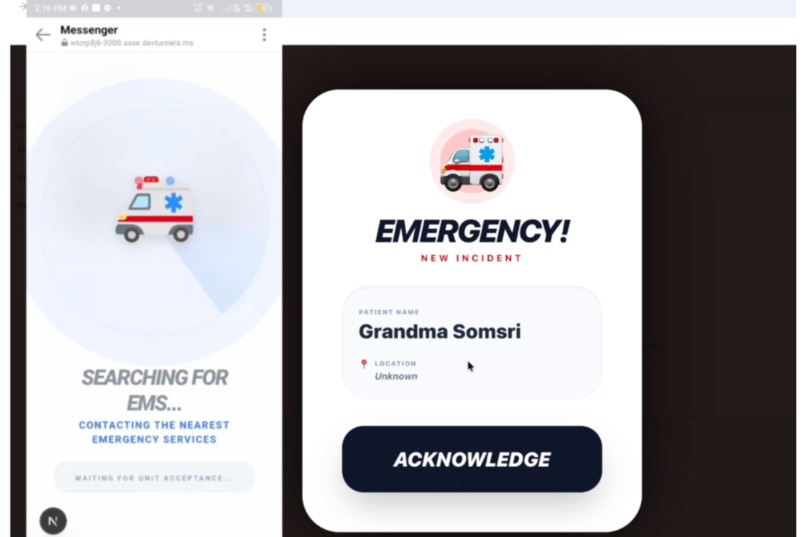
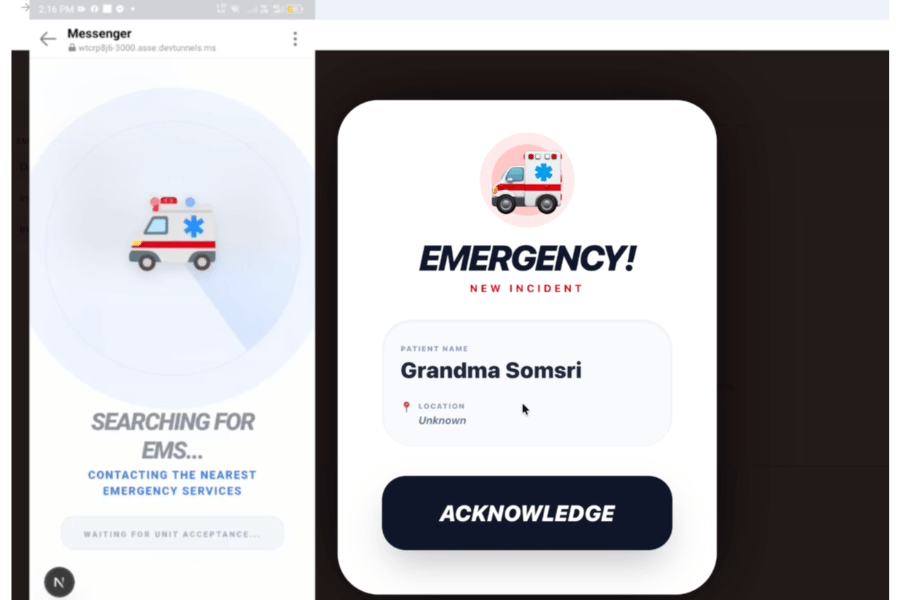
When danger occurs, send an alert to emergency services.
-
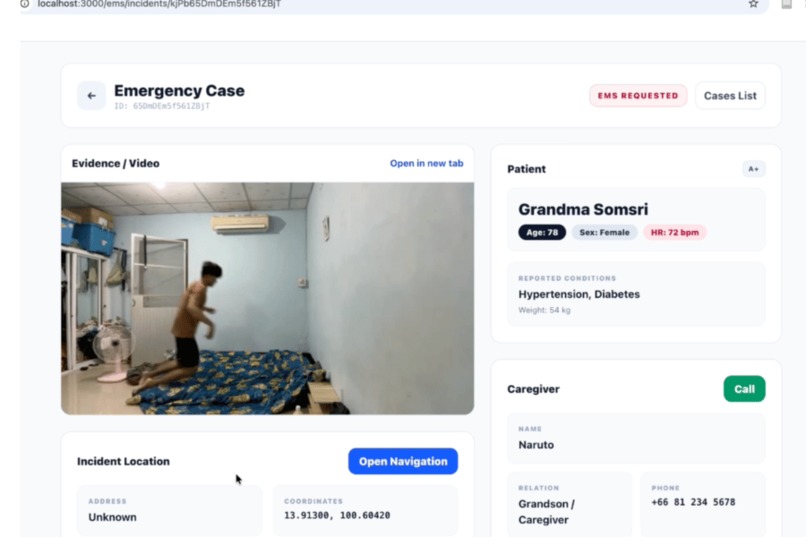
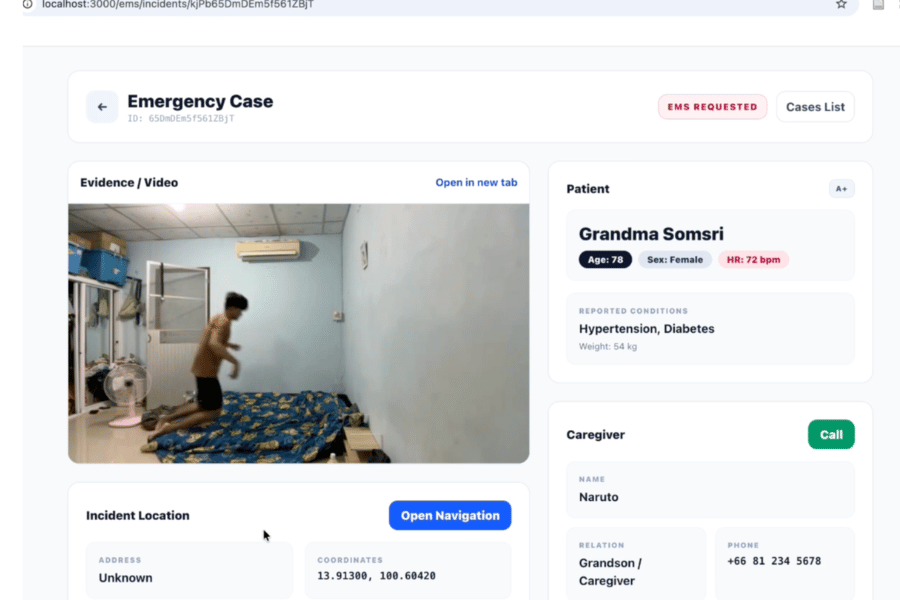
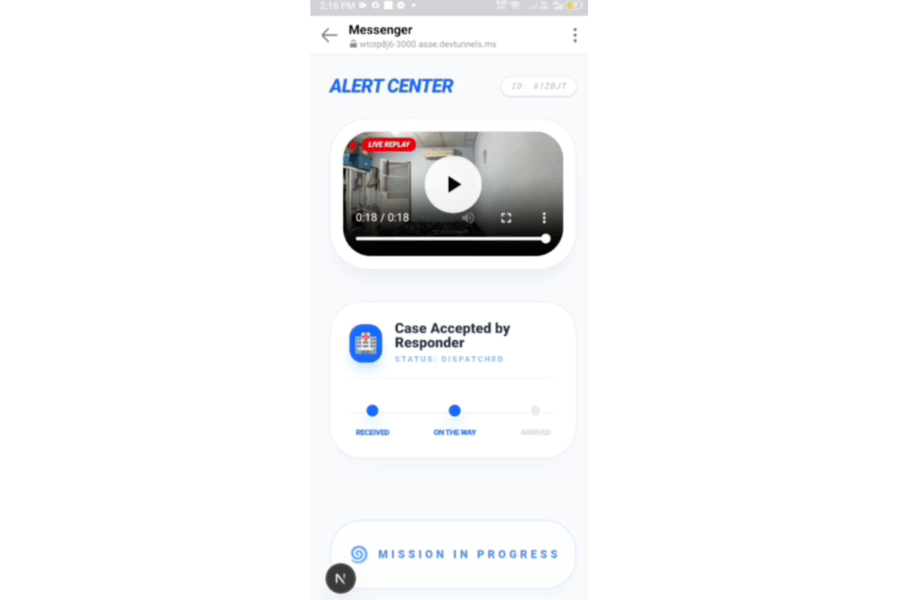
Emergency units receive the incident, review the information, and update the status to the Caregiver.
-
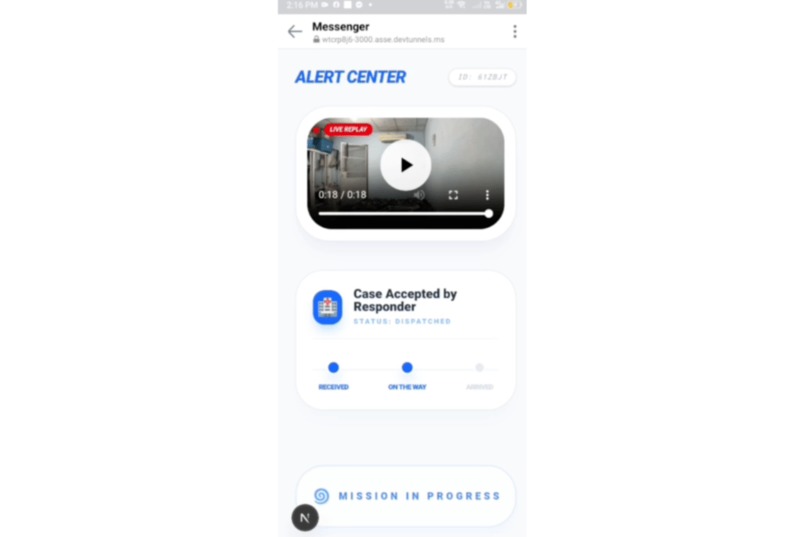
Moderator keeps track of status
-
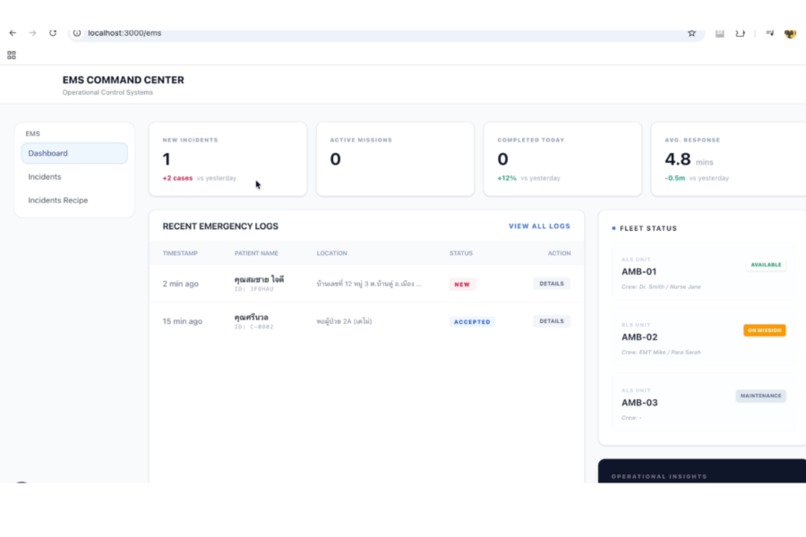
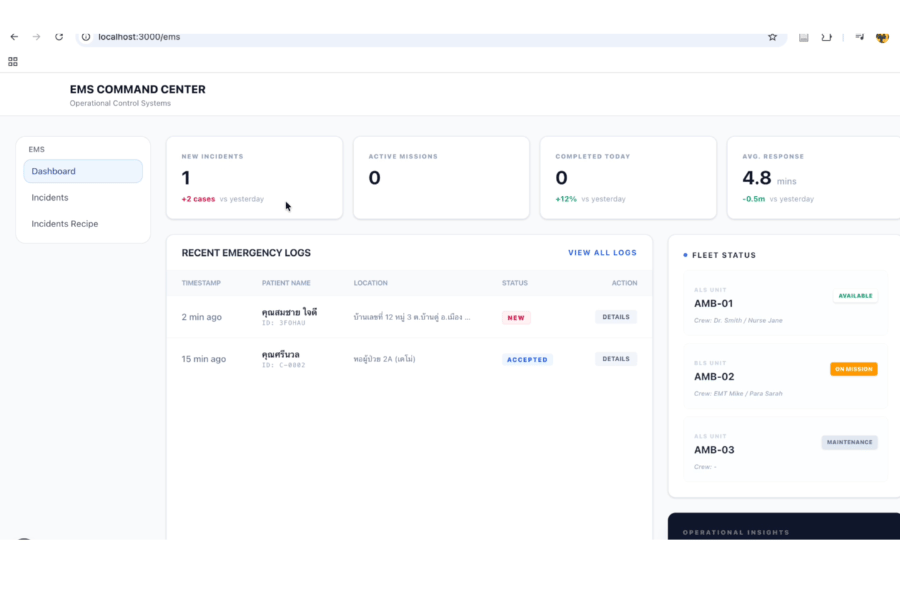
The dashboard includes emergency information and various statistics.
-
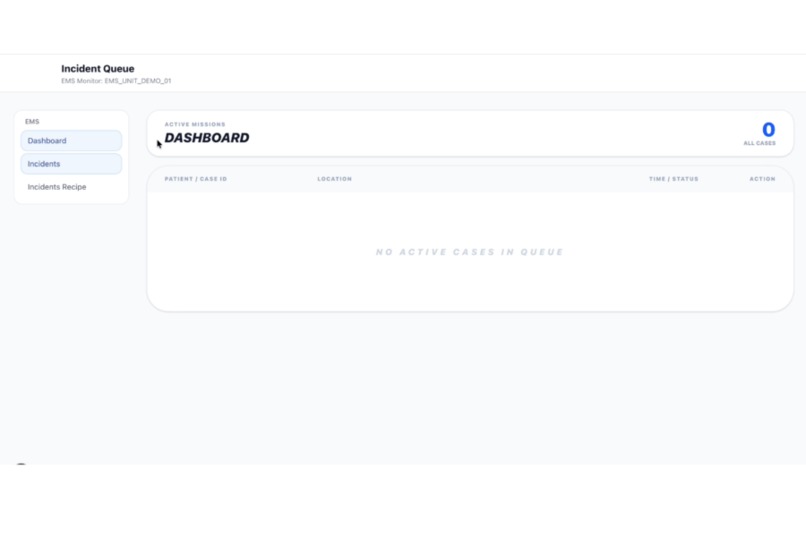
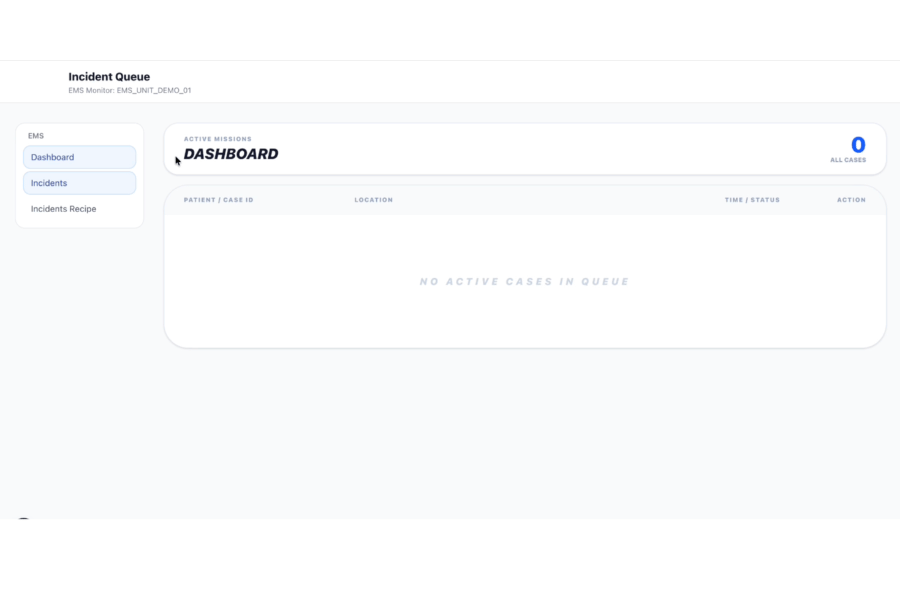
Emergency case notification page.
-
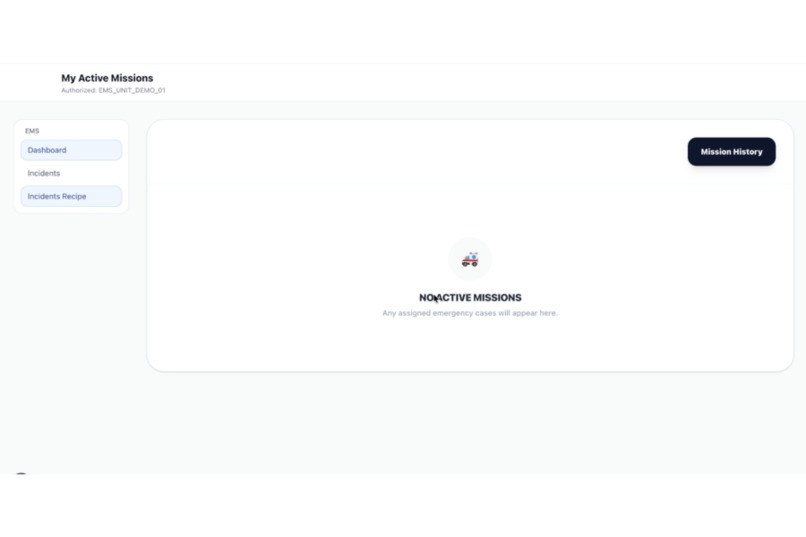
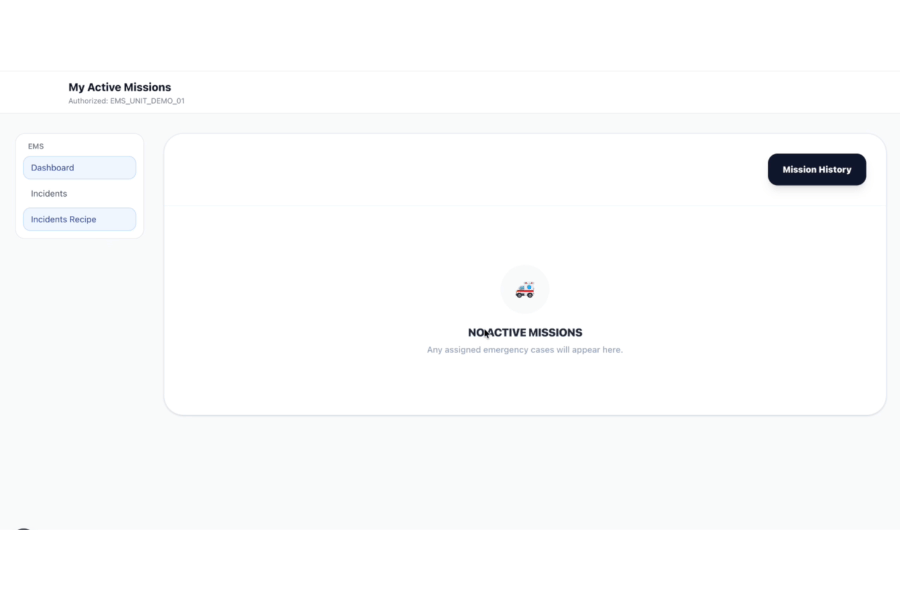
Emergency report page for received cases.
-
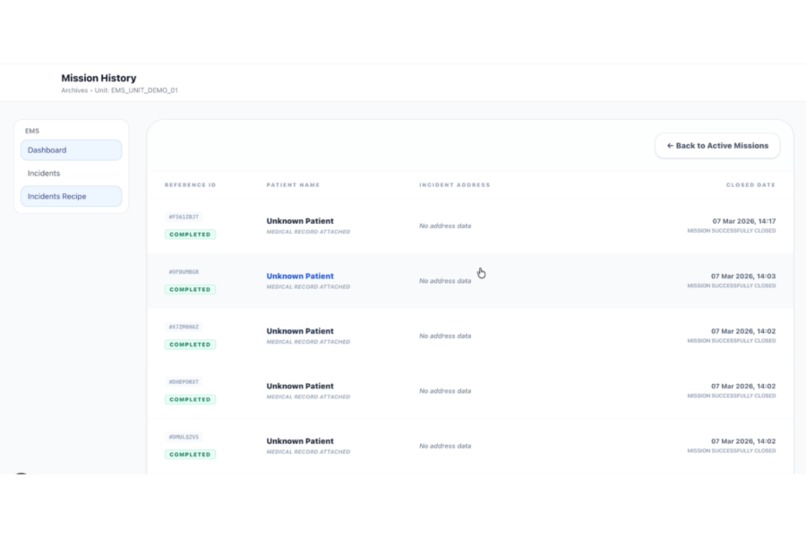
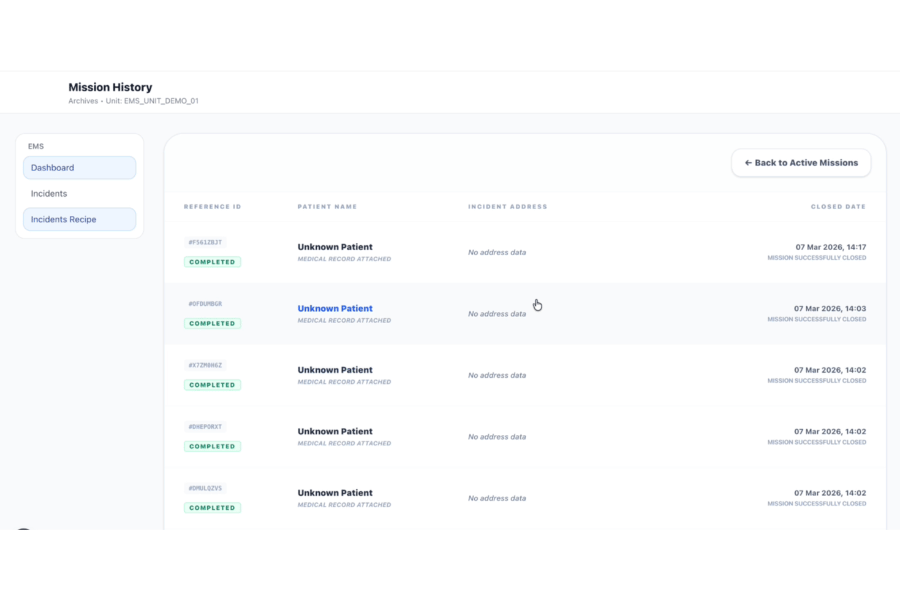
Emergency cases that have been successfully handled.
Inspiration
The inspiration for this project comes from my personal experience. I moved to study at a university far away from my hometown, which means my grandmother has to live alone at home. One day, I found out that she had fallen before, but she never told anyone because she did not want the family to worry. I only learned about it later when we talked about it. This made me realize that if an emergency happened and no one was nearby to help, it could become very dangerous. That is why I wanted to create an AI-based fall detection system that can automatically detect falls and notify caregivers, so elderly people can receive help quickly even when their family members are far away.
What it does
Our system is designed to detect falls of elderly people using AI and a camera. When a fall is detected, the system immediately sends a notification to the caregiver along with a video clip of the incident so they can review the situation. If it is an emergency, the caregiver can forward the case to the Emergency service. EMS operators will receive important information such as the incident video, location, and medical profile, allowing them to respond quickly and prepare the right assistance.
How we built it
We built this system for CCTV cameras using computer vision and machine learning to detect fall incidents in real time. First, we used YOLOv11n-pose to detect people from CCTV video streams. Then we analyzed body posture and movement to identify potential fall events. Our model was trained using a public dataset containing around 2,000 fall videos and 2,000 non-fall videos. During processing, the system calculates features such as falling speed and body posture changes to distinguish real falls from normal activities like sitting or lying down. We combined a rule-based method with XGBoost to improve fall detection accuracy and reduce false alarms. The system runs on an Edge AI device connected to a CCTV camera, allowing real-time fall detection. For the platform, we built a web application using Next.js and used Firebase as the database and backend service to manage incidents, notifications, and emergency coordination.
Challenges we ran into
One of the main challenges was distinguishing between real falls and normal activities such as sitting or lying down. Another challenge was reducing false alarms, since many body movements can look similar to a fall in camera footage. We also spent a lot of time tuning the detection parameters and models to improve accuracy and make the system more reliable. Balancing accuracy and real-time performance was also challenging, especially when running the system on an edge device.
Accomplishments that we're proud of
- Built a real-time AI fall detection system using computer vision.
- Successfully reduced false alarms by distinguishing falls from normal activities like sitting or lying down.
- Integrated AI detection, caregiver alerts, and EMS coordination into one system.
- Designed the system to work with CCTV cameras for real-world use.
What we learned
- I learned how to build an AI-based fall detection system using computer vision.
- I gained experience in training and tuning machine learning models to detect fall events and reduce false alarms.
- I learned how to develop a complete system, including AI detection, notification systems, and a web dashboard.
- I also improved my skills in integrating AI with real-world applications such as CCTV monitoring and emergency response systems.
What's next for Intelligent Fall Detection System
In the future, I want to extend the system to detect when a person is about to fall, so alerts can be sent earlier and help can arrive faster.
Model Performance
The fall detection model was trained using a dataset containing:
- 2000 fall videos
- 2000 non-fall videos
The classifier uses pose-based motion features and an XGBoost model.
Performance results:
Accuracy: ~91% Precision: ~88% Recall: ~95%
The threshold was tuned to prioritize recall, ensuring that fall events are detected reliably while minimizing missed incidents.
Privacy & Emergency Safety
The system is designed with strong privacy protection. Video clips are captured only when a potential fall event is detected and are shared only with authorized caregivers. If an emergency is confirmed, essential information such as the event video, location, and basic medical profile can be forwarded to EMS to support faster emergency response while minimizing unnecessary data exposure.


Log in or sign up for Devpost to join the conversation.