-
-
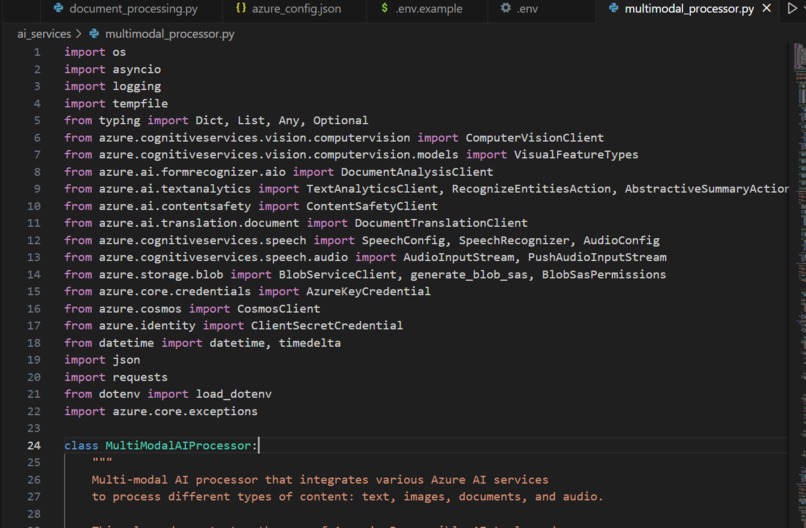
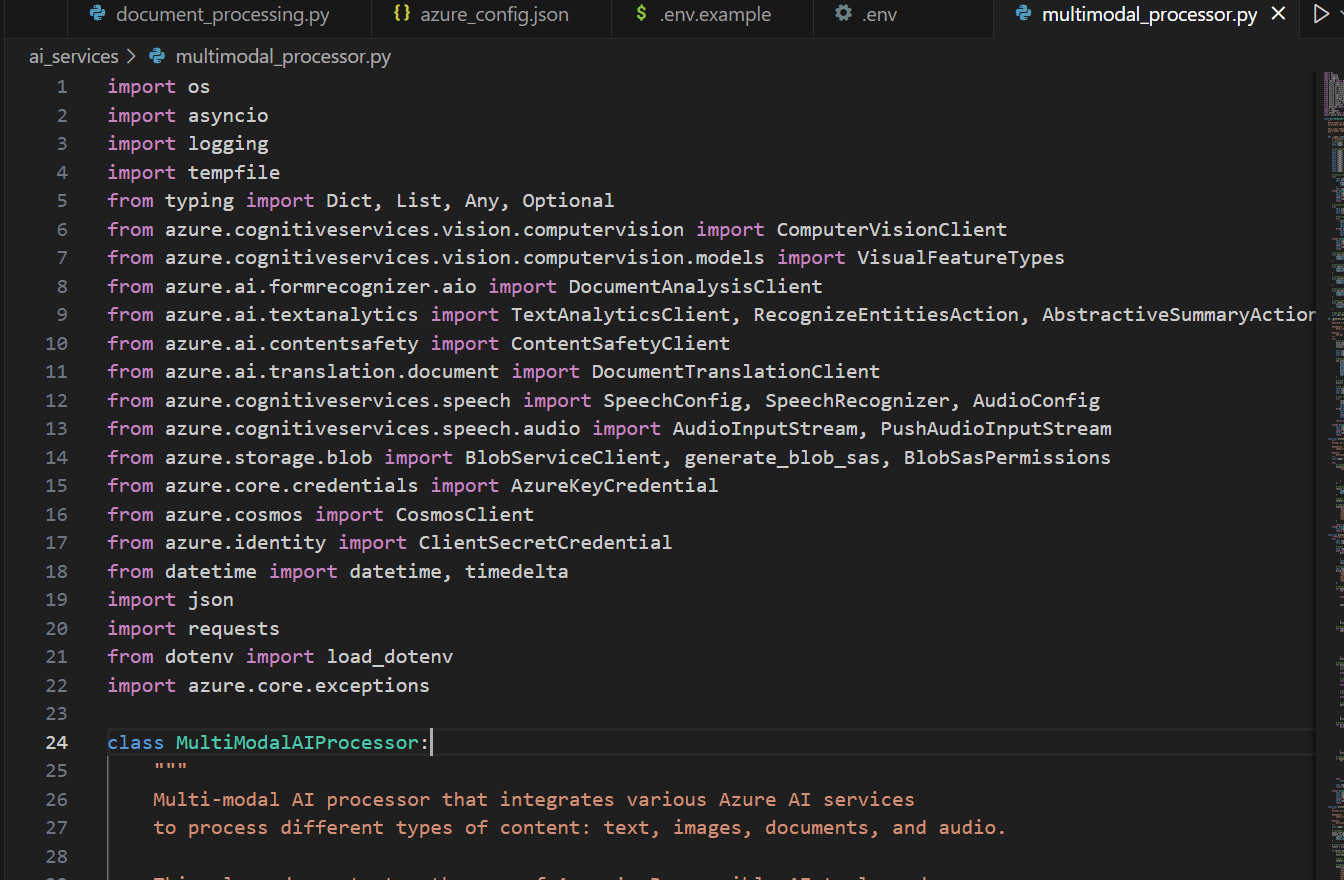
integration of different azure services resources i used
-
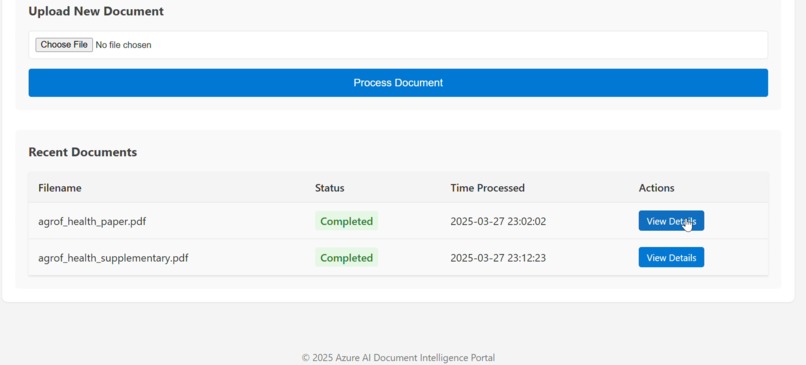
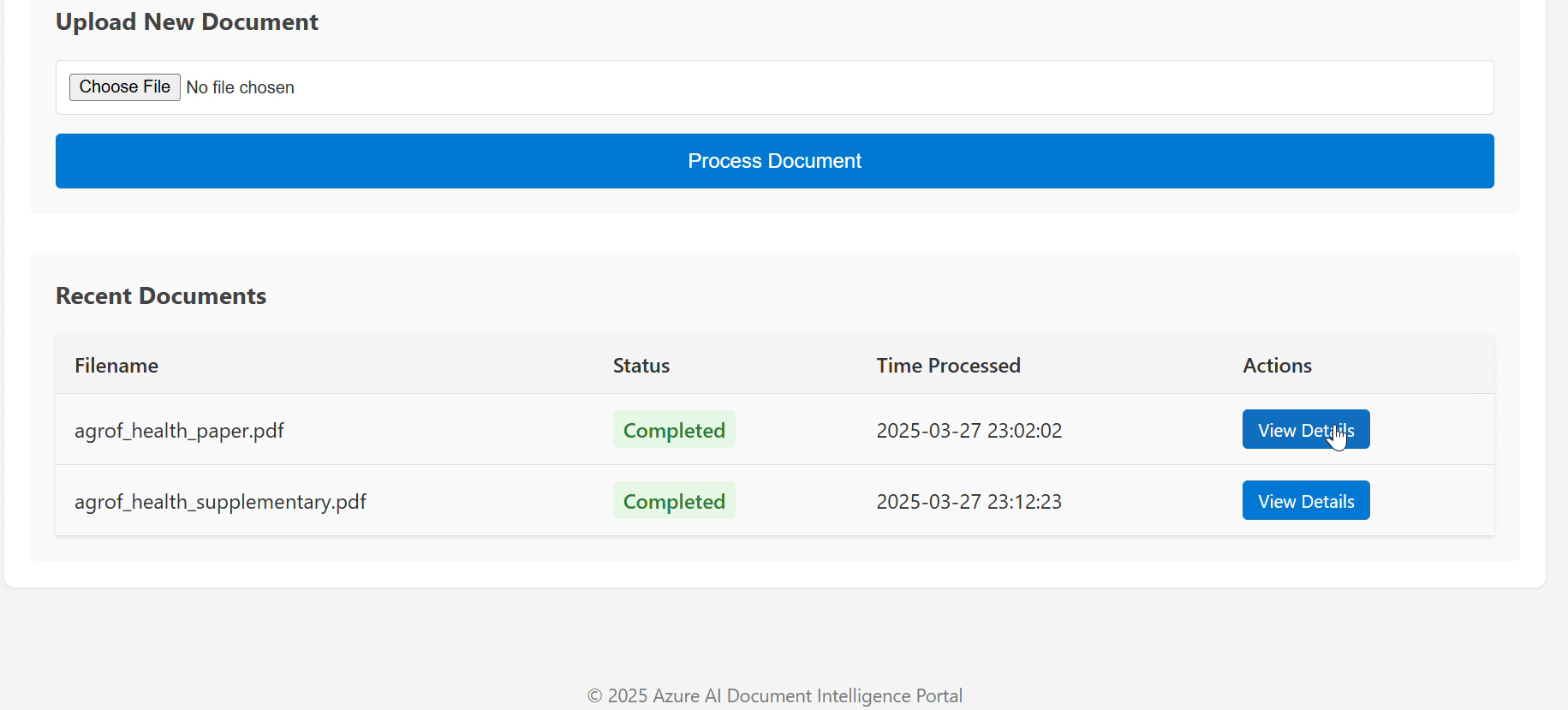
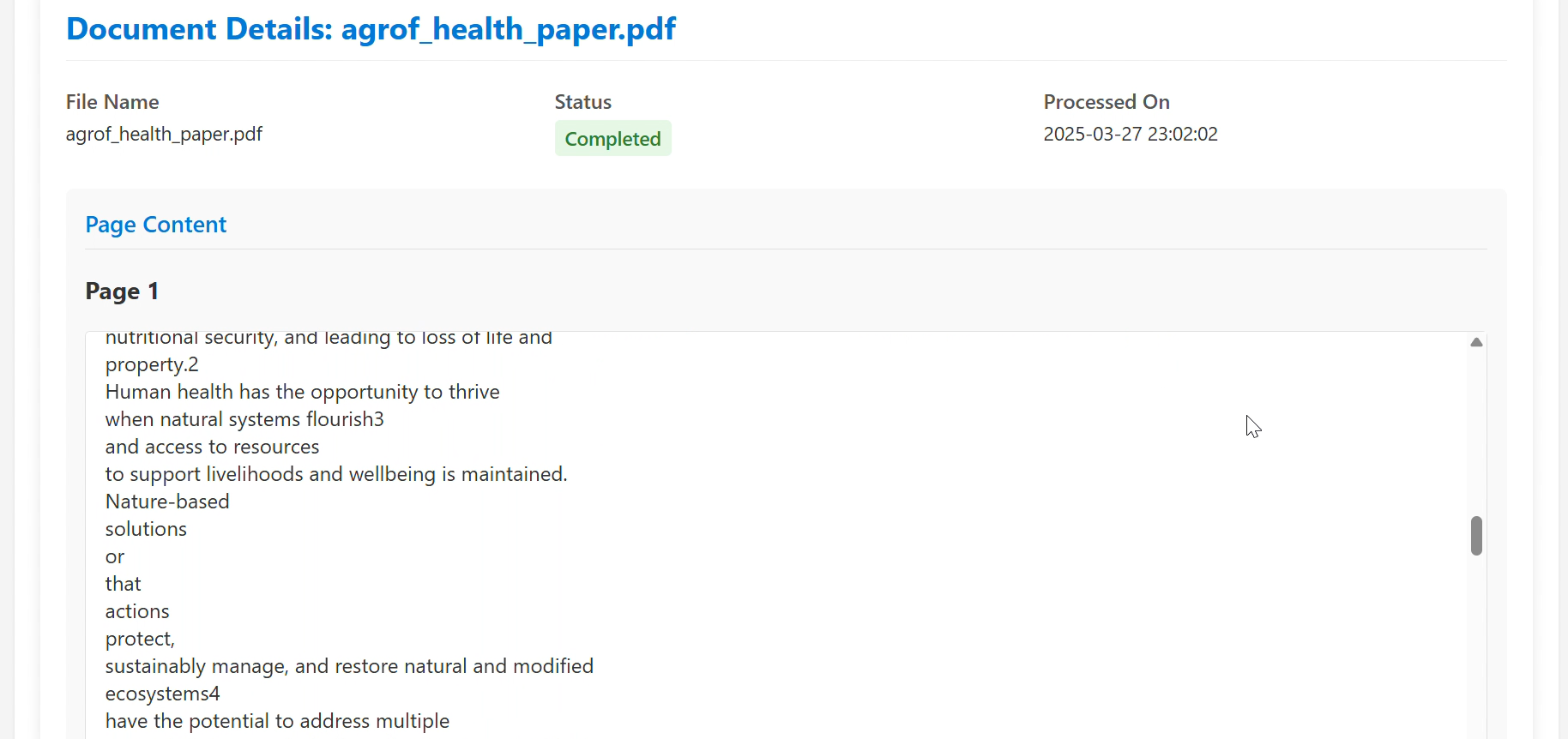
the view of uploaded documents after they are processed
-
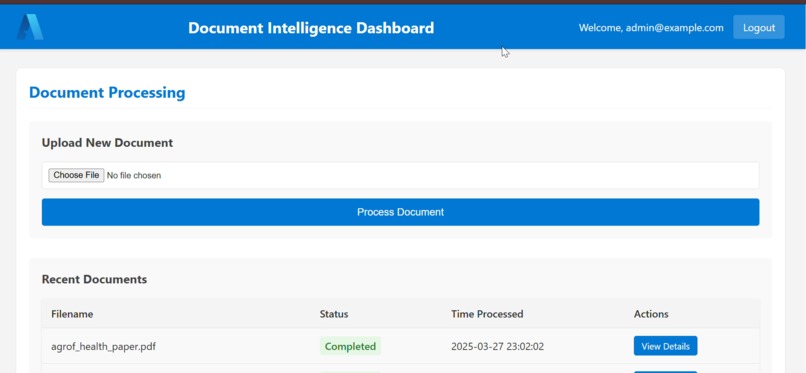
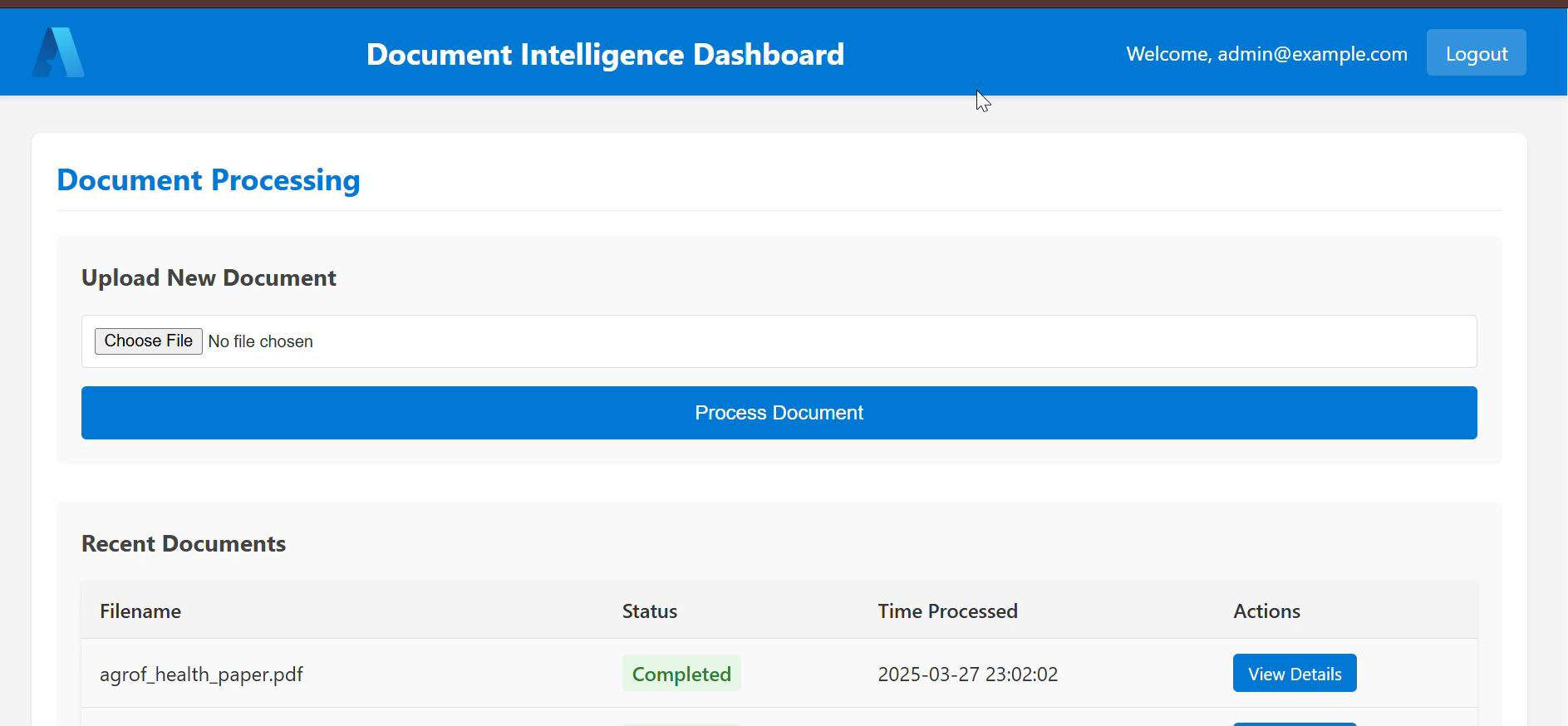
the landing page outlook
-
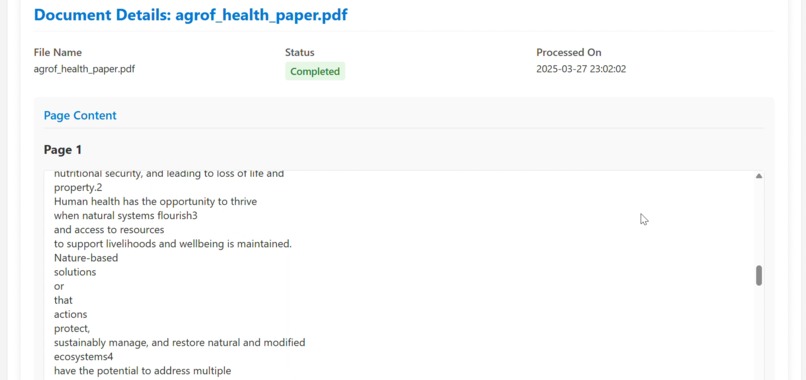
the insights from the uploaded documents
-
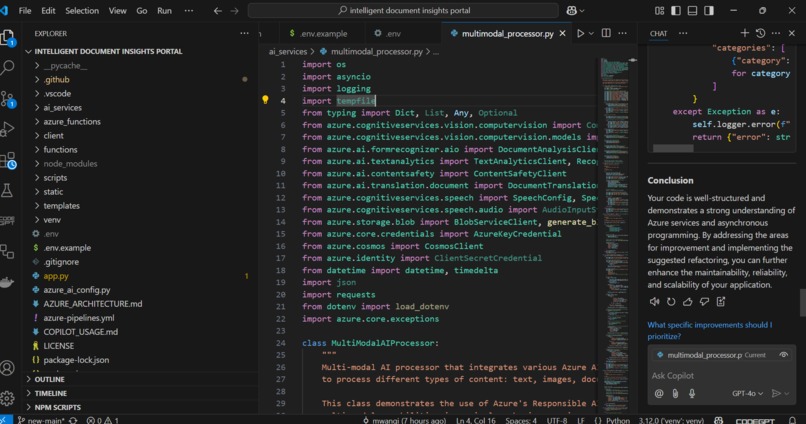
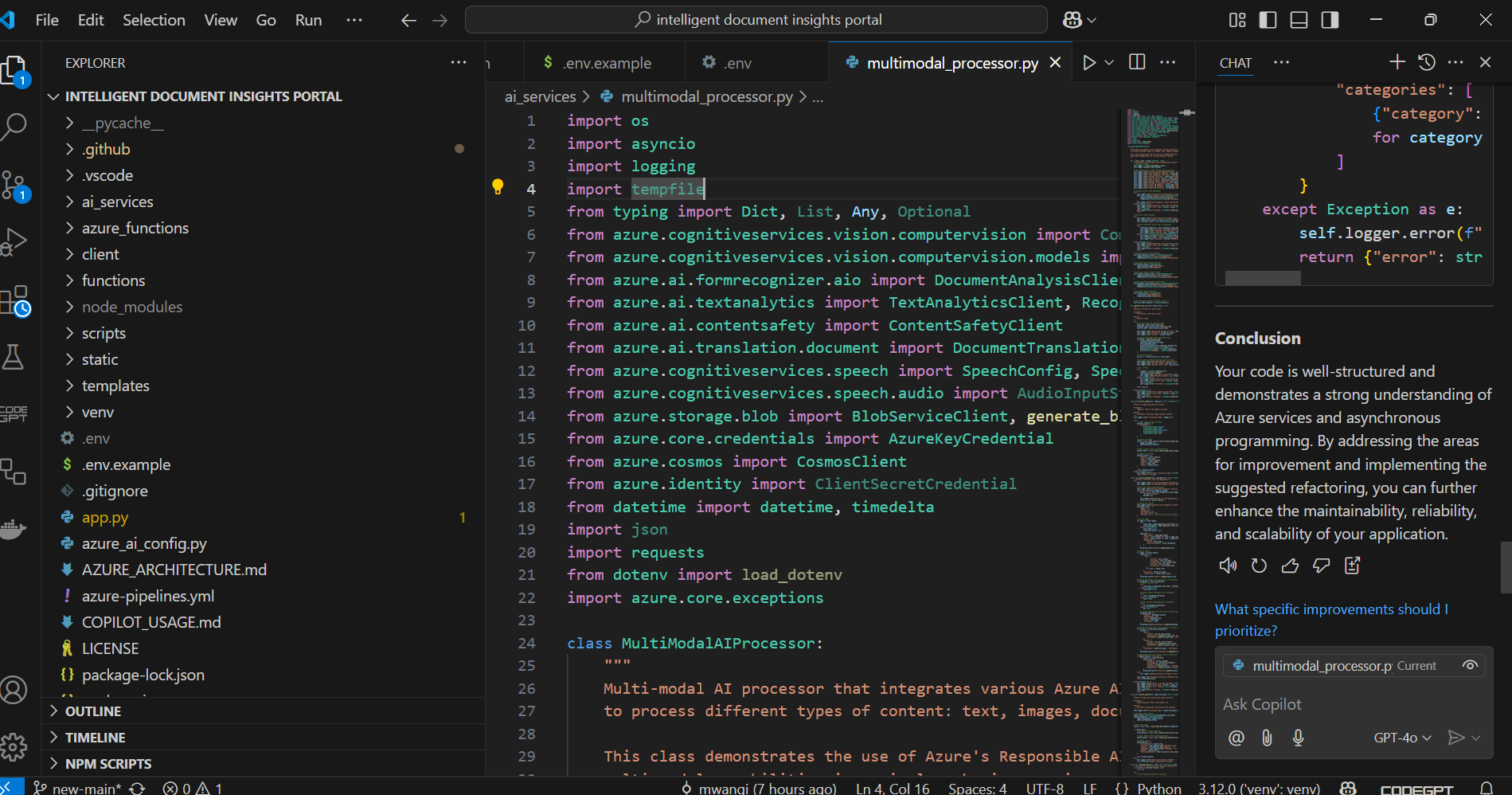
the project structure architecture
Intelligent Document Insights Portal: Project Story
Inspiration
Intelligent Document Insights Portal came into being from a clear business necessity: companies are drowning in documents but starving for insights. Businesses process thousands of forms, invoices, receipts, and contracts daily - each one filled with useful information trapped in unstructured form.
I was inspired to create this solution after witnessing firsthand how much time information workers spend extracting information from documents manually. I knew that Azure AI Document Intelligence (formerly Form Recognizer) had the potential to transform this process, allowing teams to achieve more with information rather than just finding it.
What I Learned
This project was a tremendous learning experience on so many levels:
Azure AI Services: I had a thorough understanding of Document Intelligence features, including how to train models and extract structured data from different documents.
Full-Stack Development: Striking a balance between frontend and backend development has taught me to build well-integrated systems where user experience meets strong functionality.
Security Implementation: Proper authentication, authorization and secure storage procedures being implemented underscored the value of security-first development.
Best Practices for AI Integration: I learned that successful AI integration entails careful consideration of user feedback, model evaluation, and continuous cycles of improvement.
How I Built It
The Intelligent Document Insights Portal was constructed with a modern tech stack:
Backend: Python with Flask as API framework, leveraging Azure AI Document Intelligence SDKs to process documents.
Frontend: A mobile-friendly interface built using modern HTML, CSS, and JavaScript that displays complex document analysis in a simple and easy-to-use manner.
Storage: Safe document management through Azure Blob Storage, with use of SAS tokens for controlled access.
Authentication: Confidential document information protection through secure login mechanism and session management.
Processing Pipeline: Built a robust document processing pipeline that handles various types of documents, extraction logic, and the visualization of the output.
Challenges Encountered
Building this project encountered some significant hurdles:
Document Variety: Developing a solution that can process several documents with different layouts, fonts, and quality demanded rigorous testing and model fine-tuning.
Error Handling: Strong error handling for document processing failures was essential but challenging, particularly for edge cases.
Performance Optimization: Trading processing speed for extraction accuracy required painstaking optimization of the processing pipeline. 4. User Experience Design: Designing an interface which could present complex document information in a user-friendly way took multiple attempts and user feedback sessions. 5. Complexity of Integration: Integration of multiple Azure services, authentication, and frontend parts brought about unexpected integration complexities, which needed out-of-the-box solutions. Despite all these difficulties, the project has ended up being an excellent resource that demonstrates the capability of AI to transform document processing workflows, saving organizations hours and unlocking the value of their document collections.
Built With
- apis
- built-with-what-languages
- cloud-services
- databases
- did
- frameworks
- or
- other
- platforms
- technologies
- you

Log in or sign up for Devpost to join the conversation.