-
-
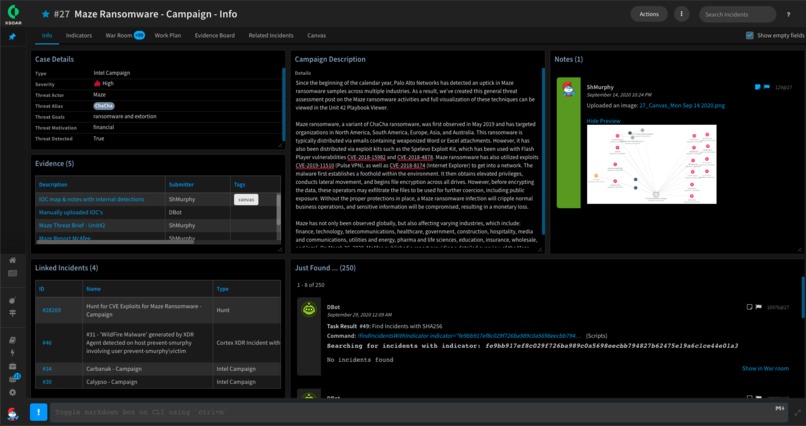
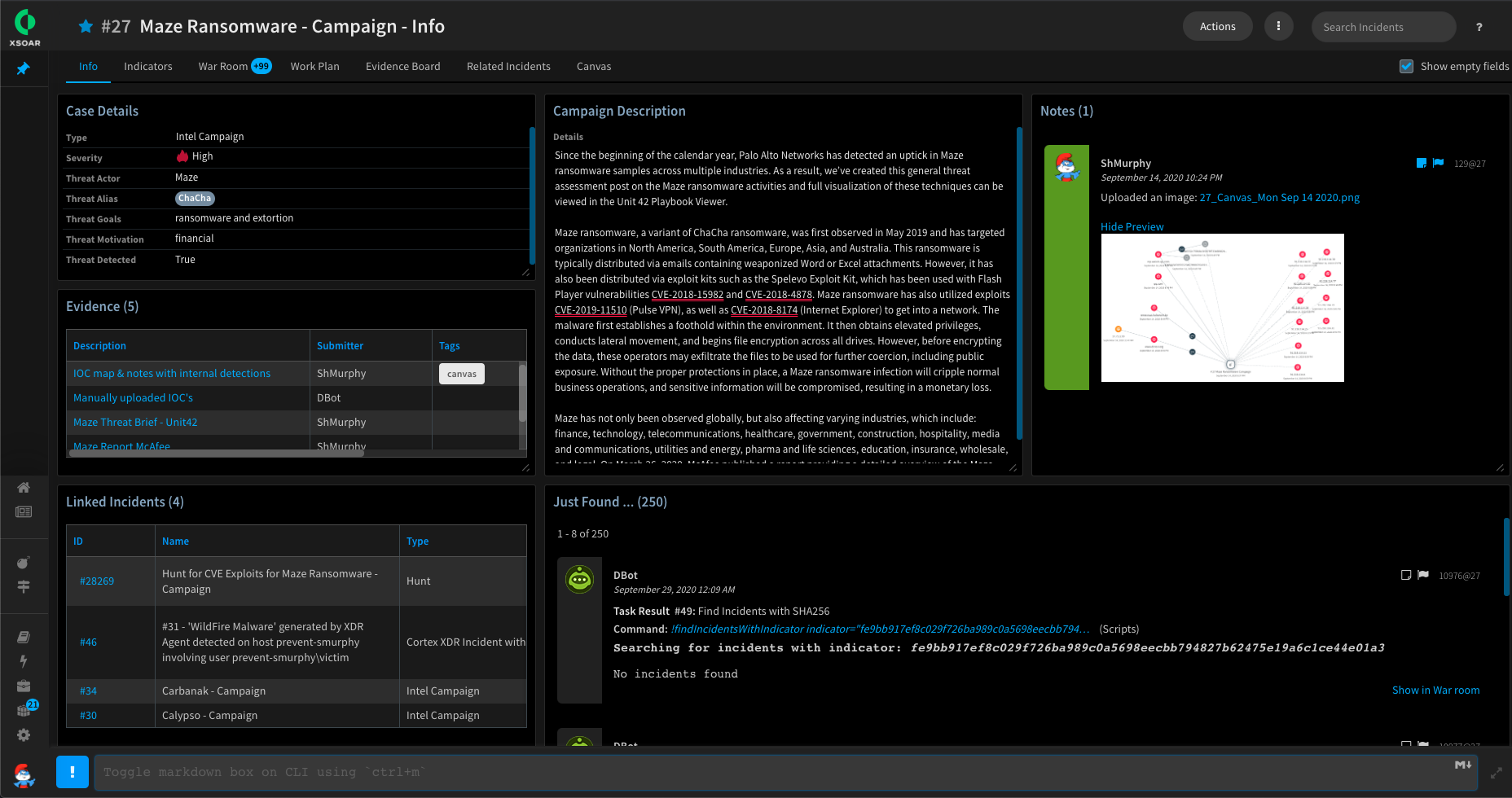
Campaign Layout and Collection Playbook
-
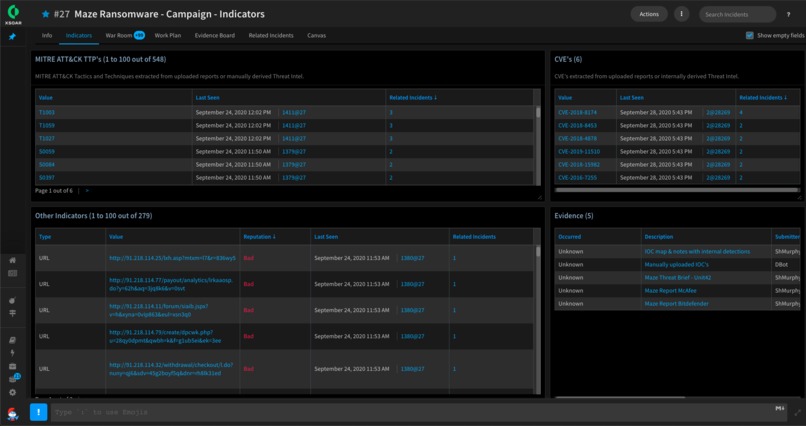
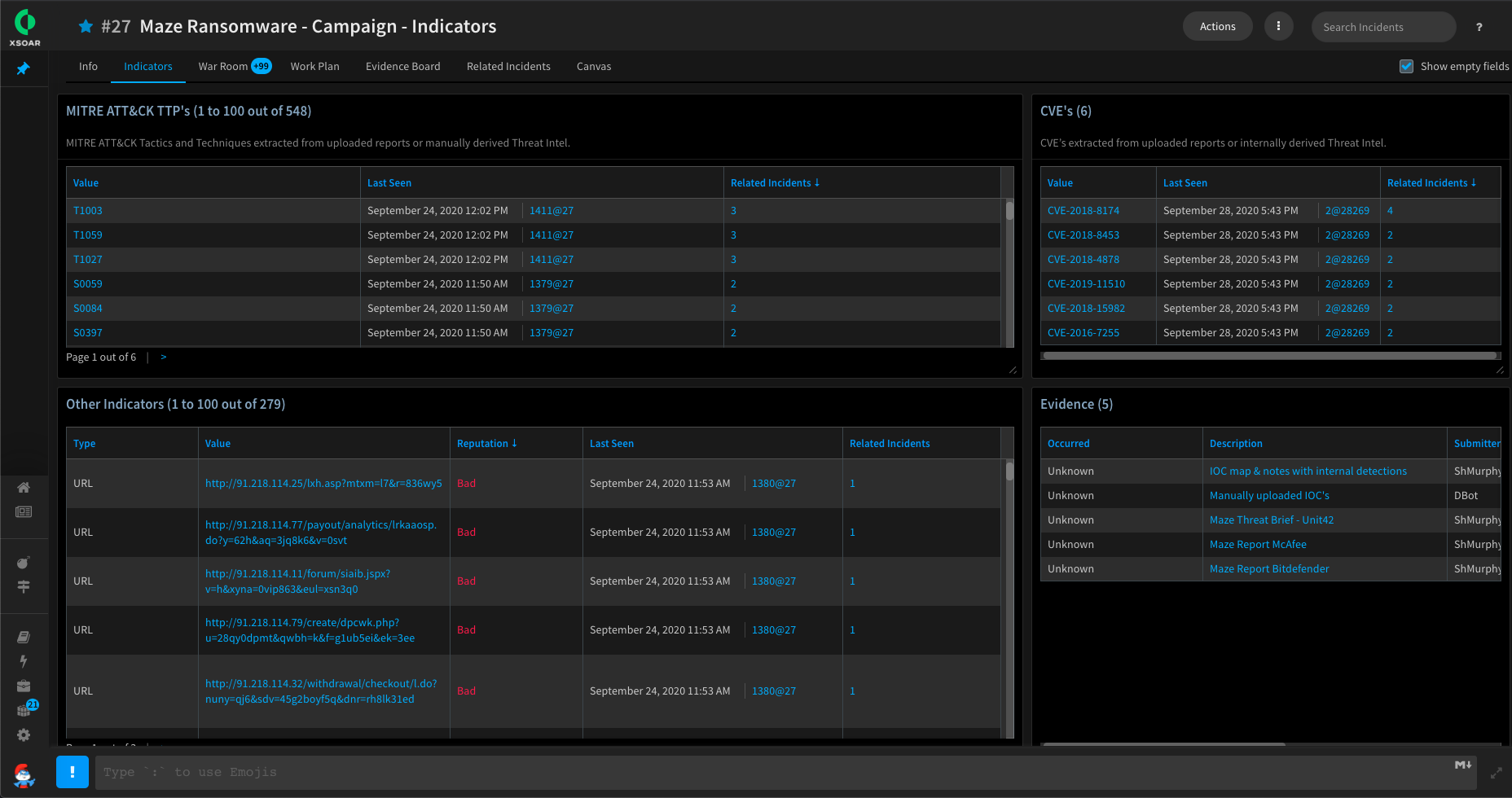
Campaign Indicators Layout
-
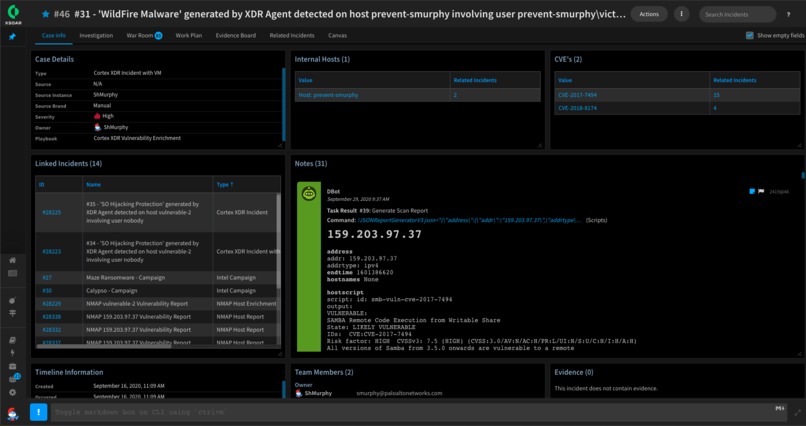
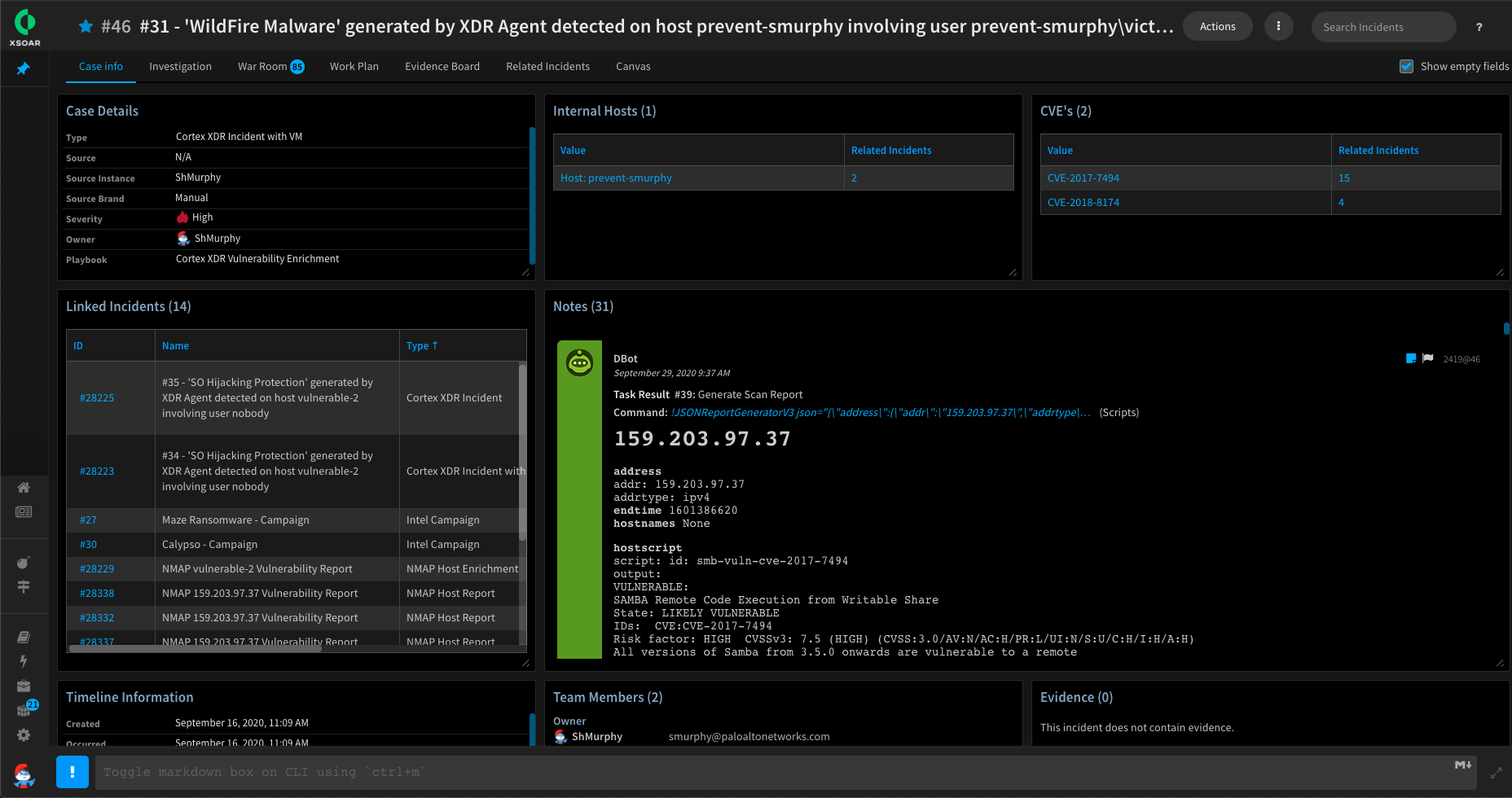
XDR Incident with Vulnerability Management Enrichment
-
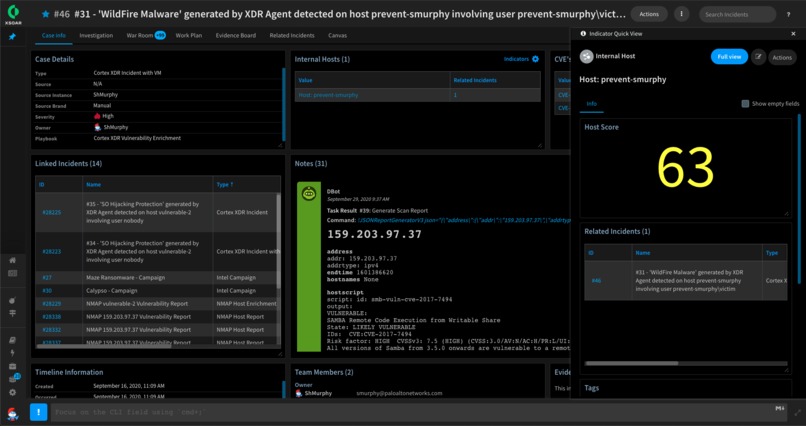
Internal Host indicator and dynamic scoring
-
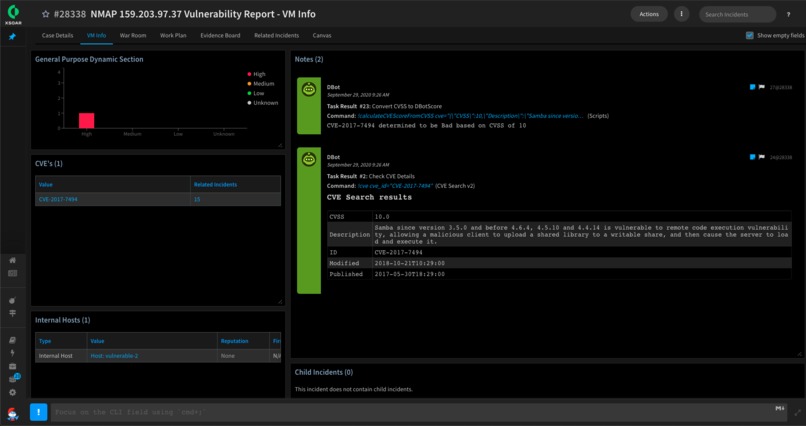
Automated Vuln Scan, Reporting, and Prioritization
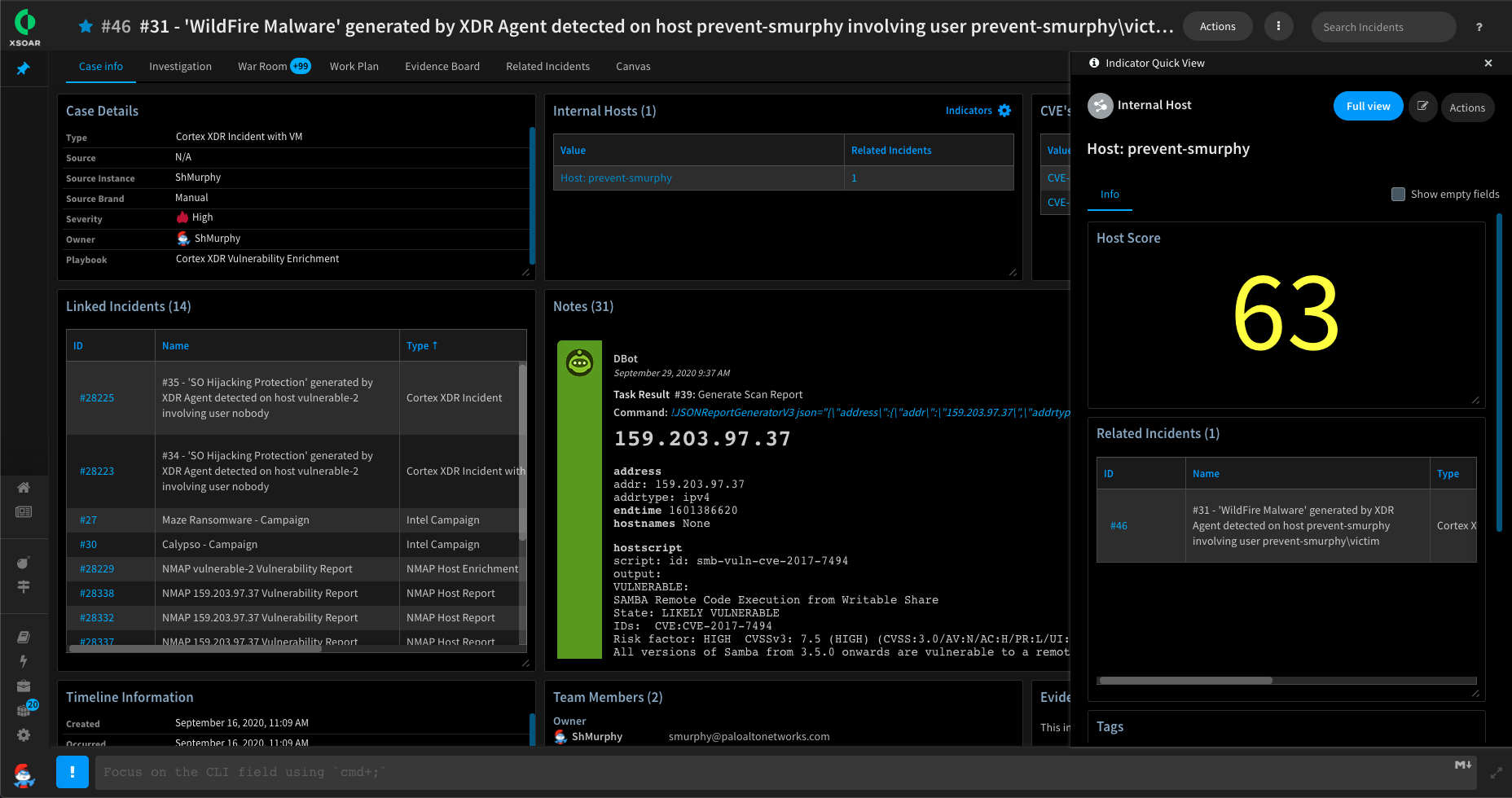
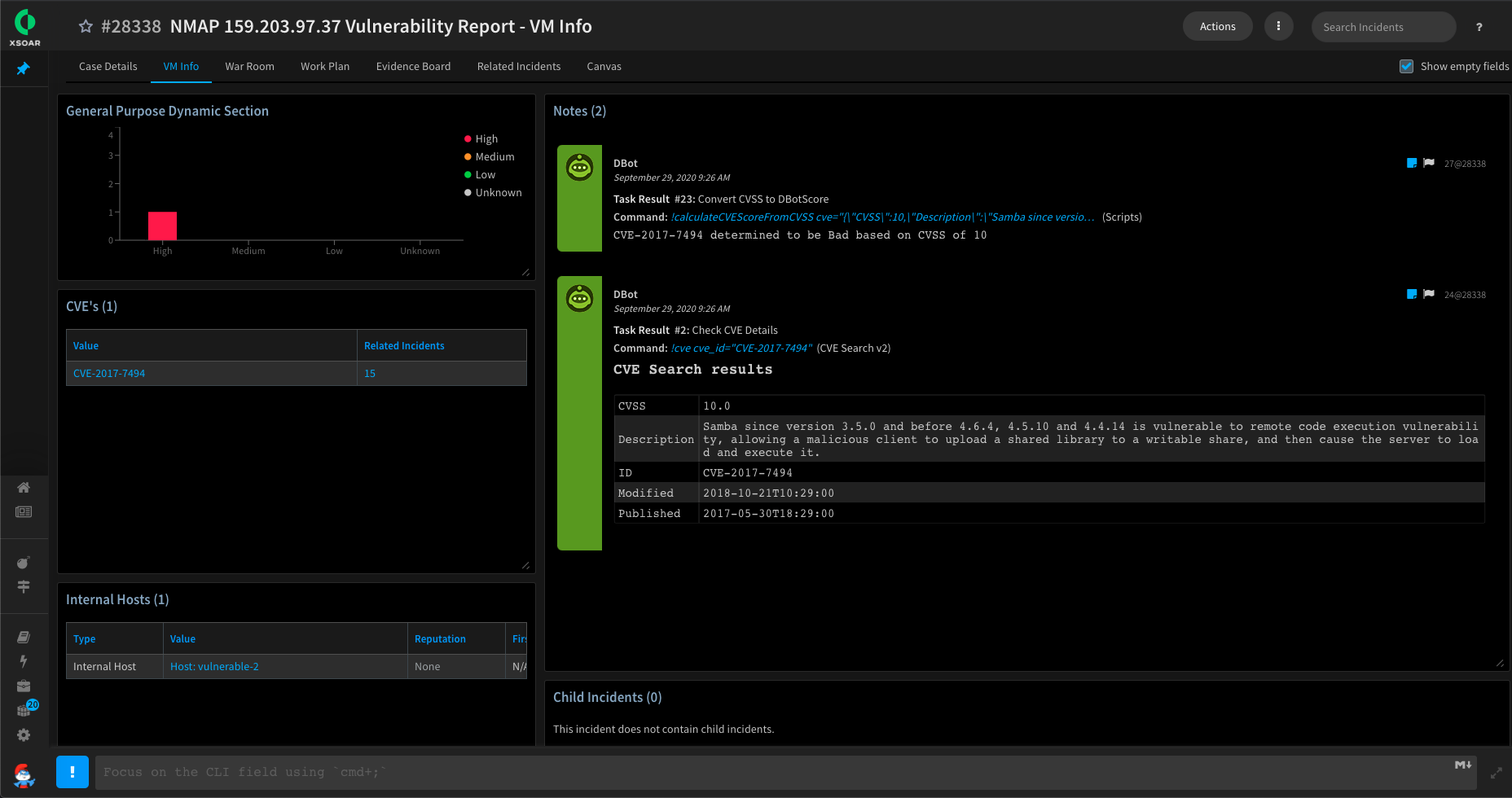
Inspiration
Vulnerability Management teams are swamped with vulnerabilities, and have a hard time actually improving an organization's risk posture.
What it does
The Intel-Driven Vulnerability Management content pack enables organizations to connect vulnerability information to actual threats that have the intent and capability to do harm. Take the specter and meltdown vulnerabilities, for example. They're high vulnerabilities because theoretically they could lead to RCE, but in practice no one has the capability to exploit them--no proof of concept or in the wild attack has been demonstrated. Similarly, nation states that may have the capability to exploit such vulnerabilities may not have the intent to harm an organizations particular country or industry.
This content pack helps close the Window of Opportunity by prioritizing patches for vulnerabilities that are actively being exploited by motivated and capable threat actors. It also retroactively identifies incidents that involved that CVE so they can be prioritized appropriately, and lastly, it identifies any new exploit attempts as being part of a campaign that must be given a high priority.
How I built it
Cortex XSOAR's robust and flexible Case Management capabilities allowed us to build a Threat Intel Campaign case type and layout to organize threat intel. The indicators enrichment and database were extended to improve CVE and Internal Host handling. And we put everything together with heavy use of Incident and Indicator linking mechanisms.
What's next for Intel-Driven Vulnerability Management
Other vulnerability scanning tools can be easily added to the skeleton provided. We focused primarily on NMAP because it's free and easy to deploy, but also created a playbook for Tenable. Other scanning tools like Qualys could easily be added.
Built With
- xsoar





Log in or sign up for Devpost to join the conversation.